• The young president of Senegal, Bassirou Diomaye Faye , has said: I do not want to see my picture in your offices because I am neither God nor an icon. I am a servant of this country. Instead, put up pictures of your children in the office and whenever a decision needs to be made, look at that picture. And if the temptation to steal arises in any way, look deeply at that picture of your family and ask yourself if this family would like to be known as the family of a thief who has deceived the country.
    The young president of Senegal, Bassirou Diomaye Faye , has said: ''I do not want to see my picture in your offices because I am neither God nor an icon. I am a servant of this country.'' Instead, put up pictures of your children in the office and whenever a decision needs to be made, look at that picture. And if the temptation to steal arises in any way, look deeply at that picture of your family and ask yourself if this family would like to be known as the family of a thief who has deceived the country.
    0 Comments 0 Shares 0 Views
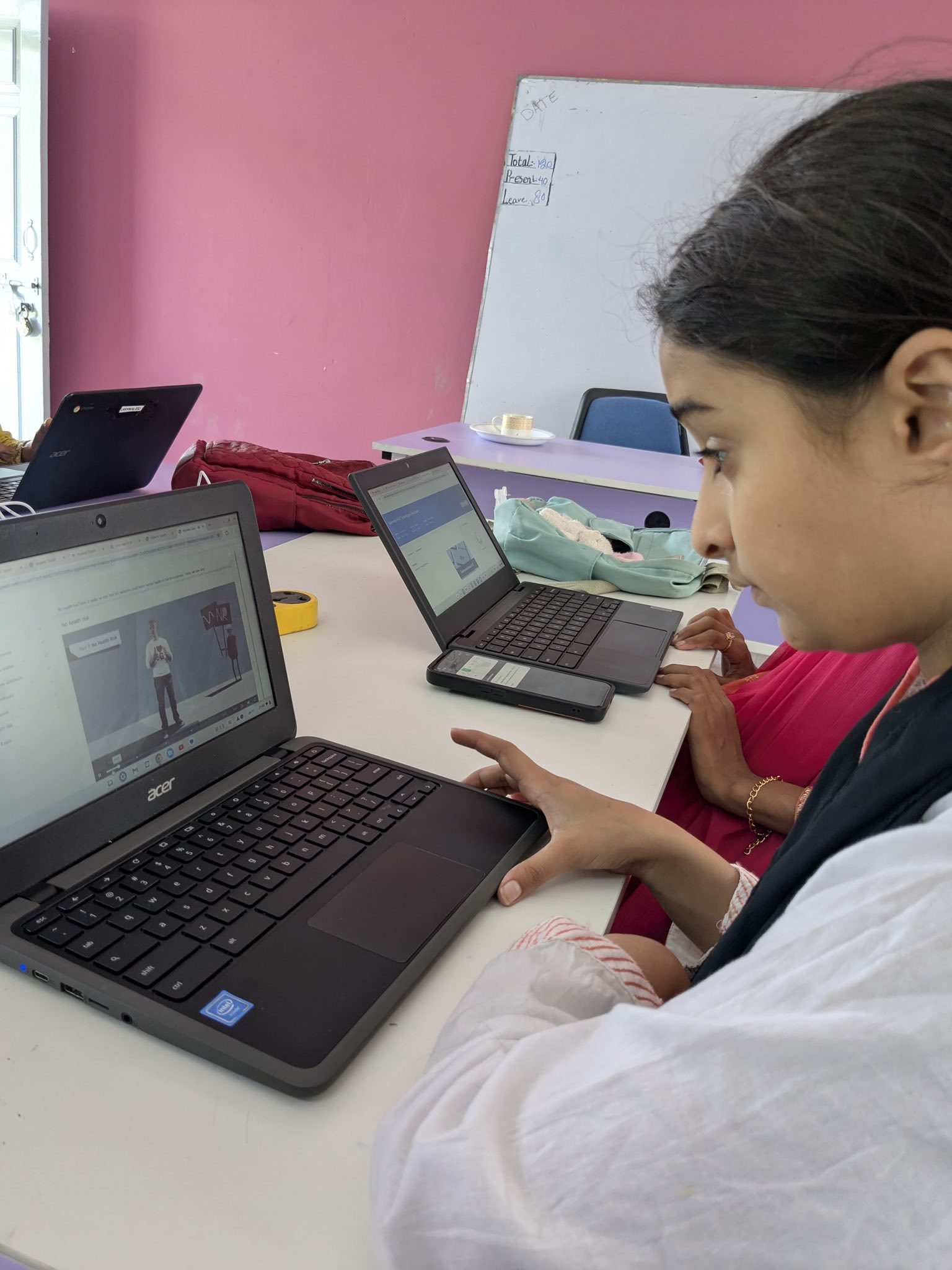
  • Congratulations to Maryam Zulfiqar TrainingWali on becoming the first member of our team to complete our Rehan AI Teachers Institute level one course !

    So so proud of you and Happy Birthday to you !

    I am hoping that rest of our team will also complete this and you will complete level 2 soon
    Congratulations to Maryam Zulfiqar TrainingWali on becoming the first member of our team to complete our Rehan AI Teachers Institute level one 1️⃣ course ! So so proud of you 👍 and Happy Birthday to you ! I am hoping that rest of our team will also complete this and you will complete level 2 soon
    0 Comments 0 Shares 0 Views
  • Hello Spain ! Come meet Syed Abdul Khabir Azad !
    Hello Spain ! Come meet Syed Abdul Khabir Azad !
    0 Comments 0 Shares 0 Views
  • Linus and the Kernel

    A true story of how a student changed the world — from his bedroom.


    Once upon a time in the snowy city of Helsinki, Finland…

    There lived a young man named Linus Torvalds.
    He was quiet, curious, and madly in love with computers — the kind of person who would rather debug code than go to parties.

    At university, Linus discovered something magical: UNIX — a powerful operating system used by scientists and big companies. It was clever, complex… and completely out of reach for a student with no money.

    But then he found a little cousin of UNIX called MINIX, created by a professor named Andrew Tanenbaum. MINIX was free — sort of — and Linus finally had something he could play with.

    Except… he wasn’t happy.


    “Why can’t I fix this thing?”

    MINIX was meant for learning, not building. It was locked up, like a toy with superglue on the screws. Linus wanted freedom.
    He wanted to tinker, change, build.

    So, one day in 1991, he said to himself:

    “If no one will give me the perfect operating system… I’ll just make my own.”

    And so, in a little room, on a modest computer, Linus began typing the first lines of code for something that didn’t have a name yet — a new kernel, the brain of a future operating system.


    August 25, 1991: The Message That Started a Movement

    Linus wrote a message on a public forum:

    “Hello everybody out there using MINIX —
    I’m doing a free operating system (just a hobby, won’t be big and professional like GNU)…”

    He called it Freax at first (yes, seriously), but the guy running the download server thought “Linux” sounded better.
    And so — accidentally — it was named after Linus himself.


    And then… the world joined in

    Developers across the globe read his message. Some were curious.
    Some were skeptical.
    But some said, “Hey, I want to help.”

    And so, piece by piece, line by line, strangers from different continents came together to build the operating system Linus had only dreamed of.

    It grew. Fast.
    • A student in Germany added networking.
    • A programmer in Australia helped make it faster.
    • A team in the U.S. ported it to new machines.

    Linus didn’t become rich or famous overnight. But his code spread like wildfire.


    And today?
    • Your Android phone runs Linux.
    • Supercomputers, servers, TVs, cars, rockets, even refrigerators use Linux.
    • It runs the Internet, the cloud, and even ChatGPT’s servers.

    And all of it started with one young man who was just frustrated, a bit stubborn, and had a vision of something better.


    The Moral of the Story?

    Sometimes the biggest revolutions don’t start with a company — they start with a curious student, a problem to solve, and a message to the world that says:

    “Hey, I built something. Want to help?”

    🧑‍💻 Linus and the Kernel A true story of how a student changed the world — from his bedroom. ⸻ 🌬️ Once upon a time in the snowy city of Helsinki, Finland… There lived a young man named Linus Torvalds. He was quiet, curious, and madly in love with computers — the kind of person who would rather debug code than go to parties. At university, Linus discovered something magical: UNIX — a powerful operating system used by scientists and big companies. It was clever, complex… and completely out of reach for a student with no money. But then he found a little cousin of UNIX called MINIX, created by a professor named Andrew Tanenbaum. MINIX was free — sort of — and Linus finally had something he could play with. Except… he wasn’t happy. ⸻ 💡 “Why can’t I fix this thing?” MINIX was meant for learning, not building. It was locked up, like a toy with superglue on the screws. Linus wanted freedom. He wanted to tinker, change, build. So, one day in 1991, he said to himself: “If no one will give me the perfect operating system… I’ll just make my own.” And so, in a little room, on a modest computer, Linus began typing the first lines of code for something that didn’t have a name yet — a new kernel, the brain of a future operating system. ⸻ 📣 August 25, 1991: The Message That Started a Movement Linus wrote a message on a public forum: “Hello everybody out there using MINIX — I’m doing a free operating system (just a hobby, won’t be big and professional like GNU)…” He called it Freax at first (yes, seriously), but the guy running the download server thought “Linux” sounded better. And so — accidentally — it was named after Linus himself. ⸻ 🌍 And then… the world joined in Developers across the globe read his message. Some were curious. Some were skeptical. But some said, “Hey, I want to help.” And so, piece by piece, line by line, strangers from different continents came together to build the operating system Linus had only dreamed of. It grew. Fast. • A student in Germany added networking. • A programmer in Australia helped make it faster. • A team in the U.S. ported it to new machines. Linus didn’t become rich or famous overnight. But his code spread like wildfire. ⸻ 🚀 And today? • Your Android phone runs Linux. • Supercomputers, servers, TVs, cars, rockets, even refrigerators use Linux. • It runs the Internet, the cloud, and even ChatGPT’s servers. And all of it started with one young man who was just frustrated, a bit stubborn, and had a vision of something better. ⸻ 🧠 The Moral of the Story? Sometimes the biggest revolutions don’t start with a company — they start with a curious student, a problem to solve, and a message to the world that says: “Hey, I built something. Want to help?”

    0 Comments 0 Shares 0 Views
  • 0 Comments 0 Shares 0 Views
  • The Life and Legacy of the 24-Hour Insect: The Mayfly

    In a world where life can span decades or even centuries, the mayfly stands out as nature’s ultimate reminder of how fleeting life can be. Often referred to as the “24-hour insect,” the mayfly (from the order Ephemeroptera) has become a symbol of ephemerality — beauty that lasts for a moment, then disappears.

    Despite their brief appearance as adults, mayflies lead surprisingly complex lives. Their journey begins in freshwater habitats, where they live as nymphs (or larvae) for several months to up to two years, breathing underwater and feeding on algae and organic matter. These nymphs are not only vital to the aquatic food chain, but they also serve as environmental indicators, helping scientists assess the health of water ecosystems.

    Then, in a sudden and dramatic transformation, the mayfly emerges from the water in its adult form — delicate, winged, and ready for one final mission: reproduction. But here’s the twist — most adult mayflies don’t have mouths. They can’t eat, they can’t drink, and they don’t live to see another sunset. Their only goal is to mate, lay eggs, and die, often within 24 hours or even just a few minutes.

    This ultra-short adult life has fascinated poets, scientists, and philosophers for centuries. In Japanese and Chinese cultures, the mayfly is sometimes used as a metaphor for the brevity of youth and the impermanence of beauty. Its Latin name, Ephemeroptera, literally means “short-lived wing,” and indeed, these creatures are nature’s one-day wonders.

    But don’t mistake short life for insignificance. In their brief adult phase, mayflies emerge in such massive numbers that they can be seen on radar. Roads are sometimes covered with their tiny bodies, and streetlights attract them in shimmering clouds. These moments — brief as they are — help entire ecosystems thrive.

    In the end, the mayfly reminds us that the value of life is not measured in days or years, but in purpose. In just one day, it completes its destiny, dances in the air, continues its species, and contributes to the balance of nature.


    Moral of the mayfly’s story?
    Live with purpose — even if your wings only last for a day.
    🪰 The Life and Legacy of the 24-Hour Insect: The Mayfly In a world where life can span decades or even centuries, the mayfly stands out as nature’s ultimate reminder of how fleeting life can be. Often referred to as the “24-hour insect,” the mayfly (from the order Ephemeroptera) has become a symbol of ephemerality — beauty that lasts for a moment, then disappears. Despite their brief appearance as adults, mayflies lead surprisingly complex lives. Their journey begins in freshwater habitats, where they live as nymphs (or larvae) for several months to up to two years, breathing underwater and feeding on algae and organic matter. These nymphs are not only vital to the aquatic food chain, but they also serve as environmental indicators, helping scientists assess the health of water ecosystems. Then, in a sudden and dramatic transformation, the mayfly emerges from the water in its adult form — delicate, winged, and ready for one final mission: reproduction. But here’s the twist — most adult mayflies don’t have mouths. They can’t eat, they can’t drink, and they don’t live to see another sunset. Their only goal is to mate, lay eggs, and die, often within 24 hours or even just a few minutes. This ultra-short adult life has fascinated poets, scientists, and philosophers for centuries. In Japanese and Chinese cultures, the mayfly is sometimes used as a metaphor for the brevity of youth and the impermanence of beauty. Its Latin name, Ephemeroptera, literally means “short-lived wing,” and indeed, these creatures are nature’s one-day wonders. But don’t mistake short life for insignificance. In their brief adult phase, mayflies emerge in such massive numbers that they can be seen on radar. Roads are sometimes covered with their tiny bodies, and streetlights attract them in shimmering clouds. These moments — brief as they are — help entire ecosystems thrive. In the end, the mayfly reminds us that the value of life is not measured in days or years, but in purpose. In just one day, it completes its destiny, dances in the air, continues its species, and contributes to the balance of nature. ⸻ Moral of the mayfly’s story? Live with purpose — even if your wings only last for a day. ✨
    0 Comments 0 Shares 265 Views
  • خمیرہ گاؤ زبان ایک یونانی/طبِّ یونانی دوا ہے جو دل، دماغ، اعصاب اور عمومی کمزوری کے لیے استعمال ہوتی ہے۔ اسے tonic سمجھا جاتا ہے، خاص طور پر دماغی اور اعصابی نظام کے لیے۔

    خمیرہ گاؤ زبان کیا ہے؟

    “خمیرہ” کا مطلب ہوتا ہے “خمیر کی ہوئی یا نرم و لطیف دوا”، اور “گاؤ زبان” ایک جڑی بوٹی ہے جسے انگریزی میں Borage کہتے ہیں۔ اسے بنیادی طور پر دماغی سکون، نزلہ، کھانسی، بخار، بے چینی اور کمزوری کے لیے استعمال کیا جاتا ہے۔


    عام اجزاء:

    (کمپنی کے لحاظ سے فرق ہو سکتا ہے، مگر عموماً شامل ہوتے ہیں:)

    اجزاء فوائد
    گاؤ زبان (Borage) دل و دماغ کو تقویت، پرسکون نیند
    عنبر دماغی طاقت، خوشبو، مقوی
    صندل سفید ٹھنڈک، سوزش کم کرنا
    گل نیلوفر دل و دماغ کو فرحت
    عود، زعفران مقوی قلب و دماغ
    گلاب کا عرق سکون و خوشبو
    چینی یا شہد میٹھا ذائقہ اور توانائی


    فائدے:
    • دل کی دھڑکن کو نارمل کرتا ہے
    • ذہنی دباؤ اور تھکن کم کرتا ہے
    • نیند کو بہتر بناتا ہے
    • بخار، نزلہ و زکام میں مفید
    • آواز بھاری ہونے میں (بعض صورتوں میں) آرام دیتا ہے
    • یادداشت بہتر بنانے میں مددگار


    کن حالات میں دیا جاتا ہے:
    • دماغی کمزوری یا ذہنی تھکن
    • دل کی بے ترتیبی یا گھبراہٹ
    • اعصابی کمزوری
    • نزلہ، زکام یا موسمی بخار


    احتیاط:
    • ذیابیطس والے افراد استعمال سے پہلے ڈاکٹر سے مشورہ کریں (کیونکہ اس میں چینی ہو سکتی ہے)
    • دوا کے طور پر ہی استعمال کریں، عام مٹھائی نہ سمجھیں
    • ضرورت سے زیادہ نہ لیں، ایک چمچ صبح یا رات کافی ہوتا ہے
    خمیرہ گاؤ زبان ایک یونانی/طبِّ یونانی دوا ہے جو دل، دماغ، اعصاب اور عمومی کمزوری کے لیے استعمال ہوتی ہے۔ اسے tonic سمجھا جاتا ہے، خاص طور پر دماغی اور اعصابی نظام کے لیے۔ 👑 خمیرہ گاؤ زبان کیا ہے؟ “خمیرہ” کا مطلب ہوتا ہے “خمیر کی ہوئی یا نرم و لطیف دوا”، اور “گاؤ زبان” ایک جڑی بوٹی ہے جسے انگریزی میں Borage کہتے ہیں۔ اسے بنیادی طور پر دماغی سکون، نزلہ، کھانسی، بخار، بے چینی اور کمزوری کے لیے استعمال کیا جاتا ہے۔ ⸻ 📜 عام اجزاء: (کمپنی کے لحاظ سے فرق ہو سکتا ہے، مگر عموماً شامل ہوتے ہیں:) اجزاء فوائد گاؤ زبان (Borage) دل و دماغ کو تقویت، پرسکون نیند عنبر دماغی طاقت، خوشبو، مقوی صندل سفید ٹھنڈک، سوزش کم کرنا گل نیلوفر دل و دماغ کو فرحت عود، زعفران مقوی قلب و دماغ گلاب کا عرق سکون و خوشبو چینی یا شہد میٹھا ذائقہ اور توانائی ⸻ 🎯 فائدے: • دل کی دھڑکن کو نارمل کرتا ہے • ذہنی دباؤ اور تھکن کم کرتا ہے • نیند کو بہتر بناتا ہے • بخار، نزلہ و زکام میں مفید • آواز بھاری ہونے میں (بعض صورتوں میں) آرام دیتا ہے • یادداشت بہتر بنانے میں مددگار ⸻ 🧠 کن حالات میں دیا جاتا ہے: • دماغی کمزوری یا ذہنی تھکن • دل کی بے ترتیبی یا گھبراہٹ • اعصابی کمزوری • نزلہ، زکام یا موسمی بخار ⸻ ❌ احتیاط: • ذیابیطس والے افراد استعمال سے پہلے ڈاکٹر سے مشورہ کریں (کیونکہ اس میں چینی ہو سکتی ہے) • دوا کے طور پر ہی استعمال کریں، عام مٹھائی نہ سمجھیں • ضرورت سے زیادہ نہ لیں، ایک چمچ صبح یا رات کافی ہوتا ہے
    0 Comments 0 Shares 30 Views
  • 0 Comments 0 Shares 0 Views
  • 0 Comments 0 Shares 0 Views
  • 0 Comments 0 Shares 0 Views