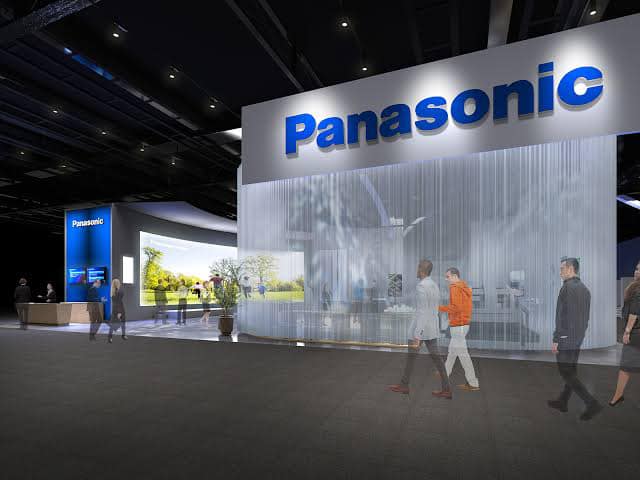
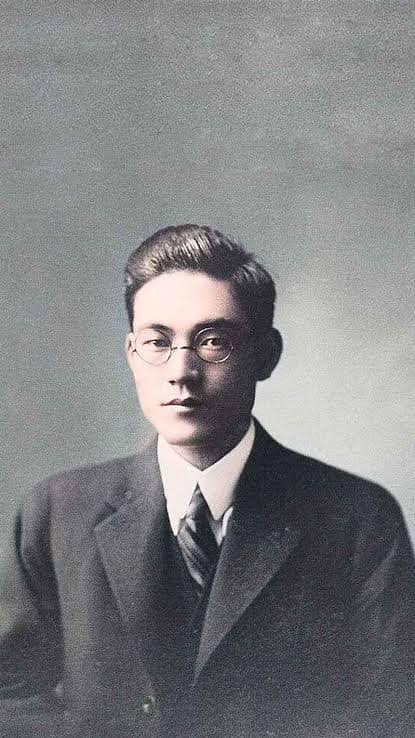
• پیناسونک کے بانی، کونوسوکے مٹسوشیٹا، 27 نومبر 1894 کو جاپان کے واگایاما میں پیدا ہوئے۔ انہوں نے ایک مقامی الیکٹرکل کمپنی میں اپرنٹس کے طور پر اپنے کیریئر کا آغاز کیا۔ 1917 میں، انہوں نے مٹسوشیٹا الیکٹرک ہاؤس ویئرز مینوفیکچرنگ ورکس قائم کیا، جو ابتدائی طور پر ساکٹ اور پلگ تیار کرتی تھی۔

    مٹسوشیٹا کا وژن یہ تھا کہ وہ ایسے جدید مصنوعات بنائیں جو روزمرہ کی زندگی کو بہتر بنائیں۔ ان کی پہلی بڑی کامیابی ایک سائیکل کی لیمپ کی ترقی تھی جو بیٹری کا استعمال کرتی تھی، اور یہ کافی مقبول ہوئی۔

    1920 کی دہائی میں، مٹسوشیٹا نے اپنی مصنوعات کی لائن میں ریڈیوز اور دیگر صارفین کی الیکٹرونکس شامل کیں۔ کمپنی نے تیزی سے ترقی کی اور 1950 کی دہائی میں پیناسونک کا نام اپنایا۔ مٹسوشیٹا نے معیار اور صارف کی تسلی پر زور دیا، جس سے ایک قابل اعتماد شہرت بنی۔

    دوسری جنگ عظیم کے دوران، کمپنی نے چیلنجز کا سامنا کیا مگر جنگی ضروریات کو پورا کرنے کے لیے پیداوار کو تبدیل کیا۔ جنگ کے بعد، مٹسوشیٹا نے بحالی اور جدت پر توجہ دی، گھریلو آلات اور الیکٹرونکس کی ایک رینج متعارف کروائی جس نے روزمرہ کی زندگی کو تبدیل کر دیا۔

    مٹسوشیٹا کا یقین تھا کہ کارپوریٹ ذمہ داری اور کارکنوں کی بہبود اہم ہیں۔ انہوں نے ایک فلسفہ قائم کیا جو سماجی تعاون اور اخلاقیات پر مبنی تھا، جو کمپنی کے آپریشنز کی رہنمائی کرتا تھا۔

    کونوسوکے مٹسوشیٹا نے 1972 میں صدر کے عہدے سے استعفیٰ دیا، مگر انہوں نے اپنی وفات تک 27 اپریل 1989 تک کمپنی پر اثر انداز ہونا جاری رکھا۔ ان کی وراثت آج بھی پیناسونک کی جدت، معیار، اور سماجی بہتری کے عزم کے ذریعے زندہ ہے۔ مٹسوشیٹا کی کہانی بصیرت، عزم، اور ٹیکنالوجی کے ذریعے زندگیوں کو بہتر بنانے کی کوشش کی طاقت کی مثال ہے۔
    پیناسونک کے بانی، کونوسوکے مٹسوشیٹا، 27 نومبر 1894 کو جاپان کے واگایاما میں پیدا ہوئے۔ انہوں نے ایک مقامی الیکٹرکل کمپنی میں اپرنٹس کے طور پر اپنے کیریئر کا آغاز کیا۔ 1917 میں، انہوں نے مٹسوشیٹا الیکٹرک ہاؤس ویئرز مینوفیکچرنگ ورکس قائم کیا، جو ابتدائی طور پر ساکٹ اور پلگ تیار کرتی تھی۔ مٹسوشیٹا کا وژن یہ تھا کہ وہ ایسے جدید مصنوعات بنائیں جو روزمرہ کی زندگی کو بہتر بنائیں۔ ان کی پہلی بڑی کامیابی ایک سائیکل کی لیمپ کی ترقی تھی جو بیٹری کا استعمال کرتی تھی، اور یہ کافی مقبول ہوئی۔ 1920 کی دہائی میں، مٹسوشیٹا نے اپنی مصنوعات کی لائن میں ریڈیوز اور دیگر صارفین کی الیکٹرونکس شامل کیں۔ کمپنی نے تیزی سے ترقی کی اور 1950 کی دہائی میں پیناسونک کا نام اپنایا۔ مٹسوشیٹا نے معیار اور صارف کی تسلی پر زور دیا، جس سے ایک قابل اعتماد شہرت بنی۔ دوسری جنگ عظیم کے دوران، کمپنی نے چیلنجز کا سامنا کیا مگر جنگی ضروریات کو پورا کرنے کے لیے پیداوار کو تبدیل کیا۔ جنگ کے بعد، مٹسوشیٹا نے بحالی اور جدت پر توجہ دی، گھریلو آلات اور الیکٹرونکس کی ایک رینج متعارف کروائی جس نے روزمرہ کی زندگی کو تبدیل کر دیا۔ مٹسوشیٹا کا یقین تھا کہ کارپوریٹ ذمہ داری اور کارکنوں کی بہبود اہم ہیں۔ انہوں نے ایک فلسفہ قائم کیا جو سماجی تعاون اور اخلاقیات پر مبنی تھا، جو کمپنی کے آپریشنز کی رہنمائی کرتا تھا۔ کونوسوکے مٹسوشیٹا نے 1972 میں صدر کے عہدے سے استعفیٰ دیا، مگر انہوں نے اپنی وفات تک 27 اپریل 1989 تک کمپنی پر اثر انداز ہونا جاری رکھا۔ ان کی وراثت آج بھی پیناسونک کی جدت، معیار، اور سماجی بہتری کے عزم کے ذریعے زندہ ہے۔ مٹسوشیٹا کی کہانی بصیرت، عزم، اور ٹیکنالوجی کے ذریعے زندگیوں کو بہتر بنانے کی کوشش کی طاقت کی مثال ہے۔
    0 Comments 0 Shares 28 Views
  • ٹوئیوٹا کے بانی، کیچرو ٹوئیودا، 11 جون 1894 کو جاپان میں پیدا ہوئے۔ وہ ساکیچی ٹوئیودا کے بیٹے تھے، جو ایک مشہور موجد اور صنعتکار تھے۔ کیچرو نے ابتدائی طور پر اپنے خاندان کے کاروبار میں کام کیا، جہاں انہوں نے لوم ٹیکنالوجی کی بہتری پر توجہ دی۔

    1930 کی دہائی میں، کیچرو نے جاپان میں گاڑیوں کی تیاری کے امکانات کو پہچانا۔ انہوں نے امریکہ کا سفر کیا تاکہ خودروسازی کی صنعت کا مطالعہ کر سکیں اور 1936 میں ٹوئیوٹا کا پہلا مسافر کار، ٹوئیوٹا AA، تیار کیا۔

    دوسری جنگ عظیم کے دوران، ٹوئیوٹا نے فوجی گاڑیاں اور ساز و سامان تیار کرنے پر توجہ دی۔ جنگ کے بعد، کمپنی کو تباہ شدہ فیکٹریوں اور خراب معیشت کی وجہ سے بہت سے چیلنجز کا سامنا کرنا پڑا۔ کیچرو نے جدید مینوفیکچرنگ تکنیکیں متعارف کروائیں، جن میں "وقت پر پیداوار" کا نظام شامل تھا، جس نے کارکردگی کو بہتر بنایا۔

    ان کی قیادت میں، ٹوئیوٹا نے دوبارہ اپنے قدم جمانا شروع کیا، اور 1950 کی دہائی میں ٹوئیوٹا کروان جیسے مقبول ماڈلز متعارف کروائے۔ کیچرو کی معیار اور مسلسل بہتری پر زور نے ٹوئیوٹا کو خودروسازی کی عالمی رہنما کمپنی بننے کی بنیاد رکھی۔

    **پاکستانیوں سے درخواست ہے کہ وہ عمل کریں اور چھوٹے آغاز سے شروع کریں! ہر کامیابی کی شروعات ایک چھوٹی سی قدم سے ہوتی ہے۔**
    ٹوئیوٹا کے بانی، کیچرو ٹوئیودا، 11 جون 1894 کو جاپان میں پیدا ہوئے۔ وہ ساکیچی ٹوئیودا کے بیٹے تھے، جو ایک مشہور موجد اور صنعتکار تھے۔ کیچرو نے ابتدائی طور پر اپنے خاندان کے کاروبار میں کام کیا، جہاں انہوں نے لوم ٹیکنالوجی کی بہتری پر توجہ دی۔ 1930 کی دہائی میں، کیچرو نے جاپان میں گاڑیوں کی تیاری کے امکانات کو پہچانا۔ انہوں نے امریکہ کا سفر کیا تاکہ خودروسازی کی صنعت کا مطالعہ کر سکیں اور 1936 میں ٹوئیوٹا کا پہلا مسافر کار، ٹوئیوٹا AA، تیار کیا۔ دوسری جنگ عظیم کے دوران، ٹوئیوٹا نے فوجی گاڑیاں اور ساز و سامان تیار کرنے پر توجہ دی۔ جنگ کے بعد، کمپنی کو تباہ شدہ فیکٹریوں اور خراب معیشت کی وجہ سے بہت سے چیلنجز کا سامنا کرنا پڑا۔ کیچرو نے جدید مینوفیکچرنگ تکنیکیں متعارف کروائیں، جن میں "وقت پر پیداوار" کا نظام شامل تھا، جس نے کارکردگی کو بہتر بنایا۔ ان کی قیادت میں، ٹوئیوٹا نے دوبارہ اپنے قدم جمانا شروع کیا، اور 1950 کی دہائی میں ٹوئیوٹا کروان جیسے مقبول ماڈلز متعارف کروائے۔ کیچرو کی معیار اور مسلسل بہتری پر زور نے ٹوئیوٹا کو خودروسازی کی عالمی رہنما کمپنی بننے کی بنیاد رکھی۔ **پاکستانیوں سے درخواست ہے کہ وہ عمل کریں اور چھوٹے آغاز سے شروع کریں! ہر کامیابی کی شروعات ایک چھوٹی سی قدم سے ہوتی ہے۔**
    0 Comments 0 Shares 28 Views
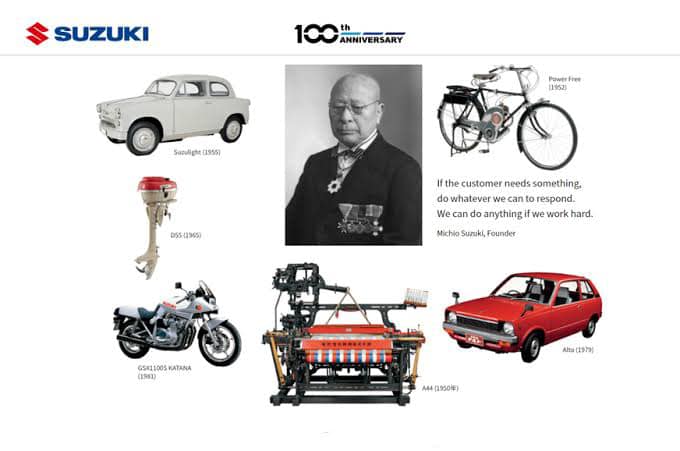
  • مچیو سوزوکی، سوزوکی کے بانی، 10 جون 1887 کو جاپان کے ہماماتسو میں پیدا ہوئے۔ انہوں نے 1909 میں ایک کمپنی قائم کی جو ٹیکسٹائل انڈسٹری کے لیے ویونگ لومز تیار کرتی تھی۔

    دوسری جنگ عظیم کے بعد، سوزوکی نے اپنے کاروبار کو متنوع بنانے کا فیصلہ کیا۔ 1952 میں، انہوں نے "پاور فری" نامی ایک موٹرائزڈ بائیک متعارف کرائی، جو بہت مقبول ہوئی اور کمپنی کی خودروسازی کی دنیا میں قدم رکھنے کا آغاز کیا۔ اس کے بعد انہوں نے کامیاب موٹر سائیکلوں کی سیریز تیار کی۔

    1960 کی دہائی میں، سوزوکی نے سوزولائٹ نامی ایک چھوٹی کار متعارف کرائی، جو اپنی قیمت اور ایندھن کی کارکردگی کی وجہ سے مشہور ہوئی۔ سوزوکی نے وقت کے ساتھ ساتھ مختلف ماڈلز اور ٹیکنالوجیز کو ترقی دی۔

    مچیو سوزوکی کی قیادت میں، کمپنی نے معیار اور صارف کی ضروریات کے مطابق انحطاط پر زور دیا۔ انہوں نے تحقیق اور ترقی کی اہمیت کو تسلیم کیا، جو سوزوکی کی عالمی سطح پر ترقی کی بنیاد بنی۔

    **یاد رکھیں، ہر چیز ایک چھوٹی شروعات سے ہی شروع ہوتی ہے! بس شروع کریں اور آگے بڑھیں!**
    مچیو سوزوکی، سوزوکی کے بانی، 10 جون 1887 کو جاپان کے ہماماتسو میں پیدا ہوئے۔ انہوں نے 1909 میں ایک کمپنی قائم کی جو ٹیکسٹائل انڈسٹری کے لیے ویونگ لومز تیار کرتی تھی۔ دوسری جنگ عظیم کے بعد، سوزوکی نے اپنے کاروبار کو متنوع بنانے کا فیصلہ کیا۔ 1952 میں، انہوں نے "پاور فری" نامی ایک موٹرائزڈ بائیک متعارف کرائی، جو بہت مقبول ہوئی اور کمپنی کی خودروسازی کی دنیا میں قدم رکھنے کا آغاز کیا۔ اس کے بعد انہوں نے کامیاب موٹر سائیکلوں کی سیریز تیار کی۔ 1960 کی دہائی میں، سوزوکی نے سوزولائٹ نامی ایک چھوٹی کار متعارف کرائی، جو اپنی قیمت اور ایندھن کی کارکردگی کی وجہ سے مشہور ہوئی۔ سوزوکی نے وقت کے ساتھ ساتھ مختلف ماڈلز اور ٹیکنالوجیز کو ترقی دی۔ مچیو سوزوکی کی قیادت میں، کمپنی نے معیار اور صارف کی ضروریات کے مطابق انحطاط پر زور دیا۔ انہوں نے تحقیق اور ترقی کی اہمیت کو تسلیم کیا، جو سوزوکی کی عالمی سطح پر ترقی کی بنیاد بنی۔ **یاد رکھیں، ہر چیز ایک چھوٹی شروعات سے ہی شروع ہوتی ہے! بس شروع کریں اور آگے بڑھیں!**
    0 Comments 0 Shares 24 Views
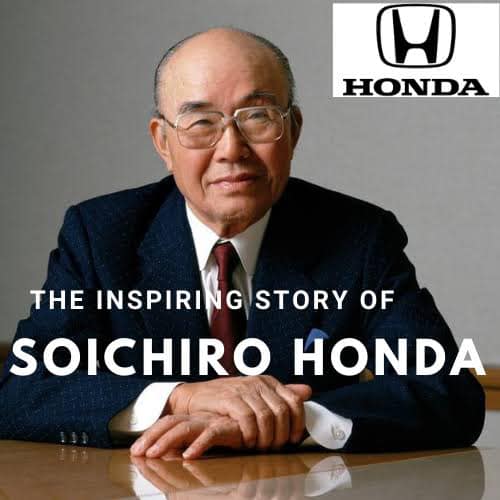
  • سویچیرو ہونڈا، ہونڈا موٹر کمپنی کے بانی، 17 نومبر 1906 کو جاپان کے شہر ہماماتسو میں پیدا ہوئے۔ انہوں نے چھوٹی عمر سے ہی انجینئرنگ میں دلچسپی لی اور میکانیکی کاموں میں مہارت حاصل کی۔ 1948 میں، انہوں نے موٹرائزڈ بائیکیں بنانے کے لیے اپنی کمپنی قائم کی۔

    ہونڈا کا وژن یہ تھا کہ وہ قابلِ رسائی اور قابلِ اعتماد گاڑیاں بنائیں۔ انہیں کئی چیلنجز کا سامنا کرنا پڑا، مگر ان کی انوکھائی اور معیار کے لیے عزم نے ہونڈا ڈریم موٹر سائیکل کے کامیاب آغاز میں مدد کی۔

    1960 کی دہائی میں ہونڈا نے گاڑیوں کی صنعت میں قدم رکھا، ہونڈا ٹی360 ٹرک اور ایس500 اسپورٹس کار متعارف کروائی۔ ہونڈا سِوک کی آمد کے ساتھ کمپنی نے عالمی سطح پر کامیابی حاصل کی۔

    ہونڈا کی جدوجہد کا سبق یہ ہے کہ محنت، تخلیقی صلاحیت، اور مستقل جدت ہی کامیابی کی کنجی ہیں۔ نوجوانوں کو یہ سیکھنا چاہیے کہ خود پر اعتماد رکھیں اور اپنی صلاحیتوں کو بروئے کار لائیں۔

    **نوجوانوں سے درخواست ہے کہ آپ اپنے خوابوں کی پیروی کریں، جدت پر توجہ دیں، اور محنت کریں۔ آپ بھی ہونڈا کی طرح کامیابی کی منزلیں طے کر سکتے ہیں۔**

    Soichiro Honda, the founder of Honda Motor Co., was born on November 17, 1906, in Hamamatsu, Japan. He had a passion for engineering from a young age, often tinkering with machines. After working as a mechanic, he started his own company in 1948, initially producing motorized bicycles.

    Hondas vision was to create affordable, reliable vehicles. He faced numerous challenges, including post-war economic difficulties and competition, but his commitment to innovation and quality led to the successful launch of the Honda Dream motorcycle in the late 1940s.

    In the 1960s, Honda expanded into automobiles, introducing the Honda T360 truck and the S500 sports car. The companys breakthrough came with the introduction of the Honda Civic in 1972, which gained global popularity.

    Honda was known for his relentless pursuit of perfection and innovation. He emphasized research and development, leading to advancements in fuel efficiency and motorcycle technology. His leadership style encouraged creativity and independence among employees.

    Soichiro Honda retired in 1973, but his legacy continued to influence the automotive industry. He passed away on August 5, 1991, but Honda Motor Co. remains one of the largest and most respected automotive manufacturers in the world.
    سویچیرو ہونڈا، ہونڈا موٹر کمپنی کے بانی، 17 نومبر 1906 کو جاپان کے شہر ہماماتسو میں پیدا ہوئے۔ انہوں نے چھوٹی عمر سے ہی انجینئرنگ میں دلچسپی لی اور میکانیکی کاموں میں مہارت حاصل کی۔ 1948 میں، انہوں نے موٹرائزڈ بائیکیں بنانے کے لیے اپنی کمپنی قائم کی۔ ہونڈا کا وژن یہ تھا کہ وہ قابلِ رسائی اور قابلِ اعتماد گاڑیاں بنائیں۔ انہیں کئی چیلنجز کا سامنا کرنا پڑا، مگر ان کی انوکھائی اور معیار کے لیے عزم نے ہونڈا ڈریم موٹر سائیکل کے کامیاب آغاز میں مدد کی۔ 1960 کی دہائی میں ہونڈا نے گاڑیوں کی صنعت میں قدم رکھا، ہونڈا ٹی360 ٹرک اور ایس500 اسپورٹس کار متعارف کروائی۔ ہونڈا سِوک کی آمد کے ساتھ کمپنی نے عالمی سطح پر کامیابی حاصل کی۔ ہونڈا کی جدوجہد کا سبق یہ ہے کہ محنت، تخلیقی صلاحیت، اور مستقل جدت ہی کامیابی کی کنجی ہیں۔ نوجوانوں کو یہ سیکھنا چاہیے کہ خود پر اعتماد رکھیں اور اپنی صلاحیتوں کو بروئے کار لائیں۔ **نوجوانوں سے درخواست ہے کہ آپ اپنے خوابوں کی پیروی کریں، جدت پر توجہ دیں، اور محنت کریں۔ آپ بھی ہونڈا کی طرح کامیابی کی منزلیں طے کر سکتے ہیں۔** Soichiro Honda, the founder of Honda Motor Co., was born on November 17, 1906, in Hamamatsu, Japan. He had a passion for engineering from a young age, often tinkering with machines. After working as a mechanic, he started his own company in 1948, initially producing motorized bicycles. Honda's vision was to create affordable, reliable vehicles. He faced numerous challenges, including post-war economic difficulties and competition, but his commitment to innovation and quality led to the successful launch of the Honda Dream motorcycle in the late 1940s. In the 1960s, Honda expanded into automobiles, introducing the Honda T360 truck and the S500 sports car. The company's breakthrough came with the introduction of the Honda Civic in 1972, which gained global popularity. Honda was known for his relentless pursuit of perfection and innovation. He emphasized research and development, leading to advancements in fuel efficiency and motorcycle technology. His leadership style encouraged creativity and independence among employees. Soichiro Honda retired in 1973, but his legacy continued to influence the automotive industry. He passed away on August 5, 1991, but Honda Motor Co. remains one of the largest and most respected automotive manufacturers in the world.
    0 Comments 0 Shares 4 Views
  • ### اکیو موریتا کی کہانی

    **اکیو موریتا** کی کہانی ایک حیرت انگیز جدت، وژن اور استقامت کی داستان ہے۔ اکیو موریتا، جو کہ **سونی** کے بانیوں میں سے ایک ہیں، نے اپنی محنت اور عزم کے ذریعے ایک چھوٹی سی جاپانی الیکٹرانکس کمپنی کو ایک عالمی ٹیکنالوجی دیو میں تبدیل کیا۔

    #### ابتدائی زندگی:
    اکیو موریتا 26 جنوری 1921 کو **ناگویا، جاپان** میں پیدا ہوئے۔ ان کا خاندان ساکے (روایتی جاپانی مشروب) بنانے کے کاروبار سے وابستہ تھا، لیکن اکیو کو سائنس اور ٹیکنالوجی میں دلچسپی تھی۔ انہوں نے **اوساکا امپیریل یونیورسٹی** سے **فزکس** میں تعلیم حاصل کی اور دوسری جنگ عظیم کے دوران جاپانی بحریہ میں خدمات انجام دیں۔

    #### سونی کی بنیاد:
    1946 میں، اکیو موریتا نے **ماسارو ایبوکا** سے ملاقات کی، جو ایک چھوٹی سی الیکٹرانکس مرمت کی دکان چلا رہے تھے۔ دونوں نے مل کر **ٹوکیو تسوشن کوگیو** کی بنیاد رکھی، جو بعد میں **سونی** بن گئی۔ 1955 میں، انہوں نے جاپان کا پہلا **ٹرانزسٹر ریڈیو** متعارف کرایا، جو ایک بڑی کامیابی تھی۔ 1958 میں، کمپنی کا نام **سونی** رکھا گیا، جس کا مقصد بین الاقوامی سطح پر شناخت بنانا تھا۔

    #### اہم مصنوعات:
    اکیو موریتا کی قیادت میں سونی نے کئی مشہور مصنوعات متعارف کرائیں:
    1. **ٹرینیٹرون ٹی وی**: 1968 میں، سونی نے ٹرینیٹرون متعارف کرایا، جو ایک انقلابی ٹیلی ویژن تھا۔
    2. **سونی واک مین**: 1979 میں، انہوں نے **واک مین** متعارف کرایا، جو موسیقی کو پورٹیبل بنانے والا پہلا آلہ تھا۔

    #### عالمی وژن:
    اکیو موریتا نے ہمیشہ بین الاقوامی منڈیوں میں توجہ دی اور سونی کو ایک عالمی برانڈ بنایا۔ انہوں نے جدید ٹیکنالوجیز کو اپنایا اور تخلیقیت کو فروغ دیا، جو سونی کی کامیابی کا اہم حصہ تھا۔

    ### پاکستانی نوجوانوں کے لیے سبق:
    اکیو موریتا کی کہانی ہمیں کئی اہم اسباق دیتی ہے:

    1. **جدت اور تخلیقی سوچ**:
    - نوجوانوں کو اپنی تخلیقی صلاحیتوں کو بروئے کار لانا چاہیے۔ جدید ٹیکنالوجیز، جیسے **AI** اور **ڈجیٹل مارکیٹنگ** میں مہارت حاصل کریں، اور نئے حل تلاش کریں۔

    2. **عزم اور محنت**:
    - اکیو موریتا کی کامیابی کی بنیاد محنت اور عزم تھی۔ نوجوانوں کو اپنے خوابوں کو حقیقت میں بدلنے کے لیے سخت محنت کرنی چاہیے۔ تعلیمی اور پیشہ ورانہ اہداف مقرر کریں۔

    3. **عالمی سوچ**:
    - اکیو موریتا نے بین الاقوامی منڈیوں میں توجہ دی۔ پاکستانی نوجوانوں کو بھی عالمی مواقع کو دیکھنا چاہیے اور اپنی مصنوعات اور خدمات کو عالمی سطح پر پیش کرنے کی کوشش کرنی چاہیے۔

    ### نتیجہ:
    اکیو موریتا کی کہانی ہمیں یہ سکھاتی ہے کہ عزم، جدت، اور محنت کے ذریعے کوئی بھی شخص اپنے خوابوں کو حقیقت میں بدل سکتا ہے۔ پاکستانی نوجوانوں کو چاہیے کہ وہ اکیو موریتا کی مثال کو اپنائیں، اپنی صلاحیتوں کو پہچانیں، اور ایک بہتر مستقبل کی تشکیل کے لیے اقدامات کریں۔ اس طرح وہ نہ صرف اپنی زندگی بلکہ اپنے ملک اور دنیا کو بھی بدل سکتے ہیں۔
    ### اکیو موریتا کی کہانی **اکیو موریتا** کی کہانی ایک حیرت انگیز جدت، وژن اور استقامت کی داستان ہے۔ اکیو موریتا، جو کہ **سونی** کے بانیوں میں سے ایک ہیں، نے اپنی محنت اور عزم کے ذریعے ایک چھوٹی سی جاپانی الیکٹرانکس کمپنی کو ایک عالمی ٹیکنالوجی دیو میں تبدیل کیا۔ #### ابتدائی زندگی: اکیو موریتا 26 جنوری 1921 کو **ناگویا، جاپان** میں پیدا ہوئے۔ ان کا خاندان ساکے (روایتی جاپانی مشروب) بنانے کے کاروبار سے وابستہ تھا، لیکن اکیو کو سائنس اور ٹیکنالوجی میں دلچسپی تھی۔ انہوں نے **اوساکا امپیریل یونیورسٹی** سے **فزکس** میں تعلیم حاصل کی اور دوسری جنگ عظیم کے دوران جاپانی بحریہ میں خدمات انجام دیں۔ #### سونی کی بنیاد: 1946 میں، اکیو موریتا نے **ماسارو ایبوکا** سے ملاقات کی، جو ایک چھوٹی سی الیکٹرانکس مرمت کی دکان چلا رہے تھے۔ دونوں نے مل کر **ٹوکیو تسوشن کوگیو** کی بنیاد رکھی، جو بعد میں **سونی** بن گئی۔ 1955 میں، انہوں نے جاپان کا پہلا **ٹرانزسٹر ریڈیو** متعارف کرایا، جو ایک بڑی کامیابی تھی۔ 1958 میں، کمپنی کا نام **سونی** رکھا گیا، جس کا مقصد بین الاقوامی سطح پر شناخت بنانا تھا۔ #### اہم مصنوعات: اکیو موریتا کی قیادت میں سونی نے کئی مشہور مصنوعات متعارف کرائیں: 1. **ٹرینیٹرون ٹی وی**: 1968 میں، سونی نے ٹرینیٹرون متعارف کرایا، جو ایک انقلابی ٹیلی ویژن تھا۔ 2. **سونی واک مین**: 1979 میں، انہوں نے **واک مین** متعارف کرایا، جو موسیقی کو پورٹیبل بنانے والا پہلا آلہ تھا۔ #### عالمی وژن: اکیو موریتا نے ہمیشہ بین الاقوامی منڈیوں میں توجہ دی اور سونی کو ایک عالمی برانڈ بنایا۔ انہوں نے جدید ٹیکنالوجیز کو اپنایا اور تخلیقیت کو فروغ دیا، جو سونی کی کامیابی کا اہم حصہ تھا۔ ### پاکستانی نوجوانوں کے لیے سبق: اکیو موریتا کی کہانی ہمیں کئی اہم اسباق دیتی ہے: 1. **جدت اور تخلیقی سوچ**: - نوجوانوں کو اپنی تخلیقی صلاحیتوں کو بروئے کار لانا چاہیے۔ جدید ٹیکنالوجیز، جیسے **AI** اور **ڈجیٹل مارکیٹنگ** میں مہارت حاصل کریں، اور نئے حل تلاش کریں۔ 2. **عزم اور محنت**: - اکیو موریتا کی کامیابی کی بنیاد محنت اور عزم تھی۔ نوجوانوں کو اپنے خوابوں کو حقیقت میں بدلنے کے لیے سخت محنت کرنی چاہیے۔ تعلیمی اور پیشہ ورانہ اہداف مقرر کریں۔ 3. **عالمی سوچ**: - اکیو موریتا نے بین الاقوامی منڈیوں میں توجہ دی۔ پاکستانی نوجوانوں کو بھی عالمی مواقع کو دیکھنا چاہیے اور اپنی مصنوعات اور خدمات کو عالمی سطح پر پیش کرنے کی کوشش کرنی چاہیے۔ ### نتیجہ: اکیو موریتا کی کہانی ہمیں یہ سکھاتی ہے کہ عزم، جدت، اور محنت کے ذریعے کوئی بھی شخص اپنے خوابوں کو حقیقت میں بدل سکتا ہے۔ پاکستانی نوجوانوں کو چاہیے کہ وہ اکیو موریتا کی مثال کو اپنائیں، اپنی صلاحیتوں کو پہچانیں، اور ایک بہتر مستقبل کی تشکیل کے لیے اقدامات کریں۔ اس طرح وہ نہ صرف اپنی زندگی بلکہ اپنے ملک اور دنیا کو بھی بدل سکتے ہیں۔
    0 Comments 0 Shares 559 Views
  • The story of **Akio Morita**, the co-founder of **Sony**, is a remarkable tale of vision, innovation, and perseverance. Morita, along with **Masaru Ibuka**, built Sony from a small post-war Japanese electronics company into a global technology giant. Heres an overview of his life and the creation of Sony:

    ### Early Life:
    - **Akio Morita** was born on **January 26, 1921**, in **Nagoya, Japan**, into a wealthy family that had been brewing sake for generations. Despite his family’s expectation that he would eventually take over the family business, Morita was more interested in science and technology from a young age.
    - Morita studied **physics** at **Osaka Imperial University** and graduated in 1944. During **World War II**, he served as a lieutenant in the Japanese navy, working on military technology, particularly in acoustics and communication systems.

    ### Meeting Masaru Ibuka:
    - After World War II, Japan was in economic ruins, but Morita’s passion for technology led him to pursue innovation in electronics. In 1946, Morita met **Masaru Ibuka**, an engineer and fellow visionary who had founded a small electronics repair shop in Tokyo called **Tokyo Tsushin Kogyo K.K.** (Tokyo Telecommunications Engineering Corporation).
    - Recognizing a shared vision for innovation, Morita and Ibuka formed a partnership, and Morita invested in the company. Together, they co-founded the company that would eventually become Sony. Morita focused on the business and marketing side, while Ibuka concentrated on technology and engineering.

    ### Early Challenges and Innovations:
    - Tokyo Tsushin Kogyo started with very little capital—around $500—and initially focused on repairing radios and making small electronic devices. Their first breakthrough product came in 1950 when they built **Japan’s first tape recorder**, called the **G-Type**. This product marked the company’s early foray into consumer electronics.
    - In **1955**, they introduced Japan’s first **transistor radio**, the **TR-55**, which was a major success and helped the company establish itself in the electronics market. The **TR-63**, the first truly pocket-sized transistor radio, followed in 1957, and became extremely popular in the United States.

    ### The Birth of Sony:
    - Morita and Ibuka realized that to become a global player, they needed a brand that would resonate internationally. In 1958, they renamed the company **Sony**, combining the Latin word **"sonus"** (meaning sound) with the English slang word "sonny," which symbolized youth and vitality. This marked the beginning of Sonys journey as a global brand.
    - Morita was the driving force behind Sonys international expansion. He believed that Japanese companies needed to focus on global markets rather than just domestic success. Under Morita’s leadership, Sony opened its first office in the **United States** in the 1950s, establishing a direct foothold in one of the world’s largest markets.

    ### Sonys Iconic Products:
    1. **Trinitron TV**: In 1968, Sony introduced the **Trinitron**, a groundbreaking color television that used a unique cathode-ray tube technology. The Trinitron became a massive success worldwide and established Sony as a leader in the television market. The Trinitron earned Sony an **Emmy Award** for engineering excellence in television technology.

    2. **Sony Walkman**: Perhaps one of the most iconic products Sony ever created was the **Walkman**, introduced in **1979**. The Walkman revolutionized the way people listened to music by making it portable. It became a global phenomenon, selling over **400 million units** and transforming personal audio consumption.

    3. **PlayStation**: Although it was launched after Morita stepped down from active management, the **PlayStation** (introduced in **1994**) is one of Sony’s most successful and influential products. It helped establish Sony as a major player in the gaming industry, competing with Nintendo and Sega.

    ### Moritas Leadership and Global Vision:
    - Morita was instrumental in shaping Sony’s **corporate culture**. Unlike many traditional Japanese companies, he promoted an open and international corporate environment. He encouraged creativity and risk-taking, which helped Sony become an innovator in the global marketplace.

    - Morita’s vision of making Sony a **global brand** was groundbreaking. He was one of the first Japanese business leaders to actively embrace Western markets, particularly the **United States**. His understanding of both Japanese and Western business cultures helped Sony thrive on the international stage.

    - He also believed in **quality and innovation** as Sonys guiding principles. This commitment to innovation led Sony to take risks on new technologies and products that other companies might have avoided.

    ### "Made in Japan" and Morita’s Influence:
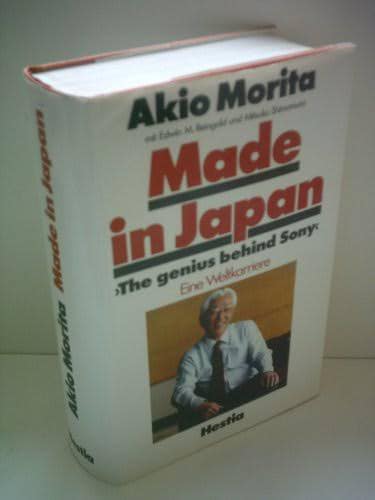
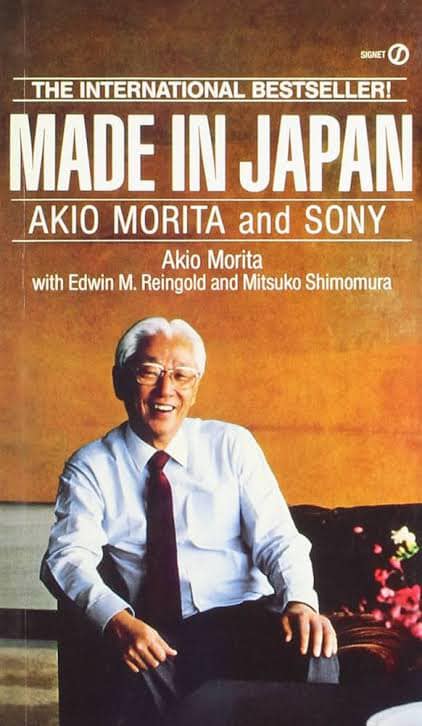
    - In 1986, Akio Morita published his autobiography, **"Made in Japan: Akio Morita and Sony,"** which provided insights into his business philosophy and the rise of Sony. The book became influential for both Japanese and international business leaders, highlighting Moritas views on innovation, leadership, and the importance of understanding global markets.

    ### Challenges and Morita’s Later Years:
    - Despite Sonys global success, the company faced challenges in the 1980s and 1990s as competition in the electronics market increased. However, Sony remained a leader in innovation under Morita’s guidance.

    - In **1993**, Morita suffered a stroke and was forced to retire from his leadership role. He officially stepped down as **chairman** of Sony in **1994** and remained out of the public eye afterward.

    ### Death and Legacy:
    - **Akio Morita** passed away on **October 3, 1999**, at the age of 78. His legacy, however, endures. Morita is remembered as a visionary leader who helped transform Sony into one of the most innovative and respected companies in the world.

    - His contributions to global business, particularly his emphasis on cross-cultural understanding, innovation, and international expansion, influenced generations of business leaders. Morita also helped change the perception of Japanese products, which were once considered inferior, by proving that Japanese companies could compete globally with high-quality, cutting-edge technology.

    ### Conclusion:
    Akio Morita’s story is one of remarkable vision and global ambition. From his humble beginnings in post-war Japan, he helped build Sony into a global electronics powerhouse, pioneering products like the Walkman and the Trinitron TV that changed the way people consumed entertainment. His belief in innovation, quality, and international collaboration set Sony apart and left a lasting impact on the business world, making Morita one of the most respected entrepreneurs of the 20th century.

    The story of **Akio Morita**, the co-founder of **Sony**, is a remarkable tale of vision, innovation, and perseverance. Morita, along with **Masaru Ibuka**, built Sony from a small post-war Japanese electronics company into a global technology giant. Here's an overview of his life and the creation of Sony: ### Early Life: - **Akio Morita** was born on **January 26, 1921**, in **Nagoya, Japan**, into a wealthy family that had been brewing sake for generations. Despite his family’s expectation that he would eventually take over the family business, Morita was more interested in science and technology from a young age. - Morita studied **physics** at **Osaka Imperial University** and graduated in 1944. During **World War II**, he served as a lieutenant in the Japanese navy, working on military technology, particularly in acoustics and communication systems. ### Meeting Masaru Ibuka: - After World War II, Japan was in economic ruins, but Morita’s passion for technology led him to pursue innovation in electronics. In 1946, Morita met **Masaru Ibuka**, an engineer and fellow visionary who had founded a small electronics repair shop in Tokyo called **Tokyo Tsushin Kogyo K.K.** (Tokyo Telecommunications Engineering Corporation). - Recognizing a shared vision for innovation, Morita and Ibuka formed a partnership, and Morita invested in the company. Together, they co-founded the company that would eventually become Sony. Morita focused on the business and marketing side, while Ibuka concentrated on technology and engineering. ### Early Challenges and Innovations: - Tokyo Tsushin Kogyo started with very little capital—around $500—and initially focused on repairing radios and making small electronic devices. Their first breakthrough product came in 1950 when they built **Japan’s first tape recorder**, called the **G-Type**. This product marked the company’s early foray into consumer electronics. - In **1955**, they introduced Japan’s first **transistor radio**, the **TR-55**, which was a major success and helped the company establish itself in the electronics market. The **TR-63**, the first truly pocket-sized transistor radio, followed in 1957, and became extremely popular in the United States. ### The Birth of Sony: - Morita and Ibuka realized that to become a global player, they needed a brand that would resonate internationally. In 1958, they renamed the company **Sony**, combining the Latin word **"sonus"** (meaning sound) with the English slang word "sonny," which symbolized youth and vitality. This marked the beginning of Sony's journey as a global brand. - Morita was the driving force behind Sony's international expansion. He believed that Japanese companies needed to focus on global markets rather than just domestic success. Under Morita’s leadership, Sony opened its first office in the **United States** in the 1950s, establishing a direct foothold in one of the world’s largest markets. ### Sony's Iconic Products: 1. **Trinitron TV**: In 1968, Sony introduced the **Trinitron**, a groundbreaking color television that used a unique cathode-ray tube technology. The Trinitron became a massive success worldwide and established Sony as a leader in the television market. The Trinitron earned Sony an **Emmy Award** for engineering excellence in television technology. 2. **Sony Walkman**: Perhaps one of the most iconic products Sony ever created was the **Walkman**, introduced in **1979**. The Walkman revolutionized the way people listened to music by making it portable. It became a global phenomenon, selling over **400 million units** and transforming personal audio consumption. 3. **PlayStation**: Although it was launched after Morita stepped down from active management, the **PlayStation** (introduced in **1994**) is one of Sony’s most successful and influential products. It helped establish Sony as a major player in the gaming industry, competing with Nintendo and Sega. ### Morita's Leadership and Global Vision: - Morita was instrumental in shaping Sony’s **corporate culture**. Unlike many traditional Japanese companies, he promoted an open and international corporate environment. He encouraged creativity and risk-taking, which helped Sony become an innovator in the global marketplace. - Morita’s vision of making Sony a **global brand** was groundbreaking. He was one of the first Japanese business leaders to actively embrace Western markets, particularly the **United States**. His understanding of both Japanese and Western business cultures helped Sony thrive on the international stage. - He also believed in **quality and innovation** as Sony's guiding principles. This commitment to innovation led Sony to take risks on new technologies and products that other companies might have avoided. ### "Made in Japan" and Morita’s Influence: - In 1986, Akio Morita published his autobiography, **"Made in Japan: Akio Morita and Sony,"** which provided insights into his business philosophy and the rise of Sony. The book became influential for both Japanese and international business leaders, highlighting Morita's views on innovation, leadership, and the importance of understanding global markets. ### Challenges and Morita’s Later Years: - Despite Sony's global success, the company faced challenges in the 1980s and 1990s as competition in the electronics market increased. However, Sony remained a leader in innovation under Morita’s guidance. - In **1993**, Morita suffered a stroke and was forced to retire from his leadership role. He officially stepped down as **chairman** of Sony in **1994** and remained out of the public eye afterward. ### Death and Legacy: - **Akio Morita** passed away on **October 3, 1999**, at the age of 78. His legacy, however, endures. Morita is remembered as a visionary leader who helped transform Sony into one of the most innovative and respected companies in the world. - His contributions to global business, particularly his emphasis on cross-cultural understanding, innovation, and international expansion, influenced generations of business leaders. Morita also helped change the perception of Japanese products, which were once considered inferior, by proving that Japanese companies could compete globally with high-quality, cutting-edge technology. ### Conclusion: Akio Morita’s story is one of remarkable vision and global ambition. From his humble beginnings in post-war Japan, he helped build Sony into a global electronics powerhouse, pioneering products like the Walkman and the Trinitron TV that changed the way people consumed entertainment. His belief in innovation, quality, and international collaboration set Sony apart and left a lasting impact on the business world, making Morita one of the most respected entrepreneurs of the 20th century.

    0 Comments 0 Shares 765 Views
  • Thank you for this beautiful photo Mark Fromson
    Thank you for this beautiful photo Mark Fromson
    0 Comments 0 Shares 3 Views
  • Join Higher Dimensions
    Join Higher Dimensions
    0 Comments 0 Shares 4 Views
  • 0 Comments 0 Shares 4 Views
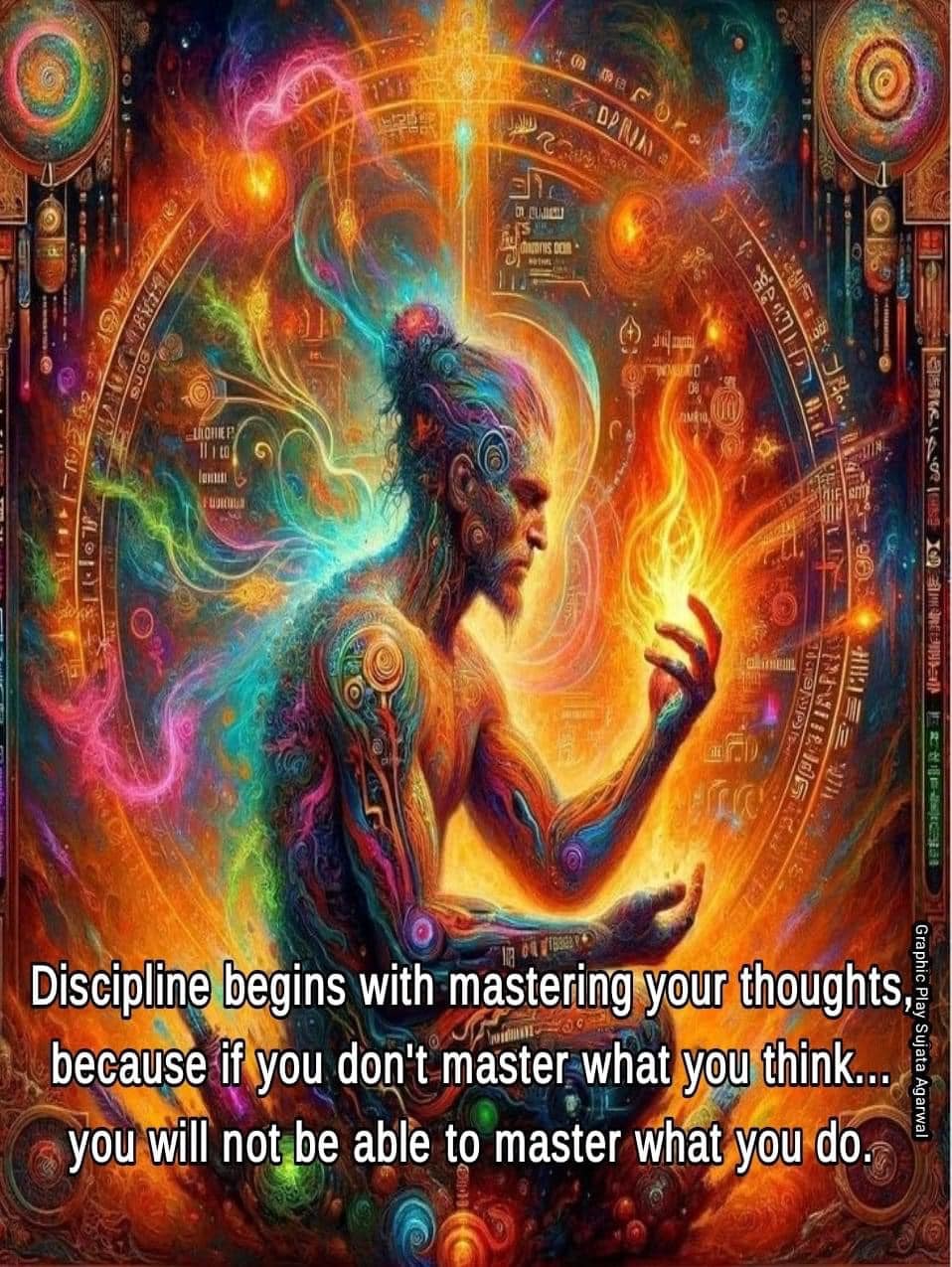
  • Discipline is the foundation of achievement. It starts within the mind, with the
    mastery of thoughts. Our thoughts shape our actions, and without control over them, mastery over actions remains elusive.

    This journey of discipline extends far beyond mere self-control; its about aligning your deepest values with your daily habits. Its about the quiet, consistent work of self-mastery. Its about choosing long-term gratification over short-term pleasure, and purpose over impulsiveness.

    This mantra is not just for those seeking success in their careers or personal goals, but for anyone who aspires to live a life of meaning and integrity. Embracing discipline is embracing a life where actions and values are in harmony, where every decision is made with a clear mind and a steadfast heart.

    Remember, the path to achieving your dreams, whatever they may be, starts with a single step: mastering your thoughts. Once you do, theres no limit to what you can master in the world around you. Let this be a guiding principle in your journey towards self-improvement and success.

    Via Sujata Agarwal
    Discipline is the foundation of achievement. It starts within the mind, with the mastery of thoughts. Our thoughts shape our actions, and without control over them, mastery over actions remains elusive. This journey of discipline extends far beyond mere self-control; it's about aligning your deepest values with your daily habits. It's about the quiet, consistent work of self-mastery. It's about choosing long-term gratification over short-term pleasure, and purpose over impulsiveness. This mantra is not just for those seeking success in their careers or personal goals, but for anyone who aspires to live a life of meaning and integrity. Embracing discipline is embracing a life where actions and values are in harmony, where every decision is made with a clear mind and a steadfast heart. Remember, the path to achieving your dreams, whatever they may be, starts with a single step: mastering your thoughts. Once you do, there's no limit to what you can master in the world around you. Let this be a guiding principle in your journey towards self-improvement and success.🌟🌌🌠✨️ Via Sujata Agarwal
    0 Comments 0 Shares 5 Views