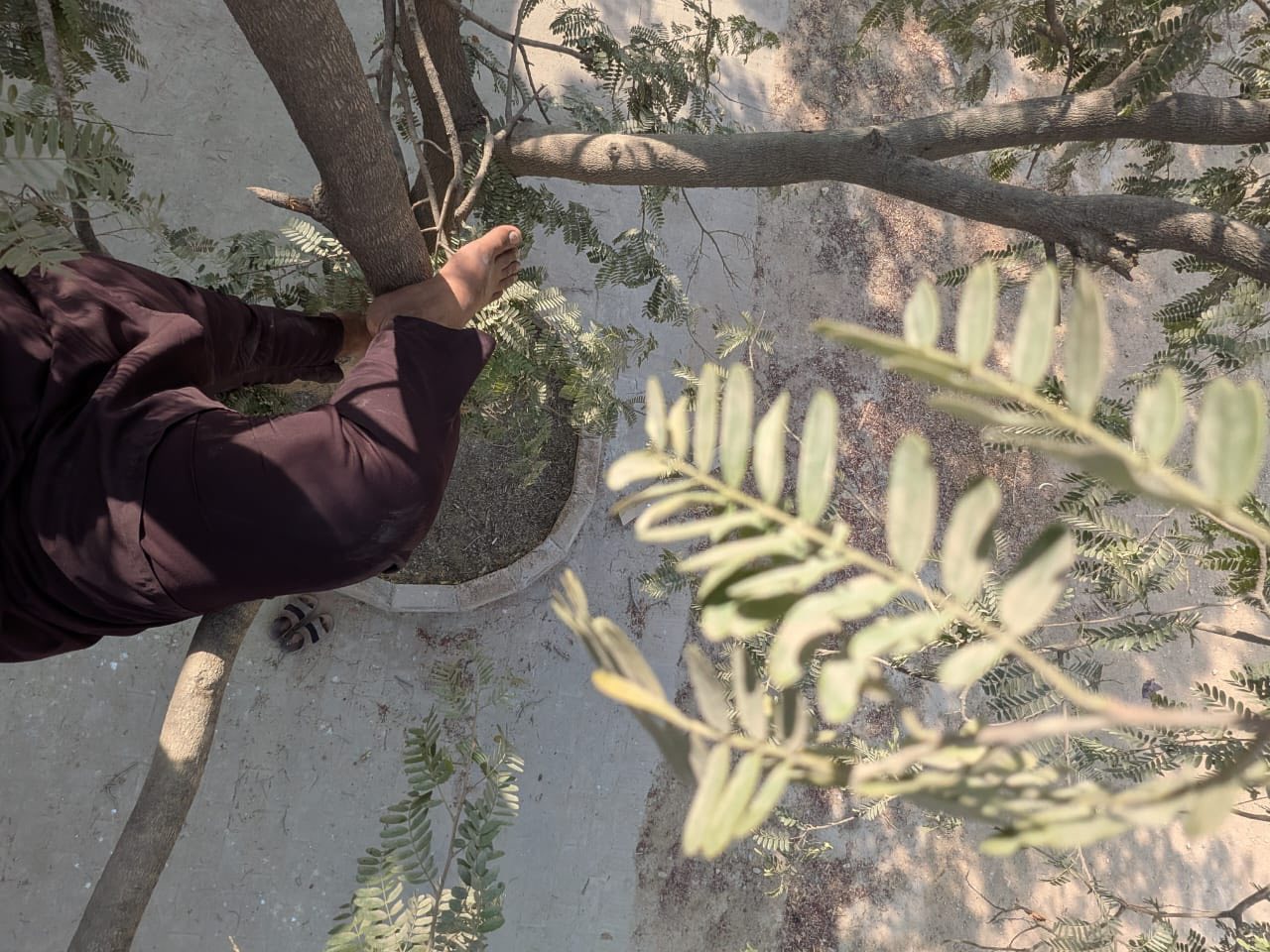
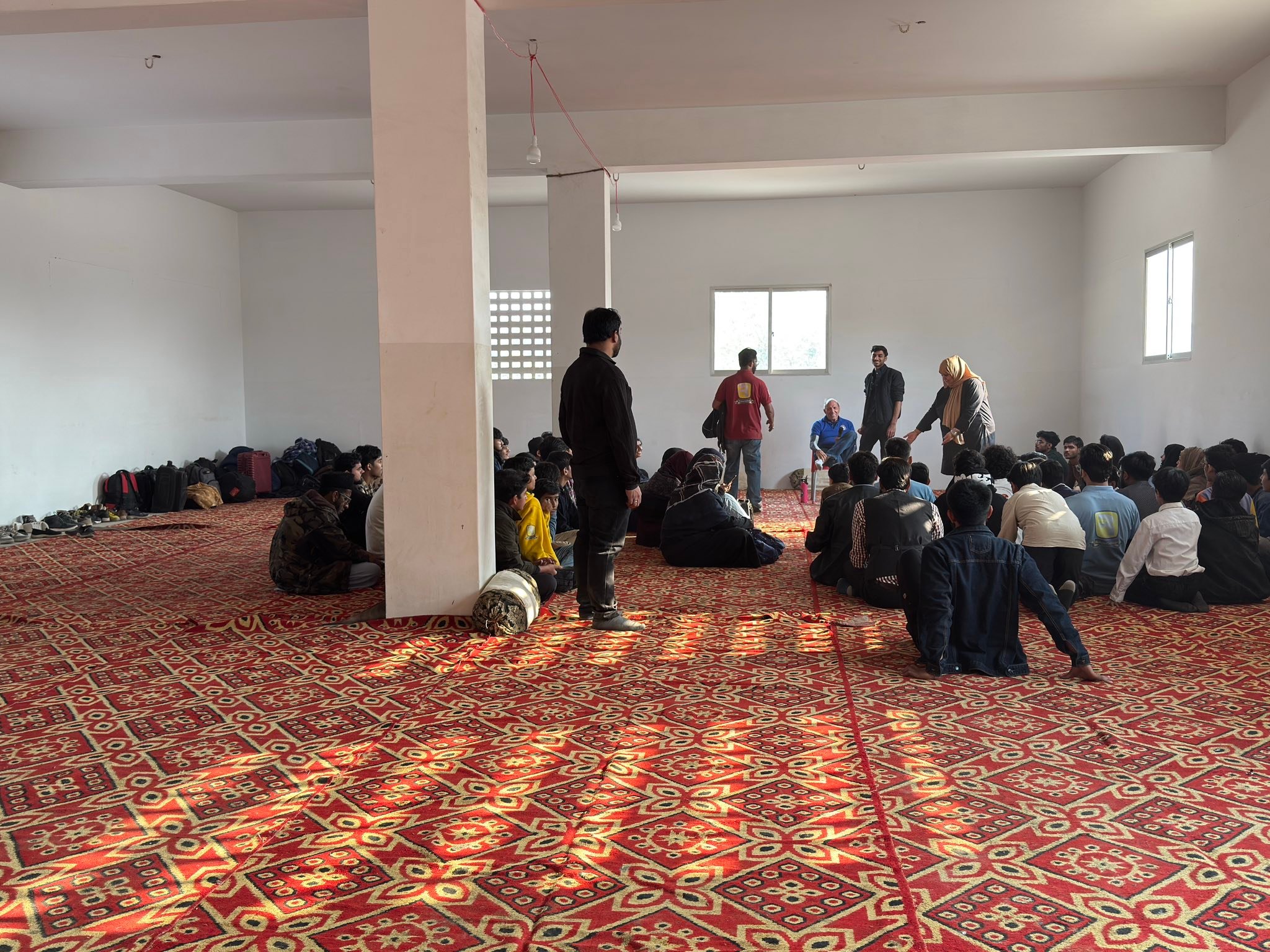
• #rehanschoolretreat
    #rehanschoolretreat
    0 Kommentare 0 Anteile 106 Ansichten
  • #rehanschoolretreat
    #rehanschoolretreat
    0 Kommentare 0 Anteile 106 Ansichten
  • #rehanschoolretreat
    #rehanschoolretreat
    0 Kommentare 0 Anteile 106 Ansichten
  • #rehanschoolretreat
    #rehanschoolretreat
    0 Kommentare 0 Anteile 106 Ansichten
  • #rehanschoolretreat
    #rehanschoolretreat
    0 Kommentare 0 Anteile 590 Ansichten
  • #rehanschoolretreat
    #rehanschoolretreat
    0 Kommentare 0 Anteile 594 Ansichten
  • #rehanschoolretreat
    #rehanschoolretreat
    0 Kommentare 0 Anteile 601 Ansichten
  • کیا پوری زندگی نوکری ہی کرنی ہے؟

    یا کبھی سوچا ہے… اپنی فیکٹری لگاؤں؟

    ہمیں بچپن سے سکھایا گیا:
    ڈگری لو
    نوکری ڈھونڈو
    اور پوری زندگی تنخواہ کے انتظار میں گزار دو

    لیکن کوئی یہ نہیں سکھاتا کہ
    کارخانہ کیسے لگایا جاتا ہے؟
    پروڈکشن کیسے شروع ہوتی ہے؟
    مال کیسے بنتا اور بکتا ہے؟

    اب یہ سب سیکھنے کا وقت آ گیا ہے

    Rizwan Digital Factory Institute میں:

    ✔ آپ سیکھیں گے اپنی مائیکرو فیکٹری شروع کرنا
    ✔ وہ بزنس جو گھر یا چھوٹے یونٹ سے چل سکتا ہے
    ✔ کم سرمایہ، زیادہ سمجھ، اصل عملی کام
    ✔ 200 سے زیادہ حقیقی بزنس آئیڈیاز
    ✔ پروڈکشن، سیلنگ، مارکیٹنگ – سب کچھ
    ✔ آن لائن + آف لائن کمائی کے مکمل طریقے

    یہ کورس ان لوگوں کے لیے ہے جو:
    صرف باتیں نہیں
    عملی قدم اٹھانا چاہتے ہیں

    فیس:

    صرف 5000 روپے ماہانہ
    (اتنی فیس میں آپ ایک مہینہ موبائل ڈیٹا اور چائے پی لیتے ہیں،
    یہاں آپ زندگی بدلنے کی سکل سیکھتے ہیں)

    کلاسز شروع:

    🗓 15 جنوری
    شام 3 بجے

    ابھی کال کریں:

    0322-8886835

    مقام:
    سیم نالہ باوا چک، سٹاپ سرگودھا روڈ، فیصل آباد

    ⸻

    اس پوسٹ کو اُس دوست کے ساتھ ضرور شیئر کریں

    جو کہتا ہے:

    “یار کوئی بزنس سمجھ نہیں آتا”

    Good job Rizwan Factorywala and Altaf EducationWala
    🏭 کیا پوری زندگی نوکری ہی کرنی ہے؟ 💭 یا کبھی سوچا ہے… اپنی فیکٹری لگاؤں؟ ہمیں بچپن سے سکھایا گیا: 📄 ڈگری لو 🏃 نوکری ڈھونڈو 😓 اور پوری زندگی تنخواہ کے انتظار میں گزار دو لیکن کوئی یہ نہیں سکھاتا کہ ❓ کارخانہ کیسے لگایا جاتا ہے؟ ❓ پروڈکشن کیسے شروع ہوتی ہے؟ ❓ مال کیسے بنتا اور بکتا ہے؟ 🔥 اب یہ سب سیکھنے کا وقت آ گیا ہے Rizwan Digital Factory Institute میں: ✔ آپ سیکھیں گے اپنی مائیکرو فیکٹری شروع کرنا ✔ وہ بزنس جو گھر یا چھوٹے یونٹ سے چل سکتا ہے ✔ کم سرمایہ، زیادہ سمجھ، اصل عملی کام ✔ 200 سے زیادہ حقیقی بزنس آئیڈیاز ✔ پروڈکشن، سیلنگ، مارکیٹنگ – سب کچھ ✔ آن لائن + آف لائن کمائی کے مکمل طریقے یہ کورس ان لوگوں کے لیے ہے جو: ❌ صرف باتیں نہیں ✅ عملی قدم اٹھانا چاہتے ہیں 💰 فیس: 👉 صرف 5000 روپے ماہانہ (اتنی فیس میں آپ ایک مہینہ موبائل ڈیٹا اور چائے پی لیتے ہیں، یہاں آپ زندگی بدلنے کی سکل سیکھتے ہیں) 📅 کلاسز شروع: 🗓 15 جنوری ⏰ شام 3 بجے 📞 ابھی کال کریں: 0322-8886835 📍 مقام: سیم نالہ باوا چک، سٹاپ سرگودھا روڈ، فیصل آباد ⸻ 🔁 اس پوسٹ کو اُس دوست کے ساتھ ضرور شیئر کریں جو کہتا ہے: “یار کوئی بزنس سمجھ نہیں آتا” Good job Rizwan Factorywala and Altaf EducationWala
    0 Kommentare 0 Anteile 34 Ansichten
  • عنوان:
    Good Artists Copy, Great Artists Steal
    — Steve Jobs

    ہمیں بچپن سے یہ سکھایا جاتا ہے کہ کاپی کرنا غلط ہے۔ اسکول میں کاپی پر سزا ملتی ہے، معاشرے میں اسے کمزوری سمجھا جاتا ہے، اور تخلیق (Creativity) کو اس طرح پیش کیا جاتا ہے جیسے جو بالکل نیا نہ ہو وہ بے وقعت ہے۔ لیکن اگر ہم تاریخ کو غور سے دیکھیں تو ایک حیران کن حقیقت سامنے آتی ہے:
    دنیا کی زیادہ تر ترقی کاپی کرنے سے ہی ہوئی ہے — مگر سمجھ کے ساتھ۔

    اس مشہور جملے “Good artists copy, great artists steal” کا مطلب ہرگز یہ نہیں کہ چوری یا نقل جائز ہے۔ اس کا اصل مفہوم یہ ہے کہ عظیم لوگ چیزوں کو سطحی طور پر نقل نہیں کرتے بلکہ انہیں گہرائی سے سمجھ کر اپنے حالات کے مطابق ڈھال لیتے ہیں۔

    اسی خیال کو ایک اور قول مزید واضح کرتا ہے:
    “Imitation is the sincerest form of flattery”
    یعنی اگر کوئی آپ کی نقل کر رہا ہے تو اس کا مطلب ہے کہ آپ نے کوئی قابلِ قدر کام کیا ہے۔

    کاپی کرنا برا کیوں سمجھا جاتا ہے؟

    مسئلہ کاپی کرنے میں نہیں، بلکہ بغیر سمجھے کاپی کرنے میں ہے۔
    جب کوئی شخص یا قوم صرف شکل نقل کرتی ہے، روح نہیں، تو نتیجہ ناکام ہوتا ہے۔ لیکن جب کوئی نظام، خیال، یا ماڈل پوری طرح سمجھ کر اپنایا جائے تو وہ ترقی کا ذریعہ بن جاتا ہے۔

    قوموں کی ترقی کا راز

    دنیا کی ہر کامیاب قوم نے کچھ نہ کچھ کاپی کیا ہے:
    • تعلیمی نظام کہیں سے سیکھا
    • قانون اور گورننس کے ماڈلز اپنائے
    • ٹیکنالوجی درآمد کی
    • بزنس اور انڈسٹری کے طریقے سیکھے

    فرق صرف اتنا تھا کہ انہوں نے اندھی تقلید نہیں کی، بلکہ لوکلائزیشن کی — یعنی اپنے لوگوں، ثقافت، وسائل اور مسائل کے مطابق ڈھالا۔

    جاپان نے صنعت کاری سیکھی، مگر اسے بہتر بنایا۔
    جنوبی کوریا نے ٹیکنالوجی سیکھی، مگر معیار میں سبقت لے گیا۔
    چین نے مینوفیکچرنگ سیکھی، مگر اسکیل میں دنیا کو پیچھے چھوڑ دیا۔

    کیا ان قوموں نے یہ سوچا کہ “ہم نقل کر رہے ہیں، یہ ہماری توہین ہے”؟
    نہیں۔ انہوں نے یہ سوچا کہ “ہم اپنے لوگوں کی زندگی بہتر بنا رہے ہیں۔”

    اصل مسئلہ: انا (Ego)

    ہماری بہت سی ناکامیوں کی وجہ انا ہے۔
    ہم یہ ماننے کو تیار نہیں ہوتے کہ:

    “کسی اور نے ہم سے بہتر کام کیا ہے”

    جبکہ عقل مندی یہ ہے کہ:

    “اگر کوئی چیز کام کر رہی ہے تو اسے سیکھو، اپناؤ، اور بہتر بناؤ”

    لوگ بھوکے ہوں، بچے تعلیم سے محروم ہوں، نوجوان بے روزگار ہوں — اور ہم صرف اس لیے کسی اچھے ماڈل کو نہ اپنائیں کہ “یہ ہمارا نہیں ہے” — یہ دانشمندی نہیں، ضد ہے۔

    درست ذہنیت (Right Mindset)

    درست سوچ یہ ہے:
    • جو چیز کام کر رہی ہے، اسے سیکھو
    • جو لوگوں کو فائدہ دے، اسے اپناؤ
    • جو بہتر ہو سکتی ہے، اسے بہتر بناؤ
    • جو لوکل بنائی جا سکتی ہے، اسے لوکل بناؤ

    یہ کاپی نہیں ہے۔
    یہ قیادت ہے۔

    نتیجہ

    “Good artists copy, great artists steal” ہمیں سکھاتا ہے کہ عظمت صفر سے ایجاد کرنے میں نہیں، بلکہ سمجھ، عاجزی، اور عمل میں ہے۔
    اگر کسی ملک، ادارے یا شخص نے کوئی اچھا کام کیا ہے تو اسے اپنے علاقے، اپنے لوگوں، اور اپنے حالات کے مطابق اپنانا کوئی گناہ نہیں — بلکہ ایک ذمہ داری ہے۔

    دنیا میں عزت انہیں نہیں ملتی جو صرف “اصل” ہونے کا دعویٰ کریں،
    عزت انہیں ملتی ہے جو مسائل حل کریں۔

    — ریحان اللہ والا
    (with help of ChatGPT)
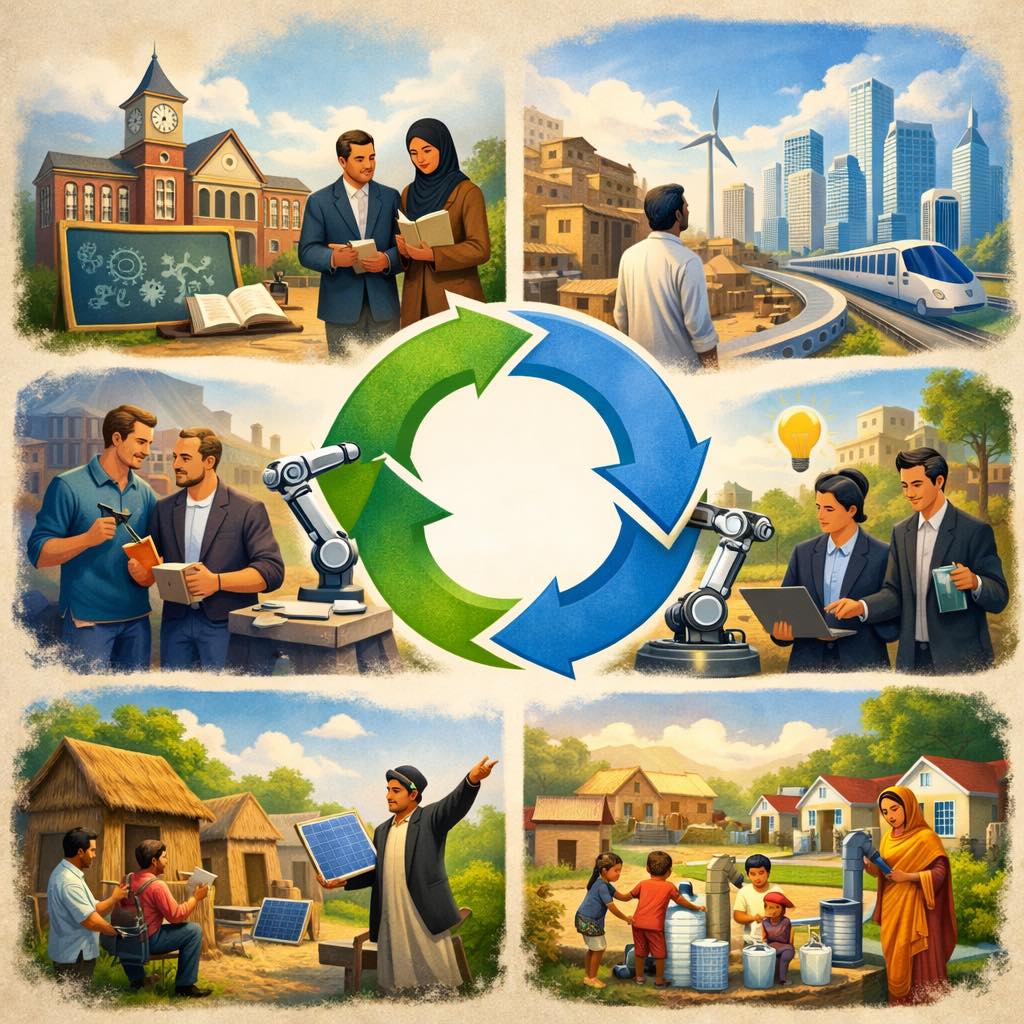
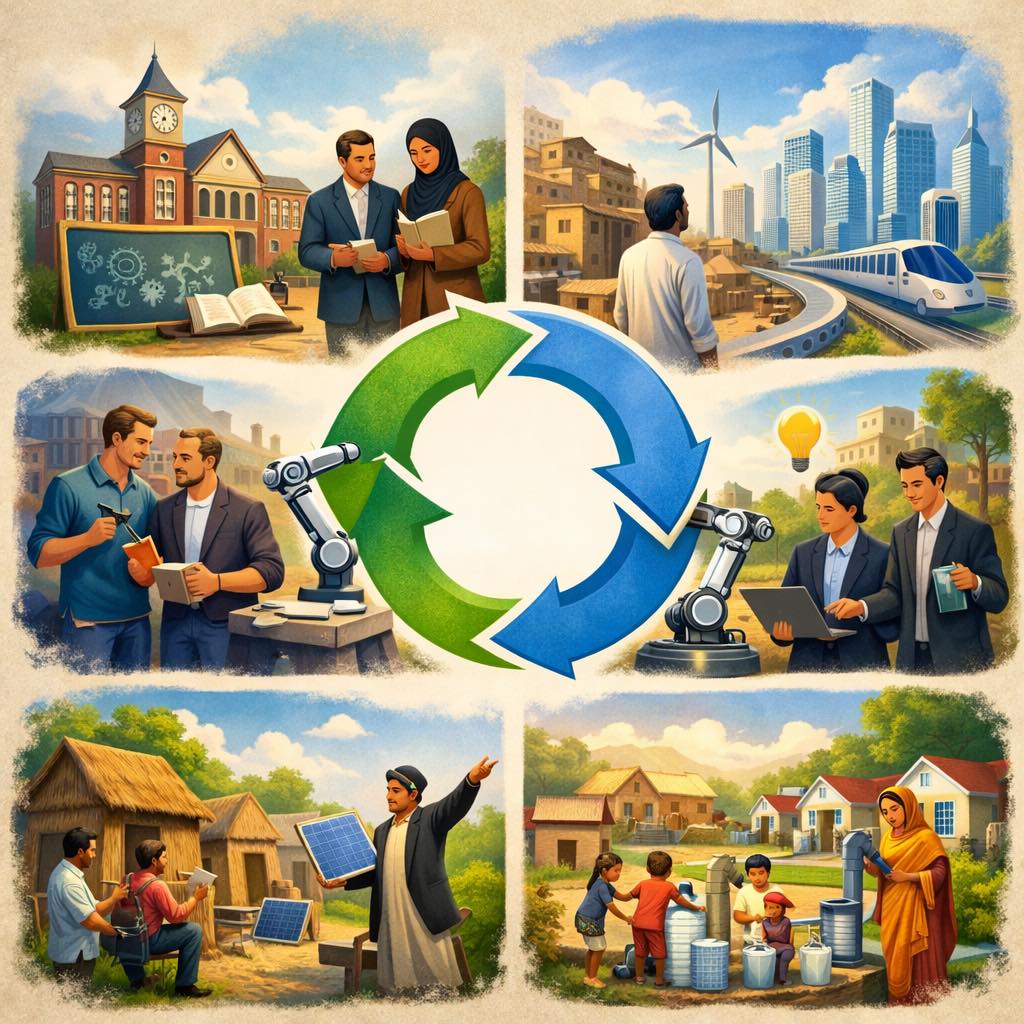
    عنوان: Good Artists Copy, Great Artists Steal — Steve Jobs ہمیں بچپن سے یہ سکھایا جاتا ہے کہ کاپی کرنا غلط ہے۔ اسکول میں کاپی پر سزا ملتی ہے، معاشرے میں اسے کمزوری سمجھا جاتا ہے، اور تخلیق (Creativity) کو اس طرح پیش کیا جاتا ہے جیسے جو بالکل نیا نہ ہو وہ بے وقعت ہے۔ لیکن اگر ہم تاریخ کو غور سے دیکھیں تو ایک حیران کن حقیقت سامنے آتی ہے: دنیا کی زیادہ تر ترقی کاپی کرنے سے ہی ہوئی ہے — مگر سمجھ کے ساتھ۔ اس مشہور جملے “Good artists copy, great artists steal” کا مطلب ہرگز یہ نہیں کہ چوری یا نقل جائز ہے۔ اس کا اصل مفہوم یہ ہے کہ عظیم لوگ چیزوں کو سطحی طور پر نقل نہیں کرتے بلکہ انہیں گہرائی سے سمجھ کر اپنے حالات کے مطابق ڈھال لیتے ہیں۔ اسی خیال کو ایک اور قول مزید واضح کرتا ہے: “Imitation is the sincerest form of flattery” یعنی اگر کوئی آپ کی نقل کر رہا ہے تو اس کا مطلب ہے کہ آپ نے کوئی قابلِ قدر کام کیا ہے۔ کاپی کرنا برا کیوں سمجھا جاتا ہے؟ مسئلہ کاپی کرنے میں نہیں، بلکہ بغیر سمجھے کاپی کرنے میں ہے۔ جب کوئی شخص یا قوم صرف شکل نقل کرتی ہے، روح نہیں، تو نتیجہ ناکام ہوتا ہے۔ لیکن جب کوئی نظام، خیال، یا ماڈل پوری طرح سمجھ کر اپنایا جائے تو وہ ترقی کا ذریعہ بن جاتا ہے۔ قوموں کی ترقی کا راز دنیا کی ہر کامیاب قوم نے کچھ نہ کچھ کاپی کیا ہے: • تعلیمی نظام کہیں سے سیکھا • قانون اور گورننس کے ماڈلز اپنائے • ٹیکنالوجی درآمد کی • بزنس اور انڈسٹری کے طریقے سیکھے فرق صرف اتنا تھا کہ انہوں نے اندھی تقلید نہیں کی، بلکہ لوکلائزیشن کی — یعنی اپنے لوگوں، ثقافت، وسائل اور مسائل کے مطابق ڈھالا۔ جاپان نے صنعت کاری سیکھی، مگر اسے بہتر بنایا۔ جنوبی کوریا نے ٹیکنالوجی سیکھی، مگر معیار میں سبقت لے گیا۔ چین نے مینوفیکچرنگ سیکھی، مگر اسکیل میں دنیا کو پیچھے چھوڑ دیا۔ کیا ان قوموں نے یہ سوچا کہ “ہم نقل کر رہے ہیں، یہ ہماری توہین ہے”؟ نہیں۔ انہوں نے یہ سوچا کہ “ہم اپنے لوگوں کی زندگی بہتر بنا رہے ہیں۔” اصل مسئلہ: انا (Ego) ہماری بہت سی ناکامیوں کی وجہ انا ہے۔ ہم یہ ماننے کو تیار نہیں ہوتے کہ: “کسی اور نے ہم سے بہتر کام کیا ہے” جبکہ عقل مندی یہ ہے کہ: “اگر کوئی چیز کام کر رہی ہے تو اسے سیکھو، اپناؤ، اور بہتر بناؤ” لوگ بھوکے ہوں، بچے تعلیم سے محروم ہوں، نوجوان بے روزگار ہوں — اور ہم صرف اس لیے کسی اچھے ماڈل کو نہ اپنائیں کہ “یہ ہمارا نہیں ہے” — یہ دانشمندی نہیں، ضد ہے۔ درست ذہنیت (Right Mindset) درست سوچ یہ ہے: • جو چیز کام کر رہی ہے، اسے سیکھو • جو لوگوں کو فائدہ دے، اسے اپناؤ • جو بہتر ہو سکتی ہے، اسے بہتر بناؤ • جو لوکل بنائی جا سکتی ہے، اسے لوکل بناؤ یہ کاپی نہیں ہے۔ یہ قیادت ہے۔ نتیجہ “Good artists copy, great artists steal” ہمیں سکھاتا ہے کہ عظمت صفر سے ایجاد کرنے میں نہیں، بلکہ سمجھ، عاجزی، اور عمل میں ہے۔ اگر کسی ملک، ادارے یا شخص نے کوئی اچھا کام کیا ہے تو اسے اپنے علاقے، اپنے لوگوں، اور اپنے حالات کے مطابق اپنانا کوئی گناہ نہیں — بلکہ ایک ذمہ داری ہے۔ دنیا میں عزت انہیں نہیں ملتی جو صرف “اصل” ہونے کا دعویٰ کریں، عزت انہیں ملتی ہے جو مسائل حل کریں۔ — ریحان اللہ والا (with help of ChatGPT)
    0 Kommentare 0 Anteile 541 Ansichten
  • Good Artists Copy, Great Artists Steal

    — Steve Jobs

    For many people, the word “copy” sounds negative. From childhood, we are taught that copying is wrong, unethical, or even shameful. Schools punish it, societies criticize it, and cultures often equate originality with moral superiority. But history tells a very different story. Nearly every great leap in art, science, business, and civilization has come not from inventing everything from zero, but from learning deeply from others and then applying that learning with purpose.

    The famous line “Good artists copy, great artists steal” does not encourage dishonesty or plagiarism. Instead, it challenges a shallow understanding of creativity and progress. When combined with another well-known idea—“Imitation is the sincerest form of flattery”—a powerful truth emerges: copying good ideas is not bad; copying without understanding is.

    Copying vs. Stealing: What’s the Difference?

    A good artist copies at the surface level. They imitate styles, methods, or outcomes without fully understanding why they work. This kind of copying can produce acceptable results, but it rarely creates breakthroughs.

    A great artist “steals” in a deeper sense. They study an idea until they understand its logic, its principles, and its soul. Then they rebuild it in their own context, shaped by their own needs, culture, constraints, and vision. What emerges may look inspired by the original, but it is no longer the same thing—it has become something new.

    This kind of “stealing” is not theft; it is learning at the highest level.

    Why Copying Good Things Is Not a Sin

    If copying good things were truly wrong, then:
    • Modern medicine would not exist (it evolved by copying and improving older treatments)
    • Education systems would never spread
    • Technology would remain trapped in the country where it was first invented
    • Civilizations would rise and fall without ever learning from one another

    Every successful country today copied something:
    • Legal systems were adapted from others
    • School models were imported and localized
    • Infrastructure ideas were borrowed
    • Economic policies were studied, tested, and modified

    Progress is not about pride. Progress is about results.

    The National Mindset Problem

    Many nations and communities suffer not because they lack intelligence or resources, but because they carry a false belief:

    “If we copy someone else, we are admitting inferiority.”

    This belief is dangerous.

    If another country has built:
    • A better education system
    • Cleaner cities
    • More transparent governance
    • Stronger startups
    • Better use of technology

    Then not copying them is not dignity—it is stubbornness.

    Real self-respect comes from asking:

    “What is working in the world, and how can we make it work for our people?”

    Localization Is the Key

    Copying does not mean blind duplication.

    What works in one country must be:
    • Adjusted to local culture
    • Adapted to local resources
    • Translated into local language
    • Shaped for local problems

    This is where greatness lies.

    Japan copied industrial systems—but perfected them.
    South Korea copied technology models—but localized them.
    China copied manufacturing frameworks—but scaled them beyond imagination.

    They did not waste time proving originality. They focused on impact.

    From Shame to Strategy

    When a child copies a good habit, we call it learning.
    When a student copies a working method, we call it practice.
    When a nation copies a proven system, we should call it wisdom.

    The real failure is not copying good ideas.
    The real failure is insisting on being original while people suffer.

    The Right Frame of Mind

    A healthy mindset says:
    • If something works, study it.
    • If it helps people, adopt it.
    • If it can be improved, improve it.
    • If it can be localized, localize it.
    • If it can uplift lives, do it—without ego.

    This is not copying.
    This is leadership.

    Conclusion

    “Good artists copy, great artists steal” is not a defense of laziness or theft. It is a call to deep learning, humility, and courage. When combined with the idea that imitation is a form of respect, it frees individuals, organizations, and nations from unnecessary guilt.

    If another country has done something good, go ahead and do it too—for your city, your village, your people. Improve it. Adapt it. Own it.

    Because history does not reward originality alone.
    History rewards those who solve real problems.

    By Rehan Allahwala with help of ChatGPT

    Good Artists Copy, Great Artists Steal — Steve Jobs For many people, the word “copy” sounds negative. From childhood, we are taught that copying is wrong, unethical, or even shameful. Schools punish it, societies criticize it, and cultures often equate originality with moral superiority. But history tells a very different story. Nearly every great leap in art, science, business, and civilization has come not from inventing everything from zero, but from learning deeply from others and then applying that learning with purpose. The famous line “Good artists copy, great artists steal” does not encourage dishonesty or plagiarism. Instead, it challenges a shallow understanding of creativity and progress. When combined with another well-known idea—“Imitation is the sincerest form of flattery”—a powerful truth emerges: copying good ideas is not bad; copying without understanding is. Copying vs. Stealing: What’s the Difference? A good artist copies at the surface level. They imitate styles, methods, or outcomes without fully understanding why they work. This kind of copying can produce acceptable results, but it rarely creates breakthroughs. A great artist “steals” in a deeper sense. They study an idea until they understand its logic, its principles, and its soul. Then they rebuild it in their own context, shaped by their own needs, culture, constraints, and vision. What emerges may look inspired by the original, but it is no longer the same thing—it has become something new. This kind of “stealing” is not theft; it is learning at the highest level. Why Copying Good Things Is Not a Sin If copying good things were truly wrong, then: • Modern medicine would not exist (it evolved by copying and improving older treatments) • Education systems would never spread • Technology would remain trapped in the country where it was first invented • Civilizations would rise and fall without ever learning from one another Every successful country today copied something: • Legal systems were adapted from others • School models were imported and localized • Infrastructure ideas were borrowed • Economic policies were studied, tested, and modified Progress is not about pride. Progress is about results. The National Mindset Problem Many nations and communities suffer not because they lack intelligence or resources, but because they carry a false belief: “If we copy someone else, we are admitting inferiority.” This belief is dangerous. If another country has built: • A better education system • Cleaner cities • More transparent governance • Stronger startups • Better use of technology Then not copying them is not dignity—it is stubbornness. Real self-respect comes from asking: “What is working in the world, and how can we make it work for our people?” Localization Is the Key Copying does not mean blind duplication. What works in one country must be: • Adjusted to local culture • Adapted to local resources • Translated into local language • Shaped for local problems This is where greatness lies. Japan copied industrial systems—but perfected them. South Korea copied technology models—but localized them. China copied manufacturing frameworks—but scaled them beyond imagination. They did not waste time proving originality. They focused on impact. From Shame to Strategy When a child copies a good habit, we call it learning. When a student copies a working method, we call it practice. When a nation copies a proven system, we should call it wisdom. The real failure is not copying good ideas. The real failure is insisting on being original while people suffer. The Right Frame of Mind A healthy mindset says: • If something works, study it. • If it helps people, adopt it. • If it can be improved, improve it. • If it can be localized, localize it. • If it can uplift lives, do it—without ego. This is not copying. This is leadership. Conclusion “Good artists copy, great artists steal” is not a defense of laziness or theft. It is a call to deep learning, humility, and courage. When combined with the idea that imitation is a form of respect, it frees individuals, organizations, and nations from unnecessary guilt. If another country has done something good, go ahead and do it too—for your city, your village, your people. Improve it. Adapt it. Own it. Because history does not reward originality alone. History rewards those who solve real problems. By Rehan Allahwala with help of ChatGPT

    0 Kommentare 0 Anteile 55 Ansichten