• The Nations That Used Computers Became Successful

    (A 30-Year Reality Check with Facts and Proofs)

    Over the last 30 years (1995–2025), one pattern appears again and again in global data:
    countries that adopted computers early and deeply became richer, more productive, and more powerful.
    This is not an opinion. It is visible in GDP growth, exports, education quality, governance, and global influence.

    Computers did not just make offices faster.
    They rewired entire nations.

    ⸻

    1. The Computer = A Productivity Multiplier

    A computer does three things that no human system can do alone:
    1. Scales intelligence (one skilled person can serve millions)
    2. Reduces cost to near zero (email vs letters, software vs factories)
    3. Preserves and multiplies knowledge (code, data, automation)

    Countries that understood this early won the modern world.

    ⸻

    2. The United States: Software Ate the Economy

    In 1990:
    • The US was strong, but manufacturing-heavy.
    • Most value came from physical industries.

    After computers + internet:
    • Software, cloud, AI, and platforms dominated.
    • Companies like Microsoft, Apple, Google, Amazon emerged.

    Results:
    • US GDP grew from ~$6 trillion (1990) to ~$27 trillion (2024).
    • Over 70% of global tech platforms are US-based.
    • The most valuable companies in history are software-driven.

    Key fact:

    A single software company today earns more than entire countries’ exports.

    This happened because computers became mandatory, not optional.

    ⸻

    3. India: From Poverty to Digital Power

    In the early 1990s:
    • India was poor, slow, and bureaucratic.
    • Foreign reserves could barely cover weeks of imports.

    Then India made a strategic move:
    • Focus on computers, software, and IT education
    • English + programming became national assets

    Results:
    • IT exports grew from near zero (1990) to $250+ billion/year
    • Millions of middle-class jobs created
    • India became the global back office and now a startup hub

    Key proof:

    India did not become rich by factories first —
    it became rich by keyboards.

    ⸻

    4. China: Computers as a Weapon of Scale

    China did not copy the West blindly.
    It absorbed computers into manufacturing, logistics, surveillance, and governance.

    What China did right:
    • Computerized factories (Industry 4.0)
    • Digitized supply chains
    • Massive state investment in STEM and computing

    Results:
    • Became the world’s factory
    • Lifted 800+ million people out of poverty
    • Built tech giants (Alibaba, Tencent, Huawei)

    Key insight:

    China used computers not just to code —
    but to control complexity at national scale.

    ⸻

    5. South Korea: Poor to Powerhouse in One Generation

    In the 1960s:
    • South Korea had GDP similar to Pakistan.
    • War-torn and resource-poor.

    Strategic decision:
    • Computers + electronics + education
    • Government-industry-university alignment

    Results:
    • Home of Samsung, LG, Hyundai
    • One of the highest broadband speeds globally
    • Top ranks in digital literacy

    Proof point:

    A country with no oil became rich by exporting chips and code.

    ⸻

    6. Small Countries, Big Brains: Estonia

    Estonia is a tiny country.
    No natural resources.
    Small population.

    What they did:
    • Put government on computers
    • Digital ID, e-residency, online courts, online voting

    Results:
    • One of the most efficient governments on Earth
    • Startups per capita among the highest globally

    Key lesson:

    Size does not matter.
    Digitization does.

    ⸻

    7. Countries That Missed Computers Paid the Price

    Many countries delayed:
    • Treated computers as luxury
    • Restricted internet
    • Focused only on rote education

    Consequences:
    • Low productivity
    • Brain drain
    • Weak currencies
    • Dependency on imports

    Harsh truth:

    In the 21st century, illiteracy is not reading —
    it is not knowing how to use a computer.

    ⸻

    8. The Hidden Equation (Simple but Brutal)

    National Prosperity ≈
    • Computers per citizen
    • × Internet access
    • × Skill usage (not degrees)
    • × Freedom to experiment

    Where this equation was applied → success followed.
    Where it was ignored → stagnation followed.

    ⸻

    9. What This Means for the Next 30 Years

    Now the game has moved again:
    • From computers → AI
    • From typing → thinking with machines

    Countries that:
    • Put AI + computers in the hands of children
    • Allow experimentation
    • Focus on earning skills, not certificates

    …will dominate the next 30 years.

    Others will consume what they produce.

    ⸻

    Final Line

    History is clear:
    Nations that adopted computers early became rich.
    Nations that delayed are still catching up.

    The next chapter is being written now —
    and it will belong to those who put AI and computers in every hand, not just in offices.

    The future does not wait.
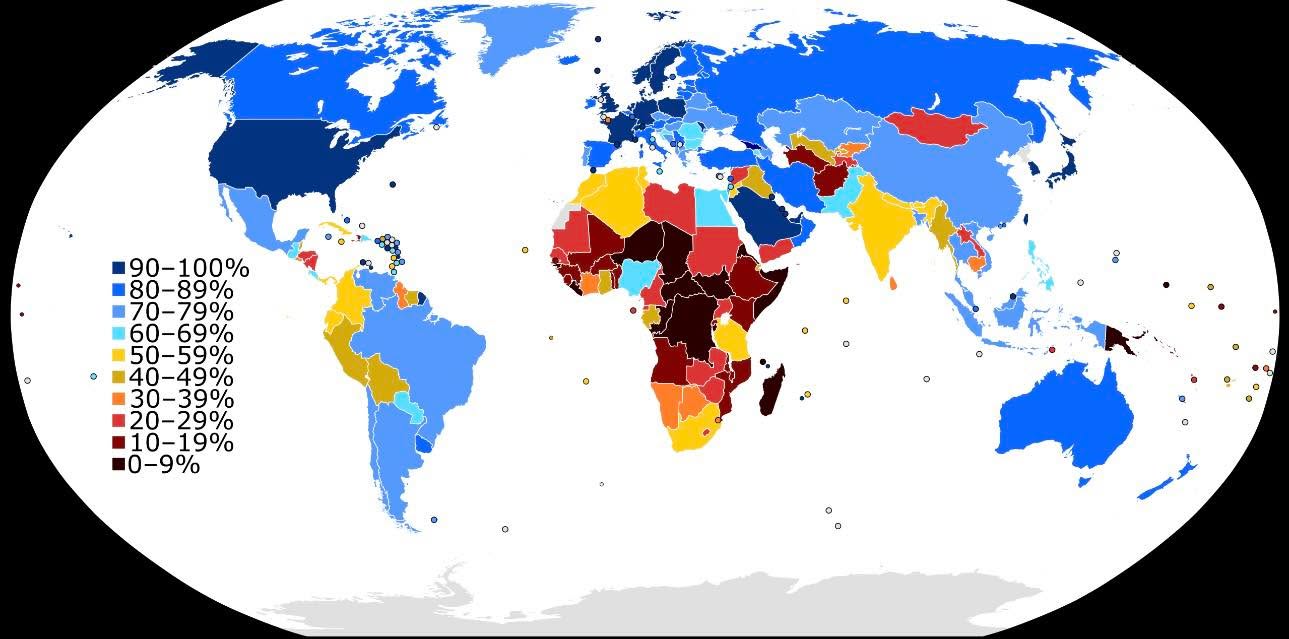
    The Nations That Used Computers Became Successful (A 30-Year Reality Check with Facts and Proofs) Over the last 30 years (1995–2025), one pattern appears again and again in global data: countries that adopted computers early and deeply became richer, more productive, and more powerful. This is not an opinion. It is visible in GDP growth, exports, education quality, governance, and global influence. Computers did not just make offices faster. They rewired entire nations. ⸻ 1. The Computer = A Productivity Multiplier A computer does three things that no human system can do alone: 1. Scales intelligence (one skilled person can serve millions) 2. Reduces cost to near zero (email vs letters, software vs factories) 3. Preserves and multiplies knowledge (code, data, automation) Countries that understood this early won the modern world. ⸻ 2. The United States: Software Ate the Economy In 1990: • The US was strong, but manufacturing-heavy. • Most value came from physical industries. After computers + internet: • Software, cloud, AI, and platforms dominated. • Companies like Microsoft, Apple, Google, Amazon emerged. Results: • US GDP grew from ~$6 trillion (1990) to ~$27 trillion (2024). • Over 70% of global tech platforms are US-based. • The most valuable companies in history are software-driven. Key fact: A single software company today earns more than entire countries’ exports. This happened because computers became mandatory, not optional. ⸻ 3. India: From Poverty to Digital Power In the early 1990s: • India was poor, slow, and bureaucratic. • Foreign reserves could barely cover weeks of imports. Then India made a strategic move: • Focus on computers, software, and IT education • English + programming became national assets Results: • IT exports grew from near zero (1990) to $250+ billion/year • Millions of middle-class jobs created • India became the global back office and now a startup hub Key proof: India did not become rich by factories first — it became rich by keyboards. ⸻ 4. China: Computers as a Weapon of Scale China did not copy the West blindly. It absorbed computers into manufacturing, logistics, surveillance, and governance. What China did right: • Computerized factories (Industry 4.0) • Digitized supply chains • Massive state investment in STEM and computing Results: • Became the world’s factory • Lifted 800+ million people out of poverty • Built tech giants (Alibaba, Tencent, Huawei) Key insight: China used computers not just to code — but to control complexity at national scale. ⸻ 5. South Korea: Poor to Powerhouse in One Generation In the 1960s: • South Korea had GDP similar to Pakistan. • War-torn and resource-poor. Strategic decision: • Computers + electronics + education • Government-industry-university alignment Results: • Home of Samsung, LG, Hyundai • One of the highest broadband speeds globally • Top ranks in digital literacy Proof point: A country with no oil became rich by exporting chips and code. ⸻ 6. Small Countries, Big Brains: Estonia Estonia is a tiny country. No natural resources. Small population. What they did: • Put government on computers • Digital ID, e-residency, online courts, online voting Results: • One of the most efficient governments on Earth • Startups per capita among the highest globally Key lesson: Size does not matter. Digitization does. ⸻ 7. Countries That Missed Computers Paid the Price Many countries delayed: • Treated computers as luxury • Restricted internet • Focused only on rote education Consequences: • Low productivity • Brain drain • Weak currencies • Dependency on imports Harsh truth: In the 21st century, illiteracy is not reading — it is not knowing how to use a computer. ⸻ 8. The Hidden Equation (Simple but Brutal) National Prosperity ≈ • Computers per citizen • × Internet access • × Skill usage (not degrees) • × Freedom to experiment Where this equation was applied → success followed. Where it was ignored → stagnation followed. ⸻ 9. What This Means for the Next 30 Years Now the game has moved again: • From computers → AI • From typing → thinking with machines Countries that: • Put AI + computers in the hands of children • Allow experimentation • Focus on earning skills, not certificates …will dominate the next 30 years. Others will consume what they produce. ⸻ Final Line History is clear: Nations that adopted computers early became rich. Nations that delayed are still catching up. The next chapter is being written now — and it will belong to those who put AI and computers in every hand, not just in offices. The future does not wait.
    0 Комментарии 0 Поделились 110 Просмотры
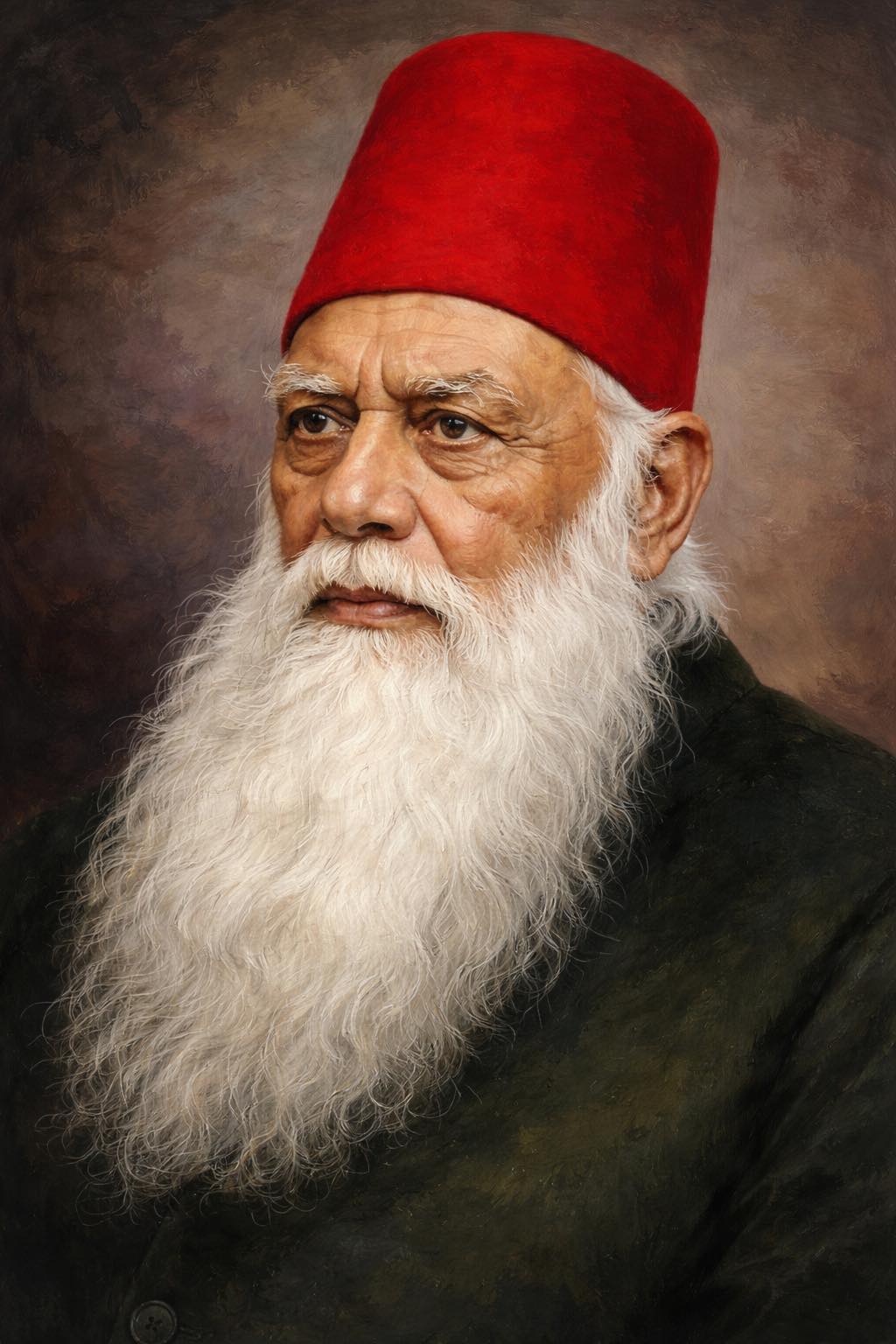
  • سر سید احمد خان برصغیر کے اُن عظیم لوگوں میں سے تھے جنہوں نے ایک پوری قوم کی سوچ بدل دی۔

    سر سید 1817ء میں دہلی میں پیدا ہوئے۔ وہ ایک شریف اور تعلیم یافتہ خاندان سے تعلق رکھتے تھے۔ شروع میں انہوں نے سرکاری ملازمت کی، مگر ان کا اصل شوق علم، سوچ اور اصلاح تھا۔

    1857ء کی جنگِ آزادی کے بعد مسلمانوں پر بہت مشکل وقت آیا۔ مسلمان تعلیمی، معاشی اور سیاسی طور پر بہت پیچھے رہ گئے تھے۔ اس وقت زیادہ تر لوگ صرف ماضی پر روتے تھے، مگر سر سید نے رونے کے بجائے حل تلاش کیا۔

    سر سید نے ایک بات بہت صاف کہی:

    “مسلمان اگر جدید علم، سائنس اور انگریزی نہیں سیکھیں گے تو وہ ہمیشہ پیچھے رہیں گے۔”

    یہ بات اُس زمانے میں کہنا بہت مشکل تھا، کیونکہ لوگ انگریزی تعلیم کو گناہ سمجھتے تھے۔ سر سید پر تنقید ہوئی، الزام لگے، مگر وہ ڈٹے رہے۔

    انہوں نے کتابیں لکھیں، رسالے نکالے، لوگوں کو سمجھایا کہ:
    • دین اور سائنس ایک دوسرے کے دشمن نہیں
    • عقل استعمال کرنا اسلام کے خلاف نہیں
    • تعلیم کے بغیر عزت اور ترقی ممکن نہیں

    1875ء میں سر سید نے علی گڑھ میں ایک تعلیمی ادارہ قائم کیا، جو بعد میں علی گڑھ مسلم یونیورسٹی بنا۔ یہی ادارہ آگے چل کر مسلمانوں کی قیادت کی نرسری بن گیا۔

    اسی علی گڑھ سے:
    • قائداعظم محمد علی جناح
    • لیاقت علی خان
    • اور پاکستان کی تحریک کے ہزاروں ذہن
    تیار ہوئے۔

    سر سید نے پاکستان نہیں دیکھا، مگر پاکستان کا بیج انہوں نے ہی بویا۔
    اگر سر سید نہ ہوتے تو شاید مسلمان تعلیم یافتہ قیادت پیدا ہی نہ کر پاتے۔

    1901ء میں سر سید اس دنیا سے رخصت ہو گئے، مگر ان کا پیغام آج بھی زندہ ہے:

    “قومیں نعروں سے نہیں، علم سے بنتی ہیں”

    سر سید احمد خان ہمیں یہ سکھاتے ہیں کہ:
    • حالات چاہے کتنے ہی خراب ہوں، حل تعلیم ہے
    • مخالفت سے گھبرانا نہیں چاہیے
    • قوم کی اصلاح ایک لمبا سفر ہے، مگر ممکن ہے

    یہی وجہ ہے کہ سر سید صرف ایک انسان نہیں تھے،
    وہ ایک تحریک، ایک سوچ، اور ایک انقلاب تھے۔
    سر سید احمد خان برصغیر کے اُن عظیم لوگوں میں سے تھے جنہوں نے ایک پوری قوم کی سوچ بدل دی۔ سر سید 1817ء میں دہلی میں پیدا ہوئے۔ وہ ایک شریف اور تعلیم یافتہ خاندان سے تعلق رکھتے تھے۔ شروع میں انہوں نے سرکاری ملازمت کی، مگر ان کا اصل شوق علم، سوچ اور اصلاح تھا۔ 1857ء کی جنگِ آزادی کے بعد مسلمانوں پر بہت مشکل وقت آیا۔ مسلمان تعلیمی، معاشی اور سیاسی طور پر بہت پیچھے رہ گئے تھے۔ اس وقت زیادہ تر لوگ صرف ماضی پر روتے تھے، مگر سر سید نے رونے کے بجائے حل تلاش کیا۔ سر سید نے ایک بات بہت صاف کہی: “مسلمان اگر جدید علم، سائنس اور انگریزی نہیں سیکھیں گے تو وہ ہمیشہ پیچھے رہیں گے۔” یہ بات اُس زمانے میں کہنا بہت مشکل تھا، کیونکہ لوگ انگریزی تعلیم کو گناہ سمجھتے تھے۔ سر سید پر تنقید ہوئی، الزام لگے، مگر وہ ڈٹے رہے۔ انہوں نے کتابیں لکھیں، رسالے نکالے، لوگوں کو سمجھایا کہ: • دین اور سائنس ایک دوسرے کے دشمن نہیں • عقل استعمال کرنا اسلام کے خلاف نہیں • تعلیم کے بغیر عزت اور ترقی ممکن نہیں 1875ء میں سر سید نے علی گڑھ میں ایک تعلیمی ادارہ قائم کیا، جو بعد میں علی گڑھ مسلم یونیورسٹی بنا۔ یہی ادارہ آگے چل کر مسلمانوں کی قیادت کی نرسری بن گیا۔ اسی علی گڑھ سے: • قائداعظم محمد علی جناح • لیاقت علی خان • اور پاکستان کی تحریک کے ہزاروں ذہن تیار ہوئے۔ سر سید نے پاکستان نہیں دیکھا، مگر پاکستان کا بیج انہوں نے ہی بویا۔ اگر سر سید نہ ہوتے تو شاید مسلمان تعلیم یافتہ قیادت پیدا ہی نہ کر پاتے۔ 1901ء میں سر سید اس دنیا سے رخصت ہو گئے، مگر ان کا پیغام آج بھی زندہ ہے: “قومیں نعروں سے نہیں، علم سے بنتی ہیں” سر سید احمد خان ہمیں یہ سکھاتے ہیں کہ: • حالات چاہے کتنے ہی خراب ہوں، حل تعلیم ہے • مخالفت سے گھبرانا نہیں چاہیے • قوم کی اصلاح ایک لمبا سفر ہے، مگر ممکن ہے یہی وجہ ہے کہ سر سید صرف ایک انسان نہیں تھے، وہ ایک تحریک، ایک سوچ، اور ایک انقلاب تھے۔
    0 Комментарии 0 Поделились 43 Просмотры
  • 1. Your energy sets the tone.
    °People watch how you handle pressure - not just how you celebrate wins.

    2. Consistency builds trust.
    °Not charisma. Not grand gestures. Just showing up, again and again.

    3. You manage tasks, but you lead people.
    °And people come with feelings, lives and complexity.

    4. Your job isnt to have all the answers.
    °Its to create the space for others to find them.

    5. Listening is your superpower.
    °The best leaders talk less and understand more.

    6. You will need to have hard conversations.
    °Avoiding them only delays growth.

    7. You dont need to be liked by everyone But °you do need to be respected.

    8. Micromanaging kills creativity.
    °Trust your team. Back them. Let them fly.

    9. You grow with your team, not above them.
    °When they rise, so do you.

    Via Wajid Ullah
    1. Your energy sets the tone. °People watch how you handle pressure - not just how you celebrate wins. 2. Consistency builds trust. °Not charisma. Not grand gestures. Just showing up, again and again. 3. You manage tasks, but you lead people. °And people come with feelings, lives and complexity. 4. Your job isn't to have all the answers. °It's to create the space for others to find them. 5. Listening is your superpower. °The best leaders talk less and understand more. 6. You will need to have hard conversations. °Avoiding them only delays growth. 7. You don't need to be liked by everyone But °you do need to be respected. 8. Micromanaging kills creativity. °Trust your team. Back them. Let them fly. 9. You grow with your team, not above them. °When they rise, so do you. Via Wajid Ullah
    0 Комментарии 0 Поделились 43 Просмотры
  • انا للہ وانا الیہ راجعون
    ہمارے استاد، ہمارے بزرگ، ہمائیوں مظہر قریشی صاحب Humayun Qureshi
    اپنے رب کے حضور پیش ہوگئے۔۔
    نماز جنازہ بعد نماز ظہر سلطان مسجد ڈی ایچ اے میں ادا کی جائے گی
    وقت ظہر 1:15
    انا للہ وانا الیہ راجعون ہمارے استاد، ہمارے بزرگ، ہمائیوں مظہر قریشی صاحب Humayun Qureshi اپنے رب کے حضور پیش ہوگئے۔۔ نماز جنازہ بعد نماز ظہر سلطان مسجد ڈی ایچ اے میں ادا کی جائے گی وقت ظہر 1:15
    0 Комментарии 0 Поделились 48 Просмотры
  • Thank you Manoj Yogawala for calming and training our minds at Rehan School
    Thank you Manoj Yogawala for calming and training our minds at Rehan School
    0 Комментарии 0 Поделились 43 Просмотры
  • ذرا آہستہ پڑھیں۔ یہ بہت بڑی بات ہے۔

    آج سان فرانسسکو کے سٹی اٹارنی میڈیا کے سامنے آئے
    اور اپنے ہاتھ میں Pringles پکڑ کر اعلان کیا کہ
    الٹرا پروسیسڈ فوڈ بنانے والی کمپنیوں پر مقدمہ کیا جا رہا ہے۔

    جی ہاں —
    وہی کھانے جو ہم روز کھاتے ہیں۔
    وہی کھانے جو ہم اپنے بچوں کو دیتے ہیں۔
    وہی کھانے جو پاکستان میں بھی عام ملتے ہیں۔

    اٹارنی کا مؤقف یہ ہے کہ
    ان کھانوں کو اب سگریٹ کی طرح نقصان دہ سمجھا جا رہا ہے۔

    کیوں؟

    کیونکہ:
    • یہ کھانے پکائے نہیں جاتے، انجینئر کیے جاتے ہیں
    • یہ غذا نہیں، لت (addiction) پیدا کرنے کے لیے بنائے جاتے ہیں
    • کمپنیاں نقصان جانتی تھیں، پھر بھی بیچتی رہیں
    • یہ آہستہ آہستہ جسم کو خراب کرتے ہیں:
    موٹاپا، شوگر، دل کی بیماریاں، دماغی دھند (brain fog)

    بالکل سگریٹ کی طرح:
    • پہلے کہا گیا: “کوئی مسئلہ نہیں”
    • پھر کہا گیا: “اعتدال میں ٹھیک ہے”
    • پھر آئے: مقدمات
    • پھر آئے: وارننگ لیبل
    • پھر آئی: ذمہ داری

    اس میز پر رکھے برانڈز دیکھیں:
    Pringles، Cheetos، Oreo، Cup Noodles، شوگر والے سیریلز، پیکٹ اسنیکس

    اب خود سے سوال کریں:
    اگر امریکہ میں ان کھانوں پر مقدمے ہو رہے ہیں
    تو ہم پاکستان میں انہیں بچوں کو کیوں کھلا رہے ہیں؟

    یہ پوسٹ کھانا بین کرنے کے لیے نہیں ہے۔
    یہ سچ بتانے کے لیے ہے۔

    الٹرا پروسیسڈ فوڈ
    ہماری نسل کے لیے وہی ہے
    جو سگریٹ ہمارے دادا دادی کی نسل کے لیے تھا۔

    تاریخ خود کو دہرا رہی ہے۔

    پہلے آگاہی آتی ہے۔
    پھر تبدیلی آتی ہے۔

    — ریحان اللہ والا
    ذرا آہستہ پڑھیں۔ یہ بہت بڑی بات ہے۔ آج سان فرانسسکو کے سٹی اٹارنی میڈیا کے سامنے آئے اور اپنے ہاتھ میں Pringles پکڑ کر اعلان کیا کہ الٹرا پروسیسڈ فوڈ بنانے والی کمپنیوں پر مقدمہ کیا جا رہا ہے۔ جی ہاں — وہی کھانے جو ہم روز کھاتے ہیں۔ وہی کھانے جو ہم اپنے بچوں کو دیتے ہیں۔ وہی کھانے جو پاکستان میں بھی عام ملتے ہیں۔ اٹارنی کا مؤقف یہ ہے کہ ان کھانوں کو اب سگریٹ کی طرح نقصان دہ سمجھا جا رہا ہے۔ کیوں؟ کیونکہ: • یہ کھانے پکائے نہیں جاتے، انجینئر کیے جاتے ہیں • یہ غذا نہیں، لت (addiction) پیدا کرنے کے لیے بنائے جاتے ہیں • کمپنیاں نقصان جانتی تھیں، پھر بھی بیچتی رہیں • یہ آہستہ آہستہ جسم کو خراب کرتے ہیں: موٹاپا، شوگر، دل کی بیماریاں، دماغی دھند (brain fog) بالکل سگریٹ کی طرح: • پہلے کہا گیا: “کوئی مسئلہ نہیں” • پھر کہا گیا: “اعتدال میں ٹھیک ہے” • پھر آئے: مقدمات • پھر آئے: وارننگ لیبل • پھر آئی: ذمہ داری اس میز پر رکھے برانڈز دیکھیں: Pringles، Cheetos، Oreo، Cup Noodles، شوگر والے سیریلز، پیکٹ اسنیکس اب خود سے سوال کریں: اگر امریکہ میں ان کھانوں پر مقدمے ہو رہے ہیں تو ہم پاکستان میں انہیں بچوں کو کیوں کھلا رہے ہیں؟ یہ پوسٹ کھانا بین کرنے کے لیے نہیں ہے۔ یہ سچ بتانے کے لیے ہے۔ الٹرا پروسیسڈ فوڈ ہماری نسل کے لیے وہی ہے جو سگریٹ ہمارے دادا دادی کی نسل کے لیے تھا۔ تاریخ خود کو دہرا رہی ہے۔ پہلے آگاہی آتی ہے۔ پھر تبدیلی آتی ہے۔ — ریحان اللہ والا
    0 Комментарии 0 Поделились 43 Просмотры
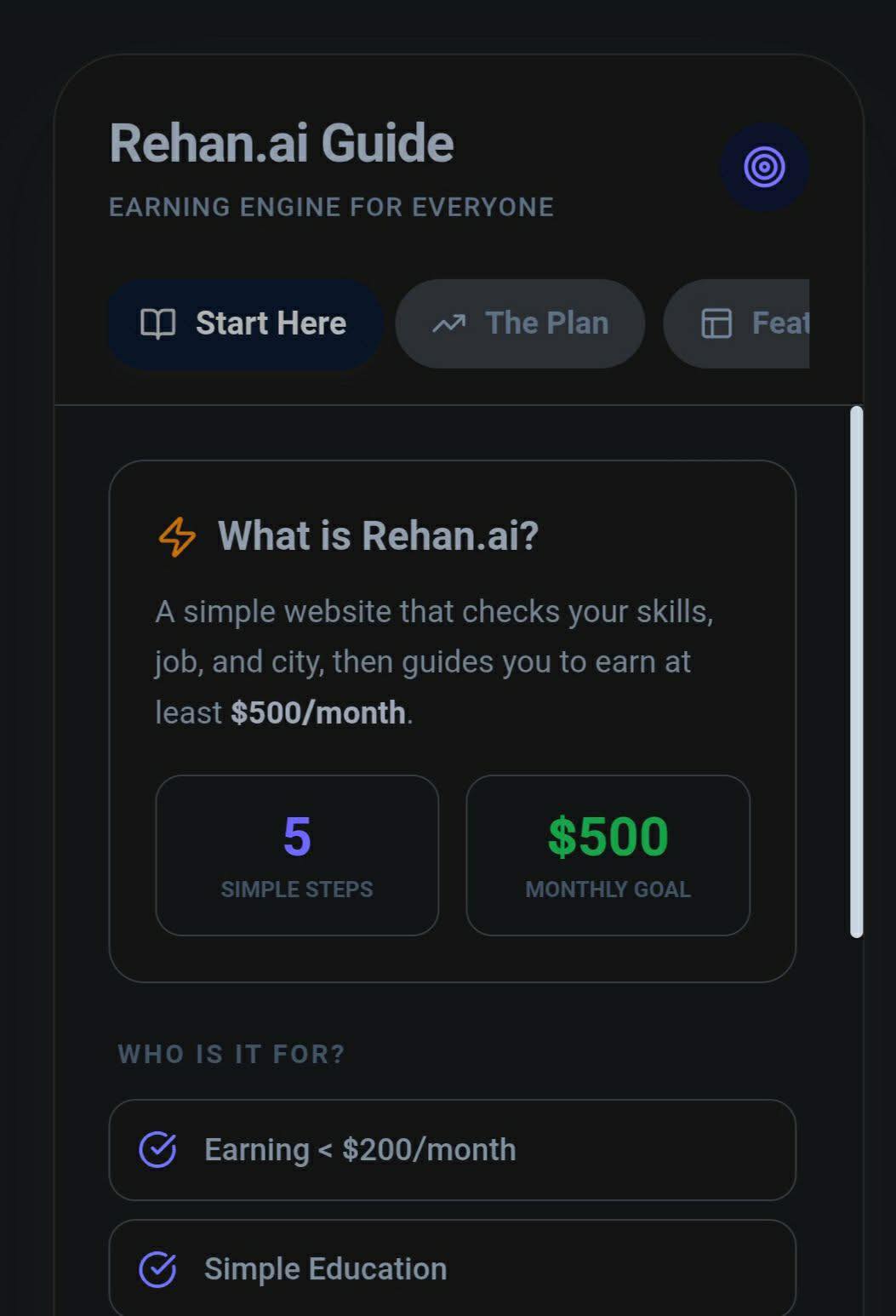
  • rehan.ai پر ہمارے $500 ماہانہ کمانے والے کوچ کو آزمائیں۔
    rehan.ai پر ہمارے $500 ماہانہ کمانے والے کوچ کو آزمائیں۔
    0 Комментарии 0 Поделились 43 Просмотры
  • کمال بخشی کے ساتھ گائیڈنس سیشن
    Daily ٹائمنگ شام 6:00 بجے سے شام 7:00 بجے تک
    مقام ریحان سکول منور کیمپس

    کیا آپ $500/140,000 ماہانہ کمانا چاہتے ہیں اور رہنمائی کی ضرورت ہے؟

    یہ کیسے کرنا ہے اس بارے میں کوچنگ حاصل کرنے کے لیے روزانہ ہمارے سنٹر پر آئیں!

    Number of Kamal Sahib

    +92 321 1293704

    ریحان اسکول - شہید ملت روڈ، کراچی ویب سائٹ: Rehanschool.Com گوگل میپس پر پتہ: �Https://goo.gl/maps/w2ASJvDx9KZc9r297 �

    مس رباب 03232145559 �جنرل +923102886047

    واٹس ایپ https://chat.whatsapp.com/LoEKCaskFFQLK146oObHN3?mode=hqrc
    کمال بخشی کے ساتھ گائیڈنس سیشن Daily ٹائمنگ شام 6:00 بجے سے شام 7:00 بجے تک مقام ریحان سکول منور کیمپس کیا آپ $500/140,000 ماہانہ کمانا چاہتے ہیں اور رہنمائی کی ضرورت ہے؟ یہ کیسے کرنا ہے اس بارے میں کوچنگ حاصل کرنے کے لیے روزانہ ہمارے سنٹر پر آئیں! Number of Kamal Sahib +92 321 1293704 ریحان اسکول - شہید ملت روڈ، کراچی ویب سائٹ: Rehanschool.Com گوگل میپس پر پتہ: �Https://goo.gl/maps/w2ASJvDx9KZc9r297 � مس رباب 03232145559 �جنرل +923102886047 واٹس ایپ https://chat.whatsapp.com/LoEKCaskFFQLK146oObHN3?mode=hqrc
    0 Комментарии 0 Поделились 741 Просмотры
  • **مٹی سے مشینوں تک:

    جنوبی کوریا کے غربت سے ترقی تک کا سچا سفر**

    1953 میں، جب کوریائی جنگ ختم ہوئی، جنوبی کوریا ایک تباہ حال ملک تھا۔

    شہر ملبے کا ڈھیر تھے۔
    لوگ بے گھر تھے۔
    بچوں کے پاس کھانے کو کچھ نہیں تھا۔
    نہ تیل، نہ گیس، نہ سونا، نہ بڑی زمینیں۔

    دنیا کے ماہرین کہتے تھے:

    “یہ ملک کبھی اپنے پیروں پر کھڑا نہیں ہو سکتا۔”

    اس وقت کئی ملک، یہاں تک کہ پاکستان بھی، جنوبی کوریا سے آگے تھے۔

    لیکن جنوبی کوریا کے پاس ایک چیز تھی:
    مایوسی کے ساتھ سنجیدگی۔

    ⸻

    ایک فوجی جنرل جس نے اصل سوال پوچھا

    1961 میں ایک فوجی جنرل پارک چنگ ہی اقتدار میں آیا۔

    وہ تقریریں کرنے والا لیڈر نہیں تھا۔
    وہ جذباتی باتیں نہیں کرتا تھا۔

    اس نے صرف ایک سوال پوچھا:

    “ایک غریب ملک دنیا میں کیسے زندہ رہ سکتا ہے؟”

    اس نے یہ نہیں پوچھا:
    • ہمیں کس نے لوٹا؟
    • ہماری غلطی کس کی ہے؟

    اس نے پوچھا:

    “ہم دنیا کو کیا بیچ سکتے ہیں؟”

    جواب سادہ مگر سخت تھا:

    “ہماری اکلوتی دولت ہمارے لوگ ہیں،
    اور ان کی سب سے بڑی طاقت ان کی مہارت ہے۔”

    ⸻

    **سب سے بڑا فیصلہ:

    انجینئرنگ سب سے پہلے**

    پارک چنگ ہی اور اس کی ٹیم نے ایک مشکل مگر ضروری فیصلہ کیا:
    • فنون نہیں
    • سیاست نہیں
    • نعرے نہیں
    • کاغذی کام نہیں

    انجینئرنگ، سائنس اور صنعت

    اسکولوں کا نظام بدلا گیا۔
    ریاضی اور سائنس کو بنیاد بنایا گیا۔
    تعلیم کو نوکری سے جوڑا گیا۔

    تعلیم اب رٹے کا نام نہیں رہی۔

    تعلیم کا مطلب تھا:
    ملک کے کام آنا۔

    ⸻

    ہنڈائی: وہ آدمی جو سیکھتے ہوئے بناتا گیا

    چنگ جو یُنگ ایک غریب کسان کا بیٹا تھا۔
    غربت سے بھاگنے کے لیے وہ کئی بار گھر سے بھاگا۔

    اس کے پاس ڈگری نہیں تھی۔
    لیکن ایک خوبی تھی:

    جو کام شروع کرتا، مکمل کرتا۔

    حکومت نے اسے سڑکیں بنانے کا کام دیا۔
    پھر پل۔
    پھر ہائی وے۔

    ایک دن پارک چنگ ہی نے کہا:

    “جہاز بناؤ۔”

    ہنڈائی نے کہا:
    “ہم نے کبھی جہاز نہیں بنائے۔”

    جواب آیا:

    “تو سیکھو۔”

    انہوں نے نقل کی،
    غلطیاں کیں،
    ٹھیک کیا،
    اور کر کے دکھایا۔

    ہنڈائی ذہانت سے نہیں،
    ہمت اور رفتار سے بڑی بنی۔

    ⸻

    سام سنگ: مچھلی اور نوڈلز سے موبائل فون تک

    سام سنگ کی شروعات موبائل سے نہیں ہوئی۔

    وہ نوڈلز اور سوکھی مچھلی بیچتے تھے۔

    اس کے بانی لی بیونگ چُل نے سمجھ لیا:

    “تجارت پیٹ بھرتی ہے،
    لیکن صنعت ملک بناتی ہے۔”

    حکومت نے صاف کہا:

    “برآمد کرو یا ختم ہو جاؤ۔”

    سام سنگ نے الیکٹرانکس میں قدم رکھا۔

    بعد میں اس کے بیٹے لی کن ہی نے ایک سخت بات کہی:

    “بیوی اور بچوں کے سوا سب کچھ بدل دو۔”

    خراب مال کو سب کے سامنے جلایا گیا۔
    کیونکہ جنوبی کوریا نے سیکھ لیا تھا:

    خراب معیار بے عزتی ہے۔

    ⸻

    ایل جی: خاموش مگر مضبوط ترقی

    ایل جی پہلے لکی گولڈ اسٹار تھا۔

    صابن، کیمیکل، روزمرہ کی چیزیں۔

    حکومت نے کہا:
    “الیکٹرانکس بناؤ۔”

    ایل جی نے شور نہیں مچایا۔

    نقل کی۔
    بہتری لائی۔
    آہستہ آہستہ بہترین بنا۔

    ایل جی نے ثابت کیا:

    خاموش محنت شور مچانے والی ذہانت سے بہتر ہوتی ہے۔

    ⸻

    نظم و ضبط کیسے نافذ ہوا؟

    قرضے انعام نہیں تھے۔
    وہ امتحان تھے۔

    ہدف پورا نہ ہوا؟
    پیسہ بند۔

    عالمی مارکیٹ میں مقابلہ لازمی تھا۔

    ناکامی قابلِ قبول تھی۔
    سستی ناقابلِ قبول۔

    ⸻

    ثقافت بدلی، قوم بدلی

    وقت ضائع کرنا شرمندگی بن گیا۔
    خراب کام بے عزتی۔
    دیر سے آنا جرم۔

    لوگ اس لیے محنت نہیں کرتے تھے کہ انہیں سزا کا ڈر تھا،
    بلکہ اس لیے کہ:

    وہ باعزت بننا چاہتے تھے۔

    ⸻

    اصل سچ

    جنوبی کوریا خوش قسمت نہیں تھا۔
    وہ سنجیدہ تھا۔

    سنجیدہ:
    • تعلیم میں
    • انجینئرنگ میں
    • معیار میں
    • وقت میں

    انہوں نے بچوں سے یہ نہیں پوچھا:
    “تم کیا پڑھنا چاہتے ہو؟”

    انہوں نے پوچھا:

    “ملک کو کس چیز کی ضرورت ہے؟”

    اور پھر سب کچھ اسی کے مطابق کیا۔

    ⸻

    یہ کہانی ہمارے لیے کیوں اہم ہے؟

    کیونکہ غربت قسمت نہیں۔
    کیونکہ وسائل سب کچھ نہیں ہوتے۔
    کیونکہ قومیں فیصلوں سے بنتی ہیں۔

    جنوبی کوریا ہمیں ایک بات سکھاتا ہے:

    جب قومیں بحث چھوڑ کر
    کام شروع کر دیتی ہیں
    تو تاریخ بدل جاتی ہے۔

    یہ صرف کوریا کی کہانی نہیں۔

    یہ ایک نقشہ ہے۔

    اور نقشے راستہ دکھانے کے لیے ہوتے ہیں۔

    — ریحان اللہ والا
    **مٹی سے مشینوں تک: جنوبی کوریا کے غربت سے ترقی تک کا سچا سفر** 1953 میں، جب کوریائی جنگ ختم ہوئی، جنوبی کوریا ایک تباہ حال ملک تھا۔ شہر ملبے کا ڈھیر تھے۔ لوگ بے گھر تھے۔ بچوں کے پاس کھانے کو کچھ نہیں تھا۔ نہ تیل، نہ گیس، نہ سونا، نہ بڑی زمینیں۔ دنیا کے ماہرین کہتے تھے: “یہ ملک کبھی اپنے پیروں پر کھڑا نہیں ہو سکتا۔” اس وقت کئی ملک، یہاں تک کہ پاکستان بھی، جنوبی کوریا سے آگے تھے۔ لیکن جنوبی کوریا کے پاس ایک چیز تھی: مایوسی کے ساتھ سنجیدگی۔ ⸻ ایک فوجی جنرل جس نے اصل سوال پوچھا 1961 میں ایک فوجی جنرل پارک چنگ ہی اقتدار میں آیا۔ وہ تقریریں کرنے والا لیڈر نہیں تھا۔ وہ جذباتی باتیں نہیں کرتا تھا۔ اس نے صرف ایک سوال پوچھا: “ایک غریب ملک دنیا میں کیسے زندہ رہ سکتا ہے؟” اس نے یہ نہیں پوچھا: • ہمیں کس نے لوٹا؟ • ہماری غلطی کس کی ہے؟ اس نے پوچھا: “ہم دنیا کو کیا بیچ سکتے ہیں؟” جواب سادہ مگر سخت تھا: “ہماری اکلوتی دولت ہمارے لوگ ہیں، اور ان کی سب سے بڑی طاقت ان کی مہارت ہے۔” ⸻ **سب سے بڑا فیصلہ: انجینئرنگ سب سے پہلے** پارک چنگ ہی اور اس کی ٹیم نے ایک مشکل مگر ضروری فیصلہ کیا: • فنون نہیں • سیاست نہیں • نعرے نہیں • کاغذی کام نہیں 👉 انجینئرنگ، سائنس اور صنعت اسکولوں کا نظام بدلا گیا۔ ریاضی اور سائنس کو بنیاد بنایا گیا۔ تعلیم کو نوکری سے جوڑا گیا۔ تعلیم اب رٹے کا نام نہیں رہی۔ تعلیم کا مطلب تھا: ملک کے کام آنا۔ ⸻ ہنڈائی: وہ آدمی جو سیکھتے ہوئے بناتا گیا چنگ جو یُنگ ایک غریب کسان کا بیٹا تھا۔ غربت سے بھاگنے کے لیے وہ کئی بار گھر سے بھاگا۔ اس کے پاس ڈگری نہیں تھی۔ لیکن ایک خوبی تھی: جو کام شروع کرتا، مکمل کرتا۔ حکومت نے اسے سڑکیں بنانے کا کام دیا۔ پھر پل۔ پھر ہائی وے۔ ایک دن پارک چنگ ہی نے کہا: “جہاز بناؤ۔” ہنڈائی نے کہا: “ہم نے کبھی جہاز نہیں بنائے۔” جواب آیا: “تو سیکھو۔” انہوں نے نقل کی، غلطیاں کیں، ٹھیک کیا، اور کر کے دکھایا۔ ہنڈائی ذہانت سے نہیں، ہمت اور رفتار سے بڑی بنی۔ ⸻ سام سنگ: مچھلی اور نوڈلز سے موبائل فون تک سام سنگ کی شروعات موبائل سے نہیں ہوئی۔ وہ نوڈلز اور سوکھی مچھلی بیچتے تھے۔ اس کے بانی لی بیونگ چُل نے سمجھ لیا: “تجارت پیٹ بھرتی ہے، لیکن صنعت ملک بناتی ہے۔” حکومت نے صاف کہا: “برآمد کرو یا ختم ہو جاؤ۔” سام سنگ نے الیکٹرانکس میں قدم رکھا۔ بعد میں اس کے بیٹے لی کن ہی نے ایک سخت بات کہی: “بیوی اور بچوں کے سوا سب کچھ بدل دو۔” خراب مال کو سب کے سامنے جلایا گیا۔ کیونکہ جنوبی کوریا نے سیکھ لیا تھا: خراب معیار بے عزتی ہے۔ ⸻ ایل جی: خاموش مگر مضبوط ترقی ایل جی پہلے لکی گولڈ اسٹار تھا۔ صابن، کیمیکل، روزمرہ کی چیزیں۔ حکومت نے کہا: “الیکٹرانکس بناؤ۔” ایل جی نے شور نہیں مچایا۔ نقل کی۔ بہتری لائی۔ آہستہ آہستہ بہترین بنا۔ ایل جی نے ثابت کیا: خاموش محنت شور مچانے والی ذہانت سے بہتر ہوتی ہے۔ ⸻ نظم و ضبط کیسے نافذ ہوا؟ قرضے انعام نہیں تھے۔ وہ امتحان تھے۔ ہدف پورا نہ ہوا؟ پیسہ بند۔ عالمی مارکیٹ میں مقابلہ لازمی تھا۔ ناکامی قابلِ قبول تھی۔ سستی ناقابلِ قبول۔ ⸻ ثقافت بدلی، قوم بدلی وقت ضائع کرنا شرمندگی بن گیا۔ خراب کام بے عزتی۔ دیر سے آنا جرم۔ لوگ اس لیے محنت نہیں کرتے تھے کہ انہیں سزا کا ڈر تھا، بلکہ اس لیے کہ: وہ باعزت بننا چاہتے تھے۔ ⸻ اصل سچ جنوبی کوریا خوش قسمت نہیں تھا۔ وہ سنجیدہ تھا۔ سنجیدہ: • تعلیم میں • انجینئرنگ میں • معیار میں • وقت میں انہوں نے بچوں سے یہ نہیں پوچھا: “تم کیا پڑھنا چاہتے ہو؟” انہوں نے پوچھا: “ملک کو کس چیز کی ضرورت ہے؟” اور پھر سب کچھ اسی کے مطابق کیا۔ ⸻ یہ کہانی ہمارے لیے کیوں اہم ہے؟ کیونکہ غربت قسمت نہیں۔ کیونکہ وسائل سب کچھ نہیں ہوتے۔ کیونکہ قومیں فیصلوں سے بنتی ہیں۔ جنوبی کوریا ہمیں ایک بات سکھاتا ہے: جب قومیں بحث چھوڑ کر کام شروع کر دیتی ہیں تو تاریخ بدل جاتی ہے۔ یہ صرف کوریا کی کہانی نہیں۔ یہ ایک نقشہ ہے۔ اور نقشے راستہ دکھانے کے لیے ہوتے ہیں۔ — ریحان اللہ والا
    0 Комментарии 0 Поделились 43 Просмотры
  • **From Ashes to Engineers:

    The True Story of How South Korea Rose**

    In 1953, South Korea did not look like a country with a future.

    It looked like a graveyard of dreams.

    Cities were flattened.
    Families lived in tents.
    Children begged near broken railway tracks.
    There was no oil, no gold, no gas, no fertile land to brag about.

    Foreign experts wrote reports saying:

    “South Korea is not viable as a modern nation.”

    At that time, Pakistan was ahead.
    Many countries were ahead.

    South Korea was not lucky.
    South Korea was desperate.

    And desperation, when guided properly, can become discipline.

    ⸻

    A Soldier Who Asked the Wrong Question (And Saved a Nation)

    In 1961, a military general named Park Chung-hee took power.

    He was not a poet.
    He was not a motivational speaker.
    He was not interested in applause.

    He asked one cold, frightening question:

    “How does a poor country with nothing survive in a competitive world?”

    Not:
    • Who should we blame?
    • Who colonized us?
    • Who betrayed us?

    Only:

    “What will we SELL to the world?”

    The answer terrified everyone:

    “We have only one resource: our people.
    And only one weapon: their skills.”

    That day, South Korea made a decision that quietly changed history.

    ⸻

    **The Most Important Decision:

    Engineering Over Everything**

    Park Chung-hee and his planners made a choice that was unpopular but fatalistic:
    • Not arts first
    • Not politics
    • Not slogans
    • Not bureaucracy

    Engineering. Science. Manufacturing.

    Universities were reshaped.
    Curriculums were rewritten.
    Math and physics became survival tools.

    Education was no longer about becoming educated.

    Education was about becoming useful.

    Teachers were treated like nation builders.
    Students were treated like future soldiers of industry.

    South Korea decided:

    “We will not debate our poverty.
    We will engineer our way out of it.”

    ⸻

    Hyundai: The Man Who Built Before He Knew How

    In a small village, a poor farmer’s son named Chung Ju-yung kept running away from home.

    Not for adventure.
    For escape from poverty.

    He had no engineering degree.
    No elite background.

    What he had was one rare quality:

    He finished what he started.

    When Park Chung-hee needed roads, bridges, and highways, he noticed this man.

    He gave him impossible tasks.

    “Build a highway.”
    “We’ve never done that.”
    “Then learn.”

    Later, Park ordered something insane:

    “Build ships.”

    Hyundai had never built a ship.
    South Korea had no shipbuilding industry.

    Chung Ju-yung famously showed foreign bankers a photo of a ship…
    that didn’t yet exist.

    He borrowed designs.
    He copied.
    He failed.
    He fixed.
    He delivered.

    Hyundai didn’t grow because it was brilliant.

    Hyundai grew because it moved faster than fear.

    ⸻

    Samsung: From Groceries to Global Technology

    Samsung did not begin with smartphones.

    It began by selling noodles and dried fish.

    Its founder, Lee Byung-chul, was a trader.
    But after the war, he realized something painful:

    “Trading will feed families.
    Manufacturing will feed a nation.”

    The government pushed companies hard:

    “Export or die.”

    Samsung entered sugar.
    Then textiles.
    Then electronics.

    Years later, Lee’s son, Lee Kun-hee, made one of the most brutal leadership statements in corporate history:

    “Change everything except your wife and children.”

    Samsung publicly destroyed defective products.
    Burned them.
    Shamed poor quality.

    Why?

    Because South Korea learned:

    Low quality is a national insult.

    Samsung didn’t chase cheap success.
    It chased world-class respect.

    ⸻

    LG: Quiet, Relentless, Engineering-First

    LG started as Lucky GoldStar.

    Soap.
    Cosmetics.
    Chemicals.

    When the government said, “We need electronics,” LG obeyed.

    No drama.
    No ego.

    They copied.
    They improved.
    They refined.

    LG engineers became famous not for flash — but for reliability.

    LG proves one thing:

    Nations are not built only by loud visionaries,
    but by silent executors.

    ⸻

    How Discipline Was Enforced (The Part No One Likes to Talk About)

    Loans were not gifts.
    They were tests.

    Miss targets?
    Funding stopped.

    Export or perish.
    Global competition was not optional.

    Failure was allowed.
    Laziness was not.

    Corruption existed — but it did not replace performance.

    In South Korea, excuses were expensive.

    ⸻

    The Cultural Shift That Changed Everything

    Slowly, a new mindset emerged:
    • Being late was shameful
    • Doing poor work was embarrassing
    • Wasting time was unforgivable

    People worked hard not because they loved suffering…

    …but because they loved dignity.

    They weren’t rebuilding companies.

    They were rebuilding self-respect.

    ⸻

    The Final Truth

    South Korea did not rise because it was lucky.
    It rose because it was serious.

    Serious about:
    • Engineering
    • Education
    • Time
    • Quality
    • Accountability

    They didn’t ask children:

    “What do you feel like studying?”

    They asked:

    “What will save our future?”

    And then they aligned everything to that answer.

    ⸻

    Why This Story Matters to Us

    Because poverty is not permanent.
    Because resources are not destiny.
    Because excuses are optional.

    South Korea proves one uncomfortable truth:

    A nation can change when it stops arguing
    and starts building.

    This is not just Korea’s story.

    It is a blueprint.

    And blueprints are meant to be used.

    — Rehan Allahwala
    **From Ashes to Engineers: The True Story of How South Korea Rose** In 1953, South Korea did not look like a country with a future. It looked like a graveyard of dreams. Cities were flattened. Families lived in tents. Children begged near broken railway tracks. There was no oil, no gold, no gas, no fertile land to brag about. Foreign experts wrote reports saying: “South Korea is not viable as a modern nation.” At that time, Pakistan was ahead. Many countries were ahead. South Korea was not lucky. South Korea was desperate. And desperation, when guided properly, can become discipline. ⸻ A Soldier Who Asked the Wrong Question (And Saved a Nation) In 1961, a military general named Park Chung-hee took power. He was not a poet. He was not a motivational speaker. He was not interested in applause. He asked one cold, frightening question: “How does a poor country with nothing survive in a competitive world?” Not: • Who should we blame? • Who colonized us? • Who betrayed us? Only: “What will we SELL to the world?” The answer terrified everyone: “We have only one resource: our people. And only one weapon: their skills.” That day, South Korea made a decision that quietly changed history. ⸻ **The Most Important Decision: Engineering Over Everything** Park Chung-hee and his planners made a choice that was unpopular but fatalistic: • Not arts first • Not politics • Not slogans • Not bureaucracy 👉 Engineering. Science. Manufacturing. Universities were reshaped. Curriculums were rewritten. Math and physics became survival tools. Education was no longer about becoming educated. Education was about becoming useful. Teachers were treated like nation builders. Students were treated like future soldiers of industry. South Korea decided: “We will not debate our poverty. We will engineer our way out of it.” ⸻ Hyundai: The Man Who Built Before He Knew How In a small village, a poor farmer’s son named Chung Ju-yung kept running away from home. Not for adventure. For escape from poverty. He had no engineering degree. No elite background. What he had was one rare quality: He finished what he started. When Park Chung-hee needed roads, bridges, and highways, he noticed this man. He gave him impossible tasks. “Build a highway.” “We’ve never done that.” “Then learn.” Later, Park ordered something insane: “Build ships.” Hyundai had never built a ship. South Korea had no shipbuilding industry. Chung Ju-yung famously showed foreign bankers a photo of a ship… that didn’t yet exist. He borrowed designs. He copied. He failed. He fixed. He delivered. Hyundai didn’t grow because it was brilliant. Hyundai grew because it moved faster than fear. ⸻ Samsung: From Groceries to Global Technology Samsung did not begin with smartphones. It began by selling noodles and dried fish. Its founder, Lee Byung-chul, was a trader. But after the war, he realized something painful: “Trading will feed families. Manufacturing will feed a nation.” The government pushed companies hard: “Export or die.” Samsung entered sugar. Then textiles. Then electronics. Years later, Lee’s son, Lee Kun-hee, made one of the most brutal leadership statements in corporate history: “Change everything except your wife and children.” Samsung publicly destroyed defective products. Burned them. Shamed poor quality. Why? Because South Korea learned: Low quality is a national insult. Samsung didn’t chase cheap success. It chased world-class respect. ⸻ LG: Quiet, Relentless, Engineering-First LG started as Lucky GoldStar. Soap. Cosmetics. Chemicals. When the government said, “We need electronics,” LG obeyed. No drama. No ego. They copied. They improved. They refined. LG engineers became famous not for flash — but for reliability. LG proves one thing: Nations are not built only by loud visionaries, but by silent executors. ⸻ How Discipline Was Enforced (The Part No One Likes to Talk About) Loans were not gifts. They were tests. Miss targets? Funding stopped. Export or perish. Global competition was not optional. Failure was allowed. Laziness was not. Corruption existed — but it did not replace performance. In South Korea, excuses were expensive. ⸻ The Cultural Shift That Changed Everything Slowly, a new mindset emerged: • Being late was shameful • Doing poor work was embarrassing • Wasting time was unforgivable People worked hard not because they loved suffering… …but because they loved dignity. They weren’t rebuilding companies. They were rebuilding self-respect. ⸻ The Final Truth South Korea did not rise because it was lucky. It rose because it was serious. Serious about: • Engineering • Education • Time • Quality • Accountability They didn’t ask children: “What do you feel like studying?” They asked: “What will save our future?” And then they aligned everything to that answer. ⸻ Why This Story Matters to Us Because poverty is not permanent. Because resources are not destiny. Because excuses are optional. South Korea proves one uncomfortable truth: A nation can change when it stops arguing and starts building. This is not just Korea’s story. It is a blueprint. And blueprints are meant to be used. — Rehan Allahwala
    0 Комментарии 0 Поделились 322 Просмотры