• Introducing a man of service, leadership, and community impact — Ali Godil

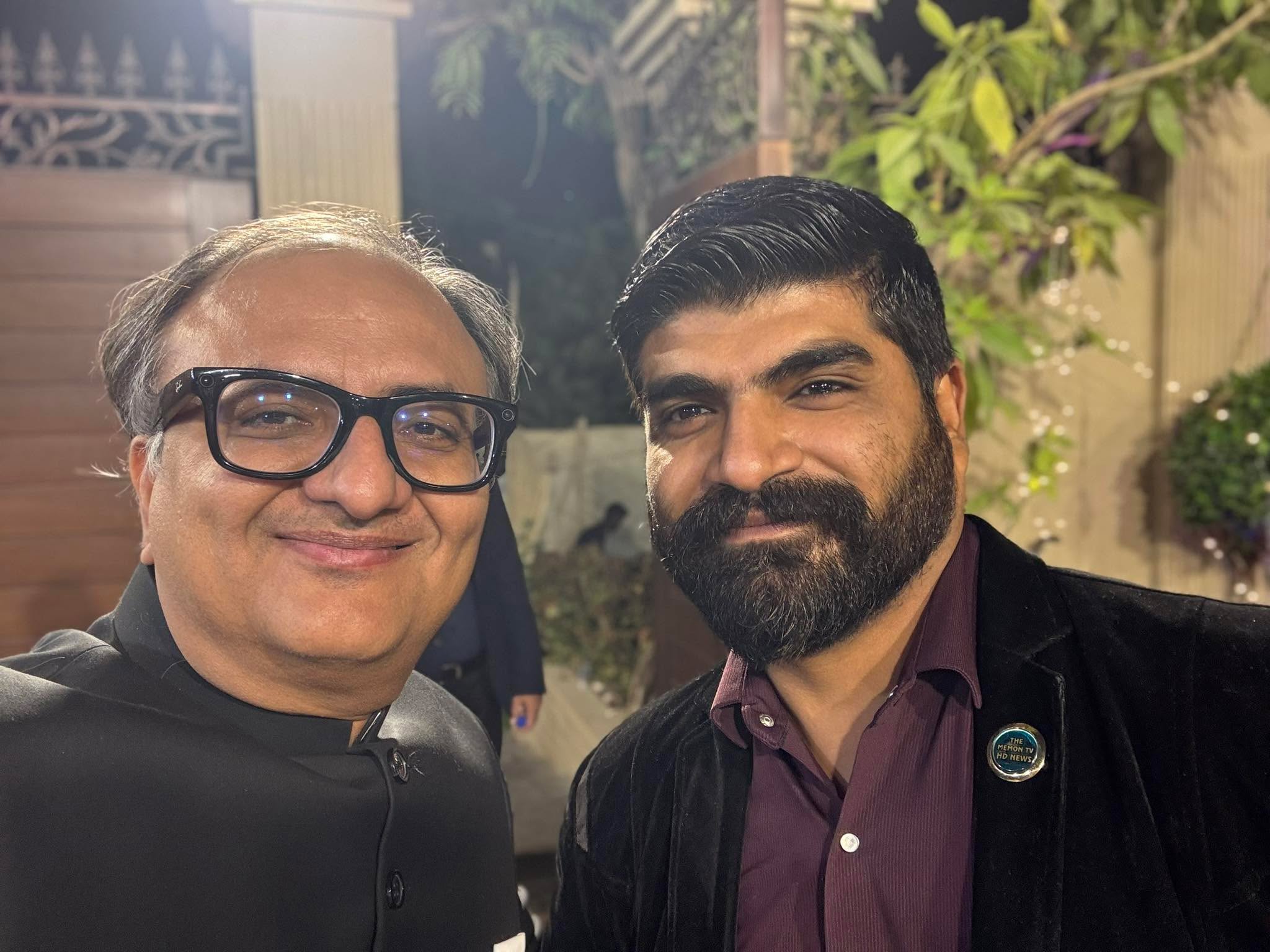
    Proud to introduce Ali Godil, a highly active social worker, media entrepreneur, and community leader who has been serving Karachi and Pakistan across multiple fronts — security, media, energy, health, youth, and social welfare — Alhamdulillah.

    Chief – CPK (Community Policing Karachi)
    District Central, Karachi — working closely with communities for safety, trust, and civic responsibility

    CEO – The Memon TV HD
    & Godil Marketing and Real Estate
    Actively strengthening community voices through media and business platforms
    (Media Partner of CPK – Community Policing Karachi)

    Managing Partner – Misaaf Energy (Pvt.) Ltd.
    Contributing to Pakistan’s energy and sustainability sector

    Member – Housing & Construction Committee
    Karachi Chamber of Commerce & Industry (KCCI)
    Term: 2022–2023

    Media Chairman – International Memon Organization (IMO)
    Pakistan Chapter
    Term: 2023–2025

    Member – FPCCI Lifestyle Standing Committee
    Serving at the national level

    Health & Emergency Services
    Member, Fatima Bai Hospital Medical Health Card & Emergency Help Committee

    Jetpur Memon Association
    • Sub-Committee Member: Graveyard & Coffin Carrier
    • Community Welfare Member (2025)

    All Pakistan Memon Youth – In-charge
    Senior social worker, actively involved in youth development and community uplift

    Ali Godil’s work reflects a deep commitment to service, community empowerment, and social responsibility — quietly working on the ground where impact truly matters.

    May Allah put barakah in his efforts and allow his work to benefit many more lives.
    Introducing a man of service, leadership, and community impact — Ali Godil Proud to introduce Ali Godil, a highly active social worker, media entrepreneur, and community leader who has been serving Karachi and Pakistan across multiple fronts — security, media, energy, health, youth, and social welfare — Alhamdulillah. 🔹 Chief – CPK (Community Policing Karachi) District Central, Karachi — working closely with communities for safety, trust, and civic responsibility 🚨🚔 🔹 CEO – The Memon TV HD 📡 & Godil Marketing and Real Estate 🏠 Actively strengthening community voices through media and business platforms (Media Partner of CPK – Community Policing Karachi) 🔹 Managing Partner – Misaaf Energy (Pvt.) Ltd. 💥 Contributing to Pakistan’s energy and sustainability sector 🔹 Member – Housing & Construction Committee Karachi Chamber of Commerce & Industry (KCCI) Term: 2022–2023 🔹 Media Chairman – International Memon Organization (IMO) 🌎 Pakistan Chapter Term: 2023–2025 🔹 Member – FPCCI Lifestyle Standing Committee Serving at the national level 🔹 Health & Emergency Services Member, Fatima Bai Hospital Medical Health Card & Emergency Help Committee 🔹 Jetpur Memon Association • Sub-Committee Member: Graveyard & Coffin Carrier • Community Welfare Member (2025) 🔹 All Pakistan Memon Youth – In-charge Senior social worker, actively involved in youth development and community uplift Ali Godil’s work reflects a deep commitment to service, community empowerment, and social responsibility — quietly working on the ground where impact truly matters. May Allah put barakah in his efforts and allow his work to benefit many more lives. 🇵🇰🤲
    0 Σχόλια 0 Μοιράστηκε 149 Views
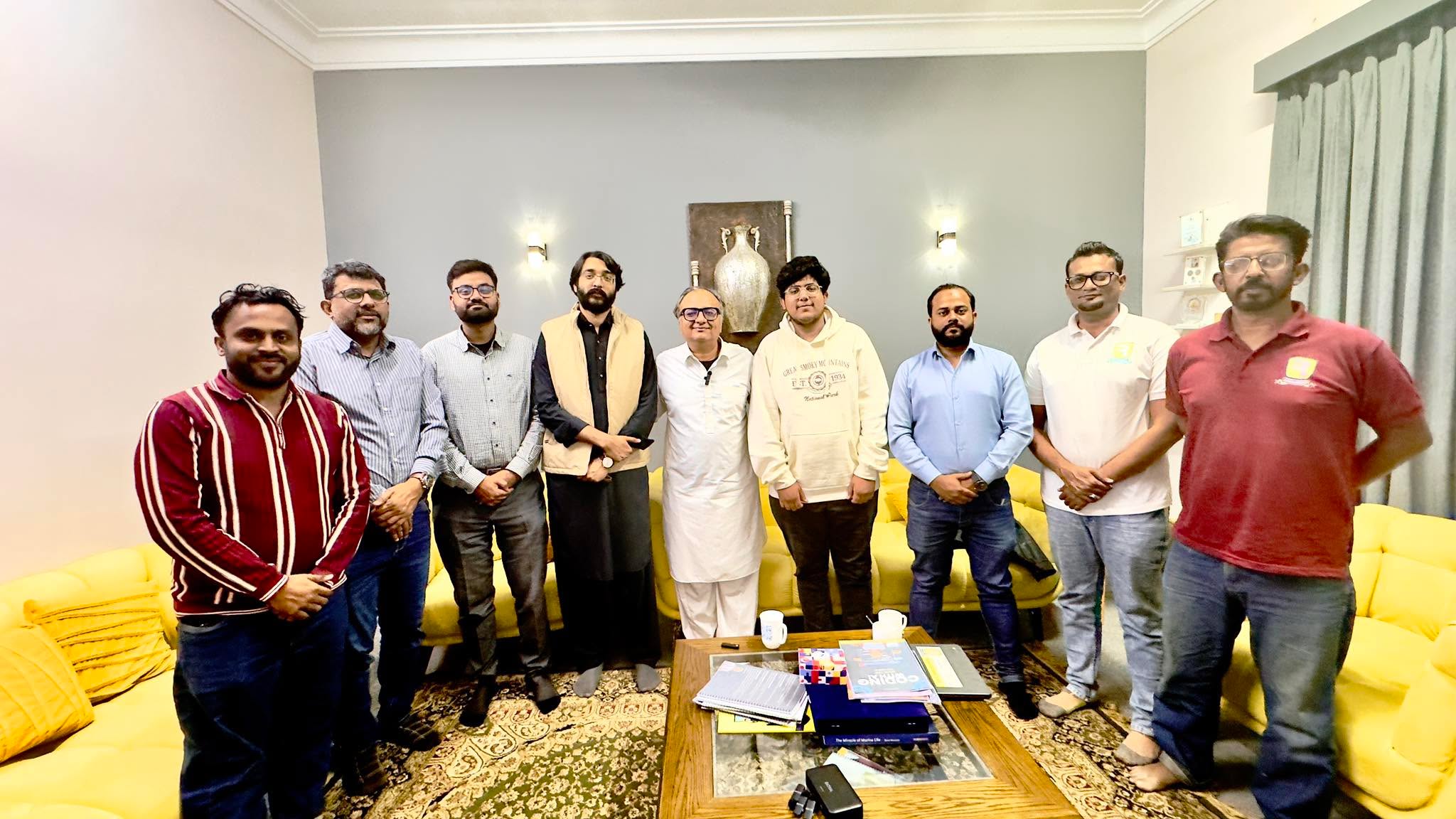
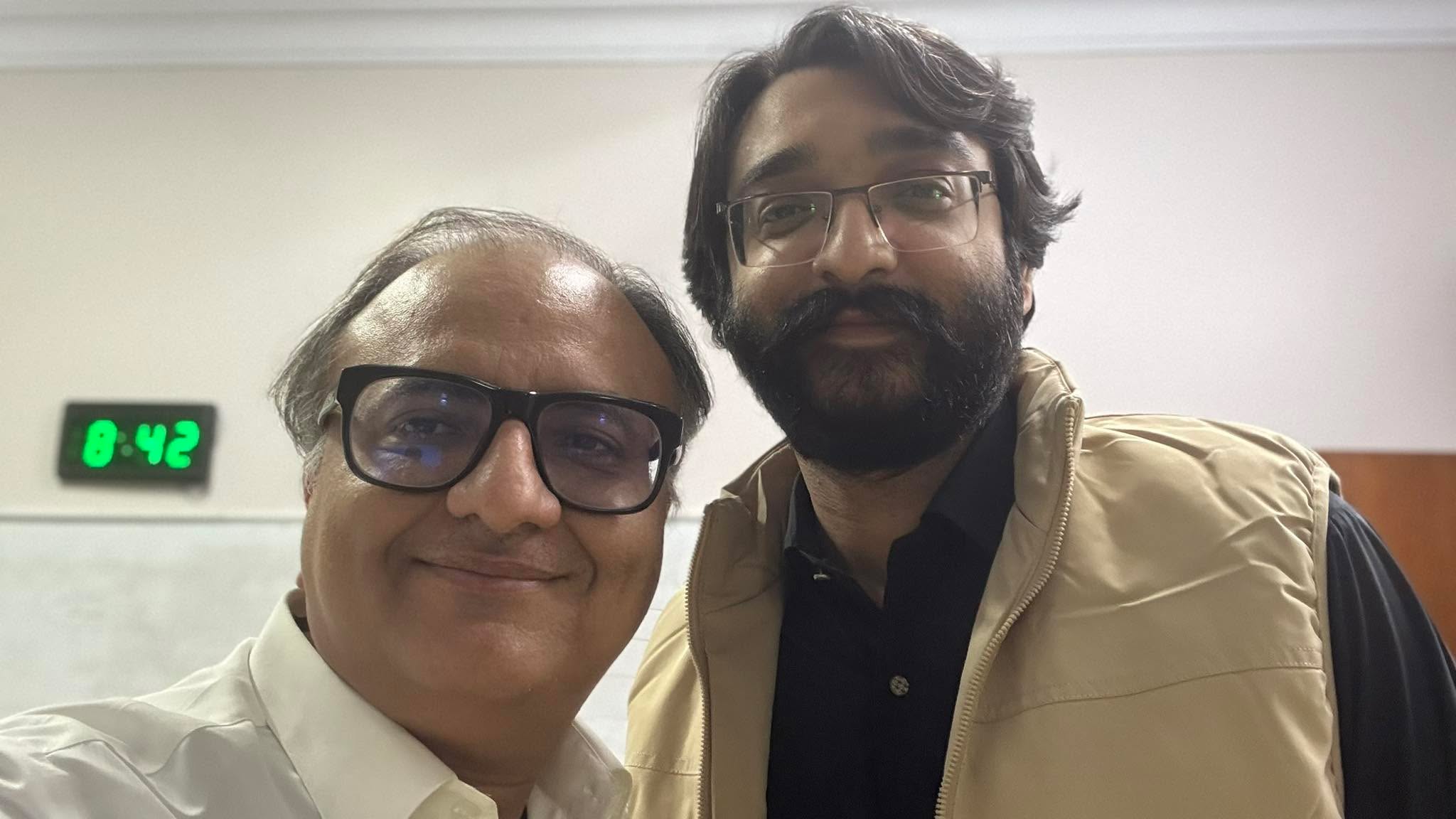
  • Today the president of #Technofest Pakistan Aabish Siddiqui Confernce and co- founder #Banoqabil Farooq Kamlani came to meet !

    It’s amazing to see how they have reached to 1.2 million people in 3 years, the ideas that started from 3000 students goal in the same room have become huge trees !
    Today the president of #Technofest Pakistan Aabish Siddiqui 🇵🇰 Confernce and co- founder #Banoqabil Farooq Kamlani came to meet ! It’s amazing to see how they have reached to 1.2 million people in 3 years, the ideas that started from 3000 students goal in the same room have become huge trees 🌳!
    0 Σχόλια 0 Μοιράστηκε 486 Views
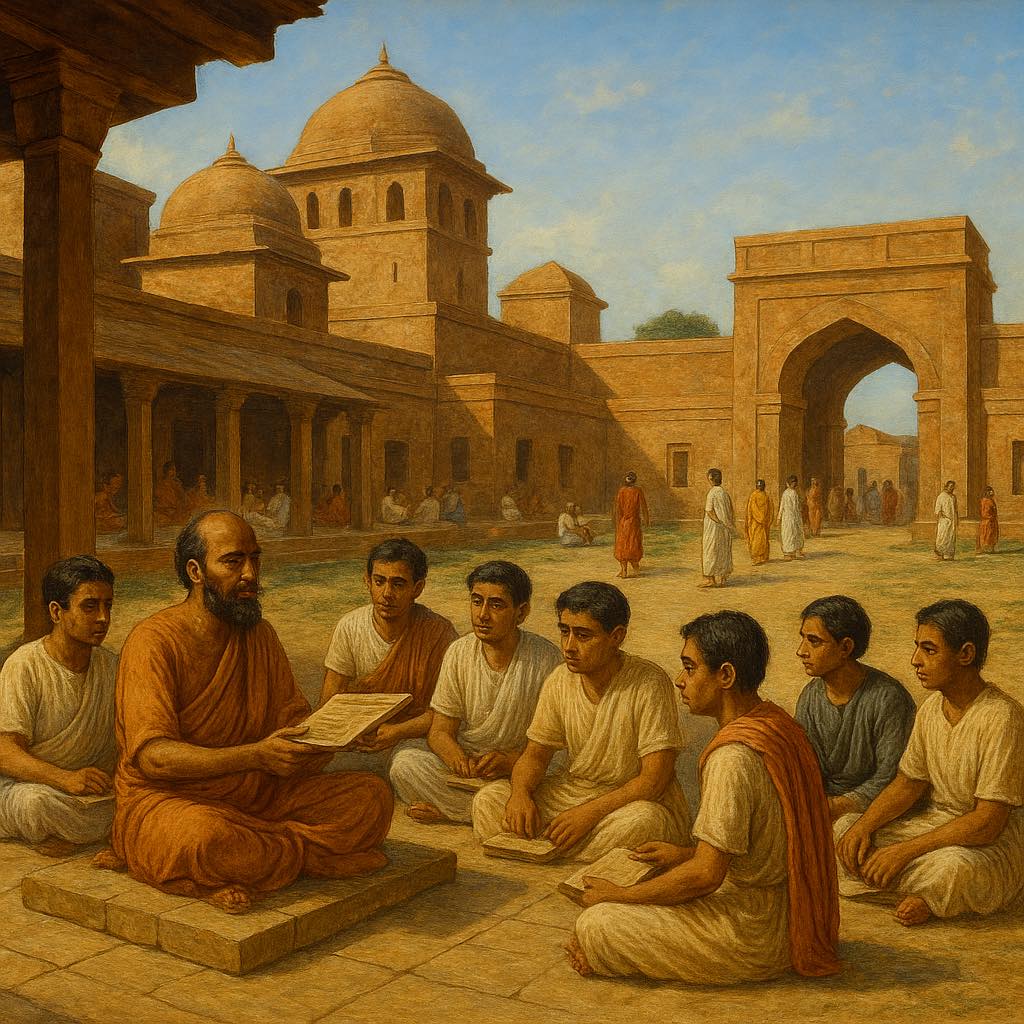
  • ٹیکسلا (تکشاشیلا) یونیورسٹی — 700 قبل مسیح کی ایک جھلک

    یہ تصویر ہمیں ڈھائی ہزار سال پیچھے لے جاتی ہے، اُس دور میں جب لفظ یونیورسٹی وجود میں بھی نہیں آیا تھا، مگر یونیورسٹی کا تصور پوری شان سے زندہ تھا۔

    یہ ٹیکسلا ہے — آج کے پاکستان کی سرزمین پر قائم وہ عظیم علمی شہر، جہاں علم عمارتوں میں قید نہیں تھا بلکہ انسانوں کے درمیان سانس لیتا تھا۔

    آپ تصویر میں دیکھ سکتے ہیں کہ:
    • ایک استاد زمین پر بیٹھا ہے، کسی اونچے تخت یا اسٹیج پر نہیں
    • طلبہ اس کے گرد حلقہ بنا کر بیٹھے ہیں
    • ہاتھ میں کاغذ نہیں، بلکہ سوچ اور سوال ہیں
    • کلاس کسی بند کمرے میں نہیں، کھلے صحن اور فضا میں ہو رہی ہے

    یہی ٹیکسلا کا طریقہ تھا۔

    یہاں:
    • علم زبردستی نہیں پڑھایا جاتا تھا
    • رٹے نہیں لگوائے جاتے تھے
    • نمبر، گریڈ، امتحان نہیں ہوتے تھے

    یہاں سوال پوچھنا عبادت تھا
    اور سمجھ آ جانا کامیابی۔

    ⸻

    ٹیکسلا کی انفرادیت

    ٹیکسلا ایک عمارت نہیں تھی،
    یہ ایک پورا شہرِ علم تھا۔

    یہاں پڑھایا جاتا تھا:
    • طب اور جراحی
    • فلسفہ اور منطق
    • سیاست اور حکمرانی
    • زبان، بحث اور مکالمہ
    • اخلاقیات اور ذمہ داری

    دنیا کے مختلف حصوں سے طلبہ آتے تھے:
    چین، وسطی ایشیا، ایران، ہندوستان، یونان۔

    یہ ایک عالمی یونیورسٹی تھی —
    بغیر ویزا، بغیر پاسپورٹ، بغیر تعصب۔

    ⸻

    ہمیں اس پر فخر کیوں ہونا چاہیے؟

    یہ تصویر ہمیں یاد دلاتی ہے کہ:

    یہ خطہ کبھی علم کا محتاج نہیں تھا،
    بلکہ علم کا مرکز تھا۔

    ہمیں یہ ماننا چھوڑ دینا چاہیے کہ:
    “یہاں کبھی علم نہیں تھا”

    یہ ایک خطرناک جھوٹ ہے۔

    علم یہیں تھا
    سوچ یہیں جنم لیتی تھی
    دنیا یہیں سیکھنے آتی تھی

    ⸻

    اب وقت ہے واپس لینے کا

    ٹیکسلا ہمیں ایک پیغام دیتا ہے:
    • علم باہر سے درآمد نہیں ہوتا
    • علم اپنے اندر دوبارہ جگایا جاتا ہے
    • یونیورسٹی اینٹوں سے نہیں، سوچ سے بنتی ہے

    اگر ہم دوبارہ سوال پوچھنا سیکھ لیں
    اگر ہم علم کو طاقت سمجھ لیں
    اگر ہم اپنی تاریخ پر شرمندہ ہونے کے بجائے فخر کریں

    تو یہ سرزمین ایک بار پھر:
    علم کی نرسری بن سکتی ہے۔

    ⸻

    ٹیکسلا ماضی نہیں، ایک یاددہانی ہے۔
    اور یہ یاددہانی آج کے پاکستان کے لیے ہے۔
    ٹیکسلا (تکشاشیلا) یونیورسٹی — 700 قبل مسیح کی ایک جھلک یہ تصویر ہمیں ڈھائی ہزار سال پیچھے لے جاتی ہے، اُس دور میں جب لفظ یونیورسٹی وجود میں بھی نہیں آیا تھا، مگر یونیورسٹی کا تصور پوری شان سے زندہ تھا۔ یہ ٹیکسلا ہے — آج کے پاکستان کی سرزمین پر قائم وہ عظیم علمی شہر، جہاں علم عمارتوں میں قید نہیں تھا بلکہ انسانوں کے درمیان سانس لیتا تھا۔ آپ تصویر میں دیکھ سکتے ہیں کہ: • ایک استاد زمین پر بیٹھا ہے، کسی اونچے تخت یا اسٹیج پر نہیں • طلبہ اس کے گرد حلقہ بنا کر بیٹھے ہیں • ہاتھ میں کاغذ نہیں، بلکہ سوچ اور سوال ہیں • کلاس کسی بند کمرے میں نہیں، کھلے صحن اور فضا میں ہو رہی ہے یہی ٹیکسلا کا طریقہ تھا۔ یہاں: • علم زبردستی نہیں پڑھایا جاتا تھا • رٹے نہیں لگوائے جاتے تھے • نمبر، گریڈ، امتحان نہیں ہوتے تھے یہاں سوال پوچھنا عبادت تھا اور سمجھ آ جانا کامیابی۔ ⸻ ٹیکسلا کی انفرادیت ٹیکسلا ایک عمارت نہیں تھی، یہ ایک پورا شہرِ علم تھا۔ یہاں پڑھایا جاتا تھا: • طب اور جراحی • فلسفہ اور منطق • سیاست اور حکمرانی • زبان، بحث اور مکالمہ • اخلاقیات اور ذمہ داری دنیا کے مختلف حصوں سے طلبہ آتے تھے: چین، وسطی ایشیا، ایران، ہندوستان، یونان۔ یہ ایک عالمی یونیورسٹی تھی — بغیر ویزا، بغیر پاسپورٹ، بغیر تعصب۔ ⸻ ہمیں اس پر فخر کیوں ہونا چاہیے؟ یہ تصویر ہمیں یاد دلاتی ہے کہ: یہ خطہ کبھی علم کا محتاج نہیں تھا، بلکہ علم کا مرکز تھا۔ ہمیں یہ ماننا چھوڑ دینا چاہیے کہ: “یہاں کبھی علم نہیں تھا” یہ ایک خطرناک جھوٹ ہے۔ علم یہیں تھا سوچ یہیں جنم لیتی تھی دنیا یہیں سیکھنے آتی تھی ⸻ اب وقت ہے واپس لینے کا ٹیکسلا ہمیں ایک پیغام دیتا ہے: • علم باہر سے درآمد نہیں ہوتا • علم اپنے اندر دوبارہ جگایا جاتا ہے • یونیورسٹی اینٹوں سے نہیں، سوچ سے بنتی ہے اگر ہم دوبارہ سوال پوچھنا سیکھ لیں اگر ہم علم کو طاقت سمجھ لیں اگر ہم اپنی تاریخ پر شرمندہ ہونے کے بجائے فخر کریں تو یہ سرزمین ایک بار پھر: علم کی نرسری بن سکتی ہے۔ ⸻ ٹیکسلا ماضی نہیں، ایک یاددہانی ہے۔ اور یہ یاددہانی آج کے پاکستان کے لیے ہے۔
    0 Σχόλια 0 Μοιράστηκε 37 Views
  • Taxila (Takshashila): The University That Lived Before the Word “University”

    Long before the modern world learned to spell the word university, before degrees, campuses, and rankings existed, there was a place where knowledge lived freely, fearlessly, and fully.

    That place was Taxila—also known as Takshashila.

    It stood on the land that is today Pakistan.

    And that fact alone should change how we see ourselves.

    ⸻

    A City Built Around Knowledge

    Taxila was not founded as a building.
    It was not inaugurated with a ribbon-cutting ceremony.
    It did not have a single gate or a single classroom.

    Taxila was a city of learning.

    Around 600 BCE—more than 2,600 years ago—students began arriving there from all directions:
    from India, Central Asia, China, Persia, and even the Greek world.

    They did not come for certificates.
    They came for wisdom.

    In Taxila, learning did not happen inside four walls.
    It happened in homes of teachers, under trees, in discussion circles, in debates, in practice.

    Knowledge was not stored in buildings.
    It was alive in people.

    ⸻

    Older Than Most of the World’s Universities

    When people talk about ancient universities, they often name:
    • Oxford
    • Bologna
    • Paris

    But these institutions were founded 1,500 years after Taxila.

    When Taxila was already flourishing:
    • Europe was still in the early stages of organized education
    • Formal universities did not yet exist in the West

    Taxila was not just old.
    It was ahead of its time.

    ⸻

    What Made Taxila Different

    Taxila did not divide knowledge into artificial boxes.

    There was no idea that:
    • Science is separate from philosophy
    • Medicine is separate from ethics
    • Governance is separate from morality

    In Taxila, everything was connected.

    A student of medicine learned:
    • Anatomy
    • Surgery
    • Herbal science
    • Ethics
    • Responsibility toward society

    A student of politics learned:
    • Law
    • Philosophy
    • Human behavior
    • Economics
    • Moral leadership

    A student of language studied:
    • Grammar
    • Logic
    • Debate
    • Culture
    • Meaning

    This was not specialization without understanding.
    This was depth with wholeness.

    ⸻

    Teachers Who Shaped Civilizations

    Taxila produced and hosted some of the greatest minds of the ancient world.

    It trained:
    • Statesmen
    • Physicians
    • Philosophers
    • Military strategists
    • Linguists
    • Thinkers

    Legends like Chanakya (Kautilya)—author of the Arthashastra, one of the earliest books on economics and governance—were connected to Taxila.

    Doctors trained here performed advanced surgeries at a time when much of the world believed illness was caused by spirits.

    This was evidence-based thinking—thousands of years ago.

    ⸻

    No Exams, No Degrees—Only Mastery

    There were no standardized exams in Taxila.
    No grades.
    No diplomas.

    Instead:
    • A student stayed with a teacher until mastery was achieved
    • Learning ended when the teacher believed the student was ready to serve society
    • Education was judged by capability, not certificates

    The goal was not employment.
    The goal was competence, wisdom, and contribution.

    ⸻

    A Truly International University

    Taxila was global before globalization.

    Students came speaking different languages, carrying different beliefs, asking different questions.

    And yet, they learned together.

    Taxila did not impose one ideology.
    It welcomed dialogue.

    This made it one of the first truly international universities on Earth—not by passport, but by mindset.

    ⸻

    The Tragedy of Forgetting

    Over centuries, invasions, destruction, and colonial narratives buried this history.

    A dangerous idea slowly took root:

    “Knowledge never existed here.”

    This is one of the greatest lies ever told to this region.

    Knowledge did exist here.
    Innovation was born here.
    Universities thrived here.

    But when a civilization forgets its intellectual past, it begins to doubt its future.

    ⸻

    Why Pakistanis Must Be Proud

    Taxila is not just an archaeological site.
    It is proof.

    Proof that:
    • This land has produced thinkers, not just survivors
    • This region was once a cradle of global knowledge
    • Pakistanis are heirs to an intellectual legacy, not an empty one

    We are not starting from zero.
    We are remembering.

    ⸻

    Taking It Back

    To honor Taxila is not to build statues.
    It is to revive the spirit.

    That spirit says:
    • Ask questions
    • Connect knowledge
    • Think independently
    • Learn for mastery, not marks
    • Use knowledge to serve humanity

    We must stop believing that wisdom only comes from outside.
    We must stop importing confidence.

    This land once educated the world.

    It can do so again.

    ⸻

    The Real Lesson of Taxila

    Taxila teaches us one powerful truth:

    A university is not a building.
    It is a culture of thinking.

    And that culture once lived here.

    It can live here again—
    if we choose knowledge over fear,
    curiosity over imitation,
    and confidence over forgetting.

    Taxila is not just history.
    It is a calling.
    Taxila (Takshashila): The University That Lived Before the Word “University” Long before the modern world learned to spell the word university, before degrees, campuses, and rankings existed, there was a place where knowledge lived freely, fearlessly, and fully. That place was Taxila—also known as Takshashila. It stood on the land that is today Pakistan. And that fact alone should change how we see ourselves. ⸻ A City Built Around Knowledge Taxila was not founded as a building. It was not inaugurated with a ribbon-cutting ceremony. It did not have a single gate or a single classroom. Taxila was a city of learning. Around 600 BCE—more than 2,600 years ago—students began arriving there from all directions: from India, Central Asia, China, Persia, and even the Greek world. They did not come for certificates. They came for wisdom. In Taxila, learning did not happen inside four walls. It happened in homes of teachers, under trees, in discussion circles, in debates, in practice. Knowledge was not stored in buildings. It was alive in people. ⸻ Older Than Most of the World’s Universities When people talk about ancient universities, they often name: • Oxford • Bologna • Paris But these institutions were founded 1,500 years after Taxila. When Taxila was already flourishing: • Europe was still in the early stages of organized education • Formal universities did not yet exist in the West Taxila was not just old. It was ahead of its time. ⸻ What Made Taxila Different Taxila did not divide knowledge into artificial boxes. There was no idea that: • Science is separate from philosophy • Medicine is separate from ethics • Governance is separate from morality In Taxila, everything was connected. A student of medicine learned: • Anatomy • Surgery • Herbal science • Ethics • Responsibility toward society A student of politics learned: • Law • Philosophy • Human behavior • Economics • Moral leadership A student of language studied: • Grammar • Logic • Debate • Culture • Meaning This was not specialization without understanding. This was depth with wholeness. ⸻ Teachers Who Shaped Civilizations Taxila produced and hosted some of the greatest minds of the ancient world. It trained: • Statesmen • Physicians • Philosophers • Military strategists • Linguists • Thinkers Legends like Chanakya (Kautilya)—author of the Arthashastra, one of the earliest books on economics and governance—were connected to Taxila. Doctors trained here performed advanced surgeries at a time when much of the world believed illness was caused by spirits. This was evidence-based thinking—thousands of years ago. ⸻ No Exams, No Degrees—Only Mastery There were no standardized exams in Taxila. No grades. No diplomas. Instead: • A student stayed with a teacher until mastery was achieved • Learning ended when the teacher believed the student was ready to serve society • Education was judged by capability, not certificates The goal was not employment. The goal was competence, wisdom, and contribution. ⸻ A Truly International University Taxila was global before globalization. Students came speaking different languages, carrying different beliefs, asking different questions. And yet, they learned together. Taxila did not impose one ideology. It welcomed dialogue. This made it one of the first truly international universities on Earth—not by passport, but by mindset. ⸻ The Tragedy of Forgetting Over centuries, invasions, destruction, and colonial narratives buried this history. A dangerous idea slowly took root: “Knowledge never existed here.” This is one of the greatest lies ever told to this region. Knowledge did exist here. Innovation was born here. Universities thrived here. But when a civilization forgets its intellectual past, it begins to doubt its future. ⸻ Why Pakistanis Must Be Proud Taxila is not just an archaeological site. It is proof. Proof that: • This land has produced thinkers, not just survivors • This region was once a cradle of global knowledge • Pakistanis are heirs to an intellectual legacy, not an empty one We are not starting from zero. We are remembering. ⸻ Taking It Back To honor Taxila is not to build statues. It is to revive the spirit. That spirit says: • Ask questions • Connect knowledge • Think independently • Learn for mastery, not marks • Use knowledge to serve humanity We must stop believing that wisdom only comes from outside. We must stop importing confidence. This land once educated the world. It can do so again. ⸻ The Real Lesson of Taxila Taxila teaches us one powerful truth: A university is not a building. It is a culture of thinking. And that culture once lived here. It can live here again— if we choose knowledge over fear, curiosity over imitation, and confidence over forgetting. Taxila is not just history. It is a calling.
    0 Σχόλια 0 Μοιράστηκε 377 Views
  • Invitation for International Speakers – Teknofest Pakistan (Year 3)

    To my friends and professional network outside Pakistan —

    If you are a founder, technologist, AI expert, educator, engineer, investor, policymaker, or industry leader and would like to visit Pakistan and speak at Teknofest Pakistan, this is a personal invitation.

    What is Teknofest Pakistan?
    Teknofest Pakistan is one of the largest technology and innovation festivals in the country, bringing together students, startups, engineers, and industry leaders around AI, robotics, engineering, software, cybersecurity, aerospace, green tech, and entrepreneurship.
    It is a hands-on, future-focused event built around innovation, problem-solving, and real-world impact.

    Scale & impact:
    • Attendance in recent years: 300,000+ people
    • Participants include students, startups, professionals, universities, and companies from across Pakistan
    • This will be the 3rd year of Teknofest Pakistan

    Next event:
    • 2026
    • Expo Centre, Karachi

    I am personally connecting international speakers directly with the President of Teknofest Pakistan, Mr. Abish.

    If you:
    • Have global experience worth sharing
    • Are building or have built meaningful technology or businesses
    • Care about AI, innovation, education, and emerging markets
    • Want to inspire a large, young, and highly motivated audience

    You are warmly welcome to Pakistan.

    How to connect:
    • Message me directly on LinkedIn, or
    • Contact the President of Teknofest Pakistan, Mr. Aabish Siddiqui, directly, via me !

    Please share:
    • Your name
    • Country of residence
    • Area of expertise
    • Topic you would like to speak on

    Let’s bring global voices to Pakistan, build bridges, and inspire the next generation of innovators.

    — Rehan Allahwala
    Invitation for International Speakers – Teknofest Pakistan (Year 3) To my friends and professional network outside Pakistan — If you are a founder, technologist, AI expert, educator, engineer, investor, policymaker, or industry leader and would like to visit Pakistan and speak at Teknofest Pakistan, this is a personal invitation. What is Teknofest Pakistan? Teknofest Pakistan is one of the largest technology and innovation festivals in the country, bringing together students, startups, engineers, and industry leaders around AI, robotics, engineering, software, cybersecurity, aerospace, green tech, and entrepreneurship. It is a hands-on, future-focused event built around innovation, problem-solving, and real-world impact. Scale & impact: • Attendance in recent years: 300,000+ people • Participants include students, startups, professionals, universities, and companies from across Pakistan • This will be the 3rd year of Teknofest Pakistan Next event: • 2026 • Expo Centre, Karachi I am personally connecting international speakers directly with the President of Teknofest Pakistan, Mr. Abish. If you: • Have global experience worth sharing • Are building or have built meaningful technology or businesses • Care about AI, innovation, education, and emerging markets • Want to inspire a large, young, and highly motivated audience You are warmly welcome to Pakistan. 👉 How to connect: • Message me directly on LinkedIn, or • Contact the President of Teknofest Pakistan, Mr. Aabish Siddiqui, directly, via me ! Please share: • Your name • Country of residence • Area of expertise • Topic you would like to speak on Let’s bring global voices to Pakistan, build bridges, and inspire the next generation of innovators. — Rehan Allahwala
    0 Σχόλια 0 Μοιράστηκε 114 Views
  • Let me introduce you to President of Technofest Aabish Siddiqui

    ⸻

    What is Teknofest Pakistan?

    Teknofest Pakistan is one of the largest technology and innovation festivals in the country. It brings together students, startups, engineers, developers, and tech enthusiasts to showcase innovation and solve real-world problems using technology.

    At Teknofest Pakistan, people participate in:
    • Robotics and engineering competitions
    • AI, software, and app development challenges
    • Cybersecurity and data science activities
    • Startup idea pitching and exhibitions
    • Hands-on workshops and expert talks

    The core purpose is to promote practical STEM education, innovation, entrepreneurship, and problem-solving among Pakistan’s youth.

    Where it happens:
    Usually held at Expo Centre Karachi

    Attendance (last 2 years – estimated):
    • 2024: Around 300,000+ visitors and participants
    • 2025: Similar large-scale participation (exact final numbers not officially published)

    Teknofest Pakistan is about learning by doing, exposure to future technologies, and showing that Pakistani youth can compete globally in tech and innovation.
    Let me introduce you to President of Technofest Aabish Siddiqui ⸻ What is Teknofest Pakistan? Teknofest Pakistan is one of the largest technology and innovation festivals in the country. It brings together students, startups, engineers, developers, and tech enthusiasts to showcase innovation and solve real-world problems using technology. At Teknofest Pakistan, people participate in: • Robotics and engineering competitions • AI, software, and app development challenges • Cybersecurity and data science activities • Startup idea pitching and exhibitions • Hands-on workshops and expert talks The core purpose is to promote practical STEM education, innovation, entrepreneurship, and problem-solving among Pakistan’s youth. Where it happens: Usually held at Expo Centre Karachi Attendance (last 2 years – estimated): • 2024: Around 300,000+ visitors and participants • 2025: Similar large-scale participation (exact final numbers not officially published) Teknofest Pakistan is about learning by doing, exposure to future technologies, and showing that Pakistani youth can compete globally in tech and innovation.
    0 Σχόλια 0 Μοιράστηκε 547 Views
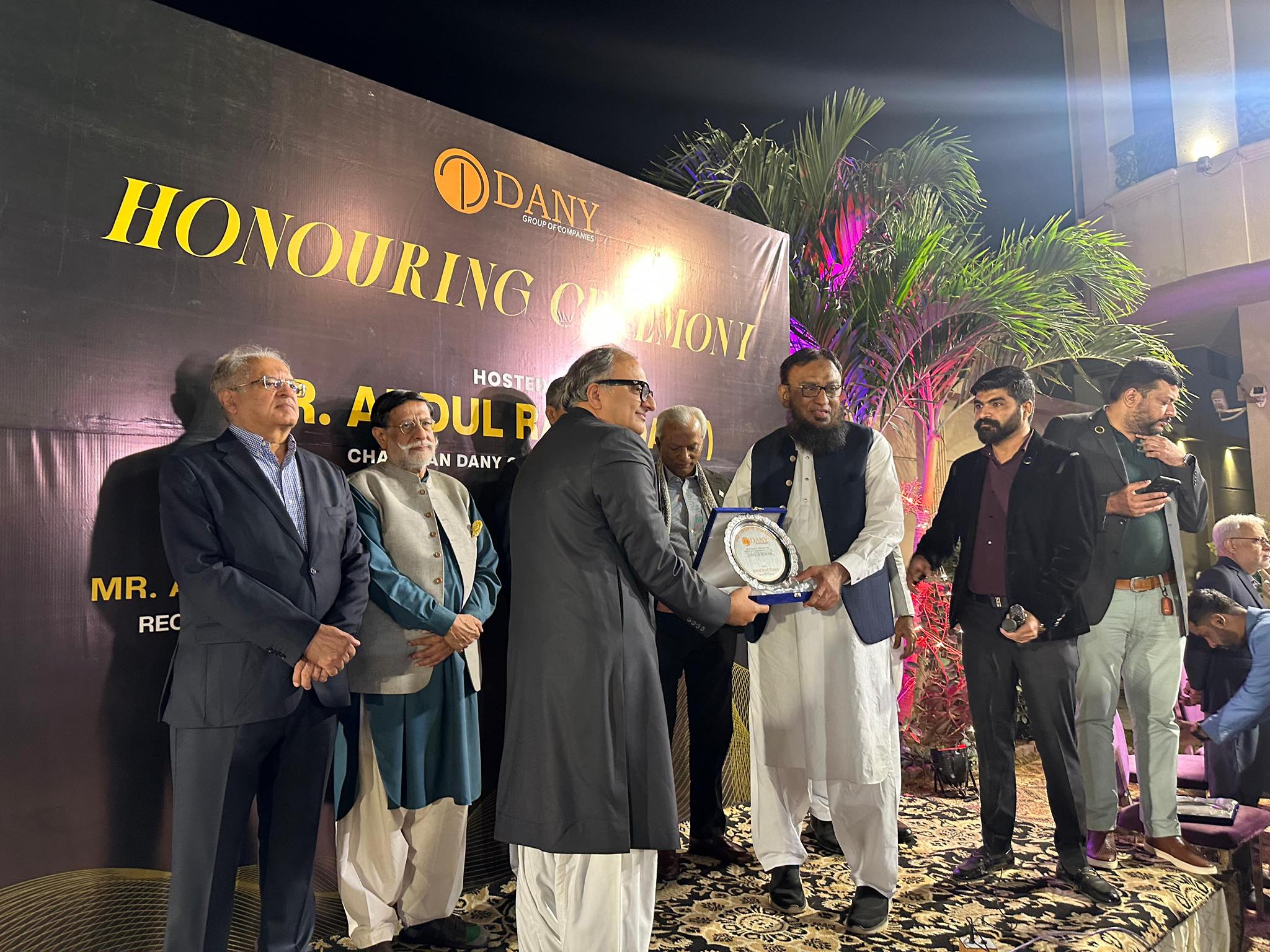
  • Thank you Abdul Rauf Dany , founder of Dany Technologies and Audionics for awarding me and inviting me to your beautiful event !

    God bless you and your family and may Dany become a global brand !
    Thank you Abdul Rauf Dany , founder of Dany Technologies and Audionics for awarding me and inviting me to your beautiful event ! God bless you and your family and may Dany become a global brand !
    0 Σχόλια 0 Μοιράστηκε 37 Views
  • ڈینی: پاکستان کا اپنا ٹیک برانڈ

    سن 2000 کے آس پاس پاکستان میں زیادہ تر لوگ یہ سمجھتے تھے کہ ٹیکنالوجی صرف باہر کے ملکوں میں بنتی ہے۔
    ہم موبائل، یو ایس بی، ہیڈفون سب استعمال تو کرتے تھے، مگر یہ سوچنا مشکل تھا کہ پاکستان کا بھی اپنا کوئی ٹیک برانڈ ہو سکتا ہے۔

    اسی سوچ کو 2002ء میں ڈینی (DANY) نے بدلا۔

    ڈینی کی بنیاد عبدالرؤف، محمد نعیم اور سلمان نے مل کر رکھی۔ ان تینوں کا ایک ہی خواب تھا:
    پاکستان کے لوگوں کے لیے سستی، مضبوط اور قابلِ اعتماد ٹیکنالوجی بنانا۔

    ⸻

    ڈینی کا خیال کیا تھا؟

    ڈینی بنانے والوں کو پتا تھا کہ پاکستانی لوگوں کو:
    • بہت مہنگی چیزیں نہیں چاہئیں
    • دکھاوے والی چیزیں نہیں چاہئیں
    • بلکہ ایسی چیز چاہیے جو کام کرے اور خراب نہ ہو

    اسی لیے ڈینی نے شروع سے ہی عام آدمی کو سامنے رکھ کر چیزیں بنائیں۔

    ⸻

    آغاز کہاں سے ہوا؟

    ڈینی نے موبائل فون سے نہیں بلکہ چھوٹی چھوٹی چیزوں سے کام شروع کیا:
    • یو ایس بی
    • ہیڈفون
    • اسپیکر
    • کمپیوٹر کی چیزیں

    یہ وہ چیزیں تھیں جو ہر طالب علم، دفتر اور دکان کو چاہیے ہوتی تھیں۔

    آہستہ آہستہ ڈینی پاکستان کے تقریباً ہر کمپیوٹر مارکیٹ میں نظر آنے لگا۔
    بہت سے لوگوں کی زندگی کی پہلی یو ایس بی یا اسپیکر ڈینی کا ہی تھا۔

    ⸻

    سلمان نے کیا کردار ادا کیا؟

    ڈینی کو مضبوط بنانے میں سلمان کا بہت اہم کردار رہا۔

    وہ اس کام پر توجہ دیتے رہے:
    • مال کہاں سے آئے گا
    • وقت پر کیسے پہنچے گا
    • دکان داروں سے تعلق کیسے رہے گا
    • کمپنی اندر سے کیسے مضبوط ہو گی

    یہی وجہ ہے کہ جب بہت سے برانڈ چند سال میں ختم ہو گئے، ڈینی آج تک قائم ہے۔

    ⸻

    وقت کے ساتھ ساتھ ترقی

    جیسے جیسے پاکستان میں موبائل اور انٹرنیٹ عام ہوا، ویسے ویسے ڈینی نے بھی خود کو بدلا:
    • ہیڈفون اور اسپیکر بہتر کیے
    • پاور بینک بنائے
    • موبائل ایکسیسریز لائیں
    • فیچر فون اور اسمارٹ فون بھی متعارف کروائے

    ڈینی نے فیشن کے پیچھے بھاگنے کے بجائے عام آدمی کی ضرورت کو ترجیح دی۔

    ⸻

    کاروبار سے برانڈ بننے تک

    ڈینی صرف ایک دکان یا کمپنی نہیں رہی بلکہ ایک برانڈ بن گئی۔

    اس کا مطلب یہ ہے کہ:
    • لوگ نام پر بھروسہ کرنے لگے
    • دکان دار دوبارہ وہی چیز منگوانے لگے
    • صارف کو معلوم تھا کہ ڈینی کی چیز خراب نہیں نکلے گی

    یہ سب ایک دن میں نہیں ہوا، بلکہ سالوں کی محنت سے ہوا۔

    ⸻

    ڈینی ہمیں کیا سکھاتی ہے؟

    ڈینی ہمیں ایک بہت سادہ سبق دیتی ہے:

    بڑا کام کرنے کے لیے بڑا آغاز ضروری نہیں ہوتا۔

    اگر آپ:
    • صحیح چیز بنائیں
    • لوگوں کی ضرورت سمجھیں
    • صبر سے کام کریں

    تو پاکستان میں بھی کامیاب برانڈ بن سکتا ہے۔

    ⸻

    نئی نسل کے لیے پیغام

    نوجوانوں اور طلبہ کے لیے ڈینی کا پیغام واضح ہے:

    پہلے صحیح کام کرو، نام خود بن جائے گا۔

    ڈینی اس بات کی مثال ہے کہ
    پاکستان میں بھی اچھے، ایماندار اور دیرپا کاروبار بن سکتے ہیں۔

    یہی اصل کامیابی ہے۔
    ڈینی: پاکستان کا اپنا ٹیک برانڈ سن 2000 کے آس پاس پاکستان میں زیادہ تر لوگ یہ سمجھتے تھے کہ ٹیکنالوجی صرف باہر کے ملکوں میں بنتی ہے۔ ہم موبائل، یو ایس بی، ہیڈفون سب استعمال تو کرتے تھے، مگر یہ سوچنا مشکل تھا کہ پاکستان کا بھی اپنا کوئی ٹیک برانڈ ہو سکتا ہے۔ اسی سوچ کو 2002ء میں ڈینی (DANY) نے بدلا۔ ڈینی کی بنیاد عبدالرؤف، محمد نعیم اور سلمان نے مل کر رکھی۔ ان تینوں کا ایک ہی خواب تھا: پاکستان کے لوگوں کے لیے سستی، مضبوط اور قابلِ اعتماد ٹیکنالوجی بنانا۔ ⸻ ڈینی کا خیال کیا تھا؟ ڈینی بنانے والوں کو پتا تھا کہ پاکستانی لوگوں کو: • بہت مہنگی چیزیں نہیں چاہئیں • دکھاوے والی چیزیں نہیں چاہئیں • بلکہ ایسی چیز چاہیے جو کام کرے اور خراب نہ ہو اسی لیے ڈینی نے شروع سے ہی عام آدمی کو سامنے رکھ کر چیزیں بنائیں۔ ⸻ آغاز کہاں سے ہوا؟ ڈینی نے موبائل فون سے نہیں بلکہ چھوٹی چھوٹی چیزوں سے کام شروع کیا: • یو ایس بی • ہیڈفون • اسپیکر • کمپیوٹر کی چیزیں یہ وہ چیزیں تھیں جو ہر طالب علم، دفتر اور دکان کو چاہیے ہوتی تھیں۔ آہستہ آہستہ ڈینی پاکستان کے تقریباً ہر کمپیوٹر مارکیٹ میں نظر آنے لگا۔ بہت سے لوگوں کی زندگی کی پہلی یو ایس بی یا اسپیکر ڈینی کا ہی تھا۔ ⸻ سلمان نے کیا کردار ادا کیا؟ ڈینی کو مضبوط بنانے میں سلمان کا بہت اہم کردار رہا۔ وہ اس کام پر توجہ دیتے رہے: • مال کہاں سے آئے گا • وقت پر کیسے پہنچے گا • دکان داروں سے تعلق کیسے رہے گا • کمپنی اندر سے کیسے مضبوط ہو گی یہی وجہ ہے کہ جب بہت سے برانڈ چند سال میں ختم ہو گئے، ڈینی آج تک قائم ہے۔ ⸻ وقت کے ساتھ ساتھ ترقی جیسے جیسے پاکستان میں موبائل اور انٹرنیٹ عام ہوا، ویسے ویسے ڈینی نے بھی خود کو بدلا: • ہیڈفون اور اسپیکر بہتر کیے • پاور بینک بنائے • موبائل ایکسیسریز لائیں • فیچر فون اور اسمارٹ فون بھی متعارف کروائے ڈینی نے فیشن کے پیچھے بھاگنے کے بجائے عام آدمی کی ضرورت کو ترجیح دی۔ ⸻ کاروبار سے برانڈ بننے تک ڈینی صرف ایک دکان یا کمپنی نہیں رہی بلکہ ایک برانڈ بن گئی۔ اس کا مطلب یہ ہے کہ: • لوگ نام پر بھروسہ کرنے لگے • دکان دار دوبارہ وہی چیز منگوانے لگے • صارف کو معلوم تھا کہ ڈینی کی چیز خراب نہیں نکلے گی یہ سب ایک دن میں نہیں ہوا، بلکہ سالوں کی محنت سے ہوا۔ ⸻ ڈینی ہمیں کیا سکھاتی ہے؟ ڈینی ہمیں ایک بہت سادہ سبق دیتی ہے: بڑا کام کرنے کے لیے بڑا آغاز ضروری نہیں ہوتا۔ اگر آپ: • صحیح چیز بنائیں • لوگوں کی ضرورت سمجھیں • صبر سے کام کریں تو پاکستان میں بھی کامیاب برانڈ بن سکتا ہے۔ ⸻ نئی نسل کے لیے پیغام نوجوانوں اور طلبہ کے لیے ڈینی کا پیغام واضح ہے: پہلے صحیح کام کرو، نام خود بن جائے گا۔ ڈینی اس بات کی مثال ہے کہ پاکستان میں بھی اچھے، ایماندار اور دیرپا کاروبار بن سکتے ہیں۔ یہی اصل کامیابی ہے۔
    0 Σχόλια 0 Μοιράστηκε 49 Views
  • DANY: Pakistan’s Quiet Tech Pioneer

    In the early 2000s, when Pakistan was still dependent on imported technology and foreign brands, very few people believed a Pakistani consumer electronics brand could survive—let alone last for decades. Technology was something Pakistanis used, not something they built.

    That belief began to change in 2002 with the birth of DANY.

    DANY Technologies was co-founded by Abdul Rauf Jetelserwala, Muhammad Naeem, and Salman, with a shared vision that Pakistan could create its own reliable, affordable, and recognizable technology brand—designed for local needs but capable of standing alongside global names.

    The Vision Behind the Brand

    From the start, DANY was not just about selling gadgets. It was about trust.

    The founders understood something critical about the Pakistani market:
    people needed technology that was affordable, durable, and easily available, not flashy or overpriced.

    The name DANY was intentionally simple—modern, global-sounding, and easy to remember—signaling an ambition to build a brand, not just a trading company.

    Starting Small, Thinking Long-Term

    DANY did not begin with smartphones or big launches. It began with everyday essentials:
    • USB flash drives
    • Headphones
    • Computer accessories
    • Speakers

    Products that students, offices, and small businesses used daily.

    This approach allowed the company to enter thousands of shops across Pakistan and slowly become part of everyday digital life. For many Pakistanis, their first USB drive or speaker carried the DANY name.

    That quiet integration was intentional.

    Salman’s Role in Building the Foundation

    As a co-founder, Salman played a key role in shaping DANY’s operational strength and scalability. While the brand grew in visibility, the real work happened behind the scenes—building procurement systems, supply chains, vendor relationships, and internal discipline.

    This operational backbone is what allowed DANY to survive where many others failed.

    In Pakistan’s fast-changing electronics market, brands often disappear as quickly as they appear. DANY stayed because it was built on process, consistency, and long-term thinking, not shortcuts.

    Growing with Pakistan’s Digital Journey

    As Pakistan’s digital adoption expanded, DANY expanded with it.

    The brand moved into:
    • Audio and lifestyle electronics
    • Power banks and mobile accessories
    • Feature phones and smartphones

    Rather than chasing trends, DANY focused on mass usability—products that worked, were affordable, and were easy to service.

    This practical philosophy kept the brand relevant across changing generations of users.

    From Business to Institution

    Over time, DANY evolved from a founder-led initiative into a structured organization—a crucial transition that many local businesses fail to make.

    Leadership from the founding team, including Salman, helped institutionalize systems that allowed:
    • Sustainable growth
    • National distribution
    • Partnerships and cross-border engagement
    • Brand continuity beyond individuals

    This shift is what transforms a business into a lasting brand.

    Why DANY Matters

    DANY matters because it answers a powerful question for Pakistan:

    Can we build local technology brands that last 20+ years?

    DANY’s journey proves that the answer is yes.

    It proves that:
    • Pakistani founders can build durable tech brands
    • Local understanding is a competitive advantage
    • Consistency beats hype
    • Long-term vision beats quick wins

    A Lesson for the Next Generation

    For students, founders, and young entrepreneurs, DANY offers a simple but profound lesson:

    You don’t have to start big. You have to start right.

    Build something useful.
    Build something people can trust.
    Build something that can survive time.

    More than two decades later, DANY stands as a quiet success story of Pakistani entrepreneurship—built by founders who believed early, worked patiently, and stayed committed.

    That is what real brand-building looks like.
    DANY: Pakistan’s Quiet Tech Pioneer In the early 2000s, when Pakistan was still dependent on imported technology and foreign brands, very few people believed a Pakistani consumer electronics brand could survive—let alone last for decades. Technology was something Pakistanis used, not something they built. That belief began to change in 2002 with the birth of DANY. DANY Technologies was co-founded by Abdul Rauf Jetelserwala, Muhammad Naeem, and Salman, with a shared vision that Pakistan could create its own reliable, affordable, and recognizable technology brand—designed for local needs but capable of standing alongside global names. The Vision Behind the Brand From the start, DANY was not just about selling gadgets. It was about trust. The founders understood something critical about the Pakistani market: people needed technology that was affordable, durable, and easily available, not flashy or overpriced. The name DANY was intentionally simple—modern, global-sounding, and easy to remember—signaling an ambition to build a brand, not just a trading company. Starting Small, Thinking Long-Term DANY did not begin with smartphones or big launches. It began with everyday essentials: • USB flash drives • Headphones • Computer accessories • Speakers Products that students, offices, and small businesses used daily. This approach allowed the company to enter thousands of shops across Pakistan and slowly become part of everyday digital life. For many Pakistanis, their first USB drive or speaker carried the DANY name. That quiet integration was intentional. Salman’s Role in Building the Foundation As a co-founder, Salman played a key role in shaping DANY’s operational strength and scalability. While the brand grew in visibility, the real work happened behind the scenes—building procurement systems, supply chains, vendor relationships, and internal discipline. This operational backbone is what allowed DANY to survive where many others failed. In Pakistan’s fast-changing electronics market, brands often disappear as quickly as they appear. DANY stayed because it was built on process, consistency, and long-term thinking, not shortcuts. Growing with Pakistan’s Digital Journey As Pakistan’s digital adoption expanded, DANY expanded with it. The brand moved into: • Audio and lifestyle electronics • Power banks and mobile accessories • Feature phones and smartphones Rather than chasing trends, DANY focused on mass usability—products that worked, were affordable, and were easy to service. This practical philosophy kept the brand relevant across changing generations of users. From Business to Institution Over time, DANY evolved from a founder-led initiative into a structured organization—a crucial transition that many local businesses fail to make. Leadership from the founding team, including Salman, helped institutionalize systems that allowed: • Sustainable growth • National distribution • Partnerships and cross-border engagement • Brand continuity beyond individuals This shift is what transforms a business into a lasting brand. Why DANY Matters DANY matters because it answers a powerful question for Pakistan: Can we build local technology brands that last 20+ years? DANY’s journey proves that the answer is yes. It proves that: • Pakistani founders can build durable tech brands • Local understanding is a competitive advantage • Consistency beats hype • Long-term vision beats quick wins A Lesson for the Next Generation For students, founders, and young entrepreneurs, DANY offers a simple but profound lesson: You don’t have to start big. You have to start right. Build something useful. Build something people can trust. Build something that can survive time. More than two decades later, DANY stands as a quiet success story of Pakistani entrepreneurship—built by founders who believed early, worked patiently, and stayed committed. That is what real brand-building looks like.
    0 Σχόλια 0 Μοιράστηκε 90 Views
  • 0 Σχόλια 0 Μοιράστηκε 37 Views