• The Journey of an Orange — A Story Essay

    Thousands of years ago, before cities were built and before maps were drawn, the world was a quieter place. Forests stretched endlessly across the lands of Southern China, Northeast India, and Myanmar, and the air was filled with the scent of wild blossoms. In those early days, nature often experimented on its own—mixing, blending, and creating surprises no one expected.

    One of those surprises began with two ancient fruits:
    the bold, gigantic pomelo and the tiny, fiery mandarin.

    The pomelo was proud and heavy, a giant among fruits. The mandarin was small but full of personality—bright, fragrant, and bursting with life. One spring morning, carried by the wings of a curious bee, their pollen crossed paths. And from that simple encounter, a miracle happened.

    A new fruit was born.

    It was not as large as the pomelo, not as strong-flavored as the mandarin. It was something gentler, sweeter, more elegant.
    It was the first orange—a golden sun captured in a sphere.

    Farmers in ancient China were the first to discover this new treasure. They peeled it and tasted a sweetness that made them pause. It was unlike anything they had eaten before: juicy, aromatic, refreshing. They began planting more trees, nurturing them, gifting fruits to neighbors, carrying them along trade roads. Soon the orange was no longer a secret; it was a companion.

    As centuries passed, traders walking the Silk Road carried the orange across borders, mountains, and deserts. Boats crossing the Indian Ocean packed them in crates, and merchants from Persia and Arabia took them further west. The fruit that began as an accident in a quiet forest was now becoming beloved across civilizations.

    By the time Arab explorers reached Spain and Sicily, they brought with them not only science, architecture, and poetry—but also the glowing orange. Europeans tasted it, and immediately the fruit became a symbol of luxury. In winter, kings and queens built special glass palaces called “orangeries”—rooms designed only to protect orange trees from cold weather. Imagine that: a fruit so loved that entire buildings were created just to keep it alive.

    But Europe at this time mostly knew the bitter orange, useful for perfumes and medicine. The sweet, delicious orange—the one we enjoy today—had not yet arrived.

    That part of the story begins with Portuguese sailors in the 1400s. On their journeys to China, they discovered orchards full of golden, sweet oranges. One sailor tasted it and must have whispered, “This is not fruit. This is sunshine.” When they carried this sweetness back home, Europe tasted the orange again—this time, with the joy of a child tasting candy for the first time.

    From there, the orange spread like a traveler with endless energy. It crossed seas to Brazil, where it flourished in warm air. It reached Florida, California, the Middle East, and North Africa. Everywhere the climate was gentle and the sun generous, the orange tree rooted itself and stayed.

    And today, when we peel an orange, we are holding the result of a 4,000-year journey:
    • born from a wild accident,
    • carried by traders,
    • protected by kings,
    • planted by sailors,
    • loved by the world.

    Every drop of juice carries history.
    Every slice carries continents.
    Every orange is a small miracle of nature that travelled farther than many humans ever will.

    And the next time you hold an orange, remember:

    You are not just holding a fruit.
    You are holding a story of patience, travel, evolution, and love—
    a story that began in a quiet forest thousands of years ago and still continues every time someone plants a new tree.

    🍊 The Journey of an Orange — A Story Essay Thousands of years ago, before cities were built and before maps were drawn, the world was a quieter place. Forests stretched endlessly across the lands of Southern China, Northeast India, and Myanmar, and the air was filled with the scent of wild blossoms. In those early days, nature often experimented on its own—mixing, blending, and creating surprises no one expected. One of those surprises began with two ancient fruits: the bold, gigantic pomelo and the tiny, fiery mandarin. The pomelo was proud and heavy, a giant among fruits. The mandarin was small but full of personality—bright, fragrant, and bursting with life. One spring morning, carried by the wings of a curious bee, their pollen crossed paths. And from that simple encounter, a miracle happened. A new fruit was born. It was not as large as the pomelo, not as strong-flavored as the mandarin. It was something gentler, sweeter, more elegant. It was the first orange—a golden sun captured in a sphere. Farmers in ancient China were the first to discover this new treasure. They peeled it and tasted a sweetness that made them pause. It was unlike anything they had eaten before: juicy, aromatic, refreshing. They began planting more trees, nurturing them, gifting fruits to neighbors, carrying them along trade roads. Soon the orange was no longer a secret; it was a companion. As centuries passed, traders walking the Silk Road carried the orange across borders, mountains, and deserts. Boats crossing the Indian Ocean packed them in crates, and merchants from Persia and Arabia took them further west. The fruit that began as an accident in a quiet forest was now becoming beloved across civilizations. By the time Arab explorers reached Spain and Sicily, they brought with them not only science, architecture, and poetry—but also the glowing orange. Europeans tasted it, and immediately the fruit became a symbol of luxury. In winter, kings and queens built special glass palaces called “orangeries”—rooms designed only to protect orange trees from cold weather. Imagine that: a fruit so loved that entire buildings were created just to keep it alive. But Europe at this time mostly knew the bitter orange, useful for perfumes and medicine. The sweet, delicious orange—the one we enjoy today—had not yet arrived. That part of the story begins with Portuguese sailors in the 1400s. On their journeys to China, they discovered orchards full of golden, sweet oranges. One sailor tasted it and must have whispered, “This is not fruit. This is sunshine.” When they carried this sweetness back home, Europe tasted the orange again—this time, with the joy of a child tasting candy for the first time. From there, the orange spread like a traveler with endless energy. It crossed seas to Brazil, where it flourished in warm air. It reached Florida, California, the Middle East, and North Africa. Everywhere the climate was gentle and the sun generous, the orange tree rooted itself and stayed. And today, when we peel an orange, we are holding the result of a 4,000-year journey: • born from a wild accident, • carried by traders, • protected by kings, • planted by sailors, • loved by the world. Every drop of juice carries history. Every slice carries continents. Every orange is a small miracle of nature that travelled farther than many humans ever will. And the next time you hold an orange, remember: You are not just holding a fruit. You are holding a story of patience, travel, evolution, and love— a story that began in a quiet forest thousands of years ago and still continues every time someone plants a new tree.
    0 Commentaires 0 Parts 465 Vue

  • The Origin Story of the Orange

    The orange—the sweet, juicy fruit we squeeze, peel, and love—has a story that is thousands of years old and spread across continents.

    1. It all began in ancient China

    About 4,000–4,500 years ago, in the region that is now Southern China, Northeast India, and Myanmar, nature created an accidental miracle.

    Scientists say that the modern sweet orange is actually a hybrid of two older fruits:
    • Pomelo (Citrus maxima)
    • Mandarin (Citrus reticulata)

    One day, these two fruits naturally cross-pollinated—and a new fruit was born.
    It was smaller than a pomelo, sweeter than a mandarin, and easier to peel.

    Humans loved it instantly.

    ⸻

    2. Traders carried it across Asia

    Chinese farmers cultivated oranges as early as 2500 BCE.
    From there, it travelled along:
    • The Silk Road
    • Indian Ocean trade routes
    • Arabian merchant ships

    By the time of the early Islamic Golden Age, oranges were already popular across Persia, Arabia, and India.

    ⸻

    3. Arabs brought oranges to Europe

    Between the 7th and 11th centuries, Arab traders introduced oranges to:
    • Spain
    • North Africa
    • Sicily

    The Arabic word “nāranj” became:
    • naranja in Spanish
    • laranja in Portuguese
    • orange in English (through French)

    This is why “orange” sounds similar across many languages today.

    ⸻

    4. The sweet orange we eat today came later

    The bitter orange arrived in Europe first.
    But around the 15th century, Portuguese explorers brought the sweet Chinese orange back home.

    Europe went crazy for it.

    By the 1600s, kings and queens built special greenhouses called “orangeries”—basically luxury rooms just to grow oranges!

    ⸻

    5. Oranges conquered the world

    From Europe, oranges spread to:
    • Brazil (now the world’s largest producer)
    • Florida and California
    • The Middle East
    • Africa
    • Australia

    Anywhere warm and sunny—orange trees followed.

    ⸻

    6. The modern orange

    Today, there are more than 600 varieties of oranges.

    The fruit became:
    • A symbol of health
    • A source of Vitamin C
    • A crop worth billions of dollars globally
    • One of the world’s most beloved fruits

    ⸻

    Short Summary
    • The orange was born 4,000+ years ago from a natural hybrid of pomelo + mandarin.
    • Origin: China / Northeast India / Myanmar region.
    • Arabs spread it to Europe.
    • Portuguese spread sweet oranges worldwide.
    • Today oranges are grown almost everywhere with sunshine.
    🌿 The Origin Story of the Orange The orange—the sweet, juicy fruit we squeeze, peel, and love—has a story that is thousands of years old and spread across continents. 1. It all began in ancient China About 4,000–4,500 years ago, in the region that is now Southern China, Northeast India, and Myanmar, nature created an accidental miracle. Scientists say that the modern sweet orange is actually a hybrid of two older fruits: • Pomelo (Citrus maxima) • Mandarin (Citrus reticulata) One day, these two fruits naturally cross-pollinated—and a new fruit was born. It was smaller than a pomelo, sweeter than a mandarin, and easier to peel. Humans loved it instantly. ⸻ 2. Traders carried it across Asia Chinese farmers cultivated oranges as early as 2500 BCE. From there, it travelled along: • The Silk Road • Indian Ocean trade routes • Arabian merchant ships By the time of the early Islamic Golden Age, oranges were already popular across Persia, Arabia, and India. ⸻ 3. Arabs brought oranges to Europe Between the 7th and 11th centuries, Arab traders introduced oranges to: • Spain • North Africa • Sicily The Arabic word “nāranj” became: • naranja in Spanish • laranja in Portuguese • orange in English (through French) This is why “orange” sounds similar across many languages today. ⸻ 4. The sweet orange we eat today came later The bitter orange arrived in Europe first. But around the 15th century, Portuguese explorers brought the sweet Chinese orange back home. Europe went crazy for it. By the 1600s, kings and queens built special greenhouses called “orangeries”—basically luxury rooms just to grow oranges! ⸻ 5. Oranges conquered the world From Europe, oranges spread to: • Brazil (now the world’s largest producer) • Florida and California • The Middle East • Africa • Australia Anywhere warm and sunny—orange trees followed. ⸻ 6. The modern orange Today, there are more than 600 varieties of oranges. The fruit became: • A symbol of health • A source of Vitamin C • A crop worth billions of dollars globally • One of the world’s most beloved fruits ⸻ Short Summary • The orange was born 4,000+ years ago from a natural hybrid of pomelo + mandarin. • Origin: China / Northeast India / Myanmar region. • Arabs spread it to Europe. • Portuguese spread sweet oranges worldwide. • Today oranges are grown almost everywhere with sunshine.
    0 Commentaires 0 Parts 459 Vue
  • We have made a tool for you to get live air data from anywhere in the world

    https://asfa.rehanschool.us/EcoSphereAI/
    We have made a tool for you to get live air data from anywhere in the world https://asfa.rehanschool.us/EcoSphereAI/
    0 Commentaires 0 Parts 42 Vue
  • Www.rehanschool.com/ai

    آپ اس ویب سائٹ پر جا سکتے ہیں اور ہمارے Ai سے ہمارے اسکول کے بارے میں کوئی بھی سوال پوچھ سکتے ہیں جو آپ کسی بھی زبان میں چاہتے ہیں۔
    Www.rehanschool.com/ai آپ اس ویب سائٹ پر جا سکتے ہیں اور ہمارے Ai سے ہمارے اسکول کے بارے میں کوئی بھی سوال پوچھ سکتے ہیں جو آپ کسی بھی زبان میں چاہتے ہیں۔
    0 Commentaires 0 Parts 42 Vue
  • Thank you cm !
    Thank you cm !
    0 Commentaires 0 Parts 42 Vue
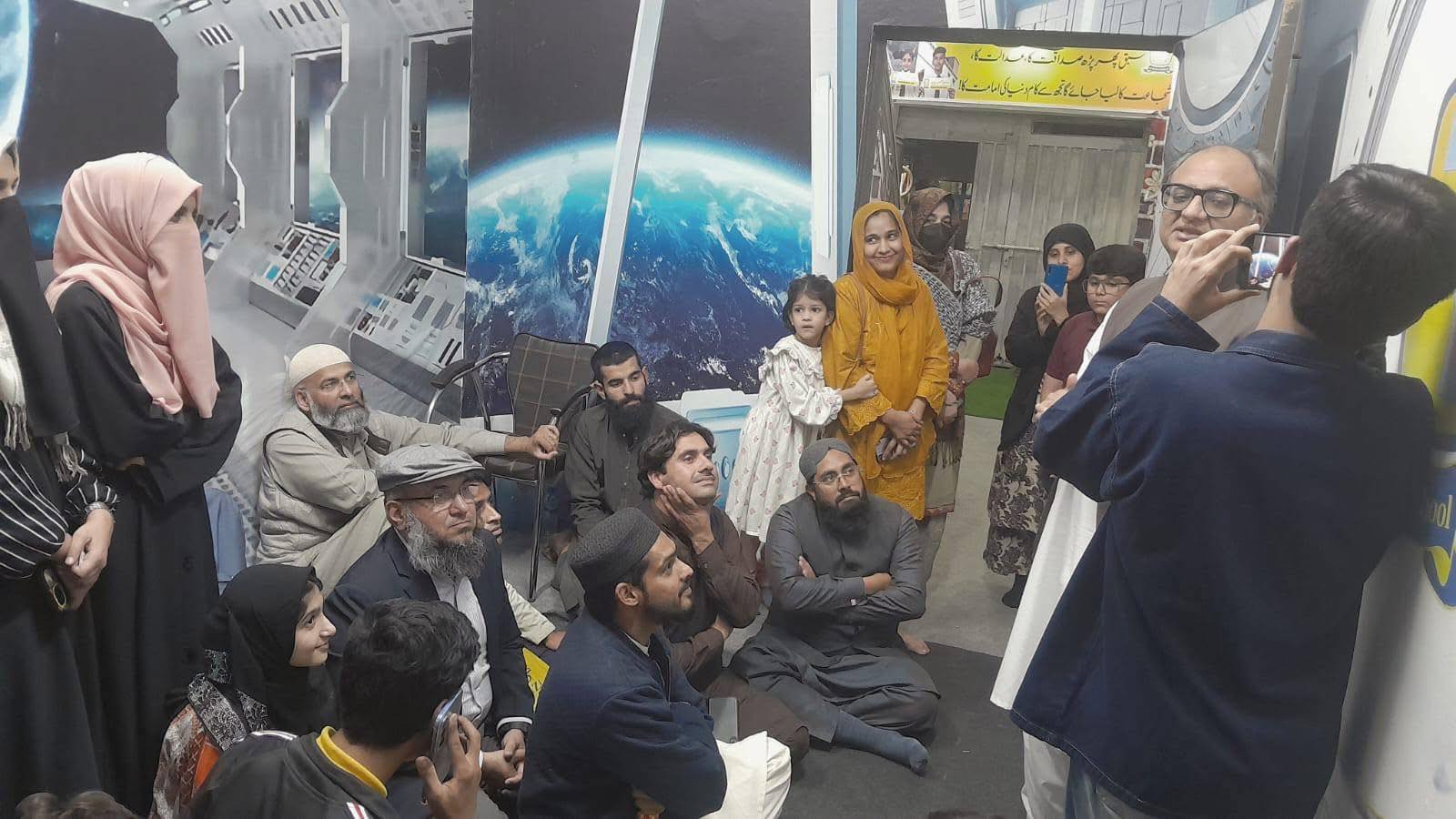
  • Thank you Ali Raza bhai chairman Pakistan education chamber of commerce Pakistan for coming and supporting me at World’s first ai first school in Lahore Rehan School Lahore Campus and being humble and sitting in corner quietly observing us !

    God bless you !
    Thank you Ali Raza bhai chairman Pakistan education chamber of commerce Pakistan 🇵🇰 for coming and supporting me at World’s first ai first school in Lahore Rehan School Lahore Campus and being humble and sitting in corner quietly observing us ! God bless you !
    0 Commentaires 0 Parts 42 Vue
  • “وہ ملک جہاں گرجا گھر خاموش ہو گئے” — فرانس کی سیکولر سفر کی داستان

    یورپ میں ایک ملک ہے
    جہاں آج بھی گرجا گھروں کی چوٹیاں آسمان کو چھوتی ہیں،
    جہاں پرانی کلیساؤں کے اندر شام کو موم بتیاں جلتی ہیں،
    جہاں آج بھی لاکھوں لوگ ایمان رکھتے ہیں…
    مگر مذہب اب روزمرہ زندگی پر حکمرانی نہیں کرتا۔

    یہ ملک ہے فرانس۔

    یہ کہانی ہے کہ کیسے مذہب نے
    تین صدیوں کے سفر میں
    اقتدار سے دل تک کا راستہ طے کیا—
    طاقت سے اخلاق تک، اور عوامی زندگی سے نجی سوچ تک۔

    ⸻

    باب 1 — وہ زمانہ جب چرچ سب کچھ تھا (1789 سے پہلے)

    کبھی فرانس میں زندگی کا ہر دھاگا مذہب سے بندھا تھا۔

    آپ کی پیدائش چرچ لکھتا تھا۔
    آپ کی تعلیم چرچ دیتا تھا۔
    آپ کی شادی چرچ کرواتا تھا۔
    آپ کی موت پر چرچ آخری منزل ہوتا تھا۔

    چرچ صرف عبادت گاہ نہیں تھا—
    وہ حکومت بھی تھا، ریکارڈ بھی، عدالت بھی، اسکول بھی۔

    بادشاہ کا اقتدار بھی “خدا کی مرضی” سے تھا،
    اور کلیسا اس کی مہر۔

    پورا فرانس ایک ایسا ملک تھا
    جس کا ستون مذہب تھا
    اور چھت بادشاہت۔

    مگر بڑی عمارتیں بھی وقت کے ساتھ دراڑیں پکڑتی ہیں۔

    ⸻

    باب 2 — انقلاب: وہ دن جب لوگوں نے اپنی زندگی واپس لی (1789)

    گرمیوں کی ایک تپتی دوپہر میں
    سن 1789 میں
    پیرس کی گلیاں پھٹ پڑیں۔

    لوگوں نے صرف بادشاہ کے خلاف نہیں،
    ایک پورے نظام کے خلاف علمِ بغاوت بلند کیا—
    ایک ایسا نظام جو انہیں بتاتا تھا
    کہ کیسے جیو، کیسے سوچو، اور کیسے خدا کو پکارو۔

    چرچ فرانس کا سب سے امیر ادارہ تھا۔
    پادری وہ مراعات رکھتے تھے جو عام آدمی سوچ بھی نہیں سکتا تھا۔

    اور عوام نے ایک زور دار اعلان کیا:

    “ہماری زندگی، ہمارا حق! کسی ادارے کی حکومت نہیں!”

    چند دنوں میں سب کچھ بدل گیا:
    • چرچ کی زمینیں ضبط
    • مذہبی مراعات منسوخ
    • پادریوں سے ریاست کی وفاداری کا حلف

    وہ لمحہ تھا
    جب مذہب پہلی بار
    اقتدار سے نیچے اترا۔

    ⸻

    باب 3 — نیپولین کا توازن: ایمان کی اجازت، اختیار کا خاتمہ (1801)

    انقلاب کے بعد فرانس کو سکون چاہیے تھا۔
    نیپولین بوناپارٹ نے ایک درمیانی راستہ نکالا۔

    1801 کا کونکورڈاٹ
    چرچ اور ریاست میں ایک نئے معاہدے کی مانند تھا:

    “لوگ جو چاہیں مانیں—
    مگر حکومت کا اختیار صرف حکومت کے پاس ہو گا۔”

    یوں مذہب رہا،
    مگر حکمراں نہ رہا۔

    یہ دوسرا بڑا موڑ تھا:
    ایمان محفوظ، حکومت آزاد۔

    ⸻

    باب 4 — خاموش انقلاب: جب اسکول مذہب سے آزاد ہوئے (1881–1882)

    ایک صدی بعد انقلاب پھر آیا…
    اس بار تلواروں سے نہیں،
    کتابوں سے۔

    جُول فیری قوانین نے فرانس کو بدل دیا:
    • تعلیم مفت
    • تعلیم لازمی
    • تعلیم مذہب سے پاک

    پہلی بار ایک فرانسیسی بچہ
    چرچ کے بغیر بھی علم حاصل کر سکتا تھا۔

    یہ وہ لمحہ تھا
    جب عوامی زندگی نے چرچ سے فاصلہ بنانا شروع کیا۔

    یہ انقلاب نہیں،
    تبدیلی کا ایک نرم بہاؤ تھا—
    خاموش مگر طاقتور۔

    ⸻

    باب 5 — 1905: وہ قانون جس نے حد کھینچ دی

    اور پھر آیا 1905—
    وہ سال جس نے فرانس کی روح بدل دی۔

    صرف 44 آرٹیکلز پر مشتمل ایک قانون نے اعلان کیا:

    “چرچ اور ریاست ہمیشہ کے لیے الگ ہیں۔”

    اس کا مطلب:
    • حکومت مذہبی اداروں کو فنڈ نہیں دے گی
    • چرچ سرکاری اداروں پر اثر نہیں ڈالے گا
    • مذہب نجی معاملہ ہے
    • عوامی جگہیں سب کے لیے برابر

    فرانس نے دشمنی نہیں کی،
    بس ایک بات واضح کر دی:

    “ایمان تمہارا ہے—
    ریاست سب کی ہے۔”

    ⸻

    باب 6 — جدید فرانس: ایمان باقی، اختیار نہیں (1950–2000)

    جیسے جیسے فرانس جدید ہوا:

    شہر بڑھے،
    یونیورسٹیاں کھلیں،
    مرد و زن برابر ہوئے،
    سائنس نے سوچ بدلی،
    اور ہجرت نے نئے کلچر لائے۔

    چرچ کی خوبصورتی باقی رہی،
    مگر اس کی گرفت ختم ہو گئی۔

    20ویں صدی کے آخر تک:
    • چرچ کی حاضری بہت کم ہو گئی
    • قانون مکمل طور پر سیکولر
    • شادیوں کا بڑا حصہ چرچ سے باہر
    • مذہب سماجی اختیار سے ہٹ کر ذاتی حیثیت اختیار کر گیا

    فرانس بن گیا:
    لائیک (Laïque) — ایک سیکولر، آزاد، غیرجانبدار ریاست۔

    ⸻

    باب 7 — اکیسویں صدی: ایمان ذاتی، عوامی زندگی غیرمذہبی

    2004 میں،
    فرانس نے اسکولوں میں مذہبی علامتیں بند کر دیں—
    نہ صلیب، نہ حجاب، نہ کِپّاہ۔

    2010 میں
    چہرہ ڈھانپنے پر پابندی لگی۔

    یہ قوانین دنیا میں متنازع ضرور ہوئے،
    مگر فرانس میں انہیں
    “برابر عوامی جگہ” کی علامت سمجھا گیا۔

    آج:
    • صرف 8–10% لوگ چرچ باقاعدگی سے جاتے ہیں
    • قانون 100% سیکولر
    • مذہب کی عزت برقرار
    • مگر عمل پوری طرح نجی معاملہ

    فرانس میں ایمان زندہ ہے—
    بس خاموش ہے، دلوں میں بند ہے،
    اسٹیٹ کی گلیوں میں نہیں۔

    ⸻

    آخری باب — فرانس کا سبق

    فرانس کی کہانی مذہب کے مرنے کی نہیں،
    بلکہ مذہب کے واپسی سفر کی ہے—
    اقتدار سے دل تک،
    حکم سے اخلاق تک،
    سرکاری اختیار سے ذاتی سکون تک۔

    فرانس نے ایک سادہ مگر گہرا اصول دریافت کیا:

    “جب ایمان ذاتی ہو جاتا ہے،
    آزادی سب کی ہو جاتی ہے۔”

    گرجا گھر اب بھی کھڑے ہیں،
    موم بتیاں اب بھی جلتی ہیں،
    دعائیں اب بھی ہوتیں ہیں—
    مگر ریاست اب سب کی ہے،
    کسی ایک مذہب کی نہیں۔

    اور اسی خاموشی میں
    ایک نئے معاشرے نے جنم لیا۔
    🇫🇷 “وہ ملک جہاں گرجا گھر خاموش ہو گئے” — فرانس کی سیکولر سفر کی داستان یورپ میں ایک ملک ہے جہاں آج بھی گرجا گھروں کی چوٹیاں آسمان کو چھوتی ہیں، جہاں پرانی کلیساؤں کے اندر شام کو موم بتیاں جلتی ہیں، جہاں آج بھی لاکھوں لوگ ایمان رکھتے ہیں… مگر مذہب اب روزمرہ زندگی پر حکمرانی نہیں کرتا۔ یہ ملک ہے فرانس۔ یہ کہانی ہے کہ کیسے مذہب نے تین صدیوں کے سفر میں اقتدار سے دل تک کا راستہ طے کیا— طاقت سے اخلاق تک، اور عوامی زندگی سے نجی سوچ تک۔ ⸻ 🌒 باب 1 — وہ زمانہ جب چرچ سب کچھ تھا (1789 سے پہلے) کبھی فرانس میں زندگی کا ہر دھاگا مذہب سے بندھا تھا۔ آپ کی پیدائش چرچ لکھتا تھا۔ آپ کی تعلیم چرچ دیتا تھا۔ آپ کی شادی چرچ کرواتا تھا۔ آپ کی موت پر چرچ آخری منزل ہوتا تھا۔ چرچ صرف عبادت گاہ نہیں تھا— وہ حکومت بھی تھا، ریکارڈ بھی، عدالت بھی، اسکول بھی۔ بادشاہ کا اقتدار بھی “خدا کی مرضی” سے تھا، اور کلیسا اس کی مہر۔ پورا فرانس ایک ایسا ملک تھا جس کا ستون مذہب تھا اور چھت بادشاہت۔ مگر بڑی عمارتیں بھی وقت کے ساتھ دراڑیں پکڑتی ہیں۔ ⸻ 🔥 باب 2 — انقلاب: وہ دن جب لوگوں نے اپنی زندگی واپس لی (1789) گرمیوں کی ایک تپتی دوپہر میں سن 1789 میں پیرس کی گلیاں پھٹ پڑیں۔ لوگوں نے صرف بادشاہ کے خلاف نہیں، ایک پورے نظام کے خلاف علمِ بغاوت بلند کیا— ایک ایسا نظام جو انہیں بتاتا تھا کہ کیسے جیو، کیسے سوچو، اور کیسے خدا کو پکارو۔ چرچ فرانس کا سب سے امیر ادارہ تھا۔ پادری وہ مراعات رکھتے تھے جو عام آدمی سوچ بھی نہیں سکتا تھا۔ اور عوام نے ایک زور دار اعلان کیا: “ہماری زندگی، ہمارا حق! کسی ادارے کی حکومت نہیں!” چند دنوں میں سب کچھ بدل گیا: • چرچ کی زمینیں ضبط • مذہبی مراعات منسوخ • پادریوں سے ریاست کی وفاداری کا حلف وہ لمحہ تھا جب مذہب پہلی بار اقتدار سے نیچے اترا۔ ⸻ 🕊️ باب 3 — نیپولین کا توازن: ایمان کی اجازت، اختیار کا خاتمہ (1801) انقلاب کے بعد فرانس کو سکون چاہیے تھا۔ نیپولین بوناپارٹ نے ایک درمیانی راستہ نکالا۔ 1801 کا کونکورڈاٹ چرچ اور ریاست میں ایک نئے معاہدے کی مانند تھا: “لوگ جو چاہیں مانیں— مگر حکومت کا اختیار صرف حکومت کے پاس ہو گا۔” یوں مذہب رہا، مگر حکمراں نہ رہا۔ یہ دوسرا بڑا موڑ تھا: ایمان محفوظ، حکومت آزاد۔ ⸻ 📚 باب 4 — خاموش انقلاب: جب اسکول مذہب سے آزاد ہوئے (1881–1882) ایک صدی بعد انقلاب پھر آیا… اس بار تلواروں سے نہیں، کتابوں سے۔ جُول فیری قوانین نے فرانس کو بدل دیا: • تعلیم مفت • تعلیم لازمی • تعلیم مذہب سے پاک پہلی بار ایک فرانسیسی بچہ چرچ کے بغیر بھی علم حاصل کر سکتا تھا۔ یہ وہ لمحہ تھا جب عوامی زندگی نے چرچ سے فاصلہ بنانا شروع کیا۔ یہ انقلاب نہیں، تبدیلی کا ایک نرم بہاؤ تھا— خاموش مگر طاقتور۔ ⸻ ⚖️ باب 5 — 1905: وہ قانون جس نے حد کھینچ دی اور پھر آیا 1905— وہ سال جس نے فرانس کی روح بدل دی۔ صرف 44 آرٹیکلز پر مشتمل ایک قانون نے اعلان کیا: “چرچ اور ریاست ہمیشہ کے لیے الگ ہیں۔” اس کا مطلب: • حکومت مذہبی اداروں کو فنڈ نہیں دے گی • چرچ سرکاری اداروں پر اثر نہیں ڈالے گا • مذہب نجی معاملہ ہے • عوامی جگہیں سب کے لیے برابر فرانس نے دشمنی نہیں کی، بس ایک بات واضح کر دی: “ایمان تمہارا ہے— ریاست سب کی ہے۔” ⸻ 🌤️ باب 6 — جدید فرانس: ایمان باقی، اختیار نہیں (1950–2000) جیسے جیسے فرانس جدید ہوا: شہر بڑھے، یونیورسٹیاں کھلیں، مرد و زن برابر ہوئے، سائنس نے سوچ بدلی، اور ہجرت نے نئے کلچر لائے۔ چرچ کی خوبصورتی باقی رہی، مگر اس کی گرفت ختم ہو گئی۔ 20ویں صدی کے آخر تک: • چرچ کی حاضری بہت کم ہو گئی • قانون مکمل طور پر سیکولر • شادیوں کا بڑا حصہ چرچ سے باہر • مذہب سماجی اختیار سے ہٹ کر ذاتی حیثیت اختیار کر گیا فرانس بن گیا: لائیک (Laïque) — ایک سیکولر، آزاد، غیرجانبدار ریاست۔ ⸻ 🔍 باب 7 — اکیسویں صدی: ایمان ذاتی، عوامی زندگی غیرمذہبی 2004 میں، فرانس نے اسکولوں میں مذہبی علامتیں بند کر دیں— نہ صلیب، نہ حجاب، نہ کِپّاہ۔ 2010 میں چہرہ ڈھانپنے پر پابندی لگی۔ یہ قوانین دنیا میں متنازع ضرور ہوئے، مگر فرانس میں انہیں “برابر عوامی جگہ” کی علامت سمجھا گیا۔ آج: • صرف 8–10% لوگ چرچ باقاعدگی سے جاتے ہیں • قانون 100% سیکولر • مذہب کی عزت برقرار • مگر عمل پوری طرح نجی معاملہ فرانس میں ایمان زندہ ہے— بس خاموش ہے، دلوں میں بند ہے، اسٹیٹ کی گلیوں میں نہیں۔ ⸻ 🌙 آخری باب — فرانس کا سبق فرانس کی کہانی مذہب کے مرنے کی نہیں، بلکہ مذہب کے واپسی سفر کی ہے— اقتدار سے دل تک، حکم سے اخلاق تک، سرکاری اختیار سے ذاتی سکون تک۔ فرانس نے ایک سادہ مگر گہرا اصول دریافت کیا: “جب ایمان ذاتی ہو جاتا ہے، آزادی سب کی ہو جاتی ہے۔” گرجا گھر اب بھی کھڑے ہیں، موم بتیاں اب بھی جلتی ہیں، دعائیں اب بھی ہوتیں ہیں— مگر ریاست اب سب کی ہے، کسی ایک مذہب کی نہیں۔ اور اسی خاموشی میں ایک نئے معاشرے نے جنم لیا۔
    0 Commentaires 0 Parts 42 Vue
  • 0 Commentaires 0 Parts 42 Vue
  • 0 Commentaires 0 Parts 42 Vue
  • Thank you Allah for sending me wonderful brothers like Saeed Akhtar Povertywala to work with who want to not just raise their own children with us but children of others !

    God bless you brother !

    Thank you for being at Rehan School Rawalpindi Campus
    Thank you Allah for sending me wonderful brothers like Saeed Akhtar Povertywala to work with who want to not just raise their own children with us but children of others ! God bless you brother ! Thank you for being at Rehan School Rawalpindi Campus
    0 Commentaires 0 Parts 54 Vue