• 0 Comments 0 Shares 47 Views
  • 0 Comments 0 Shares 47 Views
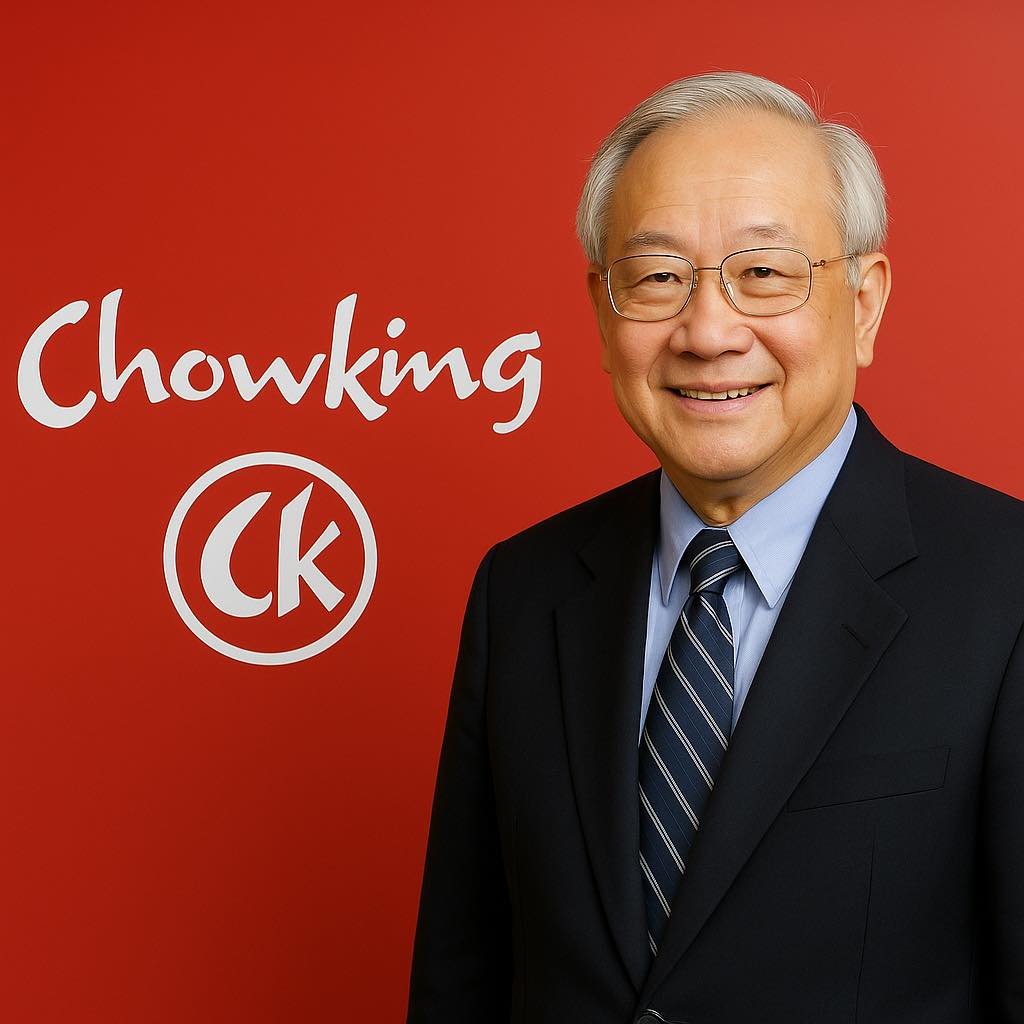
  • From One Small Idea to 617 Restaurants — The Life Journey of Robert Kuan and the Rise of Chowking

    Most people see a successful restaurant chain and assume it was always big.
    They see hundreds of branches, millions of customers, beautiful branding — but they never see the struggle behind it.

    But the real story of Chowking begins with a man who started with nothing except courage and a dream:

    Robert F. Kuan

    Founder of Chowking
    Son of a hardworking immigrant family
    A man who faced setbacks, conflicts and doubts — yet refused to stop.

    ⸻

    The Early Life of Robert Kuan

    Robert was born into a Chinese-Filipino family that ran small businesses to survive.
    His parents didn’t give him wealth — they gave him discipline, work ethic, and faith.

    He studied in Manila, worked part-time jobs, and eventually joined a small restaurant group called Ling Nam.
    He worked his way up, learned about operations, customers, ingredients, and leadership.

    Finally, he became a key figure in the company.

    But then came the first major setback:

    Shareholder conflict

    There were disagreements about direction, control, and decisions.
    Most people, when faced with such conflict, give up and start a different career.

    But Robert did something different:

    He walked away — and started again from zero.

    This became the turning point of his life.

    ⸻

    The Birth of Chowking (1985)

    One day, his friend Tony Tan Caktiong — the founder of Jollibee — gave him advice:

    “Why don’t you build a fast-food restaurant serving Chinese food?”

    It was a crazy idea at that time.
    Chinese food was considered slow, traditional, and restaurant-style — NOT fast food.

    But Robert saw the gap immediately.

    He said:

    “If burgers can be fast, noodles can be fast.
    If chicken can be fast, fried rice can be fast.”

    With that belief, he registered Chowking on February 19, 1985.
    A month later, on March 18, 1985, the first store opened in Makati.

    And it was tiny.

    Small kitchen.
    Limited staff.
    Very little capital.
    Everything borrowed, everything uncertain.

    But Robert worked like a warrior:

    ✔ He stood in the kitchen himself
    ✔ He mixed sauces with his own hands
    ✔ He trained staff personally
    ✔ He tasted every recipe
    ✔ He closed the shop late at night
    ✔ He often slept only 3–4 hours

    This is what success actually looks like — not glamour, but grinding.

    ⸻

    The Struggle Years (1985–1990)

    The first few years were painful:
    • High costs
    • Fresh competition
    • A market that didn’t understand the concept
    • Supply chain issues
    • Difficult franchise management
    • Rejections from investors
    • And weeks where sales were so low they considered shutting down

    But Robert didn’t give up.

    He believed:

    “If we stay consistent, people will come back.”

    And they did.

    One family told another.
    One student told friends.
    One office worker told colleagues.

    Chowking slowly turned into a community favorite.

    ⸻

    The Turning Point — Franchising & Scaling

    By 1989, Robert introduced franchising.
    This created momentum across the Philippines.

    Then came another setback:

    National competition

    Western chains were entering the country.
    Local brands were growing stronger.

    Instead of being scared, Robert innovated:
    • Better service
    • Clean, bright stores
    • Faster cooking systems
    • Consistent quality
    • Affordable meals
    • Training programs for staff
    • A stronger brand identity

    This transformed Chowking from a small idea into a national force.

    ⸻

    Global Expansion & Acquisition

    In 2000, Jollibee Foods Corporation acquired Chowking.
    For many founders, this is the “end.”
    But for Robert, it was a new beginning.

    His brand went international:
    • USA
    • UAE
    • Middle East
    • Asia-Pacific

    Today, Chowking has 617 restaurants around the world.

    From one small shop…
    To a global brand.

    ⸻

    The Final Lesson: Think Big. Start Small. Never Stop.

    Robert Kuan’s life teaches one powerful lesson:

    **Your future is not defined by where you start.

    It’s defined by how big you think — and how long you refuse to give up.**

    He had:

    No massive funding
    No perfect market
    No guarantees
    Conflicts
    Setbacks
    Rejections

    But he had:

    ✔ Vision
    ✔ Discipline
    ✔ Persistence
    ✔ Daily hard work
    ✔ Big thinking

    This is the mindset every young Pakistani, every entrepreneur, every dreamer must learn.

    **If one shop can become 617 restaurants…

    Then one idea can become a million-dollar startup.
    And one person can change the world — if they dare to dream big.**

    This is not just a story.
    This is a message:

    **Start small.

    Work daily.
    Think big.
    Stay consistent.
    Never stop.
    One day, the world will know your name.**

    — Rehan Allahwala

    ⭐ From One Small Idea to 617 Restaurants — The Life Journey of Robert Kuan and the Rise of Chowking Most people see a successful restaurant chain and assume it was always big. They see hundreds of branches, millions of customers, beautiful branding — but they never see the struggle behind it. But the real story of Chowking begins with a man who started with nothing except courage and a dream: Robert F. Kuan Founder of Chowking Son of a hardworking immigrant family A man who faced setbacks, conflicts and doubts — yet refused to stop. ⸻ ⭐ The Early Life of Robert Kuan Robert was born into a Chinese-Filipino family that ran small businesses to survive. His parents didn’t give him wealth — they gave him discipline, work ethic, and faith. He studied in Manila, worked part-time jobs, and eventually joined a small restaurant group called Ling Nam. He worked his way up, learned about operations, customers, ingredients, and leadership. Finally, he became a key figure in the company. But then came the first major setback: ❌ Shareholder conflict There were disagreements about direction, control, and decisions. Most people, when faced with such conflict, give up and start a different career. But Robert did something different: 🌟 He walked away — and started again from zero. This became the turning point of his life. ⸻ ⭐ The Birth of Chowking (1985) One day, his friend Tony Tan Caktiong — the founder of Jollibee — gave him advice: “Why don’t you build a fast-food restaurant serving Chinese food?” It was a crazy idea at that time. Chinese food was considered slow, traditional, and restaurant-style — NOT fast food. But Robert saw the gap immediately. He said: “If burgers can be fast, noodles can be fast. If chicken can be fast, fried rice can be fast.” With that belief, he registered Chowking on February 19, 1985. A month later, on March 18, 1985, the first store opened in Makati. And it was tiny. Small kitchen. Limited staff. Very little capital. Everything borrowed, everything uncertain. But Robert worked like a warrior: ✔ He stood in the kitchen himself ✔ He mixed sauces with his own hands ✔ He trained staff personally ✔ He tasted every recipe ✔ He closed the shop late at night ✔ He often slept only 3–4 hours This is what success actually looks like — not glamour, but grinding. ⸻ ⭐ The Struggle Years (1985–1990) The first few years were painful: • High costs • Fresh competition • A market that didn’t understand the concept • Supply chain issues • Difficult franchise management • Rejections from investors • And weeks where sales were so low they considered shutting down But Robert didn’t give up. He believed: “If we stay consistent, people will come back.” And they did. One family told another. One student told friends. One office worker told colleagues. Chowking slowly turned into a community favorite. ⸻ ⭐ The Turning Point — Franchising & Scaling By 1989, Robert introduced franchising. This created momentum across the Philippines. Then came another setback: ❌ National competition Western chains were entering the country. Local brands were growing stronger. Instead of being scared, Robert innovated: • Better service • Clean, bright stores • Faster cooking systems • Consistent quality • Affordable meals • Training programs for staff • A stronger brand identity This transformed Chowking from a small idea into a national force. ⸻ ⭐ Global Expansion & Acquisition In 2000, Jollibee Foods Corporation acquired Chowking. For many founders, this is the “end.” But for Robert, it was a new beginning. His brand went international: • USA • UAE • Middle East • Asia-Pacific Today, Chowking has 617 restaurants around the world. From one small shop… To a global brand. ⸻ ⭐ The Final Lesson: Think Big. Start Small. Never Stop. Robert Kuan’s life teaches one powerful lesson: **Your future is not defined by where you start. It’s defined by how big you think — and how long you refuse to give up.** He had: ❌ No massive funding ❌ No perfect market ❌ No guarantees ❌ Conflicts ❌ Setbacks ❌ Rejections But he had: ✔ Vision ✔ Discipline ✔ Persistence ✔ Daily hard work ✔ Big thinking This is the mindset every young Pakistani, every entrepreneur, every dreamer must learn. **If one shop can become 617 restaurants… Then one idea can become a million-dollar startup. And one person can change the world — if they dare to dream big.** This is not just a story. This is a message: **Start small. Work daily. Think big. Stay consistent. Never stop. One day, the world will know your name.** — Rehan Allahwala

    0 Comments 0 Shares 153 Views
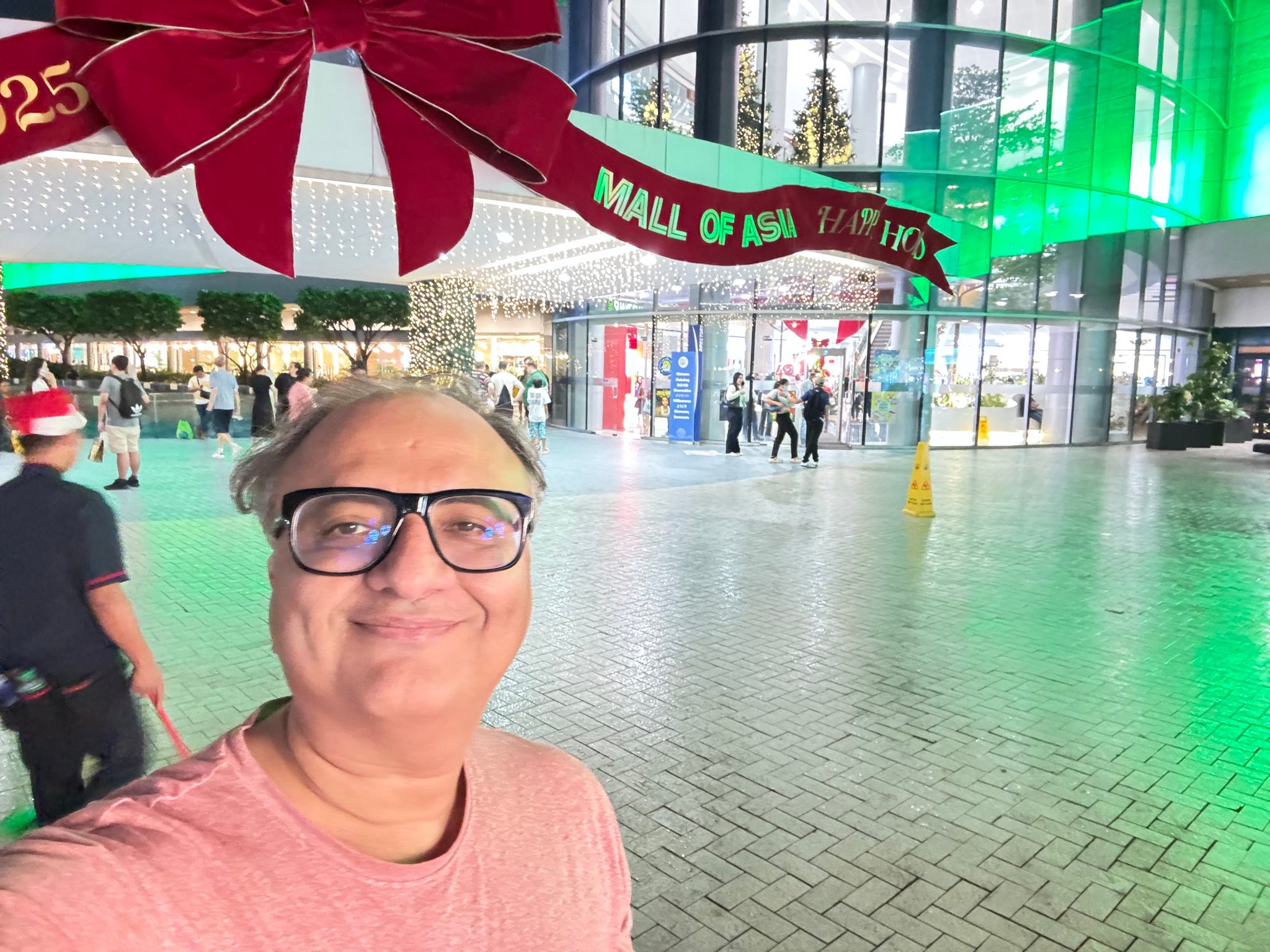
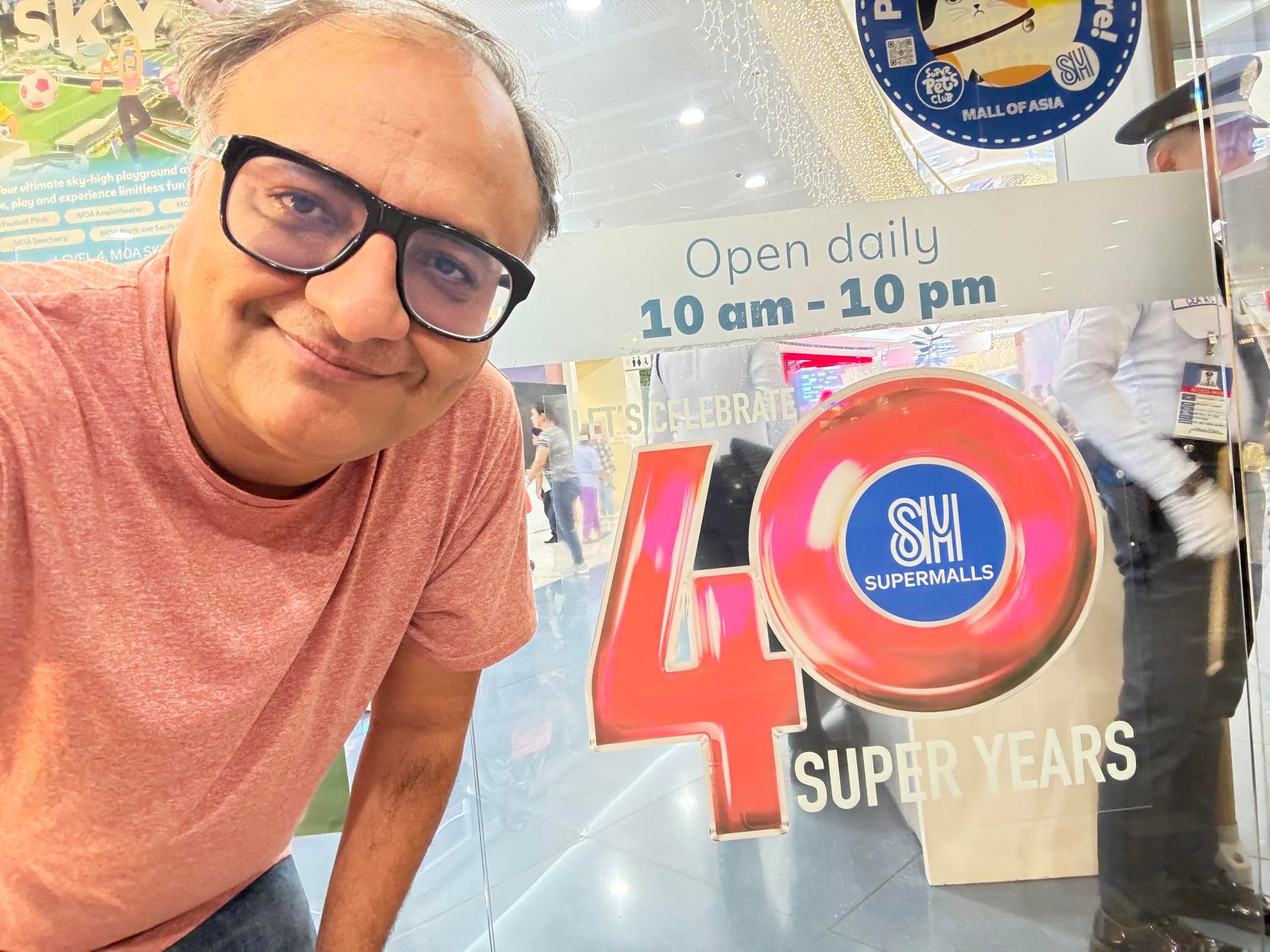
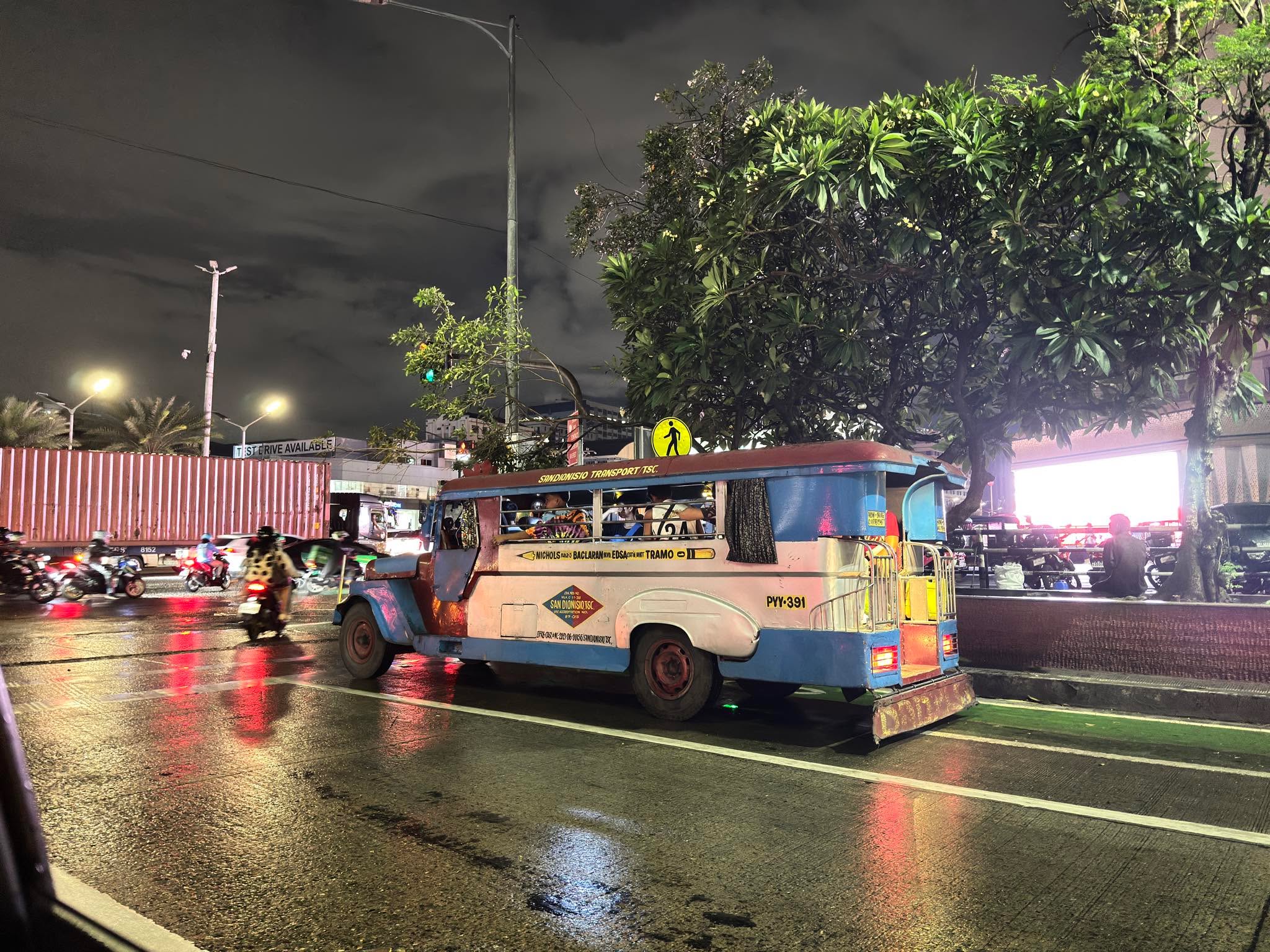
  • Hello from Manila Philippines
    Hello from Manila Philippines 🇵🇭
    0 Comments 0 Shares 46 Views
  • 0 Comments 0 Shares 46 Views
  • 0 Comments 0 Shares 46 Views
  • 0 Comments 0 Shares 47 Views
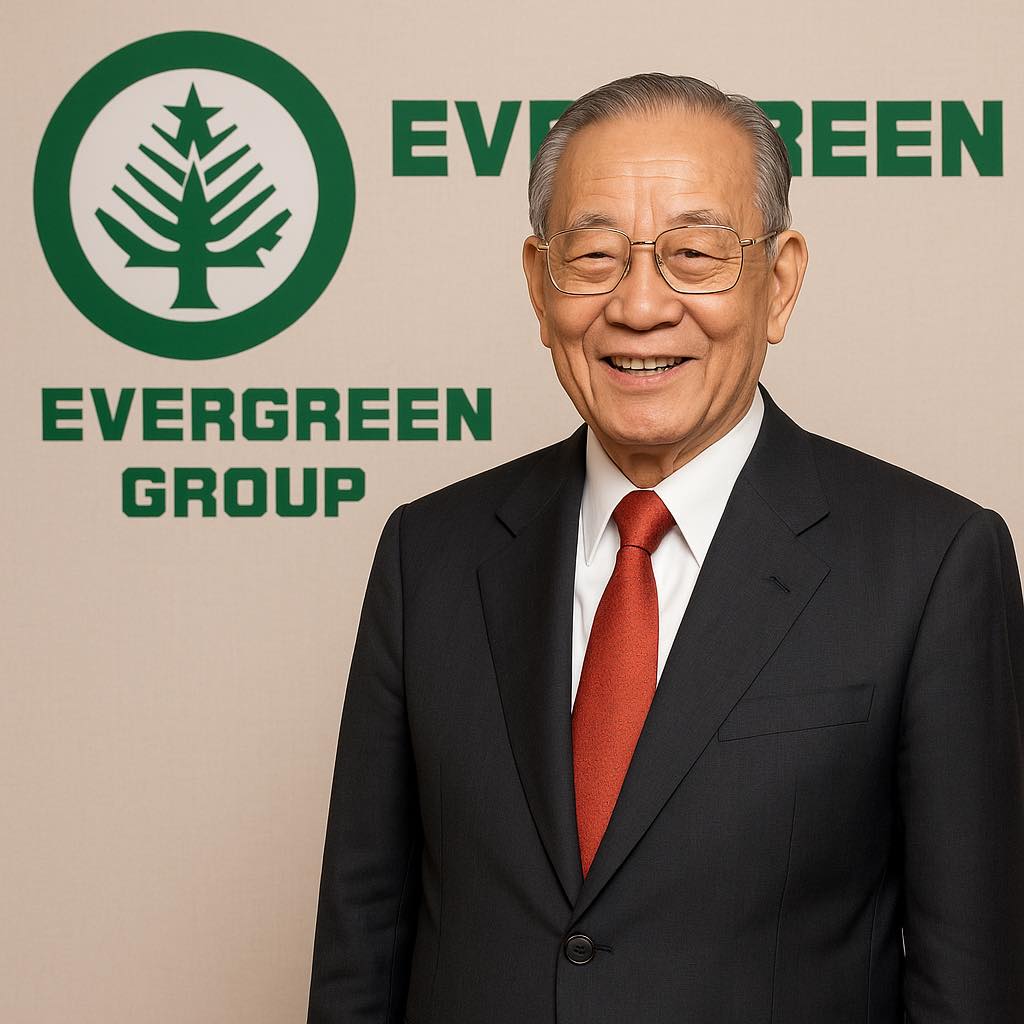
  • The Evergreen Story — How One Man With One Old Ship Built a Global Empire

    In 1968, a 40-year-old Taiwanese sailor named Chang Yung-Fa had one second-hand ship… and one crazy dream:

    “If I keep my promises and run on time, I can compete with the giants of the world.”

    No investors.
    No fancy office.
    No big connections.
    Only discipline, honesty, and a work ethic sharper than steel.

    From 1 Ship → Global Shipping Power

    He started Evergreen Marine with a single small ship.
    Everyone said it was impossible to challenge the international shipping giants.

    But he worked like the tides — consistent, unstoppable, never late.

    Clients began to trust him.
    Trust became reputation.
    Reputation became growth.

    Then came the move that shocked the world:

    The Bold Step

    In 1984, Evergreen launched the world’s first daily cargo service across the Pacific.

    A “ship-a-day” service — something no company had dared to do.

    The shipping world said it couldn’t be done.
    Chang Yung-Fa said,

    “Watch us.”

    Evergreen became a symbol of speed, reliability, and discipline.

    Then He Did Something Even Crazier

    After conquering the seas, he looked up at the sky.

    In 1988 he said:

    “Let’s build an airline.”

    People laughed.

    A shipping company starting an airline?
    Impossible.

    But he ordered 26 aircraft at once — the largest launch order in aviation history — and created EVA Air, now one of the world’s safest and most loved airlines.

    From One Ship to a Global Brand

    Today Evergreen Group includes:
    • One of the world’s biggest shipping lines
    • One of the world’s top airlines
    • Logistics, aviation tech, hotels, education & charity

    All from a man who started with one old ship… and an unshakeable belief in discipline and honesty.

    ⸻

    The Evergreen Lesson for the World

    You don’t need to be rich.
    You don’t need connections.
    You don’t need permission.

    You just need:
    • A dream
    • Discipline
    • Integrity
    • And the courage to think bigger than your street, your city, your country

    That’s how Evergreen was built.
    And that’s how new empires will be built in the AI age.
    🌍🔥 The Evergreen Story — How One Man With One Old Ship Built a Global Empire In 1968, a 40-year-old Taiwanese sailor named Chang Yung-Fa had one second-hand ship… and one crazy dream: “If I keep my promises and run on time, I can compete with the giants of the world.” No investors. No fancy office. No big connections. Only discipline, honesty, and a work ethic sharper than steel. 🚢 From 1 Ship → Global Shipping Power He started Evergreen Marine with a single small ship. Everyone said it was impossible to challenge the international shipping giants. But he worked like the tides — consistent, unstoppable, never late. Clients began to trust him. Trust became reputation. Reputation became growth. Then came the move that shocked the world: ⚡ The Bold Step In 1984, Evergreen launched the world’s first daily cargo service across the Pacific. A “ship-a-day” service — something no company had dared to do. The shipping world said it couldn’t be done. Chang Yung-Fa said, “Watch us.” Evergreen became a symbol of speed, reliability, and discipline. ✈️ Then He Did Something Even Crazier After conquering the seas, he looked up at the sky. In 1988 he said: “Let’s build an airline.” People laughed. A shipping company starting an airline? Impossible. But he ordered 26 aircraft at once — the largest launch order in aviation history — and created EVA Air, now one of the world’s safest and most loved airlines. 🌱 From One Ship to a Global Brand Today Evergreen Group includes: • One of the world’s biggest shipping lines • One of the world’s top airlines • Logistics, aviation tech, hotels, education & charity All from a man who started with one old ship… and an unshakeable belief in discipline and honesty. ⸻ 🚀 The Evergreen Lesson for the World You don’t need to be rich. You don’t need connections. You don’t need permission. You just need: • A dream • Discipline • Integrity • And the courage to think bigger than your street, your city, your country That’s how Evergreen was built. And that’s how new empires will be built in the AI age.
    0 Comments 0 Shares 65 Views
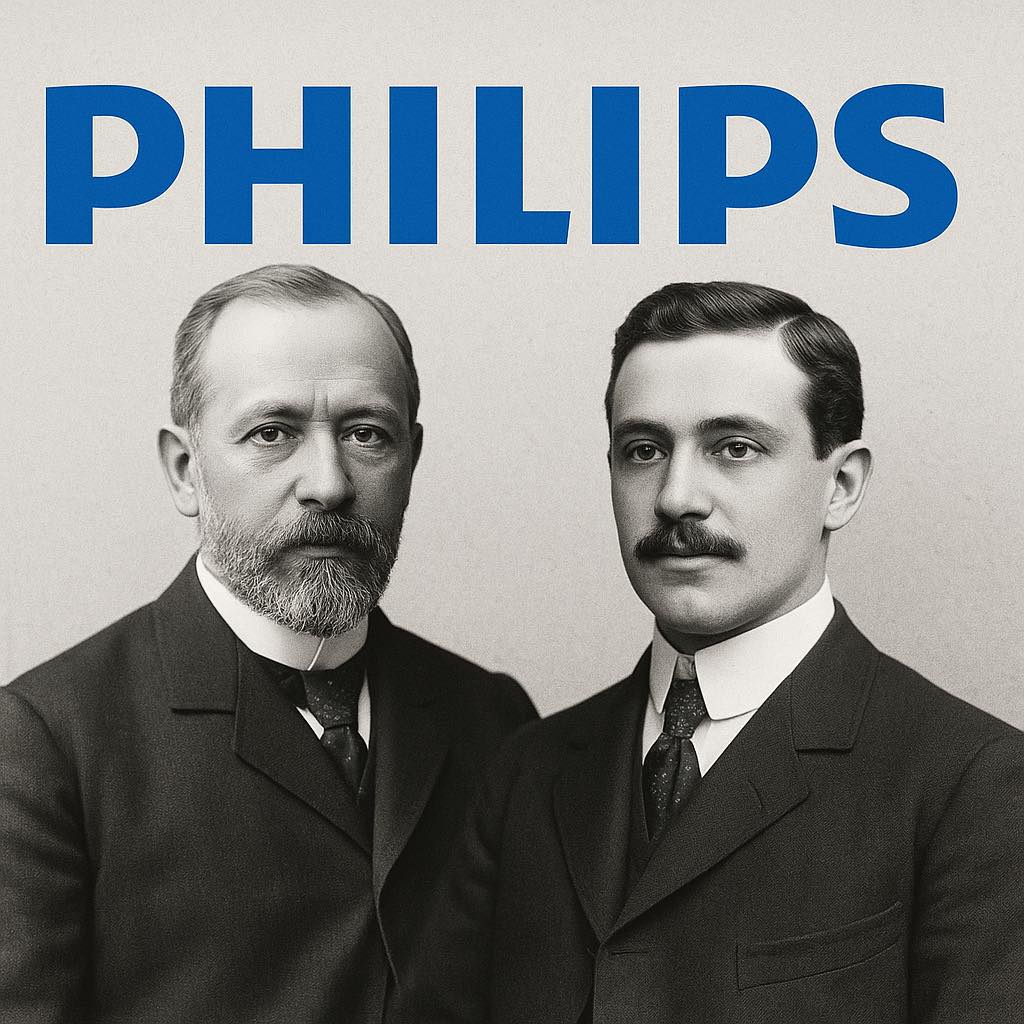
  • How Philips Started — And What It Teaches Us About Changing the World

    (A story every young entrepreneur in Pakistan should read)

    In 1891, in a small Dutch city called Eindhoven, two brothers stood inside a tiny, empty building.
    No machines.
    No workers.
    No money.
    Just one dream:

    “We will bring light to every home on earth.”

    Those brothers were Gerard and Anton Philips.

    Gerard was an engineer. Quiet. Focused.
    Anton was a salesman. Bold. Fearless.

    Together, they began making simple light bulbs — at a time when most of Europe was still sitting in darkness.

    No one knew their names.
    No one believed in them.
    And yet, they kept going.
    Day after day.
    Problem after problem.
    Failure after failure.

    But here is the magic of the Philips story:

    They started small, but they thought big.
    They didn’t wait for perfect conditions. They created their own.

    Soon, their tiny lamp factory grew.
    Then it grew again.
    Then it spread across Europe.

    And from those first light bulbs came inventions that changed the world:
    • The audio cassette
    • The CD with Sony
    • X-ray machines
    • MRI systems
    • Electric toothbrushes
    • Air purifiers
    • Life-saving ICU technology

    From a small room in 1891 to a global technology giant — all because two brothers refused to stop dreaming.

    ⸻

    Why this story matters to us today

    Philips is not just a company.
    It is a reminder:

    Big things begin with small steps.
    Revolutions begin with one brave idea.
    And the world changes when ordinary people dare to do something extraordinary.

    If two brothers with no resources could build a global empire in 1891…

    Then what can you build in 2025 — with the internet, AI, and unlimited knowledge in your pocket?

    The world today belongs to those who take the first step.
    Start small.
    Start now.
    Start where you are.

    Because the next “Philips” does not have to be from Europe.

    It can be born in Karachi.
    It can be made in Pakistan.
    It can be made by you.

    ⸻
    ⭐ How Philips Started — And What It Teaches Us About Changing the World (A story every young entrepreneur in Pakistan should read) In 1891, in a small Dutch city called Eindhoven, two brothers stood inside a tiny, empty building. No machines. No workers. No money. Just one dream: “We will bring light to every home on earth.” Those brothers were Gerard and Anton Philips. Gerard was an engineer. Quiet. Focused. Anton was a salesman. Bold. Fearless. Together, they began making simple light bulbs — at a time when most of Europe was still sitting in darkness. No one knew their names. No one believed in them. And yet, they kept going. Day after day. Problem after problem. Failure after failure. But here is the magic of the Philips story: 👉 They started small, but they thought big. 👉 They didn’t wait for perfect conditions. They created their own. Soon, their tiny lamp factory grew. Then it grew again. Then it spread across Europe. And from those first light bulbs came inventions that changed the world: • The audio cassette • The CD with Sony • X-ray machines • MRI systems • Electric toothbrushes • Air purifiers • Life-saving ICU technology From a small room in 1891 to a global technology giant — all because two brothers refused to stop dreaming. ⸻ ⭐ Why this story matters to us today Philips is not just a company. It is a reminder: Big things begin with small steps. Revolutions begin with one brave idea. And the world changes when ordinary people dare to do something extraordinary. If two brothers with no resources could build a global empire in 1891… Then what can you build in 2025 — with the internet, AI, and unlimited knowledge in your pocket? The world today belongs to those who take the first step. Start small. Start now. Start where you are. Because the next “Philips” does not have to be from Europe. It can be born in Karachi. It can be made in Pakistan. It can be made by you. ⸻
    0 Comments 0 Shares 52 Views
  • Rehan School wins #asocioawards2025
    Rehan School wins #asocioawards2025
    0 Comments 0 Shares 1520 Views