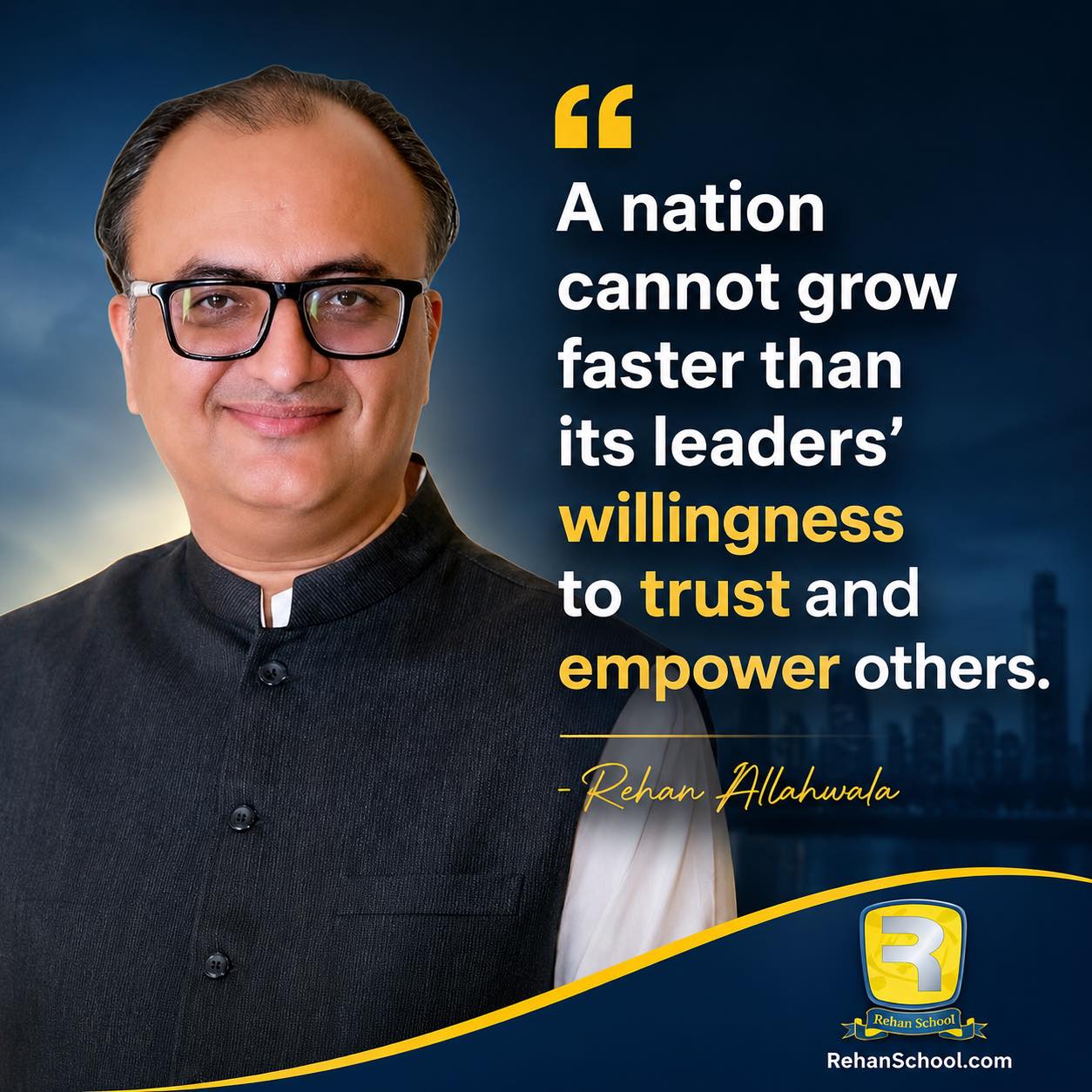
• There are people in this world who dedicate their entire lives not to building wealth or power, but to building peace.

    One such person is Junsei Terasawa San, a Japanese Buddhist monk who has spent more than five decades walking across countries, crossing borders, and bringing people of different faiths together with one simple message: peace begins in the human heart.

    From Japan to India, from Central Asia to Pakistan, he has walked thousands of kilometers promoting non-violence, compassion, dialogue, and friendship among nations. He has worked to preserve Buddhist heritage, advocated for a world free of nuclear weapons, and encouraged people of every religion to see one another as fellow human beings before anything else.

    Pakistan holds a unique place in his journey. Our land was once the heart of the ancient Gandhara civilization, where Buddhism flourished for centuries. By visiting Pakistan and encouraging the preservation of this shared human heritage, Junsei Terasawa San reminds us that history should unite us rather than divide us.

    As Muslims, we believe in showing kindness, justice, and respect to all people. The Holy Qur’an teaches us to know one another, not to despise one another. When people come to Pakistan with sincere intentions of peace, friendship, learning, and mutual respect, they deserve a warm welcome.

    I warmly welcome Junsei Terasawa San to Pakistan.

    I also encourage my friends to follow his work. Whether or not we share the same religion, we can still learn from a lifetime devoted to peace, humility, service, and dialogue. In a world increasingly divided by conflict and hatred, voices that encourage understanding deserve to be heard.

    May his visit strengthen friendship among people, promote the preservation of Pakistan’s rich historical heritage, and inspire more conversations about peace, compassion, and our shared humanity.

    Welcome to Pakistan, Junsei Terasawa San . May your journey here be filled with friendship, respect, and hope.
    There are people in this world who dedicate their entire lives not to building wealth or power, but to building peace. One such person is Junsei Terasawa San, a Japanese Buddhist monk who has spent more than five decades walking across countries, crossing borders, and bringing people of different faiths together with one simple message: peace begins in the human heart. From Japan to India, from Central Asia to Pakistan, he has walked thousands of kilometers promoting non-violence, compassion, dialogue, and friendship among nations. He has worked to preserve Buddhist heritage, advocated for a world free of nuclear weapons, and encouraged people of every religion to see one another as fellow human beings before anything else. Pakistan holds a unique place in his journey. Our land was once the heart of the ancient Gandhara civilization, where Buddhism flourished for centuries. By visiting Pakistan and encouraging the preservation of this shared human heritage, Junsei Terasawa San reminds us that history should unite us rather than divide us. As Muslims, we believe in showing kindness, justice, and respect to all people. The Holy Qur’an teaches us to know one another, not to despise one another. When people come to Pakistan with sincere intentions of peace, friendship, learning, and mutual respect, they deserve a warm welcome. I warmly welcome Junsei Terasawa San to Pakistan. I also encourage my friends to follow his work. Whether or not we share the same religion, we can still learn from a lifetime devoted to peace, humility, service, and dialogue. In a world increasingly divided by conflict and hatred, voices that encourage understanding deserve to be heard. May his visit strengthen friendship among people, promote the preservation of Pakistan’s rich historical heritage, and inspire more conversations about peace, compassion, and our shared humanity. Welcome to Pakistan, Junsei Terasawa San . May your journey here be filled with friendship, respect, and hope.
    0 Commentarios 0 Acciones 10 Views
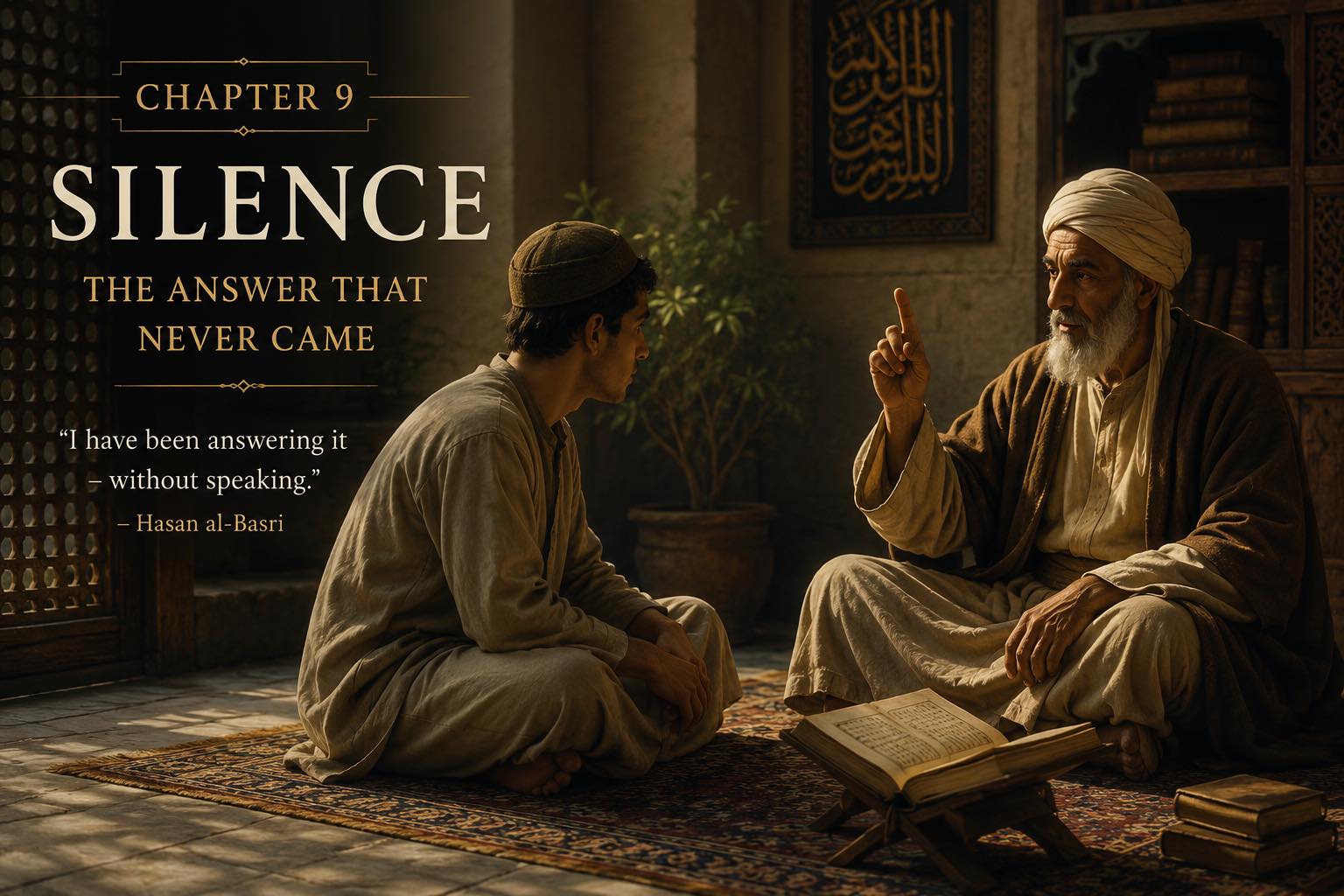
  • Chapter 9

    Silence

    The Answer That Never Came

    The young student had prepared for weeks.

    Every evening he wrote another question.

    Some questions were about faith.

    Some were about leadership.

    Some were about success.

    Some were about life itself.

    By the time he reached the gathering of Hasan al-Basri, his notebook contained more than fifty questions.

    He could hardly wait.

    When the lesson ended and the other students began leaving, he approached the great scholar.

    “Master,” he said respectfully.

    “I have traveled a long distance to seek your guidance.”

    Hasan smiled.

    “Welcome.”

    The young man opened his notebook.

    “My first question is…”

    Hasan gently raised his hand.

    The student stopped speaking.

    The teacher looked at him.

    Then he looked toward the sky.

    Minutes passed.

    Neither of them spoke.

    The student shifted his feet.

    Perhaps the teacher had not heard him.

    He cleared his throat.

    “My first question is…”

    Again Hasan raised his hand.

    Silence.

    The student became uncomfortable.

    He had expected answers.

    Instead, he found quiet.

    Five minutes became ten.

    Ten became twenty.

    The student began looking around.

    Other students sat peacefully.

    No one appeared surprised.

    Finally, unable to bear the silence, he spoke.

    “Master…”

    “Have I offended you?”

    Hasan looked at him with kindness.

    “No.”

    “Then why won’t you answer my question?”

    The old scholar smiled.

    “I have been answering it.”

    The student was confused.

    “But you haven’t spoken.”

    Hasan replied,

    “Exactly.”

    The Noise Inside

    Hasan pointed to the notebook.

    “Close it.”

    The student obeyed.

    “Now close your eyes.”

    Again he obeyed.

    “What are you hearing?”

    The student listened.

    “I hear birds.”

    “I hear the wind.”

    “I hear people walking.”

    “What else?”

    The student remained silent.

    Then he whispered,

    “I hear my own thoughts.”

    Hasan nodded.

    “They are very loud, aren’t they?”

    The student smiled for the first time.

    “Yes.”

    “They never stop.”

    Hasan leaned forward.

    “As long as your mind is full of its own voice…”

    “…how will it hear wisdom?”

    The student had come expecting information.

    Instead, he discovered that the greatest obstacle to learning was not outside him.

    It was inside him.

    Why Great Teachers Remain Silent

    Modern teachers often believe they must answer every question immediately.

    Ancient teachers understood something different.

    Sometimes the fastest answer creates the weakest learner.

    A question that is answered too quickly is often forgotten just as quickly.

    But a question that lives inside a student’s heart…

    One they wrestle with…

    One they think about while walking…

    One they carry for days…

    Changes them forever.

    Great teachers do not merely give answers.

    They awaken thinking.

    The Gift of Reflection

    Hasan finally asked the young man,

    “Why did you ask your first question?”

    The student answered,

    “Because I wanted the answer.”

    Hasan shook his head gently.

    “No.”

    “You wanted relief.”

    “There is a difference.”

    “Wisdom is not always found by escaping questions.”

    “Sometimes it is found by living with them.”

    For the next several days, Hasan answered only a few of the student’s questions.

    The others he left unanswered.

    Not because he did not know.

    But because he wanted the student to become the kind of person who could discover truth through reflection, prayer, observation, and sincere effort.

    Years later, the student would remember very few of the spoken answers.

    But he would never forget the silence.

    The Hidden Lesson

    Children today grow up in a world where every answer is only seconds away.

    If they cannot solve a problem…

    They search the internet.

    If they do not know a fact…

    They ask artificial intelligence.

    If they become confused…

    Someone immediately explains.

    Technology is wonderful.

    But if every question receives an instant answer…

    When do we learn to think?

    Reflection is becoming a forgotten skill.

    Yet every inventor…

    Every scientist…

    Every philosopher…

    Every great entrepreneur…

    Spent long periods sitting with unanswered questions.

    Silence was not wasting time.

    Silence was where ideas were born.

    A Lesson for Every Parent

    When your child asks a question, do not always answer immediately.

    Sometimes ask,

    “What do you think?”

    “Why do you think that happened?”

    “What evidence do you have?”

    “If you had to solve this yourself, what would you try first?”

    Those questions develop something far more valuable than memory.

    They develop judgment.

    Children who think for themselves become adults who solve problems for others.

    Children who receive every answer become adults who wait for someone else to rescue them.

    The Forgotten Secret

    Hasan al-Basri understood that words educate the mind.

    Silence educates the soul.

    Some lessons are spoken.

    Others must be discovered.

    The greatest teachers know the difference.


    Teacher’s Principle #9

    Do not rush to answer every question.

    Sometimes the greatest gift a teacher can give is enough silence for a student to discover the answer within themselves.
    Chapter 9 Silence The Answer That Never Came The young student had prepared for weeks. Every evening he wrote another question. Some questions were about faith. Some were about leadership. Some were about success. Some were about life itself. By the time he reached the gathering of Hasan al-Basri, his notebook contained more than fifty questions. He could hardly wait. When the lesson ended and the other students began leaving, he approached the great scholar. “Master,” he said respectfully. “I have traveled a long distance to seek your guidance.” Hasan smiled. “Welcome.” The young man opened his notebook. “My first question is…” Hasan gently raised his hand. The student stopped speaking. The teacher looked at him. Then he looked toward the sky. Minutes passed. Neither of them spoke. The student shifted his feet. Perhaps the teacher had not heard him. He cleared his throat. “My first question is…” Again Hasan raised his hand. Silence. The student became uncomfortable. He had expected answers. Instead, he found quiet. Five minutes became ten. Ten became twenty. The student began looking around. Other students sat peacefully. No one appeared surprised. Finally, unable to bear the silence, he spoke. “Master…” “Have I offended you?” Hasan looked at him with kindness. “No.” “Then why won’t you answer my question?” The old scholar smiled. “I have been answering it.” The student was confused. “But you haven’t spoken.” Hasan replied, “Exactly.” The Noise Inside Hasan pointed to the notebook. “Close it.” The student obeyed. “Now close your eyes.” Again he obeyed. “What are you hearing?” The student listened. “I hear birds.” “I hear the wind.” “I hear people walking.” “What else?” The student remained silent. Then he whispered, “I hear my own thoughts.” Hasan nodded. “They are very loud, aren’t they?” The student smiled for the first time. “Yes.” “They never stop.” Hasan leaned forward. “As long as your mind is full of its own voice…” “…how will it hear wisdom?” The student had come expecting information. Instead, he discovered that the greatest obstacle to learning was not outside him. It was inside him. Why Great Teachers Remain Silent Modern teachers often believe they must answer every question immediately. Ancient teachers understood something different. Sometimes the fastest answer creates the weakest learner. A question that is answered too quickly is often forgotten just as quickly. But a question that lives inside a student’s heart… One they wrestle with… One they think about while walking… One they carry for days… Changes them forever. Great teachers do not merely give answers. They awaken thinking. The Gift of Reflection Hasan finally asked the young man, “Why did you ask your first question?” The student answered, “Because I wanted the answer.” Hasan shook his head gently. “No.” “You wanted relief.” “There is a difference.” “Wisdom is not always found by escaping questions.” “Sometimes it is found by living with them.” For the next several days, Hasan answered only a few of the student’s questions. The others he left unanswered. Not because he did not know. But because he wanted the student to become the kind of person who could discover truth through reflection, prayer, observation, and sincere effort. Years later, the student would remember very few of the spoken answers. But he would never forget the silence. The Hidden Lesson Children today grow up in a world where every answer is only seconds away. If they cannot solve a problem… They search the internet. If they do not know a fact… They ask artificial intelligence. If they become confused… Someone immediately explains. Technology is wonderful. But if every question receives an instant answer… When do we learn to think? Reflection is becoming a forgotten skill. Yet every inventor… Every scientist… Every philosopher… Every great entrepreneur… Spent long periods sitting with unanswered questions. Silence was not wasting time. Silence was where ideas were born. A Lesson for Every Parent When your child asks a question, do not always answer immediately. Sometimes ask, “What do you think?” “Why do you think that happened?” “What evidence do you have?” “If you had to solve this yourself, what would you try first?” Those questions develop something far more valuable than memory. They develop judgment. Children who think for themselves become adults who solve problems for others. Children who receive every answer become adults who wait for someone else to rescue them. The Forgotten Secret Hasan al-Basri understood that words educate the mind. Silence educates the soul. Some lessons are spoken. Others must be discovered. The greatest teachers know the difference. ⸻ Teacher’s Principle #9 Do not rush to answer every question. Sometimes the greatest gift a teacher can give is enough silence for a student to discover the answer within themselves.
    0 Commentarios 0 Acciones 10 Views
  • 0 Commentarios 0 Acciones 10 Views

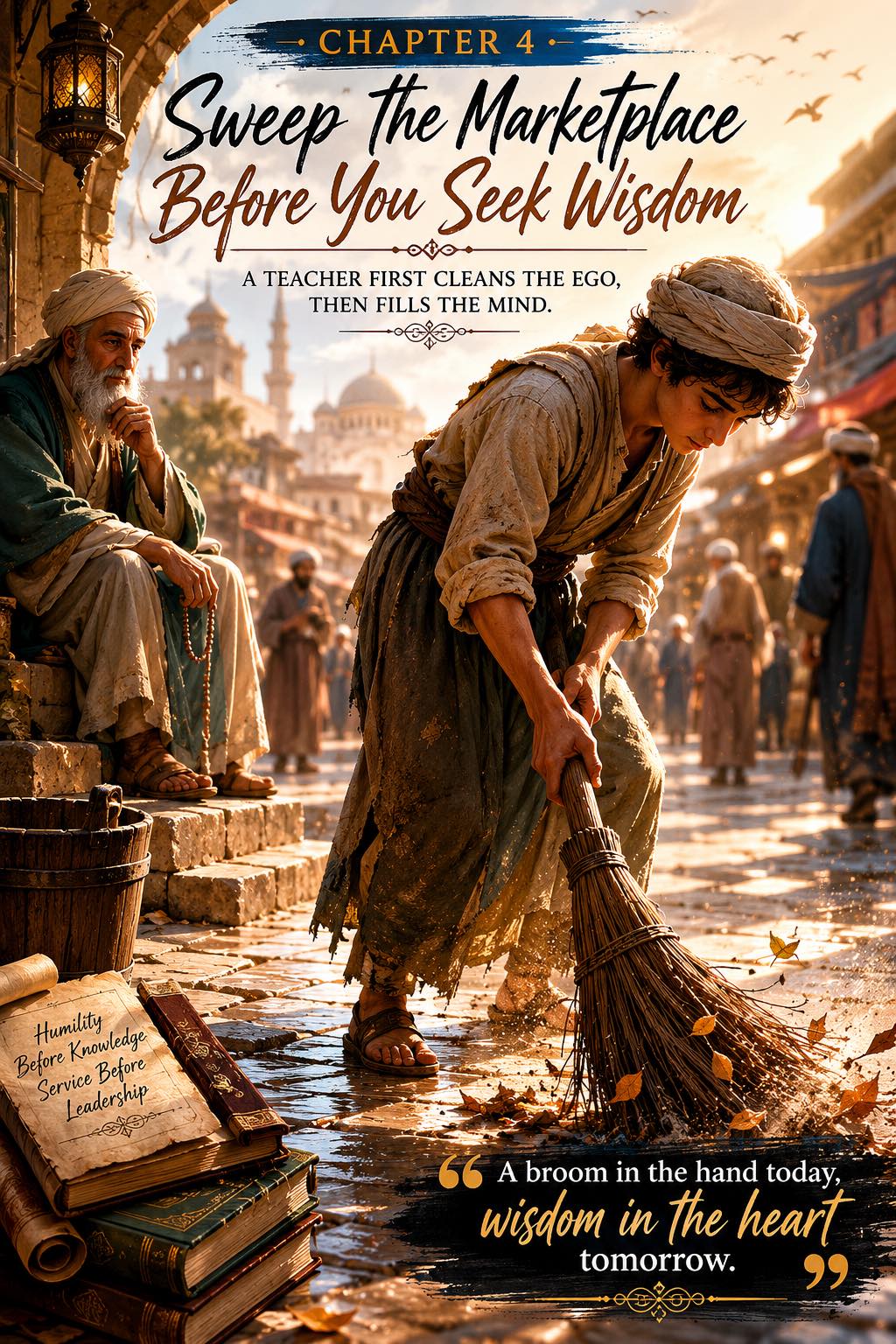
  • Chapter 4

    The Broom Before the Book

    A young man had traveled for weeks.

    His sandals were worn.

    His clothes were covered with the dust of the road.

    Every village he passed through spoke of one man.

    “If you truly seek wisdom,” they told him, “go to Bayazid Bastami.”

    The young man imagined what the first day would be like.

    Perhaps the great teacher would open ancient books.

    Perhaps he would reveal secrets of faith.

    Perhaps he would answer the questions that had filled the student’s heart for years.

    Finally he reached the humble home of Bayazid.

    The old master looked at him quietly.

    No welcome speech.

    No ceremony.

    No lecture.

    Only one question.

    “Why have you come?”

    The young man replied,

    “I have come to learn from you.”

    Bayazid nodded.

    He disappeared into another room.

    The student smiled.

    Surely he was bringing a precious manuscript.

    Instead, Bayazid returned carrying an old broom.

    He placed it in the student’s hands.

    “Go to the marketplace.”

    The student waited.

    Perhaps there were more instructions.

    “There,” Bayazid continued, “you will sweep the streets every morning.”

    The student looked at the broom.

    Then at the master.

    He wondered if this was some kind of joke.

    “I came to learn wisdom.”

    “You are.”

    The First Week

    Every morning before sunrise the student swept the marketplace.

    He cleaned dirt that returned the next day.

    Shopkeepers barely noticed him.

    Children laughed at him.

    Travelers walked across the clean streets he had just swept.

    Nobody thanked him.

    At sunset he returned to Bayazid.

    The master asked only one question.

    “Did you sweep well?”

    The student answered,

    “Yes.”

    Nothing more was said.

    No lecture.

    No explanation.

    No reward.

    The next morning he swept again.

    The First Month

    Weeks passed.

    The student became restless.

    Other students were reading.

    Others were discussing great ideas.

    He was holding a broom.

    Finally he could no longer remain silent.

    “Master, I crossed mountains to study with you.”

    “I know.”

    “I left my family.”

    “I know.”

    “I wish to learn.”

    Bayazid looked at him gently.

    “So do I.”

    The student did not understand.

    The Hidden Lesson

    The next morning, while sweeping, a merchant shouted at him.

    “You missed a corner.”

    The student became angry.

    His heart filled with pride.

    He wanted to answer back.

    That evening Bayazid asked,

    “What happened today?”

    The student told him.

    Bayazid smiled.

    “So the dirt is no longer only on the street.”

    The student was silent.

    Bayazid continued,

    “Every morning you remove the dust from the marketplace.”

    “But who will remove the dust from your heart?”

    The student finally understood.

    The broom had never been for the street.

    It had always been for him.

    The Teachers We Have Forgotten

    Modern teachers often begin with information.

    Ancient masters often began with transformation.

    They understood something we have forgotten.

    Knowledge is dangerous inside an arrogant heart.

    A clever liar becomes a dangerous liar.

    An intelligent criminal becomes a dangerous criminal.

    A talented person without humility becomes a dangerous leader.

    Before filling the mind, great teachers first emptied the ego.

    Sometimes they did it with silence.

    Sometimes with service.

    Sometimes with waiting.

    Sometimes with disappointment.

    Because disappointment reveals character.

    Success only reveals talent.

    Why Simple Work Matters

    There is no such thing as small work.

    Only small attitudes.

    A student who complains while sweeping a floor will one day complain while managing a company.

    A student who cuts corners while cleaning a room will cut corners while building a business.

    A student who believes some work is beneath them will eventually believe some people are beneath them.

    That is how arrogance begins.

    Great teachers stop it before it grows.

    The Rehan School Method

    This philosophy lives at Rehan School every single day.

    Before our students open their books, they practice Osoji, the Japanese tradition of cleaning.

    Every classroom is cleaned by the students themselves.

    Desks are wiped.

    Floors are swept.

    Books are arranged.

    Walls are cleaned.

    Everything is left better than it was found.

    Visitors sometimes ask,

    “Why are students cleaning? Why don’t you hire cleaners?”

    Because we are not only educating minds.

    We are building leaders.

    Once every week, our students also clean the school toilets.

    Some parents are shocked.

    But we ask them a simple question.

    If your child believes cleaning a toilet is beneath them, how will they ever truly respect the people who clean them every day?

    Respect is not taught by speeches.

    It is learned through experience.

    Our college students take this philosophy even further.

    For months, they are assigned roles as waiters, laborers, support staff, and service workers.

    Some serve meals.

    Some carry furniture.

    Some perform physically demanding work.

    Some assist with maintenance.

    People often ask,

    “Why would future entrepreneurs and CEOs do this?”

    Because one day they will lead people whose lives look exactly like that.

    We want them to understand service before authority.

    Work before status.

    Humility before success.

    A CEO who has once been a waiter speaks differently to waiters.

    A founder who has once carried bricks respects laborers.

    A principal who has cleaned toilets values every member of the school.

    These experiences cannot be learned from a textbook.

    They must be lived.

    The Last Lesson

    Bayazid never taught his student that a broom was important.

    He taught him something far greater.

    If you cannot sweep a street with excellence,

    you will never lead a nation with excellence.

    If you cannot clean a toilet with humility,

    you cannot build a company with humility.

    If you cannot serve people when nobody knows your name,

    you are not ready to lead people when everyone knows it.

    The world is searching for intelligent people.

    Great teachers are searching for humble ones.

    Because intelligence builds successful businesses.

    Humility builds civilizations.

    And that is why, before every great book, there must first be a broom.
    Chapter 4 The Broom Before the Book A young man had traveled for weeks. His sandals were worn. His clothes were covered with the dust of the road. Every village he passed through spoke of one man. “If you truly seek wisdom,” they told him, “go to Bayazid Bastami.” The young man imagined what the first day would be like. Perhaps the great teacher would open ancient books. Perhaps he would reveal secrets of faith. Perhaps he would answer the questions that had filled the student’s heart for years. Finally he reached the humble home of Bayazid. The old master looked at him quietly. No welcome speech. No ceremony. No lecture. Only one question. “Why have you come?” The young man replied, “I have come to learn from you.” Bayazid nodded. He disappeared into another room. The student smiled. Surely he was bringing a precious manuscript. Instead, Bayazid returned carrying an old broom. He placed it in the student’s hands. “Go to the marketplace.” The student waited. Perhaps there were more instructions. “There,” Bayazid continued, “you will sweep the streets every morning.” The student looked at the broom. Then at the master. He wondered if this was some kind of joke. “I came to learn wisdom.” “You are.” The First Week Every morning before sunrise the student swept the marketplace. He cleaned dirt that returned the next day. Shopkeepers barely noticed him. Children laughed at him. Travelers walked across the clean streets he had just swept. Nobody thanked him. At sunset he returned to Bayazid. The master asked only one question. “Did you sweep well?” The student answered, “Yes.” Nothing more was said. No lecture. No explanation. No reward. The next morning he swept again. The First Month Weeks passed. The student became restless. Other students were reading. Others were discussing great ideas. He was holding a broom. Finally he could no longer remain silent. “Master, I crossed mountains to study with you.” “I know.” “I left my family.” “I know.” “I wish to learn.” Bayazid looked at him gently. “So do I.” The student did not understand. The Hidden Lesson The next morning, while sweeping, a merchant shouted at him. “You missed a corner.” The student became angry. His heart filled with pride. He wanted to answer back. That evening Bayazid asked, “What happened today?” The student told him. Bayazid smiled. “So the dirt is no longer only on the street.” The student was silent. Bayazid continued, “Every morning you remove the dust from the marketplace.” “But who will remove the dust from your heart?” The student finally understood. The broom had never been for the street. It had always been for him. The Teachers We Have Forgotten Modern teachers often begin with information. Ancient masters often began with transformation. They understood something we have forgotten. Knowledge is dangerous inside an arrogant heart. A clever liar becomes a dangerous liar. An intelligent criminal becomes a dangerous criminal. A talented person without humility becomes a dangerous leader. Before filling the mind, great teachers first emptied the ego. Sometimes they did it with silence. Sometimes with service. Sometimes with waiting. Sometimes with disappointment. Because disappointment reveals character. Success only reveals talent. Why Simple Work Matters There is no such thing as small work. Only small attitudes. A student who complains while sweeping a floor will one day complain while managing a company. A student who cuts corners while cleaning a room will cut corners while building a business. A student who believes some work is beneath them will eventually believe some people are beneath them. That is how arrogance begins. Great teachers stop it before it grows. The Rehan School Method This philosophy lives at Rehan School every single day. Before our students open their books, they practice Osoji, the Japanese tradition of cleaning. Every classroom is cleaned by the students themselves. Desks are wiped. Floors are swept. Books are arranged. Walls are cleaned. Everything is left better than it was found. Visitors sometimes ask, “Why are students cleaning? Why don’t you hire cleaners?” Because we are not only educating minds. We are building leaders. Once every week, our students also clean the school toilets. Some parents are shocked. But we ask them a simple question. If your child believes cleaning a toilet is beneath them, how will they ever truly respect the people who clean them every day? Respect is not taught by speeches. It is learned through experience. Our college students take this philosophy even further. For months, they are assigned roles as waiters, laborers, support staff, and service workers. Some serve meals. Some carry furniture. Some perform physically demanding work. Some assist with maintenance. People often ask, “Why would future entrepreneurs and CEOs do this?” Because one day they will lead people whose lives look exactly like that. We want them to understand service before authority. Work before status. Humility before success. A CEO who has once been a waiter speaks differently to waiters. A founder who has once carried bricks respects laborers. A principal who has cleaned toilets values every member of the school. These experiences cannot be learned from a textbook. They must be lived. The Last Lesson Bayazid never taught his student that a broom was important. He taught him something far greater. If you cannot sweep a street with excellence, you will never lead a nation with excellence. If you cannot clean a toilet with humility, you cannot build a company with humility. If you cannot serve people when nobody knows your name, you are not ready to lead people when everyone knows it. The world is searching for intelligent people. Great teachers are searching for humble ones. Because intelligence builds successful businesses. Humility builds civilizations. And that is why, before every great book, there must first be a broom.
    0 Commentarios 0 Acciones 479 Views
  • AI BOOT CAMP IS HERE!
    This summer, dont just scroll — LEARN AI!

    Join the Rehan School AI Boot Camp under Supervision of Rehan Allahwala Learn AI tools hands-on

    Build real skills for the real world including Ai coding
    For students ready to lead the AI generation

    Address 1: Main Shaheed-e-Millat Road Karachi
    Address 2: Behind Naheed Super Market, Shaheed-e-Millat Road Karachi

    Call now: Saba 0310 288 6047
    Rubab 0323 2145559

    Register: rehanschool.com/summercamp
    Seats are limited — book your spot today!

    #AIBootCamp #RehanSchool #RehanAllahwala #LearnAI #SummerCamp2026 #AIForEveryone #Karachi #FutureReady
    🚨 AI BOOT CAMP IS HERE! 🚨 This summer, don't just scroll — LEARN AI! 🤖✨ Join the Rehan School AI Boot Camp under Supervision of Rehan Allahwala🎯 Learn AI tools hands-on 🧠 Build real skills for the real world including Ai coding 🌟 For students ready to lead the AI generation 📍 Address 1: Main Shaheed-e-Millat Road Karachi 📍 Address 2: Behind Naheed Super Market, Shaheed-e-Millat Road Karachi 📞 Call now: Saba 0310 288 6047 Rubab 0323 2145559 🌐 Register: rehanschool.com/summercamp Seats are limited — book your spot today! 🔥 #AIBootCamp #RehanSchool #RehanAllahwala #LearnAI #SummerCamp2026 #AIForEveryone #Karachi #FutureReady
    0 Commentarios 0 Acciones 1744 Views
  • پاکستان کے لیے ایک شاندار کاروباری موقع: اپنی برانڈڈ Chromebook لانچ کریں!

    پاکستان تیزی سے AI، آن لائن تعلیم، فری لانسنگ اور ڈیجیٹل معیشت کی طرف بڑھ رہا ہے، لیکن آج بھی لاکھوں طلبہ، اساتذہ، فری لانسرز اور چھوٹے کاروباری افراد ایک سستا اور قابلِ اعتماد کمپیوٹر خریدنے کی استطاعت نہیں رکھتے۔

    میرے خیال میں Naheed Supermarket، Imtiaz Stores، Punjab Cash & Carry، Chase، Metro، Dany Technologies، Avionics، Advance Mobile اور دیگر بڑی کمپنیاں اس موقع سے فائدہ اٹھا سکتی ہیں۔

    آج پاکستان میں Chromebook تھوک میں تقریباً 7,000 سے 8,000 روپے میں دستیاب ہیں، مگر صرف چیکنگ وارنٹی کے ساتھ۔

    کاروباری ماڈل بہت آسان ہے:

    Chromebook تھوک میں خریدیں۔
    اچھی طرح ٹیسٹ اور صاف کریں۔
    اپنی کمپنی کا برانڈ اسٹیکر لگائیں۔
    ایک سال کی وارنٹی دیں۔
    تقریباً 12,000 روپے میں فروخت کریں۔

    وارنٹی میں یہ شرط شامل کی جا سکتی ہے:

    “اگر ایک سال کے دوران Chromebook خراب ہو جائے تو صرف 2,500 روپے سروس چارج پر اسے مرمت یا تبدیل کر دیا جائے گا۔”

    چونکہ اوسط مرمت کی لاگت تقریباً 1,000 سے 2,000 روپے ہوتی ہے، اس لیے کمپنی منافع بھی کمائے گی اور گاہک کا اعتماد بھی حاصل کرے گی۔

    یہ صرف ایک کاروبار نہیں بلکہ پاکستان کی ڈیجیٹل ترقی کا موقع ہے۔

    ذرا تصور کریں اگر یہ تمام کمپنیاں سستی Chromebooks فروخت کرنا شروع کر دیں:

    لاکھوں طلبہ آن لائن تعلیم حاصل کر سکیں گے۔
    ہر استاد AI استعمال کر سکے گا۔
    ہزاروں نوجوان فری لانسنگ شروع کر سکیں گے۔
    چھوٹے کاروبار ڈیجیٹل ہو جائیں گے۔
    والدین کم قیمت میں اپنے بچوں کو کمپیوٹر فراہم کر سکیں گے۔
    پاکستان تیزی سے AI اور ٹیکنالوجی میں آگے بڑھ سکے گا۔

    صرف 12,000 روپے کی ایک Chromebook کسی بچے کی پوری زندگی بدل سکتی ہے۔

    پاکستان کو صرف مہنگے لیپ ٹاپ نہیں، بلکہ سستے، قابلِ اعتماد، برانڈڈ اور وارنٹی والے کمپیوٹرز کی ضرورت ہے۔

    یہ کروڑوں روپے کا کاروباری موقع بھی ہے اور لاکھوں پاکستانیوں کو ڈیجیٹل معیشت میں شامل کرنے کا ذریعہ بھی۔

    میری درخواست ہے کہ Naheed، Imtiaz، Punjab Cash & Carry، Chase، Metro، Dany Technologies، Avionics، Advance Mobile اور دیگر بڑی کمپنیاں اس شعبے میں قدم رکھیں۔

    صرف مصنوعات نہ بیچیں… پاکستان کا مستقبل بیچیں۔

    اپنی Certified Refurbished Chromebook برانڈ لانچ کریں۔

    پاکستان کو اس کی آج ضرورت ہے۔

    — ریحان اللہ والا
    پاکستان کے لیے ایک شاندار کاروباری موقع: اپنی برانڈڈ Chromebook لانچ کریں! پاکستان تیزی سے AI، آن لائن تعلیم، فری لانسنگ اور ڈیجیٹل معیشت کی طرف بڑھ رہا ہے، لیکن آج بھی لاکھوں طلبہ، اساتذہ، فری لانسرز اور چھوٹے کاروباری افراد ایک سستا اور قابلِ اعتماد کمپیوٹر خریدنے کی استطاعت نہیں رکھتے۔ میرے خیال میں Naheed Supermarket، Imtiaz Stores، Punjab Cash & Carry، Chase، Metro، Dany Technologies، Avionics، Advance Mobile اور دیگر بڑی کمپنیاں اس موقع سے فائدہ اٹھا سکتی ہیں۔ آج پاکستان میں Chromebook تھوک میں تقریباً 7,000 سے 8,000 روپے میں دستیاب ہیں، مگر صرف چیکنگ وارنٹی کے ساتھ۔ کاروباری ماڈل بہت آسان ہے: ✅ Chromebook تھوک میں خریدیں۔ ✅ اچھی طرح ٹیسٹ اور صاف کریں۔ ✅ اپنی کمپنی کا برانڈ اسٹیکر لگائیں۔ ✅ ایک سال کی وارنٹی دیں۔ ✅ تقریباً 12,000 روپے میں فروخت کریں۔ وارنٹی میں یہ شرط شامل کی جا سکتی ہے: “اگر ایک سال کے دوران Chromebook خراب ہو جائے تو صرف 2,500 روپے سروس چارج پر اسے مرمت یا تبدیل کر دیا جائے گا۔” چونکہ اوسط مرمت کی لاگت تقریباً 1,000 سے 2,000 روپے ہوتی ہے، اس لیے کمپنی منافع بھی کمائے گی اور گاہک کا اعتماد بھی حاصل کرے گی۔ یہ صرف ایک کاروبار نہیں بلکہ پاکستان کی ڈیجیٹل ترقی کا موقع ہے۔ ذرا تصور کریں اگر یہ تمام کمپنیاں سستی Chromebooks فروخت کرنا شروع کر دیں: ✅ لاکھوں طلبہ آن لائن تعلیم حاصل کر سکیں گے۔ ✅ ہر استاد AI استعمال کر سکے گا۔ ✅ ہزاروں نوجوان فری لانسنگ شروع کر سکیں گے۔ ✅ چھوٹے کاروبار ڈیجیٹل ہو جائیں گے۔ ✅ والدین کم قیمت میں اپنے بچوں کو کمپیوٹر فراہم کر سکیں گے۔ ✅ پاکستان تیزی سے AI اور ٹیکنالوجی میں آگے بڑھ سکے گا۔ صرف 12,000 روپے کی ایک Chromebook کسی بچے کی پوری زندگی بدل سکتی ہے۔ پاکستان کو صرف مہنگے لیپ ٹاپ نہیں، بلکہ سستے، قابلِ اعتماد، برانڈڈ اور وارنٹی والے کمپیوٹرز کی ضرورت ہے۔ یہ کروڑوں روپے کا کاروباری موقع بھی ہے اور لاکھوں پاکستانیوں کو ڈیجیٹل معیشت میں شامل کرنے کا ذریعہ بھی۔ میری درخواست ہے کہ Naheed، Imtiaz، Punjab Cash & Carry، Chase، Metro، Dany Technologies، Avionics، Advance Mobile اور دیگر بڑی کمپنیاں اس شعبے میں قدم رکھیں۔ صرف مصنوعات نہ بیچیں… پاکستان کا مستقبل بیچیں۔ اپنی Certified Refurbished Chromebook برانڈ لانچ کریں۔ پاکستان کو اس کی آج ضرورت ہے۔ — ریحان اللہ والا
    0 Commentarios 0 Acciones 392 Views
  • A Great Business Opportunity for Pakistan: Branded Affordable Chromebooks

    Pakistan is moving fast toward technology, online learning, AI, freelancing, and digital work. But millions of students, teachers, freelancers, shopkeepers, and small businesses still do not have access to an affordable computer.

    Here is a simple business opportunity for large retail companies like Naheed Supermarket, Imtiaz Stores, Punjab Cash & Carry, Chase, Metro, Danny Technologies, Avionics, Advance Mobile, and other leading electronics retailers.

    Chromebooks are available in Pakistan at wholesale for around Rs. 7,000 to Rs. 8,000 with checking warranty.

    These companies can buy them in bulk, test them properly, clean them, put their own certified refurbished brand sticker, add a warranty sticker, and sell them for around Rs. 12,000 with a one-year service warranty.

    Even better, the warranty can clearly say:

    “If the Chromebook develops a hardware issue during the warranty period, we will repair or replace it for only Rs. 2,500.”

    The average repair cost may be around Rs. 1,000 to Rs. 2,000, so the company can still stay profitable while giving customers trust and peace of mind.

    This is not just a business. This is a national opportunity.

    Imagine if every Naheed, Imtiaz, Punjab Cash & Carry, Chase, Metro, Danny Technologies, Avionics, and Advance Mobile started selling affordable Chromebooks:

    Students could study online.
    Teachers could use AI tools.
    Freelancers could start earning.
    Small businesses could go digital.
    Parents could buy a computer for their children without taking a loan.
    Pakistan could become more AI-ready and technology-ready.

    A Chromebook for Rs. 12,000 can change a child’s future.

    Pakistan does not only need expensive laptops. Pakistan needs affordable, trusted, branded, warranty-backed computers in every city, every town, and every home.

    This is a business opportunity worth millions of rupees, but more importantly, it can help millions of Pakistanis enter the digital economy.

    My request to Pakistan’s leading retailers and electronics brands:
    Please don’t only sell groceries, mobiles, and household items. Start selling the future.

    Launch your own certified refurbished Chromebook brand.

    Pakistan needs it now.

    — Rehan Allahwala
    A Great Business Opportunity for Pakistan: Branded Affordable Chromebooks Pakistan is moving fast toward technology, online learning, AI, freelancing, and digital work. But millions of students, teachers, freelancers, shopkeepers, and small businesses still do not have access to an affordable computer. Here is a simple business opportunity for large retail companies like Naheed Supermarket, Imtiaz Stores, Punjab Cash & Carry, Chase, Metro, Danny Technologies, Avionics, Advance Mobile, and other leading electronics retailers. Chromebooks are available in Pakistan at wholesale for around Rs. 7,000 to Rs. 8,000 with checking warranty. These companies can buy them in bulk, test them properly, clean them, put their own certified refurbished brand sticker, add a warranty sticker, and sell them for around Rs. 12,000 with a one-year service warranty. Even better, the warranty can clearly say: “If the Chromebook develops a hardware issue during the warranty period, we will repair or replace it for only Rs. 2,500.” The average repair cost may be around Rs. 1,000 to Rs. 2,000, so the company can still stay profitable while giving customers trust and peace of mind. This is not just a business. This is a national opportunity. Imagine if every Naheed, Imtiaz, Punjab Cash & Carry, Chase, Metro, Danny Technologies, Avionics, and Advance Mobile started selling affordable Chromebooks: ✅ Students could study online. ✅ Teachers could use AI tools. ✅ Freelancers could start earning. ✅ Small businesses could go digital. ✅ Parents could buy a computer for their children without taking a loan. ✅ Pakistan could become more AI-ready and technology-ready. A Chromebook for Rs. 12,000 can change a child’s future. Pakistan does not only need expensive laptops. Pakistan needs affordable, trusted, branded, warranty-backed computers in every city, every town, and every home. This is a business opportunity worth millions of rupees, but more importantly, it can help millions of Pakistanis enter the digital economy. My request to Pakistan’s leading retailers and electronics brands: Please don’t only sell groceries, mobiles, and household items. Start selling the future. Launch your own certified refurbished Chromebook brand. Pakistan needs it now. — Rehan Allahwala
    0 Commentarios 0 Acciones 10 Views

  • AI نے ویڈیو بنانے کا کھیل بدل دیا ہے!

    اگر آپ کے پاس صرف ایک اسمارٹ فون یا لیپ ٹاپ ہے، تو اب آپ فلمی معیار کی ویڈیوز چند سیکنڈ میں بنا سکتے ہیں۔

    میں نے آج ایک زبردست AI ٹول دریافت کیا۔

    AI ویڈیوز مفت کیسے بنائیں؟

    dreamina.capcut.com پر جائیں۔
    اپنی ای میل سے سائن اپ کریں۔
    آپ کو 7 دن کا مفت ٹرائل اور AI ویڈیوز بنانے کے لیے مفت کریڈٹس مل جائیں گے۔
    اگر ٹرائل ختم بھی ہو جائے تو آپ کو روزانہ 4 مفت AI ویڈیوز بنانے کا موقع ملتا ہے۔
    صرف لکھیں کہ آپ کیا بنانا چاہتے ہیں، AI چند سیکنڈ میں ویڈیو تیار کر دے گا۔

    کریڈٹ کارڈ کی ضرورت نہیں۔
    چینی فون نمبر کی ضرورت نہیں۔
    انگریزی انٹرفیس، استعمال میں آسان۔

    سوچیں…

    ہر استاد اپنی کلاس کی ویڈیوز بنا سکتا ہے۔
    ہر کاروباری اپنا اشتہار خود بنا سکتا ہے۔
    ہر طالب علم اپنی پریزنٹیشن کو فلم بنا سکتا ہے۔
    ہر پاکستانی AI سے ویڈیوز بنا کر دنیا بھر کے کلائنٹس کے لیے کام کر سکتا ہے۔

    یہ صرف ایک نیا ٹول نہیں…

    یہ ویڈیو بنانے کے طریقے میں ایک بڑی تبدیلی ہے۔

    جو لوگ آج AI سیکھیں گے، وہ کل صرف صارف نہیں بلکہ دنیا کے لیے Content بنانے والے ہوں گے۔

    اگر آپ نے اسے استعمال کیا تو کمنٹس میں اپنا تجربہ ضرور بتائیں تاکہ دوسرے پاکستانی بھی اس سے فائدہ اٹھا سکیں۔
    🚨 AI نے ویڈیو بنانے کا کھیل بدل دیا ہے! اگر آپ کے پاس صرف ایک اسمارٹ فون یا لیپ ٹاپ ہے، تو اب آپ فلمی معیار کی ویڈیوز چند سیکنڈ میں بنا سکتے ہیں۔ میں نے آج ایک زبردست AI ٹول دریافت کیا۔ AI ویڈیوز مفت کیسے بنائیں؟ 1️⃣ dreamina.capcut.com پر جائیں۔ 2️⃣ اپنی ای میل سے سائن اپ کریں۔ 3️⃣ آپ کو 7 دن کا مفت ٹرائل اور AI ویڈیوز بنانے کے لیے مفت کریڈٹس مل جائیں گے۔ 4️⃣ اگر ٹرائل ختم بھی ہو جائے تو آپ کو روزانہ 4 مفت AI ویڈیوز بنانے کا موقع ملتا ہے۔ 5️⃣ صرف لکھیں کہ آپ کیا بنانا چاہتے ہیں، AI چند سیکنڈ میں ویڈیو تیار کر دے گا۔ ✅ کریڈٹ کارڈ کی ضرورت نہیں۔ ✅ چینی فون نمبر کی ضرورت نہیں۔ ✅ انگریزی انٹرفیس، استعمال میں آسان۔ سوچیں… 📚 ہر استاد اپنی کلاس کی ویڈیوز بنا سکتا ہے۔ 💼 ہر کاروباری اپنا اشتہار خود بنا سکتا ہے۔ 🎥 ہر طالب علم اپنی پریزنٹیشن کو فلم بنا سکتا ہے۔ 💰 ہر پاکستانی AI سے ویڈیوز بنا کر دنیا بھر کے کلائنٹس کے لیے کام کر سکتا ہے۔ یہ صرف ایک نیا ٹول نہیں… یہ ویڈیو بنانے کے طریقے میں ایک بڑی تبدیلی ہے۔ جو لوگ آج AI سیکھیں گے، وہ کل صرف صارف نہیں بلکہ دنیا کے لیے Content بنانے والے ہوں گے۔ اگر آپ نے اسے استعمال کیا تو کمنٹس میں اپنا تجربہ ضرور بتائیں تاکہ دوسرے پاکستانی بھی اس سے فائدہ اٹھا سکیں۔
    0 Commentarios 0 Acciones 594 Views
  • 0 Commentarios 0 Acciones 10 Views

  • Come join us at Rehan AI Teachers Institute

    0301 6922935
    Come join us at Rehan AI Teachers Institute 0301 6922935
    0 Commentarios 0 Acciones 10 Views