• WE DID IT!
    We are officially celebrating a growing community of 1,500+ users on AgentR !

    This is more than just a number — it’s a powerful sign of trust. AgentR has become the go-to platform for 1,500 innovators who are building the future of software with the power of Autonomous AI.

    We started with a bold vision: to build Pakistan’s first autonomous AI software engineer. Seeing 1,500 of you turn ideas into real products using our neural link is truly inspiring. Every prompt you write moves us closer to a smarter, faster, and more innovative tech ecosystem.

    A Heartfelt Thank You!
    We’re deeply grateful to our early adopters. Your trust drives us forward, and your success is our mission. This milestone is just the beginning of our journey to redefine how the world builds software.

    Ready to join the revolution?
    Be part of the next wave of innovators. Join AgentR today and start building at the speed of thought.

    Start Building Now: http://agentr.net/

    #AgentR #1500Users #AIPakistan #TechMilestone #BuildWithAI #Innovation #SoftwareEngineering #FutureOfTech
    WE DID IT! 🎯 We are officially celebrating a growing community of 1,500+ users on AgentR ! This is more than just a number — it’s a powerful sign of trust. AgentR has become the go-to platform for 1,500 innovators who are building the future of software with the power of Autonomous AI. We started with a bold vision: to build Pakistan’s first autonomous AI software engineer. Seeing 1,500 of you turn ideas into real products using our neural link is truly inspiring. Every prompt you write moves us closer to a smarter, faster, and more innovative tech ecosystem. A Heartfelt Thank You! ❤️ We’re deeply grateful to our early adopters. Your trust drives us forward, and your success is our mission. This milestone is just the beginning of our journey to redefine how the world builds software. Ready to join the revolution? Be part of the next wave of innovators. Join AgentR today and start building at the speed of thought. 👉 Start Building Now: http://agentr.net/ 🚀 #AgentR #1500Users #AIPakistan #TechMilestone #BuildWithAI #Innovation #SoftwareEngineering #FutureOfTech
    0 Комментарии 0 Поделились 3979 Просмотры
  • 0 Комментарии 0 Поделились 13 Просмотры
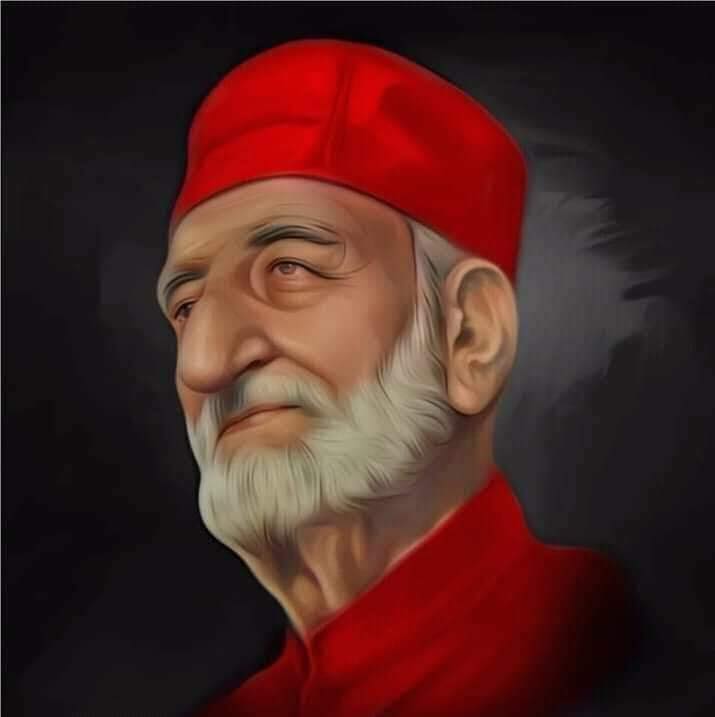
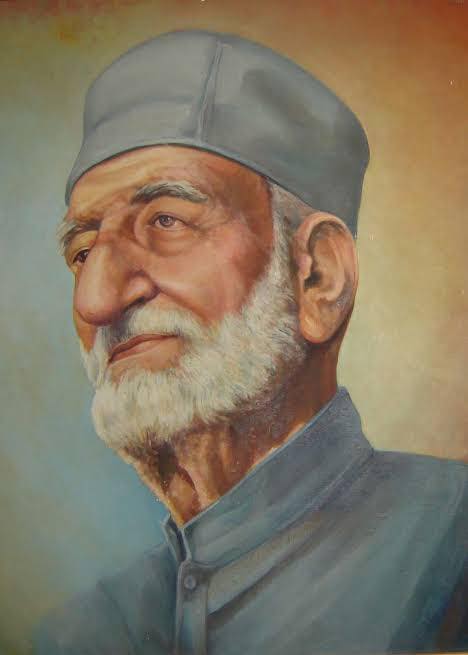
  • باچا خان نے عدم تشدد قرآن سے کیسے سیکھا

    باچا خان، جنہیں خان عبدالغفار خان بھی کہا جاتا ہے، برصغیر کے عظیم ترین رہنماؤں میں سے ایک تھے۔ انہیں دنیا “سرحدی گاندھی” کے نام سے جانتی ہے، مگر حقیقت یہ ہے کہ ان کا فلسفۂ عدم تشدد نہ گاندھی سے آیا تھا اور نہ مغرب سے۔ ان کا اصل سرچشمہ قرآنِ مجید اور سیرتِ رسول ﷺ تھی۔

    باچا خان 1890ء میں ایک مذہبی پشتون گھرانے میں پیدا ہوئے۔ بچپن ہی سے انہوں نے قرآن اور اسلامی تعلیمات کا گہرا مطالعہ کیا۔ وہ اسلام کو صرف عبادات تک محدود نہیں سمجھتے تھے بلکہ اسے ایک مکمل نظامِ زندگی مانتے تھے جو انسان کو صبر، برداشت، عدل اور خدمتِ خلق سکھاتا ہے۔

    جب انہوں نے نبی کریم ﷺ کی زندگی کا مطالعہ کیا تو ایک بات نے ان کے دل پر گہرا اثر ڈالا:
    مکہ کے تیرہ سالہ دور میں شدید ظلم، تشدد اور مخالفت کے باوجود رسول اللہ ﷺ نے کبھی تشدد کا راستہ اختیار نہیں کیا۔

    اسی نقطے نے باچا خان کی فکر کو بدل دیا۔

    وہ خود فرمایا کرتے تھے:

    “میرے لیے عدم تشدد کوئی نئی بات نہیں۔ یہ وہی راستہ ہے جو رسول اللہ ﷺ نے چودہ سو سال پہلے اختیار کیا تھا۔”

    یہ قول تاریخی طور پر مستند ہے اور ان کی فکر کی بنیاد کو واضح کرتا ہے۔

    بعض لوگ کہتے ہیں کہ باچا خان نے چالیس دن کی خلوت اختیار کی تھی جس کے بعد انہیں عدم تشدد کا راستہ ملا۔ اگرچہ اس بات کا کوئی باقاعدہ تاریخی ثبوت موجود نہیں، لیکن یہ حقیقت ہے کہ انہوں نے اپنی زندگی کا بڑا حصہ غور و فکر، مطالعے اور روحانی تربیت میں گزارا۔ ان کا تعلق اسلام سے صرف نام کا نہیں بلکہ عمل کا تھا۔

    باچا خان اس نتیجے پر پہنچے کہ:
    • تشدد نفرت کو جنم دیتا ہے
    • نفرت تباہی کو جنم دیتی ہے
    • اور تباہی قوموں کو برباد کر دیتی ہے

    جبکہ اسلام ہمیں سکھاتا ہے:
    • صبر
    • معافی
    • خدمتِ انسانیت
    • اور انصاف بغیر ظلم کے

    انہی اصولوں پر انہوں نے خدائی خدمتگار تحریک کی بنیاد رکھی۔ اس تحریک کے کارکنوں نے تشدد سے مکمل کنارہ کشی اختیار کی۔ حتیٰ کہ جب قصہ خوانی بازار میں ان پر گولیاں چلائی گئیں، تب بھی انہوں نے جوابی حملہ نہیں کیا۔

    باچا خان کا ماننا تھا کہ اصل طاقت ہتھیار میں نہیں بلکہ کردار میں ہوتی ہے۔ اسی لیے انہوں نے تعلیم کو اپنی جدوجہد کی بنیاد بنایا اور سینکڑوں اسکول قائم کیے تاکہ قوم کو علم اور شعور مل سکے۔

    انہوں نے کبھی اسلام کو نفرت یا جنگ کے لیے استعمال نہیں کیا، بلکہ اسے امن، محبت اور انسانیت کا پیغام بنایا۔ ان کے نزدیک سچا مسلمان وہ ہے جو دوسروں کے لیے فائدہ مند ہو۔

    آخر میں ہم یہ کہہ سکتے ہیں:

    باچا خان نے عدم تشدد گاندھی سے نہیں سیکھا، بلکہ قرآن اور سیرتِ رسول ﷺ سے سیکھا۔
    انہوں نے دنیا کو دکھایا کہ اسلام کمزوری نہیں بلکہ اعلیٰ کردار اور عظیم حوصلے کا نام ہے۔
    باچا خان نے عدم تشدد قرآن سے کیسے سیکھا باچا خان، جنہیں خان عبدالغفار خان بھی کہا جاتا ہے، برصغیر کے عظیم ترین رہنماؤں میں سے ایک تھے۔ انہیں دنیا “سرحدی گاندھی” کے نام سے جانتی ہے، مگر حقیقت یہ ہے کہ ان کا فلسفۂ عدم تشدد نہ گاندھی سے آیا تھا اور نہ مغرب سے۔ ان کا اصل سرچشمہ قرآنِ مجید اور سیرتِ رسول ﷺ تھی۔ باچا خان 1890ء میں ایک مذہبی پشتون گھرانے میں پیدا ہوئے۔ بچپن ہی سے انہوں نے قرآن اور اسلامی تعلیمات کا گہرا مطالعہ کیا۔ وہ اسلام کو صرف عبادات تک محدود نہیں سمجھتے تھے بلکہ اسے ایک مکمل نظامِ زندگی مانتے تھے جو انسان کو صبر، برداشت، عدل اور خدمتِ خلق سکھاتا ہے۔ جب انہوں نے نبی کریم ﷺ کی زندگی کا مطالعہ کیا تو ایک بات نے ان کے دل پر گہرا اثر ڈالا: مکہ کے تیرہ سالہ دور میں شدید ظلم، تشدد اور مخالفت کے باوجود رسول اللہ ﷺ نے کبھی تشدد کا راستہ اختیار نہیں کیا۔ اسی نقطے نے باچا خان کی فکر کو بدل دیا۔ وہ خود فرمایا کرتے تھے: “میرے لیے عدم تشدد کوئی نئی بات نہیں۔ یہ وہی راستہ ہے جو رسول اللہ ﷺ نے چودہ سو سال پہلے اختیار کیا تھا۔” یہ قول تاریخی طور پر مستند ہے اور ان کی فکر کی بنیاد کو واضح کرتا ہے۔ بعض لوگ کہتے ہیں کہ باچا خان نے چالیس دن کی خلوت اختیار کی تھی جس کے بعد انہیں عدم تشدد کا راستہ ملا۔ اگرچہ اس بات کا کوئی باقاعدہ تاریخی ثبوت موجود نہیں، لیکن یہ حقیقت ہے کہ انہوں نے اپنی زندگی کا بڑا حصہ غور و فکر، مطالعے اور روحانی تربیت میں گزارا۔ ان کا تعلق اسلام سے صرف نام کا نہیں بلکہ عمل کا تھا۔ باچا خان اس نتیجے پر پہنچے کہ: • تشدد نفرت کو جنم دیتا ہے • نفرت تباہی کو جنم دیتی ہے • اور تباہی قوموں کو برباد کر دیتی ہے جبکہ اسلام ہمیں سکھاتا ہے: • صبر • معافی • خدمتِ انسانیت • اور انصاف بغیر ظلم کے انہی اصولوں پر انہوں نے خدائی خدمتگار تحریک کی بنیاد رکھی۔ اس تحریک کے کارکنوں نے تشدد سے مکمل کنارہ کشی اختیار کی۔ حتیٰ کہ جب قصہ خوانی بازار میں ان پر گولیاں چلائی گئیں، تب بھی انہوں نے جوابی حملہ نہیں کیا۔ باچا خان کا ماننا تھا کہ اصل طاقت ہتھیار میں نہیں بلکہ کردار میں ہوتی ہے۔ اسی لیے انہوں نے تعلیم کو اپنی جدوجہد کی بنیاد بنایا اور سینکڑوں اسکول قائم کیے تاکہ قوم کو علم اور شعور مل سکے۔ انہوں نے کبھی اسلام کو نفرت یا جنگ کے لیے استعمال نہیں کیا، بلکہ اسے امن، محبت اور انسانیت کا پیغام بنایا۔ ان کے نزدیک سچا مسلمان وہ ہے جو دوسروں کے لیے فائدہ مند ہو۔ آخر میں ہم یہ کہہ سکتے ہیں: باچا خان نے عدم تشدد گاندھی سے نہیں سیکھا، بلکہ قرآن اور سیرتِ رسول ﷺ سے سیکھا۔ انہوں نے دنیا کو دکھایا کہ اسلام کمزوری نہیں بلکہ اعلیٰ کردار اور عظیم حوصلے کا نام ہے۔
    0 Комментарии 0 Поделились 331 Просмотры
  • How Bacha Khan Found Non-Violence from the Qur’an

    Bacha Khan, also known as Khan Abdul Ghaffar Khan, was one of the greatest Muslim leaders of the subcontinent. He is remembered as the man who taught non-violence to one of the most warrior-like societies in the world — the Pashtuns. Many people ask an important question: Where did Bacha Khan get the idea of non-violence from? The answer is simple and powerful: he found it in the Qur’an and the life of Prophet Muhammad ﷺ.

    Bacha Khan was born in 1890 in a deeply religious Pashtun family. From a young age, he studied the Qur’an and Islamic teachings. Unlike many people who only read religion emotionally, Bacha Khan reflected deeply on its meaning. He believed Islam was not just a religion of rituals, but a complete system for building character, justice, and peace.

    When he studied the life of the Prophet Muhammad ﷺ, one thing touched him deeply: the Prophet’s patience and non-violence in Makkah. For 13 years, Muslims were tortured, boycotted, insulted, and attacked — yet the Prophet ﷺ never raised a sword in revenge. Instead, he taught patience, forgiveness, and moral strength.

    Bacha Khan often said:

    “There is nothing surprising in a Muslim or a Pashtun like me believing in non-violence. It is not a new creed. It was followed fourteen hundred years ago by the Prophet Muhammad ﷺ in Makkah.”

    This statement clearly shows that his idea of non-violence did not come from the West or from Gandhi. It came directly from Islam.

    Many people believe that Bacha Khan went into deep study or reflection for a long period and realized that Islam teaches peace before power. While there is no written historical proof of a specific 40-day retreat, it is true that he spent many years in spiritual reflection and learning. His understanding of Islam was deep, thoughtful, and practical.

    He realized something very important:
    • Violence creates fear
    • Fear creates hatred
    • Hatred destroys society

    But Islam teaches:
    • Patience (Sabr)
    • Forgiveness (Afw)
    • Service to humanity (Khidmat)
    • Justice without cruelty

    These values became the foundation of his movement, Khudai Khidmatgar (Servants of God). His followers took an oath of non-violence and discipline. Even when British soldiers opened fire on peaceful protestors in the Qissa Khwani Bazaar massacre, his followers did not retaliate. This shocked the British, because they had never seen unarmed Pashtuns remain peaceful under fire.

    Bacha Khan believed that true bravery is not in holding a gun, but in controlling anger. He taught that education was the real weapon, and character was the real power. That is why he opened hundreds of schools and focused on moral training before politics.

    Unlike many leaders, Bacha Khan never used religion to spread hatred. Instead, he used Islam to teach peace, unity, and service. He believed that a true Muslim is one who benefits humanity, regardless of religion or race.

    In conclusion, Bacha Khan did not borrow non-violence from Gandhi or the West. He discovered it in the Qur’an, in the Seerah of the Prophet ﷺ, and in the true spirit of Islam. His life proved that Islam is not a religion of violence, but a religion of strength, patience, and moral courage.

    His message is still relevant today:

    A nation cannot be changed by weapons, but by education, character, and faith.

    How Bacha Khan Found Non-Violence from the Qur’an Bacha Khan, also known as Khan Abdul Ghaffar Khan, was one of the greatest Muslim leaders of the subcontinent. He is remembered as the man who taught non-violence to one of the most warrior-like societies in the world — the Pashtuns. Many people ask an important question: Where did Bacha Khan get the idea of non-violence from? The answer is simple and powerful: he found it in the Qur’an and the life of Prophet Muhammad ﷺ. Bacha Khan was born in 1890 in a deeply religious Pashtun family. From a young age, he studied the Qur’an and Islamic teachings. Unlike many people who only read religion emotionally, Bacha Khan reflected deeply on its meaning. He believed Islam was not just a religion of rituals, but a complete system for building character, justice, and peace. When he studied the life of the Prophet Muhammad ﷺ, one thing touched him deeply: the Prophet’s patience and non-violence in Makkah. For 13 years, Muslims were tortured, boycotted, insulted, and attacked — yet the Prophet ﷺ never raised a sword in revenge. Instead, he taught patience, forgiveness, and moral strength. Bacha Khan often said: “There is nothing surprising in a Muslim or a Pashtun like me believing in non-violence. It is not a new creed. It was followed fourteen hundred years ago by the Prophet Muhammad ﷺ in Makkah.” This statement clearly shows that his idea of non-violence did not come from the West or from Gandhi. It came directly from Islam. Many people believe that Bacha Khan went into deep study or reflection for a long period and realized that Islam teaches peace before power. While there is no written historical proof of a specific 40-day retreat, it is true that he spent many years in spiritual reflection and learning. His understanding of Islam was deep, thoughtful, and practical. He realized something very important: • Violence creates fear • Fear creates hatred • Hatred destroys society But Islam teaches: • Patience (Sabr) • Forgiveness (Afw) • Service to humanity (Khidmat) • Justice without cruelty These values became the foundation of his movement, Khudai Khidmatgar (Servants of God). His followers took an oath of non-violence and discipline. Even when British soldiers opened fire on peaceful protestors in the Qissa Khwani Bazaar massacre, his followers did not retaliate. This shocked the British, because they had never seen unarmed Pashtuns remain peaceful under fire. Bacha Khan believed that true bravery is not in holding a gun, but in controlling anger. He taught that education was the real weapon, and character was the real power. That is why he opened hundreds of schools and focused on moral training before politics. Unlike many leaders, Bacha Khan never used religion to spread hatred. Instead, he used Islam to teach peace, unity, and service. He believed that a true Muslim is one who benefits humanity, regardless of religion or race. In conclusion, Bacha Khan did not borrow non-violence from Gandhi or the West. He discovered it in the Qur’an, in the Seerah of the Prophet ﷺ, and in the true spirit of Islam. His life proved that Islam is not a religion of violence, but a religion of strength, patience, and moral courage. His message is still relevant today: A nation cannot be changed by weapons, but by education, character, and faith.

    0 Комментарии 0 Поделились 73 Просмотры
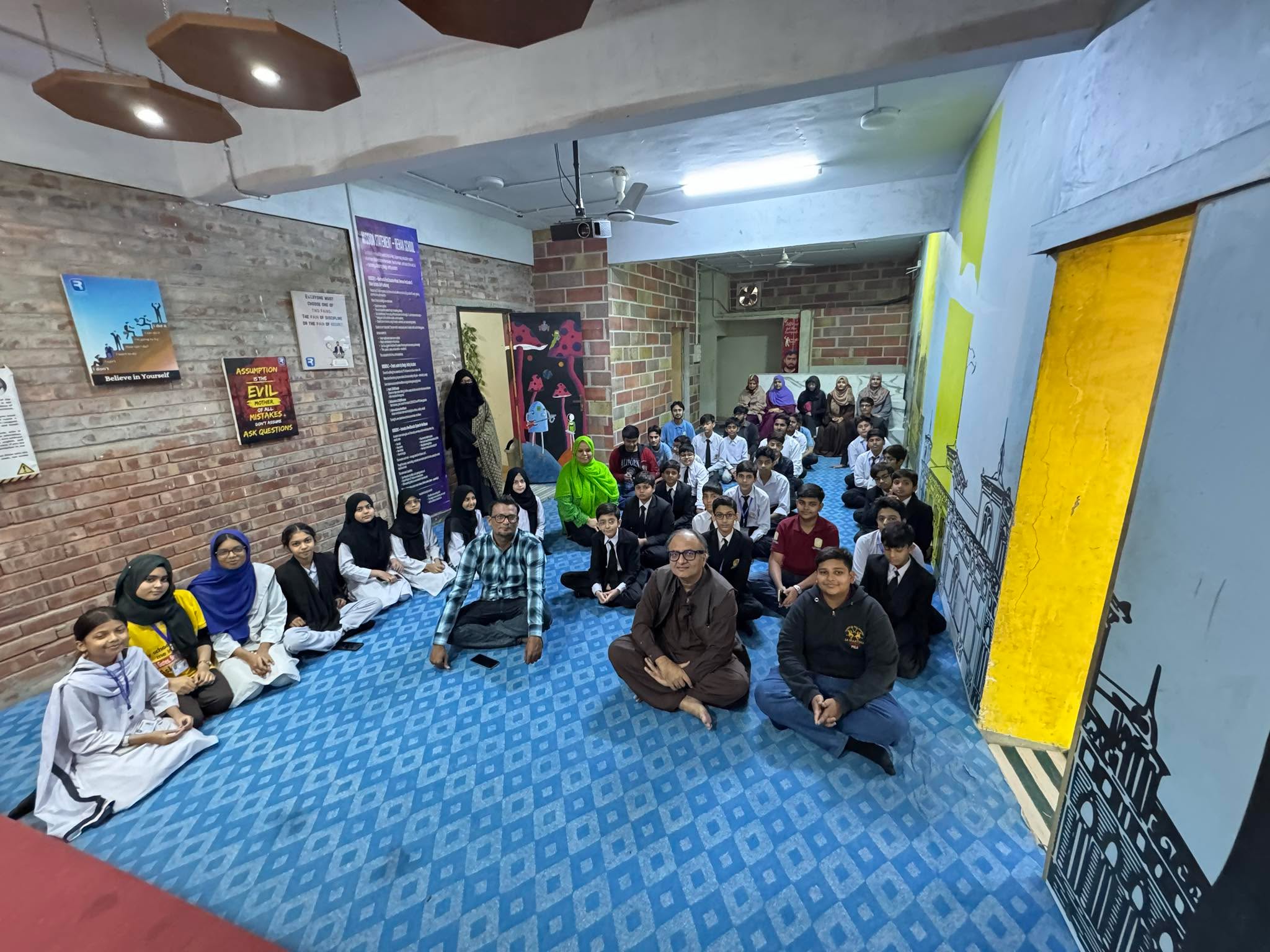
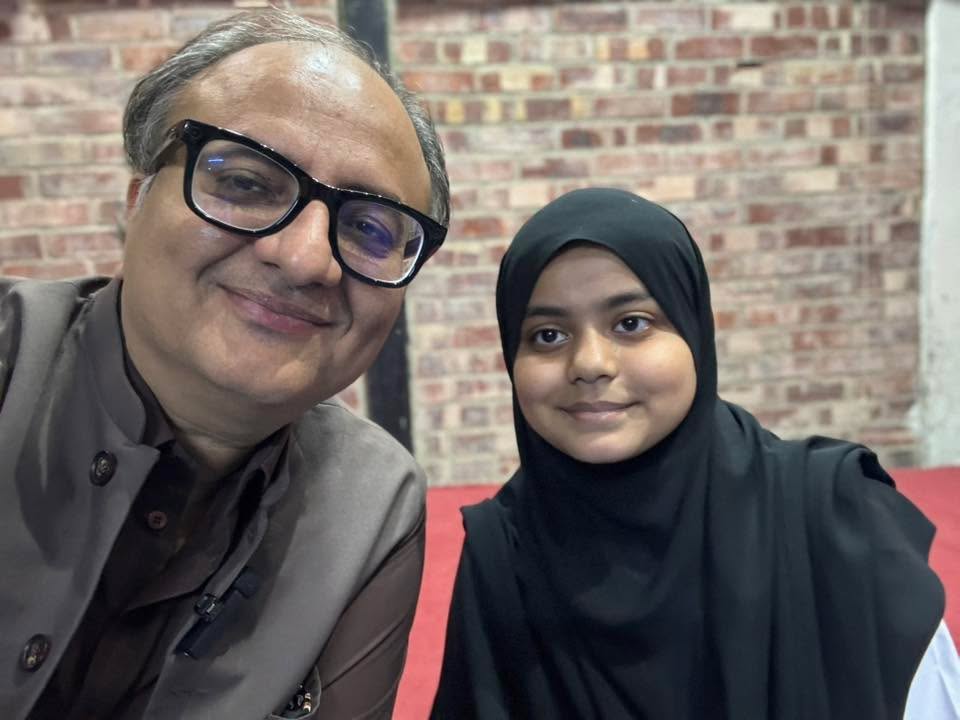
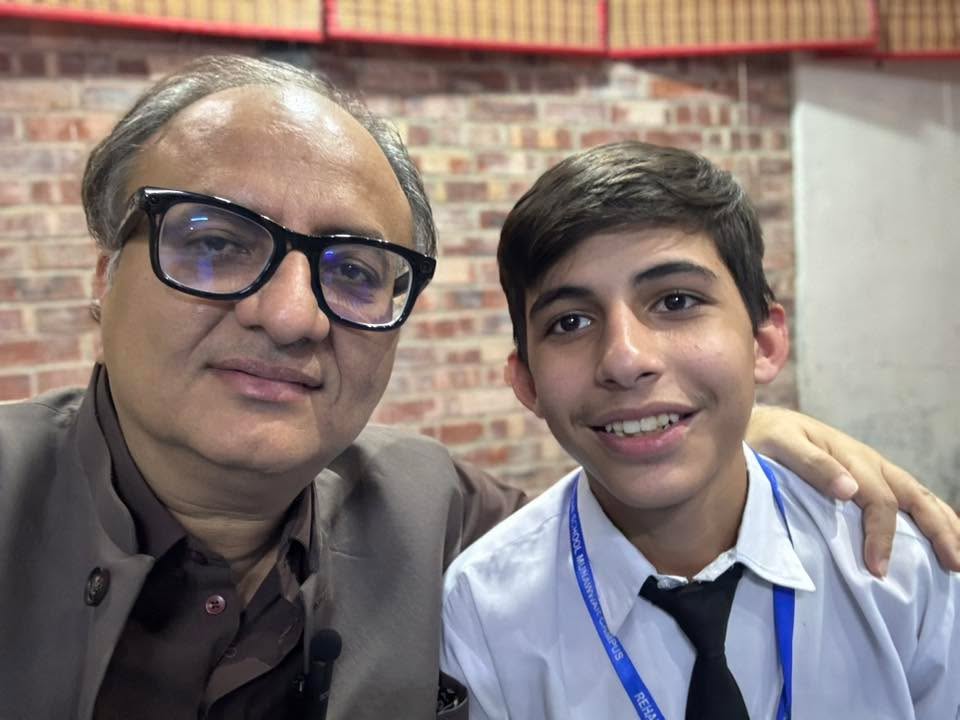
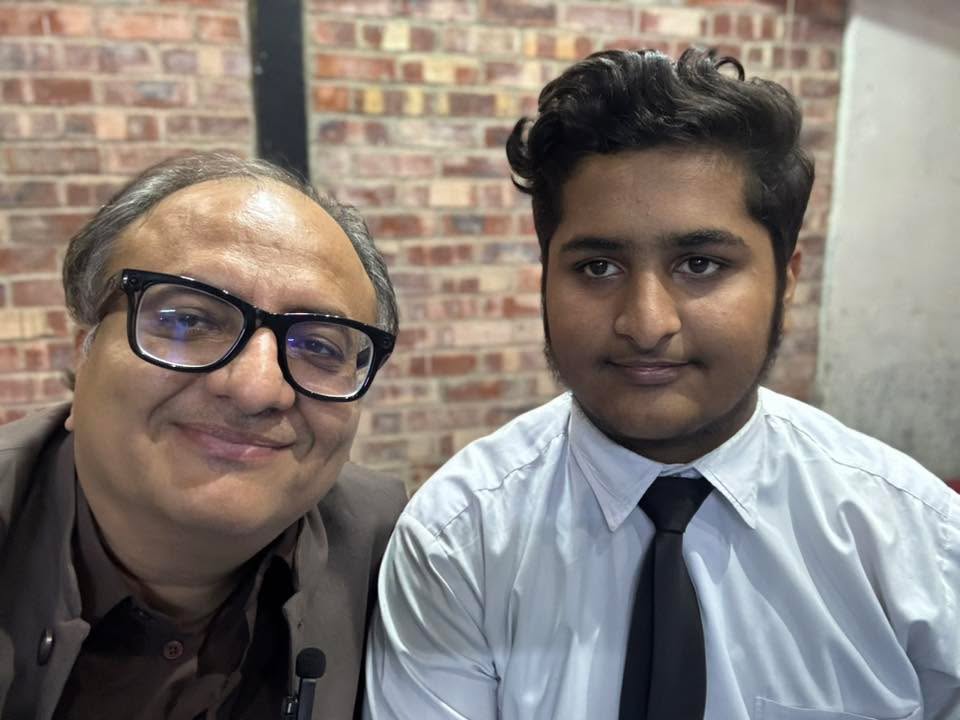
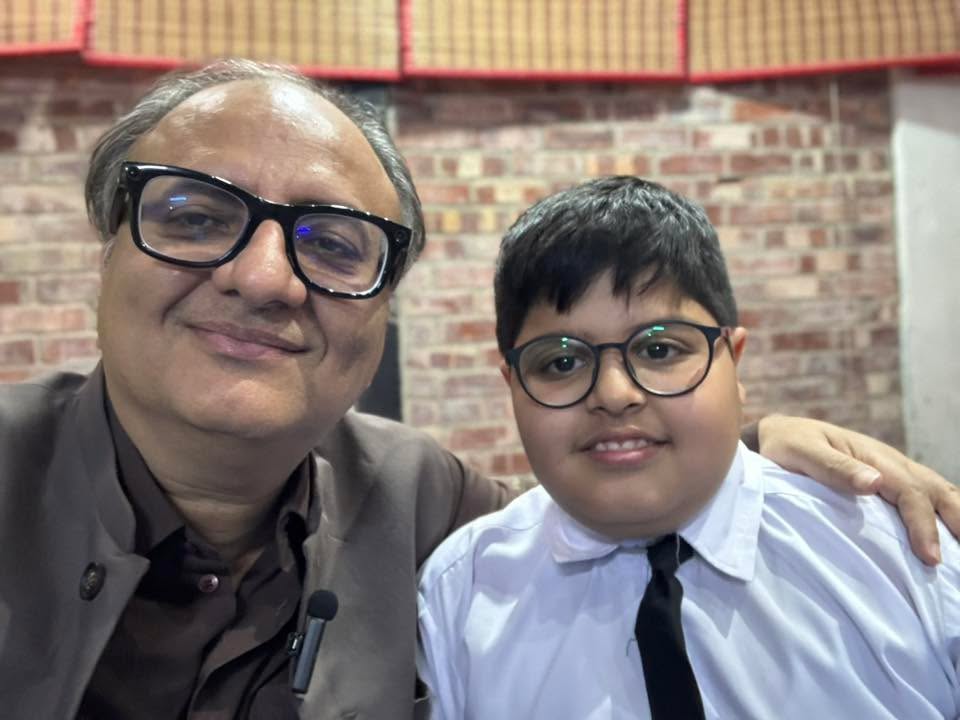
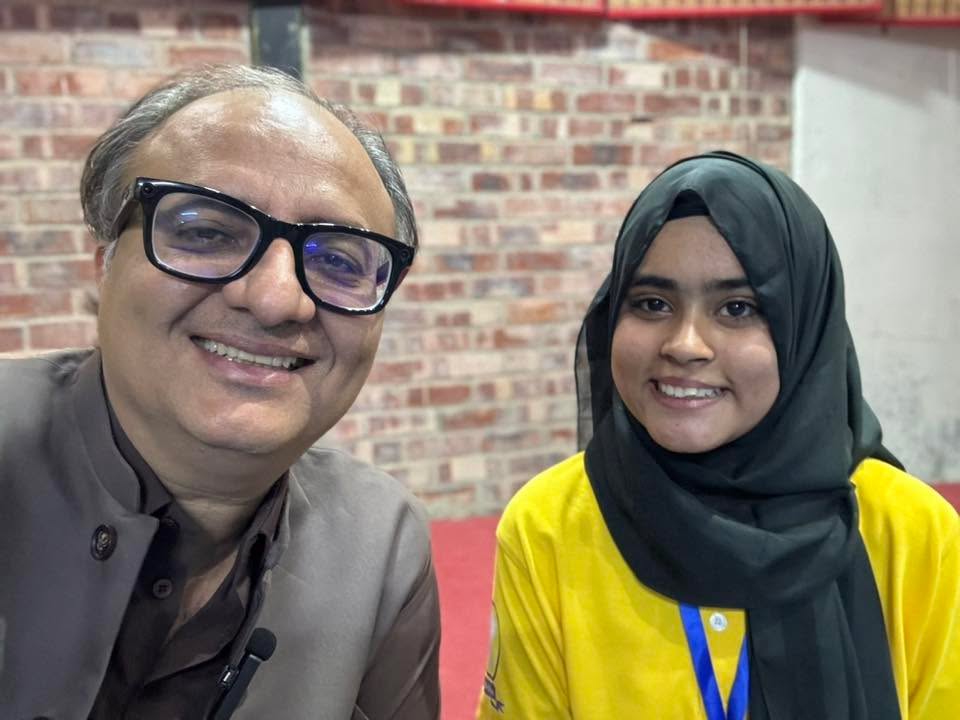
  • Honored to meet these future leaders today at Rehan School Munawwar Campus

    Welcome aboard !
    Honored to meet these future leaders today at Rehan School Munawwar Campus Welcome aboard !
    0 Комментарии 0 Поделились 13 Просмотры
  • 0 Комментарии 0 Поделились 13 Просмотры
  • 0 Комментарии 0 Поделились 13 Просмотры
  • 0 Комментарии 0 Поделились 13 Просмотры
  • 0 Комментарии 0 Поделились 13 Просмотры
  • 0 Комментарии 0 Поделились 13 Просмотры