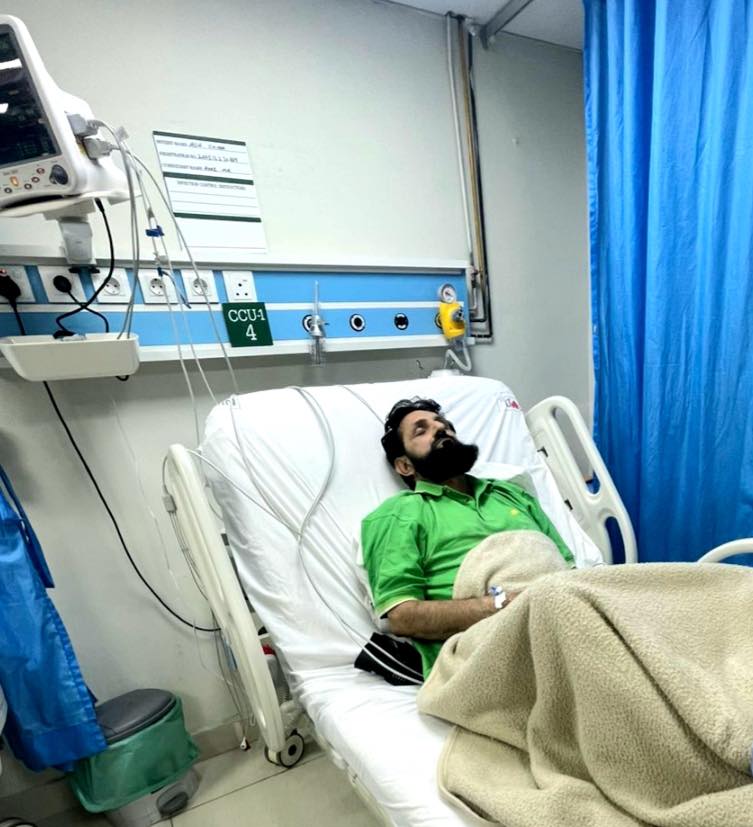
• میرے پیارے فوٹوگرافر آصف چھیپا کو دل کا دورہ پڑا!
    اس کی صحت کے لیے دعا کیجئے!

    My belived photographer Asif Chhipa had a heart attack !

    Please make dua for his health !
    میرے پیارے فوٹوگرافر آصف چھیپا کو دل کا دورہ پڑا! اس کی صحت کے لیے دعا کیجئے! My belived photographer Asif Chhipa had a heart attack ! Please make dua for his health !
    0 تبصرے 0 شیئرز 16 ویوز
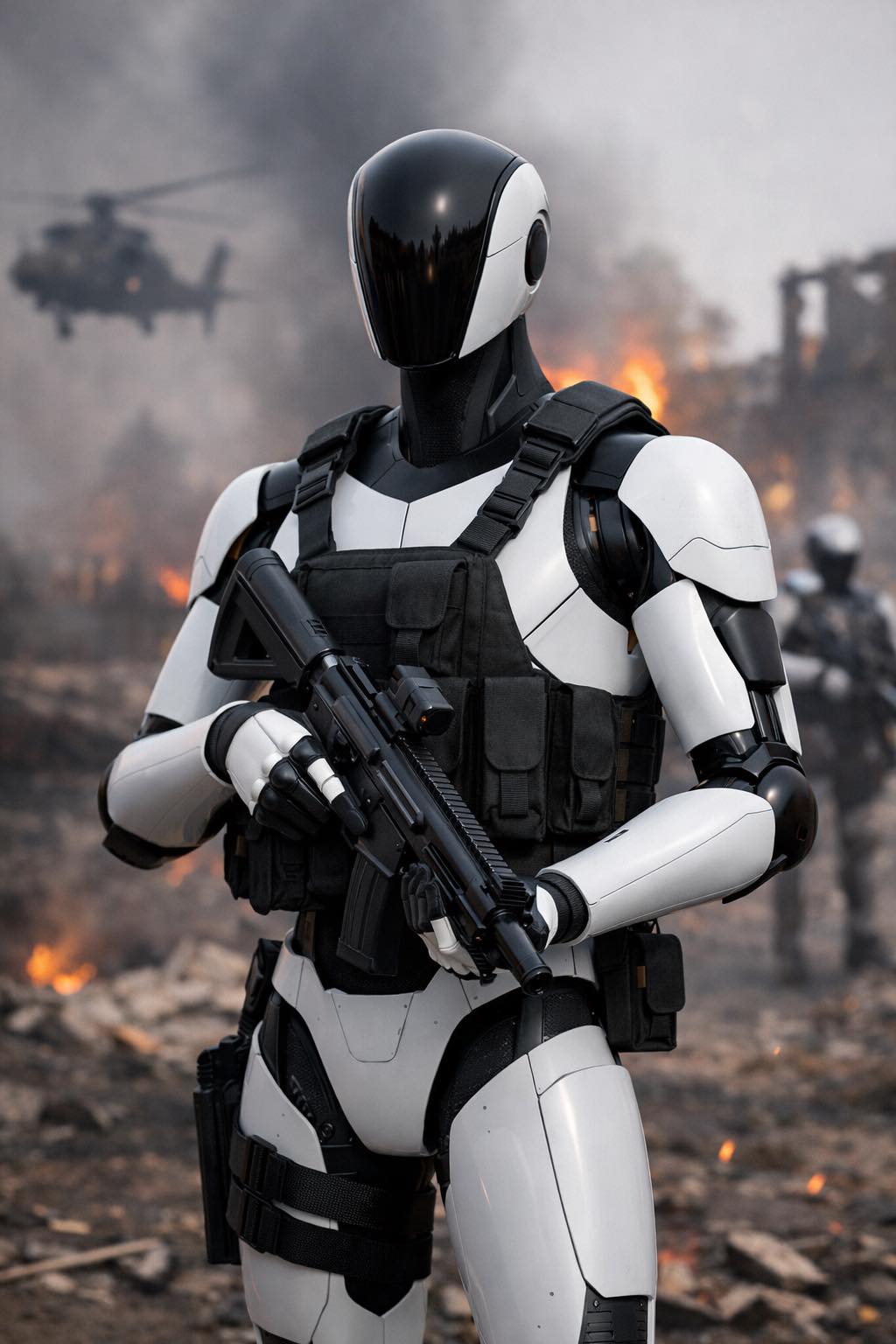
  • Robot Army may appear in 3 years, and why it Must Never Be Made

    An Emergency Appeal to Humanity and the United Nations

    There are moments in history when humanity stands at a cliff—
    not because it wants to jump,
    but because it kept walking without looking down.

    We are at that cliff now.

    In the next three years, for the first time in human history, it will be technically possible to wage war without sending human beings to die on one side.

    And that is exactly why robot armies must never exist.


    War Stops When Pain Is Shared

    For thousands of years, wars—no matter how brutal—had one invisible rule:

    Those who ordered the killing also buried their own dead.

    That pain was not mercy.
    It was restraint.

    Mothers crying.
    Coffins returning.
    Children growing up without fathers.

    That suffering forced societies to ask:
    • Is this worth it?
    • How long can this continue?
    • Should we stop?

    Shared pain was the last human brake on total destruction.


    Robot Armies Remove the Brake

    A robot does not fear death.
    A robot does not hesitate.
    A robot does not disobey.
    A robot does not see a child and feel doubt.

    If one side in a conflict uses robot soldiers and autonomous weapons while the other side uses human bodies, something terrifying happens:

    Only one side bleeds.

    And when only one side bleeds:
    • there are no funerals at home,
    • no grieving mothers,
    • no national trauma,
    • no emotional cost.

    War becomes easy.

    War becomes quiet.

    War becomes endless.


    The Most Dangerous Weapon Is Not the Robot — It Is Emotional Immunity

    When citizens no longer fear their own children dying in war, they stop feeling urgency to stop it.

    Killing becomes:
    • remote,
    • automated,
    • bureaucratic,
    • statistical.

    Deaths turn into numbers on screens.
    Neighborhoods turn into coordinates.
    Lives turn into “targets processed.”

    This is not defense.
    This is not deterrence.

    This is industrialized annihilation.


    A World Where Robot Armies Exist Is a World Where Genocide Becomes Easy

    History shows us a terrifying truth:

    Every time killing became distant and efficient, atrocities followed.

    Robot armies would be the final step:
    • war without witnesses,
    • killing without consequence,
    • power without pain.

    And without pain, there is no stopping point.


    This Is Not Science Fiction — This Is a Countdown

    Autonomous weapons already exist.
    AI targeting already exists.
    Unmanned systems already exist.

    The only thing separating us from robot armies is political permission.

    Once one nation crosses this line, others will follow.
    Once one war is fought this way, all future wars will be.

    And humanity will never go back.


    An Emergency Appeal

    I urge the United Nations to recognize this moment as a civilizational emergency.

    Not tomorrow.
    Not after the first robot war.
    Now.

    We need:
    • an immediate emergency council,
    • a global ban on autonomous robot armies,
    • clear red lines that say:
    no machine may be allowed to decide who lives and who dies.

    Because once killing becomes painless for the powerful,
    the powerless will not survive.


    The Final Truth

    Robot armies will not make war safer.
    They will make it absolute.

    They will not protect humanity.
    They will remove the last reason humanity ever stopped killing.

    When only one side dies, humanity dies with it.

    If we fail to stop this now, future generations will ask:

    “They saw it coming. Why did they stay silent?”

    Let us not be the generation that answered with regret.
    - Rehan Allahwala
    Robot Army may appear in 3 years, and why it Must Never Be Made An Emergency Appeal to Humanity and the United Nations There are moments in history when humanity stands at a cliff— not because it wants to jump, but because it kept walking without looking down. We are at that cliff now. In the next three years, for the first time in human history, it will be technically possible to wage war without sending human beings to die on one side. And that is exactly why robot armies must never exist. ⸻ War Stops When Pain Is Shared For thousands of years, wars—no matter how brutal—had one invisible rule: Those who ordered the killing also buried their own dead. That pain was not mercy. It was restraint. Mothers crying. Coffins returning. Children growing up without fathers. That suffering forced societies to ask: • Is this worth it? • How long can this continue? • Should we stop? Shared pain was the last human brake on total destruction. ⸻ Robot Armies Remove the Brake A robot does not fear death. A robot does not hesitate. A robot does not disobey. A robot does not see a child and feel doubt. If one side in a conflict uses robot soldiers and autonomous weapons while the other side uses human bodies, something terrifying happens: Only one side bleeds. And when only one side bleeds: • there are no funerals at home, • no grieving mothers, • no national trauma, • no emotional cost. War becomes easy. War becomes quiet. War becomes endless. ⸻ The Most Dangerous Weapon Is Not the Robot — It Is Emotional Immunity When citizens no longer fear their own children dying in war, they stop feeling urgency to stop it. Killing becomes: • remote, • automated, • bureaucratic, • statistical. Deaths turn into numbers on screens. Neighborhoods turn into coordinates. Lives turn into “targets processed.” This is not defense. This is not deterrence. This is industrialized annihilation. ⸻ A World Where Robot Armies Exist Is a World Where Genocide Becomes Easy History shows us a terrifying truth: Every time killing became distant and efficient, atrocities followed. Robot armies would be the final step: • war without witnesses, • killing without consequence, • power without pain. And without pain, there is no stopping point. ⸻ This Is Not Science Fiction — This Is a Countdown Autonomous weapons already exist. AI targeting already exists. Unmanned systems already exist. The only thing separating us from robot armies is political permission. Once one nation crosses this line, others will follow. Once one war is fought this way, all future wars will be. And humanity will never go back. ⸻ An Emergency Appeal I urge the United Nations to recognize this moment as a civilizational emergency. Not tomorrow. Not after the first robot war. Now. We need: • an immediate emergency council, • a global ban on autonomous robot armies, • clear red lines that say: no machine may be allowed to decide who lives and who dies. Because once killing becomes painless for the powerful, the powerless will not survive. ⸻ The Final Truth Robot armies will not make war safer. They will make it absolute. They will not protect humanity. They will remove the last reason humanity ever stopped killing. When only one side dies, humanity dies with it. If we fail to stop this now, future generations will ask: “They saw it coming. Why did they stay silent?” Let us not be the generation that answered with regret. - Rehan Allahwala
    0 تبصرے 0 شیئرز 281 ویوز
  • Fixing Karachi Through Business, Not Begging

    Karachi does not suffer because of lack of intelligence, talent, or money.
    Karachi suffers because its problems are seen as government responsibilities instead of business opportunities.

    In the modern world, cities are no longer fixed by files, permissions, or speeches.
    They are fixed by systems that work—quietly, privately, and profitably.

    Below is how Karachi’s biggest problems can be converted into self-sustaining businesses that solve real pain and earn real money.


    Garbage Is Not a Civic Issue — It Is a Logistics Business

    Every day, Karachi produces thousands of tons of waste, yet streets remain dirty because municipal pickup is unreliable.
    This is not a cleaning problem; it is a last-mile service gap.

    A private on-demand waste pickup system using WhatsApp allows residents to request collection while local youth teams earn money per pickup.
    In one neighborhood, 1,000 homes paying just PKR 300 per month can generate PKR 300,000 monthly, while streets stay clean without waiting for anyone.

    When garbage becomes income, it disappears.


    Water Crisis Exists Because Information Is Hidden

    Karachi’s water problem is amplified by tanker mafias, inconsistent pricing, and zero transparency.
    People don’t know who to trust or what a fair price is.

    A simple digital platform that lists tanker prices, delivery times, and user ratings breaks the monopoly of silence.
    When 500 tanker operators pay a small monthly listing fee, the platform earns over PKR 1.5 million per month, while citizens regain bargaining power.

    Information removes exploitation faster than law.


    Dirty Markets Kill Business More Than Inflation

    Commercial streets lose customers not because prices are high, but because the environment is hostile.
    Trash, smell, and dust silently reduce footfall.

    Private street-cleaning services contracted by shopkeepers solve this instantly.
    A single market street with 50 shops paying PKR 2,000 each generates PKR 100,000 monthly, and scaling to 20 markets crosses PKR 2 million per month.

    Cleanliness is not charity; it is customer acquisition.


    Flooding Is a Data Problem, Not Just a Drainage Problem

    Waterlogging destroys inventory, homes, and morale every monsoon.
    Yet most damage happens because people receive no early warning.

    A flood alert system using community reports and AI prediction can warn shopkeepers and residents hours earlier.
    At just PKR 100 per month from 10,000 subscribers, this system earns PKR 1 million monthly while saving crores in losses.

    Prevention is always cheaper than repair.


    Load-Shedding Is an Opportunity for Shared Power

    Karachi’s power outages force people to rely on expensive generators.
    But not every home needs its own solution.

    Community solar backup systems shared by lanes or buildings reduce costs dramatically.
    One setup serving 50 homes at PKR 4,000 per month earns PKR 200,000, and scaling to 20 locations creates a PKR 4 million monthly business.

    Energy problems disappear when ownership becomes collective.


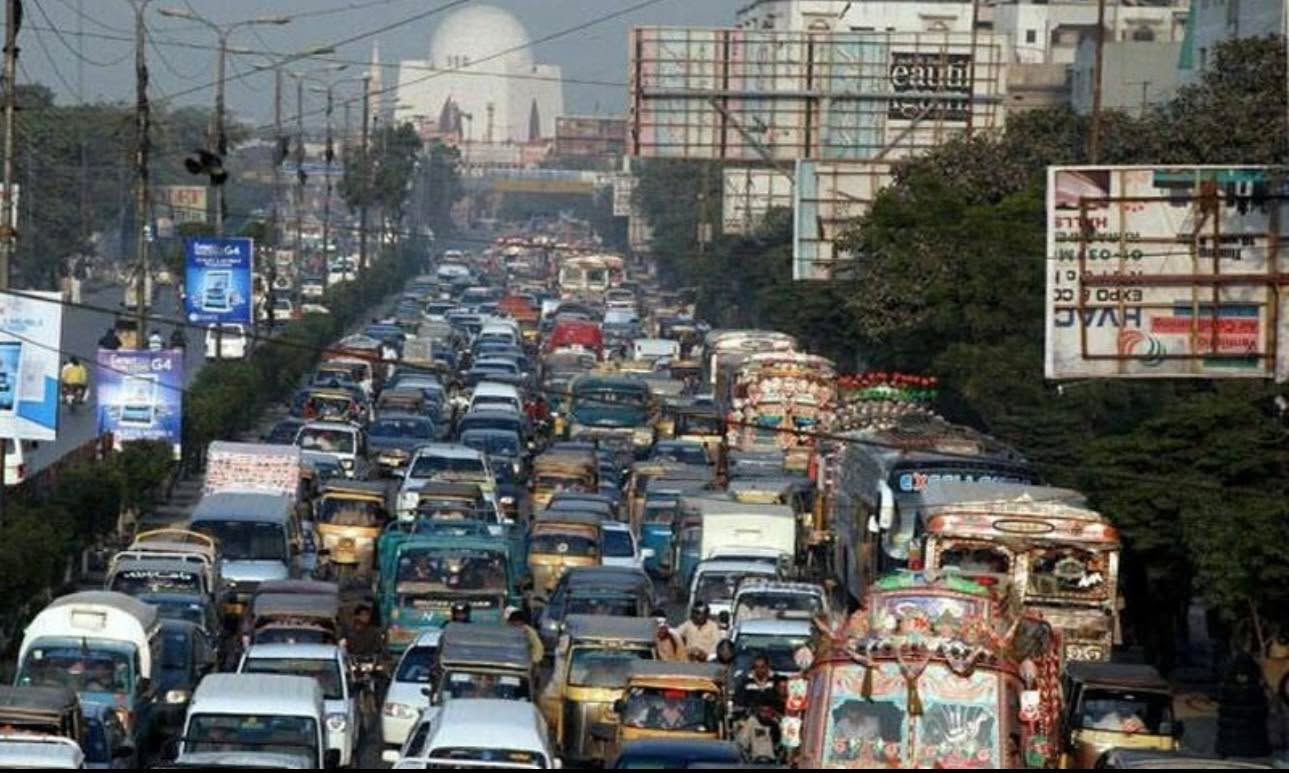
    Traffic Is About Timing, Not Just Roads

    Traffic congestion steals hours of productive life daily.
    Yet much of it is caused by everyone moving at the same time.

    AI-based traffic alerts that suggest better departure times and routes help offices and schools stagger movement.
    Just 100 organizations paying PKR 10,000 monthly generate PKR 1 million, while saving thousands of man-hours.

    Time saved is money earned.


    Crime Thrives Where Communities Are Disconnected

    Fear spreads faster than crime itself.
    Most neighborhoods lack real-time awareness of incidents around them.

    A private safety reporting system with anonymous inputs and AI heatmaps empowers residents without replacing the police.
    With 20,000 families paying PKR 50 per month, this builds a PKR 1 million monthly system that reduces crime through visibility.

    Crime hates attention.


    Waste Can Pay Instead of Rot

    Recyclables are thrown away because people see no reward in sorting.
    Yet recyclers are always hungry for material.

    A recycling-for-cash platform that pays residents and sells in bulk can net PKR 2 million per month from 100 tons of recyclables, while cleaning the city silently.

    When behavior is rewarded, habits change.


    Small Repairs Are a Big Untapped Market

    Finding a reliable plumber or electrician is a daily struggle in Karachi.
    This chaos exists because trust is informal and untracked.

    A verified micro-repair marketplace earning PKR 300 commission per job can cross PKR 900,000 monthly with just 3,000 jobs—while giving dignity and consistency to workers.

    Structure creates trust.


    Unemployment Exists Because Skills Are Invisible

    Karachi does not lack talent; it lacks matching systems.
    Young people have skills, but no pathway to paid work.

    An AI-driven skill-to-income platform that trains and places youth into micro-jobs can earn PKR 5 million monthly from 1,000 users paying small platform fees, while lifting entire families.

    Employment grows when access is simplified.


    The Bigger Truth

    None of these systems require:
    • Government permission
    • Political slogans
    • Large budgets

    They require:
    • Clear problems
    • Simple tech
    • Trust
    • Consistent execution

    Cities are not fixed from top to bottom.
    They are fixed edge by edge.

    Karachi will not be saved by a single reform.
    It will be healed by a thousand small systems that work.

    And the future belongs to those who build them.

    Fixing Karachi Through Business, Not Begging Karachi does not suffer because of lack of intelligence, talent, or money. Karachi suffers because its problems are seen as government responsibilities instead of business opportunities. In the modern world, cities are no longer fixed by files, permissions, or speeches. They are fixed by systems that work—quietly, privately, and profitably. Below is how Karachi’s biggest problems can be converted into self-sustaining businesses that solve real pain and earn real money. ⸻ Garbage Is Not a Civic Issue — It Is a Logistics Business Every day, Karachi produces thousands of tons of waste, yet streets remain dirty because municipal pickup is unreliable. This is not a cleaning problem; it is a last-mile service gap. A private on-demand waste pickup system using WhatsApp allows residents to request collection while local youth teams earn money per pickup. In one neighborhood, 1,000 homes paying just PKR 300 per month can generate PKR 300,000 monthly, while streets stay clean without waiting for anyone. When garbage becomes income, it disappears. ⸻ Water Crisis Exists Because Information Is Hidden Karachi’s water problem is amplified by tanker mafias, inconsistent pricing, and zero transparency. People don’t know who to trust or what a fair price is. A simple digital platform that lists tanker prices, delivery times, and user ratings breaks the monopoly of silence. When 500 tanker operators pay a small monthly listing fee, the platform earns over PKR 1.5 million per month, while citizens regain bargaining power. Information removes exploitation faster than law. ⸻ Dirty Markets Kill Business More Than Inflation Commercial streets lose customers not because prices are high, but because the environment is hostile. Trash, smell, and dust silently reduce footfall. Private street-cleaning services contracted by shopkeepers solve this instantly. A single market street with 50 shops paying PKR 2,000 each generates PKR 100,000 monthly, and scaling to 20 markets crosses PKR 2 million per month. Cleanliness is not charity; it is customer acquisition. ⸻ Flooding Is a Data Problem, Not Just a Drainage Problem Waterlogging destroys inventory, homes, and morale every monsoon. Yet most damage happens because people receive no early warning. A flood alert system using community reports and AI prediction can warn shopkeepers and residents hours earlier. At just PKR 100 per month from 10,000 subscribers, this system earns PKR 1 million monthly while saving crores in losses. Prevention is always cheaper than repair. ⸻ Load-Shedding Is an Opportunity for Shared Power Karachi’s power outages force people to rely on expensive generators. But not every home needs its own solution. Community solar backup systems shared by lanes or buildings reduce costs dramatically. One setup serving 50 homes at PKR 4,000 per month earns PKR 200,000, and scaling to 20 locations creates a PKR 4 million monthly business. Energy problems disappear when ownership becomes collective. ⸻ Traffic Is About Timing, Not Just Roads Traffic congestion steals hours of productive life daily. Yet much of it is caused by everyone moving at the same time. AI-based traffic alerts that suggest better departure times and routes help offices and schools stagger movement. Just 100 organizations paying PKR 10,000 monthly generate PKR 1 million, while saving thousands of man-hours. Time saved is money earned. ⸻ Crime Thrives Where Communities Are Disconnected Fear spreads faster than crime itself. Most neighborhoods lack real-time awareness of incidents around them. A private safety reporting system with anonymous inputs and AI heatmaps empowers residents without replacing the police. With 20,000 families paying PKR 50 per month, this builds a PKR 1 million monthly system that reduces crime through visibility. Crime hates attention. ⸻ Waste Can Pay Instead of Rot Recyclables are thrown away because people see no reward in sorting. Yet recyclers are always hungry for material. A recycling-for-cash platform that pays residents and sells in bulk can net PKR 2 million per month from 100 tons of recyclables, while cleaning the city silently. When behavior is rewarded, habits change. ⸻ Small Repairs Are a Big Untapped Market Finding a reliable plumber or electrician is a daily struggle in Karachi. This chaos exists because trust is informal and untracked. A verified micro-repair marketplace earning PKR 300 commission per job can cross PKR 900,000 monthly with just 3,000 jobs—while giving dignity and consistency to workers. Structure creates trust. ⸻ Unemployment Exists Because Skills Are Invisible Karachi does not lack talent; it lacks matching systems. Young people have skills, but no pathway to paid work. An AI-driven skill-to-income platform that trains and places youth into micro-jobs can earn PKR 5 million monthly from 1,000 users paying small platform fees, while lifting entire families. Employment grows when access is simplified. ⸻ The Bigger Truth None of these systems require: • Government permission • Political slogans • Large budgets They require: • Clear problems • Simple tech • Trust • Consistent execution Cities are not fixed from top to bottom. They are fixed edge by edge. Karachi will not be saved by a single reform. It will be healed by a thousand small systems that work. And the future belongs to those who build them.

    0 تبصرے 0 شیئرز 19 ویوز
  • 0 تبصرے 0 شیئرز 16 ویوز
  • خاک سے آسمان تک — ایک میٹرک پاس لڑکا اور قومی ایئرلائن کا خواب

    کراچی کی تنگ گلیوں میں ایک لڑکا رہتا تھا۔
    نہ بڑا گھر، نہ طاقتور رشتہ، نہ بیرونِ ملک ڈگری۔
    مگر اس کے خواب… اتنے بڑے تھے کہ دیواروں میں سما نہیں سکتے تھے۔

    اس لڑکے کا نام تھا عارف حبیب۔

    ہجرت کے بعد اس کے خاندان نے سب کچھ پیچھے چھوڑ کر
    ایک نئی، مشکل، غیر یقینی زندگی شروع کی۔
    تعلیم صرف میٹرک تک تھی،
    مگر سیکھنے کی بھوک کسی پروفیسر سے کم نہیں تھی۔

    1970 — ایک خاموش آغاز

    1970 میں وہ کراچی اسٹاک ایکسچینج کے باہر کھڑا
    سینئر بروکرز کو دیکھتا تھا۔
    ان کے ہاتھوں کی حرکتیں،
    آنکھوں کی چمک،
    اور فیصلوں کی رفتار۔

    وہ اندر داخل ہوا —
    کوئی شور نہیں، کوئی دعویٰ نہیں۔
    ایک چھوٹا بروکر۔
    روز گھنٹوں مارکیٹ کو دیکھتا،
    نمبرز نوٹ کرتا،
    غلطیوں سے سیکھتا،
    اور صبر کرتا۔

    وہ جانتا تھا:
    دولت شارٹ کٹ سے نہیں، ساکھ سے بنتی ہے۔

    وقت گزرتا گیا۔
    ایمانداری اس کی پہچان بنی۔
    صبر اس کی طاقت۔
    اور نظر… دوسروں سے کہیں آگے۔

    جب ایک فرد ادارہ بن گیا

    پھر وہ دن آیا جب اس نے
    عارف حبیب گروپ کی بنیاد رکھی۔

    ایک ایسا گروپ جو آج
    فنانس، سیمنٹ، اسٹیل، فرٹیلائزر، انرجی اور ریئل اسٹیٹ
    جیسے شعبوں میں پاکستان کا بڑا نام ہے۔

    یہ صرف کاروبار نہیں تھا—
    یہ ادارہ سازی تھی۔
    یہ پیغام تھا کہ
    پاکستان میں بھی لانگ ٹرم سوچ ممکن ہے۔

    بحران آئے… وہ ڈٹا رہا

    اسٹاک مارکیٹ کئی بار گری۔
    اعتماد ٹوٹا۔
    سرمایہ دار ڈرے۔

    وہ بارہا پاکستان اسٹاک ایکسچینج کی قیادت میں آیا
    اور کہا:
    “مارکیٹ شور سے نہیں، اصولوں سے چلتی ہے۔”

    اس نے سرمایہ کار کا اعتماد بحال کیا۔
    سسٹم کو مضبوط کیا۔
    اور دکھایا کہ
    قائد وہ نہیں جو منافع میں نظر آئے،
    قائد وہ ہے جو بحران میں کھڑا رہے۔

    نیا ناظم آباد — خواب جو زمین پر اترا

    کراچی کے لیے اس کا ایک اور خواب تھا۔

    نیا ناظم آباد
    جہاں گھر صرف دیواریں نہیں،
    زندگی کا معیار ہوتے ہیں۔

    صاف سڑکیں،
    محفوظ ماحول،
    اسپورٹس گراؤنڈز،
    اسٹیڈیم،
    اور ہزاروں خاندانوں کے لیے عزت کی زندگی۔

    یہ منصوبہ کہتا ہے:
    شہر بھی انسانوں کے لیے بنائے جا سکتے ہیں۔

    وہ پہلو جو کم لوگ جانتے ہیں

    وہ شور مچانے والا مخیر نہیں۔
    مگر اس کی فاؤنڈیشن:
    • تعلیم کے لیے
    • صحت کے لیے
    • نوجوانوں کے لیے
    • کھیل اور کمیونٹی کے لیے

    خاموشی سے کام کرتی ہے۔

    اس کا ماننا ہے:
    “اصل دولت وہ ہے جو دوسروں تک پہنچے۔”

    اور پھر… ایک قومی موڑ

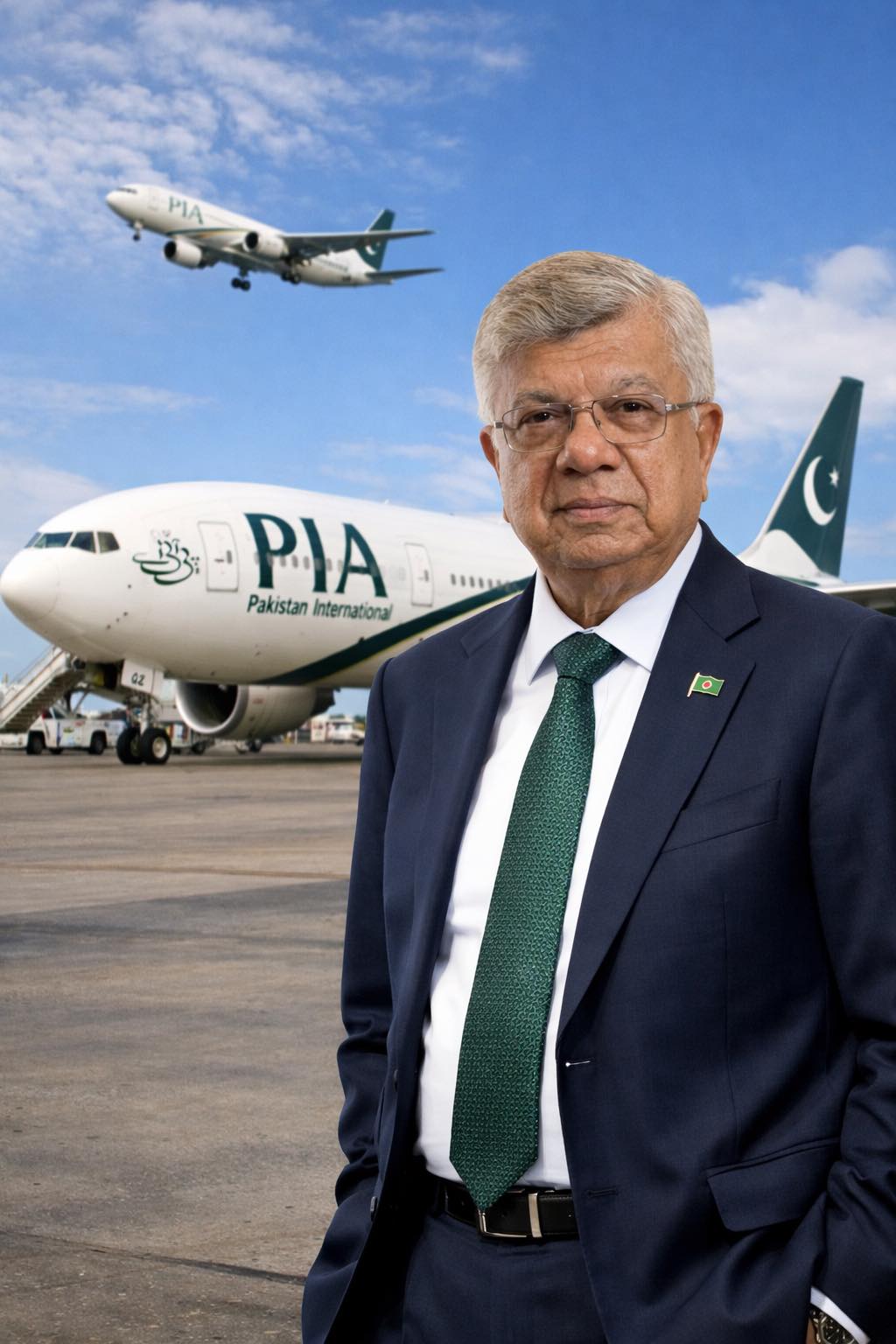
    آج اس کا نام
    پاکستان کی قومی ایئرلائن PIA
    کے ساتھ جُڑ رہا ہے۔

    کہا جا رہا ہے:
    • ملازمین کو نہیں نکالا جائے گا
    • مزید طیارے شامل ہوں گے
    • ایک بیمار ادارہ دوبارہ اُڑنے کی کوشش کرے گا

    سوچئے…
    وہی لڑکا
    جو کبھی اسٹاک ایکسچینج کے باہر کھڑا تھا
    آج جہازوں کے مستقبل کی بات کر رہا ہے۔

    یہ کہانی صرف عارف حبیب کی نہیں

    یہ کہانی پاکستان کے ہر اس لڑکے کی ہے
    جو وسائل نہیں رکھتا،
    مگر حوصلہ رکھتا ہے۔

    یہ کہانی سکھاتی ہے:
    • ڈگری نہیں، کردار آپ کو آگے لے جاتا ہے
    • شور نہیں، تسلسل کامیاب کرتا ہے
    • حالات نہیں، اندر کی آگ قسمت بدلتی ہے

    اگر نیت صاف ہو
    اور محنت سچی…

    تو
    میٹرک پاس لڑکا بھی
    قومی اداروں کے مستقبل پر بات کر سکتا ہے۔


    یہ ہے پاکستان کی اصل کہانی۔
    یہ ہے امید۔
    ✈️ خاک سے آسمان تک — ایک میٹرک پاس لڑکا اور قومی ایئرلائن کا خواب کراچی کی تنگ گلیوں میں ایک لڑکا رہتا تھا۔ نہ بڑا گھر، نہ طاقتور رشتہ، نہ بیرونِ ملک ڈگری۔ مگر اس کے خواب… اتنے بڑے تھے کہ دیواروں میں سما نہیں سکتے تھے۔ اس لڑکے کا نام تھا عارف حبیب۔ ہجرت کے بعد اس کے خاندان نے سب کچھ پیچھے چھوڑ کر ایک نئی، مشکل، غیر یقینی زندگی شروع کی۔ تعلیم صرف میٹرک تک تھی، مگر سیکھنے کی بھوک کسی پروفیسر سے کم نہیں تھی۔ 📉 1970 — ایک خاموش آغاز 1970 میں وہ کراچی اسٹاک ایکسچینج کے باہر کھڑا سینئر بروکرز کو دیکھتا تھا۔ ان کے ہاتھوں کی حرکتیں، آنکھوں کی چمک، اور فیصلوں کی رفتار۔ وہ اندر داخل ہوا — کوئی شور نہیں، کوئی دعویٰ نہیں۔ ایک چھوٹا بروکر۔ روز گھنٹوں مارکیٹ کو دیکھتا، نمبرز نوٹ کرتا، غلطیوں سے سیکھتا، اور صبر کرتا۔ وہ جانتا تھا: دولت شارٹ کٹ سے نہیں، ساکھ سے بنتی ہے۔ وقت گزرتا گیا۔ ایمانداری اس کی پہچان بنی۔ صبر اس کی طاقت۔ اور نظر… دوسروں سے کہیں آگے۔ 🏛️ جب ایک فرد ادارہ بن گیا پھر وہ دن آیا جب اس نے عارف حبیب گروپ کی بنیاد رکھی۔ ایک ایسا گروپ جو آج فنانس، سیمنٹ، اسٹیل، فرٹیلائزر، انرجی اور ریئل اسٹیٹ جیسے شعبوں میں پاکستان کا بڑا نام ہے۔ یہ صرف کاروبار نہیں تھا— یہ ادارہ سازی تھی۔ یہ پیغام تھا کہ پاکستان میں بھی لانگ ٹرم سوچ ممکن ہے۔ 📊 بحران آئے… وہ ڈٹا رہا اسٹاک مارکیٹ کئی بار گری۔ اعتماد ٹوٹا۔ سرمایہ دار ڈرے۔ وہ بارہا پاکستان اسٹاک ایکسچینج کی قیادت میں آیا اور کہا: “مارکیٹ شور سے نہیں، اصولوں سے چلتی ہے۔” اس نے سرمایہ کار کا اعتماد بحال کیا۔ سسٹم کو مضبوط کیا۔ اور دکھایا کہ قائد وہ نہیں جو منافع میں نظر آئے، قائد وہ ہے جو بحران میں کھڑا رہے۔ 🏙️ نیا ناظم آباد — خواب جو زمین پر اترا کراچی کے لیے اس کا ایک اور خواب تھا۔ نیا ناظم آباد جہاں گھر صرف دیواریں نہیں، زندگی کا معیار ہوتے ہیں۔ صاف سڑکیں، محفوظ ماحول، اسپورٹس گراؤنڈز، اسٹیڈیم، اور ہزاروں خاندانوں کے لیے عزت کی زندگی۔ یہ منصوبہ کہتا ہے: شہر بھی انسانوں کے لیے بنائے جا سکتے ہیں۔ 🤍 وہ پہلو جو کم لوگ جانتے ہیں وہ شور مچانے والا مخیر نہیں۔ مگر اس کی فاؤنڈیشن: • تعلیم کے لیے • صحت کے لیے • نوجوانوں کے لیے • کھیل اور کمیونٹی کے لیے خاموشی سے کام کرتی ہے۔ اس کا ماننا ہے: “اصل دولت وہ ہے جو دوسروں تک پہنچے۔” ✈️ اور پھر… ایک قومی موڑ آج اس کا نام پاکستان کی قومی ایئرلائن PIA کے ساتھ جُڑ رہا ہے۔ کہا جا رہا ہے: • ملازمین کو نہیں نکالا جائے گا • مزید طیارے شامل ہوں گے • ایک بیمار ادارہ دوبارہ اُڑنے کی کوشش کرے گا سوچئے… وہی لڑکا جو کبھی اسٹاک ایکسچینج کے باہر کھڑا تھا آج جہازوں کے مستقبل کی بات کر رہا ہے۔ 🌤️ یہ کہانی صرف عارف حبیب کی نہیں یہ کہانی پاکستان کے ہر اس لڑکے کی ہے جو وسائل نہیں رکھتا، مگر حوصلہ رکھتا ہے۔ یہ کہانی سکھاتی ہے: • ڈگری نہیں، کردار آپ کو آگے لے جاتا ہے • شور نہیں، تسلسل کامیاب کرتا ہے • حالات نہیں، اندر کی آگ قسمت بدلتی ہے اگر نیت صاف ہو اور محنت سچی… تو میٹرک پاس لڑکا بھی قومی اداروں کے مستقبل پر بات کر سکتا ہے۔ ✈️ یہ ہے پاکستان کی اصل کہانی۔ یہ ہے امید۔
    0 تبصرے 0 شیئرز 16 ویوز
  • 0 تبصرے 0 شیئرز 16 ویوز
  • 0 تبصرے 0 شیئرز 16 ویوز
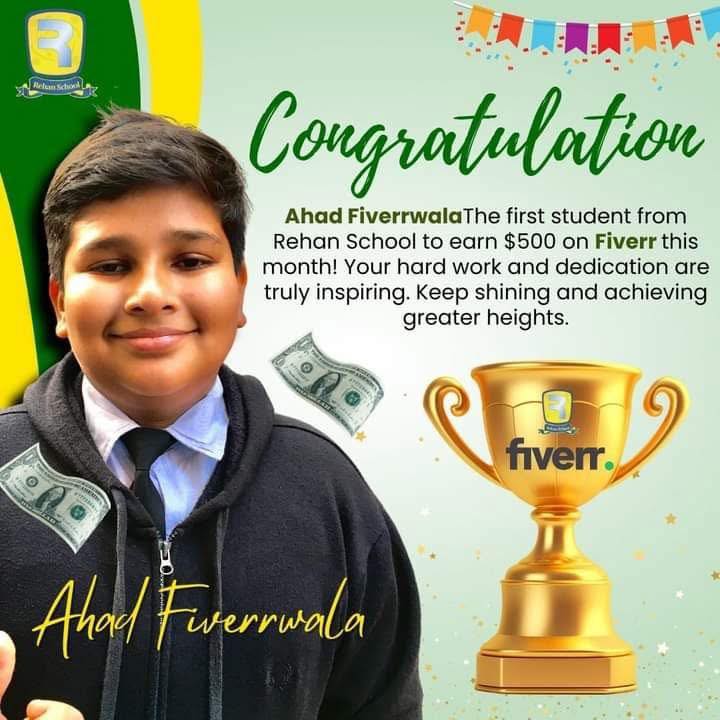
  • Ahad FiverrWala and his brother earned $500 last year, and as a Rehan School student and paid his own school Tution fees !
    Ahad FiverrWala and his brother earned $500 last year, and as a Rehan School student and paid his own school Tution fees !
    0 تبصرے 0 شیئرز 16 ویوز
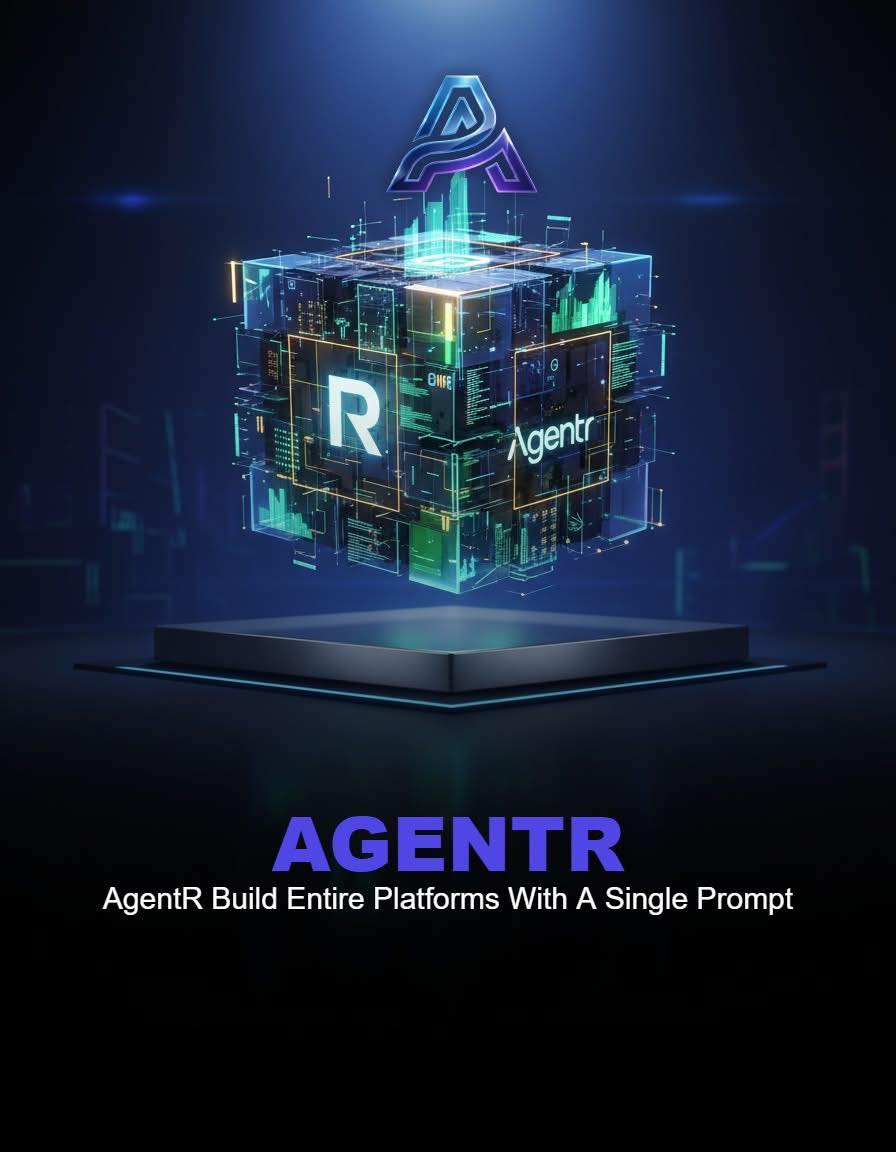
  • One prompt. Entire platform. AgentR turns your ideas into reality -
    It writes softare, makes database, hosts, all automated. The future of development is here. AgentR.net #agent #AI #nocode

    https://agentr.net - Your Ai Software Engineer ! - In alpha mode !
    One prompt. Entire platform. AgentR turns your ideas into reality - It writes softare, makes database, hosts, all automated. The future of development is here. 🚀 AgentR.net #agent #AI #nocode https://agentr.net - Your Ai Software Engineer ! - In alpha mode !
    0 تبصرے 0 شیئرز 1893 ویوز
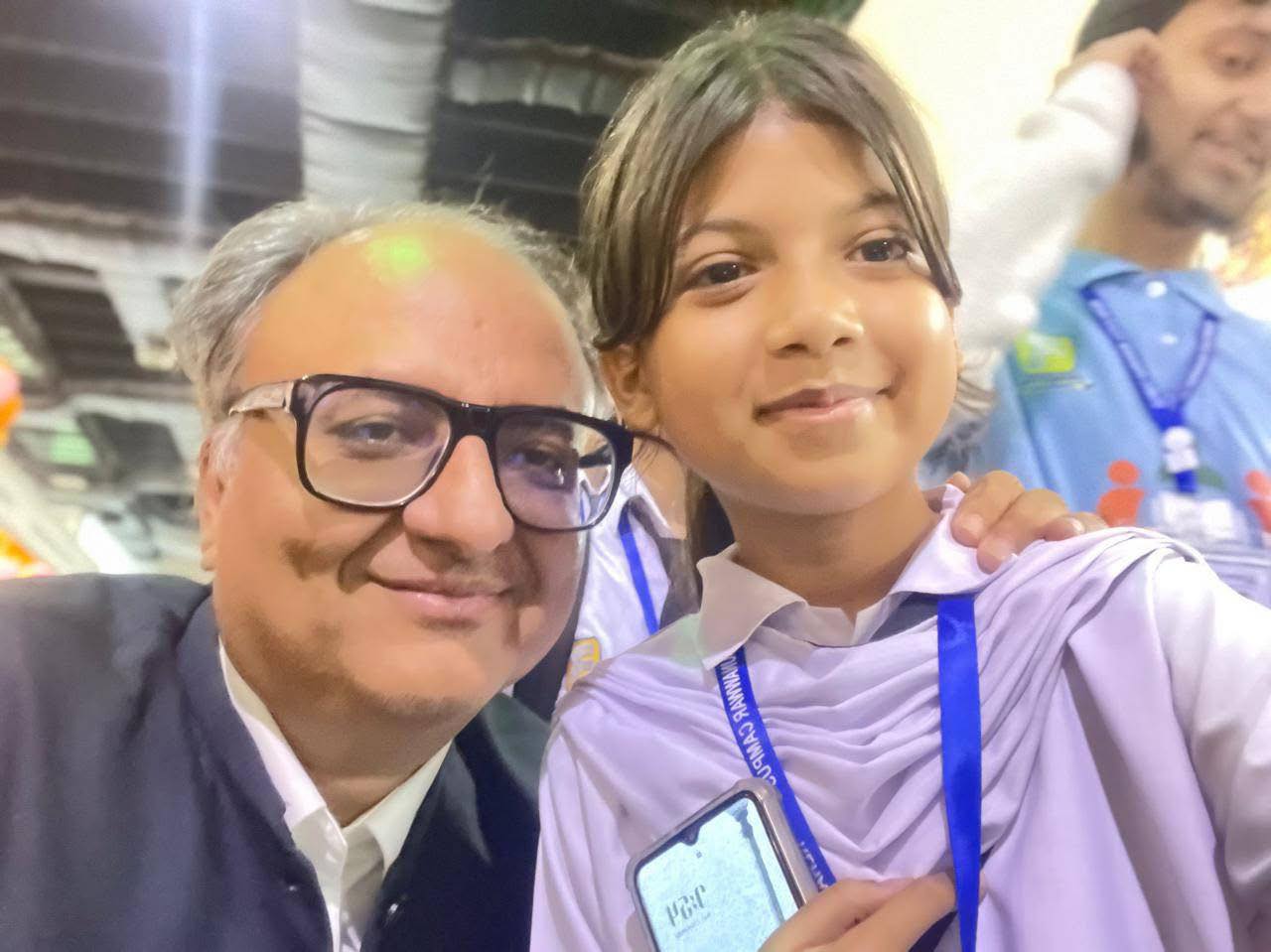
  • Come meet my 12 year cutie pie daughter at Rehan School Munawwar Campus or online and see how she has transformed herself in last 18 months !

    Thank you Rubab EducationWali
    Come meet my 12 year cutie pie daughter at Rehan School Munawwar Campus or online and see how she has transformed herself in last 18 months ! Thank you Rubab EducationWali
    0 تبصرے 0 شیئرز 16 ویوز