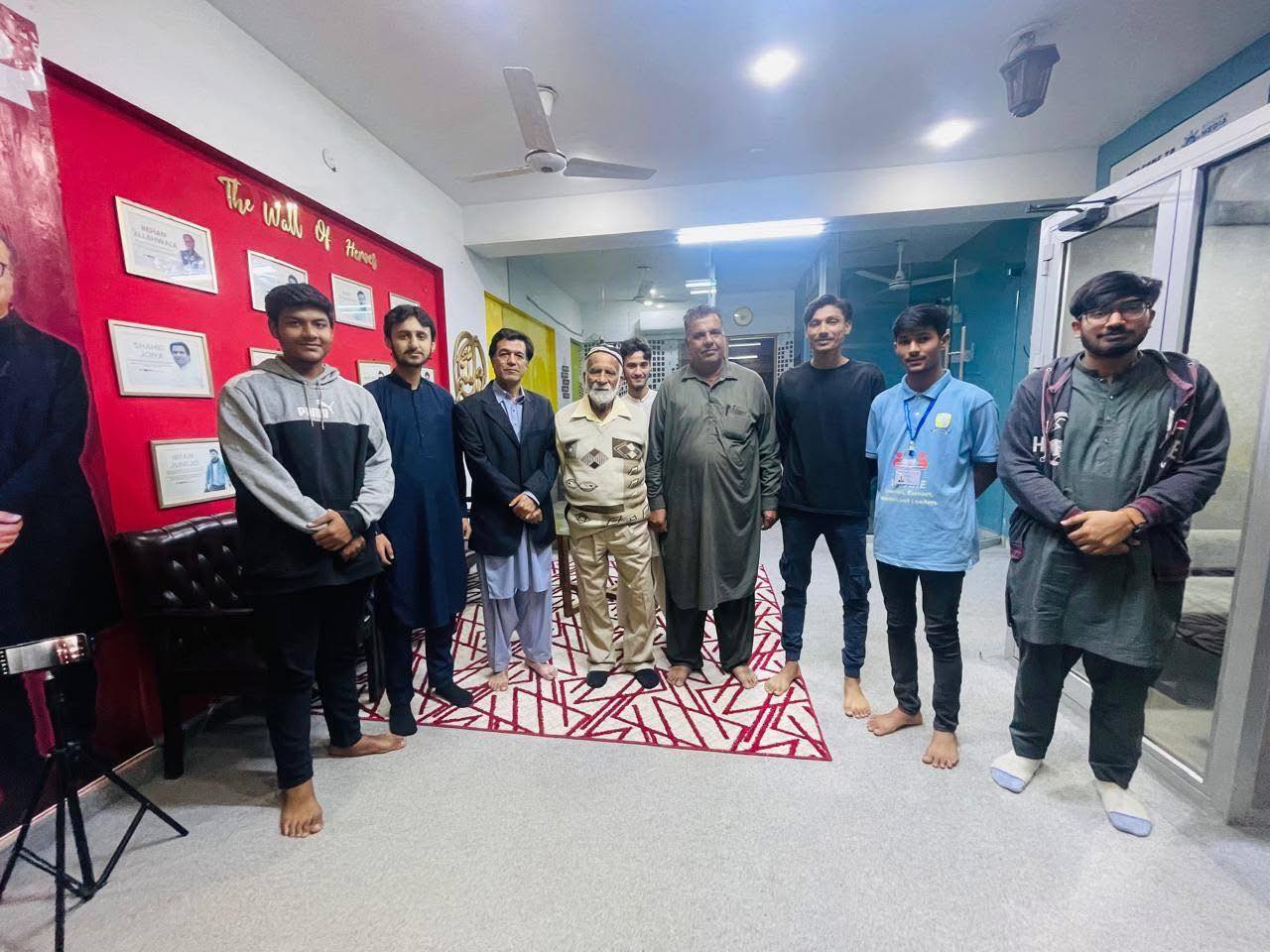
• کمال بخشی کے ساتھ گائیڈنس سیشن
    Daily ٹائمنگ شام 6:00 بجے سے شام 7:00 بجے تک
    مقام ریحان سکول منور کیمپس

    کیا آپ $500/140,000 ماہانہ کمانا چاہتے ہیں اور رہنمائی کی ضرورت ہے؟

    یہ کیسے کرنا ہے اس بارے میں کوچنگ حاصل کرنے کے لیے روزانہ ہمارے سنٹر پر آئیں!

    Number of Kamal Sahib

    +92 321 1293704

    ریحان اسکول - شہید ملت روڈ، کراچی ویب سائٹ: Rehanschool.Com گوگل میپس پر پتہ: �Https://goo.gl/maps/w2ASJvDx9KZc9r297 �

    مس رباب 03232145559 �جنرل +923102886047

    واٹس ایپ https://chat.whatsapp.com/LoEKCaskFFQLK146oObHN3?mode=hqrc
    کمال بخشی کے ساتھ گائیڈنس سیشن Daily ٹائمنگ شام 6:00 بجے سے شام 7:00 بجے تک مقام ریحان سکول منور کیمپس کیا آپ $500/140,000 ماہانہ کمانا چاہتے ہیں اور رہنمائی کی ضرورت ہے؟ یہ کیسے کرنا ہے اس بارے میں کوچنگ حاصل کرنے کے لیے روزانہ ہمارے سنٹر پر آئیں! Number of Kamal Sahib +92 321 1293704 ریحان اسکول - شہید ملت روڈ، کراچی ویب سائٹ: Rehanschool.Com گوگل میپس پر پتہ: �Https://goo.gl/maps/w2ASJvDx9KZc9r297 � مس رباب 03232145559 �جنرل +923102886047 واٹس ایپ https://chat.whatsapp.com/LoEKCaskFFQLK146oObHN3?mode=hqrc
    0 التعليقات 0 المشاركات 157 مشاهدة
  • **مٹی سے مشینوں تک:

    جنوبی کوریا کے غربت سے ترقی تک کا سچا سفر**

    1953 میں، جب کوریائی جنگ ختم ہوئی، جنوبی کوریا ایک تباہ حال ملک تھا۔

    شہر ملبے کا ڈھیر تھے۔
    لوگ بے گھر تھے۔
    بچوں کے پاس کھانے کو کچھ نہیں تھا۔
    نہ تیل، نہ گیس، نہ سونا، نہ بڑی زمینیں۔

    دنیا کے ماہرین کہتے تھے:

    “یہ ملک کبھی اپنے پیروں پر کھڑا نہیں ہو سکتا۔”

    اس وقت کئی ملک، یہاں تک کہ پاکستان بھی، جنوبی کوریا سے آگے تھے۔

    لیکن جنوبی کوریا کے پاس ایک چیز تھی:
    مایوسی کے ساتھ سنجیدگی۔


    ایک فوجی جنرل جس نے اصل سوال پوچھا

    1961 میں ایک فوجی جنرل پارک چنگ ہی اقتدار میں آیا۔

    وہ تقریریں کرنے والا لیڈر نہیں تھا۔
    وہ جذباتی باتیں نہیں کرتا تھا۔

    اس نے صرف ایک سوال پوچھا:

    “ایک غریب ملک دنیا میں کیسے زندہ رہ سکتا ہے؟”

    اس نے یہ نہیں پوچھا:
    • ہمیں کس نے لوٹا؟
    • ہماری غلطی کس کی ہے؟

    اس نے پوچھا:

    “ہم دنیا کو کیا بیچ سکتے ہیں؟”

    جواب سادہ مگر سخت تھا:

    “ہماری اکلوتی دولت ہمارے لوگ ہیں،
    اور ان کی سب سے بڑی طاقت ان کی مہارت ہے۔”


    **سب سے بڑا فیصلہ:

    انجینئرنگ سب سے پہلے**

    پارک چنگ ہی اور اس کی ٹیم نے ایک مشکل مگر ضروری فیصلہ کیا:
    • فنون نہیں
    • سیاست نہیں
    • نعرے نہیں
    • کاغذی کام نہیں

    انجینئرنگ، سائنس اور صنعت

    اسکولوں کا نظام بدلا گیا۔
    ریاضی اور سائنس کو بنیاد بنایا گیا۔
    تعلیم کو نوکری سے جوڑا گیا۔

    تعلیم اب رٹے کا نام نہیں رہی۔

    تعلیم کا مطلب تھا:
    ملک کے کام آنا۔


    ہنڈائی: وہ آدمی جو سیکھتے ہوئے بناتا گیا

    چنگ جو یُنگ ایک غریب کسان کا بیٹا تھا۔
    غربت سے بھاگنے کے لیے وہ کئی بار گھر سے بھاگا۔

    اس کے پاس ڈگری نہیں تھی۔
    لیکن ایک خوبی تھی:

    جو کام شروع کرتا، مکمل کرتا۔

    حکومت نے اسے سڑکیں بنانے کا کام دیا۔
    پھر پل۔
    پھر ہائی وے۔

    ایک دن پارک چنگ ہی نے کہا:

    “جہاز بناؤ۔”

    ہنڈائی نے کہا:
    “ہم نے کبھی جہاز نہیں بنائے۔”

    جواب آیا:

    “تو سیکھو۔”

    انہوں نے نقل کی،
    غلطیاں کیں،
    ٹھیک کیا،
    اور کر کے دکھایا۔

    ہنڈائی ذہانت سے نہیں،
    ہمت اور رفتار سے بڑی بنی۔


    سام سنگ: مچھلی اور نوڈلز سے موبائل فون تک

    سام سنگ کی شروعات موبائل سے نہیں ہوئی۔

    وہ نوڈلز اور سوکھی مچھلی بیچتے تھے۔

    اس کے بانی لی بیونگ چُل نے سمجھ لیا:

    “تجارت پیٹ بھرتی ہے،
    لیکن صنعت ملک بناتی ہے۔”

    حکومت نے صاف کہا:

    “برآمد کرو یا ختم ہو جاؤ۔”

    سام سنگ نے الیکٹرانکس میں قدم رکھا۔

    بعد میں اس کے بیٹے لی کن ہی نے ایک سخت بات کہی:

    “بیوی اور بچوں کے سوا سب کچھ بدل دو۔”

    خراب مال کو سب کے سامنے جلایا گیا۔
    کیونکہ جنوبی کوریا نے سیکھ لیا تھا:

    خراب معیار بے عزتی ہے۔


    ایل جی: خاموش مگر مضبوط ترقی

    ایل جی پہلے لکی گولڈ اسٹار تھا۔

    صابن، کیمیکل، روزمرہ کی چیزیں۔

    حکومت نے کہا:
    “الیکٹرانکس بناؤ۔”

    ایل جی نے شور نہیں مچایا۔

    نقل کی۔
    بہتری لائی۔
    آہستہ آہستہ بہترین بنا۔

    ایل جی نے ثابت کیا:

    خاموش محنت شور مچانے والی ذہانت سے بہتر ہوتی ہے۔


    نظم و ضبط کیسے نافذ ہوا؟

    قرضے انعام نہیں تھے۔
    وہ امتحان تھے۔

    ہدف پورا نہ ہوا؟
    پیسہ بند۔

    عالمی مارکیٹ میں مقابلہ لازمی تھا۔

    ناکامی قابلِ قبول تھی۔
    سستی ناقابلِ قبول۔


    ثقافت بدلی، قوم بدلی

    وقت ضائع کرنا شرمندگی بن گیا۔
    خراب کام بے عزتی۔
    دیر سے آنا جرم۔

    لوگ اس لیے محنت نہیں کرتے تھے کہ انہیں سزا کا ڈر تھا،
    بلکہ اس لیے کہ:

    وہ باعزت بننا چاہتے تھے۔


    اصل سچ

    جنوبی کوریا خوش قسمت نہیں تھا۔
    وہ سنجیدہ تھا۔

    سنجیدہ:
    • تعلیم میں
    • انجینئرنگ میں
    • معیار میں
    • وقت میں

    انہوں نے بچوں سے یہ نہیں پوچھا:
    “تم کیا پڑھنا چاہتے ہو؟”

    انہوں نے پوچھا:

    “ملک کو کس چیز کی ضرورت ہے؟”

    اور پھر سب کچھ اسی کے مطابق کیا۔


    یہ کہانی ہمارے لیے کیوں اہم ہے؟

    کیونکہ غربت قسمت نہیں۔
    کیونکہ وسائل سب کچھ نہیں ہوتے۔
    کیونکہ قومیں فیصلوں سے بنتی ہیں۔

    جنوبی کوریا ہمیں ایک بات سکھاتا ہے:

    جب قومیں بحث چھوڑ کر
    کام شروع کر دیتی ہیں
    تو تاریخ بدل جاتی ہے۔

    یہ صرف کوریا کی کہانی نہیں۔

    یہ ایک نقشہ ہے۔

    اور نقشے راستہ دکھانے کے لیے ہوتے ہیں۔

    — ریحان اللہ والا
    **مٹی سے مشینوں تک: جنوبی کوریا کے غربت سے ترقی تک کا سچا سفر** 1953 میں، جب کوریائی جنگ ختم ہوئی، جنوبی کوریا ایک تباہ حال ملک تھا۔ شہر ملبے کا ڈھیر تھے۔ لوگ بے گھر تھے۔ بچوں کے پاس کھانے کو کچھ نہیں تھا۔ نہ تیل، نہ گیس، نہ سونا، نہ بڑی زمینیں۔ دنیا کے ماہرین کہتے تھے: “یہ ملک کبھی اپنے پیروں پر کھڑا نہیں ہو سکتا۔” اس وقت کئی ملک، یہاں تک کہ پاکستان بھی، جنوبی کوریا سے آگے تھے۔ لیکن جنوبی کوریا کے پاس ایک چیز تھی: مایوسی کے ساتھ سنجیدگی۔ ⸻ ایک فوجی جنرل جس نے اصل سوال پوچھا 1961 میں ایک فوجی جنرل پارک چنگ ہی اقتدار میں آیا۔ وہ تقریریں کرنے والا لیڈر نہیں تھا۔ وہ جذباتی باتیں نہیں کرتا تھا۔ اس نے صرف ایک سوال پوچھا: “ایک غریب ملک دنیا میں کیسے زندہ رہ سکتا ہے؟” اس نے یہ نہیں پوچھا: • ہمیں کس نے لوٹا؟ • ہماری غلطی کس کی ہے؟ اس نے پوچھا: “ہم دنیا کو کیا بیچ سکتے ہیں؟” جواب سادہ مگر سخت تھا: “ہماری اکلوتی دولت ہمارے لوگ ہیں، اور ان کی سب سے بڑی طاقت ان کی مہارت ہے۔” ⸻ **سب سے بڑا فیصلہ: انجینئرنگ سب سے پہلے** پارک چنگ ہی اور اس کی ٹیم نے ایک مشکل مگر ضروری فیصلہ کیا: • فنون نہیں • سیاست نہیں • نعرے نہیں • کاغذی کام نہیں 👉 انجینئرنگ، سائنس اور صنعت اسکولوں کا نظام بدلا گیا۔ ریاضی اور سائنس کو بنیاد بنایا گیا۔ تعلیم کو نوکری سے جوڑا گیا۔ تعلیم اب رٹے کا نام نہیں رہی۔ تعلیم کا مطلب تھا: ملک کے کام آنا۔ ⸻ ہنڈائی: وہ آدمی جو سیکھتے ہوئے بناتا گیا چنگ جو یُنگ ایک غریب کسان کا بیٹا تھا۔ غربت سے بھاگنے کے لیے وہ کئی بار گھر سے بھاگا۔ اس کے پاس ڈگری نہیں تھی۔ لیکن ایک خوبی تھی: جو کام شروع کرتا، مکمل کرتا۔ حکومت نے اسے سڑکیں بنانے کا کام دیا۔ پھر پل۔ پھر ہائی وے۔ ایک دن پارک چنگ ہی نے کہا: “جہاز بناؤ۔” ہنڈائی نے کہا: “ہم نے کبھی جہاز نہیں بنائے۔” جواب آیا: “تو سیکھو۔” انہوں نے نقل کی، غلطیاں کیں، ٹھیک کیا، اور کر کے دکھایا۔ ہنڈائی ذہانت سے نہیں، ہمت اور رفتار سے بڑی بنی۔ ⸻ سام سنگ: مچھلی اور نوڈلز سے موبائل فون تک سام سنگ کی شروعات موبائل سے نہیں ہوئی۔ وہ نوڈلز اور سوکھی مچھلی بیچتے تھے۔ اس کے بانی لی بیونگ چُل نے سمجھ لیا: “تجارت پیٹ بھرتی ہے، لیکن صنعت ملک بناتی ہے۔” حکومت نے صاف کہا: “برآمد کرو یا ختم ہو جاؤ۔” سام سنگ نے الیکٹرانکس میں قدم رکھا۔ بعد میں اس کے بیٹے لی کن ہی نے ایک سخت بات کہی: “بیوی اور بچوں کے سوا سب کچھ بدل دو۔” خراب مال کو سب کے سامنے جلایا گیا۔ کیونکہ جنوبی کوریا نے سیکھ لیا تھا: خراب معیار بے عزتی ہے۔ ⸻ ایل جی: خاموش مگر مضبوط ترقی ایل جی پہلے لکی گولڈ اسٹار تھا۔ صابن، کیمیکل، روزمرہ کی چیزیں۔ حکومت نے کہا: “الیکٹرانکس بناؤ۔” ایل جی نے شور نہیں مچایا۔ نقل کی۔ بہتری لائی۔ آہستہ آہستہ بہترین بنا۔ ایل جی نے ثابت کیا: خاموش محنت شور مچانے والی ذہانت سے بہتر ہوتی ہے۔ ⸻ نظم و ضبط کیسے نافذ ہوا؟ قرضے انعام نہیں تھے۔ وہ امتحان تھے۔ ہدف پورا نہ ہوا؟ پیسہ بند۔ عالمی مارکیٹ میں مقابلہ لازمی تھا۔ ناکامی قابلِ قبول تھی۔ سستی ناقابلِ قبول۔ ⸻ ثقافت بدلی، قوم بدلی وقت ضائع کرنا شرمندگی بن گیا۔ خراب کام بے عزتی۔ دیر سے آنا جرم۔ لوگ اس لیے محنت نہیں کرتے تھے کہ انہیں سزا کا ڈر تھا، بلکہ اس لیے کہ: وہ باعزت بننا چاہتے تھے۔ ⸻ اصل سچ جنوبی کوریا خوش قسمت نہیں تھا۔ وہ سنجیدہ تھا۔ سنجیدہ: • تعلیم میں • انجینئرنگ میں • معیار میں • وقت میں انہوں نے بچوں سے یہ نہیں پوچھا: “تم کیا پڑھنا چاہتے ہو؟” انہوں نے پوچھا: “ملک کو کس چیز کی ضرورت ہے؟” اور پھر سب کچھ اسی کے مطابق کیا۔ ⸻ یہ کہانی ہمارے لیے کیوں اہم ہے؟ کیونکہ غربت قسمت نہیں۔ کیونکہ وسائل سب کچھ نہیں ہوتے۔ کیونکہ قومیں فیصلوں سے بنتی ہیں۔ جنوبی کوریا ہمیں ایک بات سکھاتا ہے: جب قومیں بحث چھوڑ کر کام شروع کر دیتی ہیں تو تاریخ بدل جاتی ہے۔ یہ صرف کوریا کی کہانی نہیں۔ یہ ایک نقشہ ہے۔ اور نقشے راستہ دکھانے کے لیے ہوتے ہیں۔ — ریحان اللہ والا
    0 التعليقات 0 المشاركات 8 مشاهدة
  • **From Ashes to Engineers:

    The True Story of How South Korea Rose**

    In 1953, South Korea did not look like a country with a future.

    It looked like a graveyard of dreams.

    Cities were flattened.
    Families lived in tents.
    Children begged near broken railway tracks.
    There was no oil, no gold, no gas, no fertile land to brag about.

    Foreign experts wrote reports saying:

    “South Korea is not viable as a modern nation.”

    At that time, Pakistan was ahead.
    Many countries were ahead.

    South Korea was not lucky.
    South Korea was desperate.

    And desperation, when guided properly, can become discipline.


    A Soldier Who Asked the Wrong Question (And Saved a Nation)

    In 1961, a military general named Park Chung-hee took power.

    He was not a poet.
    He was not a motivational speaker.
    He was not interested in applause.

    He asked one cold, frightening question:

    “How does a poor country with nothing survive in a competitive world?”

    Not:
    • Who should we blame?
    • Who colonized us?
    • Who betrayed us?

    Only:

    “What will we SELL to the world?”

    The answer terrified everyone:

    “We have only one resource: our people.
    And only one weapon: their skills.”

    That day, South Korea made a decision that quietly changed history.


    **The Most Important Decision:

    Engineering Over Everything**

    Park Chung-hee and his planners made a choice that was unpopular but fatalistic:
    • Not arts first
    • Not politics
    • Not slogans
    • Not bureaucracy

    Engineering. Science. Manufacturing.

    Universities were reshaped.
    Curriculums were rewritten.
    Math and physics became survival tools.

    Education was no longer about becoming educated.

    Education was about becoming useful.

    Teachers were treated like nation builders.
    Students were treated like future soldiers of industry.

    South Korea decided:

    “We will not debate our poverty.
    We will engineer our way out of it.”


    Hyundai: The Man Who Built Before He Knew How

    In a small village, a poor farmer’s son named Chung Ju-yung kept running away from home.

    Not for adventure.
    For escape from poverty.

    He had no engineering degree.
    No elite background.

    What he had was one rare quality:

    He finished what he started.

    When Park Chung-hee needed roads, bridges, and highways, he noticed this man.

    He gave him impossible tasks.

    “Build a highway.”
    “We’ve never done that.”
    “Then learn.”

    Later, Park ordered something insane:

    “Build ships.”

    Hyundai had never built a ship.
    South Korea had no shipbuilding industry.

    Chung Ju-yung famously showed foreign bankers a photo of a ship…
    that didn’t yet exist.

    He borrowed designs.
    He copied.
    He failed.
    He fixed.
    He delivered.

    Hyundai didn’t grow because it was brilliant.

    Hyundai grew because it moved faster than fear.


    Samsung: From Groceries to Global Technology

    Samsung did not begin with smartphones.

    It began by selling noodles and dried fish.

    Its founder, Lee Byung-chul, was a trader.
    But after the war, he realized something painful:

    “Trading will feed families.
    Manufacturing will feed a nation.”

    The government pushed companies hard:

    “Export or die.”

    Samsung entered sugar.
    Then textiles.
    Then electronics.

    Years later, Lee’s son, Lee Kun-hee, made one of the most brutal leadership statements in corporate history:

    “Change everything except your wife and children.”

    Samsung publicly destroyed defective products.
    Burned them.
    Shamed poor quality.

    Why?

    Because South Korea learned:

    Low quality is a national insult.

    Samsung didn’t chase cheap success.
    It chased world-class respect.


    LG: Quiet, Relentless, Engineering-First

    LG started as Lucky GoldStar.

    Soap.
    Cosmetics.
    Chemicals.

    When the government said, “We need electronics,” LG obeyed.

    No drama.
    No ego.

    They copied.
    They improved.
    They refined.

    LG engineers became famous not for flash — but for reliability.

    LG proves one thing:

    Nations are not built only by loud visionaries,
    but by silent executors.


    How Discipline Was Enforced (The Part No One Likes to Talk About)

    Loans were not gifts.
    They were tests.

    Miss targets?
    Funding stopped.

    Export or perish.
    Global competition was not optional.

    Failure was allowed.
    Laziness was not.

    Corruption existed — but it did not replace performance.

    In South Korea, excuses were expensive.


    The Cultural Shift That Changed Everything

    Slowly, a new mindset emerged:
    • Being late was shameful
    • Doing poor work was embarrassing
    • Wasting time was unforgivable

    People worked hard not because they loved suffering…

    …but because they loved dignity.

    They weren’t rebuilding companies.

    They were rebuilding self-respect.


    The Final Truth

    South Korea did not rise because it was lucky.
    It rose because it was serious.

    Serious about:
    • Engineering
    • Education
    • Time
    • Quality
    • Accountability

    They didn’t ask children:

    “What do you feel like studying?”

    They asked:

    “What will save our future?”

    And then they aligned everything to that answer.


    Why This Story Matters to Us

    Because poverty is not permanent.
    Because resources are not destiny.
    Because excuses are optional.

    South Korea proves one uncomfortable truth:

    A nation can change when it stops arguing
    and starts building.

    This is not just Korea’s story.

    It is a blueprint.

    And blueprints are meant to be used.

    — Rehan Allahwala

    **From Ashes to Engineers: The True Story of How South Korea Rose** In 1953, South Korea did not look like a country with a future. It looked like a graveyard of dreams. Cities were flattened. Families lived in tents. Children begged near broken railway tracks. There was no oil, no gold, no gas, no fertile land to brag about. Foreign experts wrote reports saying: “South Korea is not viable as a modern nation.” At that time, Pakistan was ahead. Many countries were ahead. South Korea was not lucky. South Korea was desperate. And desperation, when guided properly, can become discipline. ⸻ A Soldier Who Asked the Wrong Question (And Saved a Nation) In 1961, a military general named Park Chung-hee took power. He was not a poet. He was not a motivational speaker. He was not interested in applause. He asked one cold, frightening question: “How does a poor country with nothing survive in a competitive world?” Not: • Who should we blame? • Who colonized us? • Who betrayed us? Only: “What will we SELL to the world?” The answer terrified everyone: “We have only one resource: our people. And only one weapon: their skills.” That day, South Korea made a decision that quietly changed history. ⸻ **The Most Important Decision: Engineering Over Everything** Park Chung-hee and his planners made a choice that was unpopular but fatalistic: • Not arts first • Not politics • Not slogans • Not bureaucracy 👉 Engineering. Science. Manufacturing. Universities were reshaped. Curriculums were rewritten. Math and physics became survival tools. Education was no longer about becoming educated. Education was about becoming useful. Teachers were treated like nation builders. Students were treated like future soldiers of industry. South Korea decided: “We will not debate our poverty. We will engineer our way out of it.” ⸻ Hyundai: The Man Who Built Before He Knew How In a small village, a poor farmer’s son named Chung Ju-yung kept running away from home. Not for adventure. For escape from poverty. He had no engineering degree. No elite background. What he had was one rare quality: He finished what he started. When Park Chung-hee needed roads, bridges, and highways, he noticed this man. He gave him impossible tasks. “Build a highway.” “We’ve never done that.” “Then learn.” Later, Park ordered something insane: “Build ships.” Hyundai had never built a ship. South Korea had no shipbuilding industry. Chung Ju-yung famously showed foreign bankers a photo of a ship… that didn’t yet exist. He borrowed designs. He copied. He failed. He fixed. He delivered. Hyundai didn’t grow because it was brilliant. Hyundai grew because it moved faster than fear. ⸻ Samsung: From Groceries to Global Technology Samsung did not begin with smartphones. It began by selling noodles and dried fish. Its founder, Lee Byung-chul, was a trader. But after the war, he realized something painful: “Trading will feed families. Manufacturing will feed a nation.” The government pushed companies hard: “Export or die.” Samsung entered sugar. Then textiles. Then electronics. Years later, Lee’s son, Lee Kun-hee, made one of the most brutal leadership statements in corporate history: “Change everything except your wife and children.” Samsung publicly destroyed defective products. Burned them. Shamed poor quality. Why? Because South Korea learned: Low quality is a national insult. Samsung didn’t chase cheap success. It chased world-class respect. ⸻ LG: Quiet, Relentless, Engineering-First LG started as Lucky GoldStar. Soap. Cosmetics. Chemicals. When the government said, “We need electronics,” LG obeyed. No drama. No ego. They copied. They improved. They refined. LG engineers became famous not for flash — but for reliability. LG proves one thing: Nations are not built only by loud visionaries, but by silent executors. ⸻ How Discipline Was Enforced (The Part No One Likes to Talk About) Loans were not gifts. They were tests. Miss targets? Funding stopped. Export or perish. Global competition was not optional. Failure was allowed. Laziness was not. Corruption existed — but it did not replace performance. In South Korea, excuses were expensive. ⸻ The Cultural Shift That Changed Everything Slowly, a new mindset emerged: • Being late was shameful • Doing poor work was embarrassing • Wasting time was unforgivable People worked hard not because they loved suffering… …but because they loved dignity. They weren’t rebuilding companies. They were rebuilding self-respect. ⸻ The Final Truth South Korea did not rise because it was lucky. It rose because it was serious. Serious about: • Engineering • Education • Time • Quality • Accountability They didn’t ask children: “What do you feel like studying?” They asked: “What will save our future?” And then they aligned everything to that answer. ⸻ Why This Story Matters to Us Because poverty is not permanent. Because resources are not destiny. Because excuses are optional. South Korea proves one uncomfortable truth: A nation can change when it stops arguing and starts building. This is not just Korea’s story. It is a blueprint. And blueprints are meant to be used. — Rehan Allahwala

    0 التعليقات 0 المشاركات 203 مشاهدة
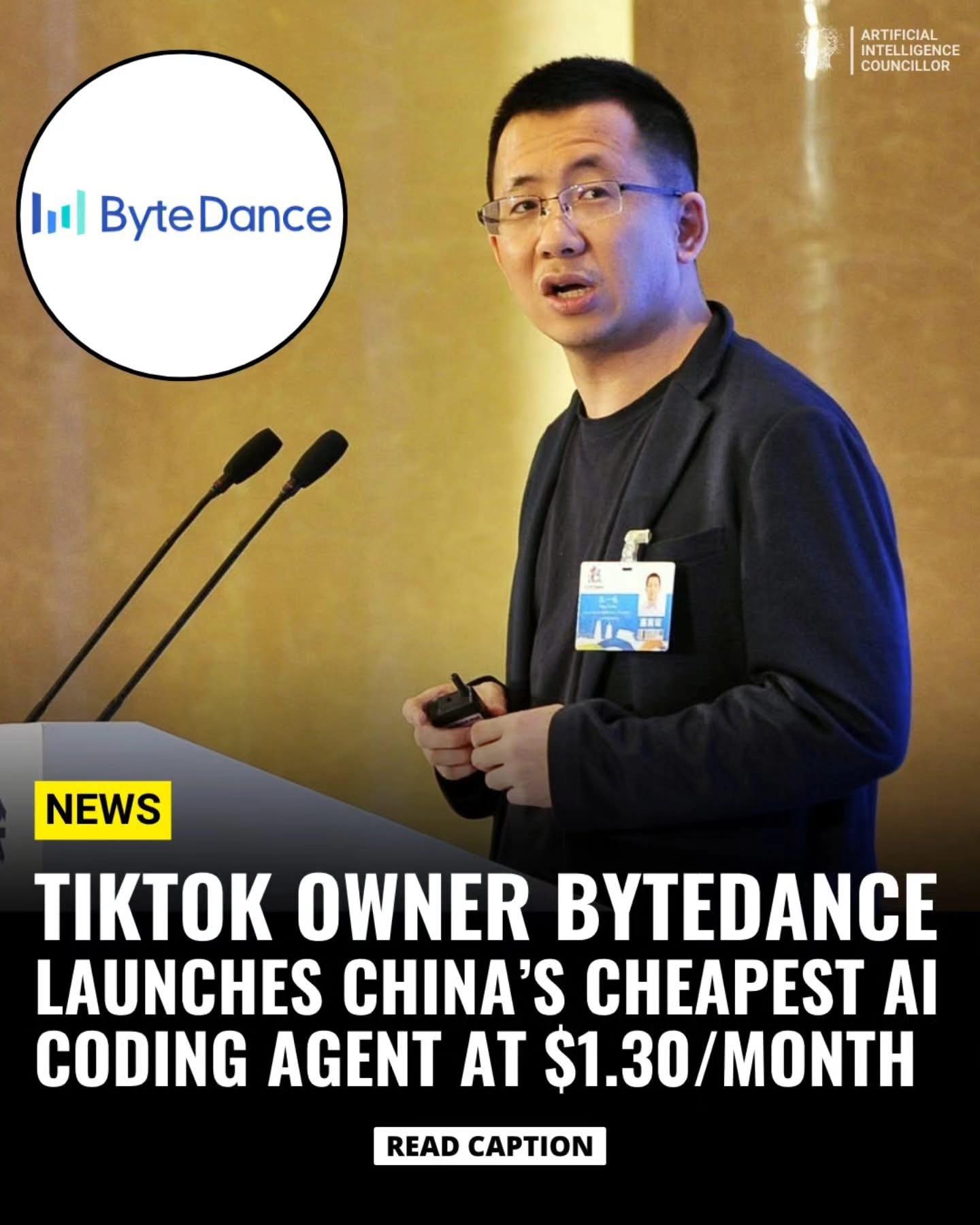
  • ByteDance’s Volcano Engine has introduced Doubao-Seed-Code, a new AI coding agent positioned as China’s most affordable developer model.

    Priced at $1.30 for the first month, rising to $5.60 afterward, the model targets cost-sensitive teams without sacrificing performance. It supports massive 256K-word context windows, allowing developers to work with entire codebases, long documentation, and complex multi-file projects in a single session.

    In benchmark testing, Doubao-Seed-Code achieved 78.8% on SWE-Bench, placing it in the same performance range as leading models like Claude Sonnet. Through deep integration with Trae IDE, the agent goes beyond code completion, offering agentic planning, automated debugging, and step-by-step problem solving.

    The system also supports multimodal coding, enabling developers to generate and understand code directly from images, diagrams, and visual inputs. Together, these features position Doubao-Seed-Code as a strong signal of China’s push toward high-performance, low-cost AI developer tools designed for large-scale adoption.

    Via . @aicouncillor
    ByteDance’s Volcano Engine has introduced Doubao-Seed-Code, a new AI coding agent positioned as China’s most affordable developer model. Priced at $1.30 for the first month, rising to $5.60 afterward, the model targets cost-sensitive teams without sacrificing performance. It supports massive 256K-word context windows, allowing developers to work with entire codebases, long documentation, and complex multi-file projects in a single session. In benchmark testing, Doubao-Seed-Code achieved 78.8% on SWE-Bench, placing it in the same performance range as leading models like Claude Sonnet. Through deep integration with Trae IDE, the agent goes beyond code completion, offering agentic planning, automated debugging, and step-by-step problem solving. The system also supports multimodal coding, enabling developers to generate and understand code directly from images, diagrams, and visual inputs. Together, these features position Doubao-Seed-Code as a strong signal of China’s push toward high-performance, low-cost AI developer tools designed for large-scale adoption. Via . @aicouncillor
    0 التعليقات 0 المشاركات 317 مشاهدة
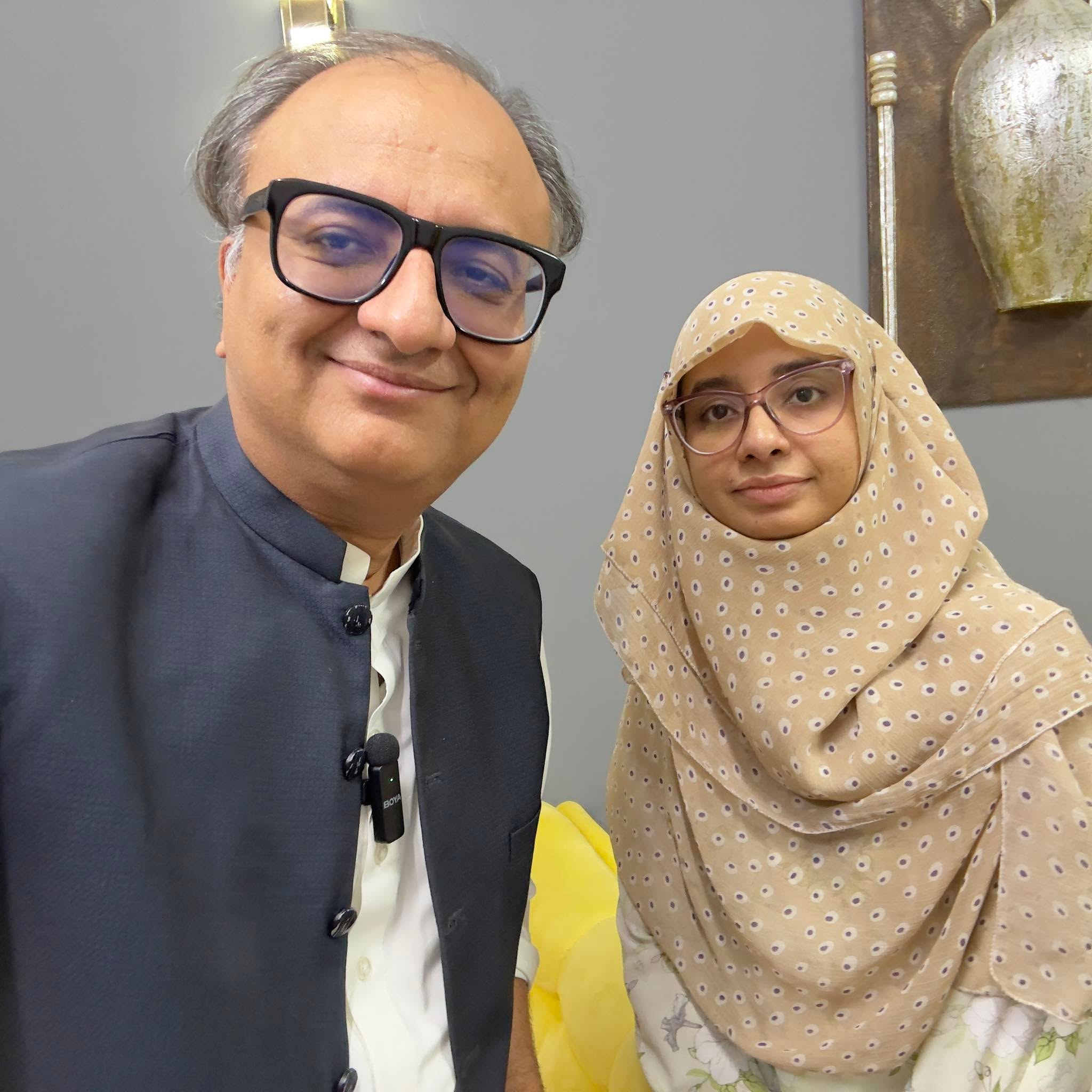
  • Honored to meet our principal of Rehan School Orangi Campus Mrs Hena Tarique Educationwali

    With experience of over 30 months as a principal in @dil foundation and The Citizens Foundation she is a blessing for residents of Orangi Town, Karachi !

    Do connect with her and visit her campus

    Rehan School Orangi Town Ruba Mobile mall Orangi 11/2 Call 03012781826 Google https://maps.app.goo.gl/8djhvJawSE7BJHGt5?g_st=ipc
    Honored to meet our principal of Rehan School Orangi Campus Mrs Hena Tarique Educationwali With experience of over 30 months as a principal in @dil foundation and The Citizens Foundation she is a blessing for residents of Orangi Town, Karachi ! Do connect with her and visit her campus Rehan School Orangi Town Ruba Mobile mall Orangi 11/2 Call 03012781826 Google https://maps.app.goo.gl/8djhvJawSE7BJHGt5?g_st=ipc
    0 التعليقات 0 المشاركات 8 مشاهدة
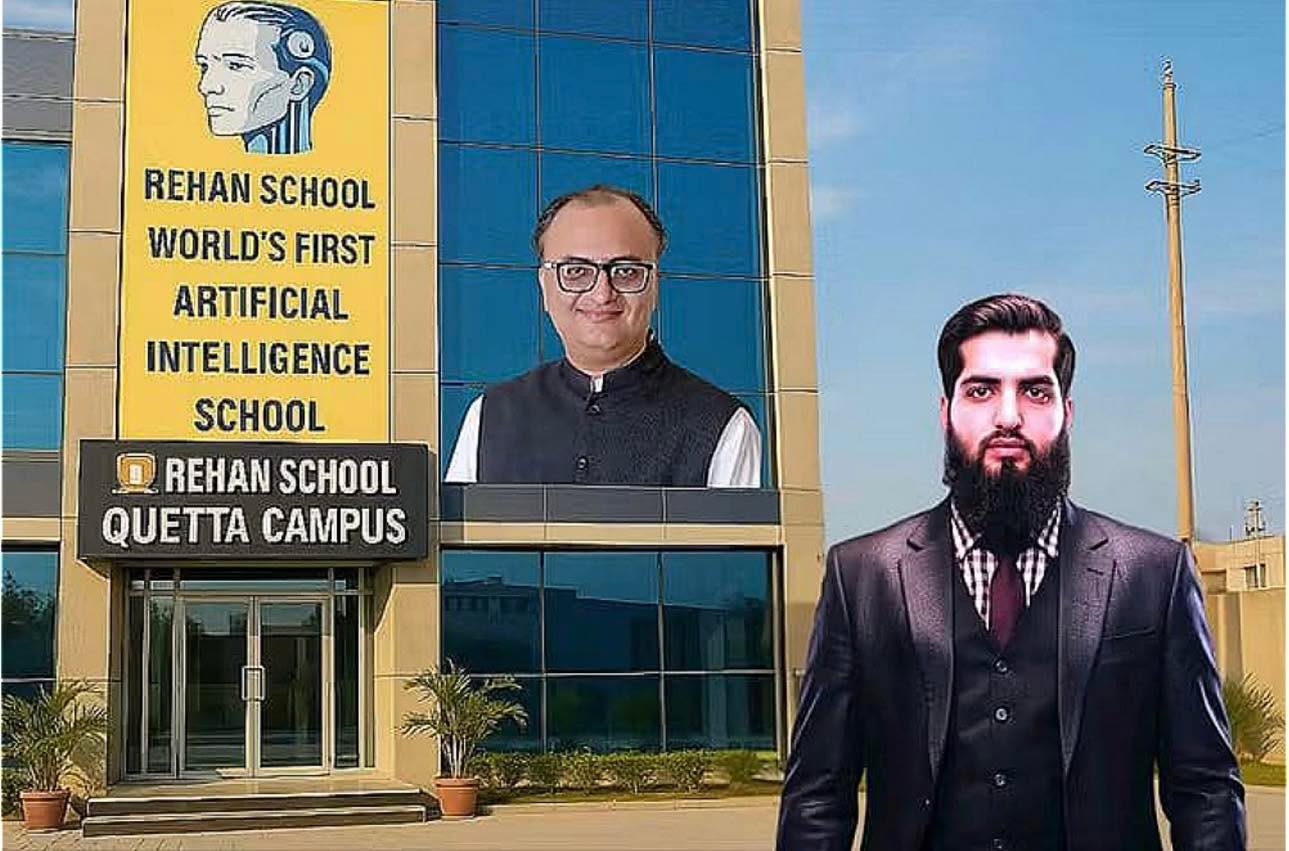
  • Rehan School Quetta Campus # 04 , 4 commercial 2nd Floor Ismangli road, Nearby Zaiqa restaurant Jinnah Town, Quetta
    Call +92 310 2886045
    General UAN 0304-1116044
    Rehan School Quetta Campus # 04 , 4 commercial 2nd Floor Ismangli road, Nearby Zaiqa restaurant Jinnah Town, Quetta Call +92 310 2886045 General UAN 0304-1116044
    0 التعليقات 0 المشاركات 8 مشاهدة
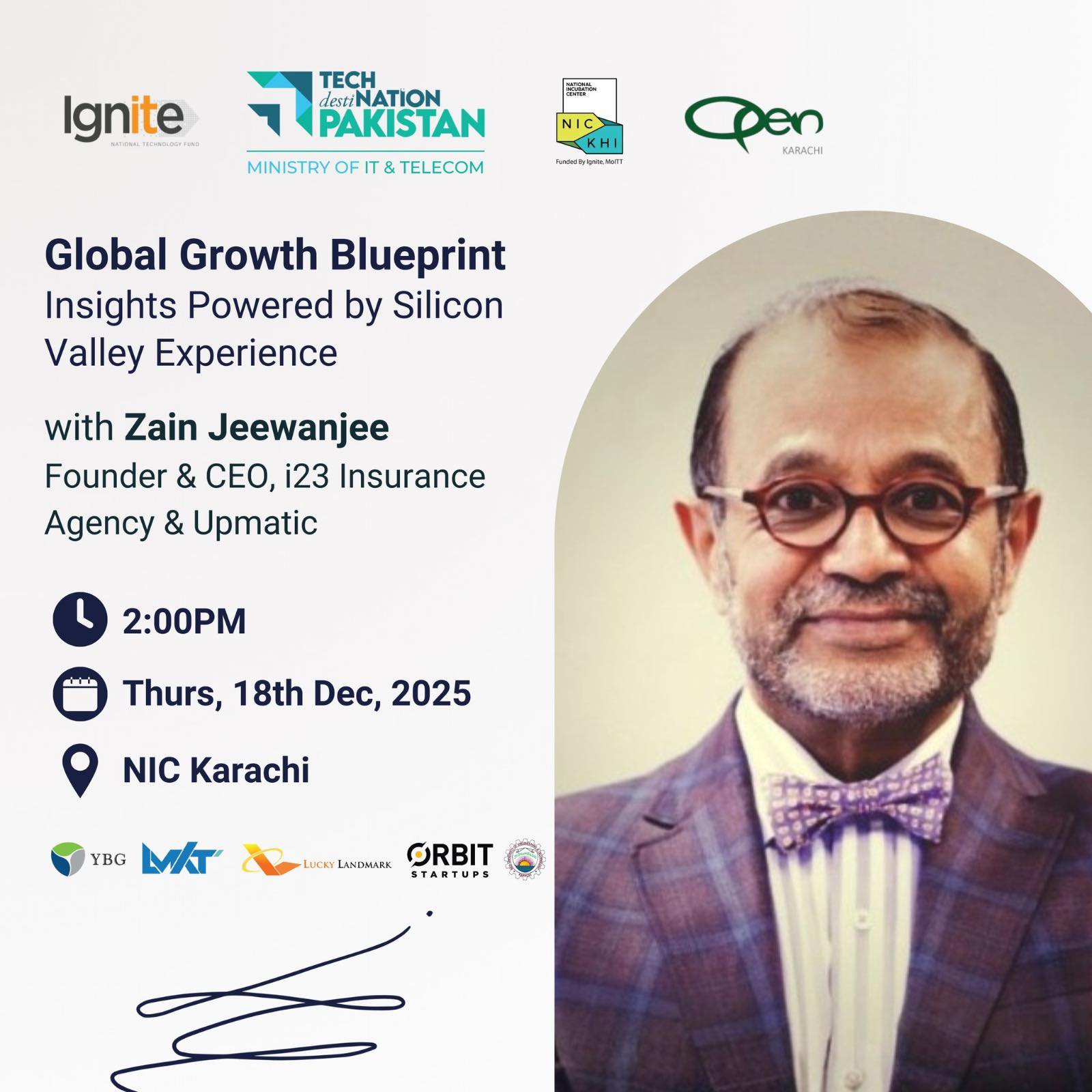
  • _*From Silicon Valley to Global Scale: A Founder’s Growth Blueprint w/ Zain Jeewanjee @NICKHI | Thur, 18 Dec, 2 PM*_

    Ready to learn how global startups scale, straight from Silicon Valley experience? Join us for an open-mic conversation, “Global Growth Blueprint: Insights Powered by Silicon Valley Experience,” with Zain Jeewanjee, Founder & CEO of i23 Insurance Agency & Upmatic, a seasoned Silicon Valley-based entrepreneur and ecosystem builder.

    *Date: Thurs, 18th December 2025*
    *Time: 2:00 PM*
    *Venue: NIC Karachi*
    *Register now:* www.nickarachi.com/attendingevent

    This interactive session will explore what it truly takes to build, scale, and lead globally, from navigating international markets and leveraging AI and cloud technologies to developing a founder mindset, leadership depth, and long-term impact. Drawing on over two decades of hands-on experience, Zain will share candid lessons, real stories, and practical insights for founders who aim to go beyond borders.

    If you’re a founder looking to think bigger, build smarter and scale globally, this is a conversation you don’t want to miss.
    _*From Silicon Valley to Global Scale: A Founder’s Growth Blueprint w/ Zain Jeewanjee @NICKHI | Thur, 18 Dec, 2 PM*_ Ready to learn how global startups scale, straight from Silicon Valley experience? Join us for an open-mic conversation, “Global Growth Blueprint: Insights Powered by Silicon Valley Experience,” with Zain Jeewanjee, Founder & CEO of i23 Insurance Agency & Upmatic, a seasoned Silicon Valley-based entrepreneur and ecosystem builder. 🗓️ *Date: Thurs, 18th December 2025* ⏰ *Time: 2:00 PM* 📍 *Venue: NIC Karachi* 🔗 *Register now:* www.nickarachi.com/attendingevent This interactive session will explore what it truly takes to build, scale, and lead globally, from navigating international markets and leveraging AI and cloud technologies to developing a founder mindset, leadership depth, and long-term impact. Drawing on over two decades of hands-on experience, Zain will share candid lessons, real stories, and practical insights for founders who aim to go beyond borders. If you’re a founder looking to think bigger, build smarter and scale globally, this is a conversation you don’t want to miss.
    0 التعليقات 0 المشاركات 341 مشاهدة
  • لی کوان یو نے ٹِپ اور بھیک پر پابندی کیوں لگائی — آسان اور عام فہم اردو میں (پاکستانی مثالوں کے ساتھ)

    سنگاپور آج جو صاف، منظم اور امیر ملک نظر آتا ہے، یہ سب اتفاق سے نہیں ہوا۔ یہ سب سخت فیصلوں، واضح اصولوں اور ایک سادہ سوچ کی وجہ سے ہوا:
    کام کرو، صحیح اجرت لو، اور کسی سے اضافی پیسے کی توقع نہ رکھو۔

    لی کوان یو، سنگاپور کے بانی وزیرِاعظم، نے دو چیزوں پر خاص توجہ دی:
    1. ٹِپ دینے کا رواج ختم کرنا
    2. بھیک مانگنے کی اجازت نہ دینا

    یہ فیصلے اخلاقی سے زیادہ عملی تھے۔


    ٹِپ کیوں ختم کی؟ (پاکستانی مثال سمجھیں)

    پاکستان میں آپ ہوٹل، ریسٹورنٹ، شادی ہال یا دفتر جائیں تو اکثر یہ ہوتا ہے:
    • ویٹر کہتا ہے: “سر کچھ چائے پانی؟”
    • چوکیدار کہتا ہے: “صاحب، گاڑی دیکھ لی ہے”
    • کلرک فائل روک کر بیٹھ جاتا ہے جب تک کچھ نہ مل جائے

    لی کوان یو کو یہی سوچ ختم کرنی تھی۔

    ان کا کہنا تھا:

    “آدمی کو اپنی نوکری کی تنخواہ پوری ملنی چاہیے، نہ کہ گاہک سے بھیک جیسی ٹِپ مانگے۔”

    اگر ویٹر کی تنخواہ کم ہو اور وہ ٹِپ پر زندہ ہو تو:
    • وہ کام دل سے نہیں کرے گا
    • جس نے ٹِپ دی، اسے زیادہ عزت ملے گی
    • جس نے نہ دی، اسے نظر انداز کیا جائے گا

    یہ عزتِ نفس کے خلاف ہے۔


    10٪ سروس چارج — سیدھا اور صاف طریقہ

    سنگاپور میں ٹِپ کے بجائے ریسٹورنٹ بل میں 10٪ سروس چارج لگا دیا جاتا ہے۔
    اس کا فائدہ یہ ہوا:
    • گاہک کو پتا ہوتا ہے کتنا دینا ہے
    • ویٹر کو عزت کے ساتھ تنخواہ ملتی ہے
    • کچن، صفائی اور باقی اسٹاف کو بھی حصہ ملتا ہے

    یا مالک وہ پیسہ رکھ کر اپنے اسٹاف کی تنخواہ بڑھا دیتا ہے۔

    یعنی “چائے پانی” ختم، نظام شروع۔


    چھوٹی رشوت کی جڑ کاٹ دی

    لی کوان یو سمجھتے تھے کہ:

    “اگر لوگ کام کرنے کے لیے اضافی پیسے مانگیں گے، تو کل یہی عادت بڑی رشوت بن جائے گی۔”

    پاکستان میں ہم دیکھتے ہیں:
    • کام ہونا ہی ہونا ہے، مگر “کچھ لگے گا”
    • فائل چلے گی، مگر “چائے پانی” چاہیے

    سنگاپور میں یہ لائن ہی ختم کر دی گئی:
    یہ تمہارا کام ہے، اس کی تنخواہ تم پہلے ہی لے رہے ہو۔


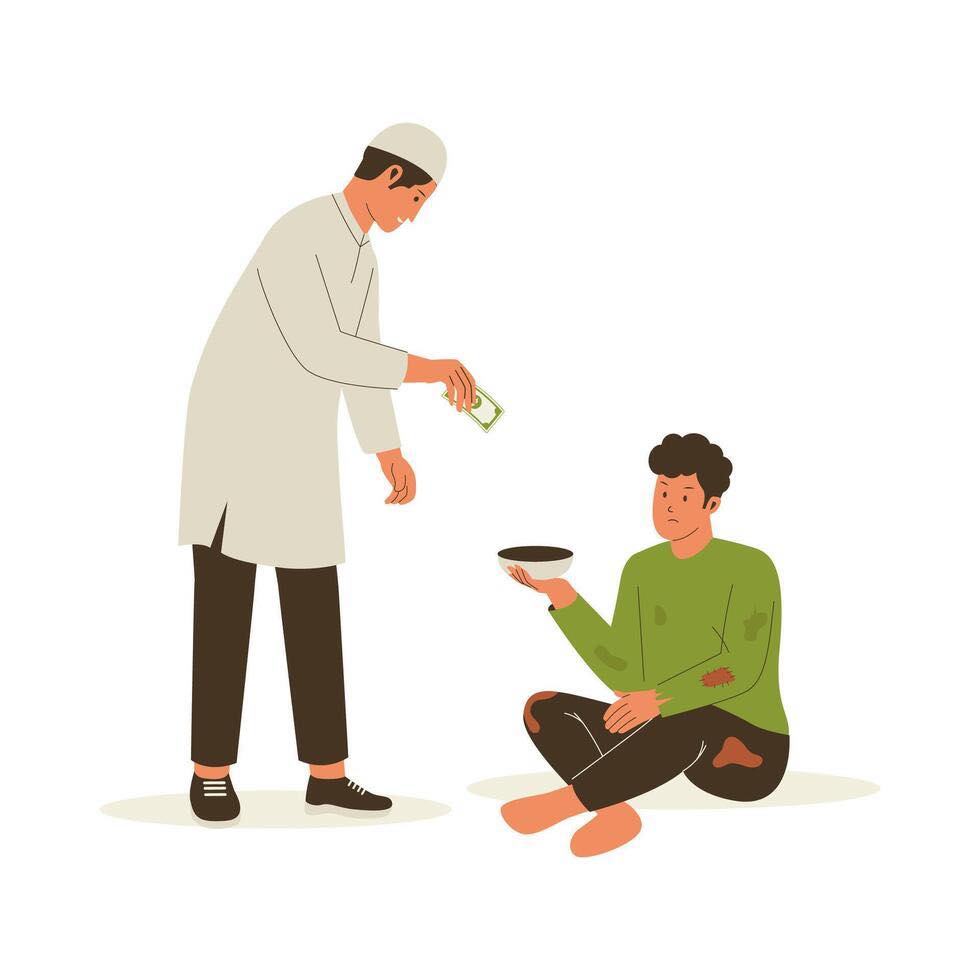
    بھیک پر پابندی کیوں لگائی؟

    لی کوان یو نے کہا:

    “ہم اپنے شہریوں کو سڑک پر ہاتھ پھیلانے کی اجازت نہیں دیں گے۔”

    بھیک مانگنے سے ملک کا امیج خراب ہوتا ہے، خاص طور پر غیر ملکی سرمایہ کاروں کے سامنے۔

    لیکن اہم بات یہ ہے:
    سنگاپور نے صرف بھیک بند نہیں کی، متبادل بھی دیا۔


    ریاست نے کیا کیا؟

    جو واقعی غریب تھا:
    • اسے شیلٹر دیا
    • علاج دیا
    • بحالی (rehabilitation) دی

    اور حیرت کی بات:
    • بہت سے بھکاریوں کے بینک اکاؤنٹس نکل آئے
    • کئی گروہ مافیا کی طرح بھیک کرواتے تھے

    ان سب کو ختم کیا گیا۔

    پاکستان میں بھی ہم جانتے ہیں کہ:
    • کئی بھکاری اصل میں منظم نیٹ ورک ہوتے ہیں
    • بچوں اور معذوروں کو زبردستی بھیک پر لگایا جاتا ہے

    سنگاپور نے یہ پورا سسٹم توڑ دیا۔


    اصل بات: دیانت داری کا ماحول

    لی کوان یو کا سادہ اصول تھا:
    • کام کرو
    • پوری تنخواہ لو
    • اضافی پیسے کی امید نہ رکھو

    جب:
    • سڑک پر بھیک نہ ہو
    • دفتر میں ٹِپ نہ ہو
    • ریسٹورنٹ میں “چائے پانی” نہ ہو

    تو کرپشن خود بخود کم ہو جاتی ہے۔

    اسی لیے آج سنگاپور دنیا کے کم ترین بدعنوان ممالک میں شامل ہے۔


    “کچھ بھی مفت نہیں” — سخت مگر سچ

    سنگاپور کا پیغام صاف تھا:

    “اگر تم کام نہیں کرو گے، تو بھوکے رہو گے۔”

    یہ فلاحی ریاست نہیں، لیکن:
    • کاروبار آسان بنایا
    • سرمایہ کاری کو تحفظ دیا
    • نوکریاں پیدا ہوئیں

    لوگوں کو کام ملا، عزت ملی۔


    نتیجہ حیران کن ہے
    • 91٪ لوگ اپنے گھر کے مالک ہیں
    • صرف 9٪ کرائے پر رہتے ہیں
    • تقریباً کوئی بے گھر نہیں

    یہ سب اس لیے ہوا کیونکہ:
    نظام مضبوط تھا، رحم نہیں۔


    پاکستان کے لیے سبق

    ہم اکثر کہتے ہیں:
    “غربت ہے، اس لیے سب چلتا ہے”

    لی کوان یو نے کہا:
    نہیں — نظام ٹھیک کرو، غربت خود کم ہو جائے گی۔

    شاید ہمیں بھی سوچنا چاہیے:
    • ٹِپ کو عزت نہ بنائیں
    • بھیک کو پیشہ نہ بننے دیں
    • کام کو عبادت سمجھیں

    یہی قومیں بنتی ہیں۔

    Via Jack Sim
    لی کوان یو نے ٹِپ اور بھیک پر پابندی کیوں لگائی — آسان اور عام فہم اردو میں (پاکستانی مثالوں کے ساتھ) سنگاپور آج جو صاف، منظم اور امیر ملک نظر آتا ہے، یہ سب اتفاق سے نہیں ہوا۔ یہ سب سخت فیصلوں، واضح اصولوں اور ایک سادہ سوچ کی وجہ سے ہوا: کام کرو، صحیح اجرت لو، اور کسی سے اضافی پیسے کی توقع نہ رکھو۔ لی کوان یو، سنگاپور کے بانی وزیرِاعظم، نے دو چیزوں پر خاص توجہ دی: 1. ٹِپ دینے کا رواج ختم کرنا 2. بھیک مانگنے کی اجازت نہ دینا یہ فیصلے اخلاقی سے زیادہ عملی تھے۔ ⸻ ٹِپ کیوں ختم کی؟ (پاکستانی مثال سمجھیں) پاکستان میں آپ ہوٹل، ریسٹورنٹ، شادی ہال یا دفتر جائیں تو اکثر یہ ہوتا ہے: • ویٹر کہتا ہے: “سر کچھ چائے پانی؟” • چوکیدار کہتا ہے: “صاحب، گاڑی دیکھ لی ہے” • کلرک فائل روک کر بیٹھ جاتا ہے جب تک کچھ نہ مل جائے لی کوان یو کو یہی سوچ ختم کرنی تھی۔ ان کا کہنا تھا: “آدمی کو اپنی نوکری کی تنخواہ پوری ملنی چاہیے، نہ کہ گاہک سے بھیک جیسی ٹِپ مانگے۔” اگر ویٹر کی تنخواہ کم ہو اور وہ ٹِپ پر زندہ ہو تو: • وہ کام دل سے نہیں کرے گا • جس نے ٹِپ دی، اسے زیادہ عزت ملے گی • جس نے نہ دی، اسے نظر انداز کیا جائے گا یہ عزتِ نفس کے خلاف ہے۔ ⸻ 10٪ سروس چارج — سیدھا اور صاف طریقہ سنگاپور میں ٹِپ کے بجائے ریسٹورنٹ بل میں 10٪ سروس چارج لگا دیا جاتا ہے۔ اس کا فائدہ یہ ہوا: • گاہک کو پتا ہوتا ہے کتنا دینا ہے • ویٹر کو عزت کے ساتھ تنخواہ ملتی ہے • کچن، صفائی اور باقی اسٹاف کو بھی حصہ ملتا ہے یا مالک وہ پیسہ رکھ کر اپنے اسٹاف کی تنخواہ بڑھا دیتا ہے۔ یعنی “چائے پانی” ختم، نظام شروع۔ ⸻ چھوٹی رشوت کی جڑ کاٹ دی لی کوان یو سمجھتے تھے کہ: “اگر لوگ کام کرنے کے لیے اضافی پیسے مانگیں گے، تو کل یہی عادت بڑی رشوت بن جائے گی۔” پاکستان میں ہم دیکھتے ہیں: • کام ہونا ہی ہونا ہے، مگر “کچھ لگے گا” • فائل چلے گی، مگر “چائے پانی” چاہیے سنگاپور میں یہ لائن ہی ختم کر دی گئی: یہ تمہارا کام ہے، اس کی تنخواہ تم پہلے ہی لے رہے ہو۔ ⸻ بھیک پر پابندی کیوں لگائی؟ لی کوان یو نے کہا: “ہم اپنے شہریوں کو سڑک پر ہاتھ پھیلانے کی اجازت نہیں دیں گے۔” بھیک مانگنے سے ملک کا امیج خراب ہوتا ہے، خاص طور پر غیر ملکی سرمایہ کاروں کے سامنے۔ لیکن اہم بات یہ ہے: سنگاپور نے صرف بھیک بند نہیں کی، متبادل بھی دیا۔ ⸻ ریاست نے کیا کیا؟ جو واقعی غریب تھا: • اسے شیلٹر دیا • علاج دیا • بحالی (rehabilitation) دی اور حیرت کی بات: • بہت سے بھکاریوں کے بینک اکاؤنٹس نکل آئے • کئی گروہ مافیا کی طرح بھیک کرواتے تھے ان سب کو ختم کیا گیا۔ پاکستان میں بھی ہم جانتے ہیں کہ: • کئی بھکاری اصل میں منظم نیٹ ورک ہوتے ہیں • بچوں اور معذوروں کو زبردستی بھیک پر لگایا جاتا ہے سنگاپور نے یہ پورا سسٹم توڑ دیا۔ ⸻ اصل بات: دیانت داری کا ماحول لی کوان یو کا سادہ اصول تھا: • کام کرو • پوری تنخواہ لو • اضافی پیسے کی امید نہ رکھو جب: • سڑک پر بھیک نہ ہو • دفتر میں ٹِپ نہ ہو • ریسٹورنٹ میں “چائے پانی” نہ ہو تو کرپشن خود بخود کم ہو جاتی ہے۔ اسی لیے آج سنگاپور دنیا کے کم ترین بدعنوان ممالک میں شامل ہے۔ ⸻ “کچھ بھی مفت نہیں” — سخت مگر سچ سنگاپور کا پیغام صاف تھا: “اگر تم کام نہیں کرو گے، تو بھوکے رہو گے۔” یہ فلاحی ریاست نہیں، لیکن: • کاروبار آسان بنایا • سرمایہ کاری کو تحفظ دیا • نوکریاں پیدا ہوئیں لوگوں کو کام ملا، عزت ملی۔ ⸻ نتیجہ حیران کن ہے • 91٪ لوگ اپنے گھر کے مالک ہیں • صرف 9٪ کرائے پر رہتے ہیں • تقریباً کوئی بے گھر نہیں یہ سب اس لیے ہوا کیونکہ: نظام مضبوط تھا، رحم نہیں۔ ⸻ پاکستان کے لیے سبق ہم اکثر کہتے ہیں: “غربت ہے، اس لیے سب چلتا ہے” لی کوان یو نے کہا: نہیں — نظام ٹھیک کرو، غربت خود کم ہو جائے گی۔ شاید ہمیں بھی سوچنا چاہیے: • ٹِپ کو عزت نہ بنائیں • بھیک کو پیشہ نہ بننے دیں • کام کو عبادت سمجھیں یہی قومیں بنتی ہیں۔ Via Jack Sim
    0 التعليقات 0 المشاركات 8 مشاهدة
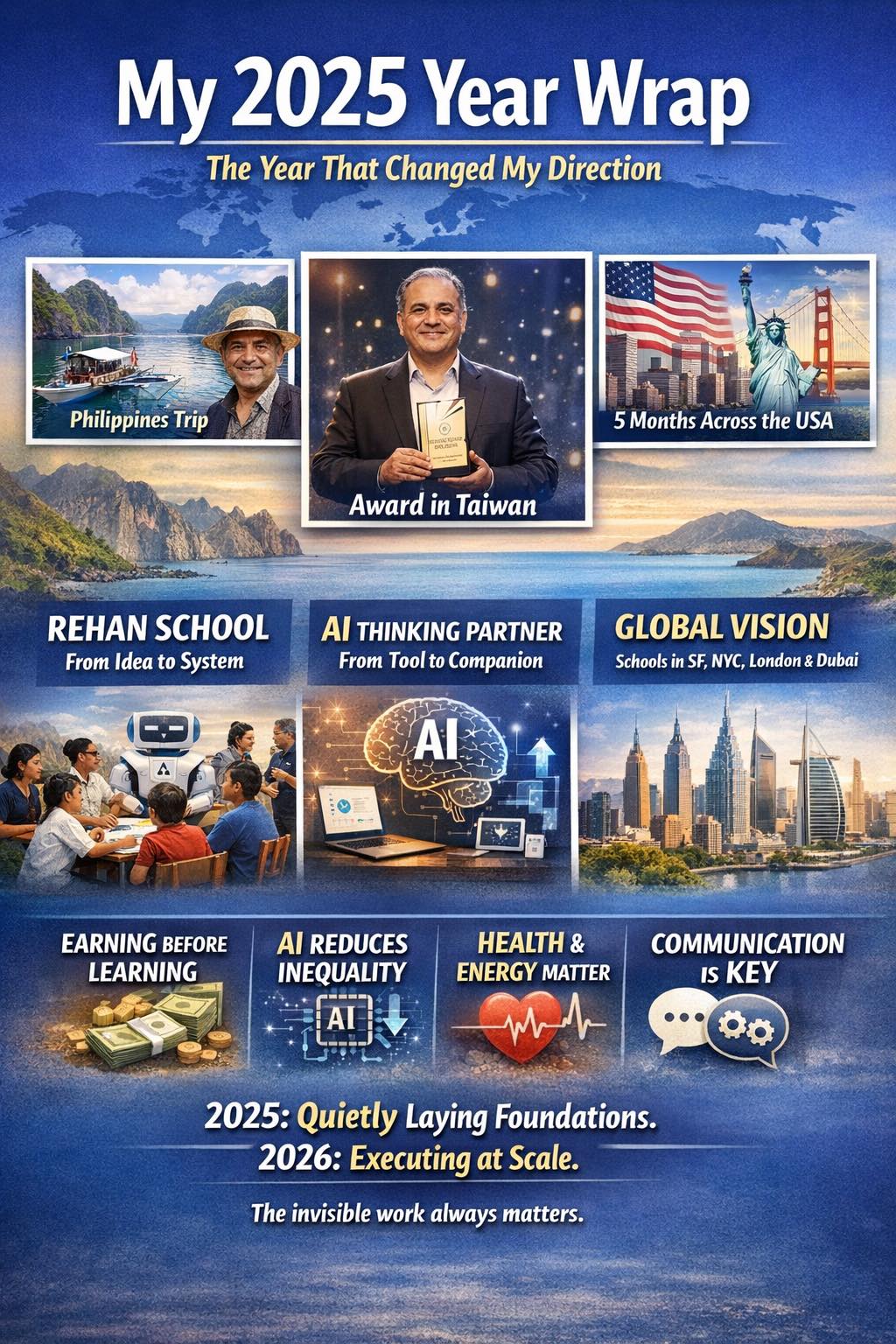
  • My 2025 Year Wrap (The Year That Changed My Direction)

    2025 didn’t look dramatic on Instagram.
    But internally, it rewired how I think about education, systems, and scale.

    This was the year I traveled, observed, compared, tested, and concluded.

    Firsts & Milestones
    • Traveled to the Philippines for the first time — saw a completely different education and hustle culture.
    • Won an international award in Taiwan for Rehan School — quiet validation that something built in Pakistan can compete globally.
    • Started walking one hour every day — not for fitness alone, but for thinking clearly.
    • Spent five months traveling across the United States, city by city, school by school.

    What I was looking for was simple:

    “Is there anything like Rehan School in the world?”

    What I Found in the U.S.

    I visited, researched, observed, and spoke to people across American education.

    Charter schools.
    Private schools.
    Alternative schools.
    Tech schools.
    AI schools.

    I found good branding.
    Good infrastructure.
    Good funding.

    I did not find a system that:
    • Makes children earn early
    • Builds confidence intentionally
    • Uses AI as a default thinking partner
    • Trains communication as a life skill
    • Treats poverty as a solvable engineering problem

    That realization changed everything.

    Instead of copying the West,
    I came back with a stronger belief:

    We need Rehan Schools in San Francisco, New York, London, and Dubai — ASAP.

    Not as “Pakistani schools abroad.”
    But as future-ready global schools.

    Rehan School → From Idea to System

    In 2025, Rehan School stopped being emotional and became structural.

    Clear earning paths were designed:
    • ₨5,000/month → ₨28,000/month → $200 → $500/month
    before adulthood.

    Because education without earning is incomplete.

    Focus moved from:
    “Teaching syllabus”
    to
    producing earners, leaders, and problem-solvers.

    AI: From Tool to Companion

    This year, AI stopped being a feature.

    It became:
    • a coach for people with no mentors
    • a multiplier for teachers
    • a confidence machine for children
    • a thinking partner for me, daily

    One belief became unshakable:
    AI will reduce inequality — if it reaches the right hands first.

    Hard Lessons of 2025
    • Most problems are not money problems — they’re communication problems
    • Speed without direction is noise
    • Motivation is useless without systems
    • The poor don’t need sympathy — they need tools
    • Children are far more capable than adults assume
    • AI is not dangerous — untrained humans are

    Personal Realization

    You can’t fix the world with a broken body.

    Health, sleep, food, energy — all became non-negotiable.
    The goal is clear:

    Engineer the health and clarity of a 21-year-old.

    What 2025 Really Was

    2025 was not about visibility.
    It was about verification.

    Verification that:
    • This model works
    • This thinking is global
    • This system is rare
    • And this needs to scale fast

    2026 is not about experimenting.
    It’s about execution at scale.

    If you’re building something meaningful and it feels invisible —
    You’re probably doing it right.

    The foundation years are always quiet.
    My 2025 Year Wrap (The Year That Changed My Direction) 2025 didn’t look dramatic on Instagram. But internally, it rewired how I think about education, systems, and scale. This was the year I traveled, observed, compared, tested, and concluded. Firsts & Milestones • Traveled to the Philippines for the first time — saw a completely different education and hustle culture. • Won an international award in Taiwan for Rehan School — quiet validation that something built in Pakistan can compete globally. • Started walking one hour every day — not for fitness alone, but for thinking clearly. • Spent five months traveling across the United States, city by city, school by school. What I was looking for was simple: “Is there anything like Rehan School in the world?” What I Found in the U.S. I visited, researched, observed, and spoke to people across American education. Charter schools. Private schools. Alternative schools. Tech schools. AI schools. I found good branding. Good infrastructure. Good funding. I did not find a system that: • Makes children earn early • Builds confidence intentionally • Uses AI as a default thinking partner • Trains communication as a life skill • Treats poverty as a solvable engineering problem That realization changed everything. Instead of copying the West, I came back with a stronger belief: We need Rehan Schools in San Francisco, New York, London, and Dubai — ASAP. Not as “Pakistani schools abroad.” But as future-ready global schools. Rehan School → From Idea to System In 2025, Rehan School stopped being emotional and became structural. Clear earning paths were designed: • ₨5,000/month → ₨28,000/month → $200 → $500/month before adulthood. Because education without earning is incomplete. Focus moved from: “Teaching syllabus” to producing earners, leaders, and problem-solvers. AI: From Tool to Companion This year, AI stopped being a feature. It became: • a coach for people with no mentors • a multiplier for teachers • a confidence machine for children • a thinking partner for me, daily One belief became unshakable: AI will reduce inequality — if it reaches the right hands first. Hard Lessons of 2025 • Most problems are not money problems — they’re communication problems • Speed without direction is noise • Motivation is useless without systems • The poor don’t need sympathy — they need tools • Children are far more capable than adults assume • AI is not dangerous — untrained humans are Personal Realization You can’t fix the world with a broken body. Health, sleep, food, energy — all became non-negotiable. The goal is clear: Engineer the health and clarity of a 21-year-old. What 2025 Really Was 2025 was not about visibility. It was about verification. Verification that: • This model works • This thinking is global • This system is rare • And this needs to scale fast 2026 is not about experimenting. It’s about execution at scale. If you’re building something meaningful and it feels invisible — You’re probably doing it right. The foundation years are always quiet.
    0 التعليقات 0 المشاركات 25 مشاهدة
  • Good job #titanschool
    Good job #titanschool
    0 التعليقات 0 المشاركات 9 مشاهدة