0 تبصرے
0 شیئرز
29 ویوز
ڈائریکٹری
Discover new people, create new connections and make new friends
- Please log in to like, share and comment!
-
- Discovering an Inspirational Leader: The Remarkable Journey of Dr. Shoab Khan
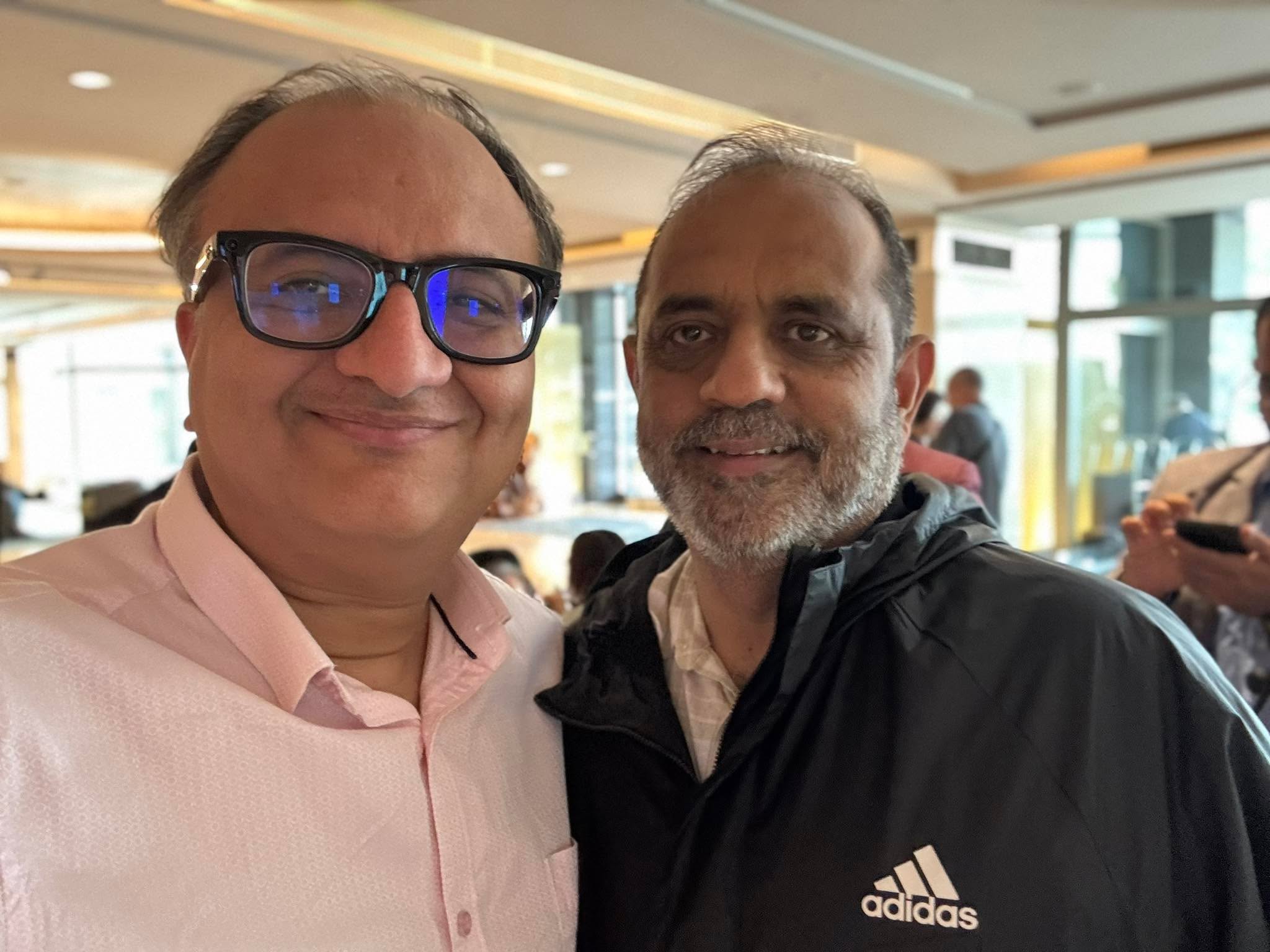
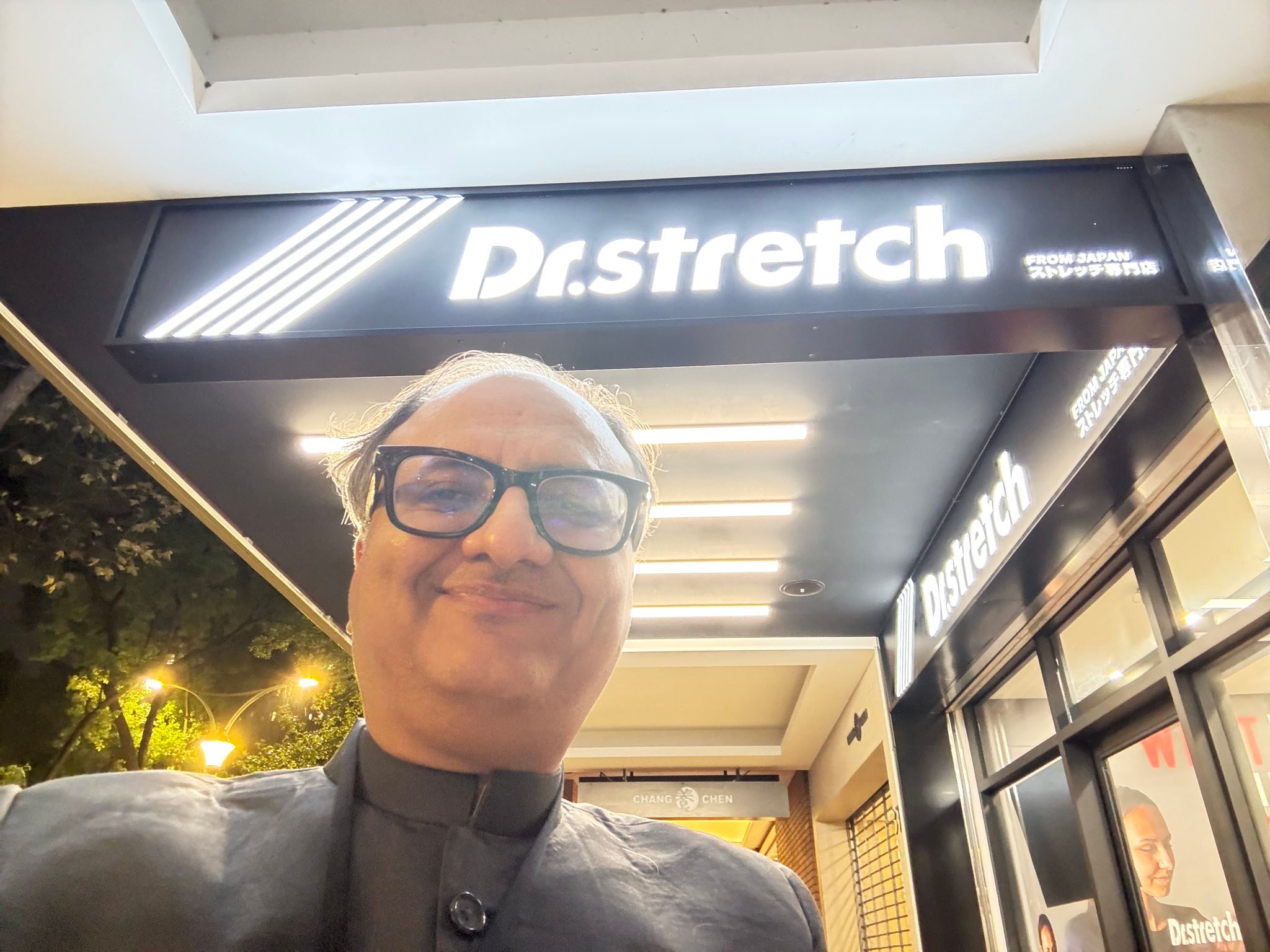
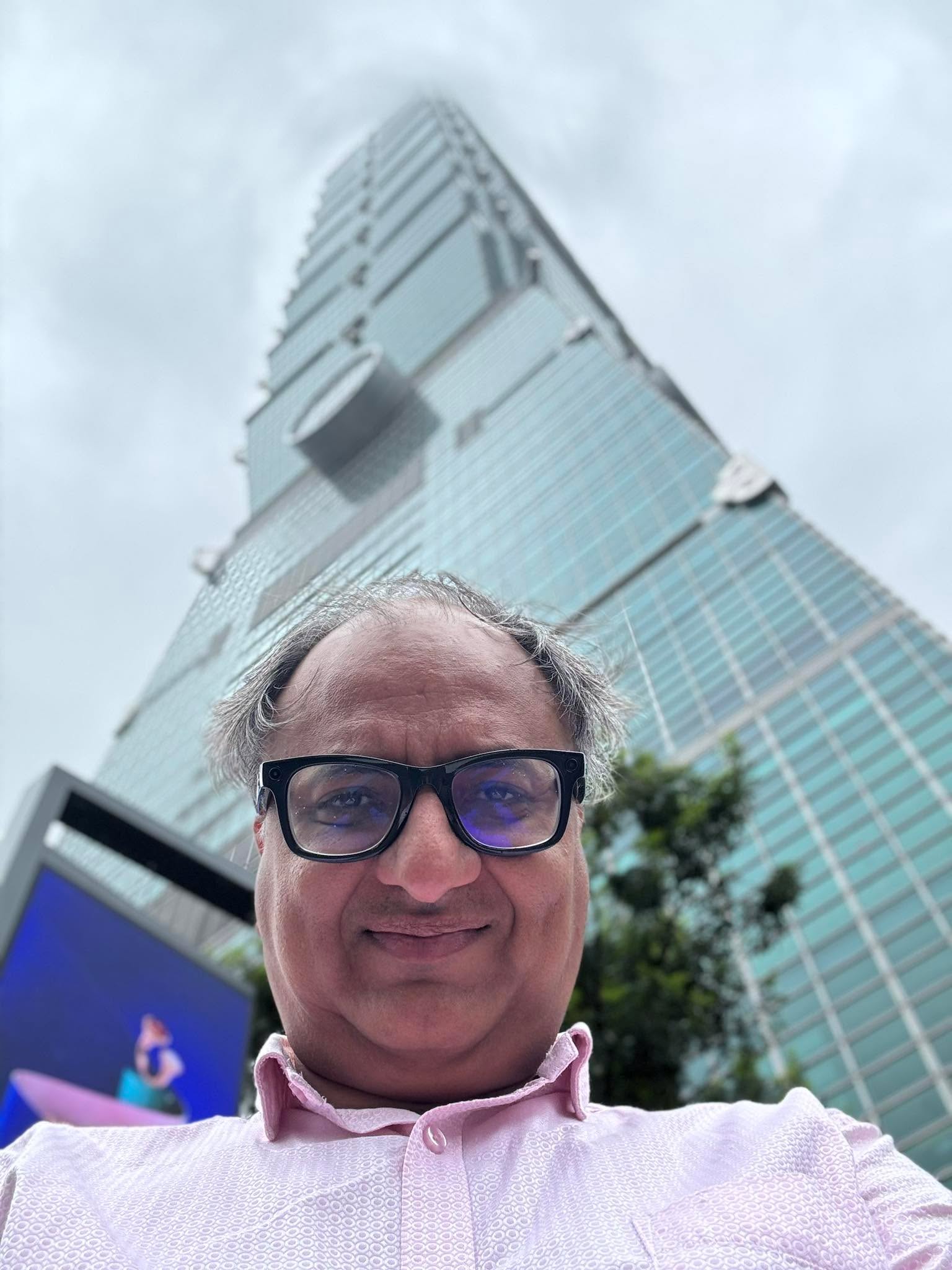
Honored to meet Shoab Khan in person after knowing him online for 11 years today in Taipei , Taiwan
Dear friends,
Today I want to introduce you to an extraordinary individual whose contributions to education, technology, and nation-building in Pakistan deserve widespread recognition: Dr. Shoab Khan.
A distinguished academic and visionary entrepreneur, Dr. Shoab Khan serves as Chancellor of the Sir Syed CASE Institute of Technology (SS-CASE-IT) in Islamabad and as Chief Executive Officer of CARE Pvt Ltd, a leading technology solutions company. With a strong foundation from the Georgia Institute of Technology and decades of experience in engineering and research, he has dedicated his career to bridging the gap between academia and industry.
Under his leadership, SS-CASE-IT has emerged as a premier institution fostering innovation in engineering, computer science, and emerging technologies. The institute emphasizes practical, industry-relevant education that equips students not just with knowledge, but with the skills to solve real-world problems. His company, CARE Pvt Ltd, has delivered cutting-edge solutions in defense electronics, telecommunications, and software systems—contributions that have strengthened Pakistan’s technological capabilities on both national and international levels.
What truly sets Dr. Shoab apart is his unwavering commitment to educational reform and community development. He regularly conducts advanced training programs on algorithms, artificial intelligence, and system design, empowering thousands of young engineers across Pakistan. His visits to universities and passionate advocacy for quality technical education reflect a deep belief that a nation’s future rests on the strength of its human capital.
Dr. Shoab Khan’s Three Superpowers
1 Visionary Bridge-Builder – Seamlessly connecting world-class academia with real-world industry needs, creating ecosystems where students become immediate value-creators.
2 Mentor of Thousands – Possesses the rare ability to simplify complex concepts in AI, algorithms, and systems design, igniting passion and excellence in young minds across the country.
3 Quiet Patriot – Transforms national challenges into technological opportunities, delivering defense and telecom solutions that enhance Pakistan’s sovereignty and global standing—without ever seeking the spotlight.
With over 14,000 followers and 500+ professional connections on LinkedIn, Dr. Shoab Khan is not just a leader—he is a mentor, an innovator, and a patriot who continues to inspire the next generation.
Let us celebrate individuals like him who work quietly yet powerfully to uplift their country through knowledge and innovation.
Website: http://drshoabkhan.com�Institute: http://case.edu.pk�Company: http://carepvtltd.com
Feel free to connect with him on LinkedIn:�https://www.linkedin.com/in/shoab-khan-aa372b24
Tag a friend who believes in the power of education and technology—let’s spread inspiration!
#DrShoabKhan #PakistanEducation #TechInnovation #SSCASEIT #Leadership�Posted by @rehanallahwalaDiscovering an Inspirational Leader: The Remarkable Journey of Dr. Shoab Khan Honored to meet Shoab Khan in person after knowing him online for 11 years today in Taipei , Taiwan 🇹🇼 Dear friends, Today I want to introduce you to an extraordinary individual whose contributions to education, technology, and nation-building in Pakistan deserve widespread recognition: Dr. Shoab Khan. A distinguished academic and visionary entrepreneur, Dr. Shoab Khan serves as Chancellor of the Sir Syed CASE Institute of Technology (SS-CASE-IT) in Islamabad and as Chief Executive Officer of CARE Pvt Ltd, a leading technology solutions company. With a strong foundation from the Georgia Institute of Technology and decades of experience in engineering and research, he has dedicated his career to bridging the gap between academia and industry. Under his leadership, SS-CASE-IT has emerged as a premier institution fostering innovation in engineering, computer science, and emerging technologies. The institute emphasizes practical, industry-relevant education that equips students not just with knowledge, but with the skills to solve real-world problems. His company, CARE Pvt Ltd, has delivered cutting-edge solutions in defense electronics, telecommunications, and software systems—contributions that have strengthened Pakistan’s technological capabilities on both national and international levels. What truly sets Dr. Shoab apart is his unwavering commitment to educational reform and community development. He regularly conducts advanced training programs on algorithms, artificial intelligence, and system design, empowering thousands of young engineers across Pakistan. His visits to universities and passionate advocacy for quality technical education reflect a deep belief that a nation’s future rests on the strength of its human capital. Dr. Shoab Khan’s Three Superpowers 1 Visionary Bridge-Builder – Seamlessly connecting world-class academia with real-world industry needs, creating ecosystems where students become immediate value-creators. 2 Mentor of Thousands – Possesses the rare ability to simplify complex concepts in AI, algorithms, and systems design, igniting passion and excellence in young minds across the country. 3 Quiet Patriot – Transforms national challenges into technological opportunities, delivering defense and telecom solutions that enhance Pakistan’s sovereignty and global standing—without ever seeking the spotlight. With over 14,000 followers and 500+ professional connections on LinkedIn, Dr. Shoab Khan is not just a leader—he is a mentor, an innovator, and a patriot who continues to inspire the next generation. Let us celebrate individuals like him who work quietly yet powerfully to uplift their country through knowledge and innovation. Website: http://drshoabkhan.com�Institute: http://case.edu.pk�Company: http://carepvtltd.com Feel free to connect with him on LinkedIn:�https://www.linkedin.com/in/shoab-khan-aa372b24 Tag a friend who believes in the power of education and technology—let’s spread inspiration! 🇵🇰✨ #DrShoabKhan #PakistanEducation #TechInnovation #SSCASEIT #Leadership�Posted by @rehanallahwala0 تبصرے 0 شیئرز 1479 ویوز - Taipei 101 ! Worlds 2nd tallest building after 22 yearsTaipei 101 ! Worlds 2nd tallest building after 22 years0 تبصرے 0 شیئرز 29 ویوز
- When asked for his best advice for young people, Scale AI co-founder Alexandr Wang said, “it’s impossible to understate the degree to which I’ve been radicalized by AI coding.” cnb.cx/4hD6xwTWhen asked for his best advice for young people, Scale AI co-founder Alexandr Wang said, “it’s impossible to understate the degree to which I’ve been radicalized by AI coding.” cnb.cx/4hD6xwT0 تبصرے 0 شیئرز 29 ویوز
- Nvidia CEO: If I were a student today, heres how Id use AI to do my job better—it ‘doesn’t matter’ the profession.Nvidia CEO: If I were a student today, here's how I'd use AI to do my job better—it ‘doesn’t matter’ the profession.0 تبصرے 0 شیئرز 192 ویوز
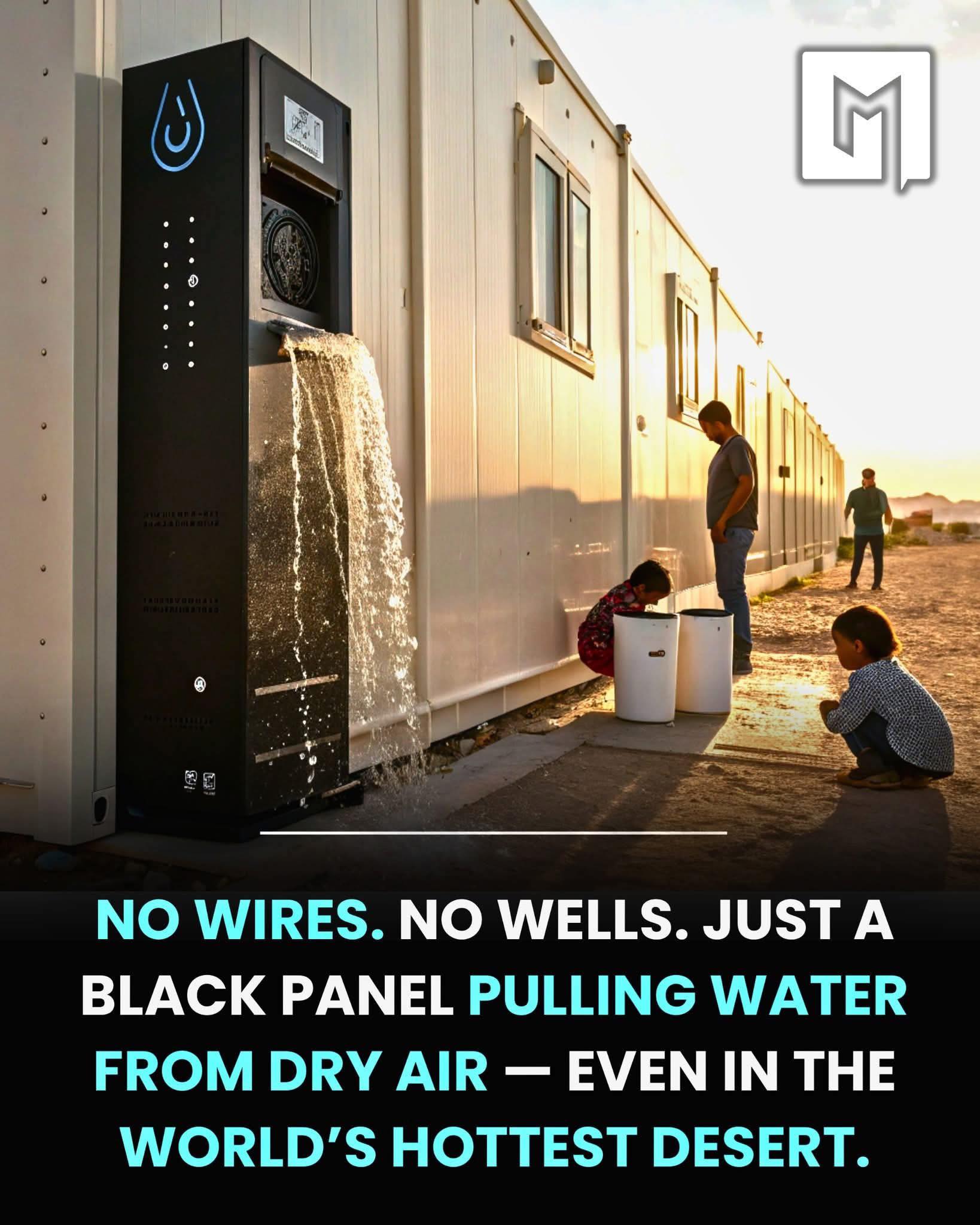
- How Anyone Can Build a Water-From-Air Device in Pakistan by chatgpt
A Pathway to Solving Water Scarcity Through Local Innovation
⸻
The Problem We Face
Pakistan faces acute water scarcity. According to international reports, the country could face severe shortages by 2030. Many rural and desert regions — especially Tharparkar, Balochistan, and Cholistan — have no access to clean groundwater. The idea of extracting water directly from air, once a dream, is now scientifically possible thanks to breakthroughs like MIT’s hydrogel-based atmospheric water harvester.
This technology doesn’t need electricity, wells, or pipelines. It can be built locally with basic chemistry knowledge, sunlight, and simple materials.
⸻
Understanding How It Works
The device uses three natural processes that already happen in our environment:
1. Absorption: Certain salts and gels absorb humidity from the air at night.
2. Evaporation: When the sun heats them during the day, the absorbed water turns to vapour.
3. Condensation: The vapour touches a cooler surface (like glass or metal) and becomes liquid water.
MIT’s invention uses a hydrogel matrix — a sponge-like material mixed with:
• Hygroscopic salts (like calcium chloride or lithium chloride) that attract water from air.
• Glycerol (used in soaps and creams) to prevent salt crystallisation and leakage.
• A transparent cover that lets sunlight in and helps condense the vapour.
You can replicate this using locally available materials and tools.
⸻
Materials Needed (All Available in Pakistan)
Component Purpose Local Source
Calcium chloride (CaCl₂) Absorbs humidity Hardware stores (used in dehumidifiers, cement dryers)
Glycerol Prevents salt leakage and keeps gel soft Pharmacy or chemical store
Gelatin or Polyacrylamide To create hydrogel (the sponge matrix) Available in school lab supply stores
Black aluminum sheet or solar absorber Heats up during day Local metal workshop
Glass or acrylic sheet Transparent top layer for condensation Any glass shop
Silicone sealant or rubber gasket To seal edges Hardware store
Plastic or metal tray For collecting condensed water Household item
All materials can be sourced for under PKR 5,000–7,000 for a small prototype.
⸻
Step-By-Step Construction
Create the Hydrogel
• Mix gelatin powder or polyacrylamide crystals with warm water to form a jelly-like gel.
• Dissolve calcium chloride in water (ratio: 1 part salt : 3 parts water).
• Add a few drops of glycerol to the salt solution.
• Blend the salt solution with the hydrogel mixture and spread it on a flat tray.
• Let it set and dry — you’ll now have a water-absorbing gel sheet.
Design the Panel
• Take a black metal or plastic backing (acts as heat absorber).
• Place the hydrogel sheet on it.
• Cover it with a transparent glass sheet, leaving small vents at top/bottom for air flow.
• Seal edges with silicone.
Collect the Condensed Water
• Mount the panel vertically or at a 45° angle facing the sun.
• As the sun heats it, water will evaporate from the gel and condense on the glass.
• Let the condensed droplets run down into a collection tray or pipe.
• Filter (optional) through activated charcoal or sand for taste and safety.
⸻
Operating Principle
• At night: the hydrogel absorbs moisture from air.
• At day: the sun heats the black backing, vapour rises, and condenses on the glass.
• Each cycle (24 hours) can yield 100–200 ml of water per panel, depending on humidity.
If ten panels are combined (costing about PKR 50,000 total), they can generate 1.5–2 litres of drinking water per day — enough for a small family in desert areas.
⸻
Scaling Up in Pakistan
Here’s how it can grow beyond a science project:
1. School or University Labs
Encourage students in NED, NUST, Mehran, and Sindh University to replicate this as a STEM project.
They can locally test different materials — e.g. cheaper salts like magnesium chloride, or natural gels from aloe vera or starch.
2. Startup Model
• Start a small business making “Air Water Panels.”
• Sell them for PKR 15,000–20,000 each to NGOs, camping companies, or off-grid villages.
• Partner with Saylani Welfare, Edhi, or Rehan Foundation for rural pilot installations.
3. Rural Deployment
Combine panels with:
• Solar lights
• Rainwater storage tanks
• Small bio-sand filters
Create self-sufficient water kiosks for desert schools and communities.
⸻
Environmental & Social Benefits
• Zero carbon emissions: no electricity, no pumps.
• Portable: can be moved like a solar panel.
• Scalable: from one house to an entire village.
• Empowering youth: teaches science, sustainability, and entrepreneurship.
If 10,000 young Pakistanis build just 10 panels each, that’s 100,000 families with new access to clean drinking water.
⸻
Challenges to Solve
1. Efficiency: Increase yield in dry air by experimenting with different salts.
2. Durability: Ensure the gel lasts 6–12 months under sunlight.
3. Safety: Test for contamination (with university support).
4. Cost Reduction: Mass-produce the panels using moulds or recycled plastic.
These are all within reach for Pakistani students and makers.
⸻
Vision: Made in Pakistan for the World
By 2030, Pakistan can lead the world in low-cost atmospheric water technology — not by importing, but by inventing locally.
A network of Rehan School AI students, young makers, and solar entrepreneurs could design, build, and sell “Water-From-Air” devices across South Asia, Africa, and the Middle East — transforming deserts into thriving communities.
⸻
Conclusion
Water scarcity is not destiny. It’s a solvable engineering problem.
MIT showed the science — Pakistan can show the scalability.
From Karachi to Thar, Gwadar to Gilgit, every rooftop or school window could soon be a mini water factory powered by the sun.💧 How Anyone Can Build a Water-From-Air Device in Pakistan by chatgpt A Pathway to Solving Water Scarcity Through Local Innovation ⸻ 🌍 The Problem We Face Pakistan faces acute water scarcity. According to international reports, the country could face severe shortages by 2030. Many rural and desert regions — especially Tharparkar, Balochistan, and Cholistan — have no access to clean groundwater. The idea of extracting water directly from air, once a dream, is now scientifically possible thanks to breakthroughs like MIT’s hydrogel-based atmospheric water harvester. This technology doesn’t need electricity, wells, or pipelines. It can be built locally with basic chemistry knowledge, sunlight, and simple materials. ⸻ 🔬 Understanding How It Works The device uses three natural processes that already happen in our environment: 1. Absorption: Certain salts and gels absorb humidity from the air at night. 2. Evaporation: When the sun heats them during the day, the absorbed water turns to vapour. 3. Condensation: The vapour touches a cooler surface (like glass or metal) and becomes liquid water. MIT’s invention uses a hydrogel matrix — a sponge-like material mixed with: • Hygroscopic salts (like calcium chloride or lithium chloride) that attract water from air. • Glycerol (used in soaps and creams) to prevent salt crystallisation and leakage. • A transparent cover that lets sunlight in and helps condense the vapour. You can replicate this using locally available materials and tools. ⸻ 🧪 Materials Needed (All Available in Pakistan) Component Purpose Local Source Calcium chloride (CaCl₂) Absorbs humidity Hardware stores (used in dehumidifiers, cement dryers) Glycerol Prevents salt leakage and keeps gel soft Pharmacy or chemical store Gelatin or Polyacrylamide To create hydrogel (the sponge matrix) Available in school lab supply stores Black aluminum sheet or solar absorber Heats up during day Local metal workshop Glass or acrylic sheet Transparent top layer for condensation Any glass shop Silicone sealant or rubber gasket To seal edges Hardware store Plastic or metal tray For collecting condensed water Household item All materials can be sourced for under PKR 5,000–7,000 for a small prototype. ⸻ 🧰 Step-By-Step Construction 1️⃣ Create the Hydrogel • Mix gelatin powder or polyacrylamide crystals with warm water to form a jelly-like gel. • Dissolve calcium chloride in water (ratio: 1 part salt : 3 parts water). • Add a few drops of glycerol to the salt solution. • Blend the salt solution with the hydrogel mixture and spread it on a flat tray. • Let it set and dry — you’ll now have a water-absorbing gel sheet. 2️⃣ Design the Panel • Take a black metal or plastic backing (acts as heat absorber). • Place the hydrogel sheet on it. • Cover it with a transparent glass sheet, leaving small vents at top/bottom for air flow. • Seal edges with silicone. 3️⃣ Collect the Condensed Water • Mount the panel vertically or at a 45° angle facing the sun. • As the sun heats it, water will evaporate from the gel and condense on the glass. • Let the condensed droplets run down into a collection tray or pipe. • Filter (optional) through activated charcoal or sand for taste and safety. ⸻ ☀️ Operating Principle • At night: the hydrogel absorbs moisture from air. • At day: the sun heats the black backing, vapour rises, and condenses on the glass. • Each cycle (24 hours) can yield 100–200 ml of water per panel, depending on humidity. If ten panels are combined (costing about PKR 50,000 total), they can generate 1.5–2 litres of drinking water per day — enough for a small family in desert areas. ⸻ 🏭 Scaling Up in Pakistan Here’s how it can grow beyond a science project: 🧑🔬 1. School or University Labs Encourage students in NED, NUST, Mehran, and Sindh University to replicate this as a STEM project. They can locally test different materials — e.g. cheaper salts like magnesium chloride, or natural gels from aloe vera or starch. 🧑💼 2. Startup Model • Start a small business making “Air Water Panels.” • Sell them for PKR 15,000–20,000 each to NGOs, camping companies, or off-grid villages. • Partner with Saylani Welfare, Edhi, or Rehan Foundation for rural pilot installations. 🧑🌾 3. Rural Deployment Combine panels with: • Solar lights • Rainwater storage tanks • Small bio-sand filters Create self-sufficient water kiosks for desert schools and communities. ⸻ 🌱 Environmental & Social Benefits • Zero carbon emissions: no electricity, no pumps. • Portable: can be moved like a solar panel. • Scalable: from one house to an entire village. • Empowering youth: teaches science, sustainability, and entrepreneurship. If 10,000 young Pakistanis build just 10 panels each, that’s 100,000 families with new access to clean drinking water. ⸻ 🔧 Challenges to Solve 1. Efficiency: Increase yield in dry air by experimenting with different salts. 2. Durability: Ensure the gel lasts 6–12 months under sunlight. 3. Safety: Test for contamination (with university support). 4. Cost Reduction: Mass-produce the panels using moulds or recycled plastic. These are all within reach for Pakistani students and makers. ⸻ 🕊️ Vision: Made in Pakistan for the World By 2030, Pakistan can lead the world in low-cost atmospheric water technology — not by importing, but by inventing locally. A network of Rehan School AI students, young makers, and solar entrepreneurs could design, build, and sell “Water-From-Air” devices across South Asia, Africa, and the Middle East — transforming deserts into thriving communities. ⸻ 💡 Conclusion Water scarcity is not destiny. It’s a solvable engineering problem. MIT showed the science — Pakistan can show the scalability. From Karachi to Thar, Gwadar to Gilgit, every rooftop or school window could soon be a mini water factory powered by the sun.0 تبصرے 0 شیئرز 547 ویوز - In Europe they now don’t give you shopping bags in grocery stores !
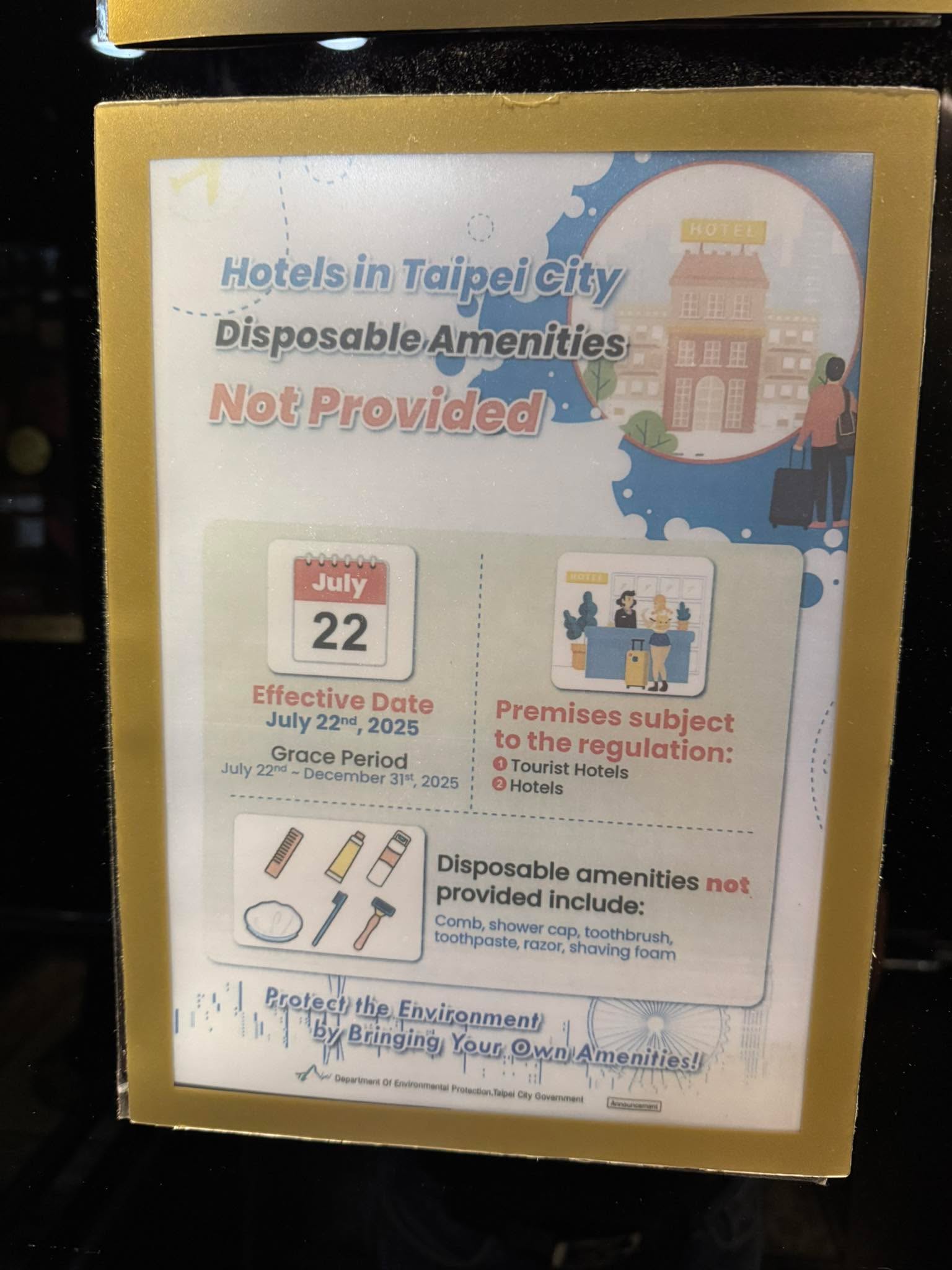
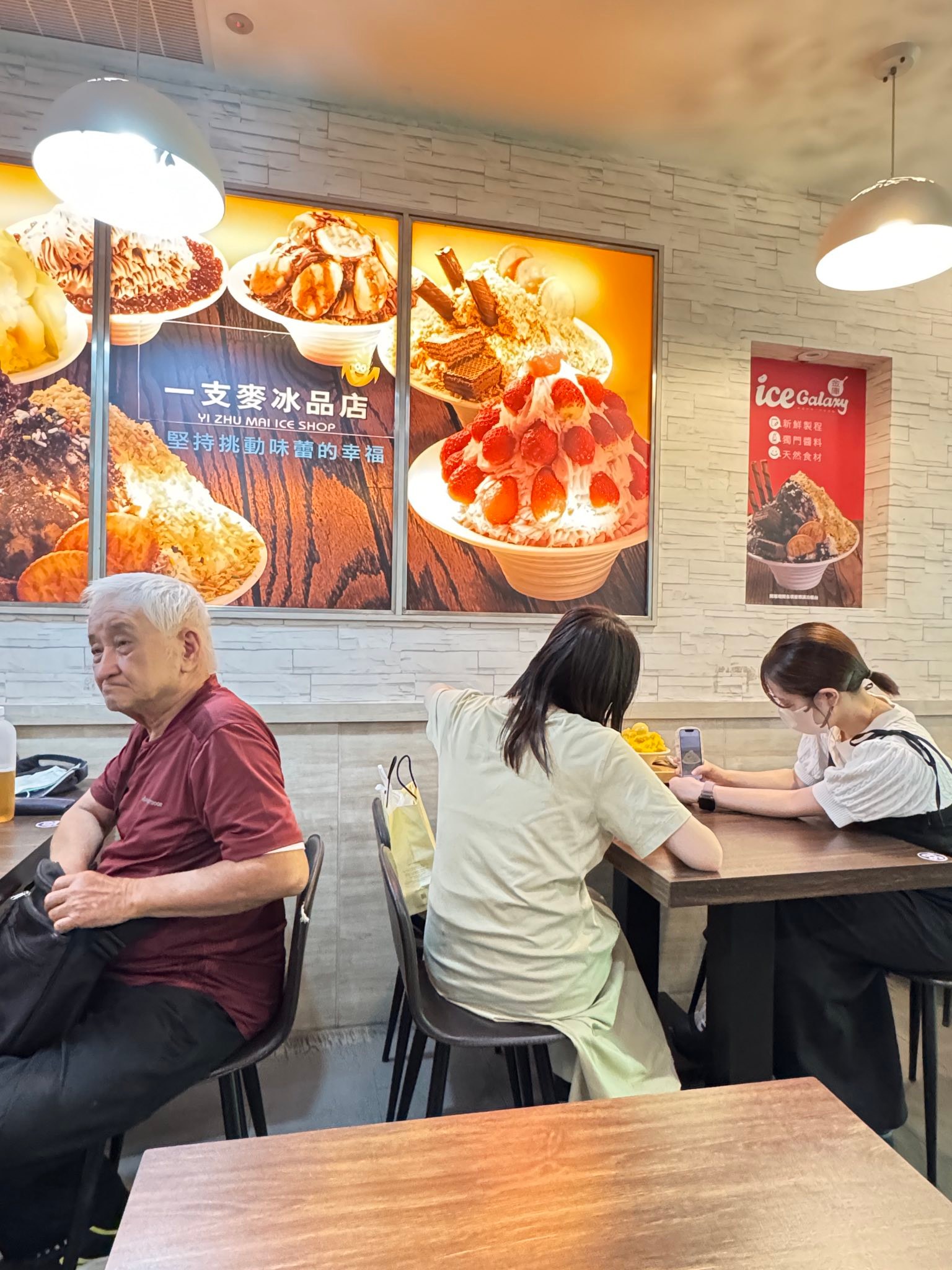
In taiwan they don’t give you soap in hotel any more !
I wish these law makers could be more creative !In Europe they now don’t give you shopping bags in grocery stores ! In taiwan 🇹🇼 they don’t give you soap in hotel any more ! I wish these law makers could be more creative !0 تبصرے 0 شیئرز 32 ویوز - Why Some Muslim Women Cover Their Faces –
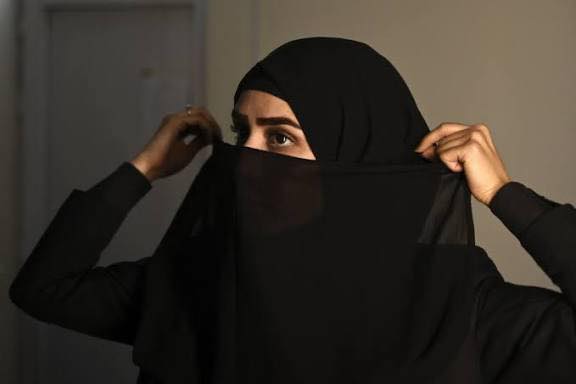
When you see a Muslim woman covering her face, it might seem unfamiliar or even uncomfortable. You might think, “Why would someone hide their beauty?” or “Isn’t that oppression?” These are honest questions — and they deserve a thoughtful answer.
In Islam, modesty is not only for women; it is a shared value for both men and women. The Qur’an asks both to dress modestly and to behave with dignity and respect. From this teaching grew different cultural expressions — the hijab (headscarf), the niqab (face veil), and the abaya (loose clothing). Covering the face, in particular, is not a universal Islamic law but an interpretation of modesty followed mainly in Arab cultures such as Saudi Arabia or the Gulf region.
For many Muslim women, the face covering is not about hiding. It is about choosing how to be seen. In a world where women are often judged for their appearance, some find liberation in modesty. They express: “My worth is not in how I look, but in who I am.” It becomes a statement of independence and faith — not submission.
However, Islam is a global faith, and its followers live in many cultures. That’s why you see diversity: in Indonesia, Malaysia, and much of Southeast Asia, women rarely cover their faces. They wear only the headscarf (called tudung or jilbab). Their societies interpret modesty differently — as clean, polite, and respectful behavior — not necessarily as full covering. Climate, culture, and local traditions all influence this.
Islam allows flexibility according to culture. The Prophet Muhammad (peace be upon him) never forced one uniform dress code; he emphasized intention, humility, and moral character. Whether a woman wears the niqab, hijab, or no covering at all, what matters most is her faith and conduct.
So when you meet a Muslim woman who covers her face, see her not as someone oppressed, but as someone making a personal, spiritual choice. And when you meet one who doesn’t, understand that she, too, is following her faith — just in a way that fits her culture.
Freedom is not about everyone looking the same; it’s about everyone having the right to choose.
⸻Why Some Muslim Women Cover Their Faces – When you see a Muslim woman covering her face, it might seem unfamiliar or even uncomfortable. You might think, “Why would someone hide their beauty?” or “Isn’t that oppression?” These are honest questions — and they deserve a thoughtful answer. In Islam, modesty is not only for women; it is a shared value for both men and women. The Qur’an asks both to dress modestly and to behave with dignity and respect. From this teaching grew different cultural expressions — the hijab (headscarf), the niqab (face veil), and the abaya (loose clothing). Covering the face, in particular, is not a universal Islamic law but an interpretation of modesty followed mainly in Arab cultures such as Saudi Arabia or the Gulf region. For many Muslim women, the face covering is not about hiding. It is about choosing how to be seen. In a world where women are often judged for their appearance, some find liberation in modesty. They express: “My worth is not in how I look, but in who I am.” It becomes a statement of independence and faith — not submission. However, Islam is a global faith, and its followers live in many cultures. That’s why you see diversity: in Indonesia, Malaysia, and much of Southeast Asia, women rarely cover their faces. They wear only the headscarf (called tudung or jilbab). Their societies interpret modesty differently — as clean, polite, and respectful behavior — not necessarily as full covering. Climate, culture, and local traditions all influence this. Islam allows flexibility according to culture. The Prophet Muhammad (peace be upon him) never forced one uniform dress code; he emphasized intention, humility, and moral character. Whether a woman wears the niqab, hijab, or no covering at all, what matters most is her faith and conduct. So when you meet a Muslim woman who covers her face, see her not as someone oppressed, but as someone making a personal, spiritual choice. And when you meet one who doesn’t, understand that she, too, is following her faith — just in a way that fits her culture. Freedom is not about everyone looking the same; it’s about everyone having the right to choose. ⸻0 تبصرے 0 شیئرز 29 ویوز -