0 Σχόλια
0 Μοιράστηκε
6 Views
Κατάλογος
Ανακάλυψε νέους ανθρώπους, δημιούργησε νέες συνδέσεις και κάνε καινούργιους φίλους
- Παρακαλούμε συνδέσου στην Κοινότητά μας για να δηλώσεις τι σου αρέσει, να σχολιάσεις και να μοιραστείς με τους φίλους σου!
-
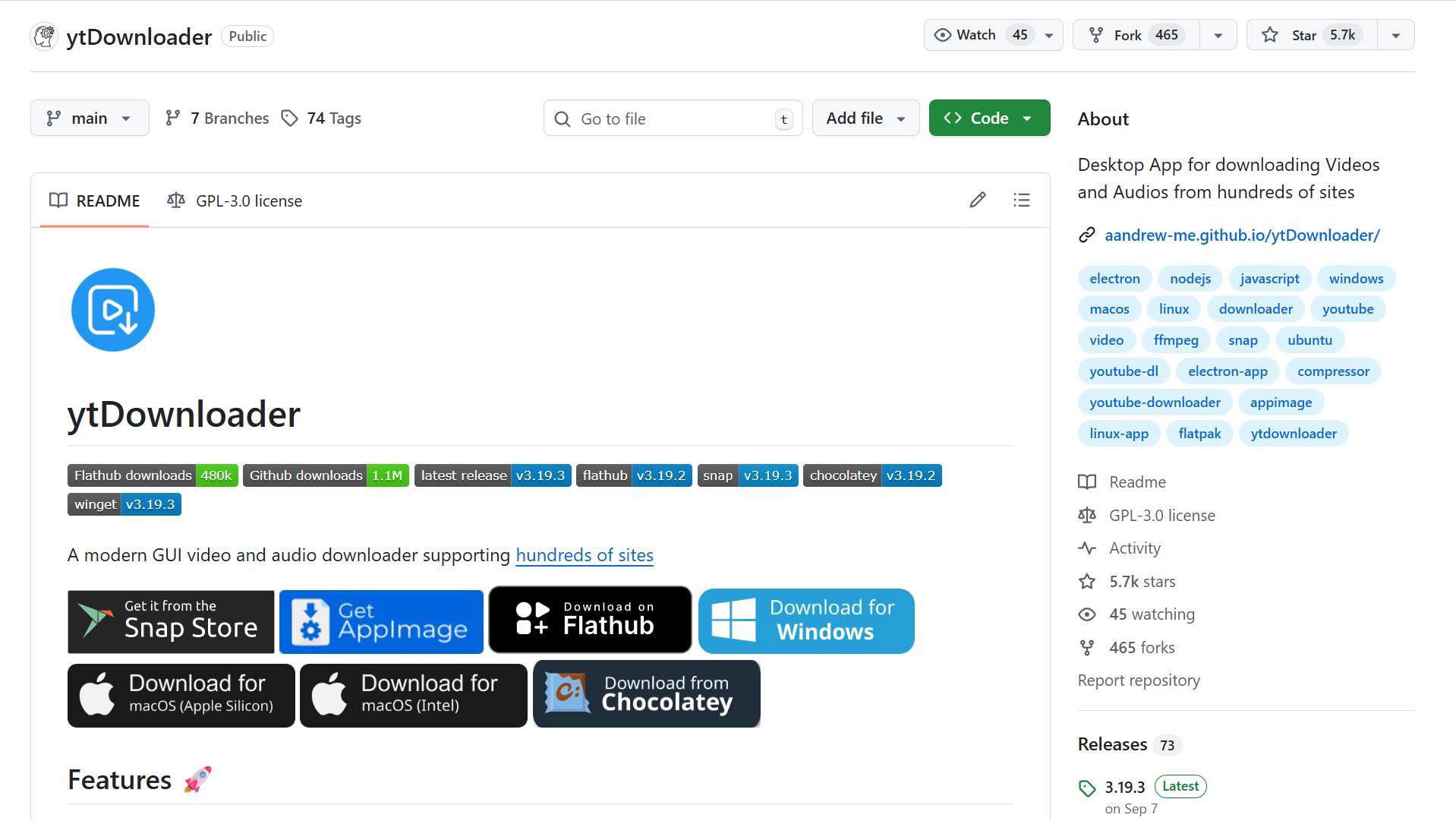
- Open Source App to download videos from 100+ sources, including YouTube, Facebook, Instagram, TikTok, Twitter, and more.
Stop watching those irritating ads and paying for premium software. This software can do everything for free.
#opensource #github #videodownloader #downloader #youtube #tiktok #freeapps
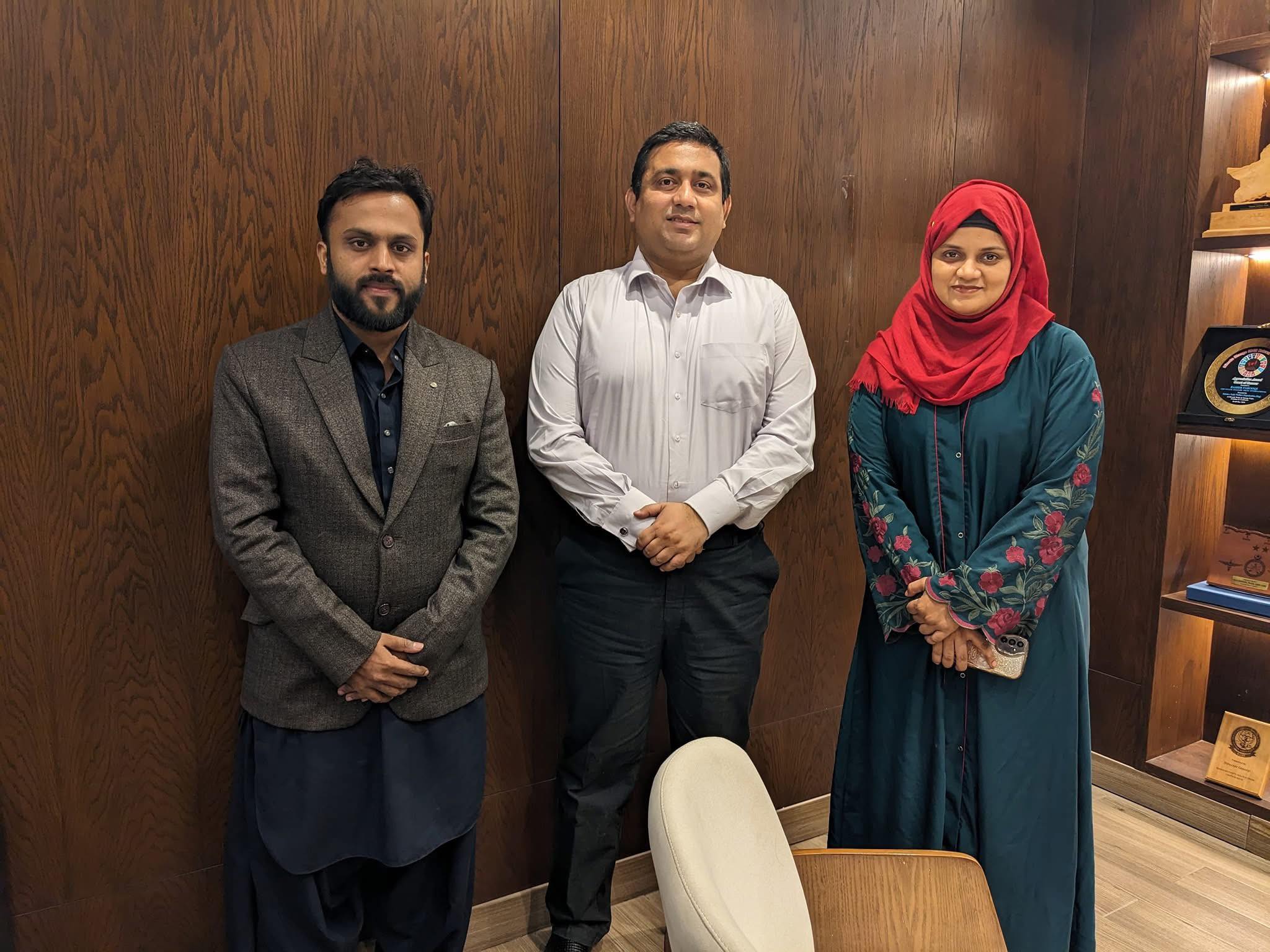
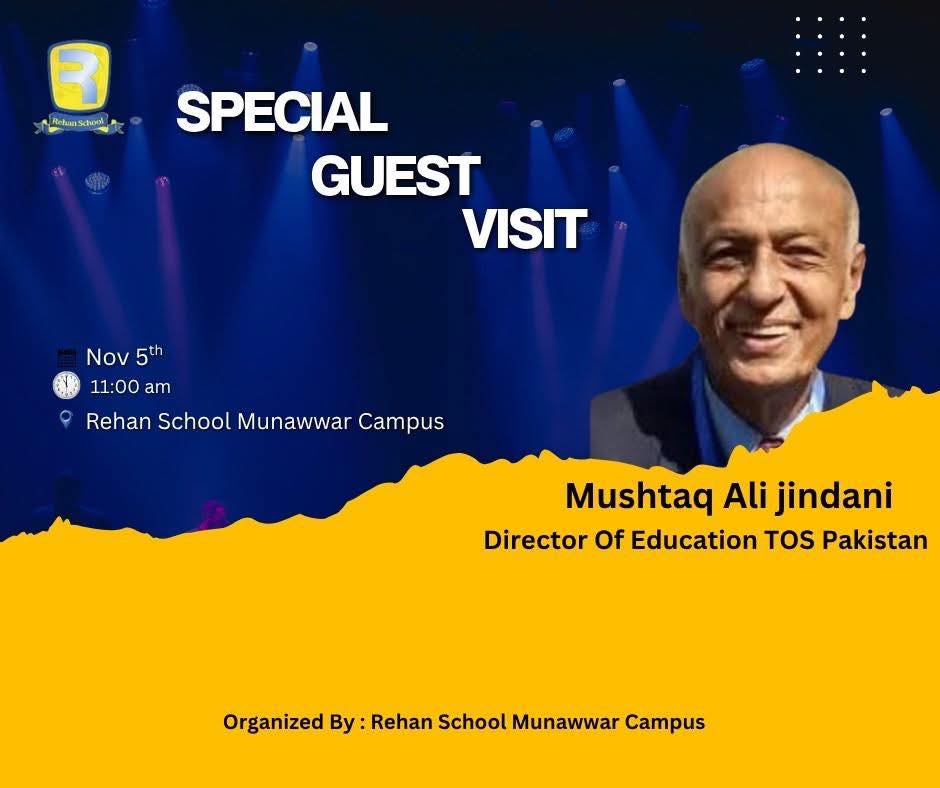
Get the app here: https://github.com/aandrew-me/ytDownloaderOpen Source App to download videos from 100+ sources, including YouTube, Facebook, Instagram, TikTok, Twitter, and more. Stop watching those irritating ads and paying for premium software. This software can do everything for free. #opensource #github #videodownloader #downloader #youtube #tiktok #freeapps Get the app here: https://github.com/aandrew-me/ytDownloader0 Σχόλια 0 Μοιράστηκε 2198 Views - Thank you Mushtaq Ali Jindani for visiting Rehan School Munawwar CampusThank you Mushtaq Ali Jindani for visiting Rehan School Munawwar Campus0 Σχόλια 0 Μοιράστηκε 6 Views
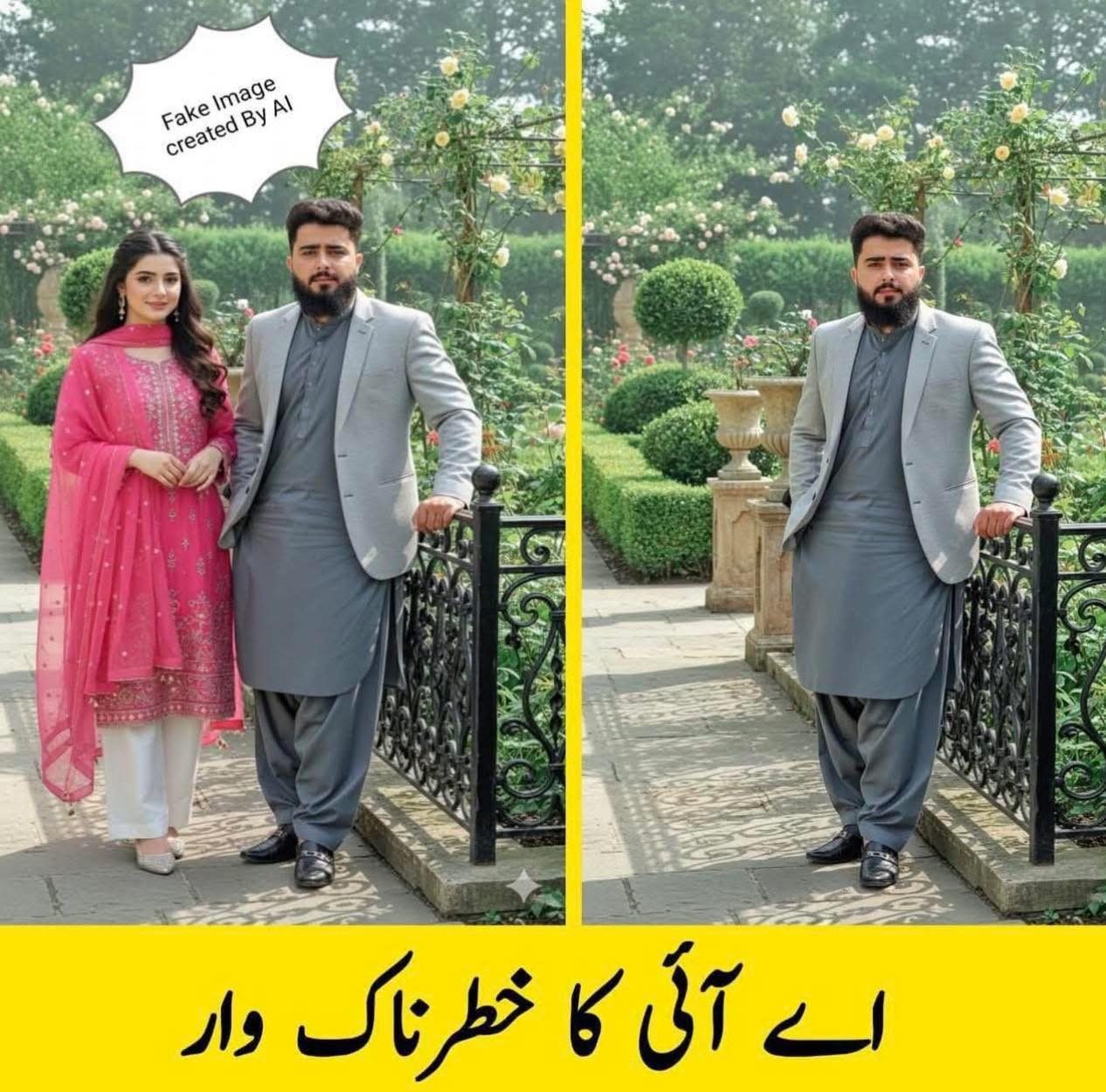
- خبراد آرٹیفیشل انٹیلیجنس بہت زیادہ خطرناک ہے آپ یہ دونوں تصاویر دیکھ کے خود اندازہ لگا سکتے ہیں کہ کس قدر خطرناک ہے۔بہت سے خاندان تباہ ہو چکے ہیں ہم جیسے سادہ لوح انسان کو بھٹکانے کیلئے اس طرح کی ایک جعلی تصویر يا ویڈیو ہی کافی ہے ۔اس پیغام کو عام کریں تاکہ کسی کی عزت کِسی کا خاندان تباہ ہونے سے بچ جائے۔ خدارا اسے لوگوں تک پہنچائیں اپنے دوستوں اپنے احباب کو آگاہ کریں
Shared as receivedخبراد ⚠️🔞 آرٹیفیشل انٹیلیجنس بہت زیادہ خطرناک ہے آپ یہ دونوں تصاویر دیکھ کے خود اندازہ لگا سکتے ہیں کہ کس قدر خطرناک ہے۔بہت سے خاندان تباہ ہو چکے ہیں ہم جیسے سادہ لوح انسان کو بھٹکانے کیلئے اس طرح کی ایک جعلی تصویر يا ویڈیو ہی کافی ہے ۔اس پیغام کو عام کریں تاکہ کسی کی عزت کِسی کا خاندان تباہ ہونے سے بچ جائے۔🙏🙏🙏 خدارا اسے لوگوں تک پہنچائیں اپنے دوستوں اپنے احباب کو آگاہ کریں Shared as received0 Σχόλια 0 Μοιράστηκε 6 Views - The Gentle Commander: The Story of Mohsin Rathore Seo Wala and Rehan College
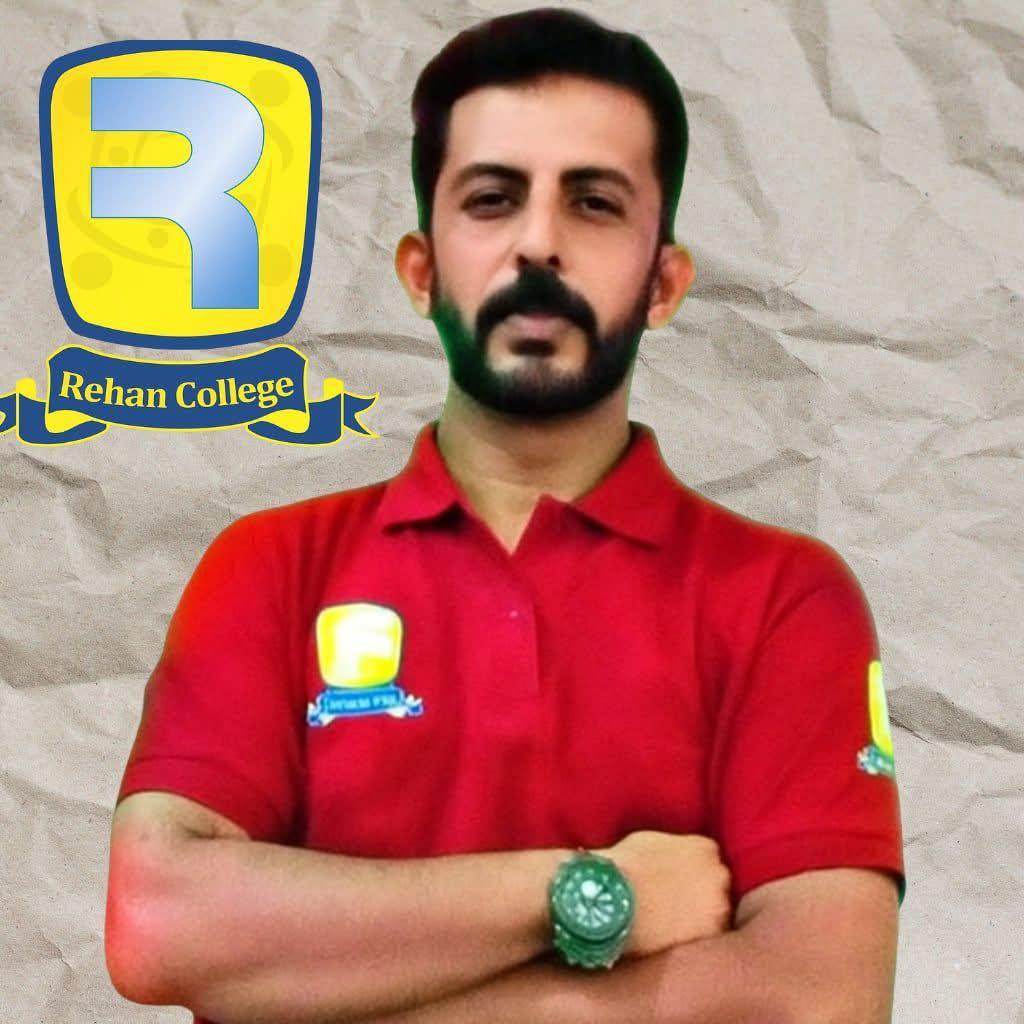
In July, when the summer heat still wrapped Karachi in golden light, a quiet man took charge of a young and restless project — Rehan College. The college had less than fifty students at the time — dreamers, misfits, and changemakers in training. They came with energy but no discipline, passion but no direction.
When Mohsin Rathod was appointed Project Head, many wondered if he could handle them. He didn’t shout, didn’t threaten, didn’t even carry the traditional authority that makes students tremble.
He simply smiled and said,
“I will not teach them to obey — I will help them learn to care.”
That one sentence became the constitution of Rehan College.
⸻
1. Leadership Born of Love
Mohsin began his journey not by giving orders, but by giving time.
He sat with every student — one by one — asking them not what grades they wanted, but what kind of person they wanted to become.
Some said, “I want to speak English.”
Others said, “I want to start a business.”
A few said, “I just want someone to believe in me.”
And Mohsin did. He believed in every one of them — even when they didn’t believe in themselves.
He once told a colleague,
“If I can make them feel seen, they will learn anything.”
It wasn’t a management strategy; it was pure virtue — Ren, the Confucian virtue of human-heartedness.
⸻
2. The Calm That Transformed Chaos
In the early weeks, students arrived late, argued with teachers, and left projects unfinished. Others skipped class entirely.
Everyone expected Mohsin to impose discipline. Instead, he imposed kindness.
He didn’t scold them; he invited them for a walk around the campus, speaking softly:
“I know you can do better — not for me, but for yourself.”
The students began to change — not out of fear, but out of respect. They started showing up earlier, staying later, helping one another.
They realized that kindness, when consistent, becomes power.
“The superior man is not harsh in his commands;
he leads others through example.” — Confucius
⸻
3. Building a Culture of Virtue
Mohsin transformed Rehan College into a living classroom of moral growth.
Every Monday began not with attendance, but with a short reflection he called “The 2-Minute Virtue.”
He or a student would share one thought — about patience, honesty, gratitude, or humility.
He told them:
“We are not just learning to earn — we are learning to be.”
Students started writing gratitude notes to teachers, keeping their spaces clean, and helping juniors with homework.
The small acts added up. Within months, visitors could feel something invisible in the air — peace, discipline, and love.
It wasn’t enforced; it was absorbed.
⸻
4. He Built People, Not Systems
When asked about his management system, Mohsin would laugh.
“My system is simple: trust them first.”
He trusted students to organize events, handle finances, and manage online projects. They made mistakes — sometimes big ones.
But he never reacted with anger. He sat beside them, saying,
“Every mistake is proof that you tried.”
Gradually, the students began owning the college. They called it “our place” — not “Sir’s place.”
Trust turned into responsibility.
Responsibility turned into pride.
And pride turned into progress.
“If you want loyalty, first give it.” — Confucius
⸻
5. The Day of the Big Presentation
One afternoon, the students had to present their semester projects to the Rehan School leadership.
Many were nervous — it was their first time speaking before senior mentors.
Instead of giving a long speech, Mohsin said only this:
“I’m proud of you, no matter what happens today. You have already won — because you didn’t quit.”
His calm confidence filled the room. The students delivered beautifully — clear, confident, creative. When the applause began, many looked toward Mohsin — not for approval, but for reassurance. He just nodded and smiled.
That was his way of saying, “You’ve become what you were meant to be.”
⸻
6. A Community, Not a College
Under Mohsin’s guidance, Rehan College became more than an academic project — it became a community of growth.
Students cooked together, learned together, failed together, and celebrated together.
He encouraged them to meditate, to journal, to interview people, to create podcasts, and to use AI tools to amplify their voices.
But the real technology he taught them was emotional intelligence — how to listen, how to forgive, how to lead without ego.
“To see what is right and not do it is the want of courage.” — Confucius
Mohsin reminded them daily that courage doesn’t come from shouting or fighting — it comes from doing the right thing quietly, even when no one sees.
⸻
7. The Day They Called Him “Baba”
Over time, the students began calling him “Baba Mohsin.”
Not because of age — but because he had become the father figure many never had.
He taught them responsibility through care, discipline through kindness, and success through service.
When someone made a mistake, he’d say:
“It’s okay. You are still growing. Flowers don’t bloom by shouting at them.”
That line spread like a mantra across Rehan College. Teachers began using it too. It became the school’s philosophy.
⸻
8. The Legacy of Gentle Strength
By the end of the year, Rehan College had not just survived — it had blossomed.
Student projects became cleaner, classrooms livelier, and discipline effortless.
The students’ love for Mohsin was genuine — they respected him not out of duty, but from their hearts.
When he entered a room, they stood — not because it was required, but because it felt right.
“He who rules by virtue is like the North Star — steady and guiding.” — Confucius
In a world where leaders lead by fear, Mohsin proved that gentleness is the highest form of power.
⸻
9. The Reflection of Rehan College
Today, when people visit Rehan College, they often ask, “How do these students behave so well without punishment or pressure?”
The answer is always the same:
“Because their leader never shamed them — he shaped them.”
Every student carries a little of Mohsin’s calmness now.
They speak with respect, work with joy, and dream without fear.
That is his true legacy.
⸻
Epilogue: The Way of Mohsin
When Mohsin Rathod began his journey in July, he inherited a handful of students.
By the end of the year, he had built a family of future leaders.
He led not through authority, but through example.
Not through demands, but through understanding.
Not through threats, but through virtue, patience, and love.
And because of that, Rehan College became not just a place of learning —
but a living proof that Confucius was right when he said:
“The virtuous leader is like the wind;
the people are like the grass —
when the wind passes over, the grass bends naturally.”The Gentle Commander: The Story of Mohsin Rathore Seo Wala and Rehan College In July, when the summer heat still wrapped Karachi in golden light, a quiet man took charge of a young and restless project — Rehan College. The college had less than fifty students at the time — dreamers, misfits, and changemakers in training. They came with energy but no discipline, passion but no direction. When Mohsin Rathod was appointed Project Head, many wondered if he could handle them. He didn’t shout, didn’t threaten, didn’t even carry the traditional authority that makes students tremble. He simply smiled and said, “I will not teach them to obey — I will help them learn to care.” That one sentence became the constitution of Rehan College. ⸻ 🌿 1. Leadership Born of Love Mohsin began his journey not by giving orders, but by giving time. He sat with every student — one by one — asking them not what grades they wanted, but what kind of person they wanted to become. Some said, “I want to speak English.” Others said, “I want to start a business.” A few said, “I just want someone to believe in me.” And Mohsin did. He believed in every one of them — even when they didn’t believe in themselves. He once told a colleague, “If I can make them feel seen, they will learn anything.” It wasn’t a management strategy; it was pure virtue — Ren, the Confucian virtue of human-heartedness. ⸻ 💡 2. The Calm That Transformed Chaos In the early weeks, students arrived late, argued with teachers, and left projects unfinished. Others skipped class entirely. Everyone expected Mohsin to impose discipline. Instead, he imposed kindness. He didn’t scold them; he invited them for a walk around the campus, speaking softly: “I know you can do better — not for me, but for yourself.” The students began to change — not out of fear, but out of respect. They started showing up earlier, staying later, helping one another. They realized that kindness, when consistent, becomes power. “The superior man is not harsh in his commands; he leads others through example.” — Confucius ⸻ 🌸 3. Building a Culture of Virtue Mohsin transformed Rehan College into a living classroom of moral growth. Every Monday began not with attendance, but with a short reflection he called “The 2-Minute Virtue.” He or a student would share one thought — about patience, honesty, gratitude, or humility. He told them: “We are not just learning to earn — we are learning to be.” Students started writing gratitude notes to teachers, keeping their spaces clean, and helping juniors with homework. The small acts added up. Within months, visitors could feel something invisible in the air — peace, discipline, and love. It wasn’t enforced; it was absorbed. ⸻ ⚙️ 4. He Built People, Not Systems When asked about his management system, Mohsin would laugh. “My system is simple: trust them first.” He trusted students to organize events, handle finances, and manage online projects. They made mistakes — sometimes big ones. But he never reacted with anger. He sat beside them, saying, “Every mistake is proof that you tried.” Gradually, the students began owning the college. They called it “our place” — not “Sir’s place.” Trust turned into responsibility. Responsibility turned into pride. And pride turned into progress. “If you want loyalty, first give it.” — Confucius ⸻ 💬 5. The Day of the Big Presentation One afternoon, the students had to present their semester projects to the Rehan School leadership. Many were nervous — it was their first time speaking before senior mentors. Instead of giving a long speech, Mohsin said only this: “I’m proud of you, no matter what happens today. You have already won — because you didn’t quit.” His calm confidence filled the room. The students delivered beautifully — clear, confident, creative. When the applause began, many looked toward Mohsin — not for approval, but for reassurance. He just nodded and smiled. That was his way of saying, “You’ve become what you were meant to be.” ⸻ 🌍 6. A Community, Not a College Under Mohsin’s guidance, Rehan College became more than an academic project — it became a community of growth. Students cooked together, learned together, failed together, and celebrated together. He encouraged them to meditate, to journal, to interview people, to create podcasts, and to use AI tools to amplify their voices. But the real technology he taught them was emotional intelligence — how to listen, how to forgive, how to lead without ego. “To see what is right and not do it is the want of courage.” — Confucius Mohsin reminded them daily that courage doesn’t come from shouting or fighting — it comes from doing the right thing quietly, even when no one sees. ⸻ 🌻 7. The Day They Called Him “Baba” Over time, the students began calling him “Baba Mohsin.” Not because of age — but because he had become the father figure many never had. He taught them responsibility through care, discipline through kindness, and success through service. When someone made a mistake, he’d say: “It’s okay. You are still growing. Flowers don’t bloom by shouting at them.” That line spread like a mantra across Rehan College. Teachers began using it too. It became the school’s philosophy. ⸻ 🌟 8. The Legacy of Gentle Strength By the end of the year, Rehan College had not just survived — it had blossomed. Student projects became cleaner, classrooms livelier, and discipline effortless. The students’ love for Mohsin was genuine — they respected him not out of duty, but from their hearts. When he entered a room, they stood — not because it was required, but because it felt right. “He who rules by virtue is like the North Star — steady and guiding.” — Confucius In a world where leaders lead by fear, Mohsin proved that gentleness is the highest form of power. ⸻ ✨ 9. The Reflection of Rehan College Today, when people visit Rehan College, they often ask, “How do these students behave so well without punishment or pressure?” The answer is always the same: “Because their leader never shamed them — he shaped them.” Every student carries a little of Mohsin’s calmness now. They speak with respect, work with joy, and dream without fear. That is his true legacy. ⸻ 🌿 Epilogue: The Way of Mohsin When Mohsin Rathod began his journey in July, he inherited a handful of students. By the end of the year, he had built a family of future leaders. He led not through authority, but through example. Not through demands, but through understanding. Not through threats, but through virtue, patience, and love. And because of that, Rehan College became not just a place of learning — but a living proof that Confucius was right when he said: “The virtuous leader is like the wind; the people are like the grass — when the wind passes over, the grass bends naturally.”0 Σχόλια 0 Μοιράστηκε 141 Views - The Silent Sage: The Life and Teachings of Lao Tzu 2500 years ago !
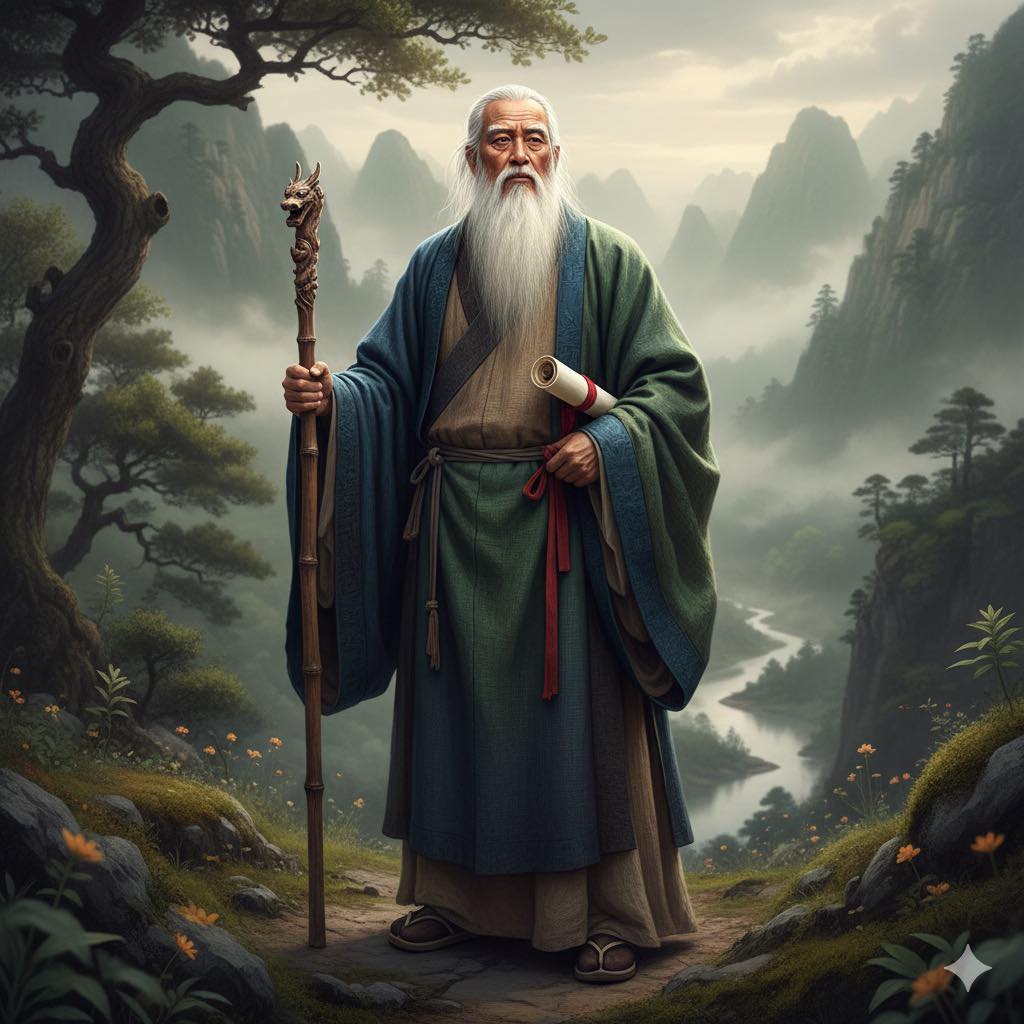
In the mist of ancient China, more than twenty-five centuries ago, a quiet old man rode a water buffalo toward the western mountains. His name was Lao Tzu, meaning “The Old Master.” He carried no possessions, no titles, and no ambition — only wisdom that would outlast empires. Before disappearing into the wilderness, he left behind a small manuscript of about five thousand Chinese characters — the Tao Te Ching, or “The Book of the Way and Its Virtue.”
From that single book, a river of philosophy began to flow — shaping Taoism, influencing Zen, and whispering to humanity that the greatest power lies not in conquest, but in harmony.
⸻
The Legend of His Life
Little is known with certainty about Lao Tzu’s life. He is said to have been born in the 6th century BCE, in the state of Chu, during China’s Spring and Autumn Period. He served as a keeper of the royal archives — a librarian surrounded by history, scrolls, and silence.
He observed how rulers obsessed over wealth and war, while people suffered. Disillusioned, he decided to leave the city and live in nature. When he reached the western border, the gatekeeper, Yin Xi, recognized his brilliance and pleaded, “Master, before you go, write down your wisdom for us.”
So, Lao Tzu dismounted his ox, took a brush, and wrote — in one sitting — the Tao Te Ching. When he finished, he handed it over and disappeared into legend.
⸻
The Way (Tao)
At the heart of his book is the concept of Tao (道) — The Way, the invisible rhythm that moves through all things. It is both the origin and the flow of the universe — the eternal path that everything follows.
“The Tao that can be spoken is not the eternal Tao.
The name that can be named is not the eternal name.”
To Lao Tzu, the universe was a living organism, not a machine. The more we try to control it, the more it slips away. True peace, he taught, comes when we move with the current of life, not against it.
“Man follows the earth.
Earth follows the heavens.
Heaven follows the Tao.
The Tao follows what is natural.”
⸻
Simplicity and Stillness
Lao Tzu saw human life as a mirror of nature. A tree grows without hurry; water flows without effort; the sky shines without asking for permission. So should human beings live — gently, naturally, without forcing outcomes.
“Do you have the patience to wait
till your mud settles and the water is clear?
Can you remain unmoving
till the right action arises by itself?”
He warned against overcomplication and ego-driven action:
“In the pursuit of knowledge, every day something is added.
In the pursuit of the Tao, every day something is dropped.”
To follow the Tao, one must unlearn — unlearn greed, pride, and fear — and return to simplicity.
⸻
Power Through Humility
Lao Tzu’s idea of power was revolutionary.
In a world that worshiped armies and kings, he said the strongest force is the softest one.
“Water is fluid, soft, and yielding.
But water will wear away rock, which is rigid and cannot yield.
What is soft is strong.”
He admired the humble and despised arrogance:
“All streams flow to the sea because it is lower than they are.
Humility gives it its power.”
A true leader, he said, does not dominate but serves — guiding quietly from behind.
“A leader is best when people barely know he exists.
When his work is done, his aim fulfilled,
They will say: we did it ourselves.”
⸻
The Inner World
Lao Tzu taught that self-mastery is greater than controlling others.
“He who conquers others is strong;
He who conquers himself is mighty.”
He believed the human heart is like a lake — only when it is still can it reflect the sky. Meditation, silence, and awareness are the true treasures of life.
“Knowing others is intelligence;
Knowing yourself is true wisdom.
Mastering others is strength;
Mastering yourself is true power.”
⸻
Non-Action (Wu Wei)
Perhaps his most subtle and misunderstood teaching is Wu Wei (无为) — “action through non-action.”
It doesn’t mean doing nothing — it means acting in harmony with the flow, without struggle or force.
“The sage does nothing, yet nothing is left undone.”
In modern terms, it is the art of effortless excellence — like a dancer moving with music, not against it.
⸻
The Return to Simplicity
Lao Tzu believed civilization’s greatest tragedy was forgetting how to be natural. He longed for a world where people lived simply, honestly, and close to nature.
“I have three treasures:
Simplicity, patience, and compassion.
These three are your greatest treasures.”
He taught that wealth, fame, and power are illusions — they bring anxiety, not peace. The true richness lies in stillness, kindness, and self-contentment.
“He who knows that enough is enough
will always have enough.”
⸻
The Legacy
After Lao Tzu’s disappearance, his book quietly spread through China and later the entire world. Dynasties rose and fell; empires burned; yet his 81 verses remained fresh, like spring water.
His influence reached Confucian scholars, Zen monks in Japan, poets like Rumi, and even modern philosophers and psychologists.
He showed humanity that the highest wisdom is simplicity, and the greatest strength is gentleness.
“When I let go of what I am,
I become what I might be.”
⸻
Conclusion
Lao Tzu’s life is a mystery — perhaps he was one man, perhaps a symbol for timeless wisdom. Yet his message echoes clearly through centuries:
The Way cannot be forced; it can only be followed. The wise do not strive to control life — they learn to flow with it.
He taught humanity how to walk softly, love deeply, and live wisely. And so his whisper continues to guide millions:
“A journey of a thousand miles
begins with a single step.”The Silent Sage: The Life and Teachings of Lao Tzu 2500 years ago ! In the mist of ancient China, more than twenty-five centuries ago, a quiet old man rode a water buffalo toward the western mountains. His name was Lao Tzu, meaning “The Old Master.” He carried no possessions, no titles, and no ambition — only wisdom that would outlast empires. Before disappearing into the wilderness, he left behind a small manuscript of about five thousand Chinese characters — the Tao Te Ching, or “The Book of the Way and Its Virtue.” From that single book, a river of philosophy began to flow — shaping Taoism, influencing Zen, and whispering to humanity that the greatest power lies not in conquest, but in harmony. ⸻ The Legend of His Life Little is known with certainty about Lao Tzu’s life. He is said to have been born in the 6th century BCE, in the state of Chu, during China’s Spring and Autumn Period. He served as a keeper of the royal archives — a librarian surrounded by history, scrolls, and silence. He observed how rulers obsessed over wealth and war, while people suffered. Disillusioned, he decided to leave the city and live in nature. When he reached the western border, the gatekeeper, Yin Xi, recognized his brilliance and pleaded, “Master, before you go, write down your wisdom for us.” So, Lao Tzu dismounted his ox, took a brush, and wrote — in one sitting — the Tao Te Ching. When he finished, he handed it over and disappeared into legend. ⸻ The Way (Tao) At the heart of his book is the concept of Tao (道) — The Way, the invisible rhythm that moves through all things. It is both the origin and the flow of the universe — the eternal path that everything follows. “The Tao that can be spoken is not the eternal Tao. The name that can be named is not the eternal name.” To Lao Tzu, the universe was a living organism, not a machine. The more we try to control it, the more it slips away. True peace, he taught, comes when we move with the current of life, not against it. “Man follows the earth. Earth follows the heavens. Heaven follows the Tao. The Tao follows what is natural.” ⸻ Simplicity and Stillness Lao Tzu saw human life as a mirror of nature. A tree grows without hurry; water flows without effort; the sky shines without asking for permission. So should human beings live — gently, naturally, without forcing outcomes. “Do you have the patience to wait till your mud settles and the water is clear? Can you remain unmoving till the right action arises by itself?” He warned against overcomplication and ego-driven action: “In the pursuit of knowledge, every day something is added. In the pursuit of the Tao, every day something is dropped.” To follow the Tao, one must unlearn — unlearn greed, pride, and fear — and return to simplicity. ⸻ Power Through Humility Lao Tzu’s idea of power was revolutionary. In a world that worshiped armies and kings, he said the strongest force is the softest one. “Water is fluid, soft, and yielding. But water will wear away rock, which is rigid and cannot yield. What is soft is strong.” He admired the humble and despised arrogance: “All streams flow to the sea because it is lower than they are. Humility gives it its power.” A true leader, he said, does not dominate but serves — guiding quietly from behind. “A leader is best when people barely know he exists. When his work is done, his aim fulfilled, They will say: we did it ourselves.” ⸻ The Inner World Lao Tzu taught that self-mastery is greater than controlling others. “He who conquers others is strong; He who conquers himself is mighty.” He believed the human heart is like a lake — only when it is still can it reflect the sky. Meditation, silence, and awareness are the true treasures of life. “Knowing others is intelligence; Knowing yourself is true wisdom. Mastering others is strength; Mastering yourself is true power.” ⸻ Non-Action (Wu Wei) Perhaps his most subtle and misunderstood teaching is Wu Wei (无为) — “action through non-action.” It doesn’t mean doing nothing — it means acting in harmony with the flow, without struggle or force. “The sage does nothing, yet nothing is left undone.” In modern terms, it is the art of effortless excellence — like a dancer moving with music, not against it. ⸻ The Return to Simplicity Lao Tzu believed civilization’s greatest tragedy was forgetting how to be natural. He longed for a world where people lived simply, honestly, and close to nature. “I have three treasures: Simplicity, patience, and compassion. These three are your greatest treasures.” He taught that wealth, fame, and power are illusions — they bring anxiety, not peace. The true richness lies in stillness, kindness, and self-contentment. “He who knows that enough is enough will always have enough.” ⸻ The Legacy After Lao Tzu’s disappearance, his book quietly spread through China and later the entire world. Dynasties rose and fell; empires burned; yet his 81 verses remained fresh, like spring water. His influence reached Confucian scholars, Zen monks in Japan, poets like Rumi, and even modern philosophers and psychologists. He showed humanity that the highest wisdom is simplicity, and the greatest strength is gentleness. “When I let go of what I am, I become what I might be.” ⸻ Conclusion Lao Tzu’s life is a mystery — perhaps he was one man, perhaps a symbol for timeless wisdom. Yet his message echoes clearly through centuries: The Way cannot be forced; it can only be followed. The wise do not strive to control life — they learn to flow with it. He taught humanity how to walk softly, love deeply, and live wisely. And so his whisper continues to guide millions: “A journey of a thousand miles begins with a single step.”0 Σχόλια 0 Μοιράστηκε 6 Views - Big News for Rehan College!
Today marks a proud moment — Rehan College has officially signed an MOU with Saylani Technical Training to collaborate in providing practical, skill-based education for our students!
Through this partnership, our residential students will now study directly at Saylani Centers, gaining real-world experience and hands-on training alongside their academic learning.
This step brings us closer to our dream — a Pakistan where every student learns to earn, create, and lead!
Education that empowers. Training that transforms.
#RehanCollege #SaylaniTechnicalTraining #BigNews #SkillPakistan #YouthEmpowerment #EducationThatPays #MadeInPakistan #RehanAllahwala🎉 Big News for Rehan College! 🇵🇰 Today marks a proud moment — Rehan College has officially signed an MOU with Saylani Technical Training to collaborate in providing practical, skill-based education for our students! 🤝✨ Through this partnership, our residential students will now study directly at Saylani Centers, gaining real-world experience and hands-on training alongside their academic learning. 🎓⚙️ This step brings us closer to our dream — a Pakistan where every student learns to earn, create, and lead! 💪 Education that empowers. Training that transforms. #RehanCollege #SaylaniTechnicalTraining #BigNews #SkillPakistan #YouthEmpowerment #EducationThatPays #MadeInPakistan #RehanAllahwala0 Σχόλια 0 Μοιράστηκε 1641 Views - کچرے سے روشنی — نیدرلینڈز کی طرح پاکستان کے پارکوں میں توانائی بنانے کا نیا طریقہ
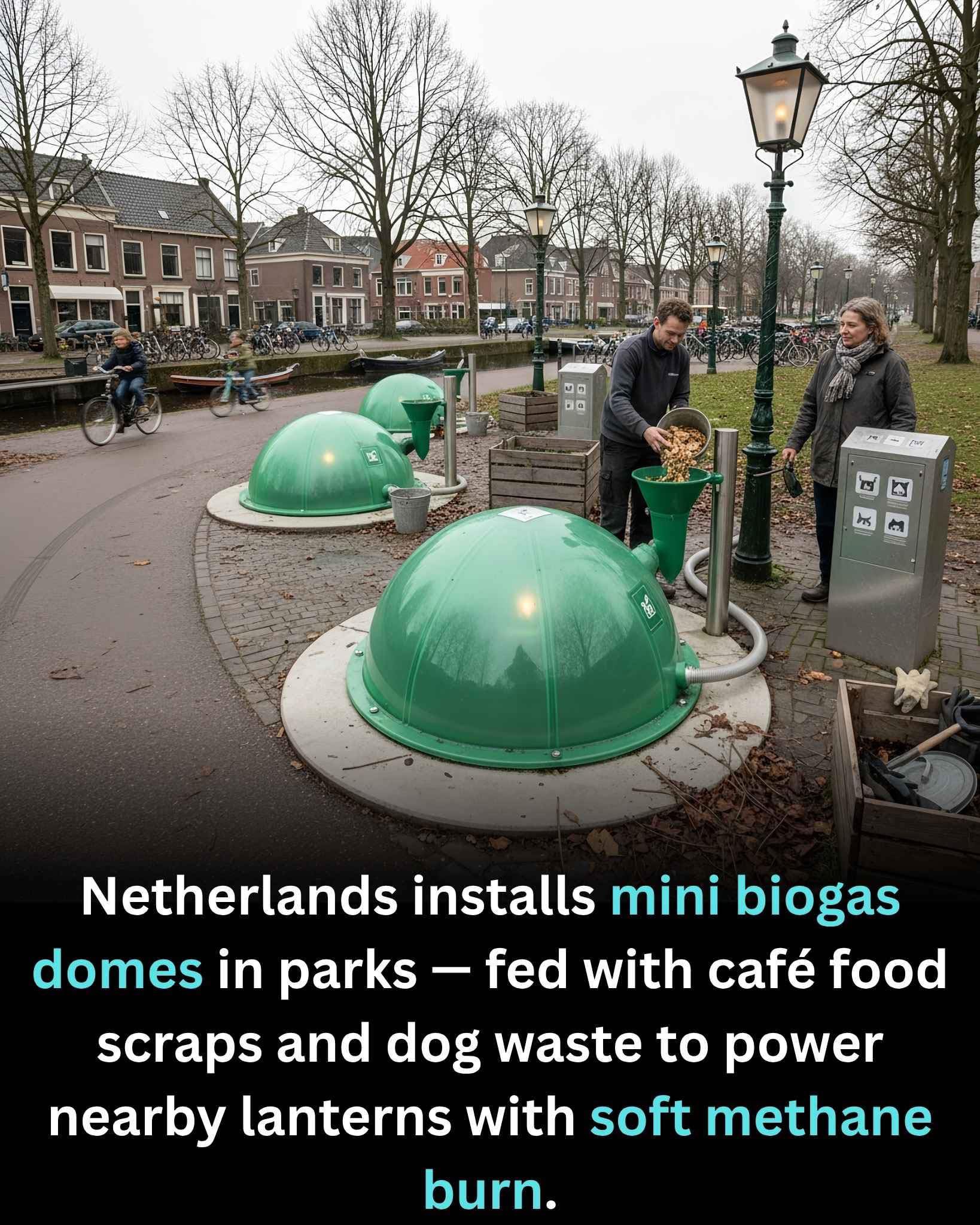
نیدرلینڈز کے پارکوں میں ایک خاموش انقلاب آ رہا ہے — وہاں سبز گنبد جیسے چھوٹے ڈھکن زمین میں آدھے دبے ہوتے ہیں، جو کیفے کے بچے ہوئے کھانے، گھاس کے کچرے اور پالتو جانوروں کے فضلے کو صاف توانائی میں بدل دیتے ہیں۔ یہی توانائی رات کے وقت اُن پارکوں کے راستوں اور لیمپوں کو روشن کرتی ہے۔
اسے منی بایو گیس ڈوم کہا جاتا ہے — ایک نہایت سادہ اور زبردست ایجاد جو ہر شہر کے پارک کو خود کفیل اور ماحول دوست بنا سکتی ہے۔
اگر یہی نظام ہم پاکستان کے پارکوں میں لگائیں — کراچی کے کلفٹن پارک سے لے کر لاہور کے جیلانی پارک، اسلام آباد کے ایف-۹ پارک یا چھوٹے شہروں کے باغوں تک — تو ہم اپنا کچرا روشنی میں بدل سکتے ہیں۔
یہ عمل کچھ یوں ہے:
⸻
مرحلہ 1: درست کچرا اکٹھا کرنا
ہر ڈوم کے پاس دو ڈبے ہوں گے — ایک کیفے یا گھروں کے کھانے کے بچے ہوئے ٹکڑوں کے لیے، دوسرا پالتو جانوروں کے فضلے کے لیے (کمپوسٹ بیگز میں بند)۔ لوگ آسانی سے اپنا فضلہ ان ڈبوں میں ڈال دیں گے، اور یہی ایک مثبت عادت کی شروعات ہوگی۔
⸻
مرحلہ 2: ڈوم کو کھلانا
یہ تمام کچرا روزانہ ایک بند ٹینک میں ڈالا جاتا ہے جسے بایو گیس ڈائجسٹر کہتے ہیں۔ اندر چھوٹے جراثیم بغیر آکسیجن کے اس مواد کو توڑتے ہیں۔ اس عمل کو اینیروبک ڈائجیشن کہا جاتا ہے، جس سے می تھین گیس پیدا ہوتی ہے۔
⸻
مرحلہ 3: پارک کو روشن کرنا
یہ گیس زیرِ زمین پائپ کے ذریعے قریب موجود لیمپ پوسٹ یا ایل ای ڈی لائٹس تک پہنچتی ہے، اور ایک نرم نیلی آگ کے ساتھ جلتی ہے — جو دھواں پیدا نہیں کرتی، آواز نہیں کرتی، مگر خوبصورت روشنی دیتی ہے۔
یوں کل کا کچرا آج کی روشنی بن جاتا ہے۔
⸻
مرحلہ 4: باقی مواد کا استعمال
اس عمل کے بعد جو باقی مواد بچتا ہے، اسے سَرلَری (Slurry) کہا جاتا ہے — یہ ایک قیمتی نامیاتی کھاد ہوتی ہے۔
یہی کھاد پارک کے درختوں، پھولوں اور گھاس پر استعمال کی جا سکتی ہے، جس سے پارک مزید سرسبز، خوشبودار اور صحت مند بن جاتا ہے۔
یوں پارک خود اپنی توانائی بھی پیدا کرتا ہے اور اپنی زمین کو بھی زرخیز رکھتا ہے۔
⸻
مرحلہ 5: صفائی اور دیکھ بھال
یہ ڈوم مکمل بند ہوتے ہیں، ان سے کوئی بدبو نہیں آتی، اور دیکھ بھال بہت آسان ہے — ہفتے میں صرف ایک بار چیک کرنا اور سال میں دو بار صفائی کافی ہے۔
یہ گنبد پارک کے حسن میں اضافہ کرتے ہیں، اور دیکھنے میں ایک خوبصورت مجسمے جیسے لگتے ہیں۔
⸻
پاکستان میں اس کی لاگت
ایک مکمل منی بایو گیس ڈوم بنانے پر تقریباً دو لاکھ روپے (تقریباً ۷۰۰ امریکی ڈالر) لاگت آتی ہے۔
اگر کسی پارک میں تین ڈوم لگا دیے جائیں تو یہ تقریباً آٹھ لاکھ روپے میں مکمل ہو سکتا ہے۔
یہ ایک چھوٹی سرمایہ کاری ہے مگر اثر بہت بڑا — صاف ماحول، کم بجلی کا استعمال، اور عوامی شعور میں اضافہ۔
⸻
اس کی اہمیت
جب لوگ دیکھتے ہیں کہ ان کا کچرا روشنی میں بدل رہا ہے، اور وہی نظام پارک کے درختوں کو کھاد دے رہا ہے، تو ان کی سوچ بدل جاتی ہے۔
کچرا بےکار نہیں لگتا — وہ قیمتی محسوس ہوتا ہے، ایک ذریعہ بنتا ہے روشنی، زندگی اور سبزے کا۔
یہ ایک ایسا چھوٹا مگر طاقتور خیال ہے جو معاشرتی تبدیلی لا سکتا ہے۔
یہ ہمیں سکھاتا ہے کہ ٹیکنالوجی ہمیشہ بڑی نہیں ہوتی — کبھی کبھی صرف ایک سبز گنبد گھاس میں چھپا ہوتا ہے جو کل کے کچرے سے آج کا راستہ اور کل کے درختوں کو زندگی دے رہا ہوتا ہے۔
⸻
اگر پاکستان کے کسی ایک شہر میں بھی یہ منصوبہ شروع ہو جائے — ایک پارک، ایک ڈوم — تو یہ ہزاروں دوسرے پارکوں کو متاثر کر سکتا ہے۔
آئیے ہم بھی اپنا کچرا روشنی اور زرخیزی میں بدلیں، اور اپنے شہروں کو ماحول دوست اور خود کفیل بنائیں۔
#کچرے_سے_روشنی #سبزپاکستان #بایوگیس #نامیاتی_کھاد #RehanSchool #GreenPakistan🌍 کچرے سے روشنی — نیدرلینڈز کی طرح پاکستان کے پارکوں میں توانائی بنانے کا نیا طریقہ نیدرلینڈز کے پارکوں میں ایک خاموش انقلاب آ رہا ہے — وہاں سبز گنبد جیسے چھوٹے ڈھکن زمین میں آدھے دبے ہوتے ہیں، جو کیفے کے بچے ہوئے کھانے، گھاس کے کچرے اور پالتو جانوروں کے فضلے کو صاف توانائی میں بدل دیتے ہیں۔ یہی توانائی رات کے وقت اُن پارکوں کے راستوں اور لیمپوں کو روشن کرتی ہے۔ اسے منی بایو گیس ڈوم کہا جاتا ہے — ایک نہایت سادہ اور زبردست ایجاد جو ہر شہر کے پارک کو خود کفیل اور ماحول دوست بنا سکتی ہے۔ اگر یہی نظام ہم پاکستان کے پارکوں میں لگائیں — کراچی کے کلفٹن پارک سے لے کر لاہور کے جیلانی پارک، اسلام آباد کے ایف-۹ پارک یا چھوٹے شہروں کے باغوں تک — تو ہم اپنا کچرا روشنی میں بدل سکتے ہیں۔ یہ عمل کچھ یوں ہے: ⸻ 🔹 مرحلہ 1: درست کچرا اکٹھا کرنا ہر ڈوم کے پاس دو ڈبے ہوں گے — ایک کیفے یا گھروں کے کھانے کے بچے ہوئے ٹکڑوں کے لیے، دوسرا پالتو جانوروں کے فضلے کے لیے (کمپوسٹ بیگز میں بند)۔ لوگ آسانی سے اپنا فضلہ ان ڈبوں میں ڈال دیں گے، اور یہی ایک مثبت عادت کی شروعات ہوگی۔ ⸻ 🔹 مرحلہ 2: ڈوم کو کھلانا یہ تمام کچرا روزانہ ایک بند ٹینک میں ڈالا جاتا ہے جسے بایو گیس ڈائجسٹر کہتے ہیں۔ اندر چھوٹے جراثیم بغیر آکسیجن کے اس مواد کو توڑتے ہیں۔ اس عمل کو اینیروبک ڈائجیشن کہا جاتا ہے، جس سے می تھین گیس پیدا ہوتی ہے۔ ⸻ 🔹 مرحلہ 3: پارک کو روشن کرنا یہ گیس زیرِ زمین پائپ کے ذریعے قریب موجود لیمپ پوسٹ یا ایل ای ڈی لائٹس تک پہنچتی ہے، اور ایک نرم نیلی آگ کے ساتھ جلتی ہے — جو دھواں پیدا نہیں کرتی، آواز نہیں کرتی، مگر خوبصورت روشنی دیتی ہے۔ یوں کل کا کچرا آج کی روشنی بن جاتا ہے۔ ⸻ 🔹 مرحلہ 4: باقی مواد کا استعمال اس عمل کے بعد جو باقی مواد بچتا ہے، اسے سَرلَری (Slurry) کہا جاتا ہے — یہ ایک قیمتی نامیاتی کھاد ہوتی ہے۔ یہی کھاد پارک کے درختوں، پھولوں اور گھاس پر استعمال کی جا سکتی ہے، جس سے پارک مزید سرسبز، خوشبودار اور صحت مند بن جاتا ہے۔ یوں پارک خود اپنی توانائی بھی پیدا کرتا ہے اور اپنی زمین کو بھی زرخیز رکھتا ہے۔ ⸻ 🔹 مرحلہ 5: صفائی اور دیکھ بھال یہ ڈوم مکمل بند ہوتے ہیں، ان سے کوئی بدبو نہیں آتی، اور دیکھ بھال بہت آسان ہے — ہفتے میں صرف ایک بار چیک کرنا اور سال میں دو بار صفائی کافی ہے۔ یہ گنبد پارک کے حسن میں اضافہ کرتے ہیں، اور دیکھنے میں ایک خوبصورت مجسمے جیسے لگتے ہیں۔ ⸻ 💰 پاکستان میں اس کی لاگت ایک مکمل منی بایو گیس ڈوم بنانے پر تقریباً دو لاکھ روپے (تقریباً ۷۰۰ امریکی ڈالر) لاگت آتی ہے۔ اگر کسی پارک میں تین ڈوم لگا دیے جائیں تو یہ تقریباً آٹھ لاکھ روپے میں مکمل ہو سکتا ہے۔ یہ ایک چھوٹی سرمایہ کاری ہے مگر اثر بہت بڑا — صاف ماحول، کم بجلی کا استعمال، اور عوامی شعور میں اضافہ۔ ⸻ 🌿 اس کی اہمیت جب لوگ دیکھتے ہیں کہ ان کا کچرا روشنی میں بدل رہا ہے، اور وہی نظام پارک کے درختوں کو کھاد دے رہا ہے، تو ان کی سوچ بدل جاتی ہے۔ کچرا بےکار نہیں لگتا — وہ قیمتی محسوس ہوتا ہے، ایک ذریعہ بنتا ہے روشنی، زندگی اور سبزے کا۔ یہ ایک ایسا چھوٹا مگر طاقتور خیال ہے جو معاشرتی تبدیلی لا سکتا ہے۔ یہ ہمیں سکھاتا ہے کہ ٹیکنالوجی ہمیشہ بڑی نہیں ہوتی — کبھی کبھی صرف ایک سبز گنبد گھاس میں چھپا ہوتا ہے جو کل کے کچرے سے آج کا راستہ اور کل کے درختوں کو زندگی دے رہا ہوتا ہے۔ ⸻ اگر پاکستان کے کسی ایک شہر میں بھی یہ منصوبہ شروع ہو جائے — ایک پارک، ایک ڈوم — تو یہ ہزاروں دوسرے پارکوں کو متاثر کر سکتا ہے۔ آئیے ہم بھی اپنا کچرا روشنی اور زرخیزی میں بدلیں، اور اپنے شہروں کو ماحول دوست اور خود کفیل بنائیں۔ #کچرے_سے_روشنی #سبزپاکستان #بایوگیس #نامیاتی_کھاد #RehanSchool #GreenPakistan0 Σχόλια 0 Μοιράστηκε 334 Views - ایک کتاب جو پاکستان کے نصیب بدل گئی
— اُن بچوں کی جو دوبارہ خواب دیکھنے لگے
⸻
دسمبر 2026 کی ایک نرم سی صبح تھی۔
ہوا میں ہلکی ٹھنڈک تھی، مگر دلوں میں گرمی تھی۔
کراچی سے خیبر تک، چھتوں پر، گلیوں میں، مسجدوں کے صحنوں میں،
ایک نئی آواز گونج رہی تھی —
“اے آئی”
یہ انقلاب بندوقوں سے نہیں آیا،
یہ تبدیلی کسی اسمبلی سے نہیں اُتری،
یہ بدلاؤ ایک کتاب سے آیا۔
ایک چھوٹی سی کتاب، جس کا نام تھا
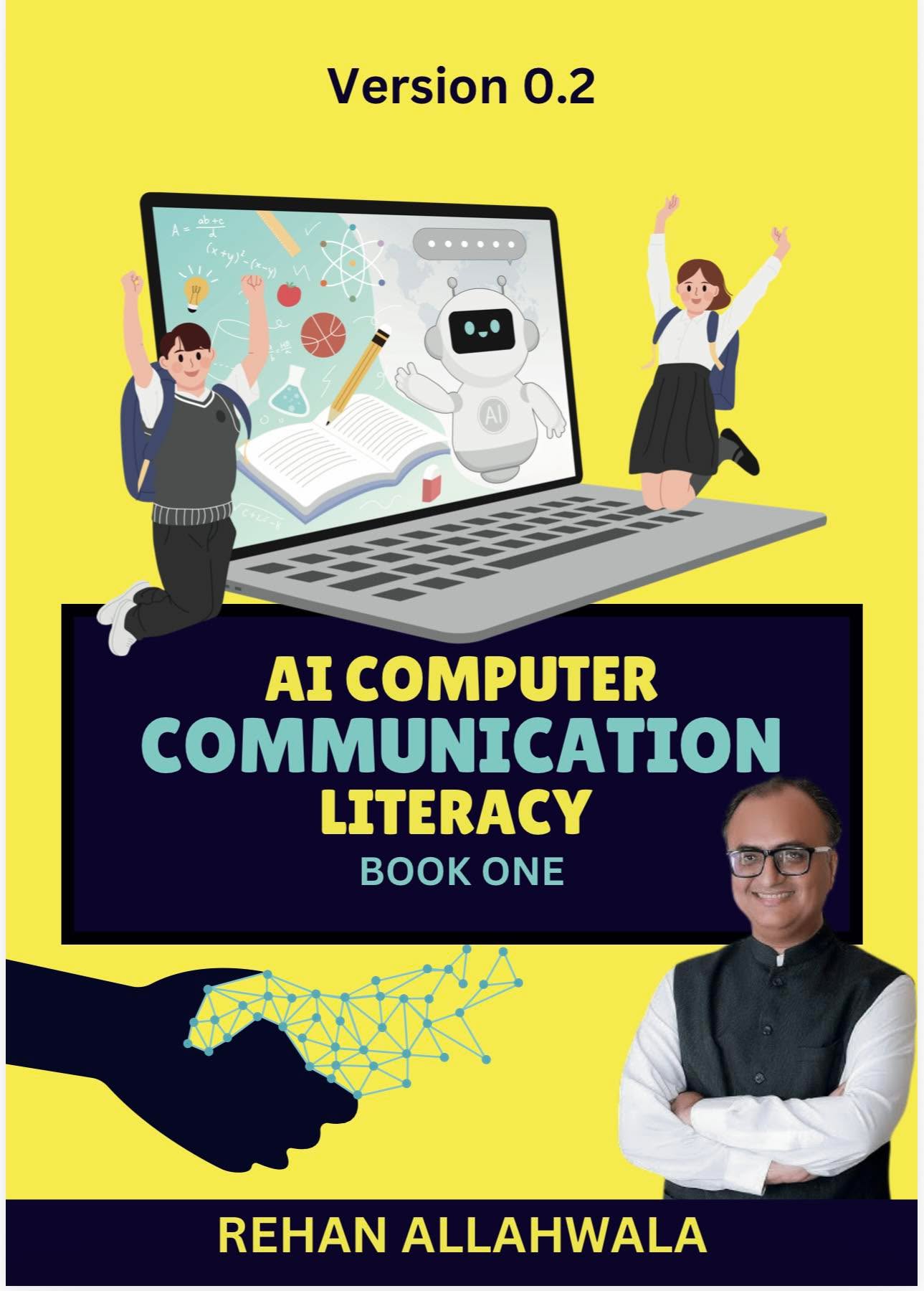
“ACCL — اے آئی کمپیوٹر کمیونیکیشن لٹریسی”
اور جس کے خالق تھے — ریحان اللہ والا۔
⸻
پرانا زمانہ، جو ختم نہ ہوا تھا
کبھی ہمارے اسکولوں میں بچے بیٹھے بیٹھے یہ رٹتے تھے کہ
“فلوپی ڈسک کیا ہے؟”
“ماؤس کہاں لگتا ہے؟”
“MS Word میں فائل کیسے بنتی ہے؟”
کمرے کے پنکھے گھومتے رہتے،
استاد کتاب پڑھتے رہتے،
اور بچوں کے ذہن بند رہتے۔
بچوں کو بتایا جاتا کہ کمپیوٹر ایک مشین ہے،
مگر کسی نے یہ نہیں بتایا کہ
خیال بھی ایک مشین ہوتا ہے، اگر اسے چلانا آ جائے۔
نصاب کے الفاظ بوسیدہ ہو گئے،
لیکن اُن کے معنی آج تک بدل نہ پائے۔
اور یوں ہم علم کے راستے پر نہیں،
یادداشت کے بوجھ تلے چلنے لگے۔
⸻
ایک سوال، جو بجلی بن گیا
پھر ایک دن ایک آدمی نے سوال کیا —
سادہ سا، مگر آگ جیسا تیز:
“جب دنیا ChatGPT سے بات کر رہی ہے،
تو ہمارے بچے اب بھی ماؤس کیوں سیکھ رہے ہیں؟”
یہ سوال اُس ہوا کی طرح تھا
جو سوئی ہوئی شاخوں کو جگا دیتی ہے۔
ریحان اللہ والا نے کتاب لکھی —
لیکن وہ کتاب نہیں،
روشنی کا چراغ تھی۔
اس کے ہر صفحے میں لفظوں سے زیادہ
حوصلہ چھپا تھا۔
⸻
۱۸۰ کام — ۱۸۰ دروازے
یہ کتاب پڑھنے کے لیے نہیں،
جینے کے لیے تھی۔
ہر دن ایک نیا ٹاسک،
ہر صفحہ ایک نیا سوال۔
“اے آئی سے اپنی کہانی لکھو۔”
“انٹرنیٹ سے کوئی نیا سچ تلاش کرو۔”
“اپنی آواز میں ویڈیو بناؤ۔”
“کسی اور کو سکھاؤ جو تم نے سیکھا۔”
اور آہستہ آہستہ،
بچے وہ بننے لگے جو وہ خود بھی نہیں جانتے تھے۔
وہ جو کل تک چپ تھے،
اب اپنے خواب بولنے لگے۔
وہ جو شرمیلے تھے،
اب مائیک پکڑ کر اپنی بات کہنے لگے۔
⸻
بچے استاد بن گئے
اور پھر کچھ ایسا ہوا جو تاریخ نے کبھی نہیں دیکھا۔
یہ بچے، جو خود سیکھ رہے تھے،
اب دوسروں کو سکھانے لگے۔
پاکستان کے ان ۲۶ ملین بچوں میں سے
جو اسکول نہیں جاتے،
تقریباً ۱۰ ملین ایسے تھے
جنہیں انہی بچوں نے پکڑ لیا۔
کہنے لگے:
“آؤ، ہم تمہیں سکھاتے ہیں — لکھنے پڑھنے سے نہیں،
بلکہ سننے اور بولنے سے۔”
ماں کا موبائل ان کا اسکول بن گیا،
چھت ان کا کلاس روم،
اور AI ان کا استاد۔
تعلیم اب کتابوں میں قید نہیں رہی —
یہ ہوا میں بکھر گئی تھی،
بلکہ دلوں میں جا بسی تھی۔
⸻
ایک نیا پاکستان
دسمبر 2026 تک
پاکستان کے ایک ملین بچے
اس کتاب کے مسافر بن چکے تھے۔
کسی نے ان کے ہاتھ میں کتاب رکھی،
کسی نے دل میں یقین۔
نتیجہ یہ ہوا کہ
وہ سب ایک ہی زبان بولنے لگے —
ترقی، جستجو، اعتماد۔
کراچی کے اسکول میں بیٹھا بچہ
اور تھر کے گاؤں میں پڑھنے والی بچی
اب ایک ہی خواب دیکھنے لگے تھے۔
دنیا کی سڑکوں پر اب پاکستانی بچے
اپنی سوچ کے ساتھ چل رہے تھے،
کسی کے پیچھے نہیں۔
⸻
ایک انسان، ایک چراغ
ایک دن ایک صحافی نے ریحان اللہ والا سے پوچھا:
“آپ نے یہ سب کیسے کیا؟”
وہ مسکرائے —
ایسی مسکراہٹ جس میں سکون بھی تھا،
تجربہ بھی۔
بولے:
“میں نے کتاب نہیں دی،
آئینہ دیا۔
تاکہ ہر بچہ خود کو دیکھ سکے —
اور پہچان سکے کہ وہ کتنا روشن ہے۔”
⸻
آخری منظر
اب ملک بدل چکا تھا۔
نہ کسی نے جنگ لڑی،
نہ کوئی نعرہ لگا۔
بس ایک کتاب آئی،
اور اس نے بتا دیا کہ
تعلیم صرف لکھنے پڑھنے کا نام نہیں —
خود کو جاننے کا نام ہے۔
وہ بچے جو کبھی خاموش تھے،
اب قوم کے ترجمان بن گئے۔
وہ جن کے پاس کچھ نہیں تھا،
اب علم کی دولت کے وارث ہو گئے۔
⸻
“ACCL کتاب — ایک آئینہ، ایک انقلاب۔”
ایک ملین بچے، ایک خواب —
پاکستان جو سوچتا ہے، بولتا ہے، اور بدلتا ہے۔
⸻🌿 ایک کتاب جو پاکستان کے نصیب بدل گئی — اُن بچوں کی جو دوبارہ خواب دیکھنے لگے ⸻ دسمبر 2026 کی ایک نرم سی صبح تھی۔ ہوا میں ہلکی ٹھنڈک تھی، مگر دلوں میں گرمی تھی۔ کراچی سے خیبر تک، چھتوں پر، گلیوں میں، مسجدوں کے صحنوں میں، ایک نئی آواز گونج رہی تھی — “اے آئی” یہ انقلاب بندوقوں سے نہیں آیا، یہ تبدیلی کسی اسمبلی سے نہیں اُتری، یہ بدلاؤ ایک کتاب سے آیا۔ ایک چھوٹی سی کتاب، جس کا نام تھا “ACCL — اے آئی کمپیوٹر کمیونیکیشن لٹریسی” اور جس کے خالق تھے — ریحان اللہ والا۔ ⸻ 🌱 پرانا زمانہ، جو ختم نہ ہوا تھا کبھی ہمارے اسکولوں میں بچے بیٹھے بیٹھے یہ رٹتے تھے کہ “فلوپی ڈسک کیا ہے؟” “ماؤس کہاں لگتا ہے؟” “MS Word میں فائل کیسے بنتی ہے؟” کمرے کے پنکھے گھومتے رہتے، استاد کتاب پڑھتے رہتے، اور بچوں کے ذہن بند رہتے۔ بچوں کو بتایا جاتا کہ کمپیوٹر ایک مشین ہے، مگر کسی نے یہ نہیں بتایا کہ خیال بھی ایک مشین ہوتا ہے، اگر اسے چلانا آ جائے۔ نصاب کے الفاظ بوسیدہ ہو گئے، لیکن اُن کے معنی آج تک بدل نہ پائے۔ اور یوں ہم علم کے راستے پر نہیں، یادداشت کے بوجھ تلے چلنے لگے۔ ⸻ 🌼 ایک سوال، جو بجلی بن گیا پھر ایک دن ایک آدمی نے سوال کیا — سادہ سا، مگر آگ جیسا تیز: “جب دنیا ChatGPT سے بات کر رہی ہے، تو ہمارے بچے اب بھی ماؤس کیوں سیکھ رہے ہیں؟” یہ سوال اُس ہوا کی طرح تھا جو سوئی ہوئی شاخوں کو جگا دیتی ہے۔ ریحان اللہ والا نے کتاب لکھی — لیکن وہ کتاب نہیں، روشنی کا چراغ تھی۔ اس کے ہر صفحے میں لفظوں سے زیادہ حوصلہ چھپا تھا۔ ⸻ 💡 ۱۸۰ کام — ۱۸۰ دروازے یہ کتاب پڑھنے کے لیے نہیں، جینے کے لیے تھی۔ ہر دن ایک نیا ٹاسک، ہر صفحہ ایک نیا سوال۔ “اے آئی سے اپنی کہانی لکھو۔” “انٹرنیٹ سے کوئی نیا سچ تلاش کرو۔” “اپنی آواز میں ویڈیو بناؤ۔” “کسی اور کو سکھاؤ جو تم نے سیکھا۔” اور آہستہ آہستہ، بچے وہ بننے لگے جو وہ خود بھی نہیں جانتے تھے۔ وہ جو کل تک چپ تھے، اب اپنے خواب بولنے لگے۔ وہ جو شرمیلے تھے، اب مائیک پکڑ کر اپنی بات کہنے لگے۔ ⸻ 🌾 بچے استاد بن گئے اور پھر کچھ ایسا ہوا جو تاریخ نے کبھی نہیں دیکھا۔ یہ بچے، جو خود سیکھ رہے تھے، اب دوسروں کو سکھانے لگے۔ پاکستان کے ان ۲۶ ملین بچوں میں سے جو اسکول نہیں جاتے، تقریباً ۱۰ ملین ایسے تھے جنہیں انہی بچوں نے پکڑ لیا۔ کہنے لگے: “آؤ، ہم تمہیں سکھاتے ہیں — لکھنے پڑھنے سے نہیں، بلکہ سننے اور بولنے سے۔” ماں کا موبائل ان کا اسکول بن گیا، چھت ان کا کلاس روم، اور AI ان کا استاد۔ تعلیم اب کتابوں میں قید نہیں رہی — یہ ہوا میں بکھر گئی تھی، بلکہ دلوں میں جا بسی تھی۔ ⸻ 🌍 ایک نیا پاکستان دسمبر 2026 تک پاکستان کے ایک ملین بچے اس کتاب کے مسافر بن چکے تھے۔ کسی نے ان کے ہاتھ میں کتاب رکھی، کسی نے دل میں یقین۔ نتیجہ یہ ہوا کہ وہ سب ایک ہی زبان بولنے لگے — ترقی، جستجو، اعتماد۔ کراچی کے اسکول میں بیٹھا بچہ اور تھر کے گاؤں میں پڑھنے والی بچی اب ایک ہی خواب دیکھنے لگے تھے۔ دنیا کی سڑکوں پر اب پاکستانی بچے اپنی سوچ کے ساتھ چل رہے تھے، کسی کے پیچھے نہیں۔ ⸻ 🔥 ایک انسان، ایک چراغ ایک دن ایک صحافی نے ریحان اللہ والا سے پوچھا: “آپ نے یہ سب کیسے کیا؟” وہ مسکرائے — ایسی مسکراہٹ جس میں سکون بھی تھا، تجربہ بھی۔ بولے: “میں نے کتاب نہیں دی، آئینہ دیا۔ تاکہ ہر بچہ خود کو دیکھ سکے — اور پہچان سکے کہ وہ کتنا روشن ہے۔” ⸻ 🌹 آخری منظر اب ملک بدل چکا تھا۔ نہ کسی نے جنگ لڑی، نہ کوئی نعرہ لگا۔ بس ایک کتاب آئی، اور اس نے بتا دیا کہ تعلیم صرف لکھنے پڑھنے کا نام نہیں — خود کو جاننے کا نام ہے۔ وہ بچے جو کبھی خاموش تھے، اب قوم کے ترجمان بن گئے۔ وہ جن کے پاس کچھ نہیں تھا، اب علم کی دولت کے وارث ہو گئے۔ ⸻ “ACCL کتاب — ایک آئینہ، ایک انقلاب۔” ایک ملین بچے، ایک خواب — پاکستان جو سوچتا ہے، بولتا ہے، اور بدلتا ہے۔ ⸻0 Σχόλια 0 Μοιράστηκε 21 Views