• May all humans live long and prosper
    May all humans live long and prosper 🖖
    0 Commenti 0 condivisioni 3 Views
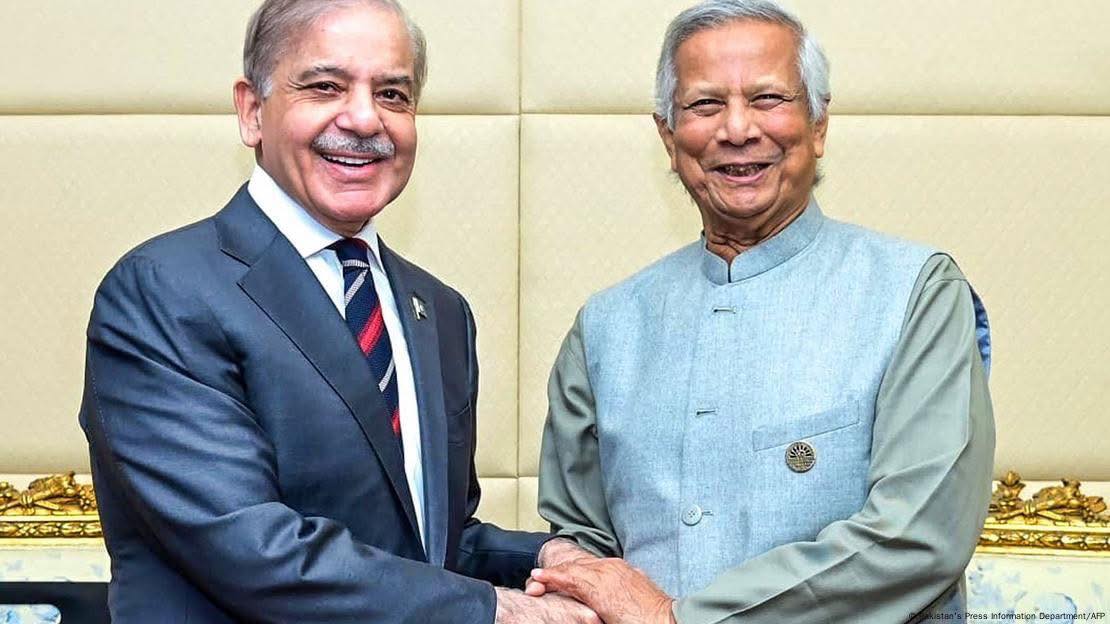
  • come meet him !!
    come meet him !!
    0 Commenti 0 condivisioni 3 Views
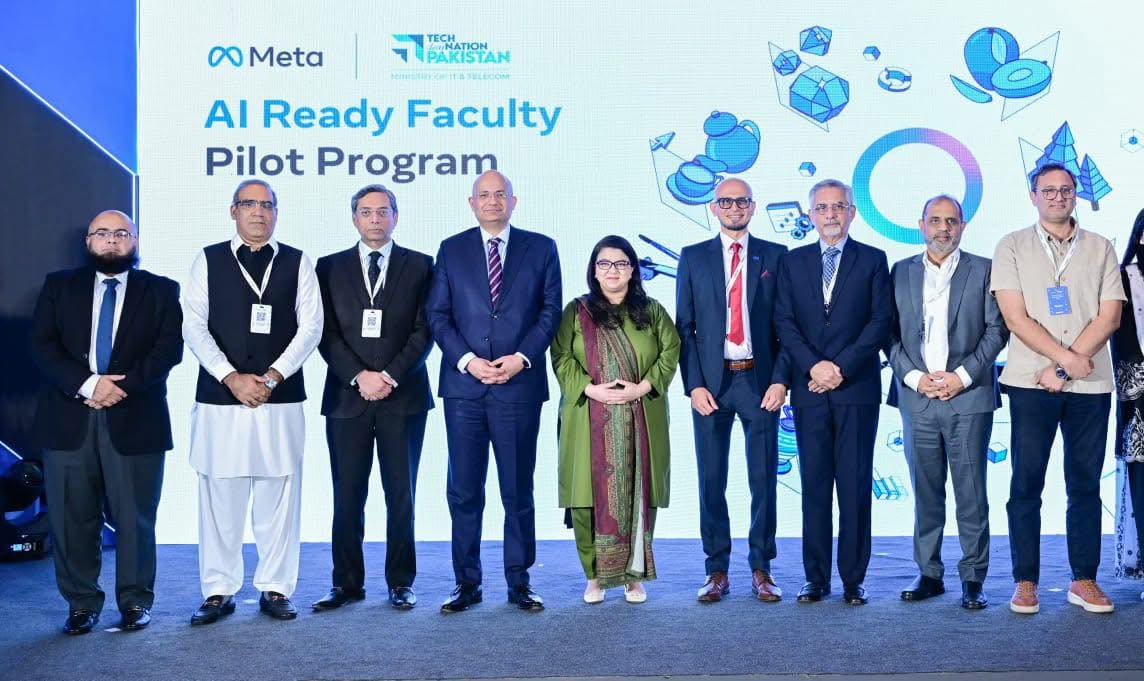
  • ISLAMABAD: Meta has launched ‘ALIF,’ an artificial intelligence (AI) model, that allows users to communicate with it in Urdu as part of an expansion of its language capabilities, Pakistan’s information technology (IT) ministry said on Monday.

    Urdu, Pakistan’s national language and one of the 22 languages enshrined under India’s constitution, is spoken by millions of people in South Asia and elsewhere in the world.

    The announcement was made during the IT ministry’s “Future in Focus: AI and Innovation” event, held in partnership with Meta to advance digital transformation in Pakistan.

    Officials announced a series of initiatives aimed at empowering Pakistan’s public sector and local communities during the event, according to the Pakistani IT ministry.
    ISLAMABAD: Meta has launched ‘ALIF,’ an artificial intelligence (AI) model, that allows users to communicate with it in Urdu as part of an expansion of its language capabilities, Pakistan’s information technology (IT) ministry said on Monday. Urdu, Pakistan’s national language and one of the 22 languages enshrined under India’s constitution, is spoken by millions of people in South Asia and elsewhere in the world. The announcement was made during the IT ministry’s “Future in Focus: AI and Innovation” event, held in partnership with Meta to advance digital transformation in Pakistan. Officials announced a series of initiatives aimed at empowering Pakistan’s public sector and local communities during the event, according to the Pakistani IT ministry.
    0 Commenti 0 condivisioni 5 Views
  • What If the U.S. Government Ran Like McDonald’s?

    Close your eyes for a moment and imagine something radical.
    What if — instead of McDonald’s trying to be like the government — the government started operating like McDonald’s?

    Imagine walking into your local DMV, IRS office, or city hall… and it felt like walking into a McDonald’s.
    Fast service. Clean counters. Friendly staff. Consistent results.
    Every citizen served like a valued customer, not an inconvenience.

    Let’s dream for a moment of that “McGovernment.”


    Efficiency and Speed

    McDonald’s serves 69 million people every single day across the world.
    They don’t say, “Come back tomorrow,” or “The system is down.”
    They handle millions of complex transactions in minutes — because time is money, and speed is sacred.

    If the U.S. government adopted that model:
    • DMV lines would move like drive-thrus.
    You’d walk in, show your ID, scan your eye, and walk out in under 10 minutes with your new license.
    • IRS tax filing would take minutes, not weeks.
    The system would auto-calculate, auto-correct, and auto-refund.
    No confusing forms, no hold music, no endless audits — just clarity.
    • Passport renewals would be instant.
    Like ordering a burger combo, you’d choose “10-year or 5-year passport,” pay, and collect within hours.

    The government would run 24/7, not just Monday to Friday, 9 to 5.
    Because citizens don’t live on a government timetable — they live in real life.


    Staff and Training

    At McDonald’s, every crew member is trained to do one thing well — and do it consistently.
    They follow clear systems: timing, quality, hygiene, and customer care.

    If the U.S. government followed that model:
    • Every government worker would have clear performance metrics — time per task, satisfaction score, error rate.
    • Promotions would be based on results, not years of service.
    • A culture of “customer first” would replace “fill out this form and wait.”

    Imagine being greeted at the DMV with:
    “Good morning! Welcome to the Department of Motor Vehicles. How can I make your day faster today?”

    Sounds funny? That’s exactly what McDonald’s did for fast food — and it worked.


    Cost and Transparency

    McDonald’s can tell you the cost of every French fry, every napkin, every smile.
    Their entire system runs on data. They know what sells, what doesn’t, and what needs improvement — every hour, every day.

    If the U.S. government adopted that discipline:
    • Every department would publish real-time dashboards of spending and results.
    • Citizens could see how much each service actually costs.
    • Waste, corruption, and inefficiency would shrink — not by slogans, but by accountability.

    Imagine if we could check a website that shows:

    “You paid $3.12 in taxes today. Here’s exactly how it was spent — $0.86 for healthcare, $0.59 for defense, $0.42 for schools…”

    Suddenly, government wouldn’t be a mystery. It would be a transparent machine that serves — not rules — its citizens.


    Innovation and Technology

    McDonald’s never stops improving.
    From self-order kiosks to AI-driven drive-thrus, it constantly finds ways to save seconds and improve satisfaction.

    If the U.S. government ran like that:
    • AI chatbots would instantly answer tax or immigration questions.
    • Automation would replace mountains of paperwork.
    • Apps would handle everything — from business registration to voting — safely, instantly, and beautifully.
    • Customer feedback loops would make policies better every quarter, not every election cycle.

    The result?
    Citizens would trust the system — because it would finally work.


    Culture Shift: From Power to Service

    McDonald’s is not perfect, but its culture is built on one sacred truth:
    The customer is always right.

    If the government ran like that, officials would stop acting like kings and start acting like servers.
    Not servants of power — but servants of people.

    Meetings would be short. Emails would be answered fast. Projects would be measured by impact, not by speeches.
    No one would say, “It’s not my department.” Because in a McGovernment, every citizen is the customer.


    The Result
    • Taxes processed in minutes.
    • Passports printed in hours.
    • Licenses renewed in clicks.
    • Zero corruption, zero excuses, and 100% accountability.
    • Citizens happy — because their government finally behaves like a world-class business.


    The Moral

    McDonald’s may sell burgers, but its real product is efficiency, predictability, and respect for time.
    Imagine if the United States government started selling that too.

    Then America wouldn’t just be the land of the free —
    it would be the land of fast, fair, and functioning governance.

    🇺🇸 What If the U.S. Government Ran Like McDonald’s? Close your eyes for a moment and imagine something radical. What if — instead of McDonald’s trying to be like the government — the government started operating like McDonald’s? Imagine walking into your local DMV, IRS office, or city hall… and it felt like walking into a McDonald’s. Fast service. Clean counters. Friendly staff. Consistent results. Every citizen served like a valued customer, not an inconvenience. Let’s dream for a moment of that “McGovernment.” ⸻ 🍔 Efficiency and Speed McDonald’s serves 69 million people every single day across the world. They don’t say, “Come back tomorrow,” or “The system is down.” They handle millions of complex transactions in minutes — because time is money, and speed is sacred. If the U.S. government adopted that model: • DMV lines would move like drive-thrus. You’d walk in, show your ID, scan your eye, and walk out in under 10 minutes with your new license. • IRS tax filing would take minutes, not weeks. The system would auto-calculate, auto-correct, and auto-refund. No confusing forms, no hold music, no endless audits — just clarity. • Passport renewals would be instant. Like ordering a burger combo, you’d choose “10-year or 5-year passport,” pay, and collect within hours. The government would run 24/7, not just Monday to Friday, 9 to 5. Because citizens don’t live on a government timetable — they live in real life. ⸻ 🧑‍🍳 Staff and Training At McDonald’s, every crew member is trained to do one thing well — and do it consistently. They follow clear systems: timing, quality, hygiene, and customer care. If the U.S. government followed that model: • Every government worker would have clear performance metrics — time per task, satisfaction score, error rate. • Promotions would be based on results, not years of service. • A culture of “customer first” would replace “fill out this form and wait.” Imagine being greeted at the DMV with: “Good morning! Welcome to the Department of Motor Vehicles. How can I make your day faster today?” Sounds funny? That’s exactly what McDonald’s did for fast food — and it worked. ⸻ 💰 Cost and Transparency McDonald’s can tell you the cost of every French fry, every napkin, every smile. Their entire system runs on data. They know what sells, what doesn’t, and what needs improvement — every hour, every day. If the U.S. government adopted that discipline: • Every department would publish real-time dashboards of spending and results. • Citizens could see how much each service actually costs. • Waste, corruption, and inefficiency would shrink — not by slogans, but by accountability. Imagine if we could check a website that shows: “You paid $3.12 in taxes today. Here’s exactly how it was spent — $0.86 for healthcare, $0.59 for defense, $0.42 for schools…” Suddenly, government wouldn’t be a mystery. It would be a transparent machine that serves — not rules — its citizens. ⸻ 🧠 Innovation and Technology McDonald’s never stops improving. From self-order kiosks to AI-driven drive-thrus, it constantly finds ways to save seconds and improve satisfaction. If the U.S. government ran like that: • AI chatbots would instantly answer tax or immigration questions. • Automation would replace mountains of paperwork. • Apps would handle everything — from business registration to voting — safely, instantly, and beautifully. • Customer feedback loops would make policies better every quarter, not every election cycle. The result? Citizens would trust the system — because it would finally work. ⸻ 🧱 Culture Shift: From Power to Service McDonald’s is not perfect, but its culture is built on one sacred truth: The customer is always right. If the government ran like that, officials would stop acting like kings and start acting like servers. Not servants of power — but servants of people. Meetings would be short. Emails would be answered fast. Projects would be measured by impact, not by speeches. No one would say, “It’s not my department.” Because in a McGovernment, every citizen is the customer. ⸻ 🚀 The Result • Taxes processed in minutes. • Passports printed in hours. • Licenses renewed in clicks. • Zero corruption, zero excuses, and 100% accountability. • Citizens happy — because their government finally behaves like a world-class business. ⸻ 💡 The Moral McDonald’s may sell burgers, but its real product is efficiency, predictability, and respect for time. Imagine if the United States government started selling that too. Then America wouldn’t just be the land of the free — it would be the land of fast, fair, and functioning governance.

    0 Commenti 0 condivisioni 23 Views
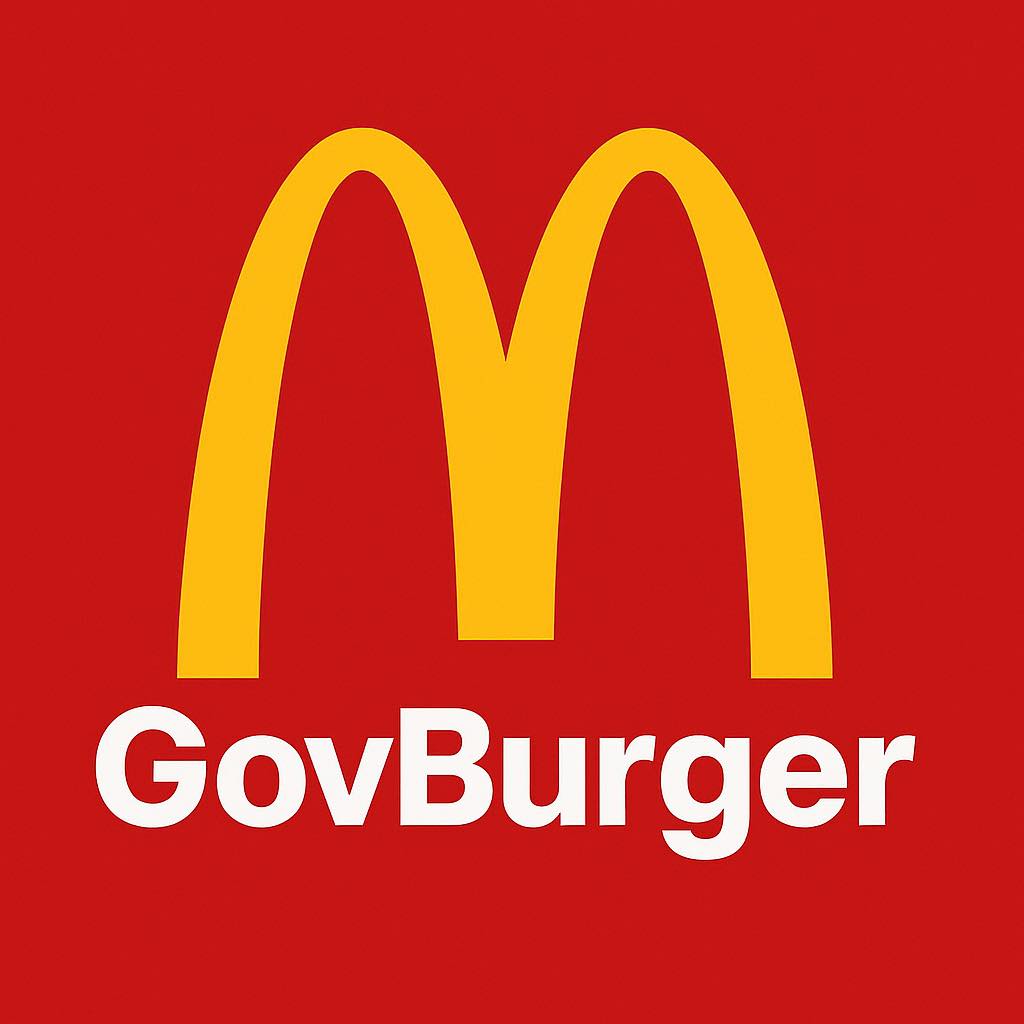
  • What If the U.S. Government Ran McDonald’s?

    Imagine one morning, the U.S. government announces it’s opening its own version of McDonald’s.
    They call it GovBurger — same recipe, same ingredients, same golden arches… but fully run by government employees.

    At first, everyone is excited. The idea sounds patriotic — burgers by the people, for the people!
    But within a few weeks, people start noticing that something feels very different.


    The Price Tag

    A Big Mac at your neighborhood McDonald’s costs around $5.70.
    That includes the beef, the bun, the cheese, the lettuce, the workers, the rent, the ads, and a nice little profit.

    McDonald’s is fast because every part of it is designed to be efficient.
    They buy ingredients in bulk, they train their staff to move like clockwork, and every second is measured in dollars.

    Now imagine the same burger made by GovBurger.

    There are government procurement rules, paperwork for every tomato, and ten signatures just to buy a box of napkins.
    Workers earn double — with pensions, guaranteed benefits, and no pressure to move fast.
    The same ingredients that cost $1.50 at McDonald’s now cost $2.00 because suppliers are chosen politically, not competitively.
    And there’s always a “manager of kitchen operations” who doesn’t cook but still earns six figures.

    By the time the burger reaches your hands, the total cost is around $9.
    The same Big Mac — just more expensive, slower, and colder.


    The Wait Time

    At McDonald’s, your order usually takes 4–6 minutes.
    At GovBurger, expect 20–30 minutes.

    Why? Because instead of one cashier, there are three — one to take your order, one to check your ID, and one to stamp your receipt.
    The fries are ready, but no one can serve them until a supervisor signs the checklist.
    By the time your burger arrives, you’ve already aged slightly.


    The Profit Problem

    Here’s where it really hurts.
    McDonald’s earns about $2 profit per burger.
    Multiply that by a billion burgers a year — that’s two billion dollars in profit.
    That money goes to shareholders, new stores, employee bonuses, and innovation.

    GovBurger, on the other hand, would lose around a dollar per burger.
    With a billion burgers sold, taxpayers would end up paying one billion dollars just to keep the lights on.
    The more burgers they sell, the more money they lose.
    And yet, they’d call it a “public service.”


    Why This Happens

    It’s not because government workers are bad people — it’s because the system is not built for efficiency.
    There’s no competition, no motivation to improve, and no consequence for failure.
    Private companies survive by earning your dollar every single day.
    Governments survive by taking it — whether you’re satisfied or not.


    The Lesson

    If McDonald’s was run by the U.S. government,
    you’d get a $9 burger served after 25 minutes, with a warm smile and a colder patty.
    The receipt would proudly say: “Partly funded by taxpayers.”

    Efficiency is not about cutting corners — it’s about rewarding performance and punishing waste.
    That’s why McDonald’s thrives, and why “GovBurger” would collapse before the first lunch rush ended.


    Moral:
    When profit disappears, motivation follows.
    When incentives die, innovation dies.
    And when the government starts selling burgers — it’s time to pack your lunch.

    🍔 What If the U.S. Government Ran McDonald’s? Imagine one morning, the U.S. government announces it’s opening its own version of McDonald’s. They call it GovBurger — same recipe, same ingredients, same golden arches… but fully run by government employees. At first, everyone is excited. The idea sounds patriotic — burgers by the people, for the people! But within a few weeks, people start noticing that something feels very different. ⸻ The Price Tag A Big Mac at your neighborhood McDonald’s costs around $5.70. That includes the beef, the bun, the cheese, the lettuce, the workers, the rent, the ads, and a nice little profit. McDonald’s is fast because every part of it is designed to be efficient. They buy ingredients in bulk, they train their staff to move like clockwork, and every second is measured in dollars. Now imagine the same burger made by GovBurger. There are government procurement rules, paperwork for every tomato, and ten signatures just to buy a box of napkins. Workers earn double — with pensions, guaranteed benefits, and no pressure to move fast. The same ingredients that cost $1.50 at McDonald’s now cost $2.00 because suppliers are chosen politically, not competitively. And there’s always a “manager of kitchen operations” who doesn’t cook but still earns six figures. By the time the burger reaches your hands, the total cost is around $9. The same Big Mac — just more expensive, slower, and colder. ⸻ The Wait Time At McDonald’s, your order usually takes 4–6 minutes. At GovBurger, expect 20–30 minutes. Why? Because instead of one cashier, there are three — one to take your order, one to check your ID, and one to stamp your receipt. The fries are ready, but no one can serve them until a supervisor signs the checklist. By the time your burger arrives, you’ve already aged slightly. ⸻ The Profit Problem Here’s where it really hurts. McDonald’s earns about $2 profit per burger. Multiply that by a billion burgers a year — that’s two billion dollars in profit. That money goes to shareholders, new stores, employee bonuses, and innovation. GovBurger, on the other hand, would lose around a dollar per burger. With a billion burgers sold, taxpayers would end up paying one billion dollars just to keep the lights on. The more burgers they sell, the more money they lose. And yet, they’d call it a “public service.” ⸻ Why This Happens It’s not because government workers are bad people — it’s because the system is not built for efficiency. There’s no competition, no motivation to improve, and no consequence for failure. Private companies survive by earning your dollar every single day. Governments survive by taking it — whether you’re satisfied or not. ⸻ The Lesson If McDonald’s was run by the U.S. government, you’d get a $9 burger served after 25 minutes, with a warm smile and a colder patty. The receipt would proudly say: “Partly funded by taxpayers.” Efficiency is not about cutting corners — it’s about rewarding performance and punishing waste. That’s why McDonald’s thrives, and why “GovBurger” would collapse before the first lunch rush ended. ⸻ 💭 Moral: When profit disappears, motivation follows. When incentives die, innovation dies. And when the government starts selling burgers — it’s time to pack your lunch. ⸻
    0 Commenti 0 condivisioni 177 Views
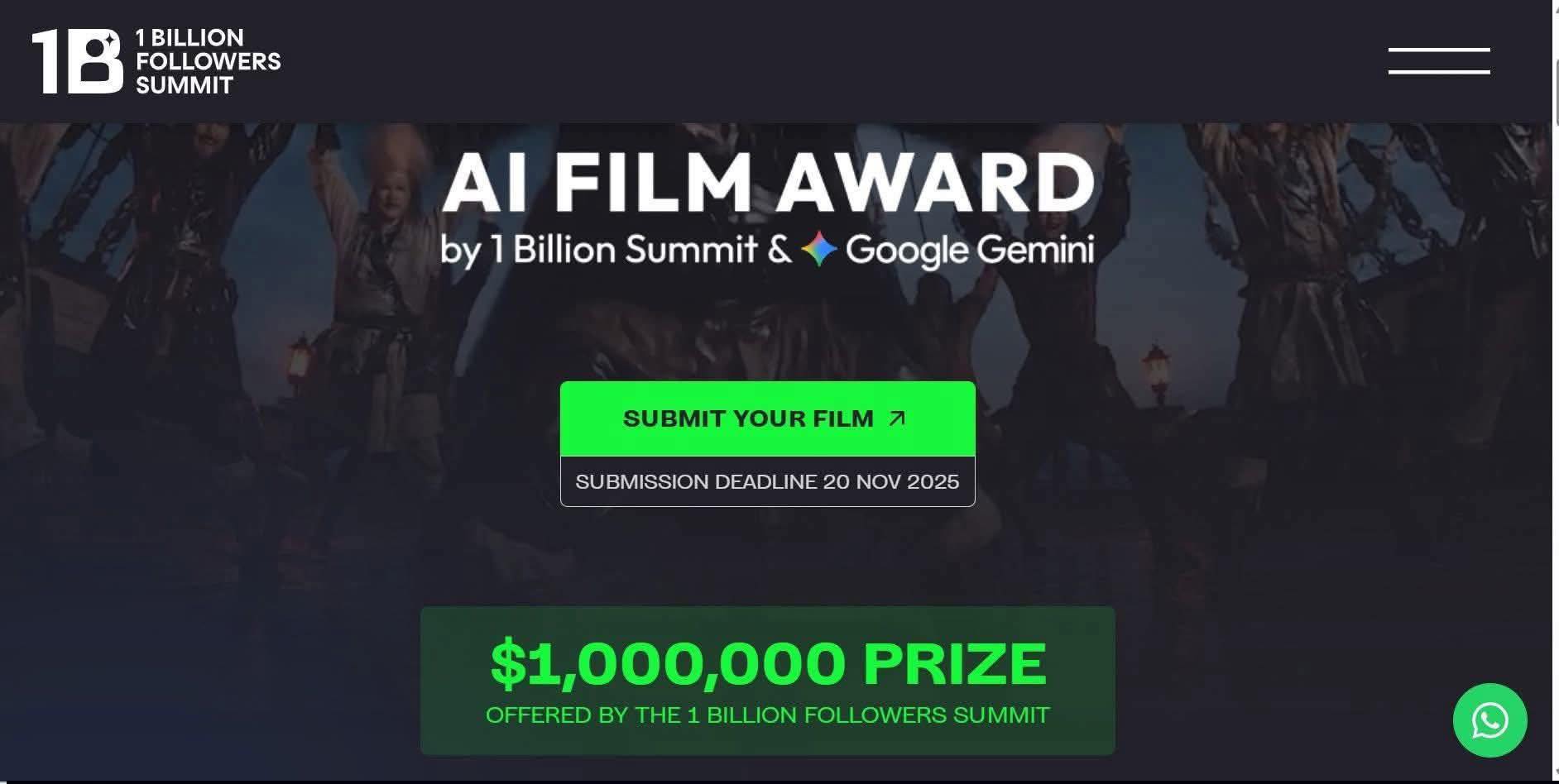
  • دنیا کا سب سے بڑا AI فلم ایوارڈ شروع ہو چکا ہے —
    1 ملین ڈالر (10 لاکھ امریکی ڈالر پاکستانی 28 کروڑ سے زائد) کا انعام، اور مقابلہ ہے عالمی سطح کا۔

    یہ ایوارڈ کوئی عام فلم فیسٹیول نہیں، بلکہ فلم سازی کے نئے عہد کی شروعات ہے —
    جہاں کہانی انسان نہیں، مصنوعی ذہانت لکھتی ہے۔


    مقابلہ کس نے شروع کیا؟

    Google Gemini نے 1 Billion Followers Summit کے اشتراک سے یہ عالمی چیلنج لانچ کیا ہے۔
    دنیا بھر کے فلم میکرز، یوٹیوبرز، اور کریئیٹرز اس میں حصہ لے سکتے ہیں۔


    انعام

    کل انعامی رقم: 1 ملین ڈالر
    فائنل ایونٹ: دبئی
    موقع: دنیا کے سب سے بڑے کریئیٹر اکانومی ایونٹ میں پریمیئر


    بنیادی شرط

    فلم کا کم از کم 70٪ حصہ AI ٹولز سے تخلیق شدہ ہونا لازمی ہے۔

    استعمال کیے جا سکنے والے ٹولز:
    • Veo → ٹیکسٹ سے ویڈیو بنانے کے لیے
    • Imagen → تصویری تخلیق کے لیے
    • Flow → سینیمیٹک کنٹرول کے لیے
    • Gemini → مکمل تخلیقی معاون کے طور پر

    دیگر ویڈیو ایڈیٹنگ سافٹ ویئرز استعمال کیے جا سکتے ہیں، مگر بنیاد انہی ٹولز پر ہونی چاہیے۔


    فلم کے موضوعات
    1. Rewrite Tomorrow – ایک ایسا مستقبل جہاں انسان اور ٹیکنالوجی مل کر دنیا بدلتے ہیں۔
    2. The Secret Life Of – ایک تخلیقی کہانی جو پوشیدہ دنیا کو نمایاں کرتی ہے۔


    جانچ کے معیار
    1. AI کے استعمال کی شفافیت
    2. کہانی کی مضبوطی
    3. تخلیقی انفرادیت
    4. تکنیکی معیار (ویژول، آواز، ایڈیٹنگ)
    5. اخلاقی توازن


    اہم تاریخیں
    • جمع کرانے کی آخری تاریخ: 20 نومبر 2025
    • ٹاپ 10 فائنلسٹ کا اعلان: 5 دسمبر 2025
    • عوامی ووٹنگ: 10 تا 15 دسمبر 2025
    • دبئی پریمیئر: 10 جنوری 2026
    • فاتح کا اعلان: 11 جنوری 2026


    شرکت کا طریقہ
    • ہر کوئی اس مقابلے میں حصہ لے سکتا ہے۔
    • کسی بھی زبان میں فلم بنائی جا سکتی ہے، مگر انگلش سب ٹائٹلز لازمی ہیں۔
    • فلم کو YouTube پر Unlisted ویڈیو کے طور پر اپلوڈ کر کے سرکاری ویب سائٹ کے ذریعے جمع کرایا جائے گا۔


    یہ صرف ایک مقابلہ نہیں —
    AI اور انسان کے تخیل کی مشترکہ تاریخ کا پہلا باب ہے۔

    کیا آپ وہ فلم ساز ہیں جو اس نئے دور کی پہلی شاہکار فلم بنائے گا؟
    آخری تاریخ: 20 نومبر 2025


    #AIFilmContest #GeminiAI #Veo #Imagen #Flow #ArtificialIntelligence #AICinema #ShortFilm #DubaiEvent #CreatorEconomy #FutureOfFilmmaking
    دنیا کا سب سے بڑا AI فلم ایوارڈ شروع ہو چکا ہے — 1 ملین ڈالر (10 لاکھ امریکی ڈالر پاکستانی 28 کروڑ سے زائد) کا انعام، اور مقابلہ ہے عالمی سطح کا۔ یہ ایوارڈ کوئی عام فلم فیسٹیول نہیں، بلکہ فلم سازی کے نئے عہد کی شروعات ہے — جہاں کہانی انسان نہیں، مصنوعی ذہانت لکھتی ہے۔ ⸻ 🎥 مقابلہ کس نے شروع کیا؟ Google Gemini نے 1 Billion Followers Summit کے اشتراک سے یہ عالمی چیلنج لانچ کیا ہے۔ دنیا بھر کے فلم میکرز، یوٹیوبرز، اور کریئیٹرز اس میں حصہ لے سکتے ہیں۔ ⸻ 💰 انعام 🏆 کل انعامی رقم: 1 ملین ڈالر 📍 فائنل ایونٹ: دبئی 🎬 موقع: دنیا کے سب سے بڑے کریئیٹر اکانومی ایونٹ میں پریمیئر ⸻ 🧠 بنیادی شرط فلم کا کم از کم 70٪ حصہ AI ٹولز سے تخلیق شدہ ہونا لازمی ہے۔ استعمال کیے جا سکنے والے ٹولز: • Veo → ٹیکسٹ سے ویڈیو بنانے کے لیے • Imagen → تصویری تخلیق کے لیے • Flow → سینیمیٹک کنٹرول کے لیے • Gemini → مکمل تخلیقی معاون کے طور پر دیگر ویڈیو ایڈیٹنگ سافٹ ویئرز استعمال کیے جا سکتے ہیں، مگر بنیاد انہی ٹولز پر ہونی چاہیے۔ ⸻ 🎭 فلم کے موضوعات 1. Rewrite Tomorrow – ایک ایسا مستقبل جہاں انسان اور ٹیکنالوجی مل کر دنیا بدلتے ہیں۔ 2. The Secret Life Of – ایک تخلیقی کہانی جو پوشیدہ دنیا کو نمایاں کرتی ہے۔ ⸻ 🏗️ جانچ کے معیار 1. AI کے استعمال کی شفافیت 2. کہانی کی مضبوطی 3. تخلیقی انفرادیت 4. تکنیکی معیار (ویژول، آواز، ایڈیٹنگ) 5. اخلاقی توازن ⸻ 📅 اہم تاریخیں • جمع کرانے کی آخری تاریخ: 20 نومبر 2025 • ٹاپ 10 فائنلسٹ کا اعلان: 5 دسمبر 2025 • عوامی ووٹنگ: 10 تا 15 دسمبر 2025 • دبئی پریمیئر: 10 جنوری 2026 • فاتح کا اعلان: 11 جنوری 2026 ⸻ 🌍 شرکت کا طریقہ • ہر کوئی اس مقابلے میں حصہ لے سکتا ہے۔ • کسی بھی زبان میں فلم بنائی جا سکتی ہے، مگر انگلش سب ٹائٹلز لازمی ہیں۔ • فلم کو YouTube پر Unlisted ویڈیو کے طور پر اپلوڈ کر کے سرکاری ویب سائٹ کے ذریعے جمع کرایا جائے گا۔ ⸻ یہ صرف ایک مقابلہ نہیں — AI اور انسان کے تخیل کی مشترکہ تاریخ کا پہلا باب ہے۔ کیا آپ وہ فلم ساز ہیں جو اس نئے دور کی پہلی شاہکار فلم بنائے گا؟ 📅 آخری تاریخ: 20 نومبر 2025 ⸻ #AIFilmContest #GeminiAI #Veo #Imagen #Flow #ArtificialIntelligence #AICinema #ShortFilm #DubaiEvent #CreatorEconomy #FutureOfFilmmaking
    0 Commenti 0 condivisioni 2477 Views
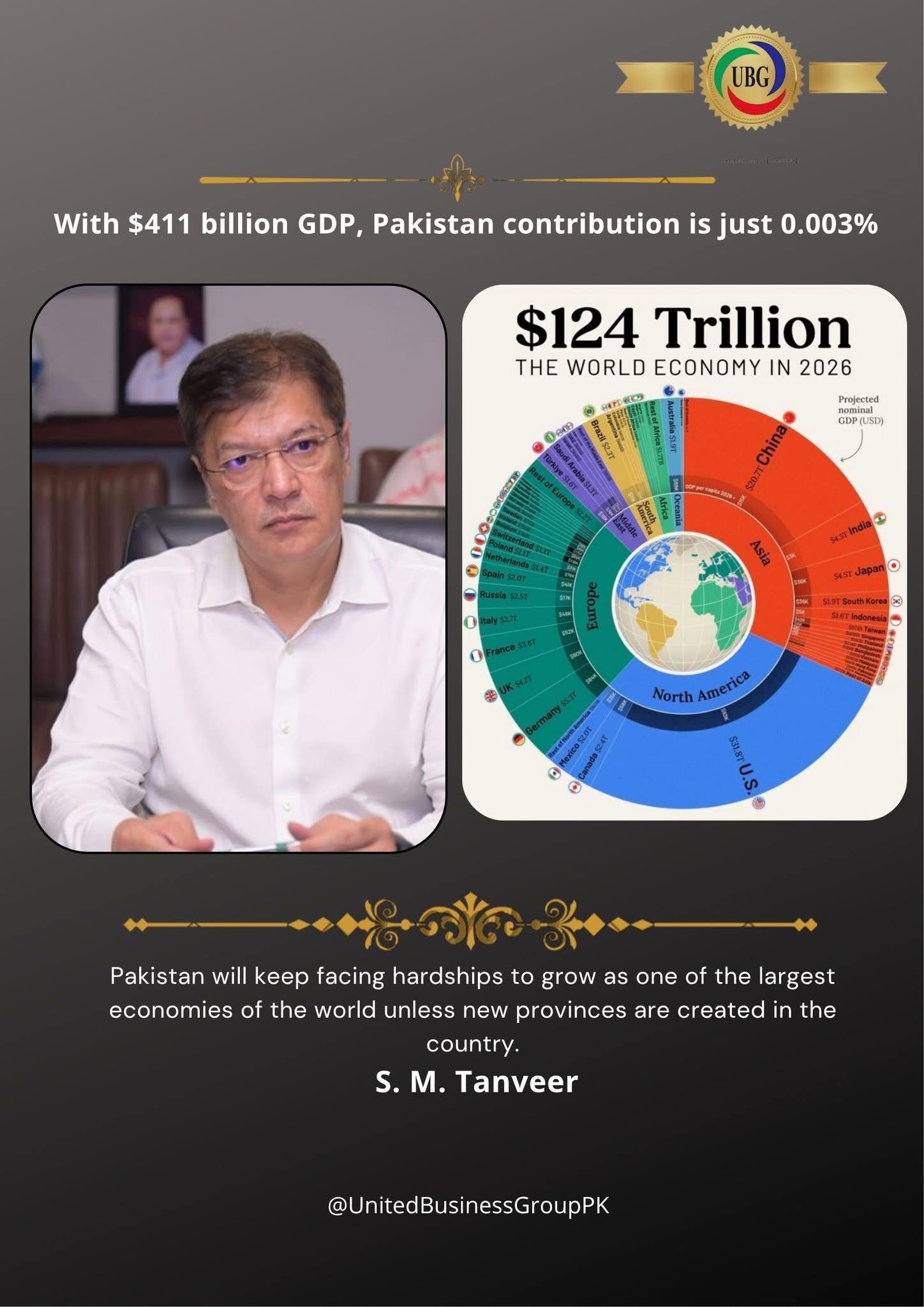
  • Thank you for sharing SM Tanveer

    How AI Can Help Pakistan Become a 10 Trillion Dollar Economy by 2030
    By Rehan Allahwala

    Artificial Intelligence (AI) is the most powerful tool in human history. It’s not just changing the world — it’s creating a new one. For Pakistan, AI is not a luxury; it’s the only fast track to massive growth. If we act with unity, focus, and speed, we can build a $10 trillion economy by 2030 — not by waiting for foreign aid, but by unlocking the power inside our people through AI.

    Here’s how it can happen in just five years.


    AI Will Make Every Pakistani More Productive

    AI can make our people 5 to 10 times more efficient.
    A teacher can teach 10,000 students through AI tools.
    A farmer can predict crop yield and save fertilizer using AI sensors.
    A small business can advertise globally using ChatGPT, Canva, and AI marketing tools.

    If even half of Pakistan’s workforce starts using AI daily, our total national productivity will skyrocket — just as China used machines to multiply production in the 1980s, Pakistan can use AI in the 2020s.


    AI Will Create New Million-Dollar Industries

    AI will not only improve what we already do — it will create entirely new industries.
    AI-driven exports like software, design, video creation, and automation services can easily cross $500 billion a year within five years.

    Imagine millions of Pakistanis earning globally by offering AI solutions, content creation, voiceovers, and coding — right from their homes. The world now buys digital products, and Pakistan can become the factory of that digital world.


    AI Will Transform Education and Skills

    In every Rehan School, we have already seen what AI can do. A student who could not speak English last year can now learn from ChatGPT, YouTube, and AI tutors in months.

    If we make AI literacy a national goal, every child in Pakistan can learn faster than ever before — English, business, science, design — everything is now one voice command away.
    With 10 million AI-skilled students and freelancers, we can generate over $1 trillion in new digital income by 2030.


    AI Will Fix Government and Corruption

    AI can make our government smarter, faster, and cleaner.
    We can use AI to collect taxes, manage traffic, monitor schools, and plan cities with no human delay or corruption.
    Just digitizing and automating government systems can save billions of rupees every month, which can be invested in infrastructure, health, and innovation.

    When government becomes transparent and efficient, investors return. That’s how China built trust and progress — through central planning powered by data. Pakistan can do it faster with AI.


    AI Will Power the Green Economy

    AI can help Pakistan lead the global green revolution.
    We can use AI to monitor forests, plant trees with drones, manage solar energy grids, and trade carbon credits globally.
    Pakistan can earn billions in green exports by turning its deserts and mountains into renewable energy farms.
    AI will guide every decision — how much to plant, where to build, when to sell — making our green economy smart and profitable.


    The 2030 Vision

    If we combine these five steps — productivity, new industries, education, governance, and green growth — Pakistan can:
    • Double its GDP every 2 years.
    • Create 30 million new jobs.
    • Train 100 million Pakistanis to use AI.
    • Earn over $1 trillion annually in exports by 2030.

    This is not a fantasy — it’s math and mindset.
    AI is like electricity — once we plug in, everything lights up.


    Final Message

    The world is not waiting.
    Every student, every teacher, every entrepreneur must now say:
    “AI is my tool, not my threat.”

    Let’s make Pakistan the first developing country to rise to a $10 trillion economy through Artificial Intelligence.
    If China used factories to grow, Pakistan will use minds.

    The revolution has already begun.
    Rehan School – Building AI Leaders for a 10 Trillion Dollar Pakistan.
    Thank you for sharing SM Tanveer How AI Can Help Pakistan Become a 10 Trillion Dollar Economy by 2030 By Rehan Allahwala Artificial Intelligence (AI) is the most powerful tool in human history. It’s not just changing the world — it’s creating a new one. For Pakistan, AI is not a luxury; it’s the only fast track to massive growth. If we act with unity, focus, and speed, we can build a $10 trillion economy by 2030 — not by waiting for foreign aid, but by unlocking the power inside our people through AI. Here’s how it can happen in just five years. ⸻ 1️⃣ AI Will Make Every Pakistani More Productive AI can make our people 5 to 10 times more efficient. A teacher can teach 10,000 students through AI tools. A farmer can predict crop yield and save fertilizer using AI sensors. A small business can advertise globally using ChatGPT, Canva, and AI marketing tools. If even half of Pakistan’s workforce starts using AI daily, our total national productivity will skyrocket — just as China used machines to multiply production in the 1980s, Pakistan can use AI in the 2020s. ⸻ 2️⃣ AI Will Create New Million-Dollar Industries AI will not only improve what we already do — it will create entirely new industries. AI-driven exports like software, design, video creation, and automation services can easily cross $500 billion a year within five years. Imagine millions of Pakistanis earning globally by offering AI solutions, content creation, voiceovers, and coding — right from their homes. The world now buys digital products, and Pakistan can become the factory of that digital world. ⸻ 3️⃣ AI Will Transform Education and Skills In every Rehan School, we have already seen what AI can do. A student who could not speak English last year can now learn from ChatGPT, YouTube, and AI tutors in months. If we make AI literacy a national goal, every child in Pakistan can learn faster than ever before — English, business, science, design — everything is now one voice command away. With 10 million AI-skilled students and freelancers, we can generate over $1 trillion in new digital income by 2030. ⸻ 4️⃣ AI Will Fix Government and Corruption AI can make our government smarter, faster, and cleaner. We can use AI to collect taxes, manage traffic, monitor schools, and plan cities with no human delay or corruption. Just digitizing and automating government systems can save billions of rupees every month, which can be invested in infrastructure, health, and innovation. When government becomes transparent and efficient, investors return. That’s how China built trust and progress — through central planning powered by data. Pakistan can do it faster with AI. ⸻ 5️⃣ AI Will Power the Green Economy AI can help Pakistan lead the global green revolution. We can use AI to monitor forests, plant trees with drones, manage solar energy grids, and trade carbon credits globally. Pakistan can earn billions in green exports by turning its deserts and mountains into renewable energy farms. AI will guide every decision — how much to plant, where to build, when to sell — making our green economy smart and profitable. ⸻ 🌍 The 2030 Vision If we combine these five steps — productivity, new industries, education, governance, and green growth — Pakistan can: • Double its GDP every 2 years. • Create 30 million new jobs. • Train 100 million Pakistanis to use AI. • Earn over $1 trillion annually in exports by 2030. This is not a fantasy — it’s math and mindset. AI is like electricity — once we plug in, everything lights up. ⸻ ⚡ Final Message The world is not waiting. Every student, every teacher, every entrepreneur must now say: “AI is my tool, not my threat.” Let’s make Pakistan the first developing country to rise to a $10 trillion economy through Artificial Intelligence. If China used factories to grow, Pakistan will use minds. The revolution has already begun. 🇵🇰✨ Rehan School – Building AI Leaders for a 10 Trillion Dollar Pakistan.
    0 Commenti 0 condivisioni 112 Views
  • Via Qasim Ali Shah
    Via Qasim Ali Shah
    0 Commenti 0 condivisioni 3 Views
  • Via Amir Abbas Soomro
    Via Amir Abbas Soomro
    0 Commenti 0 condivisioni 3 Views
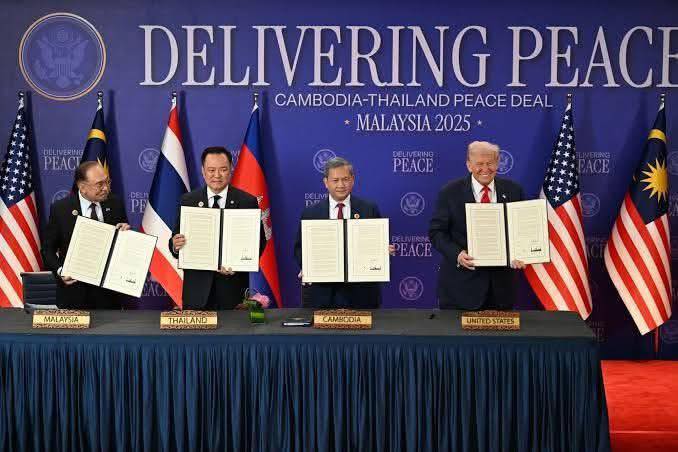
  • Thank You Donald J. Trump for getting people to peace table !

    Let’s create a department / ministry of peace in all these countries and make them spend 10% to 20% of budget on making friends on both sides of the borders over social media and real life so there is more trust among them !

    That would for sure get you Nobel Prize of peace !
    Thank You 🙏 Donald J. Trump for getting people to peace table ! Let’s create a department / ministry of peace in all these countries and make them spend 10% to 20% of budget on making friends on both sides of the borders over social media and real life so there is more trust among them ! That would for sure get you Nobel Prize of peace !
    0 Commenti 0 condivisioni 3 Views