• پتے سے سرمایہ — امرود کے پتوں کی کہانی اور بلین ڈالر کا کاروبار

    ایک زمانہ تھا جب پاکستان کے امرود کے باغات کے مالک صرف پھل بیچ کر کماتے تھے۔
    پھل سستا ہو جائے تو اکثر درختوں کے نیچے امرود گل سڑ جاتے، اور کسان سوچتے کہ کاش کوئی دوسرا فائدہ نکل آئے۔
    لیکن قدرت کی سب سے قیمتی نعمت تو ان کے سامنے تھی — امرود کے پتے!


    قدرت کا بھولا ہوا خزانہ

    سائنس نے وہی راز کھول دیا جو دیہات کے حکیم صدیوں سے جانتے تھے:
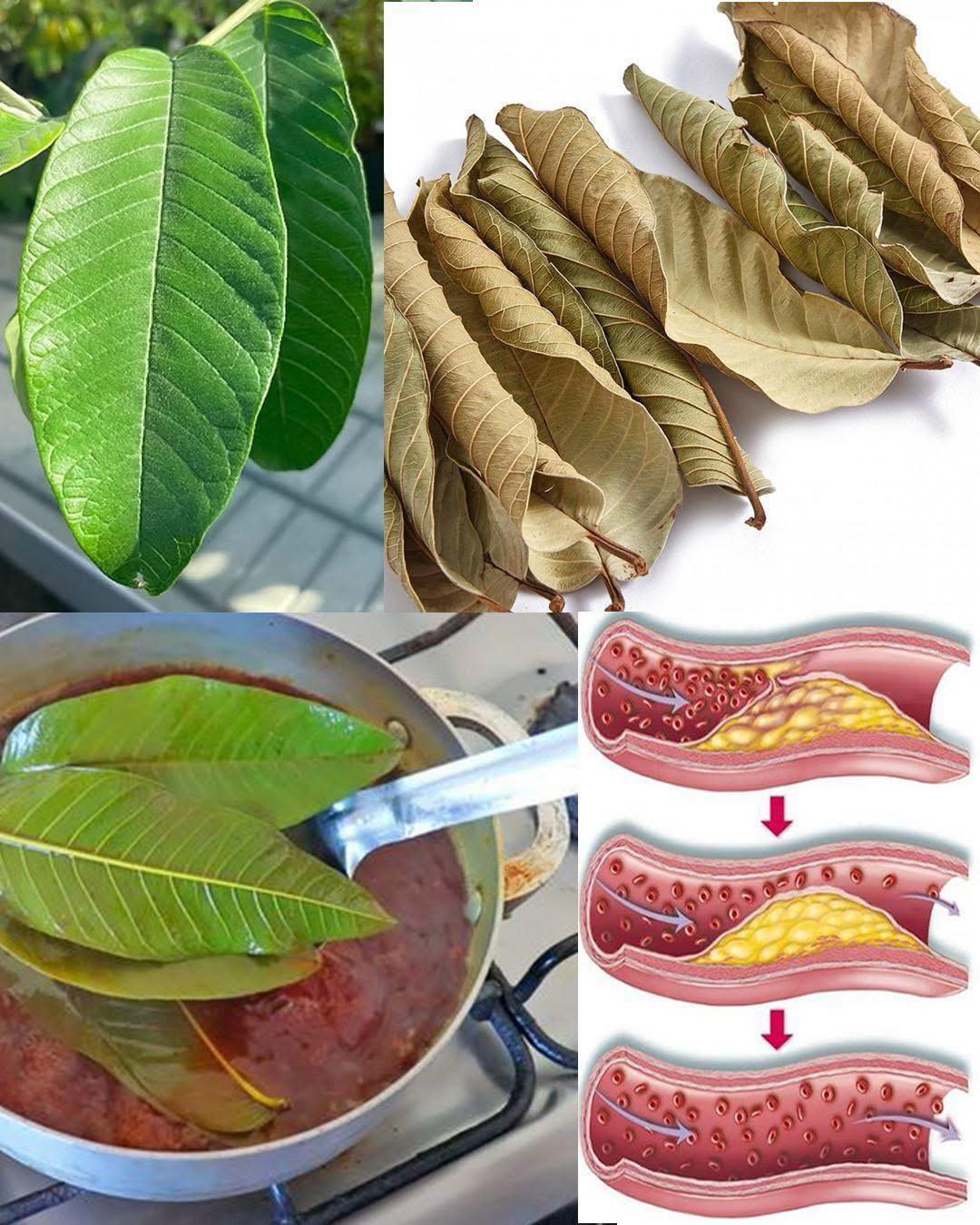
    امرود کے پتے شوگر (ذیابیطس) کو کنٹرول کرنے میں مدد دیتے ہیں۔

    جاپان، انڈیا اور فلپائن کی تحقیق بتاتی ہے کہ امرود کے پتوں کا قہوہ کھانے کے بعد خون میں شوگر کی مقدار کو کم کرتا ہے۔
    یہ پتے ایسے قدرتی اجزاء رکھتے ہیں جو آہستہ آہستہ جسم میں شکر کے جذب ہونے کے عمل کو سست کر دیتے ہیں۔

    جاپان نے تو “بنسورئیچا” (Bansoureicha) نامی گواوا لیف ٹی کو سرکاری طور پر FOSHU (Food for Specified Health Use) کی منظوری دے دی ہے، یعنی یہ شوگر کنٹرول کرنے والی منظور شدہ چائے ہے۔

    اور اب غور کیجیے:

    دنیا میں آج 537 ملین افراد ذیابیطس میں مبتلا ہیں۔
    ہربل اور ہیلتھ ٹی کی عالمی مارکیٹ 20 ارب ڈالر سے زائد کی ہے، جو ہر سال 7–8٪ بڑھ رہی ہے۔

    یعنی جو پتے آج کسان جلا دیتے ہیں یا ضائع کر دیتے ہیں، وہ دراصل اربوں روپے کی سونا کی فصل ہیں۔


    کسانوں کے لیے سنہری موقع

    ایک پختہ امرود کا درخت سالانہ 8 سے 12 کلوگرام تک پتے دیتا ہے۔
    اگر کسی کے پاس 500 درخت ہوں تو وہ تقریباً 5000 کلوگرام پتّے حاصل کر سکتا ہے، جن سے 1000 کلوگرام خشک چائے تیار ہوتی ہے — جو 50,000 ٹی بیگز کے برابر ہے۔

    اگر ہر پیکٹ صرف 2 ڈالر میں بیرونِ ملک فروخت ہو تو ایک کسان سالانہ 100,000 ڈالر تک کما سکتا ہے —
    اس چیز سے جو پہلے کوڑے میں چلی جاتی تھی۔


    یہ کاروبار کیسے بنایا جائے؟

    1. پتوں کی کٹائی اور خشک کرنا
    • صرف صاف، کم عمر، اور بغیر زہریلے اسپرے والے پتے لیں۔
    • انہیں دھو کر سایہ میں 4–5 دن خشک کریں یا 45–50 °C پر ڈی ہائیڈریٹ کریں تاکہ غذائیت برقرار رہے۔
    • خشک پتوں کو ہلکا سا کوٹ لیں یا پاوڈر بنائیں۔

    2. برانڈ اور پیکجنگ
    • خوبصورت ڈبے یا بائیوڈیگریڈیبل ٹی بیگز میں پیک کریں۔
    • لیبل پر واضح لکھیں:
    • “قدرتی شوگر کنٹرول ٹی”
    • “بغیر کیفین، بغیر کیمیکل”
    • “تحقیق سے ثابت شدہ جاپانی معیار”

    3. سرٹیفیکیشن حاصل کریں
    • Organic یا Halal سرٹیفیکیٹ لیں۔
    • لیبارٹری سے سیفٹی اور کیمیائی تجزیہ کروائیں۔
    • پیک پر QR کوڈ لگائیں جو ریسرچ لنک دکھائے — یہ اعتماد بڑھاتا ہے۔

    4. کہاں بیچیں؟
    • فارمیسیز اور ہربل شاپس میں بطور “Diabetic-Friendly Tea”
    • آن لائن: Daraz, Amazon, Etsy
    • کافی شاپس، ہوٹلز، اسپاز میں بطور “Wellness Tea”
    • برآمدات: مشرقِ وسطیٰ، یورپ، امریکا
    • ہسپتالوں اور کارپوریٹ ویلفیئر پروگرامز میں شوگر کنٹرول مشروب کے طور پر

    5. مارکیٹنگ کا طریقہ
    • فیس بک اور انسٹاگرام پر فارم سے کپ تک (Farm to Cup) ویڈیوز۔
    • یوٹیوب پر ڈاکیومینٹری اسٹائل کہانیاں۔
    • ریحان اسکول یا ٹریلین ٹریز پروجیکٹ کے ساتھ شراکت — “ہر کپ ایک درخت بچاتا ہے۔”


    مارکیٹ کی مثالیں
    • جاپان کی Yakult کمپنی گواوا لیف ٹی کو $6–10 فی پیک فروخت کرتی ہے۔
    • فلپائن کے کسان خشک پتے جاپان اور کوریا کو ایکسپورٹ کر رہے ہیں۔
    • انڈیا میں “TeaTribe” اور “HerbalAura” جیسے برانڈز گواوا لیف ٹی بطور شوگر کنٹرول مشروب بیچ رہے ہیں۔

    پاکستان — خصوصاً سندھ اور پنجاب — میں امرود کی زبردست پیداوار کے ساتھ یہ بزنس نہ صرف ممکن بلکہ عالمی سطح پر مقابلہ کرنے کے قابل ہے۔


    کاروبار کے مختلف ماڈلز

    ماڈل وضاحت موزوں افراد
    Farm-to-Brand کسان اپنی برانڈ کے نام سے چائے بنائے اور بیچے۔ باغات کے مالک کسان۔
    B2B سپلائر خشک پتے بڑی کمپنیوں کو بیچے۔ چھوٹے اور درمیانے کسان۔
    Herbal Franchise Kiosk “Rehan Tea” یا “Healthy Pakistan” کے نام سے شہر میں اسٹال لگائے۔ شہری نوجوان کاروباری۔
    آن لائن سبسکرپشن ماہانہ پیکج گاہکوں کو پہنچائے۔ ای کامرس اسٹارٹ اپ۔


    تین گنا فائدہ
    1. معاشی فائدہ: کسان سال بھر کمائے، صرف پھل پر منحصر نہ رہے۔
    2. ماحولیاتی فائدہ: درخت ضائع نہ ہوں، کاربن کم ہو۔
    3. صحت کا فائدہ: شوگر کے مریضوں کے لیے قدرتی حل۔

    اگر 1000 پاکستانی کسان ہر سال $10,000 کمائیں، تو یہ $10 ملین کی انڈسٹری ہو سکتی ہے — صرف پتوں سے!


    کہانی کا نیا انجام

    جب حکیم کریم نے راشد کی شوگر میں بہتری دیکھی تو مسکرا کر بولا:

    “یہ پتہ صرف جسم نہیں، معیشت بھی ٹھیک کر دیتا ہے۔”

    آج کے نوجوان اور کسان بھی یہی کر سکتے ہیں۔
    قدرت کے اسی پتّے کو ایک عالمی برانڈ میں بدل کر پاکستان کی پہچان بنا سکتے ہیں۔
    یہ صرف کاروبار نہیں، بلکہ ایک سبز انقلاب ہے۔


    نتیجہ

    امرود کے پتے اب صرف دوا نہیں —
    یہ آمدنی، روزگار، صحت، اور برآمدات کا نیا دروازہ ہیں۔
    بس نیت، پیکیجنگ، اور وژن کی ضرورت ہے۔

    یہی وقت ہے کہ ہم پتے کو پونجی بنائیں —
    اور دنیا کو دکھائیں کہ پاکستان قدرتی علاج کا عالمی لیڈر بن سکتا ہے۔


    تحریر: ریحان اللہ والا — ChatGPT کے ساتھ
    قدرت کی نعمتوں کو کاروبار میں بدلنے کی تحریک۔
    🌿 پتے سے سرمایہ — امرود کے پتوں کی کہانی اور بلین ڈالر کا کاروبار ایک زمانہ تھا جب پاکستان کے امرود کے باغات کے مالک صرف پھل بیچ کر کماتے تھے۔ پھل سستا ہو جائے تو اکثر درختوں کے نیچے امرود گل سڑ جاتے، اور کسان سوچتے کہ کاش کوئی دوسرا فائدہ نکل آئے۔ لیکن قدرت کی سب سے قیمتی نعمت تو ان کے سامنے تھی — امرود کے پتے! ⸻ 🍃 قدرت کا بھولا ہوا خزانہ سائنس نے وہی راز کھول دیا جو دیہات کے حکیم صدیوں سے جانتے تھے: امرود کے پتے شوگر (ذیابیطس) کو کنٹرول کرنے میں مدد دیتے ہیں۔ جاپان، انڈیا اور فلپائن کی تحقیق بتاتی ہے کہ امرود کے پتوں کا قہوہ کھانے کے بعد خون میں شوگر کی مقدار کو کم کرتا ہے۔ یہ پتے ایسے قدرتی اجزاء رکھتے ہیں جو آہستہ آہستہ جسم میں شکر کے جذب ہونے کے عمل کو سست کر دیتے ہیں۔ جاپان نے تو “بنسورئیچا” (Bansoureicha) نامی گواوا لیف ٹی کو سرکاری طور پر FOSHU (Food for Specified Health Use) کی منظوری دے دی ہے، یعنی یہ شوگر کنٹرول کرنے والی منظور شدہ چائے ہے۔ اور اب غور کیجیے: 🌎 دنیا میں آج 537 ملین افراد ذیابیطس میں مبتلا ہیں۔ 💰 ہربل اور ہیلتھ ٹی کی عالمی مارکیٹ 20 ارب ڈالر سے زائد کی ہے، جو ہر سال 7–8٪ بڑھ رہی ہے۔ یعنی جو پتے آج کسان جلا دیتے ہیں یا ضائع کر دیتے ہیں، وہ دراصل اربوں روپے کی سونا کی فصل ہیں۔ ⸻ 🚜 کسانوں کے لیے سنہری موقع ایک پختہ امرود کا درخت سالانہ 8 سے 12 کلوگرام تک پتے دیتا ہے۔ اگر کسی کے پاس 500 درخت ہوں تو وہ تقریباً 5000 کلوگرام پتّے حاصل کر سکتا ہے، جن سے 1000 کلوگرام خشک چائے تیار ہوتی ہے — جو 50,000 ٹی بیگز کے برابر ہے۔ اگر ہر پیکٹ صرف 2 ڈالر میں بیرونِ ملک فروخت ہو تو ایک کسان سالانہ 100,000 ڈالر تک کما سکتا ہے — اس چیز سے جو پہلے کوڑے میں چلی جاتی تھی۔ ⸻ 🏭 یہ کاروبار کیسے بنایا جائے؟ 1. پتوں کی کٹائی اور خشک کرنا • صرف صاف، کم عمر، اور بغیر زہریلے اسپرے والے پتے لیں۔ • انہیں دھو کر سایہ میں 4–5 دن خشک کریں یا 45–50 °C پر ڈی ہائیڈریٹ کریں تاکہ غذائیت برقرار رہے۔ • خشک پتوں کو ہلکا سا کوٹ لیں یا پاوڈر بنائیں۔ 2. برانڈ اور پیکجنگ • خوبصورت ڈبے یا بائیوڈیگریڈیبل ٹی بیگز میں پیک کریں۔ • لیبل پر واضح لکھیں: • “قدرتی شوگر کنٹرول ٹی” • “بغیر کیفین، بغیر کیمیکل” • “تحقیق سے ثابت شدہ جاپانی معیار” 3. سرٹیفیکیشن حاصل کریں • Organic یا Halal سرٹیفیکیٹ لیں۔ • لیبارٹری سے سیفٹی اور کیمیائی تجزیہ کروائیں۔ • پیک پر QR کوڈ لگائیں جو ریسرچ لنک دکھائے — یہ اعتماد بڑھاتا ہے۔ 4. کہاں بیچیں؟ • فارمیسیز اور ہربل شاپس میں بطور “Diabetic-Friendly Tea” • آن لائن: Daraz, Amazon, Etsy • کافی شاپس، ہوٹلز، اسپاز میں بطور “Wellness Tea” • برآمدات: مشرقِ وسطیٰ، یورپ، امریکا • ہسپتالوں اور کارپوریٹ ویلفیئر پروگرامز میں شوگر کنٹرول مشروب کے طور پر 5. مارکیٹنگ کا طریقہ • فیس بک اور انسٹاگرام پر فارم سے کپ تک (Farm to Cup) ویڈیوز۔ • یوٹیوب پر ڈاکیومینٹری اسٹائل کہانیاں۔ • ریحان اسکول یا ٹریلین ٹریز پروجیکٹ کے ساتھ شراکت — “ہر کپ ایک درخت بچاتا ہے۔” ⸻ 📈 مارکیٹ کی مثالیں • جاپان کی Yakult کمپنی گواوا لیف ٹی کو $6–10 فی پیک فروخت کرتی ہے۔ • فلپائن کے کسان خشک پتے جاپان اور کوریا کو ایکسپورٹ کر رہے ہیں۔ • انڈیا میں “TeaTribe” اور “HerbalAura” جیسے برانڈز گواوا لیف ٹی بطور شوگر کنٹرول مشروب بیچ رہے ہیں۔ پاکستان — خصوصاً سندھ اور پنجاب — میں امرود کی زبردست پیداوار کے ساتھ یہ بزنس نہ صرف ممکن بلکہ عالمی سطح پر مقابلہ کرنے کے قابل ہے۔ ⸻ 💡 کاروبار کے مختلف ماڈلز ماڈل وضاحت موزوں افراد Farm-to-Brand کسان اپنی برانڈ کے نام سے چائے بنائے اور بیچے۔ باغات کے مالک کسان۔ B2B سپلائر خشک پتے بڑی کمپنیوں کو بیچے۔ چھوٹے اور درمیانے کسان۔ Herbal Franchise Kiosk “Rehan Tea” یا “Healthy Pakistan” کے نام سے شہر میں اسٹال لگائے۔ شہری نوجوان کاروباری۔ آن لائن سبسکرپشن ماہانہ پیکج گاہکوں کو پہنچائے۔ ای کامرس اسٹارٹ اپ۔ ⸻ 🌍 تین گنا فائدہ 1. معاشی فائدہ: کسان سال بھر کمائے، صرف پھل پر منحصر نہ رہے۔ 2. ماحولیاتی فائدہ: درخت ضائع نہ ہوں، کاربن کم ہو۔ 3. صحت کا فائدہ: شوگر کے مریضوں کے لیے قدرتی حل۔ اگر 1000 پاکستانی کسان ہر سال $10,000 کمائیں، تو یہ $10 ملین کی انڈسٹری ہو سکتی ہے — صرف پتوں سے! ⸻ 💬 کہانی کا نیا انجام جب حکیم کریم نے راشد کی شوگر میں بہتری دیکھی تو مسکرا کر بولا: “یہ پتہ صرف جسم نہیں، معیشت بھی ٹھیک کر دیتا ہے۔” آج کے نوجوان اور کسان بھی یہی کر سکتے ہیں۔ قدرت کے اسی پتّے کو ایک عالمی برانڈ میں بدل کر پاکستان کی پہچان بنا سکتے ہیں۔ یہ صرف کاروبار نہیں، بلکہ ایک سبز انقلاب ہے۔ ⸻ 🌿 نتیجہ امرود کے پتے اب صرف دوا نہیں — یہ آمدنی، روزگار، صحت، اور برآمدات کا نیا دروازہ ہیں۔ بس نیت، پیکیجنگ، اور وژن کی ضرورت ہے۔ یہی وقت ہے کہ ہم پتے کو پونجی بنائیں — اور دنیا کو دکھائیں کہ پاکستان قدرتی علاج کا عالمی لیڈر بن سکتا ہے۔ ⸻ تحریر: ریحان اللہ والا — ChatGPT کے ساتھ قدرت کی نعمتوں کو کاروبار میں بدلنے کی تحریک۔ 🌿
    0 Commentaires 0 Parts 143 Vue
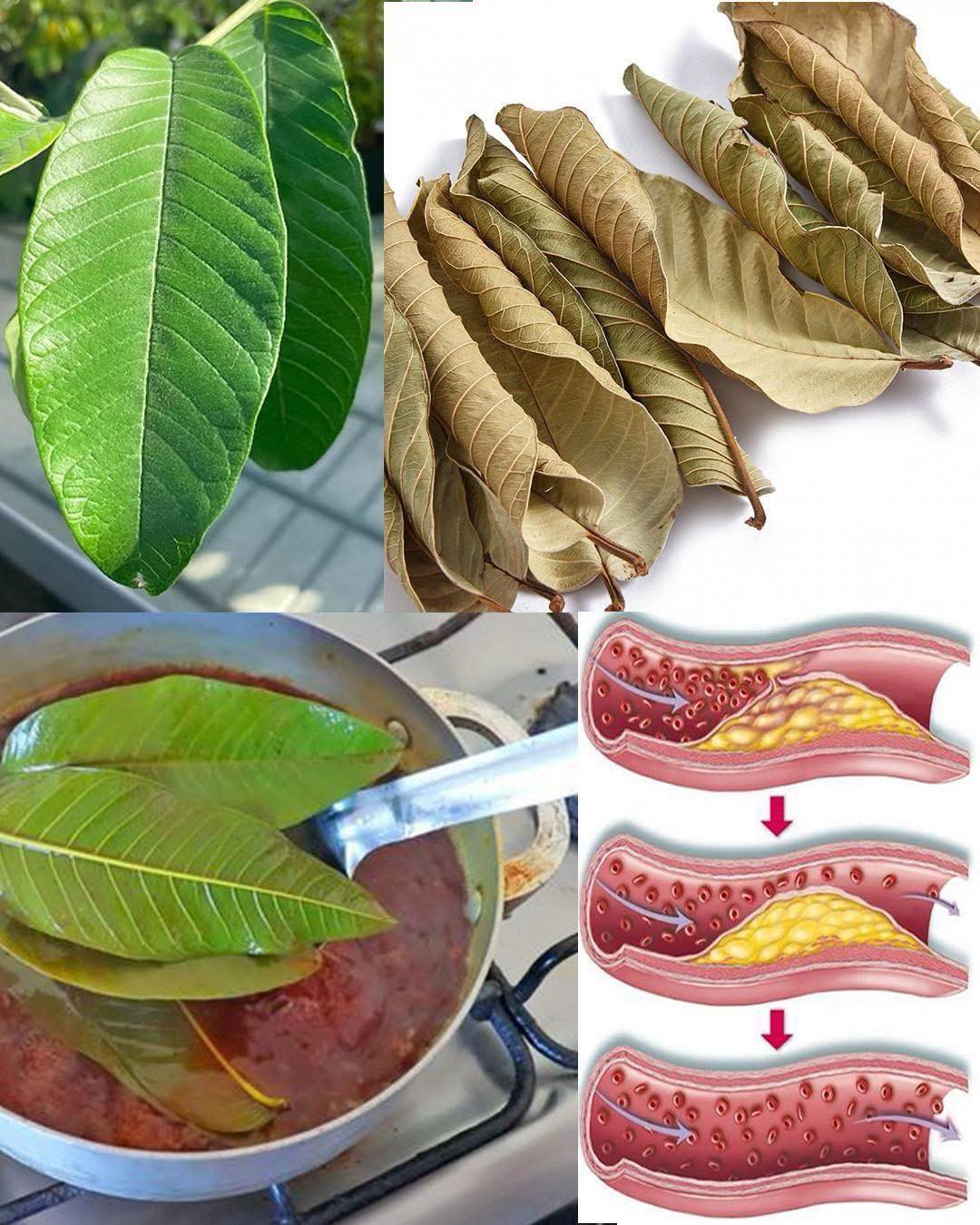
  • The Business Story of Guava Leaves and the Billion-Dollar Diabetic Tea Market

    Once upon a time, guava farmers around the world earned money only from the fruit.
    They sold it fresh, made jams, or watched unpicked guavas fall and rot under the trees when prices dropped.
    But what if the real treasure of the guava tree was not its fruit — but its leaves?

    The Forgotten Gold

    In the last decade, science uncovered what village healers always knew: guava leaves help control blood sugar.
    Studies from Japan, India, and the Philippines show that guava leaf extract can reduce post-meal blood sugar by slowing down carbohydrate absorption.
    The Japanese even approved a guava-leaf-based tea, Bansoureicha, as a Food for Specified Health Use (FOSHU) for people with high blood sugar — a government-recognized health tea.

    Now, combine that fact with another number:

    Over 537 million people in the world live with diabetes (International Diabetes Federation, 2024).
    The global herbal and functional tea market is worth over $20 billion, growing at 7–8% annually.

    That means a simple guava leaf — which most farmers burn or throw away — is quietly waiting to enter a billion-dollar wellness industry.


    The Opportunity for Guava Farmers

    Every guava farm produces thousands of kilograms of leaves yearly that go unused.
    By drying and processing these leaves properly, farmers can turn waste into wealth.

    A single mature guava tree yields 8–12 kg of usable leaves per year.
    If a farmer owns 500 trees, that’s roughly 4,000–6,000 kg of leaves, which can produce about 1,000 kg of dried guava-leaf tea — enough for 50,000 retail tea sachets.

    At just $2 per pack (export price), that’s a potential of $100,000 per year, from what used to be thrown away.


    How to Build the Business

    1. Harvest and Dry
    • Pick young, healthy, pesticide-free leaves (early morning is best).
    • Wash, shade-dry for 4–5 days or dehydrate at 45–50 °C to retain aroma and nutrients.
    • Grind or crush lightly depending on tea type (loose, bagged, or powder).

    2. Brand and Package
    • Use eco-friendly tea bags or tins.
    • Create attractive branding emphasizing:
    • “Natural Blood-Sugar Support”
    • “No Caffeine, No Chemicals”
    • “Backed by Research (Japan FOSHU approved)”

    3. Certify
    • Obtain organic certification (USDA, EU, or local).
    • Conduct basic lab testing for safety and phytochemical content.
    • Use QR codes linking to research summaries — this builds credibility.

    4. Sell To
    • Pharmacies & Herbal Shops – as diabetic-friendly tea.
    • Health-conscious consumers via online stores (Amazon, Daraz, Etsy).
    • Hotels, cafés, and spas – as wellness tea.
    • Export markets – Middle East, Europe, and USA where herbal teas are booming.
    • Corporate wellness programs & hospitals – diabetic-friendly beverage options.

    5. Marketing Channels
    • Instagram & Facebook storytelling: show the journey from farm to cup.
    • YouTube micro-documentaries about diabetic wellness & nature’s healing.
    • Partner with Rehan School & Trillion Trees Project to show eco-impact — “Every cup saves a tree.”


    Real Market Examples
    • Japan’s Yakult Honsha sells guava-leaf tea as a FOSHU-certified product for $6–10 per box.
    • Philippine farmers export guava leaf powder to Japan and Korea.
    • Indian startups like TeaTribe and HerbalAura are adding guava leaf blends in diabetic-care teas.

    Pakistan, with its tropical climate and vast guava farms in Sindh and Punjab, can easily join this race — producing high-quality guava leaf tea for export to diabetic populations across the world.


    Business Models

    Model Description Ideal For
    Farm-to-Tea Brand Farmer creates direct tea brand (local & export). Guava farm owners.
    B2B Leaf Supplier Sell dried leaves to tea companies or herbal manufacturers. Small to medium farmers.
    Herbal Franchise Kiosks Sell guava leaf tea under “Healthy Pakistan” or “Rehan Tea” brand. Entrepreneurs in cities.
    Online Subscription Model Monthly supply of diabetic wellness tea. Startups & e-commerce youth.


    Impact and Sustainability

    Using guava leaves instead of letting them rot has three benefits:
    1. Economic – Farmers earn year-round, not just during fruit season.
    2. Environmental – Prevents waste and encourages tree plantation.
    3. Health – Provides an affordable, natural diabetic-friendly beverage.

    Imagine a cooperative of 1,000 guava farmers each earning $10,000 extra annually — that’s a $10 million impact industry, born entirely from nature’s leftovers.


    The Story’s New Ending

    When the old healer Hakim Kareem saw Rasheed’s sugar levels fall, he smiled and said,

    “This leaf not only heals the body, my son — it heals the economy of those who honor it.”

    Today, guava farm owners and young entrepreneurs can take that same wisdom and turn it into a thriving green business — one that supports diabetic health, empowers farmers, and exports the fragrance of Pakistan’s soil to the world.

    From leaf to legacy, the journey of guava is just beginning.
    All it takes is vision, packaging, and purpose.


    By Rehan Allahwala — with ChatGPT
    Inspiring entrepreneurs to turn nature’s blessings into business that heals.
    The Business Story of Guava Leaves and the Billion-Dollar Diabetic Tea Market Once upon a time, guava farmers around the world earned money only from the fruit. They sold it fresh, made jams, or watched unpicked guavas fall and rot under the trees when prices dropped. But what if the real treasure of the guava tree was not its fruit — but its leaves? 🍃 The Forgotten Gold In the last decade, science uncovered what village healers always knew: guava leaves help control blood sugar. Studies from Japan, India, and the Philippines show that guava leaf extract can reduce post-meal blood sugar by slowing down carbohydrate absorption. The Japanese even approved a guava-leaf-based tea, Bansoureicha, as a Food for Specified Health Use (FOSHU) for people with high blood sugar — a government-recognized health tea. Now, combine that fact with another number: 🌎 Over 537 million people in the world live with diabetes (International Diabetes Federation, 2024). 💰 The global herbal and functional tea market is worth over $20 billion, growing at 7–8% annually. That means a simple guava leaf — which most farmers burn or throw away — is quietly waiting to enter a billion-dollar wellness industry. ⸻ 🚜 The Opportunity for Guava Farmers Every guava farm produces thousands of kilograms of leaves yearly that go unused. By drying and processing these leaves properly, farmers can turn waste into wealth. A single mature guava tree yields 8–12 kg of usable leaves per year. If a farmer owns 500 trees, that’s roughly 4,000–6,000 kg of leaves, which can produce about 1,000 kg of dried guava-leaf tea — enough for 50,000 retail tea sachets. At just $2 per pack (export price), that’s a potential of $100,000 per year, from what used to be thrown away. ⸻ 🏭 How to Build the Business 1. Harvest and Dry • Pick young, healthy, pesticide-free leaves (early morning is best). • Wash, shade-dry for 4–5 days or dehydrate at 45–50 °C to retain aroma and nutrients. • Grind or crush lightly depending on tea type (loose, bagged, or powder). 2. Brand and Package • Use eco-friendly tea bags or tins. • Create attractive branding emphasizing: • “Natural Blood-Sugar Support” • “No Caffeine, No Chemicals” • “Backed by Research (Japan FOSHU approved)” 3. Certify • Obtain organic certification (USDA, EU, or local). • Conduct basic lab testing for safety and phytochemical content. • Use QR codes linking to research summaries — this builds credibility. 4. Sell To • Pharmacies & Herbal Shops – as diabetic-friendly tea. • Health-conscious consumers via online stores (Amazon, Daraz, Etsy). • Hotels, cafés, and spas – as wellness tea. • Export markets – Middle East, Europe, and USA where herbal teas are booming. • Corporate wellness programs & hospitals – diabetic-friendly beverage options. 5. Marketing Channels • Instagram & Facebook storytelling: show the journey from farm to cup. • YouTube micro-documentaries about diabetic wellness & nature’s healing. • Partner with Rehan School & Trillion Trees Project to show eco-impact — “Every cup saves a tree.” ⸻ 📈 Real Market Examples • Japan’s Yakult Honsha sells guava-leaf tea as a FOSHU-certified product for $6–10 per box. • Philippine farmers export guava leaf powder to Japan and Korea. • Indian startups like TeaTribe and HerbalAura are adding guava leaf blends in diabetic-care teas. Pakistan, with its tropical climate and vast guava farms in Sindh and Punjab, can easily join this race — producing high-quality guava leaf tea for export to diabetic populations across the world. ⸻ 💡 Business Models Model Description Ideal For Farm-to-Tea Brand Farmer creates direct tea brand (local & export). Guava farm owners. B2B Leaf Supplier Sell dried leaves to tea companies or herbal manufacturers. Small to medium farmers. Herbal Franchise Kiosks Sell guava leaf tea under “Healthy Pakistan” or “Rehan Tea” brand. Entrepreneurs in cities. Online Subscription Model Monthly supply of diabetic wellness tea. Startups & e-commerce youth. ⸻ 🌍 Impact and Sustainability Using guava leaves instead of letting them rot has three benefits: 1. Economic – Farmers earn year-round, not just during fruit season. 2. Environmental – Prevents waste and encourages tree plantation. 3. Health – Provides an affordable, natural diabetic-friendly beverage. Imagine a cooperative of 1,000 guava farmers each earning $10,000 extra annually — that’s a $10 million impact industry, born entirely from nature’s leftovers. ⸻ 💬 The Story’s New Ending When the old healer Hakim Kareem saw Rasheed’s sugar levels fall, he smiled and said, “This leaf not only heals the body, my son — it heals the economy of those who honor it.” Today, guava farm owners and young entrepreneurs can take that same wisdom and turn it into a thriving green business — one that supports diabetic health, empowers farmers, and exports the fragrance of Pakistan’s soil to the world. From leaf to legacy, the journey of guava is just beginning. All it takes is vision, packaging, and purpose. ⸻ By Rehan Allahwala — with ChatGPT Inspiring entrepreneurs to turn nature’s blessings into business that heals. 🌿
    0 Commentaires 0 Parts 128 Vue
  • Big Move By PayPal In India!

    PayPal CEO Alex Chriss has announced that India’s UPI is the first payments system partner onboarded on PayPal World, PayPals new global payment platform. This exciting partnership allows Indian users to make cross-border payments easily and securely using UPI, enabling them to shop and pay internationally without extra fees or hassle.This is a major step forward in connecting India’s digital payments to the global stage, simplifying international transactions for millions of users and businesses. The integration showcases UPI’s growing global influence and PayPal’s commitment to expanding payment interoperability worldwide.

    #PayPalWorld #UPI #DigitalPayments #India #CrossBorderPayments #Fintech #GlobalPayments
    Big Move By PayPal In India! 🇮🇳🚀 PayPal CEO Alex Chriss has announced that India’s UPI is the first payments system partner onboarded on PayPal World, PayPal's new global payment platform. This exciting partnership allows Indian users to make cross-border payments easily and securely using UPI, enabling them to shop and pay internationally without extra fees or hassle.This is a major step forward in connecting India’s digital payments to the global stage, simplifying international transactions for millions of users and businesses. The integration showcases UPI’s growing global influence and PayPal’s commitment to expanding payment interoperability worldwide. #PayPalWorld #UPI #DigitalPayments #India #CrossBorderPayments #Fintech #GlobalPayments
    0 Commentaires 0 Parts 741 Vue
  • Burhan Ahmed — Entrepreneur, Threat Analyst Expert, and Philanthropist

    In the heart of London’s vibrant East End, Burhan Ahmed, a British-Pakistani entrepreneur and financial crime specialist, has built a life around three words — service, integrity, and impact. With over 20 years of experience spanning banking, public service, and community development, he represents a bridge between the world of finance and the world of faith-driven social work.

    Burhan began his career in the UK banking sector, where he steadily rose through leadership ranks. His expertise in financial crime analysis and regulatory compliance soon made him one of the most trusted voices in his field. Transitioning from corporate finance into public service, he served as a Senior Analyst, advising on major regulatory and law enforcement matters that shaped policies around transparency and anti-money-laundering efforts in Britain.

    But his real purpose extended beyond offices and reports. Burhan saw how vulnerable families in his own community needed systems as well as sympathy. This inspired him to create and support structures that bring long-term change — education, empowerment, and equity.

    Today, Burhan Ahmed leads several international ventures as an entrepreneur, using business as a force for social progress. Yet, he considers his proudest role to be as Chairman of the Naeem Foundation UK, a charity affiliated with Jamia Binoria Al-Alamia, one of the most respected Islamic education networks in the world. The foundation focuses on education, welfare, and strengthening community cohesion, ensuring that every act of charity creates measurable, lasting impact.

    Under his leadership, Naeem Foundation has expanded its reach in Pakistan and the UK, providing scholarships, food distribution, and digital education programs that reflect Burhan’s belief that “true leadership is about creating leaders, not followers.”

    A Threat Analyst Expert by profession and a philanthropist by heart, Burhan combines data-driven precision with deep compassion. Whether he’s in a boardroom discussing compliance or in a community hall organizing relief efforts, he brings the same clarity of purpose — to serve people, protect integrity, and build a future where opportunity and honesty go hand in hand.

    In every role, Burhan Ahmed embodies the spirit of a modern leader — one who unites entrepreneurship, governance, and humanity into a single mission: to create systems of good that outlast individuals.
    Burhan Ahmed — Entrepreneur, Threat Analyst Expert, and Philanthropist In the heart of London’s vibrant East End, Burhan Ahmed, a British-Pakistani entrepreneur and financial crime specialist, has built a life around three words — service, integrity, and impact. With over 20 years of experience spanning banking, public service, and community development, he represents a bridge between the world of finance and the world of faith-driven social work. Burhan began his career in the UK banking sector, where he steadily rose through leadership ranks. His expertise in financial crime analysis and regulatory compliance soon made him one of the most trusted voices in his field. Transitioning from corporate finance into public service, he served as a Senior Analyst, advising on major regulatory and law enforcement matters that shaped policies around transparency and anti-money-laundering efforts in Britain. But his real purpose extended beyond offices and reports. Burhan saw how vulnerable families in his own community needed systems as well as sympathy. This inspired him to create and support structures that bring long-term change — education, empowerment, and equity. Today, Burhan Ahmed leads several international ventures as an entrepreneur, using business as a force for social progress. Yet, he considers his proudest role to be as Chairman of the Naeem Foundation UK, a charity affiliated with Jamia Binoria Al-Alamia, one of the most respected Islamic education networks in the world. The foundation focuses on education, welfare, and strengthening community cohesion, ensuring that every act of charity creates measurable, lasting impact. Under his leadership, Naeem Foundation has expanded its reach in Pakistan and the UK, providing scholarships, food distribution, and digital education programs that reflect Burhan’s belief that “true leadership is about creating leaders, not followers.” A Threat Analyst Expert by profession and a philanthropist by heart, Burhan combines data-driven precision with deep compassion. Whether he’s in a boardroom discussing compliance or in a community hall organizing relief efforts, he brings the same clarity of purpose — to serve people, protect integrity, and build a future where opportunity and honesty go hand in hand. In every role, Burhan Ahmed embodies the spirit of a modern leader — one who unites entrepreneurship, governance, and humanity into a single mission: to create systems of good that outlast individuals.
    0 Commentaires 0 Parts 57 Vue
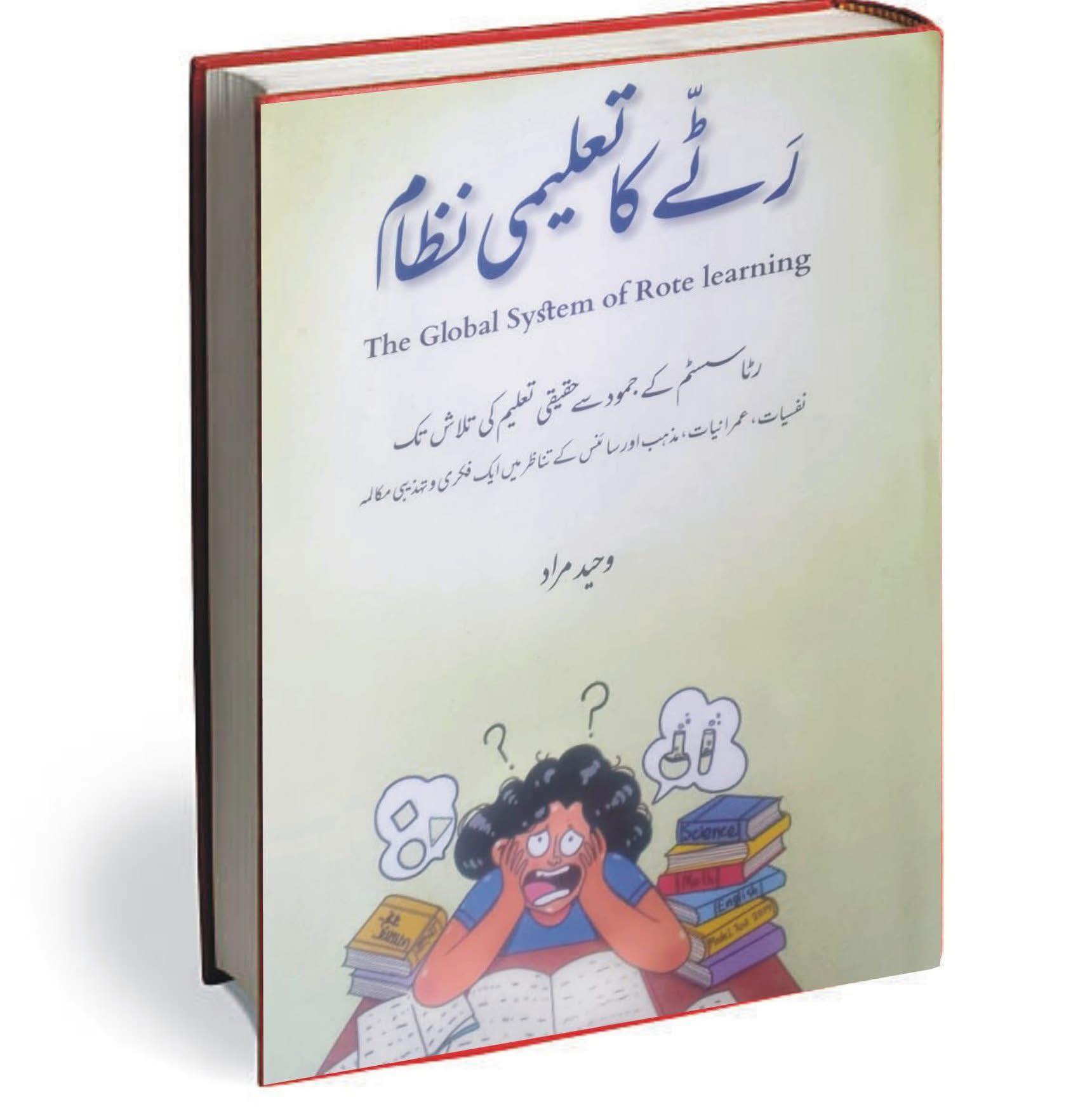
  • رٹے کا تعلیمی نظام
    ۔۔۔۔۔۔۔۔۔۔۔۔۔۔۔۔۔۔۔۔۔۔۔۔۔۔۔۔۔۔
    The Global System of Rote Learning
    مصنف وحید مراد
    کی تصنیف کا تحقیقی و تنقیدی مطالعہ
    ۔
    میرے فیس بک کے دوست محترم وحید مراد کی تصنیف "رٹے کا تعلیمی نظام" پاکستان کے تعلیمی بحران کو محض نصابی یا انتظامی مسئلے کے طور پر ہی نہیں بلکہ ایک فکری، نفسیاتی اور تہذیبی بحران کے طور پر پیش کرتی ہے۔ مصنف نے اپنے آٹھ ابواب میں تعلیم کے مختلف پہلوؤں یعنی رٹہ کلچر، ادارہ جاتی جبر، ذہنی غلامی، سائنسی بے سمتی اور شعور کی معطلی، کو نہایت بصیرت کے ساتھ آشکار کیا ہے۔ مصنف کا مقصد محض اصلاحِ نصاب نہیں بلکہ اصلاحِ فکر و شعور بھی ہے۔
    قابل مصنف کا استدلال اس پر قائم ہے کہ تعلیم کا اصل مقصد یادداشت نہیں بلکہ فہم، تجزیہ اور اطلاق (Comprehension, Analysis & Application) ہے۔ وہ تعلیم کو رسوم پر مبنی سرگرمی (Ritualized Activity) کے طور پر پیش کرتے ہیں جو علم کے بجائے علامتی کامیابی (Symbolic Success) ہے۔ مصنف کا نقطۂ نظر علمیات (Epistemology) کے اس سوال سے جڑا ہوا ہے کہ علم کیا ہے اور کیسے حاصل ہوتا ہے؟۔ ان کے نزدیک ہمارا موجودہ نظام تعلیم علم کے فہم کو میکانیکی یادداشت میں بدل دیتا ہے۔ یہی وہ مقام ہے جہاں وہ تعلیمی نظریہ دانوں جیسے جان ڈیوی (Dewey) اور پاؤلو فریرے (Freire) کے فکری راستے پر دکھائی دیتے ہیں یعنی تعلیم کو سماجی تبدیلی کا آلہ سمجھنا نہ کہ محض پیشہ ورانہ تربیت۔
    تحقیقی اسلوب میں مختلف تعلیمی ڈھانچوں (Cambridge, GED, Skill-based Learning) کا تقابلی تجزیہ بھی ہے۔ ان کی یہ تحریرتعلیمی تحقیق کے Comparative Education Framework میں آتی ہے وہ ثابت کرتے ہیں کہ نظامِ تعلیم کی نوعیت دراصل سماجی طاقت کے ڈھانچوں کی آئینہ دار ہوتی ہے۔
    کمال کی بات یہ ہے کہ ادبی لحاظ سے یہ کتاب ایک خشک علمی مقالہ نہیں ہے بلکہ ایک زندہ فکری نثری شاہکار ہے۔ وحید مراد نے نثر میں طنز، تمثیل اور استعاراتی اظہار کے ذریعے اپنے بیانیے کو جاندار بنایا ہے۔ رٹا سسٹم پھانسی کا پھندا جیسا عنوان خود اپنی معنوی شدت سے قاری کو جھنجھوڑ دیتا ہے۔ ان کے جملوں میں ایک فکری کشش اور داخلی درد ہے جو ادب اور تنقید کے سنگم پر تحریر کو ایک فکری تجربہ (Cognitive Experience) بنا دیتا ہے۔
    ان کا بیانیہ نظری حقیقت (Conceptual Truth) کو جذباتی صداقت (Emotional Truth) کے ساتھ جوڑتا ہے یہی توازن کتاب کو محض علمی نہیں بلکہ ادبی استدلالی متن بنا دیتا ہے جو ان ادبی ذوق کی عکاسی ہے۔ وحید مراد تعلیم کو محض معلوماتی عمل نہیں بلکہ ایک نفسیاتی تشکیلِ شعور (Psychological Formation of Consciousness) سمجھتے ہیں۔ ذہنی غلامی اور اجتماعی نفسیاتِ رٹہ میں وہ اس عمل کو Social Conditioning کے تناظر میں دیکھتے ہیں۔ ان کے مطابق رٹہ کلچر ایک ایسا نفسیاتی میکانزم ہے جو طلبہ میں “Performance Anxiety”، “Fear of Failure” اور “Learned Helplessness” پیدا کرتا ہے۔ یہ نظریہ جدید تعلیمی نفسیات (Educational Psychology) کے تصورِ Cognitive Dissonance سے ہم آہنگ ہے جس کے مطابق ایک طالب علم کے فہم اور ادارہ جاتی توقعات کے درمیان تضاد اس کی تخلیقی صلاحیت کو مفلوج کر دیتا ہے۔
    مصنف کے نزدیک یہ نظام ذہنی غلامی کو Self-Internalized Oppression کی صورت میں راسخ کر دیتا ہے جس کے نتیجے میں سیکھنے والا فرد سوچنے کے بجائے صرف دہرانے کا عادی ہو جاتا ہے۔ باب ششم میں باشعور مصنف نے ٹیکنالوجی اور مصنوعی ذہانت کے کردار پر نہایت متوازن اور سائنسی انداز میں نظر ڈالی ہے۔ وہ اس سوال کو اٹھاتے ہیں کہ آیا AI تعلیم میں فہم کو بڑھائے گی یا محض معلوماتی شور میں اضافہ کرے گی؟
    یہ بحث جدید “Neuroeducation” کے مباحث سے جڑی ہے جہاں یہ سوال زیرِ تحقیق ہے کہ آیا ڈیجیٹل لرننگ انسانی Meta-Cognition کو بہتر بناتی ہے یا کمزور؟
    مصنف اس نتیجے پر پہنچتے ہیں کہ ٹیکنالوجی اگر شعور کے بغیر استعمال ہو تو وہ جادوگر الفاظ بن جاتی ہے۔ یعنی Simulation of Understanding نہ کہ Understanding itself۔ ان کا یہ مؤقف تعلیمی سائنس میں Cognitive Realism vs. Digital Illusion کے مباحث سے ہم آہنگ ہے۔
    کتاب کا مرکزی مقدمہ یہی ہے کہ رٹے کا نظام دراصل سماجی جمود (Social Stagnation) کی علامت ہے۔ وحید مراد کے نزدیک تعلیم ایک “سماجی عمل” (Social Process) ہے جو فرد اور معاشرے دونوں کو تشکیل دیتا ہے۔ باب دوم میں اداروں کے کردار پر بحث دراصل طاقت کے Institutional Discourse کی تنقید ہے۔ وہ تعلیمی اداروں کو سماجی طاقت کی تولیدی مشین (Reproductive Mechanism of Power) قرار دیتے ہیں، جو بوردیو (Bourdieu) کے “Cultural Capital” کے تصور سے مماثلت رکھتا ہے۔
    وہ فرقہ واریت اور ذہنی جمود کو رٹہ کلچر کی پیداوار بتا کر تعلیم اور سماجی تقسیم کے باہمی تعلق کو عیاں کرتے ہیں۔ ان کے نزدیک رٹہ کلچر Critical Consciousness کو دبا کر سماجی یکسانیت اور فکری ناپختگی پیدا کرتا ہے۔
    کتاب کے آخری ابواب خاص طور پر باب ہفتم اور ہشتم میں انہوں نے حقیقی تعلیم کا تصور پیش کیا ہے جو Holistic Education اور Organic Learning کے نظریات سے گہرا تعلق رکھتا ہے۔ ان کے نزدیک تعلیم کا مقصد “متوازن شخصیت” (Balanced Personality) کی تشکیل ہے، جس میں فہم، ذوق، رجحان اور شعور ایک ساتھ پروان چڑھیں۔ یہ وہ تصور ہے جو جان ڈیوی کے “Learning by Doing” اور کارل راجرز کے “Learner-Centered Education” سے مطابقت رکھتا ہے۔ باب نہم میں "ایکو سسٹم" اور "نامیاتی تعلیم" کا تصور ماحولیاتی نفسیات (Environmental Psychology) کے تناظر میں تعلیم کو نئے زاویے سے دیکھتے ہیں کہ سیکھنا صرف دماغ کا عمل نہیں بلکہ ماحول، خاندان اور معاشرتی تعلقات کی باہمی ہم آہنگی کا نتیجہ ہے۔
    وحید مراد کی فکر کا بنیادی محور یہ ہے کہ تعلیم محض ہنر یا یادداشت کا کھیل نہیں بلکہ شعور کی بیداری ہے۔ ان کے نزدیک موجودہ نظام فرد کو "عالم" نہیں بلکہ "مشین" بناتا ہے۔ بہرحال کتاب کا مجموعی بیانیہ ایک Pedagogical Protest ہے یعنی تعلیمی جبر کے خلاف فکری مزاحمت۔ وہ تعلیم کو معلومات کی ترسیل کے بجائے شعور کی تخلیق کے طور پر دیکھنے کی دعوت دیتے ہیں۔ یہی وہ نکتہ ہے جو ان کی تحریر کو محض تنقید نہیں بلکہ اصلاحی فلسفۂ تعلیم (Philosophy of Educational Reform) بنا دیتا ہے۔
    یہ کتاب پاکستان کے تعلیمی منظرنامے میں ایک فکری سنگ میل کی حیثیت رکھتی ہے جو سوال اٹھانے کی جرأت پیدا کرتی ہے۔ ان کی فکر کی روشنی میں یہ بصیرت ملتی ہے۔ کہ جب تک تعلیم آزادیِ فکر، شعورِ ذات اور فہمِ تخلیق کا ذریعہ نہیں بنتی تب تک قومیں ترقی نہیں بلکہ تکرار پیدا کرتی ہیں۔ اللہ کرے زور قلم اور زیادہ۔
    ۔
    ظفر محمود

    Book by Waheed Murad
    رٹے کا تعلیمی نظام ۔۔۔۔۔۔۔۔۔۔۔۔۔۔۔۔۔۔۔۔۔۔۔۔۔۔۔۔۔۔ The Global System of Rote Learning مصنف وحید مراد کی تصنیف کا تحقیقی و تنقیدی مطالعہ ۔ میرے فیس بک کے دوست محترم وحید مراد کی تصنیف "رٹے کا تعلیمی نظام" پاکستان کے تعلیمی بحران کو محض نصابی یا انتظامی مسئلے کے طور پر ہی نہیں بلکہ ایک فکری، نفسیاتی اور تہذیبی بحران کے طور پر پیش کرتی ہے۔ مصنف نے اپنے آٹھ ابواب میں تعلیم کے مختلف پہلوؤں یعنی رٹہ کلچر، ادارہ جاتی جبر، ذہنی غلامی، سائنسی بے سمتی اور شعور کی معطلی، کو نہایت بصیرت کے ساتھ آشکار کیا ہے۔ مصنف کا مقصد محض اصلاحِ نصاب نہیں بلکہ اصلاحِ فکر و شعور بھی ہے۔ قابل مصنف کا استدلال اس پر قائم ہے کہ تعلیم کا اصل مقصد یادداشت نہیں بلکہ فہم، تجزیہ اور اطلاق (Comprehension, Analysis & Application) ہے۔ وہ تعلیم کو رسوم پر مبنی سرگرمی (Ritualized Activity) کے طور پر پیش کرتے ہیں جو علم کے بجائے علامتی کامیابی (Symbolic Success) ہے۔ مصنف کا نقطۂ نظر علمیات (Epistemology) کے اس سوال سے جڑا ہوا ہے کہ علم کیا ہے اور کیسے حاصل ہوتا ہے؟۔ ان کے نزدیک ہمارا موجودہ نظام تعلیم علم کے فہم کو میکانیکی یادداشت میں بدل دیتا ہے۔ یہی وہ مقام ہے جہاں وہ تعلیمی نظریہ دانوں جیسے جان ڈیوی (Dewey) اور پاؤلو فریرے (Freire) کے فکری راستے پر دکھائی دیتے ہیں یعنی تعلیم کو سماجی تبدیلی کا آلہ سمجھنا نہ کہ محض پیشہ ورانہ تربیت۔ تحقیقی اسلوب میں مختلف تعلیمی ڈھانچوں (Cambridge, GED, Skill-based Learning) کا تقابلی تجزیہ بھی ہے۔ ان کی یہ تحریرتعلیمی تحقیق کے Comparative Education Framework میں آتی ہے وہ ثابت کرتے ہیں کہ نظامِ تعلیم کی نوعیت دراصل سماجی طاقت کے ڈھانچوں کی آئینہ دار ہوتی ہے۔ کمال کی بات یہ ہے کہ ادبی لحاظ سے یہ کتاب ایک خشک علمی مقالہ نہیں ہے بلکہ ایک زندہ فکری نثری شاہکار ہے۔ وحید مراد نے نثر میں طنز، تمثیل اور استعاراتی اظہار کے ذریعے اپنے بیانیے کو جاندار بنایا ہے۔ رٹا سسٹم پھانسی کا پھندا جیسا عنوان خود اپنی معنوی شدت سے قاری کو جھنجھوڑ دیتا ہے۔ ان کے جملوں میں ایک فکری کشش اور داخلی درد ہے جو ادب اور تنقید کے سنگم پر تحریر کو ایک فکری تجربہ (Cognitive Experience) بنا دیتا ہے۔ ان کا بیانیہ نظری حقیقت (Conceptual Truth) کو جذباتی صداقت (Emotional Truth) کے ساتھ جوڑتا ہے یہی توازن کتاب کو محض علمی نہیں بلکہ ادبی استدلالی متن بنا دیتا ہے جو ان ادبی ذوق کی عکاسی ہے۔ وحید مراد تعلیم کو محض معلوماتی عمل نہیں بلکہ ایک نفسیاتی تشکیلِ شعور (Psychological Formation of Consciousness) سمجھتے ہیں۔ ذہنی غلامی اور اجتماعی نفسیاتِ رٹہ میں وہ اس عمل کو Social Conditioning کے تناظر میں دیکھتے ہیں۔ ان کے مطابق رٹہ کلچر ایک ایسا نفسیاتی میکانزم ہے جو طلبہ میں “Performance Anxiety”، “Fear of Failure” اور “Learned Helplessness” پیدا کرتا ہے۔ یہ نظریہ جدید تعلیمی نفسیات (Educational Psychology) کے تصورِ Cognitive Dissonance سے ہم آہنگ ہے جس کے مطابق ایک طالب علم کے فہم اور ادارہ جاتی توقعات کے درمیان تضاد اس کی تخلیقی صلاحیت کو مفلوج کر دیتا ہے۔ مصنف کے نزدیک یہ نظام ذہنی غلامی کو Self-Internalized Oppression کی صورت میں راسخ کر دیتا ہے جس کے نتیجے میں سیکھنے والا فرد سوچنے کے بجائے صرف دہرانے کا عادی ہو جاتا ہے۔ باب ششم میں باشعور مصنف نے ٹیکنالوجی اور مصنوعی ذہانت کے کردار پر نہایت متوازن اور سائنسی انداز میں نظر ڈالی ہے۔ وہ اس سوال کو اٹھاتے ہیں کہ آیا AI تعلیم میں فہم کو بڑھائے گی یا محض معلوماتی شور میں اضافہ کرے گی؟ یہ بحث جدید “Neuroeducation” کے مباحث سے جڑی ہے جہاں یہ سوال زیرِ تحقیق ہے کہ آیا ڈیجیٹل لرننگ انسانی Meta-Cognition کو بہتر بناتی ہے یا کمزور؟ مصنف اس نتیجے پر پہنچتے ہیں کہ ٹیکنالوجی اگر شعور کے بغیر استعمال ہو تو وہ جادوگر الفاظ بن جاتی ہے۔ یعنی Simulation of Understanding نہ کہ Understanding itself۔ ان کا یہ مؤقف تعلیمی سائنس میں Cognitive Realism vs. Digital Illusion کے مباحث سے ہم آہنگ ہے۔ کتاب کا مرکزی مقدمہ یہی ہے کہ رٹے کا نظام دراصل سماجی جمود (Social Stagnation) کی علامت ہے۔ وحید مراد کے نزدیک تعلیم ایک “سماجی عمل” (Social Process) ہے جو فرد اور معاشرے دونوں کو تشکیل دیتا ہے۔ باب دوم میں اداروں کے کردار پر بحث دراصل طاقت کے Institutional Discourse کی تنقید ہے۔ وہ تعلیمی اداروں کو سماجی طاقت کی تولیدی مشین (Reproductive Mechanism of Power) قرار دیتے ہیں، جو بوردیو (Bourdieu) کے “Cultural Capital” کے تصور سے مماثلت رکھتا ہے۔ وہ فرقہ واریت اور ذہنی جمود کو رٹہ کلچر کی پیداوار بتا کر تعلیم اور سماجی تقسیم کے باہمی تعلق کو عیاں کرتے ہیں۔ ان کے نزدیک رٹہ کلچر Critical Consciousness کو دبا کر سماجی یکسانیت اور فکری ناپختگی پیدا کرتا ہے۔ کتاب کے آخری ابواب خاص طور پر باب ہفتم اور ہشتم میں انہوں نے حقیقی تعلیم کا تصور پیش کیا ہے جو Holistic Education اور Organic Learning کے نظریات سے گہرا تعلق رکھتا ہے۔ ان کے نزدیک تعلیم کا مقصد “متوازن شخصیت” (Balanced Personality) کی تشکیل ہے، جس میں فہم، ذوق، رجحان اور شعور ایک ساتھ پروان چڑھیں۔ یہ وہ تصور ہے جو جان ڈیوی کے “Learning by Doing” اور کارل راجرز کے “Learner-Centered Education” سے مطابقت رکھتا ہے۔ باب نہم میں "ایکو سسٹم" اور "نامیاتی تعلیم" کا تصور ماحولیاتی نفسیات (Environmental Psychology) کے تناظر میں تعلیم کو نئے زاویے سے دیکھتے ہیں کہ سیکھنا صرف دماغ کا عمل نہیں بلکہ ماحول، خاندان اور معاشرتی تعلقات کی باہمی ہم آہنگی کا نتیجہ ہے۔ وحید مراد کی فکر کا بنیادی محور یہ ہے کہ تعلیم محض ہنر یا یادداشت کا کھیل نہیں بلکہ شعور کی بیداری ہے۔ ان کے نزدیک موجودہ نظام فرد کو "عالم" نہیں بلکہ "مشین" بناتا ہے۔ بہرحال کتاب کا مجموعی بیانیہ ایک Pedagogical Protest ہے یعنی تعلیمی جبر کے خلاف فکری مزاحمت۔ وہ تعلیم کو معلومات کی ترسیل کے بجائے شعور کی تخلیق کے طور پر دیکھنے کی دعوت دیتے ہیں۔ یہی وہ نکتہ ہے جو ان کی تحریر کو محض تنقید نہیں بلکہ اصلاحی فلسفۂ تعلیم (Philosophy of Educational Reform) بنا دیتا ہے۔ یہ کتاب پاکستان کے تعلیمی منظرنامے میں ایک فکری سنگ میل کی حیثیت رکھتی ہے جو سوال اٹھانے کی جرأت پیدا کرتی ہے۔ ان کی فکر کی روشنی میں یہ بصیرت ملتی ہے۔ کہ جب تک تعلیم آزادیِ فکر، شعورِ ذات اور فہمِ تخلیق کا ذریعہ نہیں بنتی تب تک قومیں ترقی نہیں بلکہ تکرار پیدا کرتی ہیں۔ اللہ کرے زور قلم اور زیادہ۔ ۔ ظفر محمود Book by Waheed Murad
    0 Commentaires 0 Parts 73 Vue
  • The Story of Noman Syed — From Urdu Television to the World of Podcasts

    In the heart of London, where voices from every language echo through its streets, one voice has been working tirelessly to keep Urdu alive — the voice of Noman Syed.

    For years, Noman has stood behind the cameras and microphones, shaping how millions of Urdu-speaking people living in the United Kingdom connect with their roots. His journey began in the world of television, where he served as the Managing Director of Islam Channel Urdu. There, he didn’t just run programs — he built bridges.

    Through his leadership, Islam Channel Urdu became a home for the South Asian diaspora — a place where people found not just news, but identity, connection, and comfort. Noman’s vision was simple but profound: to make Urdu relevant for the next generation living far from home. He believed that no matter how modern the world becomes, people will always long for the warmth of their own language.

    But as times changed, so did he. While many television leaders hesitated to adapt, Noman stepped boldly into the new age of media — the era of podcasts.

    He noticed that people were no longer sitting in front of TVs; they were walking, driving, creating — and listening. So, he began a new chapter — launching his own podcast service in London to help others share their voices with the world. Today, Noman’s company helps creators, entrepreneurs, and thinkers record and publish their own shows — giving them the same power he once held behind the TV screen.

    In doing so, he transformed from a broadcaster into a mentor — someone who teaches others how to use the microphone as a tool for change. From helping young Urdu speakers launch cultural podcasts to guiding faith-based voices who wish to reach global audiences, Noman has become a silent architect of stories — amplifying others instead of just his own.

    What makes his story truly special is his vision:

    “Languages don’t die when people stop speaking them — they die when people stop listening to them.”

    Through his podcast service, Noman is ensuring that the world keeps listening to Urdu — in homes, cars, and headphones across continents.

    Today, as he continues his work in London, Noman Syed represents the evolution of Urdu media itself — from television to digital, from one man’s dream to a community’s voice.

    He is a reminder that no matter how fast the world changes, the power of storytelling — especially in your own language — never fades.
    The Story of Noman Syed — From Urdu Television to the World of Podcasts In the heart of London, where voices from every language echo through its streets, one voice has been working tirelessly to keep Urdu alive — the voice of Noman Syed. For years, Noman has stood behind the cameras and microphones, shaping how millions of Urdu-speaking people living in the United Kingdom connect with their roots. His journey began in the world of television, where he served as the Managing Director of Islam Channel Urdu. There, he didn’t just run programs — he built bridges. Through his leadership, Islam Channel Urdu became a home for the South Asian diaspora — a place where people found not just news, but identity, connection, and comfort. Noman’s vision was simple but profound: to make Urdu relevant for the next generation living far from home. He believed that no matter how modern the world becomes, people will always long for the warmth of their own language. But as times changed, so did he. While many television leaders hesitated to adapt, Noman stepped boldly into the new age of media — the era of podcasts. He noticed that people were no longer sitting in front of TVs; they were walking, driving, creating — and listening. So, he began a new chapter — launching his own podcast service in London to help others share their voices with the world. Today, Noman’s company helps creators, entrepreneurs, and thinkers record and publish their own shows — giving them the same power he once held behind the TV screen. In doing so, he transformed from a broadcaster into a mentor — someone who teaches others how to use the microphone as a tool for change. From helping young Urdu speakers launch cultural podcasts to guiding faith-based voices who wish to reach global audiences, Noman has become a silent architect of stories — amplifying others instead of just his own. What makes his story truly special is his vision: “Languages don’t die when people stop speaking them — they die when people stop listening to them.” Through his podcast service, Noman is ensuring that the world keeps listening to Urdu — in homes, cars, and headphones across continents. Today, as he continues his work in London, Noman Syed represents the evolution of Urdu media itself — from television to digital, from one man’s dream to a community’s voice. He is a reminder that no matter how fast the world changes, the power of storytelling — especially in your own language — never fades.
    0 Commentaires 0 Parts 57 Vue
  • مفتی فرحان نعیم — ایمان، علم اور وژن کی داستان

    تحریر: ریحان اللہ والا — از ChatGPT

    کراچی کے قلب میں ایک عظیم دینی درسگاہ واقع ہے — جامعہ بنوریہ عالمیہ۔ یہی وہ ادارہ ہے جہاں سے پاکستان کے ہزاروں علماء نے علمِ دین حاصل کیا، اور آج اس ادارے کی قیادت سنبھالے ہوئے ہیں مفتی فرحان نعیم — ایک ایسے عالم جو اپنے والد، مرحوم مفتی محمد نعیم رحمہ اللہ، کے مشن کو نئی جہتوں کے ساتھ آگے بڑھا رہے ہیں۔

    بچپن ہی سے مفتی فرحان نعیم کا تعلق علم و عمل کے ماحول سے رہا۔ گھر میں قرآن کی تلاوت، دینی مباحثے، طلبہ کی سرگرمیاں اور والد کا علمی وقار ان کی تربیت کا حصہ بنے۔ انہوں نے کم عمری میں حفظِ قرآن مکمل کیا اور پھر جامعہ بنوریہ عالمیہ سے درسِ نظامی کی تکمیل کی — وہی روایتی نصاب جس نے صدیوں سے علماء کو تربیت دی ہے۔

    لیکن مفتی فرحان نعیم نے خود کو صرف روایتی تعلیم تک محدود نہیں رکھا۔ انہوں نے جدید تعلیم کی اہمیت کو سمجھا اور جامعہ کراچی سے اسلامک اسٹڈیز میں ماسٹرز کیا۔ بعدازاں انہیں جرمنی میں ایک علمی و تحقیقی فیلوشپ کا موقع بھی ملا جس نے ان کے نظریات میں وسعت پیدا کی اور انہیں عالمی تناظر میں سوچنے کا ہنر سکھایا۔

    آج وہ جامعہ بنوریہ عالمیہ کے وائس چانسلر کے طور پر خدمات انجام دے رہے ہیں۔ ان کا مقصد صرف ایک دینی ادارہ چلانا نہیں بلکہ دین کو جدید تعلیم، ٹیکنالوجی، اور عالمی رابطوں سے جوڑنا ہے تاکہ نئی نسل قرآن و سنت کی روشنی میں دنیا کے چیلنجز کا مقابلہ کر سکے۔


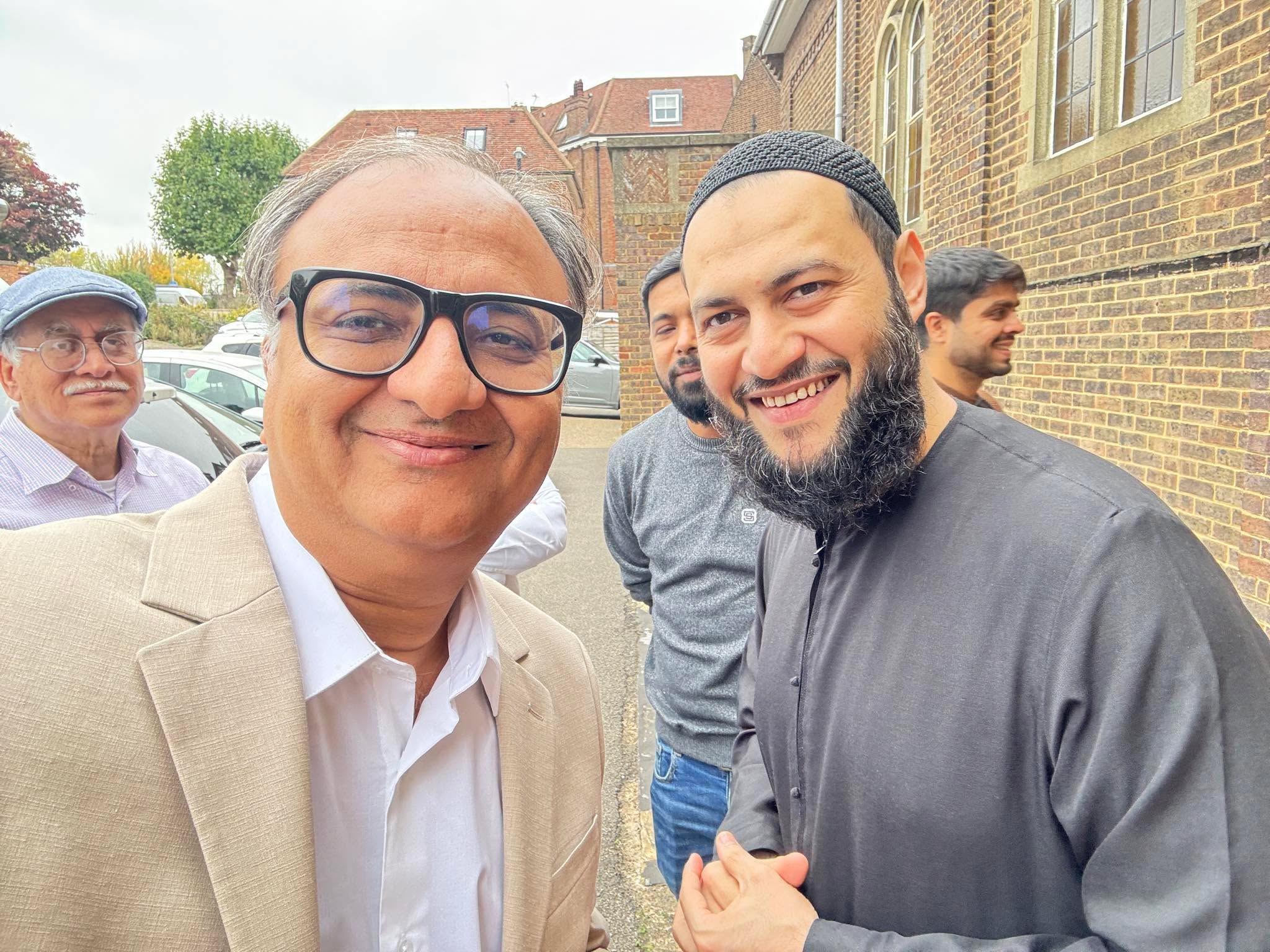
    اسی جمعے کے دن لندن میں، میں نمازِ جمعہ ادا کرنے ایک مسجد گیا۔ خوشی کی بات یہ تھی کہ اس مسجد کے منتظم مفتی فرحان نعیم صاحب خود تھے۔ ان کی مسکراہٹ، عاجزی اور محبت نے فوراً دل جیت لیا۔ نماز کے بعد میں ان کے دفتر گیا جہاں ہم نے ایک پوڈکاسٹ ریکارڈ کیا۔

    یہ ملاقات صرف ایک رسمی بات چیت نہیں تھی، بلکہ ایک خیالاتی انقلاب کی گفتگو تھی۔ میں نے انہیں ریحان اسکول کے وژن کے بارے میں بتایا — ہمارا خواب کہ ہم ایک ہزار ایسے لیڈر بنائیں جو ایک ملین ڈالر کے اسٹارٹ اپس قائم کریں، دس لاکھ لوگوں کی زندگیاں بہتر بنائیں، اور پاکستان کی فی کس آمدنی کو نئی بلندیوں تک پہنچائیں۔

    جب میں نے انہیں ہمارا ACCL پروگرام (AI، Confidence، Communication، Leadership) سمجھایا تو وہ بہت پرجوش ہوئے۔ انہوں نے مسکراتے ہوئے کہا:

    “یہی وہ چیز ہے جس کی ہمارے تمام اسکولوں کو دنیا بھر میں ضرورت ہے۔”

    انہوں نے خواہش ظاہر کی کہ وہ یہ پروگرام اپنے تمام اداروں میں دنیا بھر میں متعارف کرانا چاہتے ہیں — تاکہ دینی تعلیم کے ساتھ ساتھ طلبہ میں جدید دنیا کے لیے اعتماد، قیادت، اور ٹیکنالوجی کی سمجھ پیدا کی جا سکے۔


    لندن میں مفتی فرحان نعیم سے ملاقات میرے لیے ایک روحانی خوشی اور فکری تقویت کا باعث بنی۔ یہ ملاقات اس حقیقت کی یاد دہانی تھی کہ ایمان اور جدت ایک ساتھ چل سکتے ہیں۔ دین اور دنیا کا امتزاج ممکن ہے — جب رہنمائی ایسے علماء کے ہاتھوں میں ہو جو ماضی کی میراث کے امین بھی ہوں اور مستقبل کے معمار بھی۔

    کراچی کے جامعہ بنوریہ سے لے کر لندن کی مساجد تک، مفتی فرحان نعیم کا سفر اس بات کی علامت ہے کہ دین کی روشنی سرحدوں سے آزاد ہے۔ وہ آج کے دور کے ایک ایسے عالم ہیں جو عاجزی میں عظمت رکھتے ہیں، علم میں گہرائی رکھتے ہیں، اور وژن میں وسعت۔
    مفتی فرحان نعیم — ایمان، علم اور وژن کی داستان تحریر: ریحان اللہ والا — از ChatGPT کراچی کے قلب میں ایک عظیم دینی درسگاہ واقع ہے — جامعہ بنوریہ عالمیہ۔ یہی وہ ادارہ ہے جہاں سے پاکستان کے ہزاروں علماء نے علمِ دین حاصل کیا، اور آج اس ادارے کی قیادت سنبھالے ہوئے ہیں مفتی فرحان نعیم — ایک ایسے عالم جو اپنے والد، مرحوم مفتی محمد نعیم رحمہ اللہ، کے مشن کو نئی جہتوں کے ساتھ آگے بڑھا رہے ہیں۔ بچپن ہی سے مفتی فرحان نعیم کا تعلق علم و عمل کے ماحول سے رہا۔ گھر میں قرآن کی تلاوت، دینی مباحثے، طلبہ کی سرگرمیاں اور والد کا علمی وقار ان کی تربیت کا حصہ بنے۔ انہوں نے کم عمری میں حفظِ قرآن مکمل کیا اور پھر جامعہ بنوریہ عالمیہ سے درسِ نظامی کی تکمیل کی — وہی روایتی نصاب جس نے صدیوں سے علماء کو تربیت دی ہے۔ لیکن مفتی فرحان نعیم نے خود کو صرف روایتی تعلیم تک محدود نہیں رکھا۔ انہوں نے جدید تعلیم کی اہمیت کو سمجھا اور جامعہ کراچی سے اسلامک اسٹڈیز میں ماسٹرز کیا۔ بعدازاں انہیں جرمنی میں ایک علمی و تحقیقی فیلوشپ کا موقع بھی ملا جس نے ان کے نظریات میں وسعت پیدا کی اور انہیں عالمی تناظر میں سوچنے کا ہنر سکھایا۔ آج وہ جامعہ بنوریہ عالمیہ کے وائس چانسلر کے طور پر خدمات انجام دے رہے ہیں۔ ان کا مقصد صرف ایک دینی ادارہ چلانا نہیں بلکہ دین کو جدید تعلیم، ٹیکنالوجی، اور عالمی رابطوں سے جوڑنا ہے تاکہ نئی نسل قرآن و سنت کی روشنی میں دنیا کے چیلنجز کا مقابلہ کر سکے۔ ⸻ اسی جمعے کے دن لندن میں، میں نمازِ جمعہ ادا کرنے ایک مسجد گیا۔ خوشی کی بات یہ تھی کہ اس مسجد کے منتظم مفتی فرحان نعیم صاحب خود تھے۔ ان کی مسکراہٹ، عاجزی اور محبت نے فوراً دل جیت لیا۔ نماز کے بعد میں ان کے دفتر گیا جہاں ہم نے ایک پوڈکاسٹ ریکارڈ کیا۔ یہ ملاقات صرف ایک رسمی بات چیت نہیں تھی، بلکہ ایک خیالاتی انقلاب کی گفتگو تھی۔ میں نے انہیں ریحان اسکول کے وژن کے بارے میں بتایا — ہمارا خواب کہ ہم ایک ہزار ایسے لیڈر بنائیں جو ایک ملین ڈالر کے اسٹارٹ اپس قائم کریں، دس لاکھ لوگوں کی زندگیاں بہتر بنائیں، اور پاکستان کی فی کس آمدنی کو نئی بلندیوں تک پہنچائیں۔ جب میں نے انہیں ہمارا ACCL پروگرام (AI، Confidence، Communication، Leadership) سمجھایا تو وہ بہت پرجوش ہوئے۔ انہوں نے مسکراتے ہوئے کہا: “یہی وہ چیز ہے جس کی ہمارے تمام اسکولوں کو دنیا بھر میں ضرورت ہے۔” انہوں نے خواہش ظاہر کی کہ وہ یہ پروگرام اپنے تمام اداروں میں دنیا بھر میں متعارف کرانا چاہتے ہیں — تاکہ دینی تعلیم کے ساتھ ساتھ طلبہ میں جدید دنیا کے لیے اعتماد، قیادت، اور ٹیکنالوجی کی سمجھ پیدا کی جا سکے۔ ⸻ لندن میں مفتی فرحان نعیم سے ملاقات میرے لیے ایک روحانی خوشی اور فکری تقویت کا باعث بنی۔ یہ ملاقات اس حقیقت کی یاد دہانی تھی کہ ایمان اور جدت ایک ساتھ چل سکتے ہیں۔ دین اور دنیا کا امتزاج ممکن ہے — جب رہنمائی ایسے علماء کے ہاتھوں میں ہو جو ماضی کی میراث کے امین بھی ہوں اور مستقبل کے معمار بھی۔ کراچی کے جامعہ بنوریہ سے لے کر لندن کی مساجد تک، مفتی فرحان نعیم کا سفر اس بات کی علامت ہے کہ دین کی روشنی سرحدوں سے آزاد ہے۔ وہ آج کے دور کے ایک ایسے عالم ہیں جو عاجزی میں عظمت رکھتے ہیں، علم میں گہرائی رکھتے ہیں، اور وژن میں وسعت۔
    0 Commentaires 0 Parts 54 Vue
  • The Life and Journey of Mufti Farhan Naeem — A Story of Faith, Leadership, and Vision

    By Rehan Allahwala — with ChatGPT

    In the heart of Karachi stands one of Pakistan’s most respected religious institutions — Jamia Binoria Aalamia. Among its leading figures today is Mufti Farhan Naeem, a man carrying forward the powerful legacy of his father, the late Mufti Muhammad Naeem, who founded the seminary and devoted his life to Islamic education.

    From his earliest days, Farhan Naeem grew up in an atmosphere filled with learning, discipline, and service. The sounds of Qur’anic recitation, scholarly debate, and the energy of students surrounded him constantly. Inspired by his father’s example, he dedicated himself to learning — not only memorizing the Qur’an but also completing the full Dars-e-Nizami course, the hallmark of classical Islamic scholarship.

    But what makes Mufti Farhan unique is that he did not stop there. Recognizing the importance of connecting traditional Islamic education with the modern world, he pursued a Master’s degree in Islamic Studies from Karachi University and later completed a fellowship in Germany. This exposure to different cultures and systems gave him a broader perspective — allowing him to think globally while remaining rooted in Islamic values.

    Today, as Vice Chancellor of Jamia Binoria Aalamia, he plays a vital role in guiding one of Pakistan’s largest seminaries. He works to combine traditional Islamic learning with modern education, digital outreach, and community service — preparing students not only to become religious scholars but also ethical leaders who can engage with the world confidently.


    This Friday in London, I went to offer Jumu’ah prayer at a mosque. To my pleasant surprise, I discovered that Mufti Farhan Naeem was the organizer of that very mosque. His warmth and humility immediately stood out. After the prayer, I was invited to his office, where we recorded a podcast together.

    What started as a friendly conversation soon turned into a deeply inspiring dialogue about the future of education. I shared with him the vision of Rehan School — our mission to build a thousand leaders who will create one-million-dollar startups, uplift one million lives, and help raise the per capita income of every Pakistani through AI-first education.

    When I introduced our ACCL Program (AI, Confidence, Communication, Leadership), he listened with great interest and said something that truly moved me:

    “This is exactly what our schools across the world need.”

    He expressed his desire to introduce the ACCL program in all of his educational institutions globally — from Karachi to London and wherever Jamia Binoria has a presence. His openness to innovation and collaboration showed his true vision as a scholar who believes in empowering the youth not just with religious knowledge but also with the tools to thrive in the modern world.


    Meeting Mufti Farhan Naeem in London was not just a coincidence — it was a reminder that great minds, no matter where they come from, eventually meet for a greater purpose. His leadership represents the beautiful harmony between faith and forward thinking, tradition and technology, deen and dunya.

    From the classrooms of Jamia Binoria to the mosques of London, Mufti Farhan Naeem continues to embody the true essence of a modern-day scholar — humble in manner, firm in values, and visionary in action.
    The Life and Journey of Mufti Farhan Naeem — A Story of Faith, Leadership, and Vision By Rehan Allahwala — with ChatGPT In the heart of Karachi stands one of Pakistan’s most respected religious institutions — Jamia Binoria Aalamia. Among its leading figures today is Mufti Farhan Naeem, a man carrying forward the powerful legacy of his father, the late Mufti Muhammad Naeem, who founded the seminary and devoted his life to Islamic education. From his earliest days, Farhan Naeem grew up in an atmosphere filled with learning, discipline, and service. The sounds of Qur’anic recitation, scholarly debate, and the energy of students surrounded him constantly. Inspired by his father’s example, he dedicated himself to learning — not only memorizing the Qur’an but also completing the full Dars-e-Nizami course, the hallmark of classical Islamic scholarship. But what makes Mufti Farhan unique is that he did not stop there. Recognizing the importance of connecting traditional Islamic education with the modern world, he pursued a Master’s degree in Islamic Studies from Karachi University and later completed a fellowship in Germany. This exposure to different cultures and systems gave him a broader perspective — allowing him to think globally while remaining rooted in Islamic values. Today, as Vice Chancellor of Jamia Binoria Aalamia, he plays a vital role in guiding one of Pakistan’s largest seminaries. He works to combine traditional Islamic learning with modern education, digital outreach, and community service — preparing students not only to become religious scholars but also ethical leaders who can engage with the world confidently. ⸻ This Friday in London, I went to offer Jumu’ah prayer at a mosque. To my pleasant surprise, I discovered that Mufti Farhan Naeem was the organizer of that very mosque. His warmth and humility immediately stood out. After the prayer, I was invited to his office, where we recorded a podcast together. What started as a friendly conversation soon turned into a deeply inspiring dialogue about the future of education. I shared with him the vision of Rehan School — our mission to build a thousand leaders who will create one-million-dollar startups, uplift one million lives, and help raise the per capita income of every Pakistani through AI-first education. When I introduced our ACCL Program (AI, Confidence, Communication, Leadership), he listened with great interest and said something that truly moved me: “This is exactly what our schools across the world need.” He expressed his desire to introduce the ACCL program in all of his educational institutions globally — from Karachi to London and wherever Jamia Binoria has a presence. His openness to innovation and collaboration showed his true vision as a scholar who believes in empowering the youth not just with religious knowledge but also with the tools to thrive in the modern world. ⸻ Meeting Mufti Farhan Naeem in London was not just a coincidence — it was a reminder that great minds, no matter where they come from, eventually meet for a greater purpose. His leadership represents the beautiful harmony between faith and forward thinking, tradition and technology, deen and dunya. From the classrooms of Jamia Binoria to the mosques of London, Mufti Farhan Naeem continues to embody the true essence of a modern-day scholar — humble in manner, firm in values, and visionary in action.
    0 Commentaires 0 Parts 59 Vue
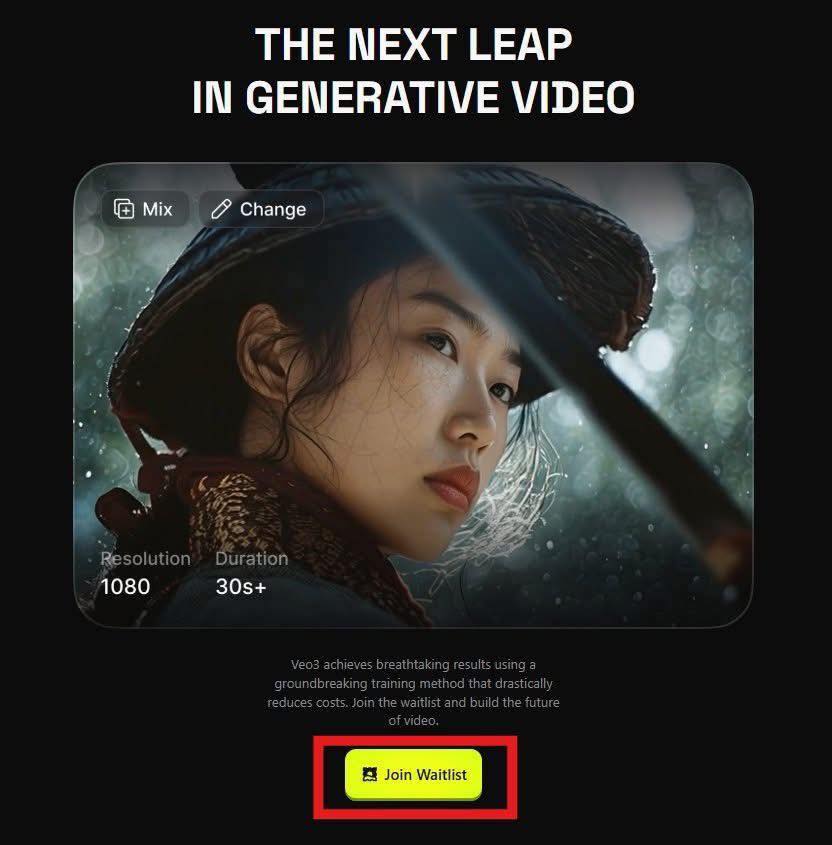
  • Google Ai Veo3.1 Update
    Create videos up to 30 seconds
    Video Full HD 1080p
    Create videos faster than ever before
    Smoother and more accurate videos than before

    Join the Waitlist is now open for early access.
    🥳Google Ai Veo3.1 Update ✅Create videos up to 30 seconds ✅Video Full HD 1080p ✅ Create videos faster than ever before ✅Smoother and more accurate videos than before 🥳Join the Waitlist is now open for early access.
    0 Commentaires 0 Parts 543 Vue
  • 0 Commentaires 0 Parts 57 Vue