• #teachers
    #teachers
    0 Yorumlar 0 hisse senetleri 68 Views
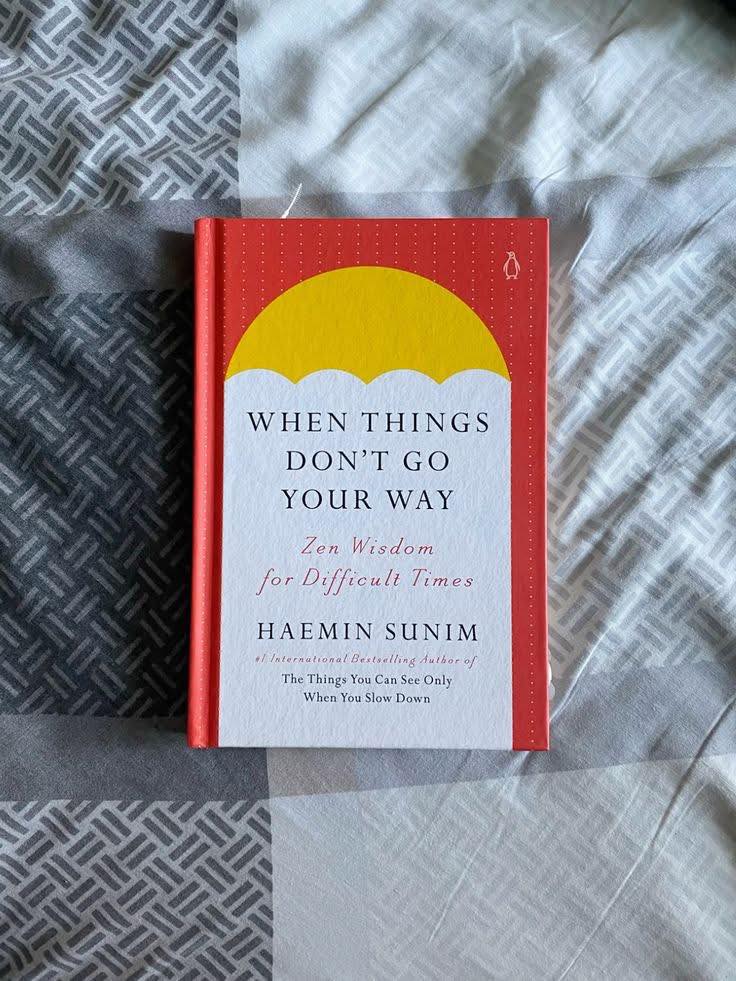
  • Summary of When Things Don’t Go Your Way: Zen Wisdom for Difficult Times by Haemin Sunim:


    Core Idea

    Life will not always go as planned—pain, loss, failure, and uncertainty are unavoidable. But we can choose our response. With mindfulness and compassion, even hardship can become a teacher.


    Key Lessons
    1. Pain is part of being human
    • Suffering comes from resisting what is.
    • Accept difficulties as natural instead of seeing them as personal punishment.
    2. Slow down, breathe, observe
    • When upset, don’t react immediately.
    • Pause, watch your thoughts like clouds passing, and let emotions settle.
    3. Reframe setbacks as opportunities
    • Failures are not dead-ends but new directions.
    • Ask: “What can this teach me?”
    4. Be kind to yourself
    • Self-compassion is the foundation of resilience.
    • Treat mistakes the way you’d comfort a friend.
    5. Detach from expectations
    • Much suffering comes from clinging to how life “should” be.
    • Let go, and flow with what actually is.
    6. Relationships matter more than being right
    • Forgiveness, listening, and empathy heal conflicts faster than winning arguments.
    7. Practice gratitude in small things
    • Even in crisis, notice one thing to be grateful for—it shifts your energy.


    Practical Takeaways
    • Meditate daily for even 5 minutes to train your mind.
    • Journal about one lesson from each hardship.
    • When angry, breathe three times before speaking.
    • Before sleeping, list 3 things you’re grateful for.
    • Shift inner talk from “Why me?” to “What’s next?”
    Summary of When Things Don’t Go Your Way: Zen Wisdom for Difficult Times by Haemin Sunim: ⸻ Core Idea Life will not always go as planned—pain, loss, failure, and uncertainty are unavoidable. But we can choose our response. With mindfulness and compassion, even hardship can become a teacher. ⸻ Key Lessons 1. Pain is part of being human • Suffering comes from resisting what is. • Accept difficulties as natural instead of seeing them as personal punishment. 2. Slow down, breathe, observe • When upset, don’t react immediately. • Pause, watch your thoughts like clouds passing, and let emotions settle. 3. Reframe setbacks as opportunities • Failures are not dead-ends but new directions. • Ask: “What can this teach me?” 4. Be kind to yourself • Self-compassion is the foundation of resilience. • Treat mistakes the way you’d comfort a friend. 5. Detach from expectations • Much suffering comes from clinging to how life “should” be. • Let go, and flow with what actually is. 6. Relationships matter more than being right • Forgiveness, listening, and empathy heal conflicts faster than winning arguments. 7. Practice gratitude in small things • Even in crisis, notice one thing to be grateful for—it shifts your energy. ⸻ Practical Takeaways • Meditate daily for even 5 minutes to train your mind. • Journal about one lesson from each hardship. • When angry, breathe three times before speaking. • Before sleeping, list 3 things you’re grateful for. • Shift inner talk from “Why me?” to “What’s next?”
    0 Yorumlar 0 hisse senetleri 96 Views
  • 0 Yorumlar 0 hisse senetleri 79 Views
  • 0 Yorumlar 0 hisse senetleri 84 Views
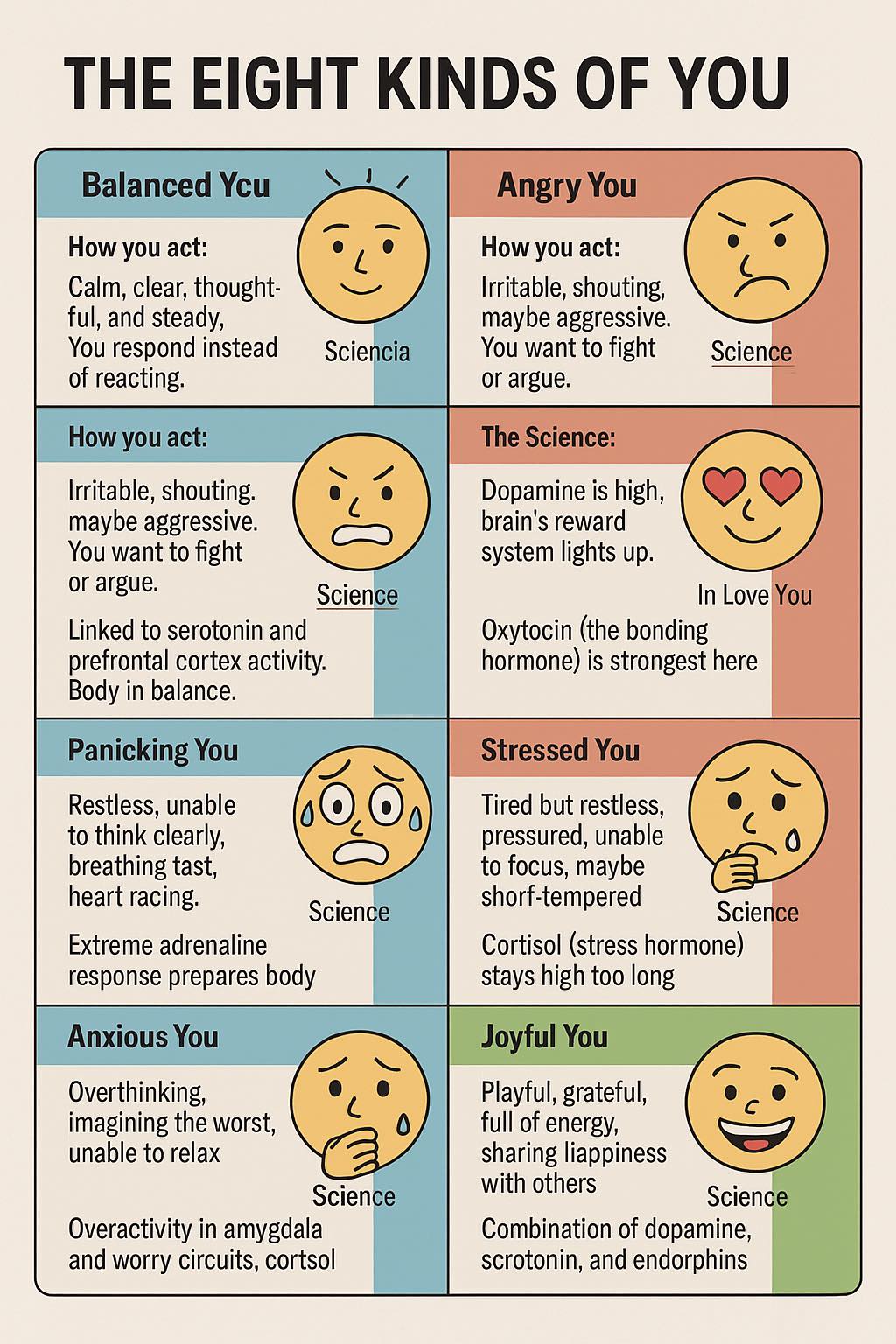
  • The 8 Kinds of You – Understanding Yourself and Others Around You

    Have you ever noticed how you don’t feel or act the same every day? Sometimes you are calm and peaceful, other times you feel angry or jealous, and sometimes you feel happy or deeply in love. At other times, you may be stressed, anxious, or even panicking. It almost feels like there are many versions of you living inside the same body.

    Science actually supports this idea. Your body and brain change depending on your emotions and hormones. These invisible forces can completely change the way you think, the way you speak, and the way you treat people.

    To understand yourself and others better, let’s look at the Eight Kinds of YOU.


    1. Balanced You
    • How you act: Calm, wise, peaceful, thoughtful. You respond instead of reacting.
    • How others act: Respectful, patient, and easy to talk to.
    • Why this may be happening: Good rest, healthy lifestyle, gratitude, and a peaceful environment.
    • Science: Balanced by serotonin (the calm hormone). The prefrontal cortex (logic brain) is in control.
    • How you should act when others are in this state: Appreciate their calmness, listen to them, and work with them. Balanced people are role models—learn from them.
    • How you should act when you are in this state: Stay consistent. Use your balance to make important decisions, resolve conflicts, and support others.


    2. Angry You
    • How you act: Shouting, snapping, arguing, saying things you regret.
    • How others act: Defensive, scared, or aggressive. Some may withdraw.
    • Why this may be happening: Frustration, unmet needs, disrespect, or built-up stress.
    • Science: Adrenaline and cortisol flood your body. The amygdala (alarm system) takes over.
    • How you should act when others are in this state: Stay calm. Don’t shout back. Give them space, listen if safe, and wait until they cool down.
    • How you should act when you are in this state: Pause before reacting. Take deep breaths, drink water, or step away. Speak only when calmer, so you don’t hurt others.


    3. Happy You
    • How you act: Smiling, laughing, positive, creative, motivated.
    • How others act: Friendly, inspiring, and uplifting. They spread good vibes.
    • Why this may be happening: Achieving goals, enjoying fun activities, connecting with loved ones.
    • Science: Driven by dopamine, the reward chemical.
    • How you should act when others are in this state: Celebrate with them. Share their happiness and let their energy inspire you.
    • How you should act when you are in this state: Use the energy wisely. Work on your goals, spread positivity, and encourage others.


    4. In Love You
    • How you act: Caring, forgiving, deeply connected, trusting.
    • How others act: Dreamy, generous, protective, sometimes blind to flaws.
    • Why this may be happening: Bonding with family, friends, or a partner.
    • Science: Powered by oxytocin, the bonding hormone.
    • How you should act when others are in this state: Respect their feelings. Encourage healthy love and remind them to keep balance.
    • How you should act when you are in this state: Enjoy the closeness, but stay grounded. Don’t lose yourself—keep your balance and responsibilities.


    5. Jealous You
    • How you act: Comparing yourself, insecure, maybe gossiping or overcompeting.
    • How others act: Distant, unfriendly, critical, or overly competitive.
    • Why this may be happening: Fear of losing importance, low self-esteem, constant comparisons.
    • Science: Mix of dopamine (desire) and cortisol (stress).
    • How you should act when others are in this state: Don’t attack them. Reassure them, show kindness, and avoid fueling competition.
    • How you should act when you are in this state: Remind yourself that everyone has their own journey. Practice gratitude for what you have. Turn jealousy into motivation instead of bitterness.


    6. Panicking You
    • How you act: Heart racing, restless, frozen, unable to think.
    • How others act: Shouting, crying, or completely shutting down.
    • Why this may be happening: Exams, stage fear, emergencies, sudden bad news.
    • Science: Caused by a surge of adrenaline. Body prepares for fight-or-flight.
    • How you should act when others are in this state: Stay calm for them. Offer reassurance, speak slowly, and help them breathe or feel safe.
    • How you should act when you are in this state: Focus on slow breathing. Remind yourself the danger may not be real. Take small steps to regain control.


    7. Stressed You
    • How you act: Pressured, restless, distracted, short-tempered.
    • How others act: Complaining, avoiding responsibilities, or seeming very serious.
    • Why this may be happening: Overwork, family pressure, money problems, or lack of rest.
    • Science: Driven by cortisol. Prolonged stress harms health, sleep, and immunity.
    • How you should act when others are in this state: Be understanding. Don’t add more pressure. Offer help, encouragement, or simply a listening ear.
    • How you should act when you are in this state: Prioritize rest. Break tasks into smaller steps. Practice relaxation (prayer, meditation, deep breathing, or a walk).


    8. Anxious You
    • How you act: Overthinking, imagining the worst, worrying constantly.
    • How others act: Restless, hesitant, seeking reassurance, or avoiding situations.
    • Why this may be happening: Fear of failure, uncertainty, low confidence, past trauma.
    • Science: Overactive amygdala keeps cortisol high. Body feels unsafe.
    • How you should act when others are in this state: Be patient. Don’t dismiss their fears. Support them gently and offer comfort.
    • How you should act when you are in this state: Ground yourself in the present moment. Write down your worries, talk to someone you trust, and practice calming techniques.


    What Are Hormones?

    Hormones are chemical messengers in your body. They travel through your blood and tell your brain and organs how to behave.
    • Cortisol: Stress hormone. Too much damages health.
    • Adrenaline: Emergency hormone. Gives sudden energy.
    • Dopamine: Reward hormone. Boosts motivation and excitement.
    • Oxytocin: Love hormone. Builds bonding and trust.
    • Serotonin: Calm hormone. Keeps balance and peace.


    The Big Life Lesson

    Every one of us experiences all these YOU’s. None of them are “bad.” They are simply natural responses to life. But wisdom is knowing:

    Which YOU is active in me right now? Which YOU is active in others? And how can I guide myself or support them back to Balanced You?

    When you are balanced, your mind is clear, your body is calm, and your choices are wise. That is the state of leadership, growth, and healthy relationships.


    Emotions are not enemies. They are signals. Learn to recognize them, guide them, and return to balance. When you do, you not only understand yourself better — you also understand the people around you.

    🌟 The 8 Kinds of You – Understanding Yourself and Others Around You Have you ever noticed how you don’t feel or act the same every day? Sometimes you are calm and peaceful, other times you feel angry or jealous, and sometimes you feel happy or deeply in love. At other times, you may be stressed, anxious, or even panicking. It almost feels like there are many versions of you living inside the same body. Science actually supports this idea. Your body and brain change depending on your emotions and hormones. These invisible forces can completely change the way you think, the way you speak, and the way you treat people. To understand yourself and others better, let’s look at the Eight Kinds of YOU. ⸻ 1. Balanced You • How you act: Calm, wise, peaceful, thoughtful. You respond instead of reacting. • How others act: Respectful, patient, and easy to talk to. • Why this may be happening: Good rest, healthy lifestyle, gratitude, and a peaceful environment. • Science: Balanced by serotonin (the calm hormone). The prefrontal cortex (logic brain) is in control. • How you should act when others are in this state: Appreciate their calmness, listen to them, and work with them. Balanced people are role models—learn from them. • How you should act when you are in this state: Stay consistent. Use your balance to make important decisions, resolve conflicts, and support others. ⸻ 2. Angry You • How you act: Shouting, snapping, arguing, saying things you regret. • How others act: Defensive, scared, or aggressive. Some may withdraw. • Why this may be happening: Frustration, unmet needs, disrespect, or built-up stress. • Science: Adrenaline and cortisol flood your body. The amygdala (alarm system) takes over. • How you should act when others are in this state: Stay calm. Don’t shout back. Give them space, listen if safe, and wait until they cool down. • How you should act when you are in this state: Pause before reacting. Take deep breaths, drink water, or step away. Speak only when calmer, so you don’t hurt others. ⸻ 3. Happy You • How you act: Smiling, laughing, positive, creative, motivated. • How others act: Friendly, inspiring, and uplifting. They spread good vibes. • Why this may be happening: Achieving goals, enjoying fun activities, connecting with loved ones. • Science: Driven by dopamine, the reward chemical. • How you should act when others are in this state: Celebrate with them. Share their happiness and let their energy inspire you. • How you should act when you are in this state: Use the energy wisely. Work on your goals, spread positivity, and encourage others. ⸻ 4. In Love You • How you act: Caring, forgiving, deeply connected, trusting. • How others act: Dreamy, generous, protective, sometimes blind to flaws. • Why this may be happening: Bonding with family, friends, or a partner. • Science: Powered by oxytocin, the bonding hormone. • How you should act when others are in this state: Respect their feelings. Encourage healthy love and remind them to keep balance. • How you should act when you are in this state: Enjoy the closeness, but stay grounded. Don’t lose yourself—keep your balance and responsibilities. ⸻ 5. Jealous You • How you act: Comparing yourself, insecure, maybe gossiping or overcompeting. • How others act: Distant, unfriendly, critical, or overly competitive. • Why this may be happening: Fear of losing importance, low self-esteem, constant comparisons. • Science: Mix of dopamine (desire) and cortisol (stress). • How you should act when others are in this state: Don’t attack them. Reassure them, show kindness, and avoid fueling competition. • How you should act when you are in this state: Remind yourself that everyone has their own journey. Practice gratitude for what you have. Turn jealousy into motivation instead of bitterness. ⸻ 6. Panicking You • How you act: Heart racing, restless, frozen, unable to think. • How others act: Shouting, crying, or completely shutting down. • Why this may be happening: Exams, stage fear, emergencies, sudden bad news. • Science: Caused by a surge of adrenaline. Body prepares for fight-or-flight. • How you should act when others are in this state: Stay calm for them. Offer reassurance, speak slowly, and help them breathe or feel safe. • How you should act when you are in this state: Focus on slow breathing. Remind yourself the danger may not be real. Take small steps to regain control. ⸻ 7. Stressed You • How you act: Pressured, restless, distracted, short-tempered. • How others act: Complaining, avoiding responsibilities, or seeming very serious. • Why this may be happening: Overwork, family pressure, money problems, or lack of rest. • Science: Driven by cortisol. Prolonged stress harms health, sleep, and immunity. • How you should act when others are in this state: Be understanding. Don’t add more pressure. Offer help, encouragement, or simply a listening ear. • How you should act when you are in this state: Prioritize rest. Break tasks into smaller steps. Practice relaxation (prayer, meditation, deep breathing, or a walk). ⸻ 8. Anxious You • How you act: Overthinking, imagining the worst, worrying constantly. • How others act: Restless, hesitant, seeking reassurance, or avoiding situations. • Why this may be happening: Fear of failure, uncertainty, low confidence, past trauma. • Science: Overactive amygdala keeps cortisol high. Body feels unsafe. • How you should act when others are in this state: Be patient. Don’t dismiss their fears. Support them gently and offer comfort. • How you should act when you are in this state: Ground yourself in the present moment. Write down your worries, talk to someone you trust, and practice calming techniques. ⸻ 🧠 What Are Hormones? Hormones are chemical messengers in your body. They travel through your blood and tell your brain and organs how to behave. • Cortisol: Stress hormone. Too much damages health. • Adrenaline: Emergency hormone. Gives sudden energy. • Dopamine: Reward hormone. Boosts motivation and excitement. • Oxytocin: Love hormone. Builds bonding and trust. • Serotonin: Calm hormone. Keeps balance and peace. ⸻ 🌍 The Big Life Lesson Every one of us experiences all these YOU’s. None of them are “bad.” They are simply natural responses to life. But wisdom is knowing: 👉 Which YOU is active in me right now? Which YOU is active in others? And how can I guide myself or support them back to Balanced You? When you are balanced, your mind is clear, your body is calm, and your choices are wise. That is the state of leadership, growth, and healthy relationships. ⸻ ✨ Emotions are not enemies. They are signals. Learn to recognize them, guide them, and return to balance. When you do, you not only understand yourself better — you also understand the people around you.

    0 Yorumlar 0 hisse senetleri 135 Views
  • مجھے ایسے بہت، بہت، بہت سارے میسج آتے ہیں۔ اور مجھے لگتا ہے کہ ہمارے ملک کا سب سے بڑا مسئلہ کرپشن یا غربت نہیں ہے، اصل مسئلہ ہے ٹرسٹ کا ٹوٹ جانا۔ باقی سب کچھ تو ٹھیک ہے۔

    مثال کے طور پر، آج ہی مجھے ایک میسج ملا:

    “میرا نام عائشہ خان ہے۔ میں کراچی میں رہتی ہوں۔ میں ایک گھریلو خاتون ہوں۔ میرے چار بچے ہیں۔ میری عمر 35 سال ہے۔ میں آرٹس میں گریجویٹ ہوں۔ مجھے دو سال کا ٹیوشنز پڑھانے کا تجربہ ہے — اُردو، انگلش اور اسلامیات میں۔ میں خودمختار عورت بننا چاہتی ہوں، اسی لیے میں اس گروپ میں شامل ہوئی ہوں۔ میں نے کئی بار آن لائن پلیٹ فارمز آزمانے کی کوشش کی، مگر زیادہ تر جعلی نکلے یا بہت مشکل تھے۔ میں سیکھنا چاہتی ہوں۔”

    اب ذرا دیکھیں، عائشہ کو لگتا ہے پلیٹ فارم جعلی ہیں، کہ شاید اسے دھوکا دیا جائے گا۔ مگر میں اسے اور اپنے سب بھائی بہنوں کو کہنا چاہتا ہوں: یہ دھوکا نہیں ہے۔

    اگر کوئی آپ سے 5 ہزار روپے، 10 ہزار روپے، یا 25 ہزار روپے لیتا ہے، اور آپ نے وہاں ایک مہینہ گزارا، اور کچھ سیکھا — تو یہ دھوکا نہیں ہے۔ اس سے آپ کا اعتماد بڑھا، آپ کو نئے دوست ملے، آپ کو کوئی ایسی چیز ملی جو آپ پہلے نہیں جانتے تھے۔

    کوئی آپ کو سکھانے کی کوشش کر رہا ہے، آپ کو جُڑنے کی جگہ دے رہا ہے، آپ کو نیٹ ورک بنانے کی جگہ دے رہا ہے، اور آپ کی ترقی میں مدد کر رہا ہے۔

    مجھے تو سمجھ نہیں آتی کہ اصل میں “سکیم” یا “دھوکا” کا مطلب کیا ہے۔ آپ کے نزدیک اس کا مطلب کیا ہے؟ مجھے بتائیں۔ لوگ مجھے بھی کہتے ہیں کہ میں “سکیمر” ہوں۔ لیکن میں نہیں سمجھتا — کیوں دھوکا؟

    اگر آپ کو آج جو پتہ ہے، وہ پہلے پتہ ہوتا، تو کیا یہ دھوکا تھا؟

    آپ نے 10 سال اسکول میں گزارے۔ روز 6 گھنٹے جا کر پڑھتے رہے۔ انسان تو بن گئے، مگر آزادی نہیں ملی، خودمختاری نہیں ملی۔ تو کیا یہ دھوکا تھا؟ کیا آپ اسے دھوکا کہیں گے؟

    بہت لوگ اسکول کو دھوکا کہتے ہیں۔ مگر میں اسے دھوکا نہیں کہتا۔ میں اسے غیر مؤثر کہتا ہوں۔ اس نے ہماری زندگی کے 10 سال ضائع کیے، ہمیں وہ ہُنر نہیں دیا جو 21ویں صدی میں چاہیے تھے، اور وہ آلات نہیں دیے جو آج کے دور میں ضروری ہیں۔

    مگر یہ دھوکا نہیں تھا۔ انہوں نے وہی سکھایا جو وہ جانتے تھے۔ اگر ہمارے والدین بہتر جانتے، اور بہتر ادارے ہوتے، تو ہم کہیں اور ہوتے۔

    تو کیا یہ دھوکا نہیں ہے کہ ہم دوسروں سے وہ علم چھپا لیں جو ہم جانتے ہیں اور سکھا سکتے ہیں؟

    کیا ہم اپنا فون نہیں نکال سکتے اور لوگوں کو بریانی بنانا نہیں سکھا سکتے؟ دنیا کے اربوں لوگوں کو بریانی بنانی نہیں آتی۔ کیا یہ برا ہے کہ آپ کسی کو بریانی سکھائیں؟ نہیں۔

    وجہ یہ ہے کہ آپ شرمیلے ہیں۔ تو اگر کوئی آپ کی اسی جھجک کا فائدہ اٹھا کر آپ کو دو مہینے کی ٹریننگ دے، آپ نے 20، 40، یا 50 ہزار روپے خرچ کیے، اور آپ نے اپنی جھجک ختم کر لی — تو یہ دھوکا کیسے ہوا؟ آپ نے کچھ سیکھ لیا۔

    ذرا پھر عائشہ کو دیکھیں۔ وہ آزاد ہونا چاہتی ہے، مگر ڈرتی ہے کیونکہ اسے لگتا ہے زیادہ تر پلیٹ فارمز جعلی ہیں۔ سوچیں، اگر وہ 20 ہزار روپے خرچ کرے، آن لائن پڑھانا سیکھے، اپنا پہلا شاگرد بیرونِ ملک سے پکڑے، اور اپنی پہلی کمائی کرے — تو کیا یہ دھوکا ہوا؟ یا آزادی کی پہلی سیڑھی؟

    جب آپ شادی کرتے ہیں، آپ 10 لاکھ روپے خرچ کرتے ہیں، اُن لوگوں کو کھانا کھلاتے ہیں جنہیں آپ جانتے بھی نہیں یا جو آپ کے لیے کچھ نہیں کرتے۔ کیا یہ دھوکا نہیں ہے؟ یہ تو سب سے بڑا دھوکا ہے۔

    تو اصل میں دھوکا ہے کیا؟

    اپنے اساتذہ کی عزت کریں، اداروں کی عزت کریں، حتیٰ کہ اپنے “سکیمرز” کی بھی عزت کریں — کیونکہ وہ بھی آپ کو کچھ نہ کچھ سکھا رہے ہیں، کوئی نہ کوئی سبق، اور آپ اس سبق کی قیمت ادا کر رہے ہیں۔

    ہارورڈ ایک سال کے 100 ہزار ڈالر لیتا ہے۔ تو کیا یہ دھوکا ہے؟ نہیں۔ یہ ایک عمل ہے، ایک پروسیس ہے، جو آپ کو آپ کے آرام دہ دائرے سے باہر نکالتا ہے، اور آپ کچھ سیکھتے ہیں۔ اس کو سیکھنا کہتے ہیں، دھوکا نہیں۔

    براہِ مہربانی “سکیمرز” کی فکر چھوڑیں، اپنی فکر کریں۔ کیونکہ اگر سب آپ کو دھوکا دے سکتے ہیں تو اصل میں اس نے آپ کو نہیں بیوقوف بنایا — آپ خود تھے۔ آپ اتنے معصوم، اتنے ان پڑھ تھے کہ آپ گوگل استعمال نہیں کر سکے، آپ نے ChatGPT استعمال نہیں کیا۔ آپ کے پاس توانائی نہیں تھی، اعتماد نہیں تھا کہ آپ اپنے آپ کو بچا سکیں۔

    لہٰذا براہِ کرم اس مضمون کو تین بار پڑھیں۔ سمجھنے کی کوشش کریں میں کیا کہنا چاہ رہا ہوں۔ اور اگر نہ سمجھیں تو فضول کمنٹس کرنے کے بجائے کوئی معقول سوال کریں۔

    مگر مجھ سے پوچھنے سے پہلے، ChatGPT سے پوچھیں۔

    اللہ آپ کا بھلا کرے۔

    Rehan Allahwala
    مجھے ایسے بہت، بہت، بہت سارے میسج آتے ہیں۔ اور مجھے لگتا ہے کہ ہمارے ملک کا سب سے بڑا مسئلہ کرپشن یا غربت نہیں ہے، اصل مسئلہ ہے ٹرسٹ کا ٹوٹ جانا۔ باقی سب کچھ تو ٹھیک ہے۔ مثال کے طور پر، آج ہی مجھے ایک میسج ملا: “میرا نام عائشہ خان ہے۔ میں کراچی میں رہتی ہوں۔ میں ایک گھریلو خاتون ہوں۔ میرے چار بچے ہیں۔ میری عمر 35 سال ہے۔ میں آرٹس میں گریجویٹ ہوں۔ مجھے دو سال کا ٹیوشنز پڑھانے کا تجربہ ہے — اُردو، انگلش اور اسلامیات میں۔ میں خودمختار عورت بننا چاہتی ہوں، اسی لیے میں اس گروپ میں شامل ہوئی ہوں۔ میں نے کئی بار آن لائن پلیٹ فارمز آزمانے کی کوشش کی، مگر زیادہ تر جعلی نکلے یا بہت مشکل تھے۔ میں سیکھنا چاہتی ہوں۔” اب ذرا دیکھیں، عائشہ کو لگتا ہے پلیٹ فارم جعلی ہیں، کہ شاید اسے دھوکا دیا جائے گا۔ مگر میں اسے اور اپنے سب بھائی بہنوں کو کہنا چاہتا ہوں: یہ دھوکا نہیں ہے۔ اگر کوئی آپ سے 5 ہزار روپے، 10 ہزار روپے، یا 25 ہزار روپے لیتا ہے، اور آپ نے وہاں ایک مہینہ گزارا، اور کچھ سیکھا — تو یہ دھوکا نہیں ہے۔ اس سے آپ کا اعتماد بڑھا، آپ کو نئے دوست ملے، آپ کو کوئی ایسی چیز ملی جو آپ پہلے نہیں جانتے تھے۔ کوئی آپ کو سکھانے کی کوشش کر رہا ہے، آپ کو جُڑنے کی جگہ دے رہا ہے، آپ کو نیٹ ورک بنانے کی جگہ دے رہا ہے، اور آپ کی ترقی میں مدد کر رہا ہے۔ مجھے تو سمجھ نہیں آتی کہ اصل میں “سکیم” یا “دھوکا” کا مطلب کیا ہے۔ آپ کے نزدیک اس کا مطلب کیا ہے؟ مجھے بتائیں۔ لوگ مجھے بھی کہتے ہیں کہ میں “سکیمر” ہوں۔ لیکن میں نہیں سمجھتا — کیوں دھوکا؟ اگر آپ کو آج جو پتہ ہے، وہ پہلے پتہ ہوتا، تو کیا یہ دھوکا تھا؟ آپ نے 10 سال اسکول میں گزارے۔ روز 6 گھنٹے جا کر پڑھتے رہے۔ انسان تو بن گئے، مگر آزادی نہیں ملی، خودمختاری نہیں ملی۔ تو کیا یہ دھوکا تھا؟ کیا آپ اسے دھوکا کہیں گے؟ بہت لوگ اسکول کو دھوکا کہتے ہیں۔ مگر میں اسے دھوکا نہیں کہتا۔ میں اسے غیر مؤثر کہتا ہوں۔ اس نے ہماری زندگی کے 10 سال ضائع کیے، ہمیں وہ ہُنر نہیں دیا جو 21ویں صدی میں چاہیے تھے، اور وہ آلات نہیں دیے جو آج کے دور میں ضروری ہیں۔ مگر یہ دھوکا نہیں تھا۔ انہوں نے وہی سکھایا جو وہ جانتے تھے۔ اگر ہمارے والدین بہتر جانتے، اور بہتر ادارے ہوتے، تو ہم کہیں اور ہوتے۔ تو کیا یہ دھوکا نہیں ہے کہ ہم دوسروں سے وہ علم چھپا لیں جو ہم جانتے ہیں اور سکھا سکتے ہیں؟ کیا ہم اپنا فون نہیں نکال سکتے اور لوگوں کو بریانی بنانا نہیں سکھا سکتے؟ دنیا کے اربوں لوگوں کو بریانی بنانی نہیں آتی۔ کیا یہ برا ہے کہ آپ کسی کو بریانی سکھائیں؟ نہیں۔ وجہ یہ ہے کہ آپ شرمیلے ہیں۔ تو اگر کوئی آپ کی اسی جھجک کا فائدہ اٹھا کر آپ کو دو مہینے کی ٹریننگ دے، آپ نے 20، 40، یا 50 ہزار روپے خرچ کیے، اور آپ نے اپنی جھجک ختم کر لی — تو یہ دھوکا کیسے ہوا؟ آپ نے کچھ سیکھ لیا۔ ذرا پھر عائشہ کو دیکھیں۔ وہ آزاد ہونا چاہتی ہے، مگر ڈرتی ہے کیونکہ اسے لگتا ہے زیادہ تر پلیٹ فارمز جعلی ہیں۔ سوچیں، اگر وہ 20 ہزار روپے خرچ کرے، آن لائن پڑھانا سیکھے، اپنا پہلا شاگرد بیرونِ ملک سے پکڑے، اور اپنی پہلی کمائی کرے — تو کیا یہ دھوکا ہوا؟ یا آزادی کی پہلی سیڑھی؟ جب آپ شادی کرتے ہیں، آپ 10 لاکھ روپے خرچ کرتے ہیں، اُن لوگوں کو کھانا کھلاتے ہیں جنہیں آپ جانتے بھی نہیں یا جو آپ کے لیے کچھ نہیں کرتے۔ کیا یہ دھوکا نہیں ہے؟ یہ تو سب سے بڑا دھوکا ہے۔ تو اصل میں دھوکا ہے کیا؟ اپنے اساتذہ کی عزت کریں، اداروں کی عزت کریں، حتیٰ کہ اپنے “سکیمرز” کی بھی عزت کریں — کیونکہ وہ بھی آپ کو کچھ نہ کچھ سکھا رہے ہیں، کوئی نہ کوئی سبق، اور آپ اس سبق کی قیمت ادا کر رہے ہیں۔ ہارورڈ ایک سال کے 100 ہزار ڈالر لیتا ہے۔ تو کیا یہ دھوکا ہے؟ نہیں۔ یہ ایک عمل ہے، ایک پروسیس ہے، جو آپ کو آپ کے آرام دہ دائرے سے باہر نکالتا ہے، اور آپ کچھ سیکھتے ہیں۔ اس کو سیکھنا کہتے ہیں، دھوکا نہیں۔ براہِ مہربانی “سکیمرز” کی فکر چھوڑیں، اپنی فکر کریں۔ کیونکہ اگر سب آپ کو دھوکا دے سکتے ہیں تو اصل میں اس نے آپ کو نہیں بیوقوف بنایا — آپ خود تھے۔ آپ اتنے معصوم، اتنے ان پڑھ تھے کہ آپ گوگل استعمال نہیں کر سکے، آپ نے ChatGPT استعمال نہیں کیا۔ آپ کے پاس توانائی نہیں تھی، اعتماد نہیں تھا کہ آپ اپنے آپ کو بچا سکیں۔ لہٰذا براہِ کرم اس مضمون کو تین بار پڑھیں۔ سمجھنے کی کوشش کریں میں کیا کہنا چاہ رہا ہوں۔ اور اگر نہ سمجھیں تو فضول کمنٹس کرنے کے بجائے کوئی معقول سوال کریں۔ مگر مجھ سے پوچھنے سے پہلے، ChatGPT سے پوچھیں۔ اللہ آپ کا بھلا کرے۔ Rehan Allahwala
    0 Yorumlar 0 hisse senetleri 76 Views
  • I get many, many, many messages like this. And I feel that the biggest problem in our country is trust, which is broken — not everything else. Everything else is great.

    For example, I just got this message today:

    “My name is Ayesha Khan. I live in Karachi. I’m a housewife. I have 4 kids. I’m 35 years old. I graduated in Arts. I have 2 years’ experience of teaching tuition classes — Urdu, English, Islamiat. I want to be an independent woman, that’s why I’m joining this group. So many times I tried online platforms, but mostly they are fake or too tough. I want to learn.”

    Now look at this. Ayesha thinks platforms are fake, that she might get scammed. But I want to tell her and all my brothers and sisters: you’re not being scammed.

    If somebody charges you 5,000 rupees, 10,000 rupees, even 25,000 rupees, and you spend a month there, and you learned something — it’s not a scam. It builds your confidence. It builds new friends. It gives you something which you might not realize at first.

    Somebody is trying to teach you, give you a place to connect, give you a place to network, and help you grow.

    I don’t even know what really “scam” means. What exactly does scam mean to you? Tell me. People call me a scammer too. But I don’t understand — why is it a scam?

    If you really knew what you now know before, then how is it a scam?

    You spent 10 years going to school. Ten years of your life. You went every day, 6 hours a day, tried to learn something, made you into a person. But that did not give you liberation. That did not give you independence. Was that a scam too? Do you want to call it a scam?

    Many people call that a scam. I would not call it a scam. I think it was inefficient. It wasted 10 years of our life, giving us the skills which we don’t need in the 21st century, and not giving us the tools which we do need in the 21st century.

    But I don’t think it was a scam. I think they taught us what they knew. And if our parents knew any better, and if there were better institutions, we would not have been there.

    So isn’t this a scam, that we are scamming other people when we know something and we are not teaching them what we can teach them?

    Can’t we just pull out our phone, start teaching people how to make a biryani? Billions of people don’t know how to make biryani. Why is it bad to teach somebody how to make biryani? It’s not bad.

    The reason you are not teaching is because you are shy. So if somebody is taking advantage of your shyness, which you didn’t conquer, and then after 2 months of training, spending 20, 40, 50 thousand rupees, you got over your shyness — how is that a scam? You learned something.

    Look again at Ayesha. She wants to be independent, but she is afraid because she thinks most online platforms are fake. Imagine she spends 20,000 rupees, learns how to teach online, makes her first student abroad, and earns her first dollar. Was that a scam? Or was that the first step to her freedom?

    The day you get married, you spend 1 million rupees to get married, feed people who you don’t know, or who don’t do anything for you. Isn’t that a scam? That’s a big scam.

    So what is exactly a scam?

    Please respect your teachers, institutions, even your scammers — because they are trying to teach you something, a lesson, and you are paying for that lesson.

    Harvard charges $100,000 a year for that scam. But it’s not a scam. It’s a process you go through, which makes you come out of your comfort zone, and you learn something. That is called learning, not scamming.

    Please stop worrying about scammers. Worry about yourself. Because if everybody is able to scam you, it was not him who tricked you — it was you. You were so innocent, so illiterate, that you couldn’t use Google, you couldn’t use ChatGPT to investigate. You didn’t have the energy or the confidence in AI and computers to stop yourself from being scammed.

    So please read this article 3 times. Try to understand what I am saying here. And if you don’t understand, instead of commenting rubbish, ask me a question that makes sense.

    But before you ask me, ask ChatGPT.

    God bless you.

    Rehan Allahwala
    I get many, many, many messages like this. And I feel that the biggest problem in our country is trust, which is broken — not everything else. Everything else is great. For example, I just got this message today: “My name is Ayesha Khan. I live in Karachi. I’m a housewife. I have 4 kids. I’m 35 years old. I graduated in Arts. I have 2 years’ experience of teaching tuition classes — Urdu, English, Islamiat. I want to be an independent woman, that’s why I’m joining this group. So many times I tried online platforms, but mostly they are fake or too tough. I want to learn.” Now look at this. Ayesha thinks platforms are fake, that she might get scammed. But I want to tell her and all my brothers and sisters: you’re not being scammed. If somebody charges you 5,000 rupees, 10,000 rupees, even 25,000 rupees, and you spend a month there, and you learned something — it’s not a scam. It builds your confidence. It builds new friends. It gives you something which you might not realize at first. Somebody is trying to teach you, give you a place to connect, give you a place to network, and help you grow. I don’t even know what really “scam” means. What exactly does scam mean to you? Tell me. People call me a scammer too. But I don’t understand — why is it a scam? If you really knew what you now know before, then how is it a scam? You spent 10 years going to school. Ten years of your life. You went every day, 6 hours a day, tried to learn something, made you into a person. But that did not give you liberation. That did not give you independence. Was that a scam too? Do you want to call it a scam? Many people call that a scam. I would not call it a scam. I think it was inefficient. It wasted 10 years of our life, giving us the skills which we don’t need in the 21st century, and not giving us the tools which we do need in the 21st century. But I don’t think it was a scam. I think they taught us what they knew. And if our parents knew any better, and if there were better institutions, we would not have been there. So isn’t this a scam, that we are scamming other people when we know something and we are not teaching them what we can teach them? Can’t we just pull out our phone, start teaching people how to make a biryani? Billions of people don’t know how to make biryani. Why is it bad to teach somebody how to make biryani? It’s not bad. The reason you are not teaching is because you are shy. So if somebody is taking advantage of your shyness, which you didn’t conquer, and then after 2 months of training, spending 20, 40, 50 thousand rupees, you got over your shyness — how is that a scam? You learned something. Look again at Ayesha. She wants to be independent, but she is afraid because she thinks most online platforms are fake. Imagine she spends 20,000 rupees, learns how to teach online, makes her first student abroad, and earns her first dollar. Was that a scam? Or was that the first step to her freedom? The day you get married, you spend 1 million rupees to get married, feed people who you don’t know, or who don’t do anything for you. Isn’t that a scam? That’s a big scam. So what is exactly a scam? Please respect your teachers, institutions, even your scammers — because they are trying to teach you something, a lesson, and you are paying for that lesson. Harvard charges $100,000 a year for that scam. But it’s not a scam. It’s a process you go through, which makes you come out of your comfort zone, and you learn something. That is called learning, not scamming. Please stop worrying about scammers. Worry about yourself. Because if everybody is able to scam you, it was not him who tricked you — it was you. You were so innocent, so illiterate, that you couldn’t use Google, you couldn’t use ChatGPT to investigate. You didn’t have the energy or the confidence in AI and computers to stop yourself from being scammed. So please read this article 3 times. Try to understand what I am saying here. And if you don’t understand, instead of commenting rubbish, ask me a question that makes sense. But before you ask me, ask ChatGPT. God bless you. Rehan Allahwala
    0 Yorumlar 0 hisse senetleri 68 Views
  • Who is your favorite teacher ?
    Can you spare 10 mins for them ?

    I Register them for the GEMS Education Global Teacher Prize, a Varkey Foundation initiative organised in collaboration with UNESCO!

    This US $1 million prize has been recognising exceptional teachers for a decade and is once again looking for visionary educators who are reinventing learning, tackling local challenges, and changing lives far beyond the classroom.

    Nominate them now: https://varkeyfoundation.awardsplatform.com/.

    Thank you and congratulations on making thr top 50 in the world Swaroop Rawal
    Who is your favorite teacher ? Can you spare 10 mins for them ? I Register them for the GEMS Education Global Teacher Prize, a Varkey Foundation initiative organised in collaboration with UNESCO! This US $1 million prize has been recognising exceptional teachers for a decade and is once again looking for visionary educators who are reinventing learning, tackling local challenges, and changing lives far beyond the classroom. Nominate them now: https://varkeyfoundation.awardsplatform.com/. Thank you and congratulations on making thr top 50 in the world Swaroop Rawal
    0 Yorumlar 0 hisse senetleri 460 Views
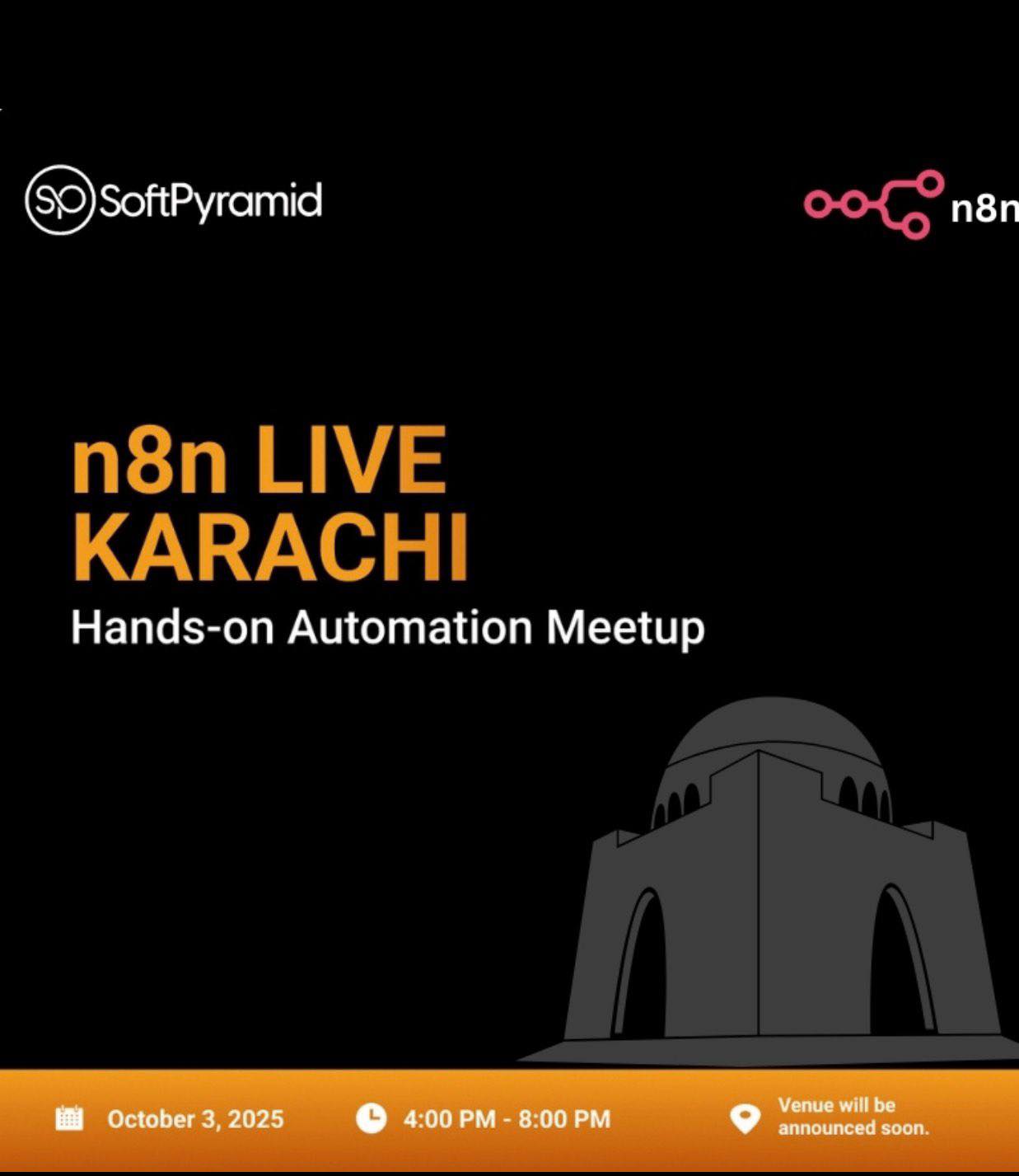
  • n8n LIVE is coming to Karachi!

    After the incredible response to n8n Live Lahore (https://softpyramid.dev/events/n8n-live-lahore) and n8n Live Islamabad (https://softpyramid.dev/n8nlive-islamabad), I’m excited to share that we’re now bringing n8n LIVE to Karachi!

    These events have shown how much talent and enthusiasm there is in Pakistan for automation, AI, and no-code tools—and Karachi is the next stop to keep this momentum going.

    If you’re in Karachi, don’t miss this hands-on workshop where we’ll build real-world automations together.
    Spots are limited—secure yours here: https://softpyramid.dev/n8nlive
    n8n LIVE is coming to Karachi! After the incredible response to n8n Live Lahore (https://softpyramid.dev/events/n8n-live-lahore) and n8n Live Islamabad (https://softpyramid.dev/n8nlive-islamabad), I’m excited to share that we’re now bringing n8n LIVE to Karachi! These events have shown how much talent and enthusiasm there is in Pakistan for automation, AI, and no-code tools—and Karachi is the next stop to keep this momentum going. If you’re in Karachi, don’t miss this hands-on workshop where we’ll build real-world automations together. Spots are limited—secure yours here: https://softpyramid.dev/n8nlive
    0 Yorumlar 0 hisse senetleri 72 Views
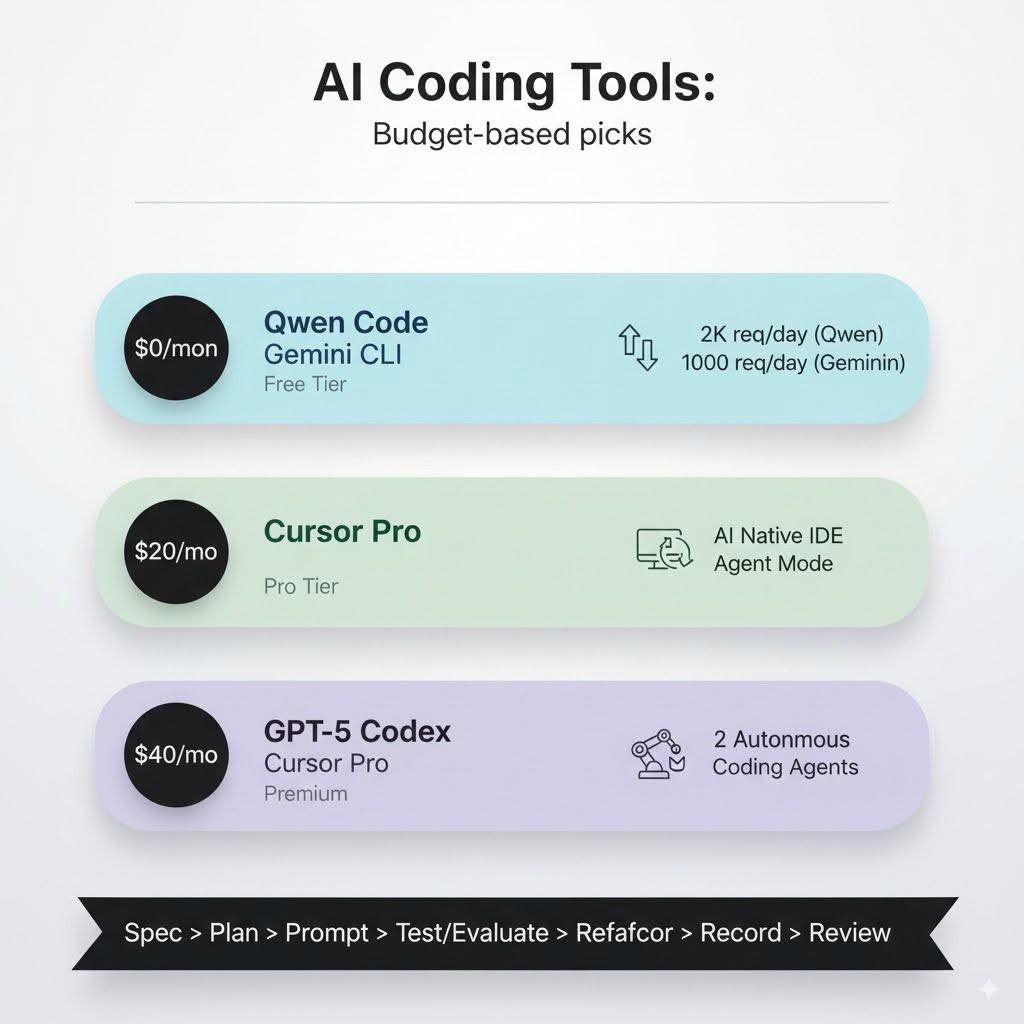
  • We have found a solution for students with no budget:
    https://github.com/panaversity/learn-agentic-ai/blob/main/06_prompt_driven_development/02_start_prompt_driven_development/readme.md

    Via Zia Khan
    We have found a solution for students with no budget: https://github.com/panaversity/learn-agentic-ai/blob/main/06_prompt_driven_development/02_start_prompt_driven_development/readme.md Via Zia Khan
    0 Yorumlar 0 hisse senetleri 474 Views