The Story of Makita – From Japan to the World
Over a hundred years ago, in the busy streets of Nagoya, Japan, a man named Mosaburo Makita opened a small repair shop. It was 1915, and the world was changing fast with electricity spreading across cities and industries. Mosaburo specialized in fixing motors, lighting equipment, and transformers. He had no idea then that his tiny shop would one day become a global symbol of innovation in power tools.
By the 1950s, Japan was rebuilding after World War II. Makita saw an opportunity: instead of just repairing machines, why not create new ones? In 1958, the company introduced Japan’s first electric hand planer. This was the turning point — carpenters and builders suddenly had a lightweight, reliable, and precise tool in their hands. Soon after, Makita launched drills, grinders, and saws, becoming a pioneer in electric tools.
But Makita’s vision was never limited to Japan. In the 1970s, the company expanded to Europe. One of its most successful steps was establishing Makita Werkzeug GmbH in Germany in 1977. Germany was already famous for engineering and construction excellence, so it was the perfect place for Makita to showcase its technology. German builders, carpenters, and factories quickly adopted Makita tools because of their durability, ergonomic design, and affordability compared to traditional European brands.
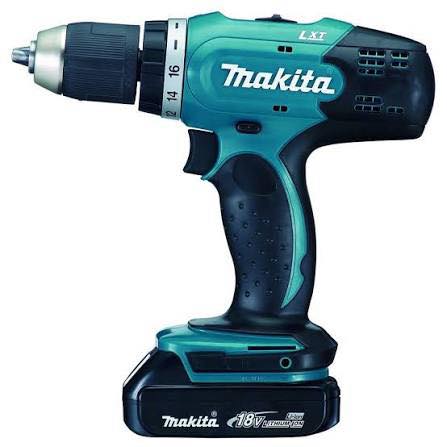
The secret of Makita’s success was not only innovation but also listening to workers. Every drill, every saw, every grinder was designed with comfort, safety, and efficiency in mind. As cordless technology grew, Makita once again led the way. Their 18V LXT Lithium-Ion battery system, launched in 2005, became the world’s largest cordless tool system. From construction sites in Tokyo to workshops in Berlin, professionals began relying on Makita as their daily companion.
In Germany, Makita became more than just a brand — it became part of the culture of craftsmanship. Builders proudly carried the teal-colored cases, knowing the tools inside were tested to withstand years of heavy use. For German workers, who valued precision and reliability, Makita earned their trust alongside their own local brands.
Today, Makita operates in over 40 countries and sells in more than 160 nations. Its German branch remains one of the strongest, serving as a hub for Europe. From its humble beginning as a motor repair shop, Makita has built a century-long story of resilience, creativity, and global impact.
And if Mosaburo Makita could see today’s world — with millions of workers holding tools bearing his name — he would surely smile. His small dream in 1915 has become a worldwide legacy of innovation, craftsmanship, and trust.
Over a hundred years ago, in the busy streets of Nagoya, Japan, a man named Mosaburo Makita opened a small repair shop. It was 1915, and the world was changing fast with electricity spreading across cities and industries. Mosaburo specialized in fixing motors, lighting equipment, and transformers. He had no idea then that his tiny shop would one day become a global symbol of innovation in power tools.
By the 1950s, Japan was rebuilding after World War II. Makita saw an opportunity: instead of just repairing machines, why not create new ones? In 1958, the company introduced Japan’s first electric hand planer. This was the turning point — carpenters and builders suddenly had a lightweight, reliable, and precise tool in their hands. Soon after, Makita launched drills, grinders, and saws, becoming a pioneer in electric tools.
But Makita’s vision was never limited to Japan. In the 1970s, the company expanded to Europe. One of its most successful steps was establishing Makita Werkzeug GmbH in Germany in 1977. Germany was already famous for engineering and construction excellence, so it was the perfect place for Makita to showcase its technology. German builders, carpenters, and factories quickly adopted Makita tools because of their durability, ergonomic design, and affordability compared to traditional European brands.
The secret of Makita’s success was not only innovation but also listening to workers. Every drill, every saw, every grinder was designed with comfort, safety, and efficiency in mind. As cordless technology grew, Makita once again led the way. Their 18V LXT Lithium-Ion battery system, launched in 2005, became the world’s largest cordless tool system. From construction sites in Tokyo to workshops in Berlin, professionals began relying on Makita as their daily companion.
In Germany, Makita became more than just a brand — it became part of the culture of craftsmanship. Builders proudly carried the teal-colored cases, knowing the tools inside were tested to withstand years of heavy use. For German workers, who valued precision and reliability, Makita earned their trust alongside their own local brands.
Today, Makita operates in over 40 countries and sells in more than 160 nations. Its German branch remains one of the strongest, serving as a hub for Europe. From its humble beginning as a motor repair shop, Makita has built a century-long story of resilience, creativity, and global impact.
And if Mosaburo Makita could see today’s world — with millions of workers holding tools bearing his name — he would surely smile. His small dream in 1915 has become a worldwide legacy of innovation, craftsmanship, and trust.
The Story of Makita – From Japan to the World
Over a hundred years ago, in the busy streets of Nagoya, Japan, a man named Mosaburo Makita opened a small repair shop. It was 1915, and the world was changing fast with electricity spreading across cities and industries. Mosaburo specialized in fixing motors, lighting equipment, and transformers. He had no idea then that his tiny shop would one day become a global symbol of innovation in power tools.
By the 1950s, Japan was rebuilding after World War II. Makita saw an opportunity: instead of just repairing machines, why not create new ones? In 1958, the company introduced Japan’s first electric hand planer. This was the turning point — carpenters and builders suddenly had a lightweight, reliable, and precise tool in their hands. Soon after, Makita launched drills, grinders, and saws, becoming a pioneer in electric tools.
But Makita’s vision was never limited to Japan. In the 1970s, the company expanded to Europe. One of its most successful steps was establishing Makita Werkzeug GmbH in Germany in 1977. Germany was already famous for engineering and construction excellence, so it was the perfect place for Makita to showcase its technology. German builders, carpenters, and factories quickly adopted Makita tools because of their durability, ergonomic design, and affordability compared to traditional European brands.
The secret of Makita’s success was not only innovation but also listening to workers. Every drill, every saw, every grinder was designed with comfort, safety, and efficiency in mind. As cordless technology grew, Makita once again led the way. Their 18V LXT Lithium-Ion battery system, launched in 2005, became the world’s largest cordless tool system. From construction sites in Tokyo to workshops in Berlin, professionals began relying on Makita as their daily companion.
In Germany, Makita became more than just a brand — it became part of the culture of craftsmanship. Builders proudly carried the teal-colored cases, knowing the tools inside were tested to withstand years of heavy use. For German workers, who valued precision and reliability, Makita earned their trust alongside their own local brands.
Today, Makita operates in over 40 countries and sells in more than 160 nations. Its German branch remains one of the strongest, serving as a hub for Europe. From its humble beginning as a motor repair shop, Makita has built a century-long story of resilience, creativity, and global impact.
And if Mosaburo Makita could see today’s world — with millions of workers holding tools bearing his name — he would surely smile. His small dream in 1915 has become a worldwide legacy of innovation, craftsmanship, and trust.
0 تبصرے
0 شیئرز
130 ویوز