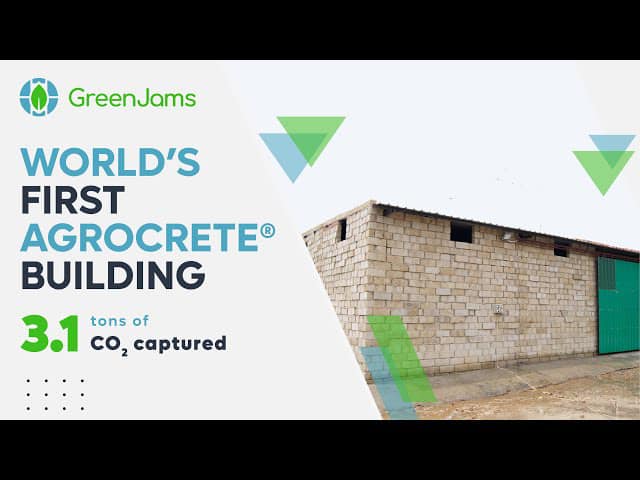
Making Agrocrete in Pakistan can leverage locally available agricultural waste and construction materials, which are abundant due to the country’s agricultural economy. Here’s a detailed guide tailored to Pakistan:
1. Sourcing Agricultural Waste
Pakistan produces significant agricultural waste that can be used to make Agrocrete:
• Wheat Straw or Rice Husk: Widely available in Punjab and Sindh.
• Sugarcane Bagasse: Abundant in sugarcane-growing regions like Punjab and Sindh.
• Cotton Stalks: Common in southern Punjab and Sindh.
• Corn Stalks and Husks: Found in KPK and Punjab.
• Sawdust: Available from timber markets in cities like Karachi, Lahore, and Peshawar.
You can source these materials from:
• Local farmers or agricultural cooperatives.
• Agro-industrial units (e.g., sugar mills for bagasse).
• Timber and sawmill suppliers.
2. Selecting Binders
Binders like lime and cement are readily available in Pakistan:
• Cement:
• Popular Brands: DG Cement, Lucky Cement, Maple Leaf Cement.
• Available at local hardware and construction material stores.
• Lime: Used traditionally in construction (chunai). Widely available in local markets, especially in rural areas.
3. Procuring Sand and Soil
• Sand: Easily available in most areas; you can source it from riverbeds or construction suppliers.
• Soil: Clay-rich soil is abundant and can be mixed for additional strength.
4. Equipment Needed
• Shredder/Grinder: For breaking down agricultural waste.
• Mixer: For combining materials (manual or motorized).
• Molds: Locally made metal or wooden molds are inexpensive and customizable.
• Curing Space: A shaded area to cure the blocks.
5. Step-by-Step Process
Step 1: Prepare Agricultural Waste
• Clean and shred agricultural waste into small pieces (2–5 mm size) using a shredder or manually with a cutter.
Step 2: Mix Ingredients
• Typical Ratios (Adjust based on strength requirements):
• 50–70% agricultural waste.
• 20–30% lime or cement.
• 10–20% sand or soil.
• Water: Add gradually until the mixture reaches a damp consistency.
• Optional additives: Fly ash (from coal-fired power plants) or natural resins (for waterproofing).
Step 3: Mold the Blocks
• Pour the mixture into molds.
• Compress firmly to remove air gaps.
Step 4: Curing
• Leave the blocks in the molds for 24–48 hours.
• Remove them and cure for 7–21 days by keeping them moist (spray with water) in a shaded area.
Step 5: Dry and Use
• After curing, let the blocks air-dry for maximum strength before use.
6. Where to Source Materials in Pakistan
• Agricultural Waste: Local farms, sugar mills, and sawmills.
• Binders:
• Lime: Chunai depots or lime suppliers in urban markets.
• Cement: Local hardware stores or distributors.
• Sand: Riverbeds (e.g., Chenab, Indus) or sand suppliers.
• Equipment:
• Metal molds: Available in metal workshops.
• Shredders/Mixers: Available in industrial markets like Lahore’s Montgomery Road or Karachi’s Jodia Bazaar.
7. Applications and Market Potential
• Low-Cost Housing: Ideal for rural and urban housing in areas with high temperatures.
• Insulated Panels: For sound and thermal insulation.
• Green Construction: Target eco-friendly builders and NGOs.
8. Compliance and Partnerships
• Compliance: Test for compressive strength to meet local building codes.
• Collaboration: Partner with agricultural organizations, NGOs, and universities for research and scaling.
Let me know if you’d like specific supplier recommendations or further help with Agrocrete in Pakistan!