• جیسمن پٹیل – پاکستان والی

    امریکہ سے پاکستان کا سفر، صرف ایک خواب کے لئے:
    استادِ مستقبل بننے کے لئے
    اپنے شہر اور ملک کو بدلنے کے لئے
    انسانوں کو جوڑنے کے لئے

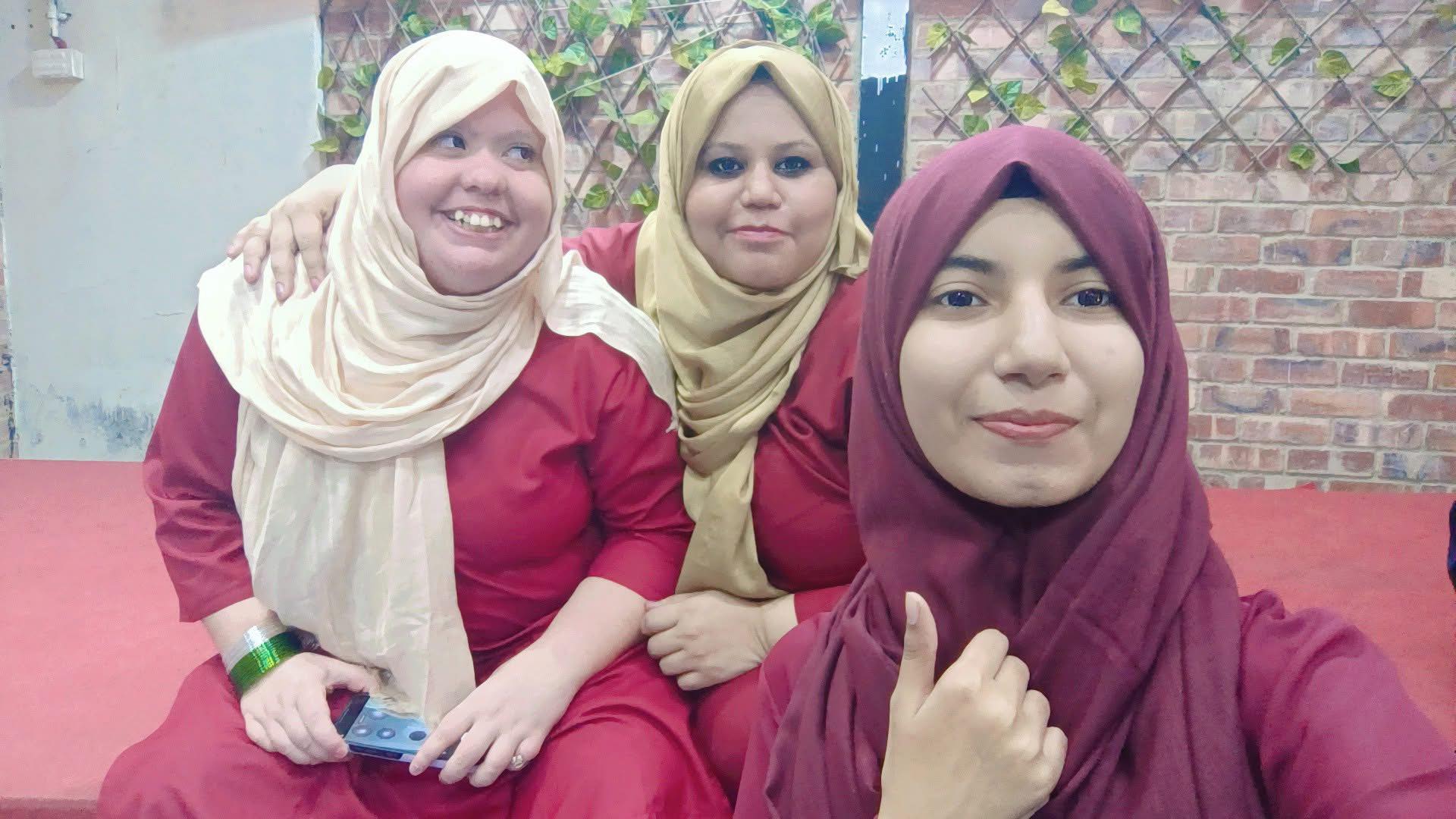
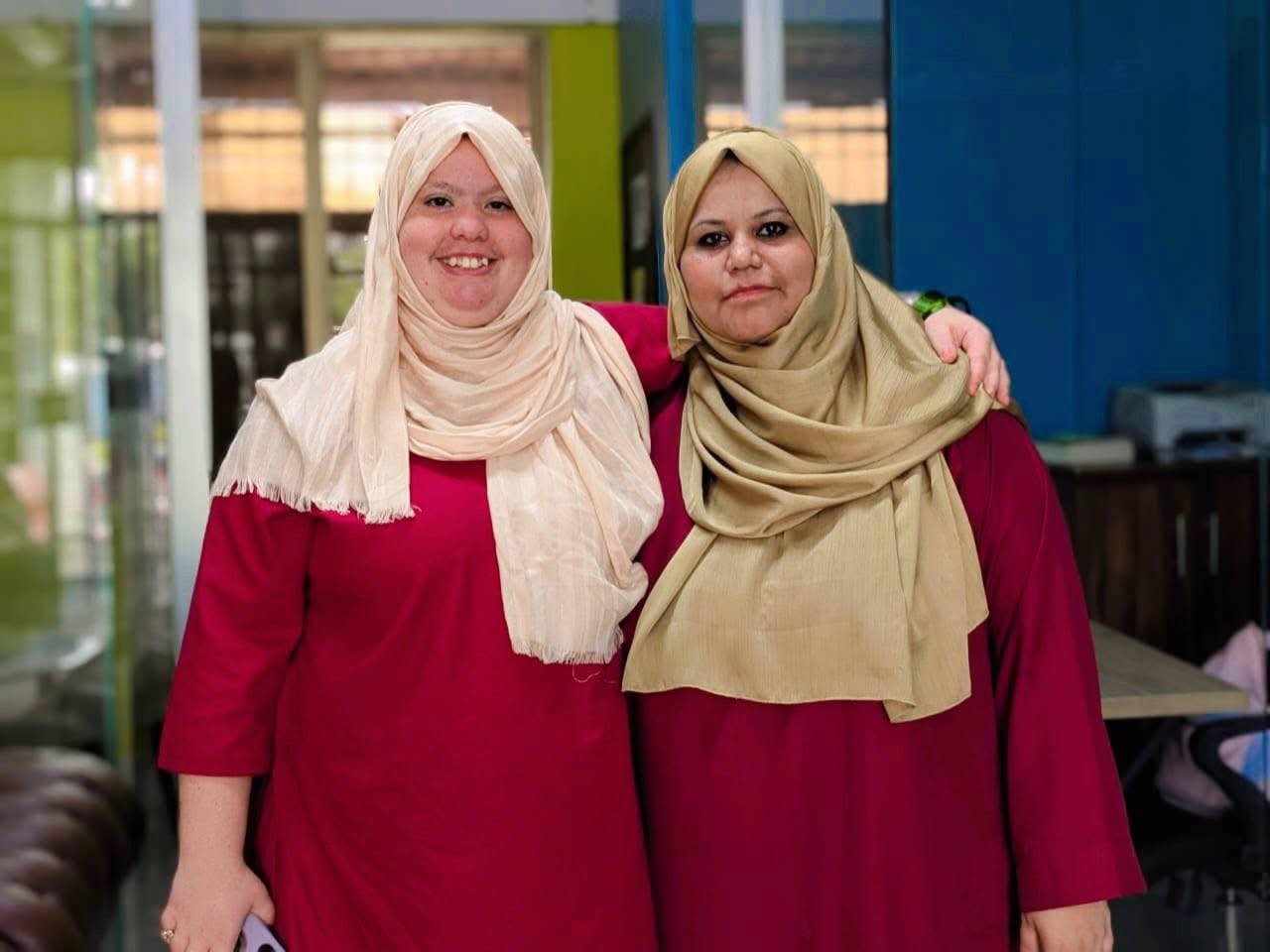
    آج ریحان اسکول کی سرخ وردی میں وہ ہمارے ساتھ کھڑی ہیں۔
    اگر وہ امریکہ چھوڑ کر پاکستان آ سکتی ہیں… تو آپ کو کیا روک رہا ہے؟

    آج ہی ٹیچر ٹریننگ پروگرام جوائن کریں اور انقلاب کا حصہ بنیں

    #جیسمن_پٹیل #پاکستانوالی #ریحان_اسکول #ٹیچر_ٹریننگ
    😭❤️ جیسمن پٹیل – پاکستان والی ❤️😭 امریکہ سے پاکستان کا سفر، صرف ایک خواب کے لئے: 👉 استادِ مستقبل بننے کے لئے 👉 اپنے شہر اور ملک کو بدلنے کے لئے 👉 انسانوں کو جوڑنے کے لئے 🌍 آج ریحان اسکول کی سرخ وردی میں وہ ہمارے ساتھ کھڑی ہیں۔ اگر وہ امریکہ چھوڑ کر پاکستان آ سکتی ہیں… تو آپ کو کیا روک رہا ہے؟ آج ہی ٹیچر ٹریننگ پروگرام جوائن کریں اور انقلاب کا حصہ بنیں 🚀 #جیسمن_پٹیل #پاکستانوالی #ریحان_اسکول #ٹیچر_ٹریننگ
    0 Комментарии 0 Поделились 1136 Просмотры
  • A Story That Touched My Heart Today

    Meet Jasmine Pakistanwali

    She left her comfort zone in the United States, crossed oceans, and came all the way to Pakistan — not for a vacation, not for business, but for a dream.

    A dream to learn, to grow, to transform herself into a teacher of the future. She joined our Teacher Training Facilitator Program with a burning desire:
    To take this movement back to her home, her town, her city, her country.
    To build schools where children will not just memorize, but lead, create, and connect with the entire world through AI and love.
    To hyperconnect humanity, so we stop seeing borders and only see each other as human beings.

    Standing in her red facilitator uniform today, she made me cry with joy . Because this is not just Jasmine’s story. This is the story of every one of us who dares to believe that we can change the world — one school, one child, one teacher at a time.

    If Jasmine can leave the U.S. to come learn in Pakistan, what’s stopping you?
    Take this leap of faith. Become part of this revolution.
    Enroll in our Teacher Training Program today, and let’s transform not just your home — but your entire nation.

    #RehanSchool #RehanCollege #FutureOfEducation #AIforHumanity #TeacherTraining #UnityAcrossBorders
    😭❤️ A Story That Touched My Heart Today ❤️😭 Meet Jasmine Pakistanwali She left her comfort zone in the United States, crossed oceans, and came all the way to Pakistan 🌍— not for a vacation, not for business, but for a dream. A dream to learn, to grow, to transform herself into a teacher of the future. She joined our Teacher Training Facilitator Program with a burning desire: 👉 To take this movement back to her home, her town, her city, her country. 👉 To build schools where children will not just memorize, but lead, create, and connect with the entire world through AI and love. 👉 To hyperconnect humanity, so we stop seeing borders and only see each other as human beings. Standing in her red facilitator uniform today, she made me cry with joy 😢. Because this is not just Jasmine’s story. This is the story of every one of us who dares to believe that we can change the world — one school, one child, one teacher at a time. If Jasmine can leave the U.S. to come learn in Pakistan, what’s stopping you? 🌟 Take this leap of faith. Become part of this revolution. Enroll in our Teacher Training Program today, and let’s transform not just your home — but your entire nation. 🚀 #RehanSchool #RehanCollege #FutureOfEducation #AIforHumanity #TeacherTraining #UnityAcrossBorders
    0 Комментарии 0 Поделились 2612 Просмотры
  • Chapter X: The American Reinvention

    For decades, the story of America was one of division: walls with Mexico, trade wars with China, political paralysis at home. But when Asia’s Alliance of Three Billion rose in the late 2020s, the U.S. realized it had two choices: sulk or reinvent.

    It chose reinvention.


    Step 1: The North American Union

    What began as a handshake between Washington, Ottawa, and Mexico City became the North American Union.
    • Borders opened — workers, students, and families crossed freely.
    • Maglev trains stitched the continent together: Toronto–New York in 90 minutes, Chicago–Mexico City in 5 hours, Los Angeles–Monterrey in 2.
    • Energy grids merged — Canada’s hydro, America’s wind, and Mexico’s solar lit up the entire continent.

    The old dream of “NAFTA” became reality — not just free trade, but free people.


    Step 2: The AI Renaissance

    Silicon Valley, once obsessed with ads and apps, pivoted to purpose. AI became America’s new Constitution.
    • Farmers in Kansas used AI drones to double harvests.
    • Teachers in Alabama used AI tutors, synced in real-time with classrooms in Oaxaca.
    • Small businesses in Detroit, Monterrey, and Vancouver launched global shops overnight using AI-powered trade platforms.

    AI didn’t replace people — it unleashed them. Millions of Americans, Mexicans, and Canadians became entrepreneurs in the global market.


    Step 3: Rebuilding Industry

    Factories that had rusted for decades roared back to life.
    • AI robotics rebuilt Detroit into the EV capital of the world.
    • Monterrey became the hub of green steel.
    • Canadian labs cracked breakthroughs in fusion energy, powering not just the Union but exporting clean power worldwide.

    Instead of competing, the three countries found their roles:
    • Mexico – the workshop.
    • Canada – the battery.
    • United States – the brain.

    Together, they were a machine no one could stop.


    Step 4: A Culture of Unity

    The deeper miracle wasn’t economic. It was cultural.
    • Spanish became as common in Texas as English.
    • Canadian students studied side-by-side with Mexicans and Americans in AI universities.
    • Families mixed, businesses mixed, music mixed. The borderlands that once divided became the new heartbeat of unity.


    Step 5: The Surprise Nobel

    Ironically, none of this would have happened without the chaos of 2025, when President Trump’s 50% tariff on Indian exports triggered Asia’s rise — and forced the U.S. to rethink itself.

    By 2030, historians admitted the tariff was the domino that toppled the old order. Without it, America might never have reinvented itself.

    And so, in the biggest twist of the century, the Nobel Committee awarded Donald J. Trump the Nobel Peace Prize in 2030 — not for avoiding mistakes, but for triggering the chain reaction that united nations, revived America, and fueled global peace.

    Even Trump himself joked at the ceremony:
    “Well folks, I told you, I make the best deals. Now I made the best peace.”

    The crowd laughed, and clapped — because it was true.


    Legacy

    By 2030, the North American Union was no longer three countries. It was one family — connected by trains, bound by AI, powered by clean energy, and surprisingly united by a mistake that turned into a miracle.

    On the walls of the new Parliament in Washington–Mexico City–Ottawa, one motto was engraved in three languages:

    “Alone we struggled. Together we soared.”


    Now copy this chapter and share it on your social media so others can imagine the reinvention of America and Trump’s unlikely Nobel Peace Prize.
    Hashtags: #PlanetUnion #Peace2030 #WorldUnited #AmericanReinvention #TrumpNobel

    Chapter X: The American Reinvention For decades, the story of America was one of division: walls with Mexico, trade wars with China, political paralysis at home. But when Asia’s Alliance of Three Billion rose in the late 2020s, the U.S. realized it had two choices: sulk or reinvent. It chose reinvention. ⸻ Step 1: The North American Union What began as a handshake between Washington, Ottawa, and Mexico City became the North American Union. • Borders opened — workers, students, and families crossed freely. • Maglev trains stitched the continent together: Toronto–New York in 90 minutes, Chicago–Mexico City in 5 hours, Los Angeles–Monterrey in 2. • Energy grids merged — Canada’s hydro, America’s wind, and Mexico’s solar lit up the entire continent. The old dream of “NAFTA” became reality — not just free trade, but free people. ⸻ Step 2: The AI Renaissance Silicon Valley, once obsessed with ads and apps, pivoted to purpose. AI became America’s new Constitution. • Farmers in Kansas used AI drones to double harvests. • Teachers in Alabama used AI tutors, synced in real-time with classrooms in Oaxaca. • Small businesses in Detroit, Monterrey, and Vancouver launched global shops overnight using AI-powered trade platforms. AI didn’t replace people — it unleashed them. Millions of Americans, Mexicans, and Canadians became entrepreneurs in the global market. ⸻ Step 3: Rebuilding Industry Factories that had rusted for decades roared back to life. • AI robotics rebuilt Detroit into the EV capital of the world. • Monterrey became the hub of green steel. • Canadian labs cracked breakthroughs in fusion energy, powering not just the Union but exporting clean power worldwide. Instead of competing, the three countries found their roles: • Mexico – the workshop. • Canada – the battery. • United States – the brain. Together, they were a machine no one could stop. ⸻ Step 4: A Culture of Unity The deeper miracle wasn’t economic. It was cultural. • Spanish became as common in Texas as English. • Canadian students studied side-by-side with Mexicans and Americans in AI universities. • Families mixed, businesses mixed, music mixed. The borderlands that once divided became the new heartbeat of unity. ⸻ Step 5: The Surprise Nobel Ironically, none of this would have happened without the chaos of 2025, when President Trump’s 50% tariff on Indian exports triggered Asia’s rise — and forced the U.S. to rethink itself. By 2030, historians admitted the tariff was the domino that toppled the old order. Without it, America might never have reinvented itself. And so, in the biggest twist of the century, the Nobel Committee awarded Donald J. Trump the Nobel Peace Prize in 2030 — not for avoiding mistakes, but for triggering the chain reaction that united nations, revived America, and fueled global peace. Even Trump himself joked at the ceremony: “Well folks, I told you, I make the best deals. Now I made the best peace.” The crowd laughed, and clapped — because it was true. ⸻ Legacy By 2030, the North American Union was no longer three countries. It was one family — connected by trains, bound by AI, powered by clean energy, and surprisingly united by a mistake that turned into a miracle. On the walls of the new Parliament in Washington–Mexico City–Ottawa, one motto was engraved in three languages: “Alone we struggled. Together we soared.” ⸻ 👉 Now copy this chapter and share it on your social media so others can imagine the reinvention of America and Trump’s unlikely Nobel Peace Prize. Hashtags: #PlanetUnion #Peace2030 #WorldUnited #AmericanReinvention #TrumpNobel

    0 Комментарии 0 Поделились 799 Просмотры
  • باب 6: بھارت اور پاکستان – امن کا موسم

    دہائیوں تک بھارت اور پاکستان نے ایک دوسرے سے فوجوں، تقریروں اور کرکٹ کے ذریعے لڑائی لڑی۔ لیکن 2025 میں قدرت نے سب کو اصل سبق سکھا دیا: ایک ایسا سیلاب جسے کوئی سرحد روک نہ سکی۔


    2025 کا سیلاب

    اس سال مانسون کی بارشیں بے قابو ہو گئیں۔ سندھ، پنجاب اور گجرات کے گاؤں سمندر کی طرح اٹھتی ہوئی لہروں میں ڈوب گئے۔ لاکھوں لوگ بے گھر ہو گئے۔ خاندان چھتوں پر پناہ لینے پر مجبور ہو گئے۔ اربوں روپے کی فصلیں تباہ ہو گئیں۔

    اور دونوں ملکوں کے عوام ایک ہی سچائی دہرانے لگے:
    “اس سیلاب نے ہم سب کو ان تمام جنگوں سے زیادہ نقصان پہنچایا جو ہم نے ایک دوسرے کے ساتھ کیں۔”

    اچانک قوم پرستی کے نعرے پانی کے سامنے بہت چھوٹے لگنے لگے۔


    دشمن، محافظ بن گئے

    اصل موڑ اس وقت آیا جب بھارتی فضائیہ کے ہیلی کاپٹر پاکستانی فضائی حدود میں داخل ہوئے — ہتھیاروں کے ساتھ نہیں بلکہ خوراک اور کشتیوں کے ساتھ۔ گاؤں کے لوگوں نے دشمنی نہیں دکھائی، بلکہ ہاتھ ہلا کر استقبال کیا، دعائیں دیں اور چائے پلائی۔

    کچھ دن بعد پاکستانی ڈاکٹر راجستھان میں عارضی کلینک بنانے پہنچے۔ سوشل میڈیا پر بھارتی پائلٹ اور پاکستانی گاؤں والوں کی ایک ساتھ چائے پینے کی تصویر وائرل ہو گئی۔ کیپشن تھا:
    “سیلاب کو ویزے کی ضرورت نہیں، تو ہمدردی کو کیوں ہو؟”


    سندھ–گنگا معاہدہ

    2026 کے اوائل میں دونوں ممالک نے “انڈس کلائمیٹ ایکارڈ” پر دستخط کیے۔ اس نے وہ بجٹ جو ہتھیاروں پر خرچ ہوتا تھا، مشترکہ منصوبوں پر لگا دیا:
    • سندھ اور پنجاب میں مشترکہ سیلاب کنٹرول سسٹم۔
    • انڈس ریور بیسن اتھارٹی جس میں بھارتی اور پاکستانی انجینئر برابر شامل۔
    • تھر کے ریگستان میں مشترکہ سولر اور ونڈ فارمز جہاں پہلے توپیں اور ٹینک کھڑے ہوتے تھے۔

    نوجوان انجینئرز اور سائنسدان سرحد پار آزادانہ جانے لگے — جاسوس بن کر نہیں بلکہ “کلائمیٹ فیلو” بن کر۔


    عوامی امن

    پناہ گزین کیمپوں نے دشمنی کی دیواریں توڑ دیں۔ مائیں ایک دوسرے کو کھانے کی ترکیبیں سکھانے لگیں، بچے کھلونے بانٹنے لگے، اور بزرگ تقسیم سے پہلے کے زمانے کی کہانیاں سنانے لگے جب سب ایک ساتھ رہتے تھے۔

    یہ کرکٹ، نہ سفارت کاری، نہ ہی معاہدے تھے جنہوں نے امن لایا۔ یہ تھا 2025 کا پانی — جس نے دونوں قوموں کو دکھایا کہ اصل دشمن ایک دوسرے نہیں، بلکہ ماحولیاتی تبدیلی ہے۔


    وراثت

    2030 تک، بھارت اور پاکستان کو Planet Union کی نصابی کتابوں میں “کلائمیٹ پیس کے بانی” کہا جانے لگا۔

    برصغیر میں ایک نئی کہاوت مشہور ہوئی:
    “جب دریا اٹھتے ہیں، تو ہم سب کو ساتھ اٹھنا چاہیے۔”

    اور وہ بچے جو 2025 کے سیلابی کیمپوں میں پیدا ہوئے، بڑے ہو کر پہلی نسل بنے جس نے جنگ نہیں بلکہ دوستی کو اپنی وراثت پایا۔


    اب اس باب کو کاپی کریں اور اپنے سوشل میڈیا پر شیئر کریں تاکہ دوسرے بھی بھارت اور پاکستان کو ایک ساتھ سیلابوں اور ماحولیاتی تبدیلی سے لڑتے دیکھ سکیں۔
    ہیش ٹیگز: #PlanetUnion #Peace2030 #WorldUnited #AIStories #ClimatePeace
    باب 6: بھارت اور پاکستان – امن کا موسم دہائیوں تک بھارت اور پاکستان نے ایک دوسرے سے فوجوں، تقریروں اور کرکٹ کے ذریعے لڑائی لڑی۔ لیکن 2025 میں قدرت نے سب کو اصل سبق سکھا دیا: ایک ایسا سیلاب جسے کوئی سرحد روک نہ سکی۔ ⸻ 2025 کا سیلاب اس سال مانسون کی بارشیں بے قابو ہو گئیں۔ سندھ، پنجاب اور گجرات کے گاؤں سمندر کی طرح اٹھتی ہوئی لہروں میں ڈوب گئے۔ لاکھوں لوگ بے گھر ہو گئے۔ خاندان چھتوں پر پناہ لینے پر مجبور ہو گئے۔ اربوں روپے کی فصلیں تباہ ہو گئیں۔ اور دونوں ملکوں کے عوام ایک ہی سچائی دہرانے لگے: “اس سیلاب نے ہم سب کو ان تمام جنگوں سے زیادہ نقصان پہنچایا جو ہم نے ایک دوسرے کے ساتھ کیں۔” اچانک قوم پرستی کے نعرے پانی کے سامنے بہت چھوٹے لگنے لگے۔ ⸻ دشمن، محافظ بن گئے اصل موڑ اس وقت آیا جب بھارتی فضائیہ کے ہیلی کاپٹر پاکستانی فضائی حدود میں داخل ہوئے — ہتھیاروں کے ساتھ نہیں بلکہ خوراک اور کشتیوں کے ساتھ۔ گاؤں کے لوگوں نے دشمنی نہیں دکھائی، بلکہ ہاتھ ہلا کر استقبال کیا، دعائیں دیں اور چائے پلائی۔ کچھ دن بعد پاکستانی ڈاکٹر راجستھان میں عارضی کلینک بنانے پہنچے۔ سوشل میڈیا پر بھارتی پائلٹ اور پاکستانی گاؤں والوں کی ایک ساتھ چائے پینے کی تصویر وائرل ہو گئی۔ کیپشن تھا: “سیلاب کو ویزے کی ضرورت نہیں، تو ہمدردی کو کیوں ہو؟” ⸻ سندھ–گنگا معاہدہ 2026 کے اوائل میں دونوں ممالک نے “انڈس کلائمیٹ ایکارڈ” پر دستخط کیے۔ اس نے وہ بجٹ جو ہتھیاروں پر خرچ ہوتا تھا، مشترکہ منصوبوں پر لگا دیا: • سندھ اور پنجاب میں مشترکہ سیلاب کنٹرول سسٹم۔ • انڈس ریور بیسن اتھارٹی جس میں بھارتی اور پاکستانی انجینئر برابر شامل۔ • تھر کے ریگستان میں مشترکہ سولر اور ونڈ فارمز جہاں پہلے توپیں اور ٹینک کھڑے ہوتے تھے۔ نوجوان انجینئرز اور سائنسدان سرحد پار آزادانہ جانے لگے — جاسوس بن کر نہیں بلکہ “کلائمیٹ فیلو” بن کر۔ ⸻ عوامی امن پناہ گزین کیمپوں نے دشمنی کی دیواریں توڑ دیں۔ مائیں ایک دوسرے کو کھانے کی ترکیبیں سکھانے لگیں، بچے کھلونے بانٹنے لگے، اور بزرگ تقسیم سے پہلے کے زمانے کی کہانیاں سنانے لگے جب سب ایک ساتھ رہتے تھے۔ یہ کرکٹ، نہ سفارت کاری، نہ ہی معاہدے تھے جنہوں نے امن لایا۔ یہ تھا 2025 کا پانی — جس نے دونوں قوموں کو دکھایا کہ اصل دشمن ایک دوسرے نہیں، بلکہ ماحولیاتی تبدیلی ہے۔ ⸻ وراثت 2030 تک، بھارت اور پاکستان کو Planet Union کی نصابی کتابوں میں “کلائمیٹ پیس کے بانی” کہا جانے لگا۔ برصغیر میں ایک نئی کہاوت مشہور ہوئی: “جب دریا اٹھتے ہیں، تو ہم سب کو ساتھ اٹھنا چاہیے۔” اور وہ بچے جو 2025 کے سیلابی کیمپوں میں پیدا ہوئے، بڑے ہو کر پہلی نسل بنے جس نے جنگ نہیں بلکہ دوستی کو اپنی وراثت پایا۔ ⸻ 👉 اب اس باب کو کاپی کریں اور اپنے سوشل میڈیا پر شیئر کریں تاکہ دوسرے بھی بھارت اور پاکستان کو ایک ساتھ سیلابوں اور ماحولیاتی تبدیلی سے لڑتے دیکھ سکیں۔ ہیش ٹیگز: #PlanetUnion #Peace2030 #WorldUnited #AIStories #ClimatePeace
    0 Комментарии 0 Поделились 1442 Просмотры
  • 0 Комментарии 0 Поделились 52 Просмотры
  • 0 Комментарии 0 Поделились 56 Просмотры
  • 0 Комментарии 0 Поделились 63 Просмотры
  • Sacsayhuamán: The Giant Fortress of the Incas

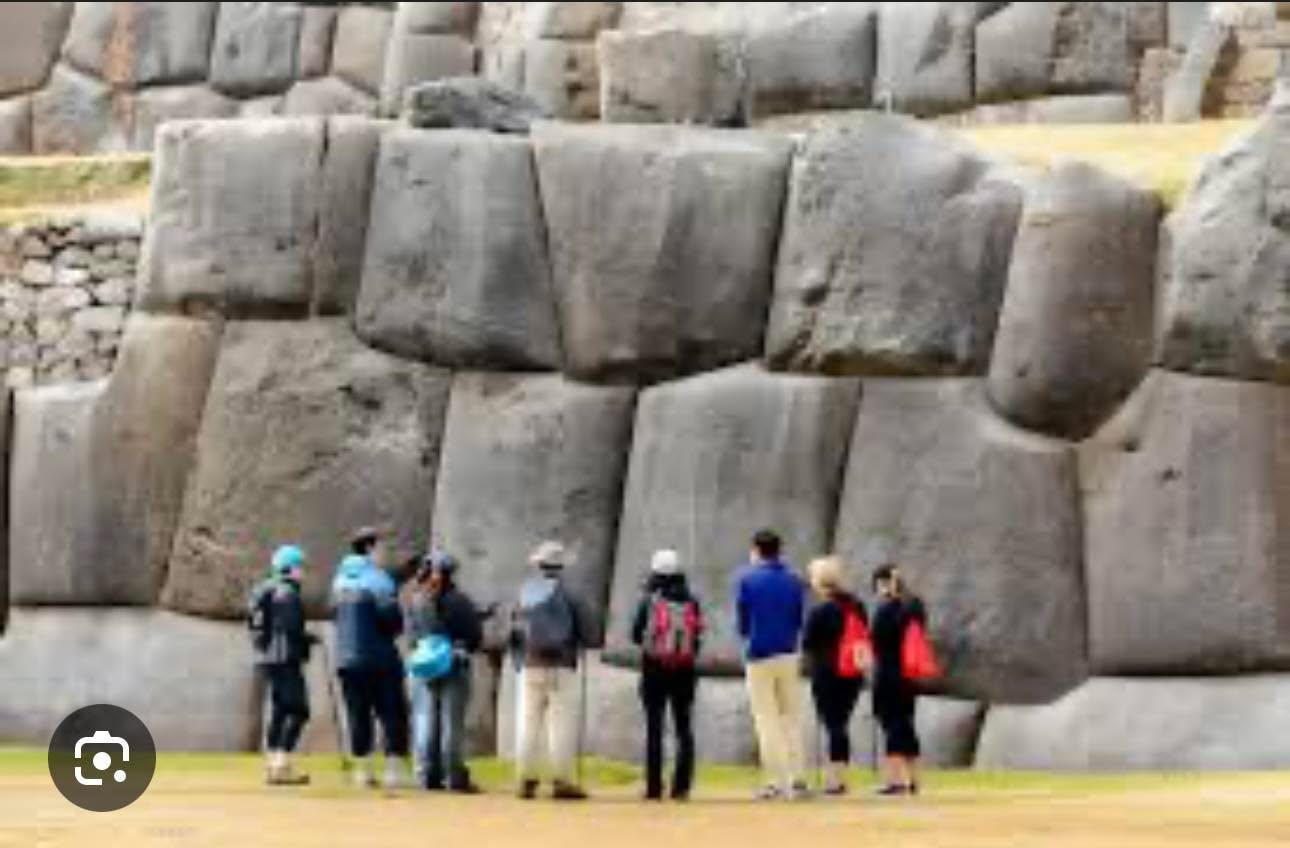
    High above the city of Cusco in Peru lies Sacsayhuamán, one of the greatest architectural achievements of the Inca Empire. From a distance, it looks like a wall of giant stones stacked together, but once you get close, you realize it is something extraordinary. Each stone is cut so perfectly that it fits into the next one like pieces of a puzzle—without using any cement or mortar. Even today, after hundreds of years and many earthquakes, the walls still stand strong.


    The Beginning

    Before the Incas became powerful, another people called the Killke culture lived in the area around 900 AD. They first used this site for ceremonies. When the Incas rose to power in the 1400s, their great leader Pachacútec decided to turn it into something much bigger: a fortress and ceremonial center that would protect Cusco and show the strength of the empire.


    How It Was Built

    The Incas did not have iron tools, wheels, or modern machines, yet they managed to cut and move stones weighing up to 125 tons. These stones were dragged from quarries several kilometers away using ropes, wooden rollers, ramps, and pure human strength. More than 20,000 workers were brought from different parts of the empire to build Sacsayhuamán.

    What makes this fortress so special is the way the stones were shaped. Each one was carved by hand until it fit perfectly with its neighbors. The Incas used a technique called ashlar masonry—cutting the stones so precisely that not even a sheet of paper can fit between them. They also designed the walls in a zigzag shape, which made them flexible and strong enough to resist earthquakes. That’s why the walls still stand today while many colonial buildings fell.


    Why It Was Important

    Sacsayhuamán was not only a military fortress. It also had a deep religious and symbolic meaning. Cusco, the Inca capital, was designed in the shape of a puma, a sacred animal. Sacsayhuamán was considered the “head” of the puma. Inside the fortress, there were towers, open squares for ceremonies, and sacred areas used by priests.

    It was a place where soldiers defended the empire, priests performed rituals, and the emperor showed his power.


    The Spanish Conquest

    In 1536, when the Spanish invaded Peru, the fortress became the center of a great battle. Inca warriors fought bravely to defend it. One famous hero, Cahuide, refused to be captured and threw himself from the top of a tower. Despite their courage, the Incas lost, and the Spanish took control.

    Later, the Spanish destroyed many parts of Sacsayhuamán. They took the stones to build churches and houses in Cusco, including the famous cathedral. Only the largest stones were left behind because they were too heavy to move.


    Sacsayhuamán Today

    Today, Sacsayhuamán is a UNESCO World Heritage Site and one of the most visited places in Peru. Tourists from all over the world come to see its giant walls and wonder how the Incas managed such an incredible feat without modern technology.

    Every year on June 24, thousands gather there to celebrate Inti Raymi, the Festival of the Sun, which reenacts Inca traditions and honors their gods.

    Sacsayhuamán is more than just stones—it is a symbol of the creativity, power, and determination of the Inca civilization.


    Conclusion

    Sacsayhuamán teaches us that with vision, teamwork, and determination, human beings can achieve the impossible. It has survived centuries of earthquakes, battles, and colonization, and still stands as proof of the genius of the Inca people.


    References
    • Wikipedia – Sacsayhuamán
    • Britannica – Sacsayhuamán Fortress
    • Salkantay Trekking – The Ultimate Guide to Sacsayhuamán
    • Rainforest Cruises – Guide to Sacsayhuamán
    • Peruvian Sunrise – History and Architecture of Sacsayhuamán
    • Trexperience Peru – History of Sacsayhuamán
    Sacsayhuamán: The Giant Fortress of the Incas High above the city of Cusco in Peru lies Sacsayhuamán, one of the greatest architectural achievements of the Inca Empire. From a distance, it looks like a wall of giant stones stacked together, but once you get close, you realize it is something extraordinary. Each stone is cut so perfectly that it fits into the next one like pieces of a puzzle—without using any cement or mortar. Even today, after hundreds of years and many earthquakes, the walls still stand strong. ⸻ The Beginning Before the Incas became powerful, another people called the Killke culture lived in the area around 900 AD. They first used this site for ceremonies. When the Incas rose to power in the 1400s, their great leader Pachacútec decided to turn it into something much bigger: a fortress and ceremonial center that would protect Cusco and show the strength of the empire. ⸻ How It Was Built The Incas did not have iron tools, wheels, or modern machines, yet they managed to cut and move stones weighing up to 125 tons. These stones were dragged from quarries several kilometers away using ropes, wooden rollers, ramps, and pure human strength. More than 20,000 workers were brought from different parts of the empire to build Sacsayhuamán. What makes this fortress so special is the way the stones were shaped. Each one was carved by hand until it fit perfectly with its neighbors. The Incas used a technique called ashlar masonry—cutting the stones so precisely that not even a sheet of paper can fit between them. They also designed the walls in a zigzag shape, which made them flexible and strong enough to resist earthquakes. That’s why the walls still stand today while many colonial buildings fell. ⸻ Why It Was Important Sacsayhuamán was not only a military fortress. It also had a deep religious and symbolic meaning. Cusco, the Inca capital, was designed in the shape of a puma, a sacred animal. Sacsayhuamán was considered the “head” of the puma. Inside the fortress, there were towers, open squares for ceremonies, and sacred areas used by priests. It was a place where soldiers defended the empire, priests performed rituals, and the emperor showed his power. ⸻ The Spanish Conquest In 1536, when the Spanish invaded Peru, the fortress became the center of a great battle. Inca warriors fought bravely to defend it. One famous hero, Cahuide, refused to be captured and threw himself from the top of a tower. Despite their courage, the Incas lost, and the Spanish took control. Later, the Spanish destroyed many parts of Sacsayhuamán. They took the stones to build churches and houses in Cusco, including the famous cathedral. Only the largest stones were left behind because they were too heavy to move. ⸻ Sacsayhuamán Today Today, Sacsayhuamán is a UNESCO World Heritage Site and one of the most visited places in Peru. Tourists from all over the world come to see its giant walls and wonder how the Incas managed such an incredible feat without modern technology. Every year on June 24, thousands gather there to celebrate Inti Raymi, the Festival of the Sun, which reenacts Inca traditions and honors their gods. Sacsayhuamán is more than just stones—it is a symbol of the creativity, power, and determination of the Inca civilization. ⸻ Conclusion Sacsayhuamán teaches us that with vision, teamwork, and determination, human beings can achieve the impossible. It has survived centuries of earthquakes, battles, and colonization, and still stands as proof of the genius of the Inca people. ⸻ References • Wikipedia – Sacsayhuamán • Britannica – Sacsayhuamán Fortress • Salkantay Trekking – The Ultimate Guide to Sacsayhuamán • Rainforest Cruises – Guide to Sacsayhuamán • Peruvian Sunrise – History and Architecture of Sacsayhuamán • Trexperience Peru – History of Sacsayhuamán
    0 Комментарии 0 Поделились 811 Просмотры
  • AI آ چکی ہے — اپنے اسکول کے بچوں کو پیچھے مت رہنے دیں!

    ہر صدی میں ایک ایجاد آتی ہے جو دنیا بدل دیتی ہے۔
    اس صدی کی سب سے بڑی ایجاد ہے: آرٹیفیشل انٹیلیجنس (AI).

    دنیا آگے بڑھ رہی ہے۔
    کل کے لیڈر وہی ہوں گے جو آج AI سیکھیں گے۔
    جو نہیں سیکھیں گے، وہ کل کے دور میں صرف ناظر بن کر رہ جائیں گے۔

    اسی لیے ریحان اسکول آپ کے لیے لایا ہے:
    مفت ایک گھنٹے کا فزیکل AI اوریئنٹیشن ورکشاپ — براہِ راست آپ کے اسکول میں۔

    اس ایک گھنٹے میں ہم آپ کے طلبہ اور اساتذہ کو دکھائیں گے:
    پڑھائی کو AI سے کس طرح آسان اور دلچسپ بنایا جا سکتا ہے
    AI کیسے دنیا کی ہر نوکری اور صنعت کو بدل رہا ہے
    آپ کے اسکول کے بچے مستقبل کے لیے آج سے کیسے تیار ہو سکتے ہیں

    یہ ورکشاپ صرف تعلیم نہیں — یہ آپ کے اسکول کے بچوں کا مستقبل ہے۔

    اپنے اسکول کے پرنسپل اور اساتذہ کو ٹَیگ کریں تاکہ وہ ہمیں اپنے اسکول بلائیں۔

    ورکشاپ بالکل مفت ہے۔ صرف ہماری ٹیم کے لیے سفر کا خرچ اسکول کو ادا کرنا ہوگا۔

    یاد رکھیں: جو آج AI نہیں سیکھیں گے، کل کے دور میں پیچھے رہ جائیں گے۔
    اپنے اسکول کے بچوں کو پیچھے مت چھوڑیں۔

    مستقبل دروازہ کھٹکھٹا رہا ہے۔ کیا آپ کا اسکول دروازہ کھولے گا؟

    https://chat.whatsapp.com/LpmRU6iu4Kk5pt4OpF8tg6?mode=ems_copy_c

    اس واٹس ایپ گروپ میں شامل ہو کر اپوائنٹمنٹ بک کریں۔
    🔥 AI آ چکی ہے — اپنے اسکول کے بچوں کو پیچھے مت رہنے دیں! 🔥 ہر صدی میں ایک ایجاد آتی ہے جو دنیا بدل دیتی ہے۔ اس صدی کی سب سے بڑی ایجاد ہے: آرٹیفیشل انٹیلیجنس (AI). دنیا آگے بڑھ رہی ہے۔ کل کے لیڈر وہی ہوں گے جو آج AI سیکھیں گے۔ جو نہیں سیکھیں گے، وہ کل کے دور میں صرف ناظر بن کر رہ جائیں گے۔ اسی لیے ریحان اسکول آپ کے لیے لایا ہے: 🎓 مفت ایک گھنٹے کا فزیکل AI اوریئنٹیشن ورکشاپ — براہِ راست آپ کے اسکول میں۔ اس ایک گھنٹے میں ہم آپ کے طلبہ اور اساتذہ کو دکھائیں گے: ✅ پڑھائی کو AI سے کس طرح آسان اور دلچسپ بنایا جا سکتا ہے ✅ AI کیسے دنیا کی ہر نوکری اور صنعت کو بدل رہا ہے ✅ آپ کے اسکول کے بچے مستقبل کے لیے آج سے کیسے تیار ہو سکتے ہیں 📢 یہ ورکشاپ صرف تعلیم نہیں — یہ آپ کے اسکول کے بچوں کا مستقبل ہے۔ 👉 اپنے اسکول کے پرنسپل اور اساتذہ کو ٹَیگ کریں تاکہ وہ ہمیں اپنے اسکول بلائیں۔ 💡 ورکشاپ بالکل مفت ہے۔ صرف ہماری ٹیم کے لیے سفر کا خرچ اسکول کو ادا کرنا ہوگا۔ ⚠️ یاد رکھیں: جو آج AI نہیں سیکھیں گے، کل کے دور میں پیچھے رہ جائیں گے۔ اپنے اسکول کے بچوں کو پیچھے مت چھوڑیں۔ 🌍 مستقبل دروازہ کھٹکھٹا رہا ہے۔ کیا آپ کا اسکول دروازہ کھولے گا؟ https://chat.whatsapp.com/LpmRU6iu4Kk5pt4OpF8tg6?mode=ems_copy_c 👉 اس واٹس ایپ گروپ میں شامل ہو کر اپوائنٹمنٹ بک کریں۔
    0 Комментарии 0 Поделились 88 Просмотры
  • Ready to Step Into the Future?
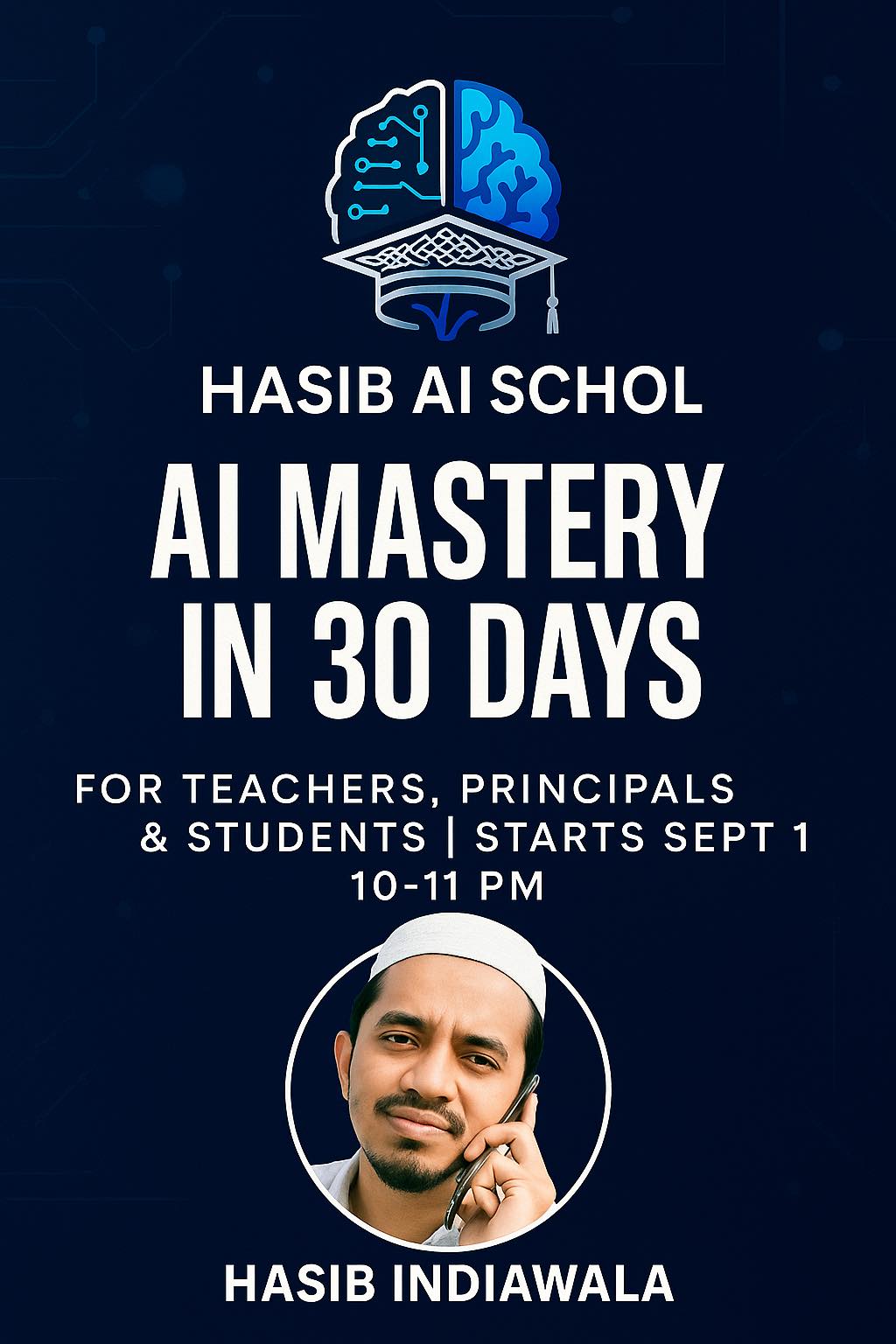
    Imagine your child learning Artificial Intelligence (AI) — the skill of tomorrow — in just 30 days!

    At Hasib AI School, we are offering a fun, interactive, and beginner-friendly program where students aged 9 to 16 can learn how to:
    Use AI tools for studies and creativity
    Build confidence in technology
    Prepare for future careers while still in school

    Designed for young minds, this course makes AI simple, exciting, and practical — no technical background needed!

    Starts September 1

    For students, principals, and teachers!

    Give your child the advantage of becoming AI-ready today.
    Limited seats. Enroll now and let them master the future!

    +9198194 88785

    https://chat.whatsapp.com/F2HUsRqfPmw5DwSNuno7Cp?mode=ems_copy_c
    🚀 Ready to Step Into the Future? Imagine your child learning Artificial Intelligence (AI) — the skill of tomorrow — in just 30 days! 🌍✨ At Hasib AI School, we are offering a fun, interactive, and beginner-friendly program where students aged 9 to 16 can learn how to: ✅ Use AI tools for studies and creativity ✅ Build confidence in technology ✅ Prepare for future careers while still in school 👩‍🏫 Designed for young minds, this course makes AI simple, exciting, and practical — no technical background needed! 📅 Starts September 1 🎓 For students, principals, and teachers! Give your child the advantage of becoming AI-ready today. 👉 Limited seats. Enroll now and let them master the future! +9198194 88785 https://chat.whatsapp.com/F2HUsRqfPmw5DwSNuno7Cp?mode=ems_copy_c
    0 Комментарии 0 Поделились 39 Просмотры