• The Forgotten Lesson of Henry Ford — And Why Pakistan Must Wake Up

    When Henry Ford launched the Model T in 1908, he didn’t just give the world a car. He gave the world a system. He invented the moving assembly line, broke work into repeatable steps, and doubled his workers’ wages so they could afford the very cars they were building.

    His genius was simple: focus on quantity, and quality will follow. Build something again and again, and it will naturally get better and cheaper. That’s why the price of the Model T dropped from $825 to $260 in less than a decade. Ford didn’t just sell cars — he created a factory process that transformed America.


    Pakistan: A Sleeping Giant

    Now look at Pakistan. Every day, 20,000 babies are born here. Every year, 7 million new lives are added. By the time they reach 21, they need bicycles, motorbikes, rickshaws, cars, jobs, and hope.

    And what are we producing? Almost nothing. No Pakistani bicycle brand. No Pakistani motorbike brand. No Pakistani car. No Pakistani rickshaw. We are still proud of exporting masalas, rice, cotton, and onions — the same way the East India Company trained us centuries ago: ship raw material, import finished products.

    We are happy to be China’s supplier. But we are not happy to make and sell to ourselves.


    The Excuse of Government

    When asked why, most businessmen in Pakistan say: “The government doesn’t support us.”

    But look at history. In America, Rockefeller built Standard Oil into the largest company of his time. The U.S. government broke his empire into 34 pieces. Did he cry? Did he quit? No. He rebuilt, reinvested, and became even richer.

    So why are we giving up? Why do we think the government is against us? Even if the government is against you, the people are not. The customers are waiting for you.


    Proof From Pakistan Itself

    We don’t even need to look abroad for examples anymore.
    • Jebran Niaz started with a dream and, in just six years, built one of the world’s top Amazon private-label brands. From Pakistan, he created factories that now employ tens of thousands of people, exporting thousands of containers every year. He proved that a Pakistani entrepreneur can build a global empire by focusing on process, scale, and courage.
    • Shan Masala began in a one-room setup in Karachi in 1981. Today, it is a household name across 70+ countries, a company worth hundreds of millions of dollars. It faced bans, inflation, crises — yet kept going. And now, when people in London, Dubai, or Toronto open their kitchens, they see Pakistan inside their spice rack.

    These are not stories from Silicon Valley. These are stories from Karachi and Lahore. Proof that it can be done here, in our soil, with our people.


    What Should We Build?
    • Our own bicycle so every child dreams of riding a Pakistani brand.
    • Our own motorbike so every young adult can afford mobility.
    • Our own electric rickshaw to carry millions daily without polluting the air.
    • Our own small city car that is built and engineered in Pakistan.
    • Our own tractors and buses to serve our farmers and workers.

    And not just vehicles — we should be building everything: textiles, electronics, home basics, the very products people use every day.


    The Pakistan Dream

    This is bigger than Ford’s dream. This is bigger than Rockefeller’s empire. This is about 250 million people. This is about 7 million more joining us every year. This is about building a Pakistan Dream.

    A dream where every entrepreneur can create factories, jobs, and brands that are not just for Pakistanis but for the entire world.

    I can’t sleep at night because I am excited about building my school. That’s how you should feel about your factory, your startup, your idea. You should not be able to sleep peacefully until you are building something that carries the name of Pakistan to the world.


    Wake Up. Build. Repeat.

    Henry Ford didn’t wait for permission. Rockefeller didn’t quit when he was broken. Jebran Niaz didn’t wait for the government. Shan Masala didn’t stop when challenges came.

    So why are you waiting?

    Stop blaming. Stop exporting raw material. Stop sleeping. Start building.

    Quantity brings quality. Repetition brings perfection. Scale brings affordability.

    Wake up, Pakistan. Build the bike. Build the rickshaw. Build the car. Build the dream.

    And don’t rest until Pakistan stands tall as a first-world nation — built not on excuses, but on factories, systems, and courage.
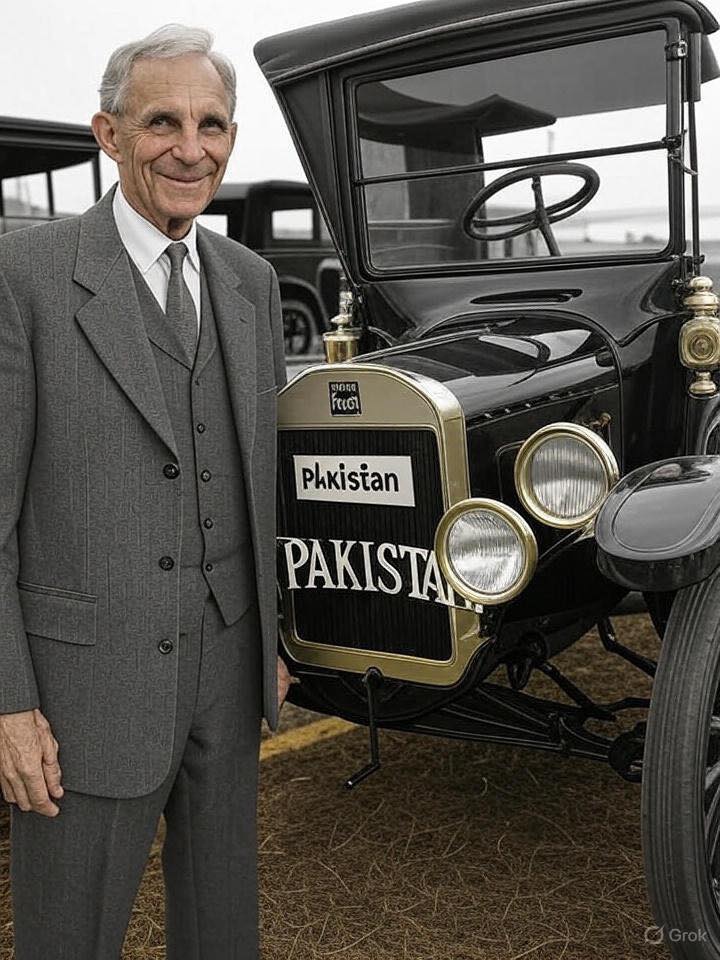
    The Forgotten Lesson of Henry Ford — And Why Pakistan Must Wake Up When Henry Ford launched the Model T in 1908, he didn’t just give the world a car. He gave the world a system. He invented the moving assembly line, broke work into repeatable steps, and doubled his workers’ wages so they could afford the very cars they were building. His genius was simple: focus on quantity, and quality will follow. Build something again and again, and it will naturally get better and cheaper. That’s why the price of the Model T dropped from $825 to $260 in less than a decade. Ford didn’t just sell cars — he created a factory process that transformed America. ⸻ Pakistan: A Sleeping Giant Now look at Pakistan. Every day, 20,000 babies are born here. Every year, 7 million new lives are added. By the time they reach 21, they need bicycles, motorbikes, rickshaws, cars, jobs, and hope. And what are we producing? Almost nothing. No Pakistani bicycle brand. No Pakistani motorbike brand. No Pakistani car. No Pakistani rickshaw. We are still proud of exporting masalas, rice, cotton, and onions — the same way the East India Company trained us centuries ago: ship raw material, import finished products. We are happy to be China’s supplier. But we are not happy to make and sell to ourselves. ⸻ The Excuse of Government When asked why, most businessmen in Pakistan say: “The government doesn’t support us.” But look at history. In America, Rockefeller built Standard Oil into the largest company of his time. The U.S. government broke his empire into 34 pieces. Did he cry? Did he quit? No. He rebuilt, reinvested, and became even richer. So why are we giving up? Why do we think the government is against us? Even if the government is against you, the people are not. The customers are waiting for you. ⸻ Proof From Pakistan Itself We don’t even need to look abroad for examples anymore. • Jebran Niaz started with a dream and, in just six years, built one of the world’s top Amazon private-label brands. From Pakistan, he created factories that now employ tens of thousands of people, exporting thousands of containers every year. He proved that a Pakistani entrepreneur can build a global empire by focusing on process, scale, and courage. • Shan Masala began in a one-room setup in Karachi in 1981. Today, it is a household name across 70+ countries, a company worth hundreds of millions of dollars. It faced bans, inflation, crises — yet kept going. And now, when people in London, Dubai, or Toronto open their kitchens, they see Pakistan inside their spice rack. These are not stories from Silicon Valley. These are stories from Karachi and Lahore. Proof that it can be done here, in our soil, with our people. ⸻ What Should We Build? • Our own bicycle so every child dreams of riding a Pakistani brand. • Our own motorbike so every young adult can afford mobility. • Our own electric rickshaw to carry millions daily without polluting the air. • Our own small city car that is built and engineered in Pakistan. • Our own tractors and buses to serve our farmers and workers. And not just vehicles — we should be building everything: textiles, electronics, home basics, the very products people use every day. ⸻ The Pakistan Dream This is bigger than Ford’s dream. This is bigger than Rockefeller’s empire. This is about 250 million people. This is about 7 million more joining us every year. This is about building a Pakistan Dream. A dream where every entrepreneur can create factories, jobs, and brands that are not just for Pakistanis but for the entire world. I can’t sleep at night because I am excited about building my school. That’s how you should feel about your factory, your startup, your idea. You should not be able to sleep peacefully until you are building something that carries the name of Pakistan to the world. ⸻ Wake Up. Build. Repeat. Henry Ford didn’t wait for permission. Rockefeller didn’t quit when he was broken. Jebran Niaz didn’t wait for the government. Shan Masala didn’t stop when challenges came. So why are you waiting? Stop blaming. Stop exporting raw material. Stop sleeping. Start building. Quantity brings quality. Repetition brings perfection. Scale brings affordability. Wake up, Pakistan. Build the bike. Build the rickshaw. Build the car. Build the dream. And don’t rest until Pakistan stands tall as a first-world nation — built not on excuses, but on factories, systems, and courage.
    0 Commentarii 0 Distribuiri 121 Views
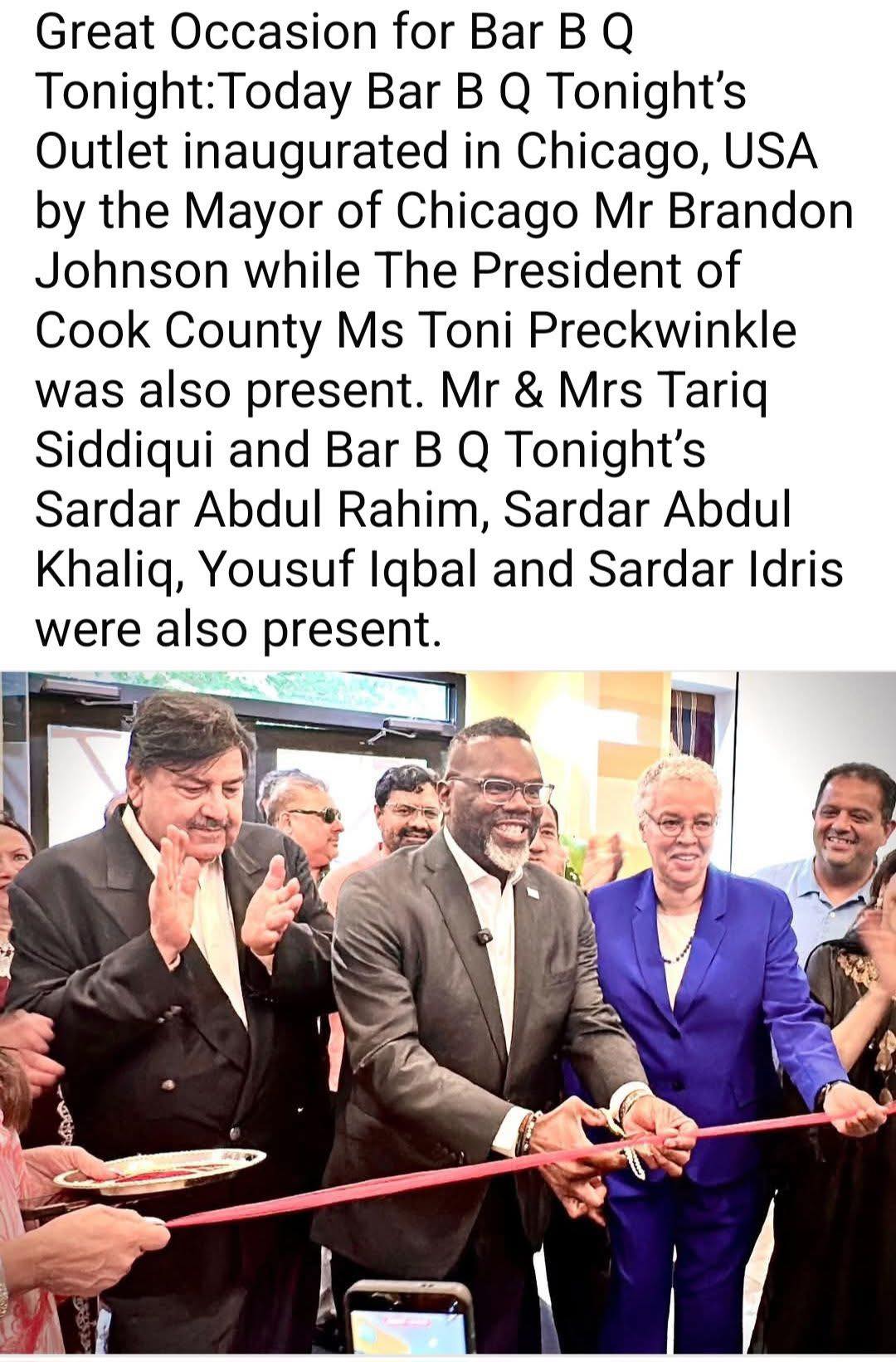
  • Now send all your #chicago friends to their restaurant and make them love #Pakistan via our food !

    #FoodDiplomacy
    Now send all your #chicago friends to their restaurant and make them love #Pakistan via our food ! #FoodDiplomacy
    0 Commentarii 0 Distribuiri 305 Views
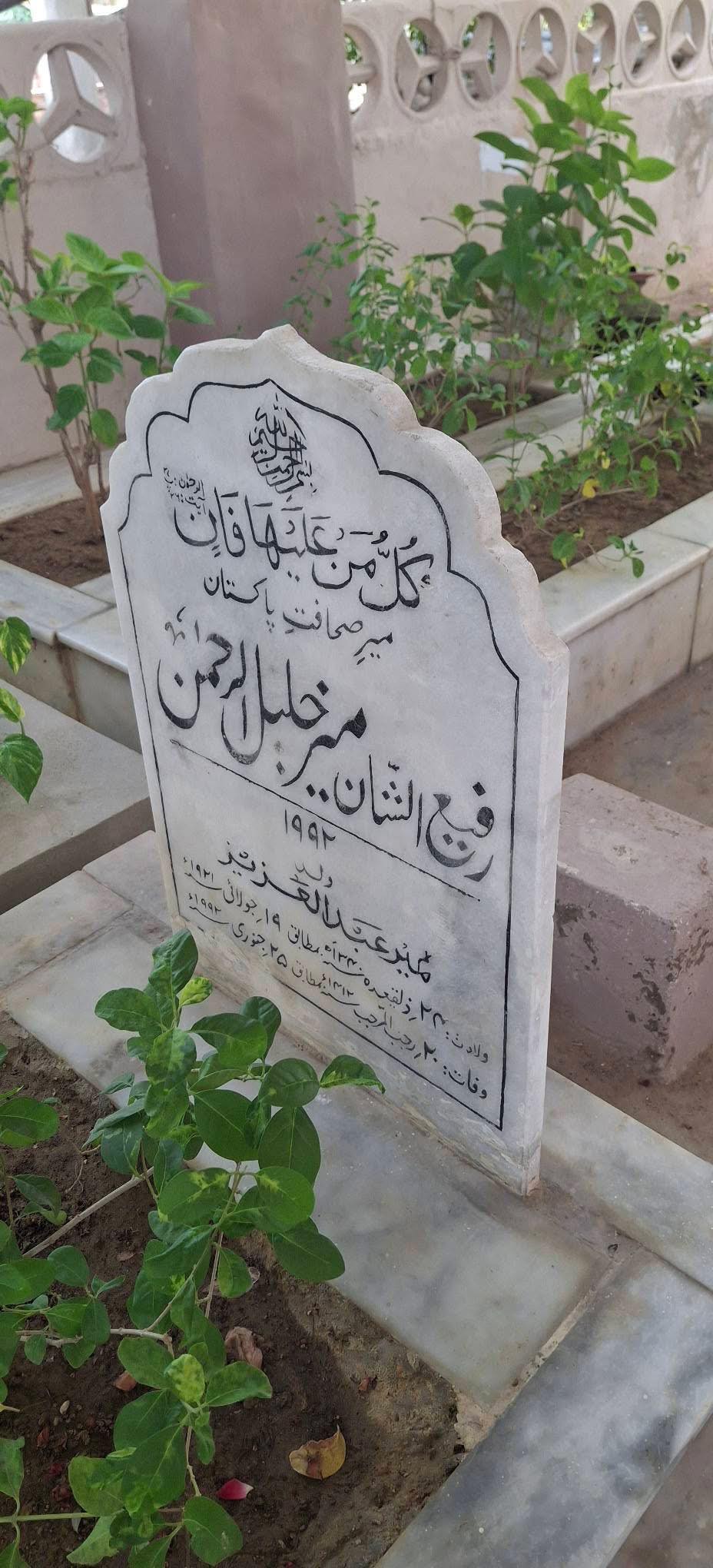
  • سائیکل سے ارب پتی تک کا سفر – میر خلیل الرحمٰن کی کہانی

    ہمارے معاشرے میں اکثر لوگ یہ سوچ کر خواب چھوڑ دیتے ہیں کہ وسائل نہیں ہیں، حالات مشکل ہیں، یا کوئی سہارا نہیں ہے۔ لیکن کچھ لوگ ایسے بھی ہوتے ہیں جو خالی ہاتھ شروع کرتے ہیں اور اپنے عزم، محنت اور وژن سے تاریخ بدل دیتے ہیں۔ ان میں سے ایک نام ہے میر خلیل الرحمٰن – جنگ گروپ اور جیو ٹی وی کے بانی۔

    ابتدائی زندگی

    میر خلیل الرحمٰن 1927 میں بھارتی شہر دہلی میں پیدا ہوئے۔ وہ کسی بڑے امیر گھرانے کے فرد نہیں تھے۔ گھر کے حالات بھی عام تھے، اور وہ خود بھی پڑھائی اور نوکری کے ساتھ ساتھ اخباروں میں دلچسپی رکھتے تھے۔ وہ اکثر سائیکل پر گھوما کرتے اور خواب دیکھتے کہ ایک دن اپنا اخبار نکالیں گے۔

    پہلا قدم – روزنامہ جنگ

    1941 میں، صرف 14 سال کی عمر میں انہوں نے دہلی سے ایک چھوٹا سا اخبار نکالا جس کا نام رکھا “جنگ”۔ یہ اخبار دوسرے عالمی جنگ کی خبروں پر مبنی تھا۔ لوگ حیران تھے کہ ایک نوعمر لڑکا اخبار نکال رہا ہے، لیکن میر خلیل الرحمٰن کے اندر ایک شعلہ جل رہا تھا۔

    پاکستان کی طرف ہجرت

    1947 میں جب پاکستان بنا تو انہوں نے بھی ہجرت کی اور کراچی آ گئے۔ یہاں حالات اور بھی مشکل تھے۔ دفتر نہیں، وسائل نہیں، صرف خواب اور عزم تھا۔ انہوں نے ایک چھوٹے سے دفتر سے جنگ اخبار کا آغاز کیا۔ وہی جنگ جو آج پاکستان کا سب سے بڑا اخبار ہے۔

    پھیلاؤ اور کامیابی

    وقت کے ساتھ انہوں نے صرف اخبار پر اکتفا نہیں کیا بلکہ ٹی وی چینلز بھی لانچ کیے، جن میں سب سے نمایاں ہے جیو ٹی وی نیٹ ورک۔
    • آج جنگ گروپ پاکستان کا سب سے بڑا میڈیا ہاؤس ہے۔
    • لاکھوں لوگ ان کے چینلز اور اخبارات سے روزانہ معلومات لیتے ہیں۔
    • انہوں نے صرف اپنا خواب پورا نہیں کیا بلکہ ہزاروں لوگوں کو روزگار بھی دیا۔

    میر خلیل الرحمٰن سے سبق
    1. چھوٹے سے شروع کریں – انہوں نے سائیکل اور چھوٹے اخبار سے آغاز کیا۔
    2. وسائل کی کمی کو بہانہ نہ بنائیں – مشکلات کے باوجود آگے بڑھتے رہے۔
    3. علم اور انفارمیشن کی طاقت پر یقین رکھیں – میڈیا کے ذریعے لوگوں کو شعور دیا۔
    4. خواب بڑا دیکھیں، محنت چھوٹی چھوٹی کریں – ہر دن ایک قدم آگے بڑھا۔

    نتیجہ

    میر خلیل الرحمٰن اس بات کی زندہ مثال ہیں کہ خواب دیکھنے والے، مسلسل محنت کرنے والے اور ہار نہ ماننے والے لوگ سائیکل سے ارب پتی تک کا سفر کر سکتے ہیں۔ اگر وہ یہ کر سکتے ہیں تو ہم سب بھی کر سکتے ہیں۔


    آئیے ان کی زندگی سے سبق سیکھیں اور اپنے خوابوں کے سفر پر چلیں۔
    سائیکل سے ارب پتی تک کا سفر آپ کا بھی ہو سکتا ہے، بس عزم اور محنت چاہیے۔

    سائیکل سے ارب پتی تک کا سفر – میر خلیل الرحمٰن کی کہانی ہمارے معاشرے میں اکثر لوگ یہ سوچ کر خواب چھوڑ دیتے ہیں کہ وسائل نہیں ہیں، حالات مشکل ہیں، یا کوئی سہارا نہیں ہے۔ لیکن کچھ لوگ ایسے بھی ہوتے ہیں جو خالی ہاتھ شروع کرتے ہیں اور اپنے عزم، محنت اور وژن سے تاریخ بدل دیتے ہیں۔ ان میں سے ایک نام ہے میر خلیل الرحمٰن – جنگ گروپ اور جیو ٹی وی کے بانی۔ ابتدائی زندگی میر خلیل الرحمٰن 1927 میں بھارتی شہر دہلی میں پیدا ہوئے۔ وہ کسی بڑے امیر گھرانے کے فرد نہیں تھے۔ گھر کے حالات بھی عام تھے، اور وہ خود بھی پڑھائی اور نوکری کے ساتھ ساتھ اخباروں میں دلچسپی رکھتے تھے۔ وہ اکثر سائیکل پر گھوما کرتے اور خواب دیکھتے کہ ایک دن اپنا اخبار نکالیں گے۔ پہلا قدم – روزنامہ جنگ 1941 میں، صرف 14 سال کی عمر میں انہوں نے دہلی سے ایک چھوٹا سا اخبار نکالا جس کا نام رکھا “جنگ”۔ یہ اخبار دوسرے عالمی جنگ کی خبروں پر مبنی تھا۔ لوگ حیران تھے کہ ایک نوعمر لڑکا اخبار نکال رہا ہے، لیکن میر خلیل الرحمٰن کے اندر ایک شعلہ جل رہا تھا۔ پاکستان کی طرف ہجرت 1947 میں جب پاکستان بنا تو انہوں نے بھی ہجرت کی اور کراچی آ گئے۔ یہاں حالات اور بھی مشکل تھے۔ دفتر نہیں، وسائل نہیں، صرف خواب اور عزم تھا۔ انہوں نے ایک چھوٹے سے دفتر سے جنگ اخبار کا آغاز کیا۔ وہی جنگ جو آج پاکستان کا سب سے بڑا اخبار ہے۔ پھیلاؤ اور کامیابی وقت کے ساتھ انہوں نے صرف اخبار پر اکتفا نہیں کیا بلکہ ٹی وی چینلز بھی لانچ کیے، جن میں سب سے نمایاں ہے جیو ٹی وی نیٹ ورک۔ • آج جنگ گروپ پاکستان کا سب سے بڑا میڈیا ہاؤس ہے۔ • لاکھوں لوگ ان کے چینلز اور اخبارات سے روزانہ معلومات لیتے ہیں۔ • انہوں نے صرف اپنا خواب پورا نہیں کیا بلکہ ہزاروں لوگوں کو روزگار بھی دیا۔ میر خلیل الرحمٰن سے سبق 1. چھوٹے سے شروع کریں – انہوں نے سائیکل اور چھوٹے اخبار سے آغاز کیا۔ 2. وسائل کی کمی کو بہانہ نہ بنائیں – مشکلات کے باوجود آگے بڑھتے رہے۔ 3. علم اور انفارمیشن کی طاقت پر یقین رکھیں – میڈیا کے ذریعے لوگوں کو شعور دیا۔ 4. خواب بڑا دیکھیں، محنت چھوٹی چھوٹی کریں – ہر دن ایک قدم آگے بڑھا۔ نتیجہ میر خلیل الرحمٰن اس بات کی زندہ مثال ہیں کہ خواب دیکھنے والے، مسلسل محنت کرنے والے اور ہار نہ ماننے والے لوگ سائیکل سے ارب پتی تک کا سفر کر سکتے ہیں۔ اگر وہ یہ کر سکتے ہیں تو ہم سب بھی کر سکتے ہیں۔ ⸻ ✨ آئیے ان کی زندگی سے سبق سیکھیں اور اپنے خوابوں کے سفر پر چلیں۔ 🚴 سائیکل سے ارب پتی تک کا سفر آپ کا بھی ہو سکتا ہے، بس عزم اور محنت چاہیے۔ ⸻
    0 Commentarii 0 Distribuiri 406 Views
  • پاکستان کو AI ٹیچرز کی ضرورت ہے – آج، ابھی!

    روزانہ کوئی نہ کوئی اسکول یا کالج مجھے میسج کرتا ہے:
    “ریحان بھائی، ہمیں AI اور ٹیکنالوجی پڑھانے والے ٹیچرز چاہیے!”
    لیکن افسوس، ہمارے پاس ٹیچرز ہی نہیں ہیں۔

    اسی لیے میں نے بنایا ہے:
    Rehan AI Teacher Training Institute

    یہ نصاب اتنا سادہ ہے کہ پانچویں کلاس کا بچہ بھی پڑھا سکتا ہے۔
    آپ سیکھیں گے:
    AI استعمال کرنا
    کمپیوٹر کو پروفیشنل طریقے سے چلانا
    اعتماد سے پڑھانا اور لیڈرشپ کرنا

    چاہے آپ ٹیچر ہوں، اسٹوڈنٹ، ہاؤس وائف، یا فری لانسر—
    جو سیکھ سکتا ہے، وہ پڑھا بھی سکتا ہے۔

    یہ وقت کبھی واپس نہیں آئے گا۔ یہ سونے کا وقت ہے، harvest کا وقت ہے۔
    کل کو پچھتانے سے بہتر ہے آج اٹھیں۔

    +92 301 2985826

    ابھی جوائن کریں:

    Http://ai.rehan.education

    آئیں، اپنے آپ کو بدلیں۔
    پاکستان کو بدلیں۔
    پاکستان کے مستقبل کو بدلیں۔

    https://chat.whatsapp.com/EAXHXhzUsME7bAG2PVxQUH
    🌍 پاکستان کو AI ٹیچرز کی ضرورت ہے – آج، ابھی! 🌍 روزانہ کوئی نہ کوئی اسکول یا کالج مجھے میسج کرتا ہے: “ریحان بھائی، ہمیں AI اور ٹیکنالوجی پڑھانے والے ٹیچرز چاہیے!” لیکن افسوس، ہمارے پاس ٹیچرز ہی نہیں ہیں۔ اسی لیے میں نے بنایا ہے: ✨ Rehan AI Teacher Training Institute ✨ یہ نصاب اتنا سادہ ہے کہ پانچویں کلاس کا بچہ بھی پڑھا سکتا ہے۔ آپ سیکھیں گے: ✅ AI استعمال کرنا ✅ کمپیوٹر کو پروفیشنل طریقے سے چلانا ✅ اعتماد سے پڑھانا اور لیڈرشپ کرنا 📌 چاہے آپ ٹیچر ہوں، اسٹوڈنٹ، ہاؤس وائف، یا فری لانسر— جو سیکھ سکتا ہے، وہ پڑھا بھی سکتا ہے۔ 🎯 یہ وقت کبھی واپس نہیں آئے گا۔ یہ سونے کا وقت ہے، harvest کا وقت ہے۔ کل کو پچھتانے سے بہتر ہے آج اٹھیں۔ +92 301 2985826 👇 ابھی جوائن کریں: Http://ai.rehan.education آئیں، اپنے آپ کو بدلیں۔ پاکستان کو بدلیں۔ پاکستان کے مستقبل کو بدلیں۔ 🇵🇰 https://chat.whatsapp.com/EAXHXhzUsME7bAG2PVxQUH
    0 Commentarii 0 Distribuiri 34 Views
  • From Caterpillar to Butterfly: A New World for Neurodiverse Minds

    I am 72 years old today. For more than 50 years, I’ve been like a caterpillar, slowly eating, learning, and filling myself with information. Patiently, quietly, preparing. And now, I feel my imaginal cells kicking in. The time has come. A butterfly is about to emerge.

    What excites me most is this: the butterfly world is not about me alone. It is about the people whom society has too often ignored — the neurodiverse.

    For too long, the education system has worked like a factory: one way of teaching, one way of measuring success. If you didn’t fit into the system, you were pushed aside, labelled “not normal.” Yet these so-called “different” brains — autistic, ADHD, dyslexic, and others — hold abilities the rest of us struggle to imagine. They see patterns, they take leaps, they invent.

    Now we are standing at the edge of something as big as the printing press. When the printing press arrived, knowledge leapt out of the hands of the clergy and spread to everyone. Books changed the world. Today, AI is that printing press reborn. It is the great leveller, giving anyone — no matter how they learn or think — the tools to become an expert.

    I believe neurodiverse people are perfectly placed for this moment. If we can find them, guide them, and put them in front of businesses with their AI and prompt engineering skills, they will shine. They will create enormous value. They will finally be seen for the geniuses they are.

    So yes, at 72, I am not worried about the future. I am excited. Because like the butterfly, I know something beautiful is about to unfold — for me, for you, and especially for those hidden minds waiting to spread their wings.

    — David Renner, age 72, still becoming.
    From Caterpillar to Butterfly: A New World for Neurodiverse Minds I am 72 years old today. For more than 50 years, I’ve been like a caterpillar, slowly eating, learning, and filling myself with information. Patiently, quietly, preparing. And now, I feel my imaginal cells kicking in. The time has come. A butterfly is about to emerge. What excites me most is this: the butterfly world is not about me alone. It is about the people whom society has too often ignored — the neurodiverse. For too long, the education system has worked like a factory: one way of teaching, one way of measuring success. If you didn’t fit into the system, you were pushed aside, labelled “not normal.” Yet these so-called “different” brains — autistic, ADHD, dyslexic, and others — hold abilities the rest of us struggle to imagine. They see patterns, they take leaps, they invent. Now we are standing at the edge of something as big as the printing press. When the printing press arrived, knowledge leapt out of the hands of the clergy and spread to everyone. Books changed the world. Today, AI is that printing press reborn. It is the great leveller, giving anyone — no matter how they learn or think — the tools to become an expert. I believe neurodiverse people are perfectly placed for this moment. If we can find them, guide them, and put them in front of businesses with their AI and prompt engineering skills, they will shine. They will create enormous value. They will finally be seen for the geniuses they are. So yes, at 72, I am not worried about the future. I am excited. Because like the butterfly, I know something beautiful is about to unfold — for me, for you, and especially for those hidden minds waiting to spread their wings. — David Renner, age 72, still becoming.
    0 Commentarii 0 Distribuiri 34 Views
  • Naseeb + execution !

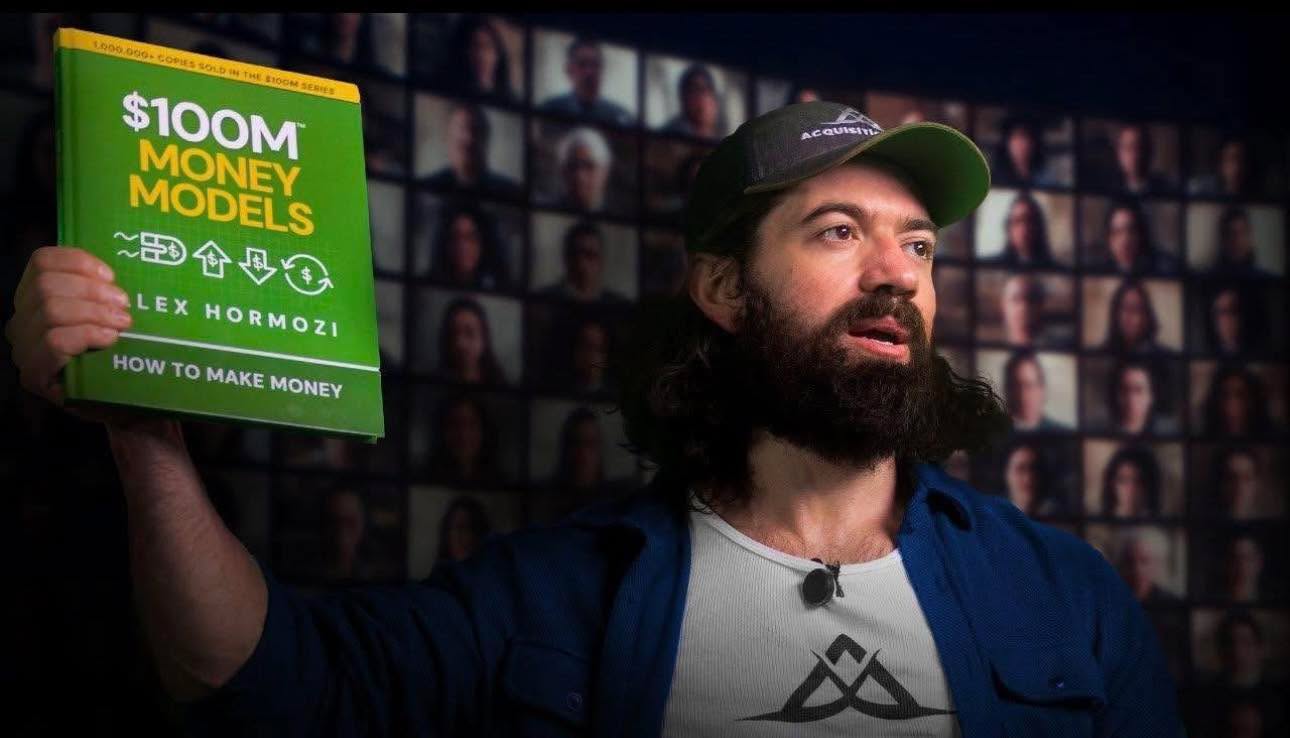
    World Record Breaking Book Launch!
    By Alex Hormozi

    Broke the World Record!
    2.7 Million Copies Sold in Just 7 Hours during a YouTube Live Session!
    $70 Million+ Revenue Generated from one launch!

    This is the best live demonstration of the $100M Money Model in action — turning knowledge, influence, and execution into massive results.

    A true masterclass in scaling impact + income!

    #BookLaunch #MillionDollarModel #BusinessSuccess #RecordBreaking
    Naseeb + execution ! 🚀📚 World Record Breaking Book Launch! By Alex Hormozi 🔥 Broke the World Record! 💥 2.7 Million Copies Sold in Just 7 Hours during a YouTube Live Session! 💰 $70 Million+ Revenue Generated from one launch! This is the best live demonstration of the $100M Money Model in action — turning knowledge, influence, and execution into massive results. A true masterclass in scaling impact + income! 👏 #BookLaunch #MillionDollarModel #BusinessSuccess #RecordBreaking
    0 Commentarii 0 Distribuiri 218 Views
  • انسان ایک دوسرے کو کیوں غلط سمجھتے ہیں؟ اور اس کا حل کیا ہے؟

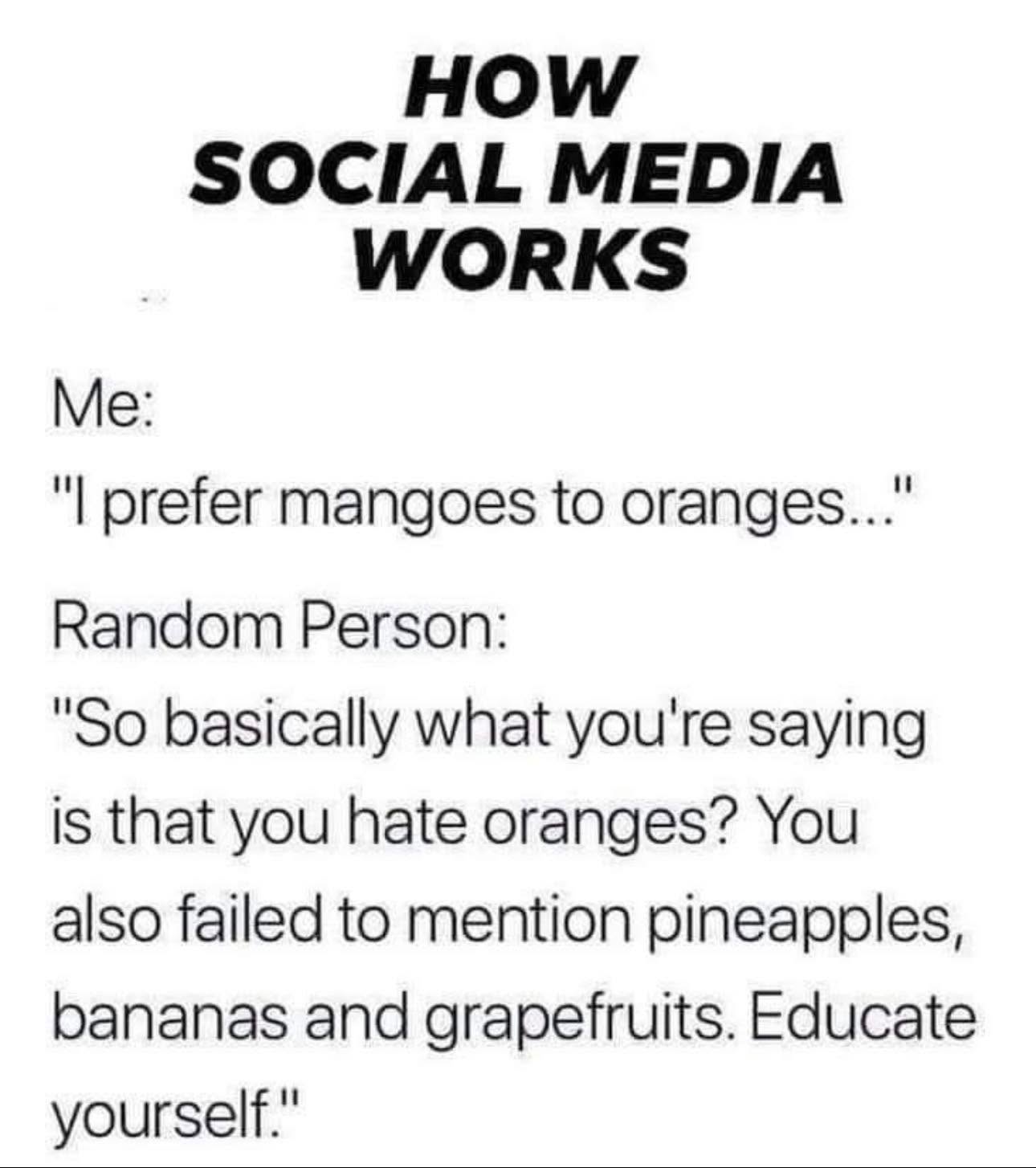
    آج کے دور میں اکثر ایسا ہوتا ہے کہ ہم ایک بات کہتے ہیں اور دوسرا کچھ اور مطلب نکال لیتا ہے۔
    مثال کے طور پر:

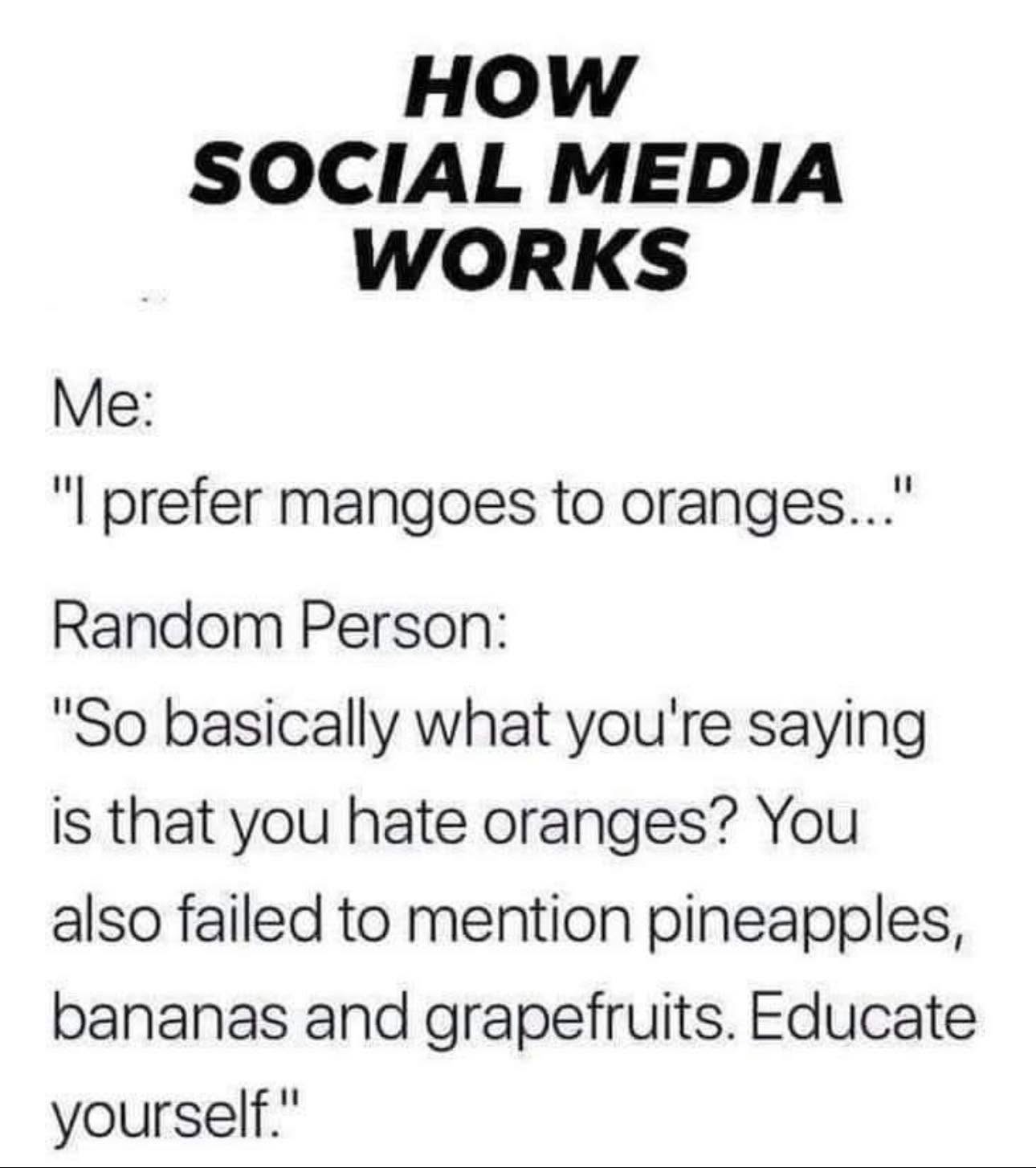
    میں: مجھے آم زیادہ پسند ہیں مالٹے سے۔
    دوسرا شخص: تو کیا تمہیں مالٹے سے نفرت ہے؟ اور تم نے کیلے، انناس اور چکوترا کا ذکر کیوں نہیں کیا؟ کچھ پڑھ لکھ لو!

    یہ مزاحیہ مثال اصل میں ہماری سوچ کا آئینہ ہے۔ ہم اکثر بغیر سمجھے ردعمل دے دیتے ہیں۔ اگر ہم ایک پرامن اور ہم آہنگ دنیا چاہتے ہیں تو ہمیں سمجھنا ہوگا کہ دماغ کیسے کام کرتا ہے اور اپنی عادتیں بدلنی ہوں گی۔


    دماغ کیوں غلط فہمیاں پیدا کرتا ہے؟
    1. دماغ شارٹ کٹ لیتا ہے (Cognitive Bias):
    ہمارا دماغ ہمیشہ تیز فیصلے کرنے کی کوشش کرتا ہے۔ اسی لیے وہ جلدی نتیجہ نکال لیتا ہے جیسے:
    • اگر کوئی آم پسند کرے تو سمجھا جاتا ہے کہ وہ مالٹے کو ناپسند کرتا ہے۔
    2. پس منظر (Context) غائب ہو جاتا ہے:
    سامنے بات کرتے وقت ہم آواز، چہرے اور لہجے سے سمجھ لیتے ہیں۔ لیکن سوشل میڈیا یا لکھائی میں یہ سب نہیں ہوتا، اس لیے بات کا غلط مطلب نکلتا ہے۔
    3. جلدی ردعمل دینا (فوری سوچ بمقابلہ گہری سوچ):
    دماغ کے دو حصے ہیں:
    • پہلا فوری ردعمل دیتا ہے، جذباتی ہوتا ہے۔
    • دوسرا آہستہ سوچتا ہے، لاجک سے فیصلہ کرتا ہے۔
    زیادہ تر لوگ پہلے حصے سے ہی جواب دے دیتے ہیں۔
    4. سوشل میڈیا مسئلہ بڑھاتا ہے:
    فیس بک، واٹس ایپ اور ٹویٹر جیسے پلیٹ فارم تیز ردعمل کو بڑھاوا دیتے ہیں۔ جو چیز غصہ دلائے وہ زیادہ وائرل ہوتی ہے۔


    حل کیا ہے؟

    اگر ہم پرامن اور ہم آہنگ معاشرہ چاہتے ہیں تو ہمیں خود کو اور نئی نسل کو دوبارہ تربیت دینا ہوگی۔ اس کے لیے تین اہم کام کرنے ہوں گے:

    1. جواب دینے سے پہلے رکیں

    جب کوئی بات بری لگے تو فوراً جواب نہ دیں۔ پانچ سیکنڈ رک کر سوچیں:
    • کیا میں نے صحیح مطلب سمجھا ہے؟
    • کوئی دوسرا مطلب بھی نکل سکتا ہے؟

    2. پہلے سمجھنے کی کوشش کریں

    جھگڑا کرنے یا الزام لگانے کے بجائے سوال کریں:
    • “آپ کو آم کیوں پسند ہیں؟”
    • “ذرا مزید وضاحت کریں۔”

    یہ رویہ تعلقات مضبوط کرتا ہے۔

    3. بچوں اور نوجوانوں کو EQ (Emotional Intelligence) سکھائیں

    ہمیں بچوں کو یہ سکھانا ہے کہ:
    • ہر بات پر فوراً یقین نہ کریں۔
    • دوسروں کے جذبات کو محسوس کریں۔
    • سوچ سمجھ کر الفاظ استعمال کریں۔


    بڑا خواب: ایک ہم آہنگ دنیا

    اگر پوری دنیا کے لوگ یہ تین عادتیں اپنا لیں تو انسانیت لڑائی جھگڑوں سے نکل کر امن اور محبت کی طرف جا سکتی ہے۔
    • لوگ سنیں گے، جھگڑیں گے نہیں۔
    • ایک دوسرے کو برا سمجھنے کے بجائے ساتھ چلیں گے۔
    • نئی نسل امن کو مقصد بنا لے گی۔


    آخری بات:
    دنیا اس وقت بدلے گی جب ہم خود بدلیں گے۔ ہر چھوٹا صبر، ہر ایک سوال، اور ہر نرم جملہ ایک نئے مستقبل کا بیج ہے۔
    انسان ایک دوسرے کو کیوں غلط سمجھتے ہیں؟ اور اس کا حل کیا ہے؟ آج کے دور میں اکثر ایسا ہوتا ہے کہ ہم ایک بات کہتے ہیں اور دوسرا کچھ اور مطلب نکال لیتا ہے۔ مثال کے طور پر: میں: مجھے آم زیادہ پسند ہیں مالٹے سے۔ دوسرا شخص: تو کیا تمہیں مالٹے سے نفرت ہے؟ اور تم نے کیلے، انناس اور چکوترا کا ذکر کیوں نہیں کیا؟ کچھ پڑھ لکھ لو! یہ مزاحیہ مثال اصل میں ہماری سوچ کا آئینہ ہے۔ ہم اکثر بغیر سمجھے ردعمل دے دیتے ہیں۔ اگر ہم ایک پرامن اور ہم آہنگ دنیا چاہتے ہیں تو ہمیں سمجھنا ہوگا کہ دماغ کیسے کام کرتا ہے اور اپنی عادتیں بدلنی ہوں گی۔ ⸻ دماغ کیوں غلط فہمیاں پیدا کرتا ہے؟ 1. دماغ شارٹ کٹ لیتا ہے (Cognitive Bias): ہمارا دماغ ہمیشہ تیز فیصلے کرنے کی کوشش کرتا ہے۔ اسی لیے وہ جلدی نتیجہ نکال لیتا ہے جیسے: • اگر کوئی آم پسند کرے تو سمجھا جاتا ہے کہ وہ مالٹے کو ناپسند کرتا ہے۔ 2. پس منظر (Context) غائب ہو جاتا ہے: سامنے بات کرتے وقت ہم آواز، چہرے اور لہجے سے سمجھ لیتے ہیں۔ لیکن سوشل میڈیا یا لکھائی میں یہ سب نہیں ہوتا، اس لیے بات کا غلط مطلب نکلتا ہے۔ 3. جلدی ردعمل دینا (فوری سوچ بمقابلہ گہری سوچ): دماغ کے دو حصے ہیں: • پہلا فوری ردعمل دیتا ہے، جذباتی ہوتا ہے۔ • دوسرا آہستہ سوچتا ہے، لاجک سے فیصلہ کرتا ہے۔ زیادہ تر لوگ پہلے حصے سے ہی جواب دے دیتے ہیں۔ 4. سوشل میڈیا مسئلہ بڑھاتا ہے: فیس بک، واٹس ایپ اور ٹویٹر جیسے پلیٹ فارم تیز ردعمل کو بڑھاوا دیتے ہیں۔ جو چیز غصہ دلائے وہ زیادہ وائرل ہوتی ہے۔ ⸻ حل کیا ہے؟ اگر ہم پرامن اور ہم آہنگ معاشرہ چاہتے ہیں تو ہمیں خود کو اور نئی نسل کو دوبارہ تربیت دینا ہوگی۔ اس کے لیے تین اہم کام کرنے ہوں گے: 1. جواب دینے سے پہلے رکیں 🧘 جب کوئی بات بری لگے تو فوراً جواب نہ دیں۔ پانچ سیکنڈ رک کر سوچیں: • کیا میں نے صحیح مطلب سمجھا ہے؟ • کوئی دوسرا مطلب بھی نکل سکتا ہے؟ 2. پہلے سمجھنے کی کوشش کریں 🎧 جھگڑا کرنے یا الزام لگانے کے بجائے سوال کریں: • “آپ کو آم کیوں پسند ہیں؟” • “ذرا مزید وضاحت کریں۔” یہ رویہ تعلقات مضبوط کرتا ہے۔ 3. بچوں اور نوجوانوں کو EQ (Emotional Intelligence) سکھائیں 🌱 ہمیں بچوں کو یہ سکھانا ہے کہ: • ہر بات پر فوراً یقین نہ کریں۔ • دوسروں کے جذبات کو محسوس کریں۔ • سوچ سمجھ کر الفاظ استعمال کریں۔ ⸻ بڑا خواب: ایک ہم آہنگ دنیا 🌍 اگر پوری دنیا کے لوگ یہ تین عادتیں اپنا لیں تو انسانیت لڑائی جھگڑوں سے نکل کر امن اور محبت کی طرف جا سکتی ہے۔ • لوگ سنیں گے، جھگڑیں گے نہیں۔ • ایک دوسرے کو برا سمجھنے کے بجائے ساتھ چلیں گے۔ • نئی نسل امن کو مقصد بنا لے گی۔ ⸻ ✅ آخری بات: دنیا اس وقت بدلے گی جب ہم خود بدلیں گے۔ ہر چھوٹا صبر، ہر ایک سوال، اور ہر نرم جملہ ایک نئے مستقبل کا بیج ہے۔
    0 Commentarii 0 Distribuiri 34 Views
  • Why Humans Misunderstand Each Other — and How We Can Fix It

    Social media has shown us a mirror: a simple opinion like “I prefer mangoes to oranges” can suddenly turn into an argument about why you hate oranges, ignored bananas, and need to educate yourself. But this isn’t just about fruit. It reflects how human beings think, react, and miscommunicate.

    If we want to live in a more harmonious global society, we must understand the science of our minds, why context is lost, and how to re-train ourselves — and the next generation — for better communication and coexistence.


    Why Do Humans Misunderstand Each Other?
    1. Our Brain Seeks Shortcuts (Cognitive Biases)
    The human brain evolved to make quick decisions for survival. Instead of analyzing carefully, it often jumps to conclusions. Psychologists call this “cognitive bias.” For example:
    • Confirmation bias: We only notice things that support our beliefs.
    • Negativity bias: We react more strongly to threats or criticism.
    • Black-and-white thinking: We see things as “for” or “against,” with no middle ground.
    This is why “I like mangoes” is heard as “I hate oranges.”
    2. Lack of Context in Communication
    In face-to-face conversation, we use tone, facial expressions, and body language to understand intent. On social media or even in rushed conversations, this context disappears. The written word feels harsher, and our brains “fill the gaps” with assumptions.
    3. Impulse Before Thought (Fast vs. Slow Thinking)
    Neuroscientist Daniel Kahneman explains in Thinking, Fast and Slow that we have two systems of thought:
    • System 1: Fast, emotional, instinctive.
    • System 2: Slow, logical, reflective.
    Most people react with System 1 first — comment, judge, attack — instead of pausing to let System 2 analyze.
    4. Social Media Amplifies the Problem
    Platforms are designed for speed, not depth. Likes, shares, and comments reward quick reactions. Nuanced thinking doesn’t go viral — outrage does.


    How Can We Fix This?

    If we want a harmonious human society, we must re-train our brains and culture. Here are three powerful actions to begin with:

    1. Practice the Pause

    Before reacting — whether on social media, WhatsApp, or in real life — take 5 seconds to pause. Ask:
    • Did I really understand what the other person meant?
    • Can there be another interpretation?

    This small delay shifts us from emotional System 1 to thoughtful System 2, reducing misunderstanding and conflict.

    2. Seek First to Understand, Then to Respond

    Instead of attacking or assuming, ask clarifying questions:
    • “Oh, you prefer mangoes? Why?”
    • “Can you explain what you mean?”

    This simple shift builds bridges instead of walls. Imagine if every online argument started with curiosity instead of accusation.

    3. Educate the Next Generation in Emotional Intelligence (EQ)

    We must teach children — and adults — how to manage emotions, listen empathetically, and communicate clearly. In schools, workplaces, and families, emphasize:
    • Critical thinking: Don’t believe or react without checking.
    • Empathy training: Learn to feel what the other person may be experiencing.
    • Mindful communication: Words can heal or harm — choose them with care.


    The Vision: A Harmonious Human Society

    If billions of people across the planet practiced these three actions, we would shift from reactionary to reflective, from conflict-driven to cooperative.
    • Instead of fighting online, we’d listen and learn.
    • Instead of assuming the worst, we’d seek common ground.
    • Instead of teaching children to “win arguments,” we’d teach them to “build understanding.”

    This is how we move from a society of endless division to one of harmony — where humans, regardless of culture, religion, or nationality, work together as one global family.


    Final Thought:
    The world doesn’t change when others change; it changes when we change. Each pause, each kind question, and each act of empathy is a seed for a better future.

    World Safety Alliance
    Why Humans Misunderstand Each Other — and How We Can Fix It Social media has shown us a mirror: a simple opinion like “I prefer mangoes to oranges” can suddenly turn into an argument about why you hate oranges, ignored bananas, and need to educate yourself. But this isn’t just about fruit. It reflects how human beings think, react, and miscommunicate. If we want to live in a more harmonious global society, we must understand the science of our minds, why context is lost, and how to re-train ourselves — and the next generation — for better communication and coexistence. ⸻ Why Do Humans Misunderstand Each Other? 1. Our Brain Seeks Shortcuts (Cognitive Biases) The human brain evolved to make quick decisions for survival. Instead of analyzing carefully, it often jumps to conclusions. Psychologists call this “cognitive bias.” For example: • Confirmation bias: We only notice things that support our beliefs. • Negativity bias: We react more strongly to threats or criticism. • Black-and-white thinking: We see things as “for” or “against,” with no middle ground. This is why “I like mangoes” is heard as “I hate oranges.” 2. Lack of Context in Communication In face-to-face conversation, we use tone, facial expressions, and body language to understand intent. On social media or even in rushed conversations, this context disappears. The written word feels harsher, and our brains “fill the gaps” with assumptions. 3. Impulse Before Thought (Fast vs. Slow Thinking) Neuroscientist Daniel Kahneman explains in Thinking, Fast and Slow that we have two systems of thought: • System 1: Fast, emotional, instinctive. • System 2: Slow, logical, reflective. Most people react with System 1 first — comment, judge, attack — instead of pausing to let System 2 analyze. 4. Social Media Amplifies the Problem Platforms are designed for speed, not depth. Likes, shares, and comments reward quick reactions. Nuanced thinking doesn’t go viral — outrage does. ⸻ How Can We Fix This? If we want a harmonious human society, we must re-train our brains and culture. Here are three powerful actions to begin with: 1. Practice the Pause 🧘 Before reacting — whether on social media, WhatsApp, or in real life — take 5 seconds to pause. Ask: • Did I really understand what the other person meant? • Can there be another interpretation? This small delay shifts us from emotional System 1 to thoughtful System 2, reducing misunderstanding and conflict. 2. Seek First to Understand, Then to Respond 🎧 Instead of attacking or assuming, ask clarifying questions: • “Oh, you prefer mangoes? Why?” • “Can you explain what you mean?” This simple shift builds bridges instead of walls. Imagine if every online argument started with curiosity instead of accusation. 3. Educate the Next Generation in Emotional Intelligence (EQ) 🌱 We must teach children — and adults — how to manage emotions, listen empathetically, and communicate clearly. In schools, workplaces, and families, emphasize: • Critical thinking: Don’t believe or react without checking. • Empathy training: Learn to feel what the other person may be experiencing. • Mindful communication: Words can heal or harm — choose them with care. ⸻ The Vision: A Harmonious Human Society If billions of people across the planet practiced these three actions, we would shift from reactionary to reflective, from conflict-driven to cooperative. • Instead of fighting online, we’d listen and learn. • Instead of assuming the worst, we’d seek common ground. • Instead of teaching children to “win arguments,” we’d teach them to “build understanding.” This is how we move from a society of endless division to one of harmony — where humans, regardless of culture, religion, or nationality, work together as one global family. ⸻ ✅ Final Thought: The world doesn’t change when others change; it changes when we change. Each pause, each kind question, and each act of empathy is a seed for a better future. World Safety Alliance
    0 Commentarii 0 Distribuiri 34 Views
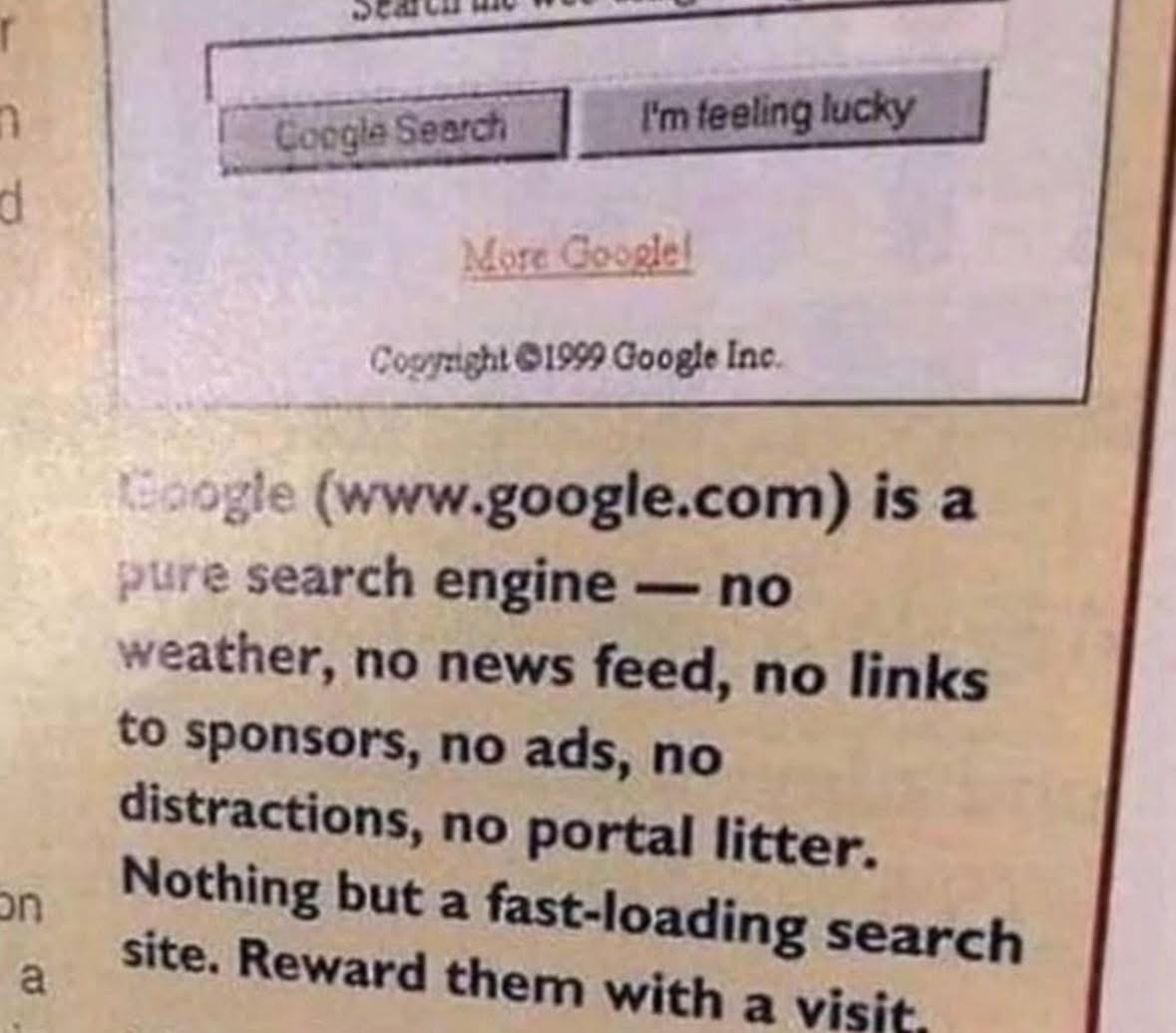
  • A google ad from 1999, promoting its search engine
    A google ad from 1999, promoting its search engine
    0 Commentarii 0 Distribuiri 34 Views
  • 0 Commentarii 0 Distribuiri 34 Views