0 Comentários
0 Compartilhamentos
99 Visualizações
Diretório
Conheça novas pessoas, crie conexões e faça novos amigos
- Faça o login para curtir, compartilhar e comentar!
- یہاں آپ کے لیے 1764 کے قریب ہندوستانی برصغیر کی تاریخ کا اردو میں خلاصہ پیش کیا گیا ہے۔
1. مغل سلطنت کا زوال اور علاقائی ریاستیں
• مغل سلطنت: مغل سلطنت، جو کبھی دنیا کی سب سے طاقتور سلطنتوں میں سے ایک تھی، 1700 کی دہائی کے اوائل تک بہت کمزور ہو چکی تھی۔ شہنشاہ اورنگزیب کی وفات کے بعد مغلوں کی مرکزی طاقت کمزور ہو گئی، اور طاقتور علاقائی حکمرانوں نے آزادی یا نیم خود مختاری حاصل کر لی، اور صرف برائے نام مغل تخت سے وفاداری برقرار رکھی۔
• اودھ، بنگال اور روہیلا: اودھ، بنگال اور روہیلا جیسے علاقوں نے خود مختاری حاصل کر لی اور وہاں کے نوابوں نے بڑی حد تک آزادی کے ساتھ حکومت کی، جبکہ مغلوں کے ساتھ برائے نام تعلقات برقرار رکھے۔
2. علاقائی طاقتوں کا عروج
• مرہٹے: مرہٹہ کنفیڈریسی، جو مغربی ہندوستان سے ابھری، برصغیر میں ایک بڑی سیاسی طاقت بن گئی۔ 1764 تک، مرہٹوں نے ایک وسیع علاقے پر کنٹرول حاصل کر لیا تھا جو مہاراشٹر سے لے کر شمالی ہندوستان تک پھیلا ہوا تھا۔
• حیدرآباد: نظام حیدرآباد نے اپنی خود مختار ریاست قائم کی۔ دکن کے علاقے میں واقع یہ ریاست خوشحال تھی اور اس نے مرہٹوں اور دیگر پڑوسی ریاستوں کے درمیان طاقت کا توازن برقرار رکھا۔
• میسور سلطنت: جنوبی ہندوستان میں میسور کی سلطنت 1764 کے قریب حیدر علی کے زیرِ حکومت آ گئی۔ حیدر علی کی فوجی قابلیت نے میسور کی طاقت کو بڑھایا اور اس نے برطانوی فوج کا مقابلہ کیا۔
• سکھ کنفیڈریسی: شمال مغربی پنجاب میں سکھ مثلیں (مختلف سرداریاں) قائم ہوئیں۔ ان سکھ سرداروں نے بعد میں مہاراجہ رنجیت سنگھ کی قیادت میں ایک متحد سکھ سلطنت قائم کی۔
• راجپوت ریاستیں: مغربی ہندوستان میں جے پور، جودھ پور، اور اودی پور جیسے راجپوت علاقوں نے آزادانہ حیثیت برقرار رکھی اور حکمتِ عملی کے لحاظ سے مختلف طاقتوں کے ساتھ تعلقات قائم کیے۔
3. یورپی اثر و رسوخ اور نوآبادیاتی اڈے
• برطانوی، فرانسیسی، پرتگالی، اور ڈچ: یورپی طاقتوں نے ساحلی علاقوں میں تجارتی اڈے قائم کیے، خاص طور پر برطانوی اور فرانسیسی۔ پلاسی کی جنگ (1757) کے بعد برطانویوں نے بنگال میں اثر و رسوخ حاصل کر لیا۔
• پرتگالی: پرتگالیوں نے گووا اور دمّن جیسے علاقوں میں نوآبادیاں قائم کیں۔
• فرانسیسی: فرانسیسیوں نے پونڈیچری اور مشرقی ساحل پر دوسرے مقامات پر تجارتی اڈے قائم کیے۔
4. بکسر کی جنگ (1764) اور برطانوی توسیع
• بکسر کی جنگ: اکتوبر 1764 میں برطانوی ایسٹ انڈیا کمپنی نے بنگال کے نواب، اودھ کے نواب، اور مغل بادشاہ شاہ عالم دوم کی مشترکہ افواج کو شکست دی۔ اس جنگ کے بعد برطانویوں کو بنگال، بہار، اور اڑیسہ میں محصولات جمع کرنے کا حق مل گیا۔
• طاقت کی تبدیلی: بکسر کی جنگ نے برطانوی کمپنی کو مالی وسائل فراہم کیے جس سے انہیں ہندوستان میں مزید توسیع کرنے کا موقع ملا۔
5. بٹے ہوئے خطے اور برطانوی حکمتِ عملی
• برصغیر میں مختلف ریاستوں اور طاقتوں کی تقسیم برطانویوں کے لیے فائدہ مند ثابت ہوئی۔ انہوں نے پھوٹ ڈالو اور حکومت کرو کی حکمت عملی اپنائی اور مختلف طاقتوں کو آپس میں لڑا کر اپنی طاقت کو بڑھایا۔
6. مزاحمت اور بعد کی جنگیں
• میسور اور مرہٹے: بکسر کی جنگ کے بعد، ٹیپو سلطان کے زیرِ قیادت میسور اور مرہٹوں نے برطانوی توسیع کے خلاف مزاحمت کی، جس کے نتیجے میں انگلومیسر جنگیں اور انگلومرہٹہ جنگیں ہوئیں۔
• سکھ سلطنت: 19ویں صدی کے اوائل میں، مہاراجہ رنجیت سنگھ کی قیادت میں سکھ سلطنت نے شمال مغربی علاقے میں اپنی آزادانہ حیثیت برقرار رکھی۔
خلاصہ
1764 میں، ہندوستانی برصغیر مختلف اور آزاد ریاستوں کا مجموعہ تھا، جن میں کوئی ایک متحدہ طاقت نہیں تھی۔ بڑی طاقتوں میں مرہٹے، میسور، حیدرآباد، بنگال نواب، اودھ، سکھ مثلیں، اور راجپوت ریاستیں شامل تھیں۔ یورپی طاقتوں، خاص طور پر برطانویوں اور فرانسیسیوں نے ساحلی علاقوں میں تجارتی اڈے قائم کیے ہوئے تھے۔ بکسر کی جنگ (1764) نے برطانوی ایسٹ انڈیا کمپنی کو ہندوستان میں طاقتور بنا دیا، جس کے نتیجے میں برصغیر میں برطانوی اثر و رسوخ میں اضافہ ہوا۔
برطانویوں نے علاقائی اختلافات سے فائدہ اٹھا کر، اپنی فوجی اور مالیاتی طاقت کو استعمال کرتے ہوئے پورے ہندوستان پر قابض ہونے کی راہ ہموار کی۔یہاں آپ کے لیے 1764 کے قریب ہندوستانی برصغیر کی تاریخ کا اردو میں خلاصہ پیش کیا گیا ہے۔ 1. مغل سلطنت کا زوال اور علاقائی ریاستیں • مغل سلطنت: مغل سلطنت، جو کبھی دنیا کی سب سے طاقتور سلطنتوں میں سے ایک تھی، 1700 کی دہائی کے اوائل تک بہت کمزور ہو چکی تھی۔ شہنشاہ اورنگزیب کی وفات کے بعد مغلوں کی مرکزی طاقت کمزور ہو گئی، اور طاقتور علاقائی حکمرانوں نے آزادی یا نیم خود مختاری حاصل کر لی، اور صرف برائے نام مغل تخت سے وفاداری برقرار رکھی۔ • اودھ، بنگال اور روہیلا: اودھ، بنگال اور روہیلا جیسے علاقوں نے خود مختاری حاصل کر لی اور وہاں کے نوابوں نے بڑی حد تک آزادی کے ساتھ حکومت کی، جبکہ مغلوں کے ساتھ برائے نام تعلقات برقرار رکھے۔ 2. علاقائی طاقتوں کا عروج • مرہٹے: مرہٹہ کنفیڈریسی، جو مغربی ہندوستان سے ابھری، برصغیر میں ایک بڑی سیاسی طاقت بن گئی۔ 1764 تک، مرہٹوں نے ایک وسیع علاقے پر کنٹرول حاصل کر لیا تھا جو مہاراشٹر سے لے کر شمالی ہندوستان تک پھیلا ہوا تھا۔ • حیدرآباد: نظام حیدرآباد نے اپنی خود مختار ریاست قائم کی۔ دکن کے علاقے میں واقع یہ ریاست خوشحال تھی اور اس نے مرہٹوں اور دیگر پڑوسی ریاستوں کے درمیان طاقت کا توازن برقرار رکھا۔ • میسور سلطنت: جنوبی ہندوستان میں میسور کی سلطنت 1764 کے قریب حیدر علی کے زیرِ حکومت آ گئی۔ حیدر علی کی فوجی قابلیت نے میسور کی طاقت کو بڑھایا اور اس نے برطانوی فوج کا مقابلہ کیا۔ • سکھ کنفیڈریسی: شمال مغربی پنجاب میں سکھ مثلیں (مختلف سرداریاں) قائم ہوئیں۔ ان سکھ سرداروں نے بعد میں مہاراجہ رنجیت سنگھ کی قیادت میں ایک متحد سکھ سلطنت قائم کی۔ • راجپوت ریاستیں: مغربی ہندوستان میں جے پور، جودھ پور، اور اودی پور جیسے راجپوت علاقوں نے آزادانہ حیثیت برقرار رکھی اور حکمتِ عملی کے لحاظ سے مختلف طاقتوں کے ساتھ تعلقات قائم کیے۔ 3. یورپی اثر و رسوخ اور نوآبادیاتی اڈے • برطانوی، فرانسیسی، پرتگالی، اور ڈچ: یورپی طاقتوں نے ساحلی علاقوں میں تجارتی اڈے قائم کیے، خاص طور پر برطانوی اور فرانسیسی۔ پلاسی کی جنگ (1757) کے بعد برطانویوں نے بنگال میں اثر و رسوخ حاصل کر لیا۔ • پرتگالی: پرتگالیوں نے گووا اور دمّن جیسے علاقوں میں نوآبادیاں قائم کیں۔ • فرانسیسی: فرانسیسیوں نے پونڈیچری اور مشرقی ساحل پر دوسرے مقامات پر تجارتی اڈے قائم کیے۔ 4. بکسر کی جنگ (1764) اور برطانوی توسیع • بکسر کی جنگ: اکتوبر 1764 میں برطانوی ایسٹ انڈیا کمپنی نے بنگال کے نواب، اودھ کے نواب، اور مغل بادشاہ شاہ عالم دوم کی مشترکہ افواج کو شکست دی۔ اس جنگ کے بعد برطانویوں کو بنگال، بہار، اور اڑیسہ میں محصولات جمع کرنے کا حق مل گیا۔ • طاقت کی تبدیلی: بکسر کی جنگ نے برطانوی کمپنی کو مالی وسائل فراہم کیے جس سے انہیں ہندوستان میں مزید توسیع کرنے کا موقع ملا۔ 5. بٹے ہوئے خطے اور برطانوی حکمتِ عملی • برصغیر میں مختلف ریاستوں اور طاقتوں کی تقسیم برطانویوں کے لیے فائدہ مند ثابت ہوئی۔ انہوں نے پھوٹ ڈالو اور حکومت کرو کی حکمت عملی اپنائی اور مختلف طاقتوں کو آپس میں لڑا کر اپنی طاقت کو بڑھایا۔ 6. مزاحمت اور بعد کی جنگیں • میسور اور مرہٹے: بکسر کی جنگ کے بعد، ٹیپو سلطان کے زیرِ قیادت میسور اور مرہٹوں نے برطانوی توسیع کے خلاف مزاحمت کی، جس کے نتیجے میں انگلومیسر جنگیں اور انگلومرہٹہ جنگیں ہوئیں۔ • سکھ سلطنت: 19ویں صدی کے اوائل میں، مہاراجہ رنجیت سنگھ کی قیادت میں سکھ سلطنت نے شمال مغربی علاقے میں اپنی آزادانہ حیثیت برقرار رکھی۔ خلاصہ 1764 میں، ہندوستانی برصغیر مختلف اور آزاد ریاستوں کا مجموعہ تھا، جن میں کوئی ایک متحدہ طاقت نہیں تھی۔ بڑی طاقتوں میں مرہٹے، میسور، حیدرآباد، بنگال نواب، اودھ، سکھ مثلیں، اور راجپوت ریاستیں شامل تھیں۔ یورپی طاقتوں، خاص طور پر برطانویوں اور فرانسیسیوں نے ساحلی علاقوں میں تجارتی اڈے قائم کیے ہوئے تھے۔ بکسر کی جنگ (1764) نے برطانوی ایسٹ انڈیا کمپنی کو ہندوستان میں طاقتور بنا دیا، جس کے نتیجے میں برصغیر میں برطانوی اثر و رسوخ میں اضافہ ہوا۔ برطانویوں نے علاقائی اختلافات سے فائدہ اٹھا کر، اپنی فوجی اور مالیاتی طاقت کو استعمال کرتے ہوئے پورے ہندوستان پر قابض ہونے کی راہ ہموار کی۔0 Comentários 0 Compartilhamentos 112 Visualizações - Who runs company to make this happen on sponsorship ?
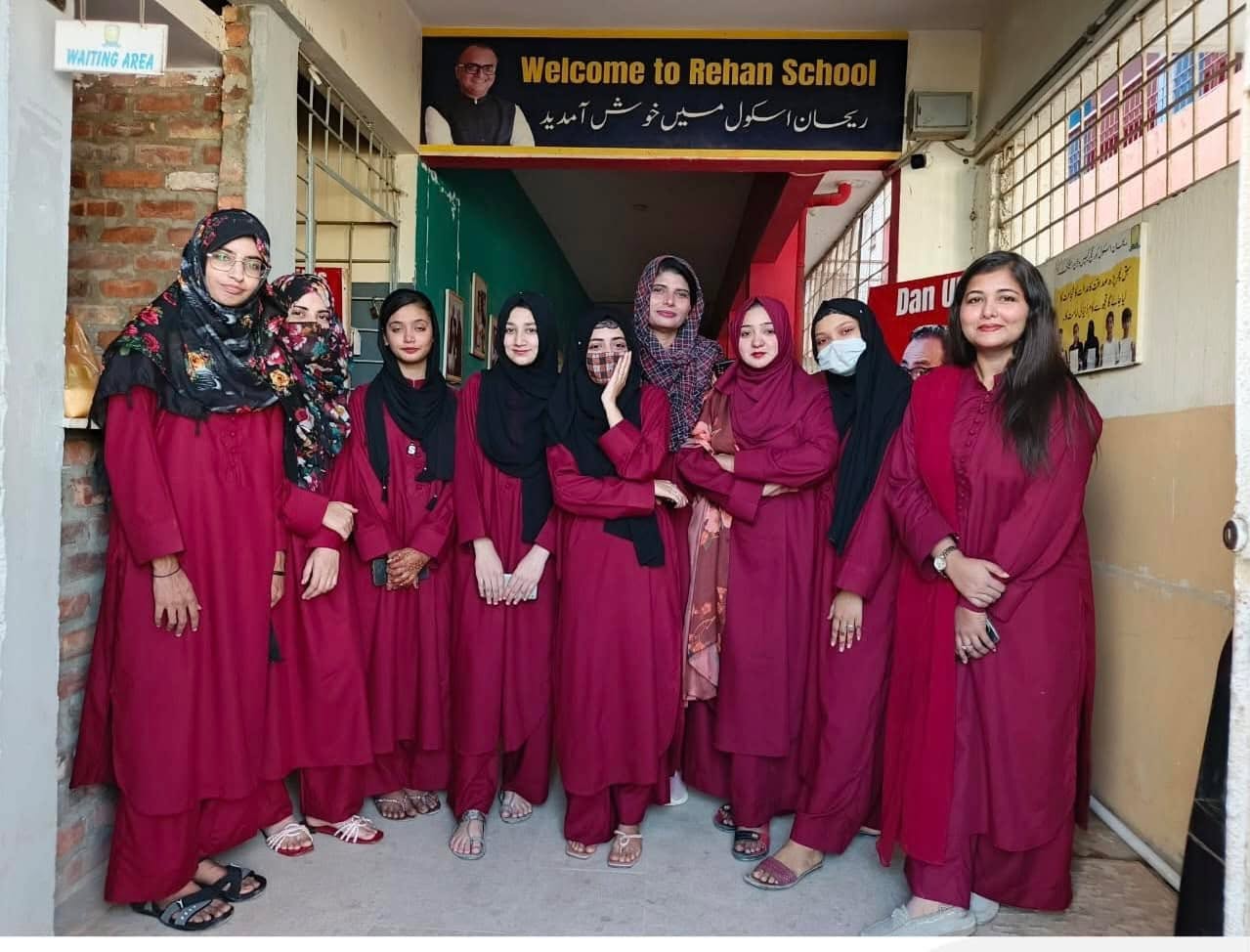
I am sure If sponsors can pay Carores for concerts they can do the same for this also if you offer a good job !Who runs company to make this happen on sponsorship ? I am sure If sponsors can pay Carores for concerts they can do the same for this also if you offer a good job !0 Comentários 0 Compartilhamentos 63 Visualizações - Come visit Rehan School Korangi CampusCome visit Rehan School Korangi Campus0 Comentários 0 Compartilhamentos 64 Visualizações
- Give this prompt see what ai suggest what you should do !Give this prompt see what ai suggest what you should do !0 Comentários 0 Compartilhamentos 65 Visualizações
- Esther Wojcicki is an American journalist, educator, and author renowned for pioneering media education and promoting innovative teaching methods. As the founder of the journalism program at Palo Alto High School, she empowered students with hands-on experience, making it one of the largest in the U.S. Known as the “Godmother of Silicon Valley,” she advocates for collaborative, student-centered learning. Her daughters are all highly accomplished: Susan Wojcicki former CEO of YouTube , May god bless her soul !
Thank you for making time to meet Saad and learning about Rehan School and our wish to start Rehan School Silicon Valley ! Much love to youEsther Wojcicki is an American journalist, educator, and author renowned for pioneering media education and promoting innovative teaching methods. As the founder of the journalism program at Palo Alto High School, she empowered students with hands-on experience, making it one of the largest in the U.S. Known as the “Godmother of Silicon Valley,” she advocates for collaborative, student-centered learning. Her daughters are all highly accomplished: Susan Wojcicki former CEO of YouTube , May god bless her soul ! Thank you for making time to meet Saad and learning about Rehan School and our wish to start Rehan School Silicon Valley ! Much love to you0 Comentários 0 Compartilhamentos 349 Visualizações - #hugs0 Comentários 0 Compartilhamentos 89 Visualizações
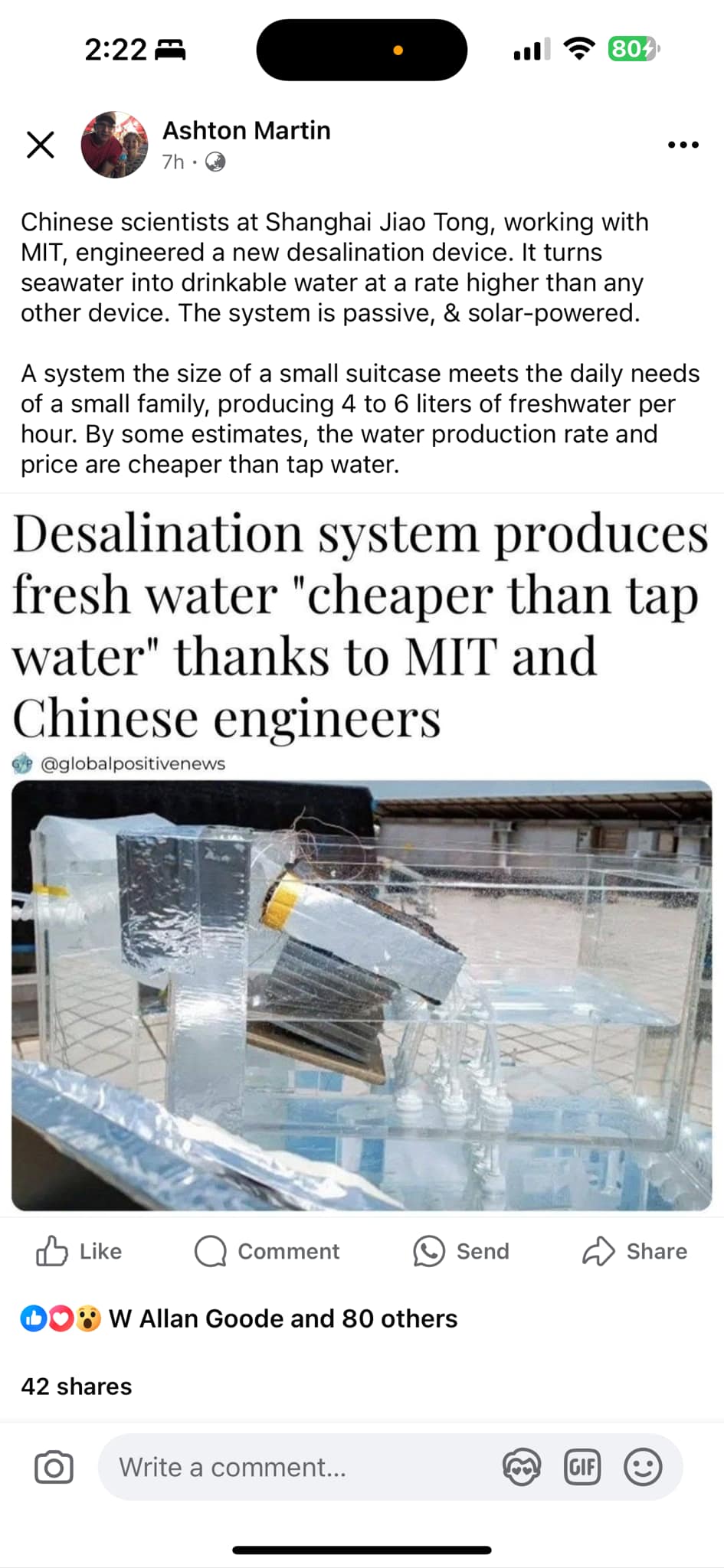
- The MIT and Shanghai Jiao Tong University scientists developed a highly efficient, portable desalination device based on a passive solar-powered system with several advanced materials and design principles. Their system uses innovative approaches to maximize water production and energy efficiency. Here’s a simplified breakdown of how it likely works, based on the principles they used:
Key Components and Principles
1. Solar Evaporation Layering:
• The device includes a multi-layered structure that absorbs sunlight and evaporates water quickly.
• Each layer is designed to trap and use solar energy more effectively, allowing more water to evaporate per unit of energy compared to traditional methods.
• Advanced photothermal materials (materials that convert sunlight into heat efficiently) are likely used to increase the rate of evaporation.
2. Capillary Action for Water Flow:
• The system uses capillary action to pull seawater from the main reservoir into the evaporative layers.
• This process doesn’t require pumps or external energy sources, making the system energy-efficient and passive.
• As water moves through the layers, it evaporates, leaving salts and impurities behind.
3. Heat Reclamation:
• One of the key breakthroughs is recycling the heat from previous evaporation stages. After one layer absorbs and uses the heat for evaporation, it’s transferred to the next layer, where it can be reused.
• This “stacking” or “layered” evaporation design improves efficiency by reusing the same solar energy multiple times, which speeds up the desalination process.
4. Condensation Surface:
• The vaporized water rises to a condensation surface where it cools and condenses into liquid fresh water.
• This surface is designed to allow the water to flow down into a collection area while preventing any re-absorption of salt.
5. Passive Solar-Powered System:
• The device is fully powered by solar energy, making it sustainable and suitable for remote areas.
• Unlike traditional desalination systems that require electricity or large-scale machinery, this design relies on natural sunlight and innovative material science, meaning it can function in a self-sustained way.
6. Compact Design:
• The entire system is compact, approximately the size of a suitcase, allowing it to be easily transported and deployed in remote locations. This is possible due to the modular and efficient design that combines all processes into a single, small unit.
Materials and Technology
The scientists used advanced materials to achieve this efficiency. Some examples of materials likely used include:
• Photothermal Nanomaterials: These are materials that efficiently absorb solar energy and convert it into heat.
• Hydrophilic Materials: Certain materials might be used to attract water molecules, assisting with evaporation.
• Heat-Conductive Layers: For transferring heat between layers to maximize reuse of solar energy.
Benefits of the MIT and SJTU Design
• Higher Efficiency: By using layered evaporation and heat recycling, the device produces water more efficiently than standard solar stills.
• Low Cost and Energy-Free Operation: It doesn’t need a power source other than sunlight, so operational costs are minimal.
• Portability: Designed to be as compact as a suitcase, it’s easy to transport and deploy.
• Sustainable Solution: Solar-powered desalination is environmentally friendly and ideal for places with limited freshwater access.
Can This Be Made at Home?
The MIT setup relies on advanced materials and precise engineering, which are not easily accessible to the average person. However, certain aspects, like layered evaporation and heat recycling, are principles that could inspire more efficient DIY setups. Still, achieving the same efficiency without access to specialized materials like photothermal nanomaterials and precise manufacturing would be challenging.
In essence, while a basic solar still can be created at home to desalinate water, replicating the MIT and SJTU level of efficiency, compactness, and productivity would require industrial-level material science and engineering expertise.The MIT and Shanghai Jiao Tong University scientists developed a highly efficient, portable desalination device based on a passive solar-powered system with several advanced materials and design principles. Their system uses innovative approaches to maximize water production and energy efficiency. Here’s a simplified breakdown of how it likely works, based on the principles they used: Key Components and Principles 1. Solar Evaporation Layering: • The device includes a multi-layered structure that absorbs sunlight and evaporates water quickly. • Each layer is designed to trap and use solar energy more effectively, allowing more water to evaporate per unit of energy compared to traditional methods. • Advanced photothermal materials (materials that convert sunlight into heat efficiently) are likely used to increase the rate of evaporation. 2. Capillary Action for Water Flow: • The system uses capillary action to pull seawater from the main reservoir into the evaporative layers. • This process doesn’t require pumps or external energy sources, making the system energy-efficient and passive. • As water moves through the layers, it evaporates, leaving salts and impurities behind. 3. Heat Reclamation: • One of the key breakthroughs is recycling the heat from previous evaporation stages. After one layer absorbs and uses the heat for evaporation, it’s transferred to the next layer, where it can be reused. • This “stacking” or “layered” evaporation design improves efficiency by reusing the same solar energy multiple times, which speeds up the desalination process. 4. Condensation Surface: • The vaporized water rises to a condensation surface where it cools and condenses into liquid fresh water. • This surface is designed to allow the water to flow down into a collection area while preventing any re-absorption of salt. 5. Passive Solar-Powered System: • The device is fully powered by solar energy, making it sustainable and suitable for remote areas. • Unlike traditional desalination systems that require electricity or large-scale machinery, this design relies on natural sunlight and innovative material science, meaning it can function in a self-sustained way. 6. Compact Design: • The entire system is compact, approximately the size of a suitcase, allowing it to be easily transported and deployed in remote locations. This is possible due to the modular and efficient design that combines all processes into a single, small unit. Materials and Technology The scientists used advanced materials to achieve this efficiency. Some examples of materials likely used include: • Photothermal Nanomaterials: These are materials that efficiently absorb solar energy and convert it into heat. • Hydrophilic Materials: Certain materials might be used to attract water molecules, assisting with evaporation. • Heat-Conductive Layers: For transferring heat between layers to maximize reuse of solar energy. Benefits of the MIT and SJTU Design • Higher Efficiency: By using layered evaporation and heat recycling, the device produces water more efficiently than standard solar stills. • Low Cost and Energy-Free Operation: It doesn’t need a power source other than sunlight, so operational costs are minimal. • Portability: Designed to be as compact as a suitcase, it’s easy to transport and deploy. • Sustainable Solution: Solar-powered desalination is environmentally friendly and ideal for places with limited freshwater access. Can This Be Made at Home? The MIT setup relies on advanced materials and precise engineering, which are not easily accessible to the average person. However, certain aspects, like layered evaporation and heat recycling, are principles that could inspire more efficient DIY setups. Still, achieving the same efficiency without access to specialized materials like photothermal nanomaterials and precise manufacturing would be challenging. In essence, while a basic solar still can be created at home to desalinate water, replicating the MIT and SJTU level of efficiency, compactness, and productivity would require industrial-level material science and engineering expertise.0 Comentários 0 Compartilhamentos 1557 Visualizações - Come visit Rehan School Islamabad CampusCome visit Rehan School Islamabad Campus0 Comentários 0 Compartilhamentos 76 Visualizações
- خرد کو غلامی سے آزاد کر
جوانوں کو پیروں کا استاد کرخرد کو غلامی سے آزاد کر جوانوں کو پیروں کا استاد کر0 Comentários 0 Compartilhamentos 102 Visualizações