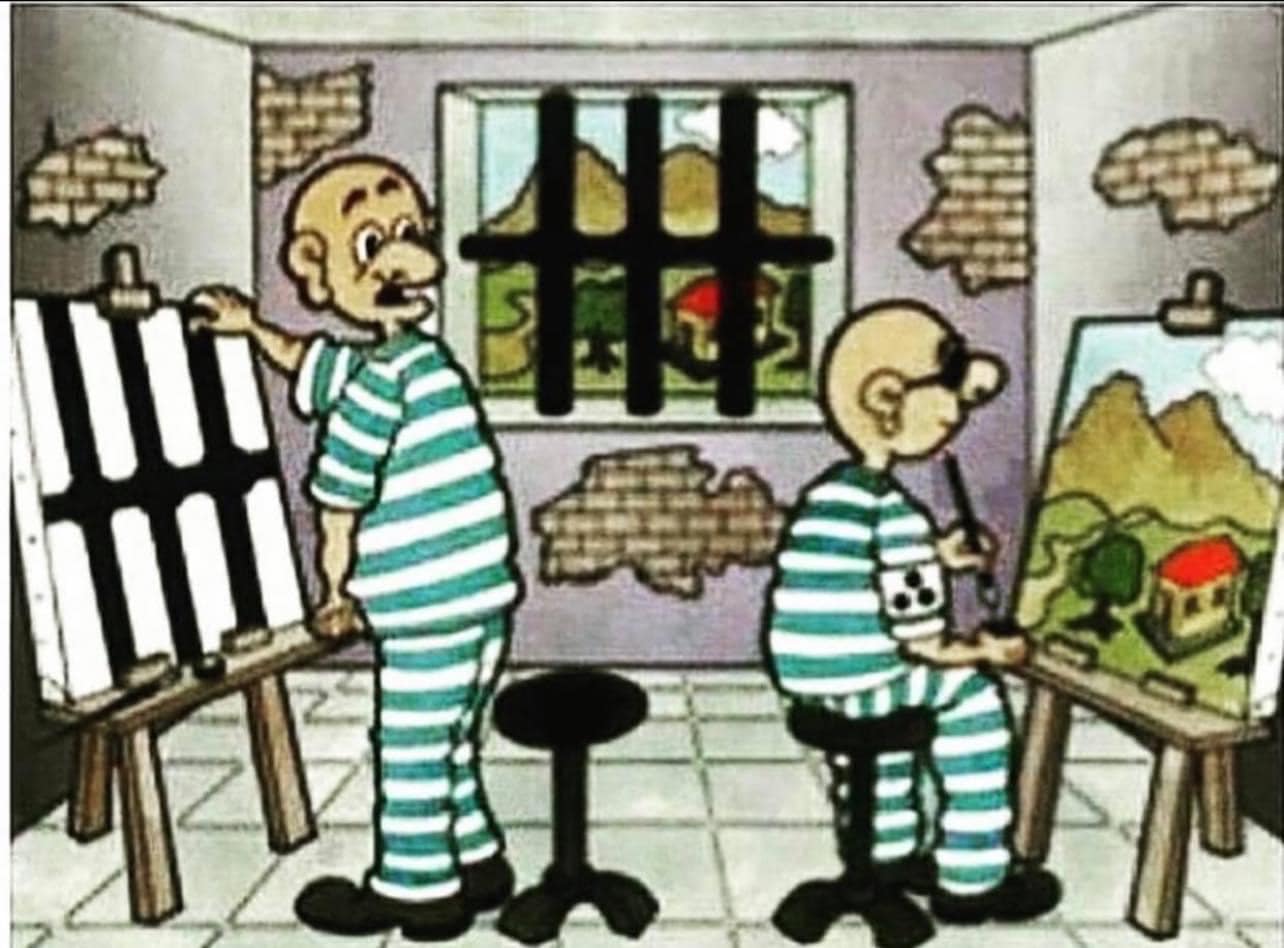
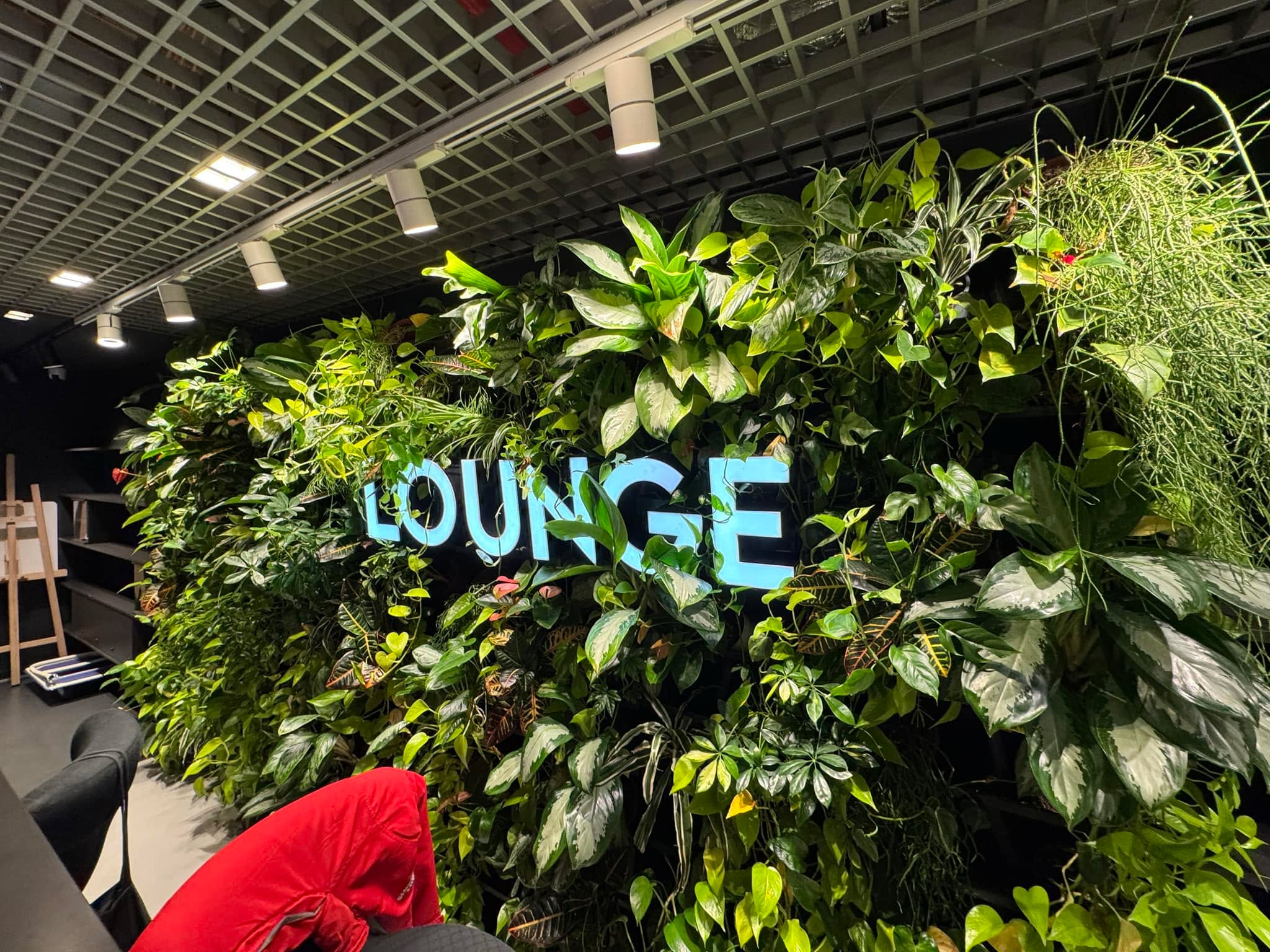
• Simple and beautiful
    Simple and beautiful 😻
    0 Commentaires 0 Parts 81 Vue
  • Why we don’t make our places pretty ?
    Why we don’t make our places pretty ?
    0 Commentaires 0 Parts 81 Vue
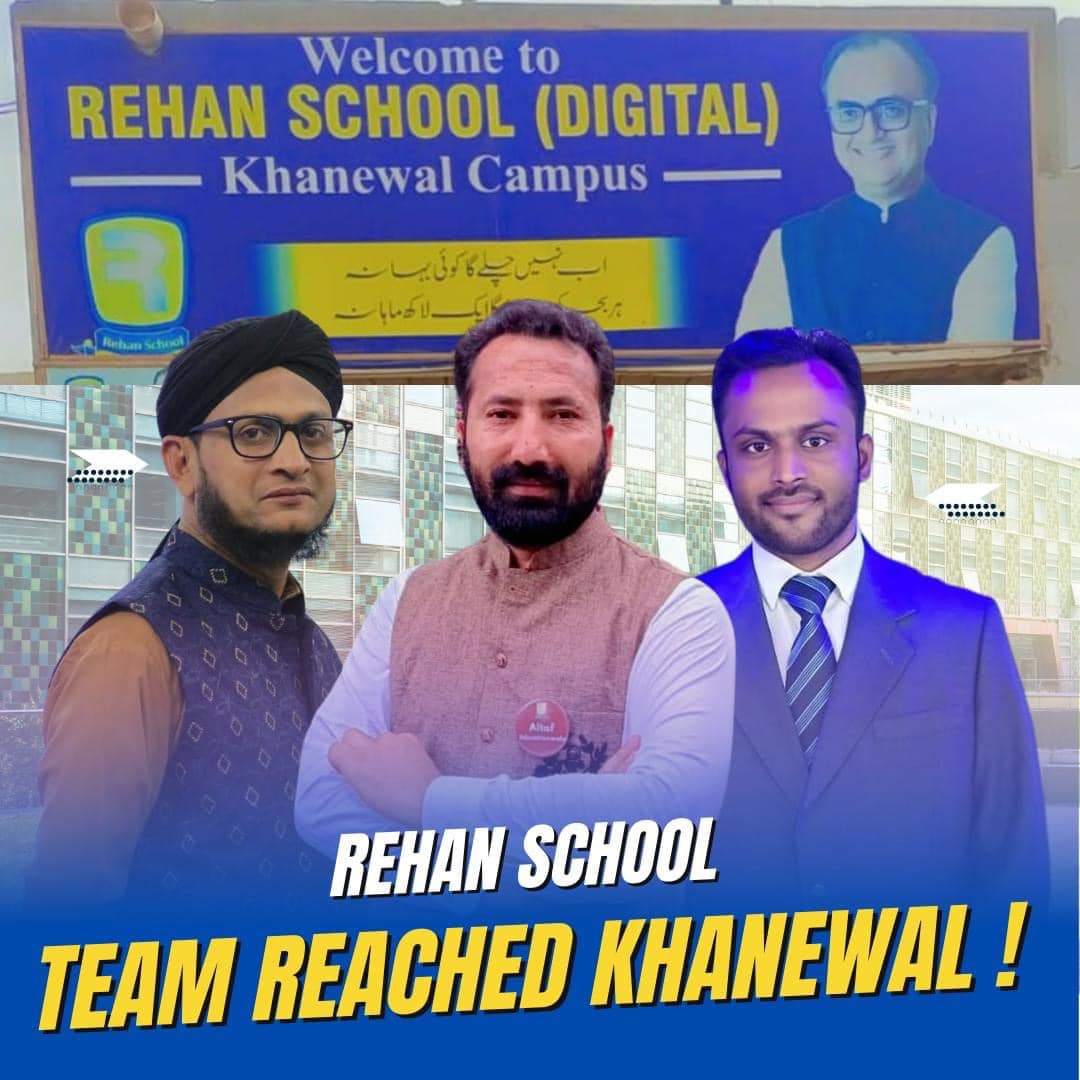
  • Hello Rehan School Khanewal Campus !
    Hello Rehan School Khanewal Campus !
    0 Commentaires 0 Parts 43 Vue
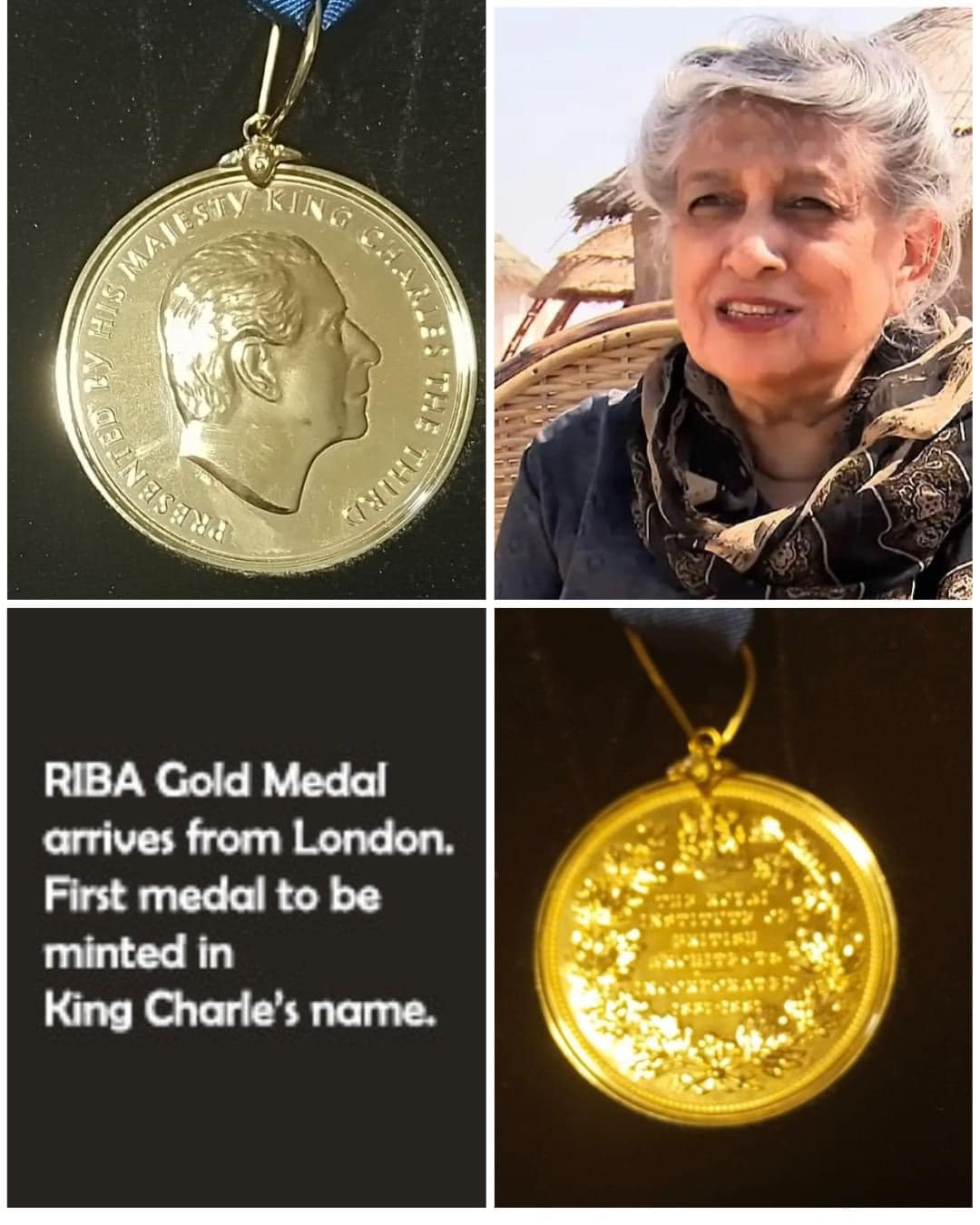
  • Super amazing super lady !
    Super amazing super lady !
    0 Commentaires 0 Parts 78 Vue
  • ہمارا سوچنے کا طریقہ ہماری حقیقت کو بناتا ہے کیونکہ یہ ہمارے ہر تجربے اور خیال کو سمجھنے میں مدد دیتا ہے۔ ہمارے خیالات اور ماضی کے تجربات ہمیں ایک خاص طرح سے دنیا کو دیکھنے پر مجبور کرتے ہیں، جس سے یہ طے ہوتا ہے کہ ہم کیا محسوس کرتے ہیں اور کیسے ردعمل دیتے ہیں۔ اگر ہم چیزوں کو اچھا یا مثبت دیکھیں تو ہمیں اچھی چیزیں دیکھنے میں زیادہ آسانی ہوتی ہے اور ہم نئے مواقع کو بھی پہچان لیتے ہیں۔ لیکن اگر ہم چیزوں کو مشکل یا منفی انداز میں دیکھیں تو ہمیں زیادہ تر مشکلات ہی نظر آتی ہیں۔ آخر میں، ہماری حقیقت صرف وہ نہیں ہوتی جو ہمارے ساتھ ہوتا ہے، بلکہ یہ بھی کہ ہم اسے کیسے دیکھتے ہیں اور اس پر کیسا ردعمل دیتے ہیں۔
    ہمارا سوچنے کا طریقہ ہماری حقیقت کو بناتا ہے کیونکہ یہ ہمارے ہر تجربے اور خیال کو سمجھنے میں مدد دیتا ہے۔ ہمارے خیالات اور ماضی کے تجربات ہمیں ایک خاص طرح سے دنیا کو دیکھنے پر مجبور کرتے ہیں، جس سے یہ طے ہوتا ہے کہ ہم کیا محسوس کرتے ہیں اور کیسے ردعمل دیتے ہیں۔ اگر ہم چیزوں کو اچھا یا مثبت دیکھیں تو ہمیں اچھی چیزیں دیکھنے میں زیادہ آسانی ہوتی ہے اور ہم نئے مواقع کو بھی پہچان لیتے ہیں۔ لیکن اگر ہم چیزوں کو مشکل یا منفی انداز میں دیکھیں تو ہمیں زیادہ تر مشکلات ہی نظر آتی ہیں۔ آخر میں، ہماری حقیقت صرف وہ نہیں ہوتی جو ہمارے ساتھ ہوتا ہے، بلکہ یہ بھی کہ ہم اسے کیسے دیکھتے ہیں اور اس پر کیسا ردعمل دیتے ہیں۔
    0 Commentaires 0 Parts 112 Vue
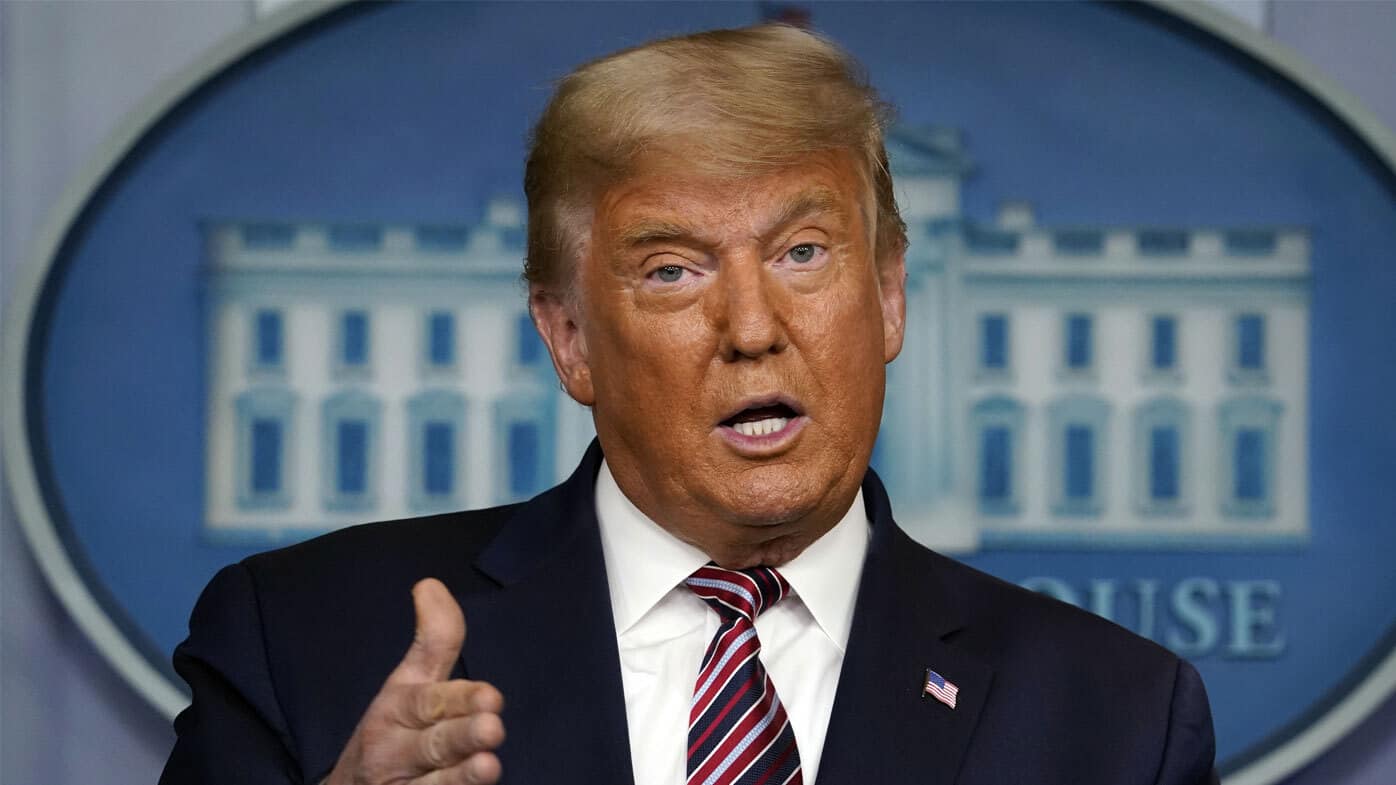
  • انسانی حیاتیات انسانی عقل سے زیادہ طاقتور ہے۔ سیاستدان اکثر انتخابات جیتنے کے لئے انسانی حیاتیاتی ردعمل کا استعمال کرتے ہیں، نہ کہ لوگوں کی عقلی صلاحیت کا۔
    1. حیاتیاتی ردعمل عقل پر غالب: انسان کی حیاتیاتی بناوٹ کچھ مخصوص محرکات، جیسے خوف، امید، اور گروپ بندی پر تیز ردعمل دیتی ہے کیونکہ یہ ردعمل ہمارے آباؤ اجداد کی بقا میں مددگار ثابت ہوئے تھے۔ سیاستدان اس بات کو سمجھتے ہیں اور اسی لئے وہ لوگوں کی توجہ حاصل کرنے اور ان کے فیصلوں پر اثر انداز ہونے کے لئے ان جذباتی محرکات کا استعمال کرتے ہیں۔
    2. سیاست میں جذباتی محرکات کا استعمال: سیاسی مہمات زیادہ تر عقل و دانش پر مبنی نہیں ہوتیں بلکہ خوف، غصے، اور تعلق کے جذبات کو بڑھاوا دینے کے لئے بنائی جاتی ہیں۔ یہ حکمت عملی لوگوں کی گہری سوچ کو بائی پاس کرتی ہے اور تیز، جذباتی ردعمل پیدا کرتی ہے جو انہیں جذبات کی بنیاد پر ووٹ ڈالنے کی طرف لے جاتی ہے۔
    3. ہم بمقابلہ وہ (Us vs Them): سیاستدان اکثر مسائل کو دو گروپوں کے درمیان جنگ کے طور پر پیش کرتے ہیں کیونکہ یہ انسانی حیاتیاتی جبلت، یعنی قبائلی رجحان، کو اپیل کرتی ہے۔ انسان فطری طور پر اپنے گروپ میں محفوظ محسوس کرتے ہیں، اور سیاستدان اس بات کا فائدہ اٹھاتے ہوئے لوگوں کو اپنے یا کسی دوسرے گروپ کا حصہ بنانے کی کوشش کرتے ہیں۔
    4. سلامتی اور استحکام کی خواہش: سیاستدان اکثر پرکشش وعدے کرتے ہیں کیونکہ وہ جانتے ہیں کہ لوگ سلامتی اور یقین چاہتے ہیں، خاص طور پر غیر یقینی حالات میں۔ یہ ایک حیاتیاتی خواہش ہے جو عقل سے زیادہ انسان کے قدرتی احساسِ سلامتی سے جڑی ہوتی ہے۔
    5. فوری نتائج اور سادہ حل کی خواہش: انسان فوری نتائج یا آسان حل کی طرف جلدی راغب ہو جاتے ہیں۔ سیاستدان جانتے ہیں کہ لوگ ایسی باتوں کا مثبت ردعمل دیتے ہیں جو زیادہ سوچنے کی ضرورت نہ رکھتی ہوں۔

    اس طرح سیاستدان انسانی حیاتیات کا فائدہ اٹھاتے ہوئے ایسی حکمت عملی بناتے ہیں جو ہماری فطری جذباتی ردعمل کے مطابق ہوتی ہیں۔ اس سے ثابت ہوتا ہے کہ اکثر سیاست میں حیاتیات عقل سے زیادہ کام کرتی ہے۔
    انسانی حیاتیات انسانی عقل سے زیادہ طاقتور ہے۔ سیاستدان اکثر انتخابات جیتنے کے لئے انسانی حیاتیاتی ردعمل کا استعمال کرتے ہیں، نہ کہ لوگوں کی عقلی صلاحیت کا۔ 1. حیاتیاتی ردعمل عقل پر غالب: انسان کی حیاتیاتی بناوٹ کچھ مخصوص محرکات، جیسے خوف، امید، اور گروپ بندی پر تیز ردعمل دیتی ہے کیونکہ یہ ردعمل ہمارے آباؤ اجداد کی بقا میں مددگار ثابت ہوئے تھے۔ سیاستدان اس بات کو سمجھتے ہیں اور اسی لئے وہ لوگوں کی توجہ حاصل کرنے اور ان کے فیصلوں پر اثر انداز ہونے کے لئے ان جذباتی محرکات کا استعمال کرتے ہیں۔ 2. سیاست میں جذباتی محرکات کا استعمال: سیاسی مہمات زیادہ تر عقل و دانش پر مبنی نہیں ہوتیں بلکہ خوف، غصے، اور تعلق کے جذبات کو بڑھاوا دینے کے لئے بنائی جاتی ہیں۔ یہ حکمت عملی لوگوں کی گہری سوچ کو بائی پاس کرتی ہے اور تیز، جذباتی ردعمل پیدا کرتی ہے جو انہیں جذبات کی بنیاد پر ووٹ ڈالنے کی طرف لے جاتی ہے۔ 3. ہم بمقابلہ وہ (Us vs Them): سیاستدان اکثر مسائل کو دو گروپوں کے درمیان جنگ کے طور پر پیش کرتے ہیں کیونکہ یہ انسانی حیاتیاتی جبلت، یعنی قبائلی رجحان، کو اپیل کرتی ہے۔ انسان فطری طور پر اپنے گروپ میں محفوظ محسوس کرتے ہیں، اور سیاستدان اس بات کا فائدہ اٹھاتے ہوئے لوگوں کو اپنے یا کسی دوسرے گروپ کا حصہ بنانے کی کوشش کرتے ہیں۔ 4. سلامتی اور استحکام کی خواہش: سیاستدان اکثر پرکشش وعدے کرتے ہیں کیونکہ وہ جانتے ہیں کہ لوگ سلامتی اور یقین چاہتے ہیں، خاص طور پر غیر یقینی حالات میں۔ یہ ایک حیاتیاتی خواہش ہے جو عقل سے زیادہ انسان کے قدرتی احساسِ سلامتی سے جڑی ہوتی ہے۔ 5. فوری نتائج اور سادہ حل کی خواہش: انسان فوری نتائج یا آسان حل کی طرف جلدی راغب ہو جاتے ہیں۔ سیاستدان جانتے ہیں کہ لوگ ایسی باتوں کا مثبت ردعمل دیتے ہیں جو زیادہ سوچنے کی ضرورت نہ رکھتی ہوں۔ اس طرح سیاستدان انسانی حیاتیات کا فائدہ اٹھاتے ہوئے ایسی حکمت عملی بناتے ہیں جو ہماری فطری جذباتی ردعمل کے مطابق ہوتی ہیں۔ اس سے ثابت ہوتا ہے کہ اکثر سیاست میں حیاتیات عقل سے زیادہ کام کرتی ہے۔
    0 Commentaires 0 Parts 403 Vue
  • To explain to your friend that human biology is more powerful than human intellect—and how politicians use this to their advantage during elections—you could break it down like this:
    1. Biological Reactions Over Rational Thinking: Explain that humans are biologically wired to respond to certain stimuli, like fear, hope, and tribalism, because these responses helped our ancestors survive. While intellect allows us to think rationally, our biology often triggers faster, stronger responses, especially when emotions are involved. Politicians understand this and leverage it to capture our attention and influence our decisions.
    2. Emotional Triggers in Politics: Point out how political campaigns are designed to appeal to emotions rather than rational thinking. They often use strong, simple messages that tap into fear (of loss, of “the other side” winning), anger, and even a sense of belonging. This bypasses deeper, intellectual analysis and triggers quick, emotional responses that drive people to vote based on these feelings.
    3. Us vs. Them Mentality: Explain how politicians often frame issues as a battle between “us” and “them” because it taps into a primal, tribal instinct. Humans are wired to feel safer in groups, and politicians play on this by making people feel like they belong to one side or the other. This appeals more to our biological urge for safety and belonging than to intellectual reasoning about policies.
    4. Promises of Security and Stability: Candidates often make bold promises because they know that people crave security and certainty, especially in uncertain times. This is a biological drive that has less to do with intellect and more to do with the natural human desire to feel safe and stable.
    5. Instant Gratification and Simple Solutions: Humans tend to respond well to promises of immediate results or simple fixes—something that biology favors as it conserves energy by avoiding complex problem-solving. Politicians often offer oversimplified solutions, knowing that people are more likely to respond positively to ideas that don’t require too much mental processing.

    By tapping into biology rather than intellect, politicians craft messages and strategies that align with how we’re wired to react emotionally, ensuring that they capture people’s attention and votes. So, in many ways, politics often succeeds by understanding and using our biology more than by appealing to our intellect.

    To explain to your friend that human biology is more powerful than human intellect—and how politicians use this to their advantage during elections—you could break it down like this: 1. Biological Reactions Over Rational Thinking: Explain that humans are biologically wired to respond to certain stimuli, like fear, hope, and tribalism, because these responses helped our ancestors survive. While intellect allows us to think rationally, our biology often triggers faster, stronger responses, especially when emotions are involved. Politicians understand this and leverage it to capture our attention and influence our decisions. 2. Emotional Triggers in Politics: Point out how political campaigns are designed to appeal to emotions rather than rational thinking. They often use strong, simple messages that tap into fear (of loss, of “the other side” winning), anger, and even a sense of belonging. This bypasses deeper, intellectual analysis and triggers quick, emotional responses that drive people to vote based on these feelings. 3. Us vs. Them Mentality: Explain how politicians often frame issues as a battle between “us” and “them” because it taps into a primal, tribal instinct. Humans are wired to feel safer in groups, and politicians play on this by making people feel like they belong to one side or the other. This appeals more to our biological urge for safety and belonging than to intellectual reasoning about policies. 4. Promises of Security and Stability: Candidates often make bold promises because they know that people crave security and certainty, especially in uncertain times. This is a biological drive that has less to do with intellect and more to do with the natural human desire to feel safe and stable. 5. Instant Gratification and Simple Solutions: Humans tend to respond well to promises of immediate results or simple fixes—something that biology favors as it conserves energy by avoiding complex problem-solving. Politicians often offer oversimplified solutions, knowing that people are more likely to respond positively to ideas that don’t require too much mental processing. By tapping into biology rather than intellect, politicians craft messages and strategies that align with how we’re wired to react emotionally, ensuring that they capture people’s attention and votes. So, in many ways, politics often succeeds by understanding and using our biology more than by appealing to our intellect.

    0 Commentaires 0 Parts 142 Vue
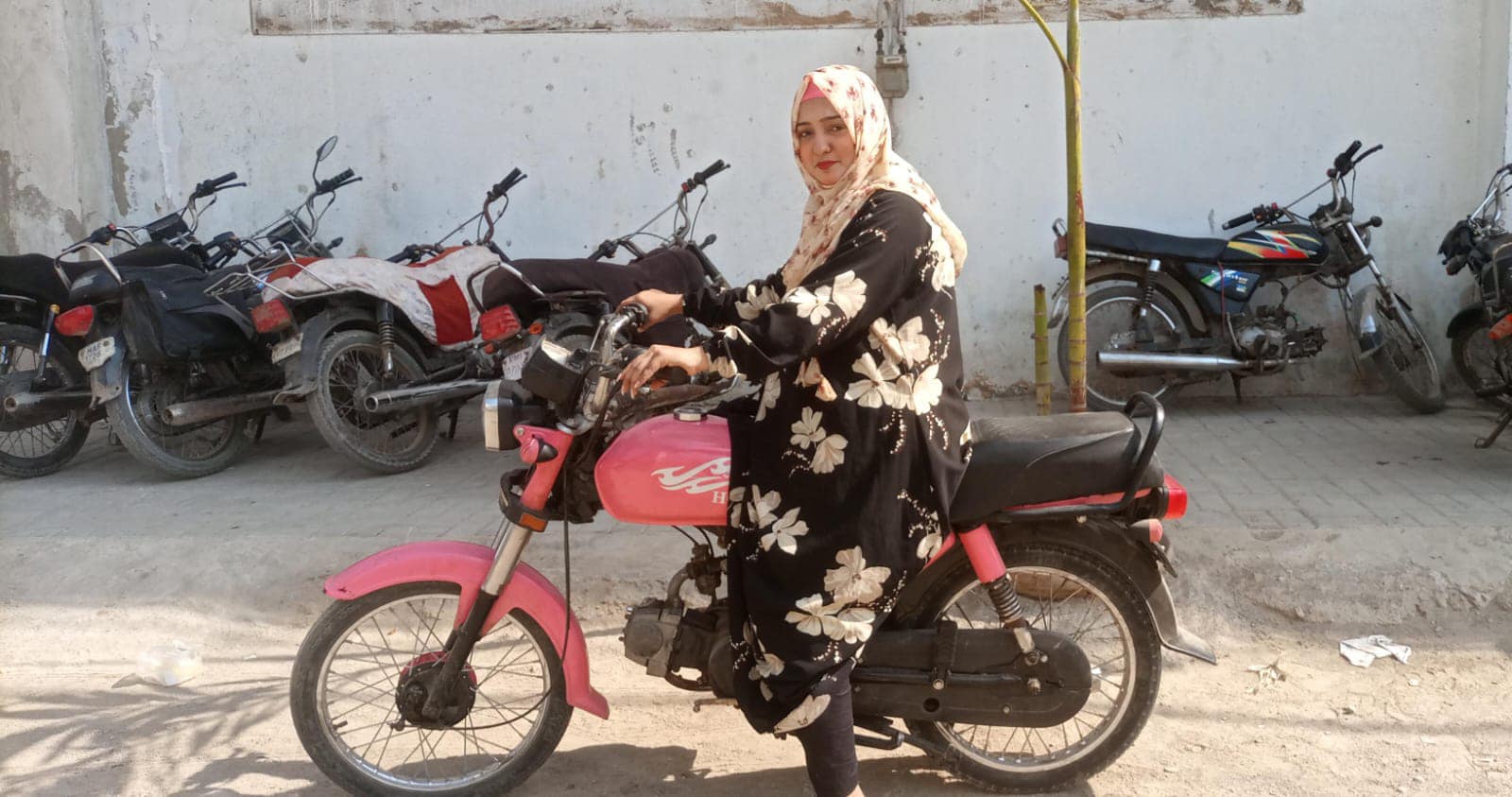
  • Congratulations Misbah Altaf Talentwali on your driver licence and a motor bike from Rehan School Korangi Campus for you !
    Congratulations Misbah Altaf Talentwali on your driver licence and a motor bike from Rehan School Korangi Campus for you !
    0 Commentaires 0 Parts 79 Vue
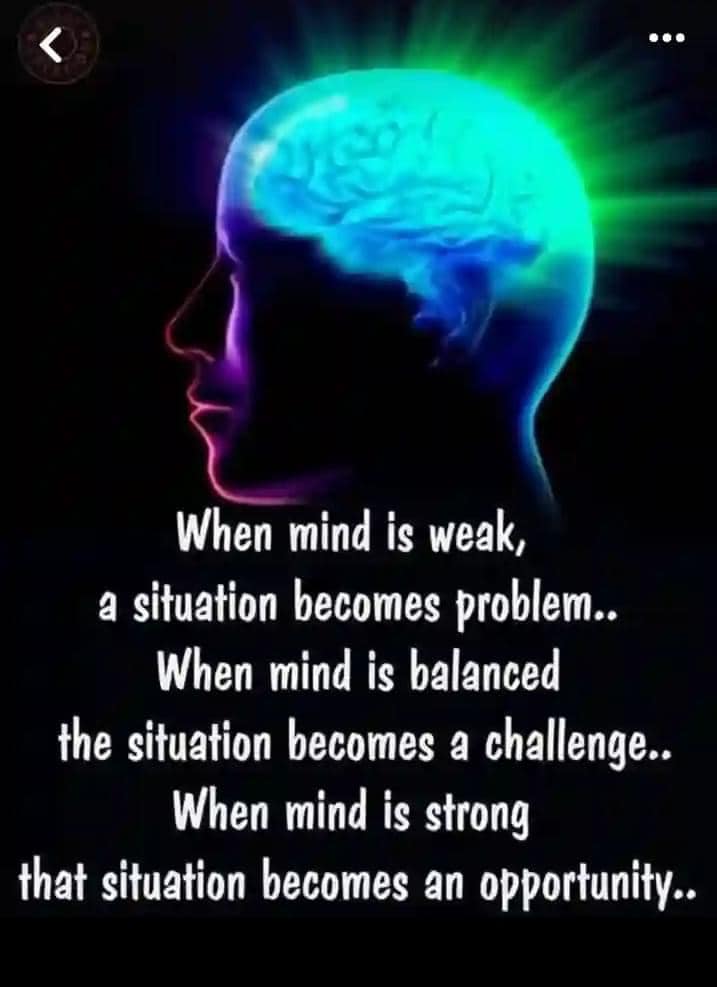
  • Ask ChatGPT when you have a problem and ask it to convert your problem to an opportunity!
    Ask ChatGPT when you have a problem and ask it to convert your problem to an opportunity!
    0 Commentaires 0 Parts 42 Vue
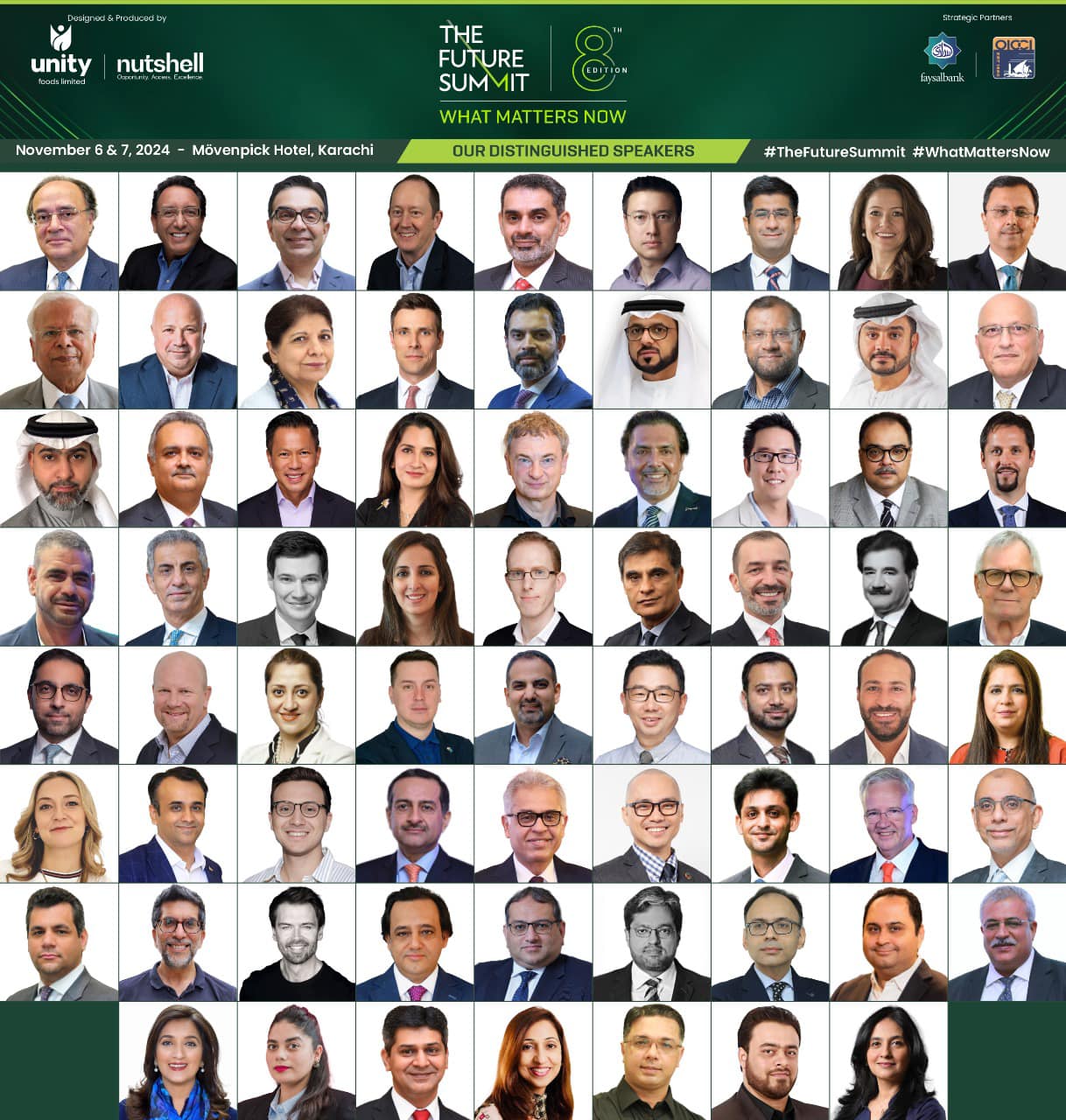
  • Thank you @muhammad azfar ahsan for doing this amazing event and bringing amazing speakers to Pakistan

    Welcome Mark Turrell ! Hope we can have a meal this time !
    Thank you @muhammad azfar ahsan for doing this amazing event and bringing amazing speakers to Pakistan 🇵🇰 Welcome Mark Turrell ! Hope we can have a meal this time !
    0 Commentaires 0 Parts 84 Vue