• Congratulations to Ameer Popcornwala on making the first online school for teaching basics of freelancing to the whole country and the world !

    So proud of you !
    Congratulations to Ameer Popcornwala on making the first online school for teaching basics of freelancing to the whole country and the world ! So proud of you !
    0 تبصرے 0 شیئرز 15 ویوز
  • Congratulations Anat Bernstein-Reich for being the woman of the decade !
    Congratulations Anat Bernstein-Reich for being the woman of the decade !
    0 تبصرے 0 شیئرز 15 ویوز
  • Kundalini is a spiritual energy or life force that is believed to be located at the base of the spine in Hindu and Buddhist tradition. It is often depicted as a coiled serpent, and is thought to be the source of a persons spiritual power and potential.

    In Hindu and Buddhist belief, the kundalini energy is believed to be dormant in most people, but can be awakened through various spiritual practices, such as meditation, yoga, and chanting. The awakening of the kundalini is said to bring about a range of physical, emotional, and spiritual changes, including increased energy and vitality, improved mental clarity and concentration, and a sense of inner peace and contentment.

    In some traditions, the awakening of the kundalini is seen as a necessary step on the path to spiritual enlightenment and self-realization. In others, it is viewed as a powerful tool for personal transformation and healing.

    Kundalini is a spiritual energy or life force that is believed to be located at the base of the spine in Hindu and Buddhist tradition. It is often depicted as a coiled serpent, and is thought to be the source of a person's spiritual power and potential. In Hindu and Buddhist belief, the kundalini energy is believed to be dormant in most people, but can be awakened through various spiritual practices, such as meditation, yoga, and chanting. The awakening of the kundalini is said to bring about a range of physical, emotional, and spiritual changes, including increased energy and vitality, improved mental clarity and concentration, and a sense of inner peace and contentment. In some traditions, the awakening of the kundalini is seen as a necessary step on the path to spiritual enlightenment and self-realization. In others, it is viewed as a powerful tool for personal transformation and healing.

    0 تبصرے 0 شیئرز 32 ویوز
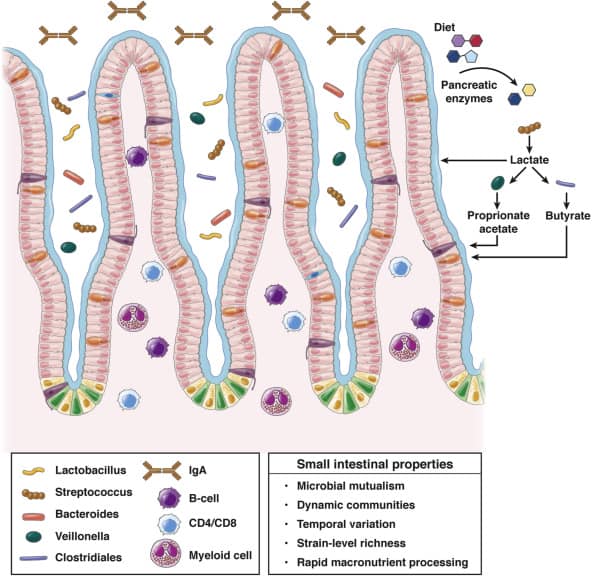
  • Not all of the cells in the human body are human cells. The human body is home to a variety of microbial organisms, such as bacteria and fungi, which live on the skin and in the gut. These microbial cells outnumber human cells by a factor of 10, with some estimates suggesting that the human body contains as many as 100 trillion microbial cells.

    Join Human Microbiome Pakistan if you have interest in this !
    Not all of the cells in the human body are human cells. The human body is home to a variety of microbial organisms, such as bacteria and fungi, which live on the skin and in the gut. These microbial cells outnumber human cells by a factor of 10, with some estimates suggesting that the human body contains as many as 100 trillion microbial cells. Join Human Microbiome Pakistan if you have interest in this !
    0 تبصرے 0 شیئرز 66 ویوز
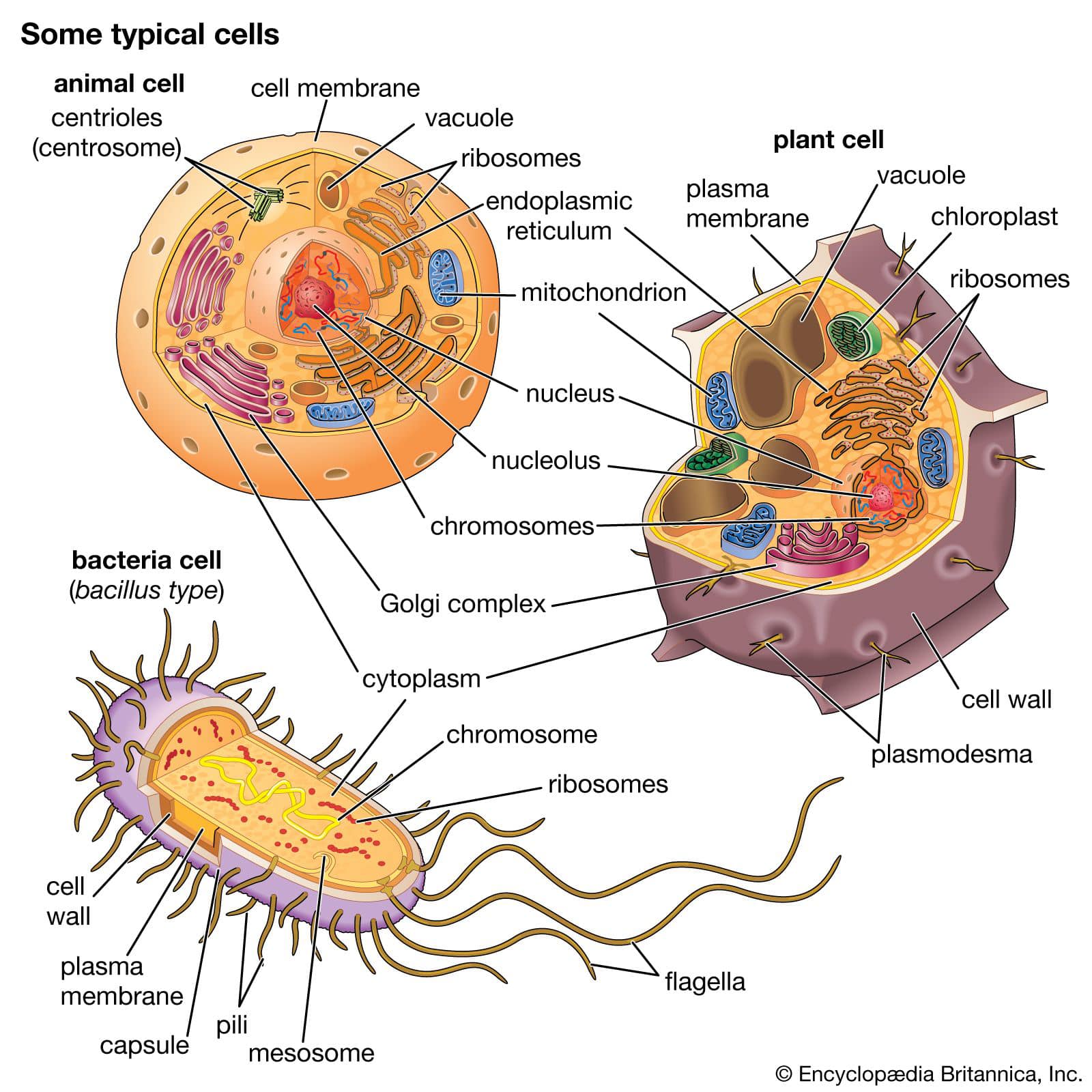
  • The number of cells in the human body varies depending on the individual and the stage of life they are in. According to estimates, the average adult human body contains between 30 and 50 trillion cells. This number can vary due to factors such as age, size, and health status.

    The human body is made up of many different types of cells, including red and white blood cells, nerve cells, and muscle cells. Each type of cell has a specific function and plays a unique role in maintaining the bodys overall health and homeostasis.

    Its worth noting that not all of the cells in the human body are human cells. The human body is home to a variety of microbial organisms, such as bacteria and fungi, which live on the skin and in the gut. These microbial cells outnumber human cells by a factor of 10, with some estimates suggesting that the human body contains as many as 100 trillion microbial cells.
    The number of cells in the human body varies depending on the individual and the stage of life they are in. According to estimates, the average adult human body contains between 30 and 50 trillion cells. This number can vary due to factors such as age, size, and health status. The human body is made up of many different types of cells, including red and white blood cells, nerve cells, and muscle cells. Each type of cell has a specific function and plays a unique role in maintaining the body's overall health and homeostasis. It's worth noting that not all of the cells in the human body are human cells. The human body is home to a variety of microbial organisms, such as bacteria and fungi, which live on the skin and in the gut. These microbial cells outnumber human cells by a factor of 10, with some estimates suggesting that the human body contains as many as 100 trillion microbial cells.
    0 تبصرے 0 شیئرز 67 ویوز
  • Want to work for google from home ? Go to LinkedIn and apply
    Want to work for google from home ? Go to LinkedIn and apply
    0 تبصرے 0 شیئرز 15 ویوز
  • What do you see ?
    What do you see ?
    0 تبصرے 0 شیئرز 15 ویوز
  • Entertainment: Number 1 Priority of nation of Pakistan
    Entertainment: Number 1 Priority of nation of Pakistan
    0 تبصرے 0 شیئرز 47 ویوز
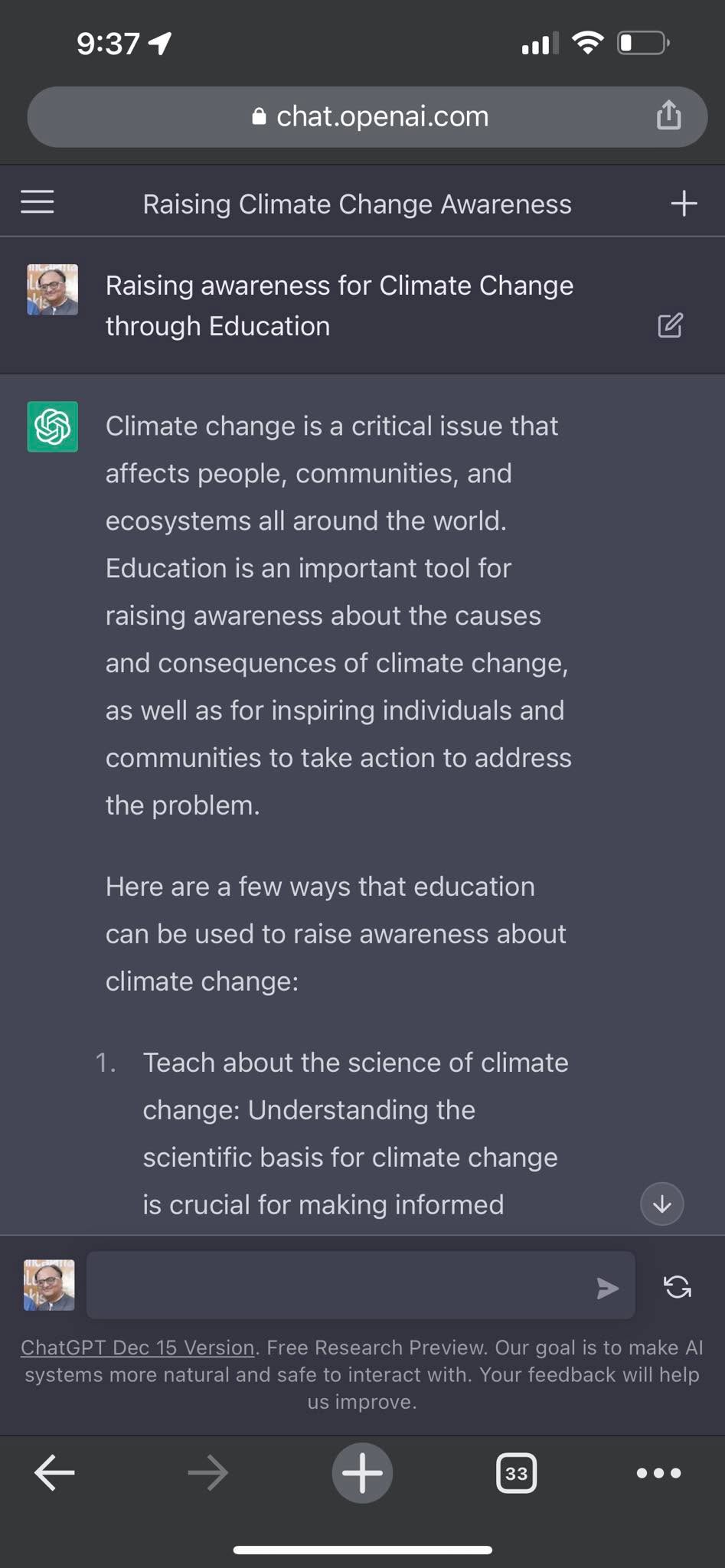
  • Climate change is a critical issue that affects people, communities, and ecosystems all around the world. Education is an important tool for raising awareness about the causes and consequences of climate change, as well as for inspiring individuals and communities to take action to address the problem.

    Here are a few ways that education can be used to raise awareness about climate change:

    Teach about the science of climate change: Understanding the scientific basis for climate change is crucial for making informed decisions about how to address the problem. This includes learning about the role of greenhouse gases in the atmosphere, the impact of human activities on the climate, and the predicted consequences of climate change.
    Engage in experiential learning: Hands-on, experiential learning can be a powerful way to help students understand and connect with the issue of climate change. This could include activities such as field trips to natural areas, participating in community service projects related to the environment, or conducting research projects on local climate impacts.
    Promote sustainability: Encouraging sustainable behaviors and practices is an important way to reduce greenhouse gas emissions and mitigate the effects of climate change. Educational programs that focus on sustainability can help students understand the role they play in the problem and motivate them to make changes in their own lives.
    Advocate for policy change: Advocating for policy changes that address climate change is an important way to bring about systemic change. Educational programs that teach about the policy process and the importance of advocacy can help students understand how they can make a difference on this issue.
    Overall, education is an important tool for raising awareness about climate change and inspiring individuals and communities to take action to address the problem.
    Climate change is a critical issue that affects people, communities, and ecosystems all around the world. Education is an important tool for raising awareness about the causes and consequences of climate change, as well as for inspiring individuals and communities to take action to address the problem. Here are a few ways that education can be used to raise awareness about climate change: Teach about the science of climate change: Understanding the scientific basis for climate change is crucial for making informed decisions about how to address the problem. This includes learning about the role of greenhouse gases in the atmosphere, the impact of human activities on the climate, and the predicted consequences of climate change. Engage in experiential learning: Hands-on, experiential learning can be a powerful way to help students understand and connect with the issue of climate change. This could include activities such as field trips to natural areas, participating in community service projects related to the environment, or conducting research projects on local climate impacts. Promote sustainability: Encouraging sustainable behaviors and practices is an important way to reduce greenhouse gas emissions and mitigate the effects of climate change. Educational programs that focus on sustainability can help students understand the role they play in the problem and motivate them to make changes in their own lives. Advocate for policy change: Advocating for policy changes that address climate change is an important way to bring about systemic change. Educational programs that teach about the policy process and the importance of advocacy can help students understand how they can make a difference on this issue. Overall, education is an important tool for raising awareness about climate change and inspiring individuals and communities to take action to address the problem.
    0 تبصرے 0 شیئرز 52 ویوز
  • Who can stop this nation from goog forward ? No one !

    Thank you Farzan Qureshi !
    Who can stop this nation from goog forward ? No one ! Thank you Farzan Qureshi !
    0 تبصرے 0 شیئرز 15 ویوز