


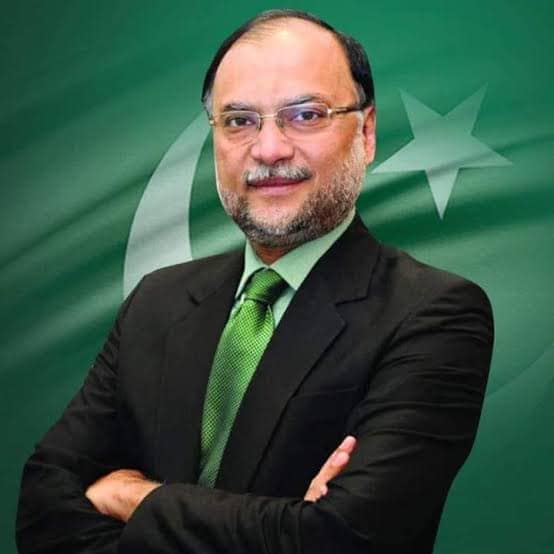
Dear Ahsan Iqbal,
You asked for ideas for high impact technology projects. I figured I’ll pen down some thoughts.
I moved to Portugal last year and a few things struck me: Portugal is a country of 10 million and smaller in area than Pakistan’s smallest province: KPK. And yet they were able to establish an empire that had colonies in India, Africa and America. Even today, more people speak Portuguese outside of Portugal than inside. ��
The second thing was this: Fatima is a very common name here. That’s because for over 300 years and till 1249, Muslims ruled this land and called it Gharb Al Andalus. There’s a Moorish Castle near where I live, a reminder of that time. ��
The first point is relevant for this reason: size doesn’t matter. Pakistan being much smaller than India and China can still make a dent in the Universe. The 2nd point is: there is nothing inherently weak about us, we can build a great civilisation again. ��
But in order to be great, we must learn from history. What caused the rise of the Portuguese Empire? What turned the British Empire into the first among Europeans? What makes America the superpower of our time? And what was it that turned the Muslim civilisation from conquerors to slaves?
One difference that we can observe is that while the British colonised India and America and Australia and many parts of Africa and China, the Americans seem benign as a superpower. Yes they have military bases around the world, but they don’t literally colonise nations. ��
Why is that?��
The difference is timing. When the British started building their Empire, the world was pre-industrial. Their primary driver for colonisation was “resource extraction”. So black African slaves were shipped to America to grow commodities which were shipped back to England. A small country like England grew rich because they had infinite African labour working on limitless American farmland. ��
As they grew rich, London became the hub of finance and they set their eyes on other prizes: India being one. And later the Ottomons. ��
But here one wonders: why were Europeans able to colonise Africa and India and not the other way around?
��The average European had the same intelligence as the average African or Indian till 1440. And then Gutenberg invented the printing press. Within a few decades, the printing press moved to over 200 European cities. Columbus, an Italian, was born in 1451 and led an expedition to America in 1492. Vasco da Gama, a Portuguese, was born in 1460 and he was the first European to reach India in 1498. ��
Some people will say that there is no causal relationship between the invention of the printing press and these men finding routes to America and India. Don’t listen to them. Not only did the Europeans reach these vast lands, they also colonised them.
Why?
��It was not because Tipu Sultan was a weak leader or Ranjit Singh a flawed person. It was simply this: the average European had developed a superior intellect vs the average person of Asia, Africa and America. How? Because he had access to books. And these books democratised knowledge and unleashed a thousand ships. ��
The snobbery of Muslim leaders and intellectuals had persuaded them to ignore the greatest invention of their time - the printing press - which was enabling Europeans to fully capitalise the talent of their people while our leaders were busy ruling their fiefdoms. ��
The Americans on the other hand, after their War of Independence from the British, focused on consolidating power on their home continent. The Louisiana Purchase and the Texas Annexation are some things that kept them busy in the 19th century. By the time the Americans became the world’s leading power in the 20th century, there were new forces at play. First, unlike the British, they had access to vast natural resources in their own territory. Second, their power came not from agriculture or commodities - but from their factories. ��
Their first task after the 2nd world war was the dismantling of the old empires: British and French in particular. No empire likes competition. Second, they established a global monetary system (IMF and World Bank) that put them in the center of the world. Third, they granted themselves access to world markets (WTO).
So given the cards we have been dealt, what can Pakistan do that will be difficult to undo? Pakistan has one of the greatest assets in a digital-first world: a young population. No one is stopping us from turning them into better citizens, better entrepreneurs and better workers. The only thing stopping us is the limit of our imagination. ��
The wealth-creation engine of the 21st century is technology. The greatest asset is the human imagination. Our challenge is simple: how do we unleash the collective intelligence of our people?
��It’s true that Pakistan is transitioning into a tech-savvy country. But it’s not enough because what matters is the relative speed of this transition. We have to transform into a digital-first, tech-savvy, smart economy before other nations of the world. And we have to adopt new technologies faster than out competitors. ��
The race to be first among nations is on. I can tell you with certainty that we are still behind - by at least a decade. That competitive disadvantage is prepping us for a 2nd colonisation. ��
Once you recognise the severity of the challenge and the scale of the opportunity, you and your government should commit massive resources to this endeavour. Because every dollar you invest will come back many times over in the next 5 years. So how much will you commit? How will you strategise this investment? How will you reap rewards fast enough to reinvest? ��
This is a conversation worth having. ��
Looking forward to your thoughts.��
Written by Shahjahan Chaudhary
You asked for ideas for high impact technology projects. I figured I’ll pen down some thoughts.
I moved to Portugal last year and a few things struck me: Portugal is a country of 10 million and smaller in area than Pakistan’s smallest province: KPK. And yet they were able to establish an empire that had colonies in India, Africa and America. Even today, more people speak Portuguese outside of Portugal than inside. ��
The second thing was this: Fatima is a very common name here. That’s because for over 300 years and till 1249, Muslims ruled this land and called it Gharb Al Andalus. There’s a Moorish Castle near where I live, a reminder of that time. ��
The first point is relevant for this reason: size doesn’t matter. Pakistan being much smaller than India and China can still make a dent in the Universe. The 2nd point is: there is nothing inherently weak about us, we can build a great civilisation again. ��
But in order to be great, we must learn from history. What caused the rise of the Portuguese Empire? What turned the British Empire into the first among Europeans? What makes America the superpower of our time? And what was it that turned the Muslim civilisation from conquerors to slaves?
One difference that we can observe is that while the British colonised India and America and Australia and many parts of Africa and China, the Americans seem benign as a superpower. Yes they have military bases around the world, but they don’t literally colonise nations. ��
Why is that?��
The difference is timing. When the British started building their Empire, the world was pre-industrial. Their primary driver for colonisation was “resource extraction”. So black African slaves were shipped to America to grow commodities which were shipped back to England. A small country like England grew rich because they had infinite African labour working on limitless American farmland. ��
As they grew rich, London became the hub of finance and they set their eyes on other prizes: India being one. And later the Ottomons. ��
But here one wonders: why were Europeans able to colonise Africa and India and not the other way around?
��The average European had the same intelligence as the average African or Indian till 1440. And then Gutenberg invented the printing press. Within a few decades, the printing press moved to over 200 European cities. Columbus, an Italian, was born in 1451 and led an expedition to America in 1492. Vasco da Gama, a Portuguese, was born in 1460 and he was the first European to reach India in 1498. ��
Some people will say that there is no causal relationship between the invention of the printing press and these men finding routes to America and India. Don’t listen to them. Not only did the Europeans reach these vast lands, they also colonised them.
Why?
��It was not because Tipu Sultan was a weak leader or Ranjit Singh a flawed person. It was simply this: the average European had developed a superior intellect vs the average person of Asia, Africa and America. How? Because he had access to books. And these books democratised knowledge and unleashed a thousand ships. ��
The snobbery of Muslim leaders and intellectuals had persuaded them to ignore the greatest invention of their time - the printing press - which was enabling Europeans to fully capitalise the talent of their people while our leaders were busy ruling their fiefdoms. ��
The Americans on the other hand, after their War of Independence from the British, focused on consolidating power on their home continent. The Louisiana Purchase and the Texas Annexation are some things that kept them busy in the 19th century. By the time the Americans became the world’s leading power in the 20th century, there were new forces at play. First, unlike the British, they had access to vast natural resources in their own territory. Second, their power came not from agriculture or commodities - but from their factories. ��
Their first task after the 2nd world war was the dismantling of the old empires: British and French in particular. No empire likes competition. Second, they established a global monetary system (IMF and World Bank) that put them in the center of the world. Third, they granted themselves access to world markets (WTO).
So given the cards we have been dealt, what can Pakistan do that will be difficult to undo? Pakistan has one of the greatest assets in a digital-first world: a young population. No one is stopping us from turning them into better citizens, better entrepreneurs and better workers. The only thing stopping us is the limit of our imagination. ��
The wealth-creation engine of the 21st century is technology. The greatest asset is the human imagination. Our challenge is simple: how do we unleash the collective intelligence of our people?
��It’s true that Pakistan is transitioning into a tech-savvy country. But it’s not enough because what matters is the relative speed of this transition. We have to transform into a digital-first, tech-savvy, smart economy before other nations of the world. And we have to adopt new technologies faster than out competitors. ��
The race to be first among nations is on. I can tell you with certainty that we are still behind - by at least a decade. That competitive disadvantage is prepping us for a 2nd colonisation. ��
Once you recognise the severity of the challenge and the scale of the opportunity, you and your government should commit massive resources to this endeavour. Because every dollar you invest will come back many times over in the next 5 years. So how much will you commit? How will you strategise this investment? How will you reap rewards fast enough to reinvest? ��
This is a conversation worth having. ��
Looking forward to your thoughts.��
Written by Shahjahan Chaudhary
Dear Ahsan Iqbal,
You asked for ideas for high impact technology projects. I figured I’ll pen down some thoughts.
I moved to Portugal last year and a few things struck me: Portugal is a country of 10 million and smaller in area than Pakistan’s smallest province: KPK. And yet they were able to establish an empire that had colonies in India, Africa and America. Even today, more people speak Portuguese outside of Portugal than inside. ��
The second thing was this: Fatima is a very common name here. That’s because for over 300 years and till 1249, Muslims ruled this land and called it Gharb Al Andalus. There’s a Moorish Castle near where I live, a reminder of that time. ��
The first point is relevant for this reason: size doesn’t matter. Pakistan being much smaller than India and China can still make a dent in the Universe. The 2nd point is: there is nothing inherently weak about us, we can build a great civilisation again. ��
But in order to be great, we must learn from history. What caused the rise of the Portuguese Empire? What turned the British Empire into the first among Europeans? What makes America the superpower of our time? And what was it that turned the Muslim civilisation from conquerors to slaves?
One difference that we can observe is that while the British colonised India and America and Australia and many parts of Africa and China, the Americans seem benign as a superpower. Yes they have military bases around the world, but they don’t literally colonise nations. ��
Why is that?��
The difference is timing. When the British started building their Empire, the world was pre-industrial. Their primary driver for colonisation was “resource extraction”. So black African slaves were shipped to America to grow commodities which were shipped back to England. A small country like England grew rich because they had infinite African labour working on limitless American farmland. ��
As they grew rich, London became the hub of finance and they set their eyes on other prizes: India being one. And later the Ottomons. ��
But here one wonders: why were Europeans able to colonise Africa and India and not the other way around?
��The average European had the same intelligence as the average African or Indian till 1440. And then Gutenberg invented the printing press. Within a few decades, the printing press moved to over 200 European cities. Columbus, an Italian, was born in 1451 and led an expedition to America in 1492. Vasco da Gama, a Portuguese, was born in 1460 and he was the first European to reach India in 1498. ��
Some people will say that there is no causal relationship between the invention of the printing press and these men finding routes to America and India. Don’t listen to them. Not only did the Europeans reach these vast lands, they also colonised them.
Why?
��It was not because Tipu Sultan was a weak leader or Ranjit Singh a flawed person. It was simply this: the average European had developed a superior intellect vs the average person of Asia, Africa and America. How? Because he had access to books. And these books democratised knowledge and unleashed a thousand ships. ��
The snobbery of Muslim leaders and intellectuals had persuaded them to ignore the greatest invention of their time - the printing press - which was enabling Europeans to fully capitalise the talent of their people while our leaders were busy ruling their fiefdoms. ��
The Americans on the other hand, after their War of Independence from the British, focused on consolidating power on their home continent. The Louisiana Purchase and the Texas Annexation are some things that kept them busy in the 19th century. By the time the Americans became the world’s leading power in the 20th century, there were new forces at play. First, unlike the British, they had access to vast natural resources in their own territory. Second, their power came not from agriculture or commodities - but from their factories. ��
Their first task after the 2nd world war was the dismantling of the old empires: British and French in particular. No empire likes competition. Second, they established a global monetary system (IMF and World Bank) that put them in the center of the world. Third, they granted themselves access to world markets (WTO).
So given the cards we have been dealt, what can Pakistan do that will be difficult to undo? Pakistan has one of the greatest assets in a digital-first world: a young population. No one is stopping us from turning them into better citizens, better entrepreneurs and better workers. The only thing stopping us is the limit of our imagination. ��
The wealth-creation engine of the 21st century is technology. The greatest asset is the human imagination. Our challenge is simple: how do we unleash the collective intelligence of our people?
��It’s true that Pakistan is transitioning into a tech-savvy country. But it’s not enough because what matters is the relative speed of this transition. We have to transform into a digital-first, tech-savvy, smart economy before other nations of the world. And we have to adopt new technologies faster than out competitors. ��
The race to be first among nations is on. I can tell you with certainty that we are still behind - by at least a decade. That competitive disadvantage is prepping us for a 2nd colonisation. ��
Once you recognise the severity of the challenge and the scale of the opportunity, you and your government should commit massive resources to this endeavour. Because every dollar you invest will come back many times over in the next 5 years. So how much will you commit? How will you strategise this investment? How will you reap rewards fast enough to reinvest? ��
This is a conversation worth having. ��
Looking forward to your thoughts.��
Written by Shahjahan Chaudhary
0 Commentarii
0 Distribuiri
486 Views