


The First Printed Book and the Birth of a New World
Around the year 1455, in the quiet German city of Mainz, something happened that would quietly change the course of human history forever. A man named Johannes Gutenberg completed the printing of what is now known as the Gutenberg Bible—the first major book ever produced using a movable-type printing press.
Before this moment, books were rare, expensive, and slow to produce. Every single copy had to be written by hand, often by monks, a process that could take months or even years for a single book. This meant that knowledge was limited to a small group of people—mostly the wealthy and religious institutions. The common person had little to no access to written knowledge.
Gutenberg’s invention changed everything.
The Gutenberg Bible, also known as the 42-line Bible because each page contained 42 lines of text, was printed in Latin, the language of the Church at the time. About 180 copies were produced—some on paper and some on vellum (a fine material made from animal skin). Even though that number may seem small today, it was revolutionary at the time. For the first time in history, multiple identical copies of a large book could be produced quickly and accurately.
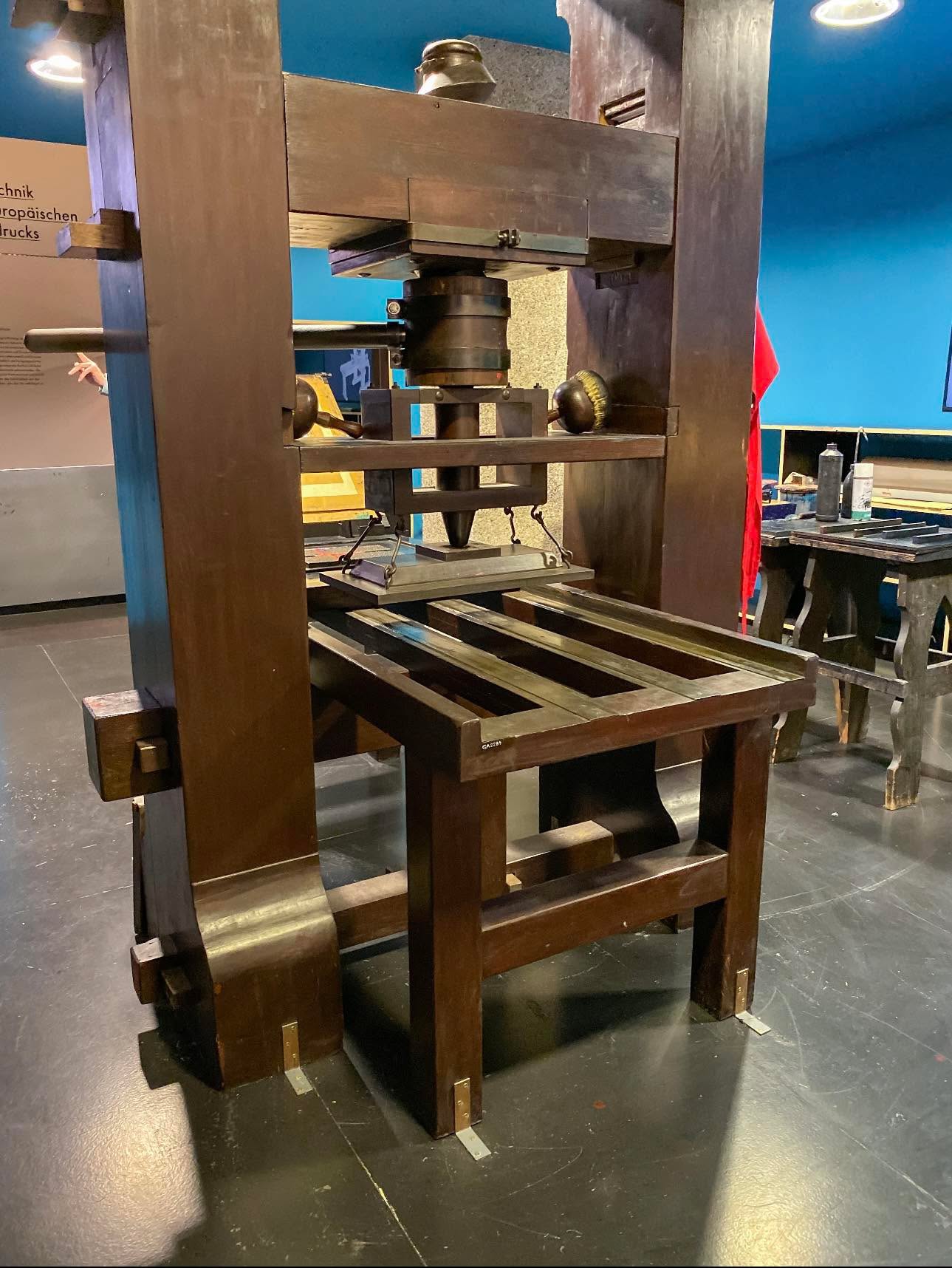
But the importance of this book was not just in its content—it was in the method used to produce it. Gutenberg’s printing press used movable metal type, which allowed individual letters to be arranged, reused, and printed efficiently. This innovation dramatically reduced the cost and time required to produce books. Suddenly, knowledge was no longer locked away—it could spread.
This single invention helped ignite the Renaissance, a period of renewed interest in art, science, and learning. It later played a critical role in the Protestant Reformation, when religious ideas spread rapidly across Europe through printed texts. People could now read, question, and think independently.
It is important to understand that the Gutenberg Bible was not the first book ever written. Books and manuscripts had existed for thousands of years before it. However, it was the first major book to be mass-produced using a machine, making it one of the most important milestones in human communication.
In many ways, Gutenberg’s printing press did what the internet is doing today—it democratized information. It gave power to ideas, allowed knowledge to travel faster, and made education accessible to ordinary people.
Today, when we read a book, scroll through information on our phones, or access knowledge instantly, we are benefiting from a revolution that began over 500 years ago with the printing of a single book.
The Gutenberg Bible was not just a book.
It was the beginning of a new world—one where knowledge could reach everyone.
پہلی چھپی ہوئی کتاب اور ایک نئی دنیا کی ابتدا
سن 1455 کے آس پاس، جرمنی کے شہر Mainz میں ایک ایسا واقعہ پیش آیا جس نے خاموشی سے پوری دنیا کی تاریخ بدل دی۔ ایک شخص جس کا نام Johannes Gutenberg تھا، اس نے ایک کتاب چھاپی جسے آج Gutenberg Bible کہا جاتا ہے—یہ پہلی بڑی کتاب تھی جو مشین کے ذریعے بڑی تعداد میں تیار کی گئی۔
اس سے پہلے کتابیں ہاتھ سے لکھی جاتی تھیں۔ ہر کتاب کو لکھنے میں مہینوں بلکہ سال لگ جاتے تھے۔ زیادہ تر کتابیں مذہبی اداروں یا امیر لوگوں تک محدود تھیں۔ عام انسان کے لیے علم تک رسائی تقریباً ناممکن تھی۔
گٹن برگ کی ایجاد نے سب کچھ بدل دیا۔
گٹن برگ بائبل، جسے 42 لائنوں والی بائبل بھی کہا جاتا ہے کیونکہ ہر صفحے پر 42 لائنیں ہوتی تھیں، لاطینی زبان میں چھاپی گئی تھی۔ اس کی تقریباً 180 نقول تیار کی گئیں—کچھ کاغذ پر اور کچھ خاص جانوروں کی کھال (ویلم) پر۔ آج یہ تعداد کم لگ سکتی ہے، لیکن اس وقت یہ ایک بہت بڑی کامیابی تھی۔
اصل انقلاب اس کتاب کے مواد میں نہیں بلکہ اس کے طریقہ کار میں تھا۔
گٹن برگ نے movable metal type یعنی الگ الگ دھاتی حروف کا نظام ایجاد کیا، جنہیں بار بار استعمال کیا جا سکتا تھا۔ اس سے کتابیں تیزی سے اور کم خرچ میں چھپنے لگیں۔ اب علم صرف چند لوگوں تک محدود نہیں رہا بلکہ آہستہ آہستہ عام لوگوں تک پہنچنے لگا۔
یہی وہ لمحہ تھا جس نے Renaissance جیسے علمی اور ثقافتی دور کو جنم دیا، اور بعد میں Protestant Reformation جیسے بڑے مذہبی انقلاب میں بھی اہم کردار ادا کیا۔ اب لوگ خود پڑھ سکتے تھے، سوال کر سکتے تھے اور سوچ سکتے تھے۔
یہ بات سمجھنا ضروری ہے کہ گٹن برگ بائبل پہلی کتاب نہیں تھی جو کبھی لکھی گئی ہو۔ کتابیں ہزاروں سال سے موجود تھیں۔ لیکن یہ پہلی بڑی کتاب تھی جو مشین کے ذریعے بڑی تعداد میں تیار ہوئی، اور یہی اس کی اصل اہمیت ہے۔
اگر ہم آج کے دور سے اس کا موازنہ کریں تو گٹن برگ کی پرنٹنگ پریس وہی کام کر رہی تھی جو آج انٹرنیٹ کر رہا ہے—علم کو عام کرنا، معلومات کو تیزی سے پھیلانا، اور ہر انسان کو سیکھنے کا موقع دینا۔
آج ہم جب کتاب پڑھتے ہیں، موبائل پر معلومات حاصل کرتے ہیں، یا دنیا بھر کا علم چند سیکنڈ میں دیکھ لیتے ہیں، تو یہ سب اسی انقلاب کا نتیجہ ہے جو 500 سال پہلے ایک کتاب سے شروع ہوا تھا۔
گٹن برگ بائبل صرف ایک کتاب نہیں تھی۔
یہ ایک نئی دنیا کی ابتدا تھی—ایسی دنیا جہاں علم ہر انسان تک پہنچ سکتا ہے۔
Around the year 1455, in the quiet German city of Mainz, something happened that would quietly change the course of human history forever. A man named Johannes Gutenberg completed the printing of what is now known as the Gutenberg Bible—the first major book ever produced using a movable-type printing press.
Before this moment, books were rare, expensive, and slow to produce. Every single copy had to be written by hand, often by monks, a process that could take months or even years for a single book. This meant that knowledge was limited to a small group of people—mostly the wealthy and religious institutions. The common person had little to no access to written knowledge.
Gutenberg’s invention changed everything.
The Gutenberg Bible, also known as the 42-line Bible because each page contained 42 lines of text, was printed in Latin, the language of the Church at the time. About 180 copies were produced—some on paper and some on vellum (a fine material made from animal skin). Even though that number may seem small today, it was revolutionary at the time. For the first time in history, multiple identical copies of a large book could be produced quickly and accurately.
But the importance of this book was not just in its content—it was in the method used to produce it. Gutenberg’s printing press used movable metal type, which allowed individual letters to be arranged, reused, and printed efficiently. This innovation dramatically reduced the cost and time required to produce books. Suddenly, knowledge was no longer locked away—it could spread.
This single invention helped ignite the Renaissance, a period of renewed interest in art, science, and learning. It later played a critical role in the Protestant Reformation, when religious ideas spread rapidly across Europe through printed texts. People could now read, question, and think independently.
It is important to understand that the Gutenberg Bible was not the first book ever written. Books and manuscripts had existed for thousands of years before it. However, it was the first major book to be mass-produced using a machine, making it one of the most important milestones in human communication.
In many ways, Gutenberg’s printing press did what the internet is doing today—it democratized information. It gave power to ideas, allowed knowledge to travel faster, and made education accessible to ordinary people.
Today, when we read a book, scroll through information on our phones, or access knowledge instantly, we are benefiting from a revolution that began over 500 years ago with the printing of a single book.
The Gutenberg Bible was not just a book.
It was the beginning of a new world—one where knowledge could reach everyone.
پہلی چھپی ہوئی کتاب اور ایک نئی دنیا کی ابتدا
سن 1455 کے آس پاس، جرمنی کے شہر Mainz میں ایک ایسا واقعہ پیش آیا جس نے خاموشی سے پوری دنیا کی تاریخ بدل دی۔ ایک شخص جس کا نام Johannes Gutenberg تھا، اس نے ایک کتاب چھاپی جسے آج Gutenberg Bible کہا جاتا ہے—یہ پہلی بڑی کتاب تھی جو مشین کے ذریعے بڑی تعداد میں تیار کی گئی۔
اس سے پہلے کتابیں ہاتھ سے لکھی جاتی تھیں۔ ہر کتاب کو لکھنے میں مہینوں بلکہ سال لگ جاتے تھے۔ زیادہ تر کتابیں مذہبی اداروں یا امیر لوگوں تک محدود تھیں۔ عام انسان کے لیے علم تک رسائی تقریباً ناممکن تھی۔
گٹن برگ کی ایجاد نے سب کچھ بدل دیا۔
گٹن برگ بائبل، جسے 42 لائنوں والی بائبل بھی کہا جاتا ہے کیونکہ ہر صفحے پر 42 لائنیں ہوتی تھیں، لاطینی زبان میں چھاپی گئی تھی۔ اس کی تقریباً 180 نقول تیار کی گئیں—کچھ کاغذ پر اور کچھ خاص جانوروں کی کھال (ویلم) پر۔ آج یہ تعداد کم لگ سکتی ہے، لیکن اس وقت یہ ایک بہت بڑی کامیابی تھی۔
اصل انقلاب اس کتاب کے مواد میں نہیں بلکہ اس کے طریقہ کار میں تھا۔
گٹن برگ نے movable metal type یعنی الگ الگ دھاتی حروف کا نظام ایجاد کیا، جنہیں بار بار استعمال کیا جا سکتا تھا۔ اس سے کتابیں تیزی سے اور کم خرچ میں چھپنے لگیں۔ اب علم صرف چند لوگوں تک محدود نہیں رہا بلکہ آہستہ آہستہ عام لوگوں تک پہنچنے لگا۔
یہی وہ لمحہ تھا جس نے Renaissance جیسے علمی اور ثقافتی دور کو جنم دیا، اور بعد میں Protestant Reformation جیسے بڑے مذہبی انقلاب میں بھی اہم کردار ادا کیا۔ اب لوگ خود پڑھ سکتے تھے، سوال کر سکتے تھے اور سوچ سکتے تھے۔
یہ بات سمجھنا ضروری ہے کہ گٹن برگ بائبل پہلی کتاب نہیں تھی جو کبھی لکھی گئی ہو۔ کتابیں ہزاروں سال سے موجود تھیں۔ لیکن یہ پہلی بڑی کتاب تھی جو مشین کے ذریعے بڑی تعداد میں تیار ہوئی، اور یہی اس کی اصل اہمیت ہے۔
اگر ہم آج کے دور سے اس کا موازنہ کریں تو گٹن برگ کی پرنٹنگ پریس وہی کام کر رہی تھی جو آج انٹرنیٹ کر رہا ہے—علم کو عام کرنا، معلومات کو تیزی سے پھیلانا، اور ہر انسان کو سیکھنے کا موقع دینا۔
آج ہم جب کتاب پڑھتے ہیں، موبائل پر معلومات حاصل کرتے ہیں، یا دنیا بھر کا علم چند سیکنڈ میں دیکھ لیتے ہیں، تو یہ سب اسی انقلاب کا نتیجہ ہے جو 500 سال پہلے ایک کتاب سے شروع ہوا تھا۔
گٹن برگ بائبل صرف ایک کتاب نہیں تھی۔
یہ ایک نئی دنیا کی ابتدا تھی—ایسی دنیا جہاں علم ہر انسان تک پہنچ سکتا ہے۔
📖 The First Printed Book and the Birth of a New World
Around the year 1455, in the quiet German city of Mainz, something happened that would quietly change the course of human history forever. A man named Johannes Gutenberg completed the printing of what is now known as the Gutenberg Bible—the first major book ever produced using a movable-type printing press.
Before this moment, books were rare, expensive, and slow to produce. Every single copy had to be written by hand, often by monks, a process that could take months or even years for a single book. This meant that knowledge was limited to a small group of people—mostly the wealthy and religious institutions. The common person had little to no access to written knowledge.
Gutenberg’s invention changed everything.
The Gutenberg Bible, also known as the 42-line Bible because each page contained 42 lines of text, was printed in Latin, the language of the Church at the time. About 180 copies were produced—some on paper and some on vellum (a fine material made from animal skin). Even though that number may seem small today, it was revolutionary at the time. For the first time in history, multiple identical copies of a large book could be produced quickly and accurately.
But the importance of this book was not just in its content—it was in the method used to produce it. Gutenberg’s printing press used movable metal type, which allowed individual letters to be arranged, reused, and printed efficiently. This innovation dramatically reduced the cost and time required to produce books. Suddenly, knowledge was no longer locked away—it could spread.
This single invention helped ignite the Renaissance, a period of renewed interest in art, science, and learning. It later played a critical role in the Protestant Reformation, when religious ideas spread rapidly across Europe through printed texts. People could now read, question, and think independently.
It is important to understand that the Gutenberg Bible was not the first book ever written. Books and manuscripts had existed for thousands of years before it. However, it was the first major book to be mass-produced using a machine, making it one of the most important milestones in human communication.
In many ways, Gutenberg’s printing press did what the internet is doing today—it democratized information. It gave power to ideas, allowed knowledge to travel faster, and made education accessible to ordinary people.
Today, when we read a book, scroll through information on our phones, or access knowledge instantly, we are benefiting from a revolution that began over 500 years ago with the printing of a single book.
The Gutenberg Bible was not just a book.
It was the beginning of a new world—one where knowledge could reach everyone.
📖 پہلی چھپی ہوئی کتاب اور ایک نئی دنیا کی ابتدا
سن 1455 کے آس پاس، جرمنی کے شہر Mainz میں ایک ایسا واقعہ پیش آیا جس نے خاموشی سے پوری دنیا کی تاریخ بدل دی۔ ایک شخص جس کا نام Johannes Gutenberg تھا، اس نے ایک کتاب چھاپی جسے آج Gutenberg Bible کہا جاتا ہے—یہ پہلی بڑی کتاب تھی جو مشین کے ذریعے بڑی تعداد میں تیار کی گئی۔
اس سے پہلے کتابیں ہاتھ سے لکھی جاتی تھیں۔ ہر کتاب کو لکھنے میں مہینوں بلکہ سال لگ جاتے تھے۔ زیادہ تر کتابیں مذہبی اداروں یا امیر لوگوں تک محدود تھیں۔ عام انسان کے لیے علم تک رسائی تقریباً ناممکن تھی۔
گٹن برگ کی ایجاد نے سب کچھ بدل دیا۔
گٹن برگ بائبل، جسے 42 لائنوں والی بائبل بھی کہا جاتا ہے کیونکہ ہر صفحے پر 42 لائنیں ہوتی تھیں، لاطینی زبان میں چھاپی گئی تھی۔ اس کی تقریباً 180 نقول تیار کی گئیں—کچھ کاغذ پر اور کچھ خاص جانوروں کی کھال (ویلم) پر۔ آج یہ تعداد کم لگ سکتی ہے، لیکن اس وقت یہ ایک بہت بڑی کامیابی تھی۔
اصل انقلاب اس کتاب کے مواد میں نہیں بلکہ اس کے طریقہ کار میں تھا۔
گٹن برگ نے movable metal type یعنی الگ الگ دھاتی حروف کا نظام ایجاد کیا، جنہیں بار بار استعمال کیا جا سکتا تھا۔ اس سے کتابیں تیزی سے اور کم خرچ میں چھپنے لگیں۔ اب علم صرف چند لوگوں تک محدود نہیں رہا بلکہ آہستہ آہستہ عام لوگوں تک پہنچنے لگا۔
یہی وہ لمحہ تھا جس نے Renaissance جیسے علمی اور ثقافتی دور کو جنم دیا، اور بعد میں Protestant Reformation جیسے بڑے مذہبی انقلاب میں بھی اہم کردار ادا کیا۔ اب لوگ خود پڑھ سکتے تھے، سوال کر سکتے تھے اور سوچ سکتے تھے۔
یہ بات سمجھنا ضروری ہے کہ گٹن برگ بائبل پہلی کتاب نہیں تھی جو کبھی لکھی گئی ہو۔ کتابیں ہزاروں سال سے موجود تھیں۔ لیکن یہ پہلی بڑی کتاب تھی جو مشین کے ذریعے بڑی تعداد میں تیار ہوئی، اور یہی اس کی اصل اہمیت ہے۔
اگر ہم آج کے دور سے اس کا موازنہ کریں تو گٹن برگ کی پرنٹنگ پریس وہی کام کر رہی تھی جو آج انٹرنیٹ کر رہا ہے—علم کو عام کرنا، معلومات کو تیزی سے پھیلانا، اور ہر انسان کو سیکھنے کا موقع دینا۔
آج ہم جب کتاب پڑھتے ہیں، موبائل پر معلومات حاصل کرتے ہیں، یا دنیا بھر کا علم چند سیکنڈ میں دیکھ لیتے ہیں، تو یہ سب اسی انقلاب کا نتیجہ ہے جو 500 سال پہلے ایک کتاب سے شروع ہوا تھا۔
گٹن برگ بائبل صرف ایک کتاب نہیں تھی۔
یہ ایک نئی دنیا کی ابتدا تھی—ایسی دنیا جہاں علم ہر انسان تک پہنچ سکتا ہے۔
0 Commentarios
0 Acciones
156 Views