


The General Who Carried Soil in His Hands
There are men who rise through rank.
And there are men who rise through responsibility.
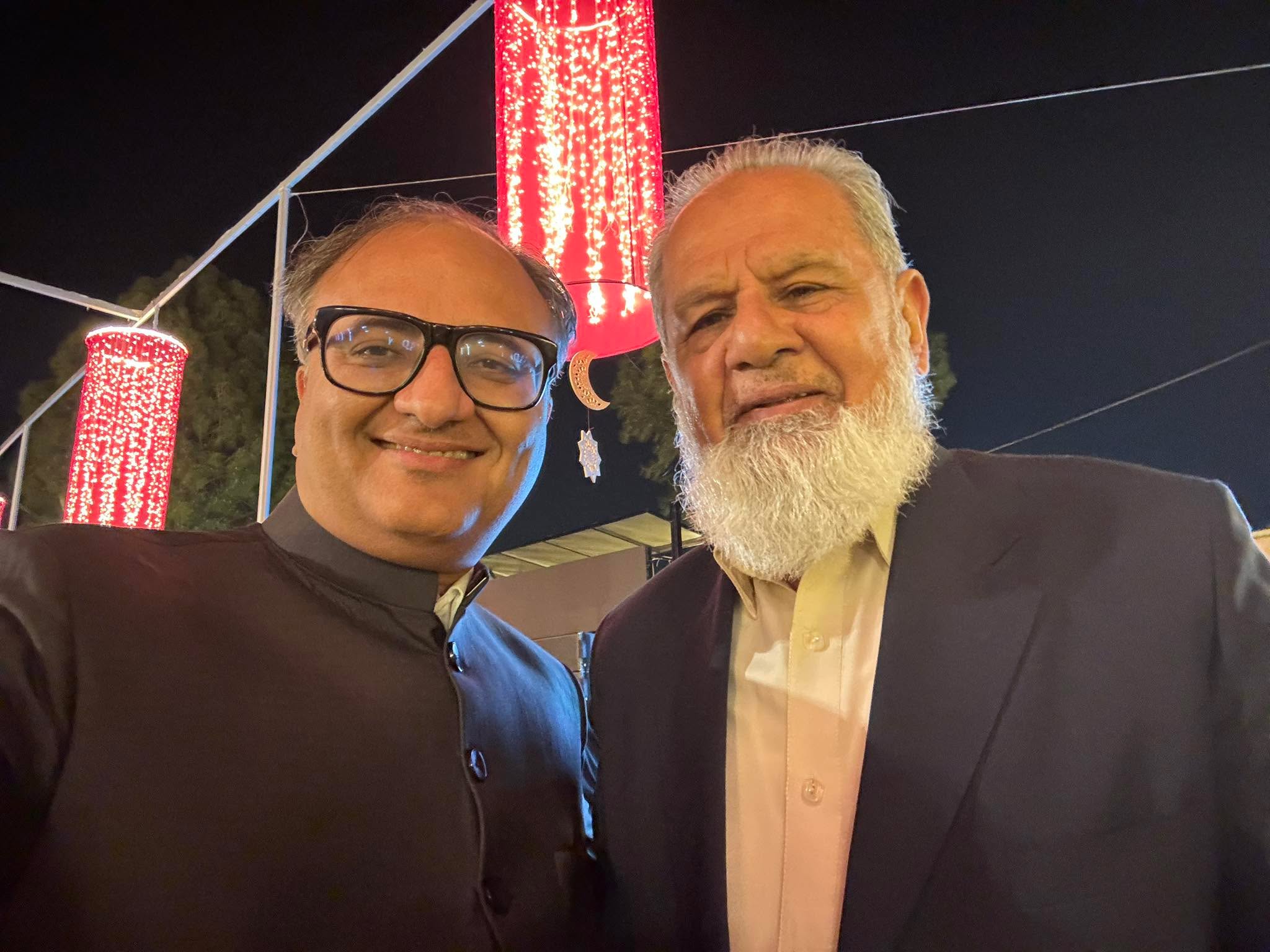
Last night, I had the rare honor of meeting Lieutenant General (Retired) Faiz Jilani Malik, a man whose life reads less like a résumé and more like a disciplined epic — written not in ink, but in service.
He began not as a general.
He began as a young commissioned officer in 1969 — a son of the soil, educated in agriculture, standing first in his university, earning gold and bronze medals before he ever wore stars on his shoulders. There is something poetic about that: a future general who first learned how to cultivate land before he learned how to command men.
In 1974, when he served as a platoon commander, he did what all true leaders must do — stand close to the ground. Leadership, at its purest, begins at the smallest unit. It begins with responsibility for a handful of lives.
Over 35 years in uniform, he did not merely occupy posts — he shaped institutions.
He commanded battalions.
He commanded brigades.
He commanded a strike division.
He commanded a holding corps.
He served as Adjutant General — the custodian of discipline and human structure within the Army.
He represented Pakistan abroad as Defence Attaché in Germany.
He trained minds at PMA Kakul and Command & Staff College Quetta.
A life of order.
A life of structure.
A life of discipline.
And when he retired in 2004, he did not retire from responsibility.
He entered the civilian arena — chairing the Board of Askari Bank when it was declared the Best in Asia in Retail Banking. He guided housing authorities. He managed power plants. He stood at the intersection of military precision and corporate governance.
There are leaders who dominate rooms.
And there are leaders whose quiet presence steadies them.
Meeting him last night, I felt something rare — composure built from decades of command. The calm of a man who has seen complexity and does not panic before it.
At Rehan School, we are attempting something audacious.
We are trying to build leaders by design.
We are trying to scale an AI-first education model across Pakistan and beyond.
We are trying to create young boys and girls who can stand in front of the world with confidence, discipline, and purpose.
And scaling such a vision requires more than technology.
It requires structure.
It requires systems.
It requires disciplined expansion.
It requires the kind of mind that has commanded divisions and governed institutions.
It would be my deep honor to welcome Lt Gen (R) Faiz Jilani to our Rehan School campus.
To walk through our classrooms.
To observe our young students building their futures with AI.
To see children doing 200 podcasts a year.
To witness 10-year-olds earning their own school fees.
And perhaps — to advise us on how to scale with strength, not chaos.
Because revolutions in education must not be emotional movements.
They must be architected.
General Jilani spent a lifetime building command structures.
We are building learning structures.
If wisdom meets youth, something extraordinary can happen.
Last night was not merely a meeting.
It felt like a bridge between eras —
Between discipline forged in uniform
And ambition born in digital classrooms.
I hope to welcome him formally to our campus soon.
And if he chooses to guide us, even in counsel,
his legacy may extend from battalions and banks
to classrooms and code.
History remembers generals for the battles they fought.
Perhaps the next battle is different.
The battle for the minds of our children.
There are men who rise through rank.
And there are men who rise through responsibility.
Last night, I had the rare honor of meeting Lieutenant General (Retired) Faiz Jilani Malik, a man whose life reads less like a résumé and more like a disciplined epic — written not in ink, but in service.
He began not as a general.
He began as a young commissioned officer in 1969 — a son of the soil, educated in agriculture, standing first in his university, earning gold and bronze medals before he ever wore stars on his shoulders. There is something poetic about that: a future general who first learned how to cultivate land before he learned how to command men.
In 1974, when he served as a platoon commander, he did what all true leaders must do — stand close to the ground. Leadership, at its purest, begins at the smallest unit. It begins with responsibility for a handful of lives.
Over 35 years in uniform, he did not merely occupy posts — he shaped institutions.
He commanded battalions.
He commanded brigades.
He commanded a strike division.
He commanded a holding corps.
He served as Adjutant General — the custodian of discipline and human structure within the Army.
He represented Pakistan abroad as Defence Attaché in Germany.
He trained minds at PMA Kakul and Command & Staff College Quetta.
A life of order.
A life of structure.
A life of discipline.
And when he retired in 2004, he did not retire from responsibility.
He entered the civilian arena — chairing the Board of Askari Bank when it was declared the Best in Asia in Retail Banking. He guided housing authorities. He managed power plants. He stood at the intersection of military precision and corporate governance.
There are leaders who dominate rooms.
And there are leaders whose quiet presence steadies them.
Meeting him last night, I felt something rare — composure built from decades of command. The calm of a man who has seen complexity and does not panic before it.
At Rehan School, we are attempting something audacious.
We are trying to build leaders by design.
We are trying to scale an AI-first education model across Pakistan and beyond.
We are trying to create young boys and girls who can stand in front of the world with confidence, discipline, and purpose.
And scaling such a vision requires more than technology.
It requires structure.
It requires systems.
It requires disciplined expansion.
It requires the kind of mind that has commanded divisions and governed institutions.
It would be my deep honor to welcome Lt Gen (R) Faiz Jilani to our Rehan School campus.
To walk through our classrooms.
To observe our young students building their futures with AI.
To see children doing 200 podcasts a year.
To witness 10-year-olds earning their own school fees.
And perhaps — to advise us on how to scale with strength, not chaos.
Because revolutions in education must not be emotional movements.
They must be architected.
General Jilani spent a lifetime building command structures.
We are building learning structures.
If wisdom meets youth, something extraordinary can happen.
Last night was not merely a meeting.
It felt like a bridge between eras —
Between discipline forged in uniform
And ambition born in digital classrooms.
I hope to welcome him formally to our campus soon.
And if he chooses to guide us, even in counsel,
his legacy may extend from battalions and banks
to classrooms and code.
History remembers generals for the battles they fought.
Perhaps the next battle is different.
The battle for the minds of our children.
The General Who Carried Soil in His Hands
There are men who rise through rank.
And there are men who rise through responsibility.
Last night, I had the rare honor of meeting Lieutenant General (Retired) Faiz Jilani Malik, a man whose life reads less like a résumé and more like a disciplined epic — written not in ink, but in service.
He began not as a general.
He began as a young commissioned officer in 1969 — a son of the soil, educated in agriculture, standing first in his university, earning gold and bronze medals before he ever wore stars on his shoulders. There is something poetic about that: a future general who first learned how to cultivate land before he learned how to command men.
In 1974, when he served as a platoon commander, he did what all true leaders must do — stand close to the ground. Leadership, at its purest, begins at the smallest unit. It begins with responsibility for a handful of lives.
Over 35 years in uniform, he did not merely occupy posts — he shaped institutions.
He commanded battalions.
He commanded brigades.
He commanded a strike division.
He commanded a holding corps.
He served as Adjutant General — the custodian of discipline and human structure within the Army.
He represented Pakistan abroad as Defence Attaché in Germany.
He trained minds at PMA Kakul and Command & Staff College Quetta.
A life of order.
A life of structure.
A life of discipline.
And when he retired in 2004, he did not retire from responsibility.
He entered the civilian arena — chairing the Board of Askari Bank when it was declared the Best in Asia in Retail Banking. He guided housing authorities. He managed power plants. He stood at the intersection of military precision and corporate governance.
There are leaders who dominate rooms.
And there are leaders whose quiet presence steadies them.
Meeting him last night, I felt something rare — composure built from decades of command. The calm of a man who has seen complexity and does not panic before it.
At Rehan School, we are attempting something audacious.
We are trying to build leaders by design.
We are trying to scale an AI-first education model across Pakistan and beyond.
We are trying to create young boys and girls who can stand in front of the world with confidence, discipline, and purpose.
And scaling such a vision requires more than technology.
It requires structure.
It requires systems.
It requires disciplined expansion.
It requires the kind of mind that has commanded divisions and governed institutions.
It would be my deep honor to welcome Lt Gen (R) Faiz Jilani to our Rehan School campus.
To walk through our classrooms.
To observe our young students building their futures with AI.
To see children doing 200 podcasts a year.
To witness 10-year-olds earning their own school fees.
And perhaps — to advise us on how to scale with strength, not chaos.
Because revolutions in education must not be emotional movements.
They must be architected.
General Jilani spent a lifetime building command structures.
We are building learning structures.
If wisdom meets youth, something extraordinary can happen.
Last night was not merely a meeting.
It felt like a bridge between eras —
Between discipline forged in uniform
And ambition born in digital classrooms.
I hope to welcome him formally to our campus soon.
And if he chooses to guide us, even in counsel,
his legacy may extend from battalions and banks
to classrooms and code.
History remembers generals for the battles they fought.
Perhaps the next battle is different.
The battle for the minds of our children.
0 Comments
0 Shares
9 Views