


How Bacha Khan Found Non-Violence from the Qur’an
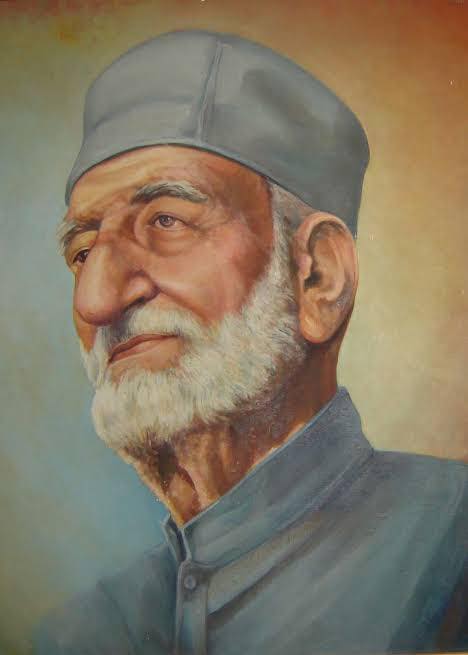
Bacha Khan, also known as Khan Abdul Ghaffar Khan, was one of the greatest Muslim leaders of the subcontinent. He is remembered as the man who taught non-violence to one of the most warrior-like societies in the world — the Pashtuns. Many people ask an important question: Where did Bacha Khan get the idea of non-violence from? The answer is simple and powerful: he found it in the Qur’an and the life of Prophet Muhammad ﷺ.
Bacha Khan was born in 1890 in a deeply religious Pashtun family. From a young age, he studied the Qur’an and Islamic teachings. Unlike many people who only read religion emotionally, Bacha Khan reflected deeply on its meaning. He believed Islam was not just a religion of rituals, but a complete system for building character, justice, and peace.
When he studied the life of the Prophet Muhammad ﷺ, one thing touched him deeply: the Prophet’s patience and non-violence in Makkah. For 13 years, Muslims were tortured, boycotted, insulted, and attacked — yet the Prophet ﷺ never raised a sword in revenge. Instead, he taught patience, forgiveness, and moral strength.
Bacha Khan often said:
“There is nothing surprising in a Muslim or a Pashtun like me believing in non-violence. It is not a new creed. It was followed fourteen hundred years ago by the Prophet Muhammad ﷺ in Makkah.”
This statement clearly shows that his idea of non-violence did not come from the West or from Gandhi. It came directly from Islam.
Many people believe that Bacha Khan went into deep study or reflection for a long period and realized that Islam teaches peace before power. While there is no written historical proof of a specific 40-day retreat, it is true that he spent many years in spiritual reflection and learning. His understanding of Islam was deep, thoughtful, and practical.
He realized something very important:
• Violence creates fear
• Fear creates hatred
• Hatred destroys society
But Islam teaches:
• Patience (Sabr)
• Forgiveness (Afw)
• Service to humanity (Khidmat)
• Justice without cruelty
These values became the foundation of his movement, Khudai Khidmatgar (Servants of God). His followers took an oath of non-violence and discipline. Even when British soldiers opened fire on peaceful protestors in the Qissa Khwani Bazaar massacre, his followers did not retaliate. This shocked the British, because they had never seen unarmed Pashtuns remain peaceful under fire.
Bacha Khan believed that true bravery is not in holding a gun, but in controlling anger. He taught that education was the real weapon, and character was the real power. That is why he opened hundreds of schools and focused on moral training before politics.
Unlike many leaders, Bacha Khan never used religion to spread hatred. Instead, he used Islam to teach peace, unity, and service. He believed that a true Muslim is one who benefits humanity, regardless of religion or race.
In conclusion, Bacha Khan did not borrow non-violence from Gandhi or the West. He discovered it in the Qur’an, in the Seerah of the Prophet ﷺ, and in the true spirit of Islam. His life proved that Islam is not a religion of violence, but a religion of strength, patience, and moral courage.
His message is still relevant today:
A nation cannot be changed by weapons, but by education, character, and faith.
Bacha Khan, also known as Khan Abdul Ghaffar Khan, was one of the greatest Muslim leaders of the subcontinent. He is remembered as the man who taught non-violence to one of the most warrior-like societies in the world — the Pashtuns. Many people ask an important question: Where did Bacha Khan get the idea of non-violence from? The answer is simple and powerful: he found it in the Qur’an and the life of Prophet Muhammad ﷺ.
Bacha Khan was born in 1890 in a deeply religious Pashtun family. From a young age, he studied the Qur’an and Islamic teachings. Unlike many people who only read religion emotionally, Bacha Khan reflected deeply on its meaning. He believed Islam was not just a religion of rituals, but a complete system for building character, justice, and peace.
When he studied the life of the Prophet Muhammad ﷺ, one thing touched him deeply: the Prophet’s patience and non-violence in Makkah. For 13 years, Muslims were tortured, boycotted, insulted, and attacked — yet the Prophet ﷺ never raised a sword in revenge. Instead, he taught patience, forgiveness, and moral strength.
Bacha Khan often said:
“There is nothing surprising in a Muslim or a Pashtun like me believing in non-violence. It is not a new creed. It was followed fourteen hundred years ago by the Prophet Muhammad ﷺ in Makkah.”
This statement clearly shows that his idea of non-violence did not come from the West or from Gandhi. It came directly from Islam.
Many people believe that Bacha Khan went into deep study or reflection for a long period and realized that Islam teaches peace before power. While there is no written historical proof of a specific 40-day retreat, it is true that he spent many years in spiritual reflection and learning. His understanding of Islam was deep, thoughtful, and practical.
He realized something very important:
• Violence creates fear
• Fear creates hatred
• Hatred destroys society
But Islam teaches:
• Patience (Sabr)
• Forgiveness (Afw)
• Service to humanity (Khidmat)
• Justice without cruelty
These values became the foundation of his movement, Khudai Khidmatgar (Servants of God). His followers took an oath of non-violence and discipline. Even when British soldiers opened fire on peaceful protestors in the Qissa Khwani Bazaar massacre, his followers did not retaliate. This shocked the British, because they had never seen unarmed Pashtuns remain peaceful under fire.
Bacha Khan believed that true bravery is not in holding a gun, but in controlling anger. He taught that education was the real weapon, and character was the real power. That is why he opened hundreds of schools and focused on moral training before politics.
Unlike many leaders, Bacha Khan never used religion to spread hatred. Instead, he used Islam to teach peace, unity, and service. He believed that a true Muslim is one who benefits humanity, regardless of religion or race.
In conclusion, Bacha Khan did not borrow non-violence from Gandhi or the West. He discovered it in the Qur’an, in the Seerah of the Prophet ﷺ, and in the true spirit of Islam. His life proved that Islam is not a religion of violence, but a religion of strength, patience, and moral courage.
His message is still relevant today:
A nation cannot be changed by weapons, but by education, character, and faith.
How Bacha Khan Found Non-Violence from the Qur’an
Bacha Khan, also known as Khan Abdul Ghaffar Khan, was one of the greatest Muslim leaders of the subcontinent. He is remembered as the man who taught non-violence to one of the most warrior-like societies in the world — the Pashtuns. Many people ask an important question: Where did Bacha Khan get the idea of non-violence from? The answer is simple and powerful: he found it in the Qur’an and the life of Prophet Muhammad ﷺ.
Bacha Khan was born in 1890 in a deeply religious Pashtun family. From a young age, he studied the Qur’an and Islamic teachings. Unlike many people who only read religion emotionally, Bacha Khan reflected deeply on its meaning. He believed Islam was not just a religion of rituals, but a complete system for building character, justice, and peace.
When he studied the life of the Prophet Muhammad ﷺ, one thing touched him deeply: the Prophet’s patience and non-violence in Makkah. For 13 years, Muslims were tortured, boycotted, insulted, and attacked — yet the Prophet ﷺ never raised a sword in revenge. Instead, he taught patience, forgiveness, and moral strength.
Bacha Khan often said:
“There is nothing surprising in a Muslim or a Pashtun like me believing in non-violence. It is not a new creed. It was followed fourteen hundred years ago by the Prophet Muhammad ﷺ in Makkah.”
This statement clearly shows that his idea of non-violence did not come from the West or from Gandhi. It came directly from Islam.
Many people believe that Bacha Khan went into deep study or reflection for a long period and realized that Islam teaches peace before power. While there is no written historical proof of a specific 40-day retreat, it is true that he spent many years in spiritual reflection and learning. His understanding of Islam was deep, thoughtful, and practical.
He realized something very important:
• Violence creates fear
• Fear creates hatred
• Hatred destroys society
But Islam teaches:
• Patience (Sabr)
• Forgiveness (Afw)
• Service to humanity (Khidmat)
• Justice without cruelty
These values became the foundation of his movement, Khudai Khidmatgar (Servants of God). His followers took an oath of non-violence and discipline. Even when British soldiers opened fire on peaceful protestors in the Qissa Khwani Bazaar massacre, his followers did not retaliate. This shocked the British, because they had never seen unarmed Pashtuns remain peaceful under fire.
Bacha Khan believed that true bravery is not in holding a gun, but in controlling anger. He taught that education was the real weapon, and character was the real power. That is why he opened hundreds of schools and focused on moral training before politics.
Unlike many leaders, Bacha Khan never used religion to spread hatred. Instead, he used Islam to teach peace, unity, and service. He believed that a true Muslim is one who benefits humanity, regardless of religion or race.
In conclusion, Bacha Khan did not borrow non-violence from Gandhi or the West. He discovered it in the Qur’an, in the Seerah of the Prophet ﷺ, and in the true spirit of Islam. His life proved that Islam is not a religion of violence, but a religion of strength, patience, and moral courage.
His message is still relevant today:
A nation cannot be changed by weapons, but by education, character, and faith.
0 Kommentare
0 Anteile
78 Ansichten