


Fixing Karachi Through Business, Not Begging
Karachi does not suffer because of lack of intelligence, talent, or money.
Karachi suffers because its problems are seen as government responsibilities instead of business opportunities.
In the modern world, cities are no longer fixed by files, permissions, or speeches.
They are fixed by systems that work—quietly, privately, and profitably.
Below is how Karachi’s biggest problems can be converted into self-sustaining businesses that solve real pain and earn real money.
⸻
Garbage Is Not a Civic Issue — It Is a Logistics Business
Every day, Karachi produces thousands of tons of waste, yet streets remain dirty because municipal pickup is unreliable.
This is not a cleaning problem; it is a last-mile service gap.
A private on-demand waste pickup system using WhatsApp allows residents to request collection while local youth teams earn money per pickup.
In one neighborhood, 1,000 homes paying just PKR 300 per month can generate PKR 300,000 monthly, while streets stay clean without waiting for anyone.
When garbage becomes income, it disappears.
⸻
Water Crisis Exists Because Information Is Hidden
Karachi’s water problem is amplified by tanker mafias, inconsistent pricing, and zero transparency.
People don’t know who to trust or what a fair price is.
A simple digital platform that lists tanker prices, delivery times, and user ratings breaks the monopoly of silence.
When 500 tanker operators pay a small monthly listing fee, the platform earns over PKR 1.5 million per month, while citizens regain bargaining power.
Information removes exploitation faster than law.
⸻
Dirty Markets Kill Business More Than Inflation
Commercial streets lose customers not because prices are high, but because the environment is hostile.
Trash, smell, and dust silently reduce footfall.
Private street-cleaning services contracted by shopkeepers solve this instantly.
A single market street with 50 shops paying PKR 2,000 each generates PKR 100,000 monthly, and scaling to 20 markets crosses PKR 2 million per month.
Cleanliness is not charity; it is customer acquisition.
⸻
Flooding Is a Data Problem, Not Just a Drainage Problem
Waterlogging destroys inventory, homes, and morale every monsoon.
Yet most damage happens because people receive no early warning.
A flood alert system using community reports and AI prediction can warn shopkeepers and residents hours earlier.
At just PKR 100 per month from 10,000 subscribers, this system earns PKR 1 million monthly while saving crores in losses.
Prevention is always cheaper than repair.
⸻
Load-Shedding Is an Opportunity for Shared Power
Karachi’s power outages force people to rely on expensive generators.
But not every home needs its own solution.
Community solar backup systems shared by lanes or buildings reduce costs dramatically.
One setup serving 50 homes at PKR 4,000 per month earns PKR 200,000, and scaling to 20 locations creates a PKR 4 million monthly business.
Energy problems disappear when ownership becomes collective.
⸻
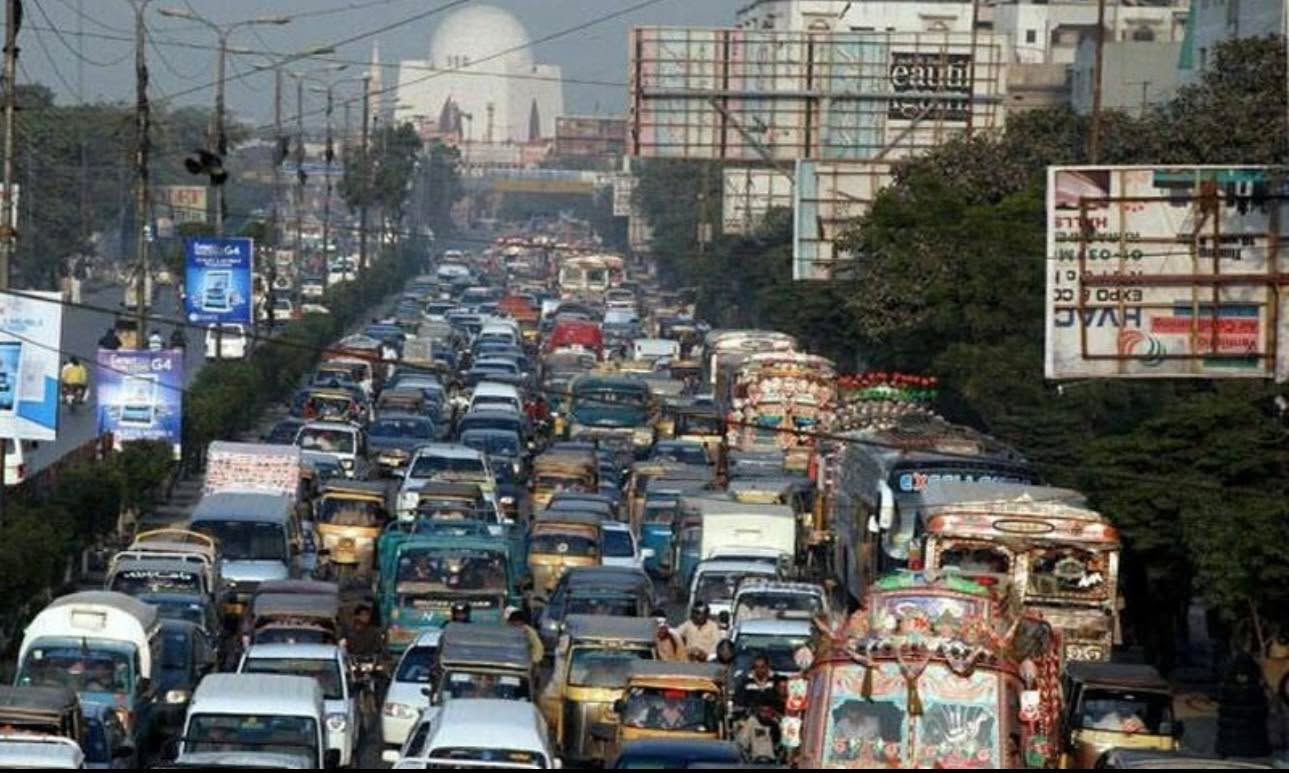
Traffic Is About Timing, Not Just Roads
Traffic congestion steals hours of productive life daily.
Yet much of it is caused by everyone moving at the same time.
AI-based traffic alerts that suggest better departure times and routes help offices and schools stagger movement.
Just 100 organizations paying PKR 10,000 monthly generate PKR 1 million, while saving thousands of man-hours.
Time saved is money earned.
⸻
Crime Thrives Where Communities Are Disconnected
Fear spreads faster than crime itself.
Most neighborhoods lack real-time awareness of incidents around them.
A private safety reporting system with anonymous inputs and AI heatmaps empowers residents without replacing the police.
With 20,000 families paying PKR 50 per month, this builds a PKR 1 million monthly system that reduces crime through visibility.
Crime hates attention.
⸻
Waste Can Pay Instead of Rot
Recyclables are thrown away because people see no reward in sorting.
Yet recyclers are always hungry for material.
A recycling-for-cash platform that pays residents and sells in bulk can net PKR 2 million per month from 100 tons of recyclables, while cleaning the city silently.
When behavior is rewarded, habits change.
⸻
Small Repairs Are a Big Untapped Market
Finding a reliable plumber or electrician is a daily struggle in Karachi.
This chaos exists because trust is informal and untracked.
A verified micro-repair marketplace earning PKR 300 commission per job can cross PKR 900,000 monthly with just 3,000 jobs—while giving dignity and consistency to workers.
Structure creates trust.
⸻
Unemployment Exists Because Skills Are Invisible
Karachi does not lack talent; it lacks matching systems.
Young people have skills, but no pathway to paid work.
An AI-driven skill-to-income platform that trains and places youth into micro-jobs can earn PKR 5 million monthly from 1,000 users paying small platform fees, while lifting entire families.
Employment grows when access is simplified.
⸻
The Bigger Truth
None of these systems require:
• Government permission
• Political slogans
• Large budgets
They require:
• Clear problems
• Simple tech
• Trust
• Consistent execution
Cities are not fixed from top to bottom.
They are fixed edge by edge.
Karachi will not be saved by a single reform.
It will be healed by a thousand small systems that work.
And the future belongs to those who build them.
Karachi does not suffer because of lack of intelligence, talent, or money.
Karachi suffers because its problems are seen as government responsibilities instead of business opportunities.
In the modern world, cities are no longer fixed by files, permissions, or speeches.
They are fixed by systems that work—quietly, privately, and profitably.
Below is how Karachi’s biggest problems can be converted into self-sustaining businesses that solve real pain and earn real money.
⸻
Garbage Is Not a Civic Issue — It Is a Logistics Business
Every day, Karachi produces thousands of tons of waste, yet streets remain dirty because municipal pickup is unreliable.
This is not a cleaning problem; it is a last-mile service gap.
A private on-demand waste pickup system using WhatsApp allows residents to request collection while local youth teams earn money per pickup.
In one neighborhood, 1,000 homes paying just PKR 300 per month can generate PKR 300,000 monthly, while streets stay clean without waiting for anyone.
When garbage becomes income, it disappears.
⸻
Water Crisis Exists Because Information Is Hidden
Karachi’s water problem is amplified by tanker mafias, inconsistent pricing, and zero transparency.
People don’t know who to trust or what a fair price is.
A simple digital platform that lists tanker prices, delivery times, and user ratings breaks the monopoly of silence.
When 500 tanker operators pay a small monthly listing fee, the platform earns over PKR 1.5 million per month, while citizens regain bargaining power.
Information removes exploitation faster than law.
⸻
Dirty Markets Kill Business More Than Inflation
Commercial streets lose customers not because prices are high, but because the environment is hostile.
Trash, smell, and dust silently reduce footfall.
Private street-cleaning services contracted by shopkeepers solve this instantly.
A single market street with 50 shops paying PKR 2,000 each generates PKR 100,000 monthly, and scaling to 20 markets crosses PKR 2 million per month.
Cleanliness is not charity; it is customer acquisition.
⸻
Flooding Is a Data Problem, Not Just a Drainage Problem
Waterlogging destroys inventory, homes, and morale every monsoon.
Yet most damage happens because people receive no early warning.
A flood alert system using community reports and AI prediction can warn shopkeepers and residents hours earlier.
At just PKR 100 per month from 10,000 subscribers, this system earns PKR 1 million monthly while saving crores in losses.
Prevention is always cheaper than repair.
⸻
Load-Shedding Is an Opportunity for Shared Power
Karachi’s power outages force people to rely on expensive generators.
But not every home needs its own solution.
Community solar backup systems shared by lanes or buildings reduce costs dramatically.
One setup serving 50 homes at PKR 4,000 per month earns PKR 200,000, and scaling to 20 locations creates a PKR 4 million monthly business.
Energy problems disappear when ownership becomes collective.
⸻
Traffic Is About Timing, Not Just Roads
Traffic congestion steals hours of productive life daily.
Yet much of it is caused by everyone moving at the same time.
AI-based traffic alerts that suggest better departure times and routes help offices and schools stagger movement.
Just 100 organizations paying PKR 10,000 monthly generate PKR 1 million, while saving thousands of man-hours.
Time saved is money earned.
⸻
Crime Thrives Where Communities Are Disconnected
Fear spreads faster than crime itself.
Most neighborhoods lack real-time awareness of incidents around them.
A private safety reporting system with anonymous inputs and AI heatmaps empowers residents without replacing the police.
With 20,000 families paying PKR 50 per month, this builds a PKR 1 million monthly system that reduces crime through visibility.
Crime hates attention.
⸻
Waste Can Pay Instead of Rot
Recyclables are thrown away because people see no reward in sorting.
Yet recyclers are always hungry for material.
A recycling-for-cash platform that pays residents and sells in bulk can net PKR 2 million per month from 100 tons of recyclables, while cleaning the city silently.
When behavior is rewarded, habits change.
⸻
Small Repairs Are a Big Untapped Market
Finding a reliable plumber or electrician is a daily struggle in Karachi.
This chaos exists because trust is informal and untracked.
A verified micro-repair marketplace earning PKR 300 commission per job can cross PKR 900,000 monthly with just 3,000 jobs—while giving dignity and consistency to workers.
Structure creates trust.
⸻
Unemployment Exists Because Skills Are Invisible
Karachi does not lack talent; it lacks matching systems.
Young people have skills, but no pathway to paid work.
An AI-driven skill-to-income platform that trains and places youth into micro-jobs can earn PKR 5 million monthly from 1,000 users paying small platform fees, while lifting entire families.
Employment grows when access is simplified.
⸻
The Bigger Truth
None of these systems require:
• Government permission
• Political slogans
• Large budgets
They require:
• Clear problems
• Simple tech
• Trust
• Consistent execution
Cities are not fixed from top to bottom.
They are fixed edge by edge.
Karachi will not be saved by a single reform.
It will be healed by a thousand small systems that work.
And the future belongs to those who build them.
Fixing Karachi Through Business, Not Begging
Karachi does not suffer because of lack of intelligence, talent, or money.
Karachi suffers because its problems are seen as government responsibilities instead of business opportunities.
In the modern world, cities are no longer fixed by files, permissions, or speeches.
They are fixed by systems that work—quietly, privately, and profitably.
Below is how Karachi’s biggest problems can be converted into self-sustaining businesses that solve real pain and earn real money.
⸻
Garbage Is Not a Civic Issue — It Is a Logistics Business
Every day, Karachi produces thousands of tons of waste, yet streets remain dirty because municipal pickup is unreliable.
This is not a cleaning problem; it is a last-mile service gap.
A private on-demand waste pickup system using WhatsApp allows residents to request collection while local youth teams earn money per pickup.
In one neighborhood, 1,000 homes paying just PKR 300 per month can generate PKR 300,000 monthly, while streets stay clean without waiting for anyone.
When garbage becomes income, it disappears.
⸻
Water Crisis Exists Because Information Is Hidden
Karachi’s water problem is amplified by tanker mafias, inconsistent pricing, and zero transparency.
People don’t know who to trust or what a fair price is.
A simple digital platform that lists tanker prices, delivery times, and user ratings breaks the monopoly of silence.
When 500 tanker operators pay a small monthly listing fee, the platform earns over PKR 1.5 million per month, while citizens regain bargaining power.
Information removes exploitation faster than law.
⸻
Dirty Markets Kill Business More Than Inflation
Commercial streets lose customers not because prices are high, but because the environment is hostile.
Trash, smell, and dust silently reduce footfall.
Private street-cleaning services contracted by shopkeepers solve this instantly.
A single market street with 50 shops paying PKR 2,000 each generates PKR 100,000 monthly, and scaling to 20 markets crosses PKR 2 million per month.
Cleanliness is not charity; it is customer acquisition.
⸻
Flooding Is a Data Problem, Not Just a Drainage Problem
Waterlogging destroys inventory, homes, and morale every monsoon.
Yet most damage happens because people receive no early warning.
A flood alert system using community reports and AI prediction can warn shopkeepers and residents hours earlier.
At just PKR 100 per month from 10,000 subscribers, this system earns PKR 1 million monthly while saving crores in losses.
Prevention is always cheaper than repair.
⸻
Load-Shedding Is an Opportunity for Shared Power
Karachi’s power outages force people to rely on expensive generators.
But not every home needs its own solution.
Community solar backup systems shared by lanes or buildings reduce costs dramatically.
One setup serving 50 homes at PKR 4,000 per month earns PKR 200,000, and scaling to 20 locations creates a PKR 4 million monthly business.
Energy problems disappear when ownership becomes collective.
⸻
Traffic Is About Timing, Not Just Roads
Traffic congestion steals hours of productive life daily.
Yet much of it is caused by everyone moving at the same time.
AI-based traffic alerts that suggest better departure times and routes help offices and schools stagger movement.
Just 100 organizations paying PKR 10,000 monthly generate PKR 1 million, while saving thousands of man-hours.
Time saved is money earned.
⸻
Crime Thrives Where Communities Are Disconnected
Fear spreads faster than crime itself.
Most neighborhoods lack real-time awareness of incidents around them.
A private safety reporting system with anonymous inputs and AI heatmaps empowers residents without replacing the police.
With 20,000 families paying PKR 50 per month, this builds a PKR 1 million monthly system that reduces crime through visibility.
Crime hates attention.
⸻
Waste Can Pay Instead of Rot
Recyclables are thrown away because people see no reward in sorting.
Yet recyclers are always hungry for material.
A recycling-for-cash platform that pays residents and sells in bulk can net PKR 2 million per month from 100 tons of recyclables, while cleaning the city silently.
When behavior is rewarded, habits change.
⸻
Small Repairs Are a Big Untapped Market
Finding a reliable plumber or electrician is a daily struggle in Karachi.
This chaos exists because trust is informal and untracked.
A verified micro-repair marketplace earning PKR 300 commission per job can cross PKR 900,000 monthly with just 3,000 jobs—while giving dignity and consistency to workers.
Structure creates trust.
⸻
Unemployment Exists Because Skills Are Invisible
Karachi does not lack talent; it lacks matching systems.
Young people have skills, but no pathway to paid work.
An AI-driven skill-to-income platform that trains and places youth into micro-jobs can earn PKR 5 million monthly from 1,000 users paying small platform fees, while lifting entire families.
Employment grows when access is simplified.
⸻
The Bigger Truth
None of these systems require:
• Government permission
• Political slogans
• Large budgets
They require:
• Clear problems
• Simple tech
• Trust
• Consistent execution
Cities are not fixed from top to bottom.
They are fixed edge by edge.
Karachi will not be saved by a single reform.
It will be healed by a thousand small systems that work.
And the future belongs to those who build them.
0 Commentarii
0 Distribuiri
22 Views