


The Journey of an Orange — A Story Essay
Thousands of years ago, before cities were built and before maps were drawn, the world was a quieter place. Forests stretched endlessly across the lands of Southern China, Northeast India, and Myanmar, and the air was filled with the scent of wild blossoms. In those early days, nature often experimented on its own—mixing, blending, and creating surprises no one expected.
One of those surprises began with two ancient fruits:
the bold, gigantic pomelo and the tiny, fiery mandarin.
The pomelo was proud and heavy, a giant among fruits. The mandarin was small but full of personality—bright, fragrant, and bursting with life. One spring morning, carried by the wings of a curious bee, their pollen crossed paths. And from that simple encounter, a miracle happened.
A new fruit was born.
It was not as large as the pomelo, not as strong-flavored as the mandarin. It was something gentler, sweeter, more elegant.
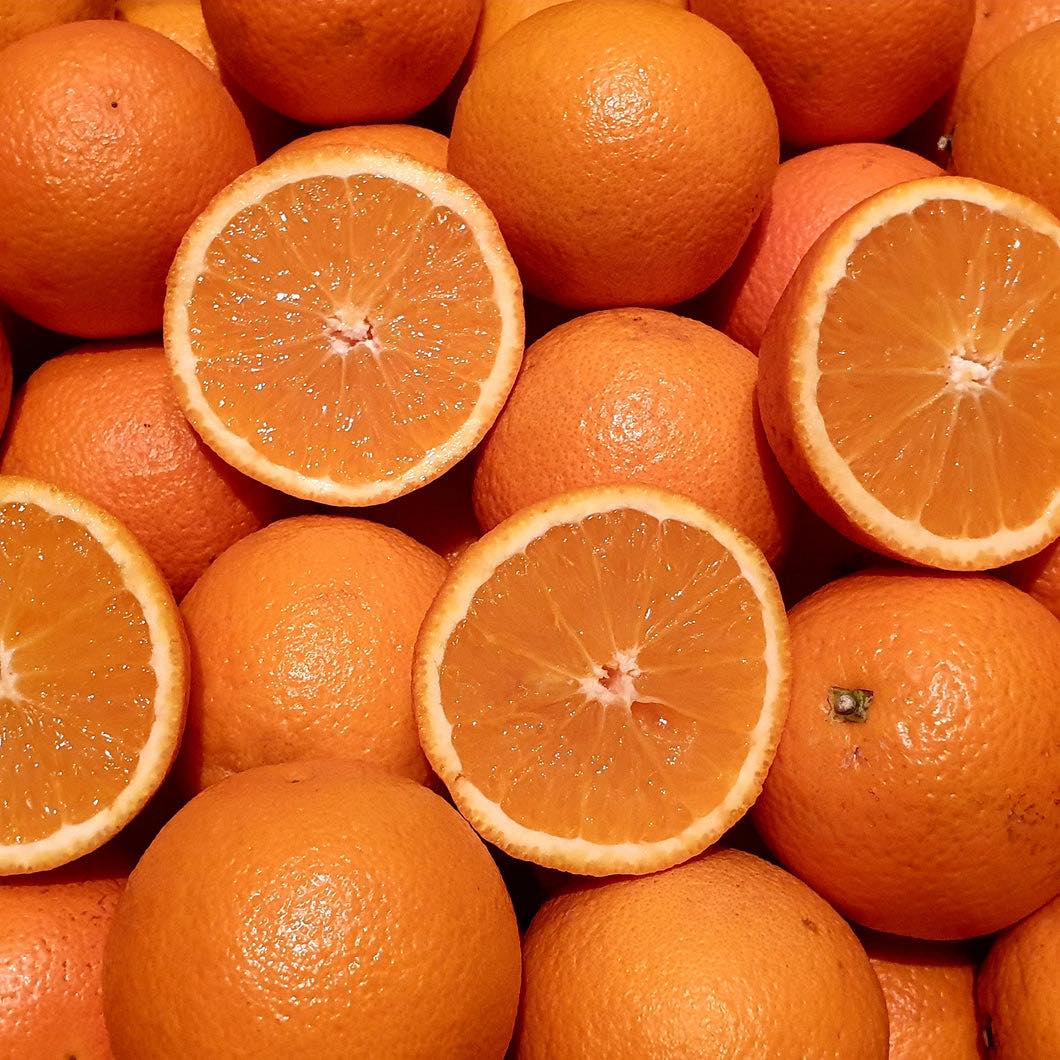
It was the first orange—a golden sun captured in a sphere.
Farmers in ancient China were the first to discover this new treasure. They peeled it and tasted a sweetness that made them pause. It was unlike anything they had eaten before: juicy, aromatic, refreshing. They began planting more trees, nurturing them, gifting fruits to neighbors, carrying them along trade roads. Soon the orange was no longer a secret; it was a companion.
As centuries passed, traders walking the Silk Road carried the orange across borders, mountains, and deserts. Boats crossing the Indian Ocean packed them in crates, and merchants from Persia and Arabia took them further west. The fruit that began as an accident in a quiet forest was now becoming beloved across civilizations.
By the time Arab explorers reached Spain and Sicily, they brought with them not only science, architecture, and poetry—but also the glowing orange. Europeans tasted it, and immediately the fruit became a symbol of luxury. In winter, kings and queens built special glass palaces called “orangeries”—rooms designed only to protect orange trees from cold weather. Imagine that: a fruit so loved that entire buildings were created just to keep it alive.
But Europe at this time mostly knew the bitter orange, useful for perfumes and medicine. The sweet, delicious orange—the one we enjoy today—had not yet arrived.
That part of the story begins with Portuguese sailors in the 1400s. On their journeys to China, they discovered orchards full of golden, sweet oranges. One sailor tasted it and must have whispered, “This is not fruit. This is sunshine.” When they carried this sweetness back home, Europe tasted the orange again—this time, with the joy of a child tasting candy for the first time.
From there, the orange spread like a traveler with endless energy. It crossed seas to Brazil, where it flourished in warm air. It reached Florida, California, the Middle East, and North Africa. Everywhere the climate was gentle and the sun generous, the orange tree rooted itself and stayed.
And today, when we peel an orange, we are holding the result of a 4,000-year journey:
• born from a wild accident,
• carried by traders,
• protected by kings,
• planted by sailors,
• loved by the world.
Every drop of juice carries history.
Every slice carries continents.
Every orange is a small miracle of nature that travelled farther than many humans ever will.
And the next time you hold an orange, remember:
You are not just holding a fruit.
You are holding a story of patience, travel, evolution, and love—
a story that began in a quiet forest thousands of years ago and still continues every time someone plants a new tree.
Thousands of years ago, before cities were built and before maps were drawn, the world was a quieter place. Forests stretched endlessly across the lands of Southern China, Northeast India, and Myanmar, and the air was filled with the scent of wild blossoms. In those early days, nature often experimented on its own—mixing, blending, and creating surprises no one expected.
One of those surprises began with two ancient fruits:
the bold, gigantic pomelo and the tiny, fiery mandarin.
The pomelo was proud and heavy, a giant among fruits. The mandarin was small but full of personality—bright, fragrant, and bursting with life. One spring morning, carried by the wings of a curious bee, their pollen crossed paths. And from that simple encounter, a miracle happened.
A new fruit was born.
It was not as large as the pomelo, not as strong-flavored as the mandarin. It was something gentler, sweeter, more elegant.
It was the first orange—a golden sun captured in a sphere.
Farmers in ancient China were the first to discover this new treasure. They peeled it and tasted a sweetness that made them pause. It was unlike anything they had eaten before: juicy, aromatic, refreshing. They began planting more trees, nurturing them, gifting fruits to neighbors, carrying them along trade roads. Soon the orange was no longer a secret; it was a companion.
As centuries passed, traders walking the Silk Road carried the orange across borders, mountains, and deserts. Boats crossing the Indian Ocean packed them in crates, and merchants from Persia and Arabia took them further west. The fruit that began as an accident in a quiet forest was now becoming beloved across civilizations.
By the time Arab explorers reached Spain and Sicily, they brought with them not only science, architecture, and poetry—but also the glowing orange. Europeans tasted it, and immediately the fruit became a symbol of luxury. In winter, kings and queens built special glass palaces called “orangeries”—rooms designed only to protect orange trees from cold weather. Imagine that: a fruit so loved that entire buildings were created just to keep it alive.
But Europe at this time mostly knew the bitter orange, useful for perfumes and medicine. The sweet, delicious orange—the one we enjoy today—had not yet arrived.
That part of the story begins with Portuguese sailors in the 1400s. On their journeys to China, they discovered orchards full of golden, sweet oranges. One sailor tasted it and must have whispered, “This is not fruit. This is sunshine.” When they carried this sweetness back home, Europe tasted the orange again—this time, with the joy of a child tasting candy for the first time.
From there, the orange spread like a traveler with endless energy. It crossed seas to Brazil, where it flourished in warm air. It reached Florida, California, the Middle East, and North Africa. Everywhere the climate was gentle and the sun generous, the orange tree rooted itself and stayed.
And today, when we peel an orange, we are holding the result of a 4,000-year journey:
• born from a wild accident,
• carried by traders,
• protected by kings,
• planted by sailors,
• loved by the world.
Every drop of juice carries history.
Every slice carries continents.
Every orange is a small miracle of nature that travelled farther than many humans ever will.
And the next time you hold an orange, remember:
You are not just holding a fruit.
You are holding a story of patience, travel, evolution, and love—
a story that began in a quiet forest thousands of years ago and still continues every time someone plants a new tree.
🍊 The Journey of an Orange — A Story Essay
Thousands of years ago, before cities were built and before maps were drawn, the world was a quieter place. Forests stretched endlessly across the lands of Southern China, Northeast India, and Myanmar, and the air was filled with the scent of wild blossoms. In those early days, nature often experimented on its own—mixing, blending, and creating surprises no one expected.
One of those surprises began with two ancient fruits:
the bold, gigantic pomelo and the tiny, fiery mandarin.
The pomelo was proud and heavy, a giant among fruits. The mandarin was small but full of personality—bright, fragrant, and bursting with life. One spring morning, carried by the wings of a curious bee, their pollen crossed paths. And from that simple encounter, a miracle happened.
A new fruit was born.
It was not as large as the pomelo, not as strong-flavored as the mandarin. It was something gentler, sweeter, more elegant.
It was the first orange—a golden sun captured in a sphere.
Farmers in ancient China were the first to discover this new treasure. They peeled it and tasted a sweetness that made them pause. It was unlike anything they had eaten before: juicy, aromatic, refreshing. They began planting more trees, nurturing them, gifting fruits to neighbors, carrying them along trade roads. Soon the orange was no longer a secret; it was a companion.
As centuries passed, traders walking the Silk Road carried the orange across borders, mountains, and deserts. Boats crossing the Indian Ocean packed them in crates, and merchants from Persia and Arabia took them further west. The fruit that began as an accident in a quiet forest was now becoming beloved across civilizations.
By the time Arab explorers reached Spain and Sicily, they brought with them not only science, architecture, and poetry—but also the glowing orange. Europeans tasted it, and immediately the fruit became a symbol of luxury. In winter, kings and queens built special glass palaces called “orangeries”—rooms designed only to protect orange trees from cold weather. Imagine that: a fruit so loved that entire buildings were created just to keep it alive.
But Europe at this time mostly knew the bitter orange, useful for perfumes and medicine. The sweet, delicious orange—the one we enjoy today—had not yet arrived.
That part of the story begins with Portuguese sailors in the 1400s. On their journeys to China, they discovered orchards full of golden, sweet oranges. One sailor tasted it and must have whispered, “This is not fruit. This is sunshine.” When they carried this sweetness back home, Europe tasted the orange again—this time, with the joy of a child tasting candy for the first time.
From there, the orange spread like a traveler with endless energy. It crossed seas to Brazil, where it flourished in warm air. It reached Florida, California, the Middle East, and North Africa. Everywhere the climate was gentle and the sun generous, the orange tree rooted itself and stayed.
And today, when we peel an orange, we are holding the result of a 4,000-year journey:
• born from a wild accident,
• carried by traders,
• protected by kings,
• planted by sailors,
• loved by the world.
Every drop of juice carries history.
Every slice carries continents.
Every orange is a small miracle of nature that travelled farther than many humans ever will.
And the next time you hold an orange, remember:
You are not just holding a fruit.
You are holding a story of patience, travel, evolution, and love—
a story that began in a quiet forest thousands of years ago and still continues every time someone plants a new tree.
0 Commenti
0 condivisioni
155 Views