


Why Some Muslim Women Cover Their Faces –
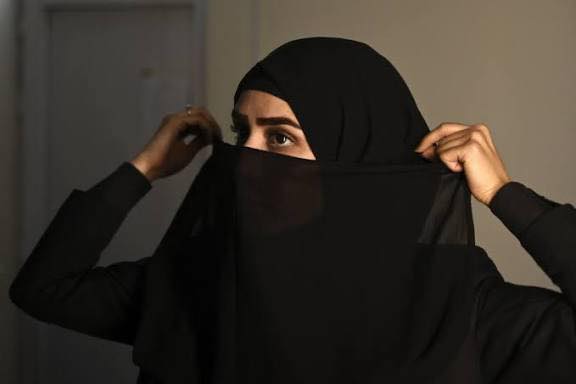
When you see a Muslim woman covering her face, it might seem unfamiliar or even uncomfortable. You might think, “Why would someone hide their beauty?” or “Isn’t that oppression?” These are honest questions — and they deserve a thoughtful answer.
In Islam, modesty is not only for women; it is a shared value for both men and women. The Qur’an asks both to dress modestly and to behave with dignity and respect. From this teaching grew different cultural expressions — the hijab (headscarf), the niqab (face veil), and the abaya (loose clothing). Covering the face, in particular, is not a universal Islamic law but an interpretation of modesty followed mainly in Arab cultures such as Saudi Arabia or the Gulf region.
For many Muslim women, the face covering is not about hiding. It is about choosing how to be seen. In a world where women are often judged for their appearance, some find liberation in modesty. They express: “My worth is not in how I look, but in who I am.” It becomes a statement of independence and faith — not submission.
However, Islam is a global faith, and its followers live in many cultures. That’s why you see diversity: in Indonesia, Malaysia, and much of Southeast Asia, women rarely cover their faces. They wear only the headscarf (called tudung or jilbab). Their societies interpret modesty differently — as clean, polite, and respectful behavior — not necessarily as full covering. Climate, culture, and local traditions all influence this.
Islam allows flexibility according to culture. The Prophet Muhammad (peace be upon him) never forced one uniform dress code; he emphasized intention, humility, and moral character. Whether a woman wears the niqab, hijab, or no covering at all, what matters most is her faith and conduct.
So when you meet a Muslim woman who covers her face, see her not as someone oppressed, but as someone making a personal, spiritual choice. And when you meet one who doesn’t, understand that she, too, is following her faith — just in a way that fits her culture.
Freedom is not about everyone looking the same; it’s about everyone having the right to choose.
⸻
When you see a Muslim woman covering her face, it might seem unfamiliar or even uncomfortable. You might think, “Why would someone hide their beauty?” or “Isn’t that oppression?” These are honest questions — and they deserve a thoughtful answer.
In Islam, modesty is not only for women; it is a shared value for both men and women. The Qur’an asks both to dress modestly and to behave with dignity and respect. From this teaching grew different cultural expressions — the hijab (headscarf), the niqab (face veil), and the abaya (loose clothing). Covering the face, in particular, is not a universal Islamic law but an interpretation of modesty followed mainly in Arab cultures such as Saudi Arabia or the Gulf region.
For many Muslim women, the face covering is not about hiding. It is about choosing how to be seen. In a world where women are often judged for their appearance, some find liberation in modesty. They express: “My worth is not in how I look, but in who I am.” It becomes a statement of independence and faith — not submission.
However, Islam is a global faith, and its followers live in many cultures. That’s why you see diversity: in Indonesia, Malaysia, and much of Southeast Asia, women rarely cover their faces. They wear only the headscarf (called tudung or jilbab). Their societies interpret modesty differently — as clean, polite, and respectful behavior — not necessarily as full covering. Climate, culture, and local traditions all influence this.
Islam allows flexibility according to culture. The Prophet Muhammad (peace be upon him) never forced one uniform dress code; he emphasized intention, humility, and moral character. Whether a woman wears the niqab, hijab, or no covering at all, what matters most is her faith and conduct.
So when you meet a Muslim woman who covers her face, see her not as someone oppressed, but as someone making a personal, spiritual choice. And when you meet one who doesn’t, understand that she, too, is following her faith — just in a way that fits her culture.
Freedom is not about everyone looking the same; it’s about everyone having the right to choose.
⸻
Why Some Muslim Women Cover Their Faces –
When you see a Muslim woman covering her face, it might seem unfamiliar or even uncomfortable. You might think, “Why would someone hide their beauty?” or “Isn’t that oppression?” These are honest questions — and they deserve a thoughtful answer.
In Islam, modesty is not only for women; it is a shared value for both men and women. The Qur’an asks both to dress modestly and to behave with dignity and respect. From this teaching grew different cultural expressions — the hijab (headscarf), the niqab (face veil), and the abaya (loose clothing). Covering the face, in particular, is not a universal Islamic law but an interpretation of modesty followed mainly in Arab cultures such as Saudi Arabia or the Gulf region.
For many Muslim women, the face covering is not about hiding. It is about choosing how to be seen. In a world where women are often judged for their appearance, some find liberation in modesty. They express: “My worth is not in how I look, but in who I am.” It becomes a statement of independence and faith — not submission.
However, Islam is a global faith, and its followers live in many cultures. That’s why you see diversity: in Indonesia, Malaysia, and much of Southeast Asia, women rarely cover their faces. They wear only the headscarf (called tudung or jilbab). Their societies interpret modesty differently — as clean, polite, and respectful behavior — not necessarily as full covering. Climate, culture, and local traditions all influence this.
Islam allows flexibility according to culture. The Prophet Muhammad (peace be upon him) never forced one uniform dress code; he emphasized intention, humility, and moral character. Whether a woman wears the niqab, hijab, or no covering at all, what matters most is her faith and conduct.
So when you meet a Muslim woman who covers her face, see her not as someone oppressed, but as someone making a personal, spiritual choice. And when you meet one who doesn’t, understand that she, too, is following her faith — just in a way that fits her culture.
Freedom is not about everyone looking the same; it’s about everyone having the right to choose.
⸻
0 Commentaires
0 Parts
16 Vue