


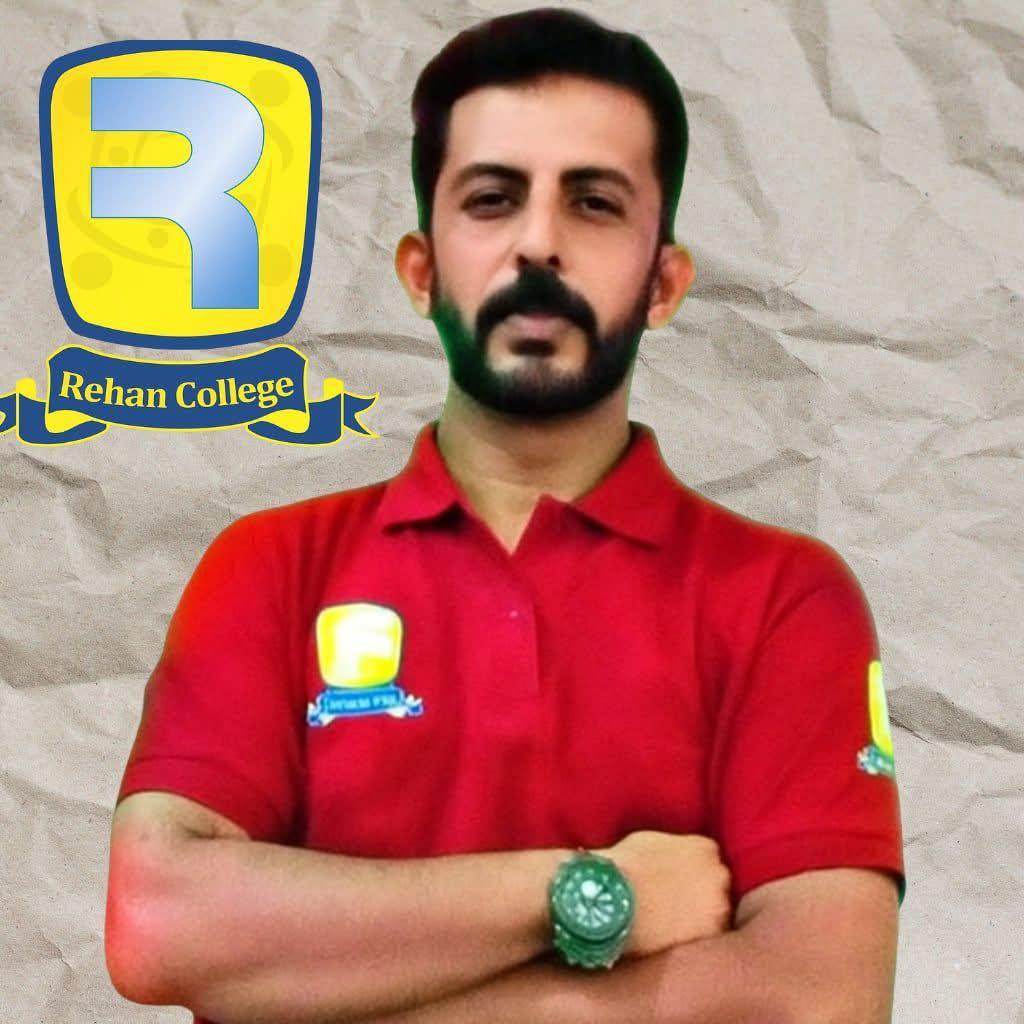
The Gentle Commander: The Story of Mohsin Rathore Seo Wala and Rehan College
In July, when the summer heat still wrapped Karachi in golden light, a quiet man took charge of a young and restless project — Rehan College. The college had less than fifty students at the time — dreamers, misfits, and changemakers in training. They came with energy but no discipline, passion but no direction.
When Mohsin Rathod was appointed Project Head, many wondered if he could handle them. He didn’t shout, didn’t threaten, didn’t even carry the traditional authority that makes students tremble.
He simply smiled and said,
“I will not teach them to obey — I will help them learn to care.”
That one sentence became the constitution of Rehan College.
⸻
1. Leadership Born of Love
Mohsin began his journey not by giving orders, but by giving time.
He sat with every student — one by one — asking them not what grades they wanted, but what kind of person they wanted to become.
Some said, “I want to speak English.”
Others said, “I want to start a business.”
A few said, “I just want someone to believe in me.”
And Mohsin did. He believed in every one of them — even when they didn’t believe in themselves.
He once told a colleague,
“If I can make them feel seen, they will learn anything.”
It wasn’t a management strategy; it was pure virtue — Ren, the Confucian virtue of human-heartedness.
⸻
2. The Calm That Transformed Chaos
In the early weeks, students arrived late, argued with teachers, and left projects unfinished. Others skipped class entirely.
Everyone expected Mohsin to impose discipline. Instead, he imposed kindness.
He didn’t scold them; he invited them for a walk around the campus, speaking softly:
“I know you can do better — not for me, but for yourself.”
The students began to change — not out of fear, but out of respect. They started showing up earlier, staying later, helping one another.
They realized that kindness, when consistent, becomes power.
“The superior man is not harsh in his commands;
he leads others through example.” — Confucius
⸻
3. Building a Culture of Virtue
Mohsin transformed Rehan College into a living classroom of moral growth.
Every Monday began not with attendance, but with a short reflection he called “The 2-Minute Virtue.”
He or a student would share one thought — about patience, honesty, gratitude, or humility.
He told them:
“We are not just learning to earn — we are learning to be.”
Students started writing gratitude notes to teachers, keeping their spaces clean, and helping juniors with homework.
The small acts added up. Within months, visitors could feel something invisible in the air — peace, discipline, and love.
It wasn’t enforced; it was absorbed.
⸻
4. He Built People, Not Systems
When asked about his management system, Mohsin would laugh.
“My system is simple: trust them first.”
He trusted students to organize events, handle finances, and manage online projects. They made mistakes — sometimes big ones.
But he never reacted with anger. He sat beside them, saying,
“Every mistake is proof that you tried.”
Gradually, the students began owning the college. They called it “our place” — not “Sir’s place.”
Trust turned into responsibility.
Responsibility turned into pride.
And pride turned into progress.
“If you want loyalty, first give it.” — Confucius
⸻
5. The Day of the Big Presentation
One afternoon, the students had to present their semester projects to the Rehan School leadership.
Many were nervous — it was their first time speaking before senior mentors.
Instead of giving a long speech, Mohsin said only this:
“I’m proud of you, no matter what happens today. You have already won — because you didn’t quit.”
His calm confidence filled the room. The students delivered beautifully — clear, confident, creative. When the applause began, many looked toward Mohsin — not for approval, but for reassurance. He just nodded and smiled.
That was his way of saying, “You’ve become what you were meant to be.”
⸻
6. A Community, Not a College
Under Mohsin’s guidance, Rehan College became more than an academic project — it became a community of growth.
Students cooked together, learned together, failed together, and celebrated together.
He encouraged them to meditate, to journal, to interview people, to create podcasts, and to use AI tools to amplify their voices.
But the real technology he taught them was emotional intelligence — how to listen, how to forgive, how to lead without ego.
“To see what is right and not do it is the want of courage.” — Confucius
Mohsin reminded them daily that courage doesn’t come from shouting or fighting — it comes from doing the right thing quietly, even when no one sees.
⸻
7. The Day They Called Him “Baba”
Over time, the students began calling him “Baba Mohsin.”
Not because of age — but because he had become the father figure many never had.
He taught them responsibility through care, discipline through kindness, and success through service.
When someone made a mistake, he’d say:
“It’s okay. You are still growing. Flowers don’t bloom by shouting at them.”
That line spread like a mantra across Rehan College. Teachers began using it too. It became the school’s philosophy.
⸻
8. The Legacy of Gentle Strength
By the end of the year, Rehan College had not just survived — it had blossomed.
Student projects became cleaner, classrooms livelier, and discipline effortless.
The students’ love for Mohsin was genuine — they respected him not out of duty, but from their hearts.
When he entered a room, they stood — not because it was required, but because it felt right.
“He who rules by virtue is like the North Star — steady and guiding.” — Confucius
In a world where leaders lead by fear, Mohsin proved that gentleness is the highest form of power.
⸻
9. The Reflection of Rehan College
Today, when people visit Rehan College, they often ask, “How do these students behave so well without punishment or pressure?”
The answer is always the same:
“Because their leader never shamed them — he shaped them.”
Every student carries a little of Mohsin’s calmness now.
They speak with respect, work with joy, and dream without fear.
That is his true legacy.
⸻
Epilogue: The Way of Mohsin
When Mohsin Rathod began his journey in July, he inherited a handful of students.
By the end of the year, he had built a family of future leaders.
He led not through authority, but through example.
Not through demands, but through understanding.
Not through threats, but through virtue, patience, and love.
And because of that, Rehan College became not just a place of learning —
but a living proof that Confucius was right when he said:
“The virtuous leader is like the wind;
the people are like the grass —
when the wind passes over, the grass bends naturally.”
In July, when the summer heat still wrapped Karachi in golden light, a quiet man took charge of a young and restless project — Rehan College. The college had less than fifty students at the time — dreamers, misfits, and changemakers in training. They came with energy but no discipline, passion but no direction.
When Mohsin Rathod was appointed Project Head, many wondered if he could handle them. He didn’t shout, didn’t threaten, didn’t even carry the traditional authority that makes students tremble.
He simply smiled and said,
“I will not teach them to obey — I will help them learn to care.”
That one sentence became the constitution of Rehan College.
⸻
1. Leadership Born of Love
Mohsin began his journey not by giving orders, but by giving time.
He sat with every student — one by one — asking them not what grades they wanted, but what kind of person they wanted to become.
Some said, “I want to speak English.”
Others said, “I want to start a business.”
A few said, “I just want someone to believe in me.”
And Mohsin did. He believed in every one of them — even when they didn’t believe in themselves.
He once told a colleague,
“If I can make them feel seen, they will learn anything.”
It wasn’t a management strategy; it was pure virtue — Ren, the Confucian virtue of human-heartedness.
⸻
2. The Calm That Transformed Chaos
In the early weeks, students arrived late, argued with teachers, and left projects unfinished. Others skipped class entirely.
Everyone expected Mohsin to impose discipline. Instead, he imposed kindness.
He didn’t scold them; he invited them for a walk around the campus, speaking softly:
“I know you can do better — not for me, but for yourself.”
The students began to change — not out of fear, but out of respect. They started showing up earlier, staying later, helping one another.
They realized that kindness, when consistent, becomes power.
“The superior man is not harsh in his commands;
he leads others through example.” — Confucius
⸻
3. Building a Culture of Virtue
Mohsin transformed Rehan College into a living classroom of moral growth.
Every Monday began not with attendance, but with a short reflection he called “The 2-Minute Virtue.”
He or a student would share one thought — about patience, honesty, gratitude, or humility.
He told them:
“We are not just learning to earn — we are learning to be.”
Students started writing gratitude notes to teachers, keeping their spaces clean, and helping juniors with homework.
The small acts added up. Within months, visitors could feel something invisible in the air — peace, discipline, and love.
It wasn’t enforced; it was absorbed.
⸻
4. He Built People, Not Systems
When asked about his management system, Mohsin would laugh.
“My system is simple: trust them first.”
He trusted students to organize events, handle finances, and manage online projects. They made mistakes — sometimes big ones.
But he never reacted with anger. He sat beside them, saying,
“Every mistake is proof that you tried.”
Gradually, the students began owning the college. They called it “our place” — not “Sir’s place.”
Trust turned into responsibility.
Responsibility turned into pride.
And pride turned into progress.
“If you want loyalty, first give it.” — Confucius
⸻
5. The Day of the Big Presentation
One afternoon, the students had to present their semester projects to the Rehan School leadership.
Many were nervous — it was their first time speaking before senior mentors.
Instead of giving a long speech, Mohsin said only this:
“I’m proud of you, no matter what happens today. You have already won — because you didn’t quit.”
His calm confidence filled the room. The students delivered beautifully — clear, confident, creative. When the applause began, many looked toward Mohsin — not for approval, but for reassurance. He just nodded and smiled.
That was his way of saying, “You’ve become what you were meant to be.”
⸻
6. A Community, Not a College
Under Mohsin’s guidance, Rehan College became more than an academic project — it became a community of growth.
Students cooked together, learned together, failed together, and celebrated together.
He encouraged them to meditate, to journal, to interview people, to create podcasts, and to use AI tools to amplify their voices.
But the real technology he taught them was emotional intelligence — how to listen, how to forgive, how to lead without ego.
“To see what is right and not do it is the want of courage.” — Confucius
Mohsin reminded them daily that courage doesn’t come from shouting or fighting — it comes from doing the right thing quietly, even when no one sees.
⸻
7. The Day They Called Him “Baba”
Over time, the students began calling him “Baba Mohsin.”
Not because of age — but because he had become the father figure many never had.
He taught them responsibility through care, discipline through kindness, and success through service.
When someone made a mistake, he’d say:
“It’s okay. You are still growing. Flowers don’t bloom by shouting at them.”
That line spread like a mantra across Rehan College. Teachers began using it too. It became the school’s philosophy.
⸻
8. The Legacy of Gentle Strength
By the end of the year, Rehan College had not just survived — it had blossomed.
Student projects became cleaner, classrooms livelier, and discipline effortless.
The students’ love for Mohsin was genuine — they respected him not out of duty, but from their hearts.
When he entered a room, they stood — not because it was required, but because it felt right.
“He who rules by virtue is like the North Star — steady and guiding.” — Confucius
In a world where leaders lead by fear, Mohsin proved that gentleness is the highest form of power.
⸻
9. The Reflection of Rehan College
Today, when people visit Rehan College, they often ask, “How do these students behave so well without punishment or pressure?”
The answer is always the same:
“Because their leader never shamed them — he shaped them.”
Every student carries a little of Mohsin’s calmness now.
They speak with respect, work with joy, and dream without fear.
That is his true legacy.
⸻
Epilogue: The Way of Mohsin
When Mohsin Rathod began his journey in July, he inherited a handful of students.
By the end of the year, he had built a family of future leaders.
He led not through authority, but through example.
Not through demands, but through understanding.
Not through threats, but through virtue, patience, and love.
And because of that, Rehan College became not just a place of learning —
but a living proof that Confucius was right when he said:
“The virtuous leader is like the wind;
the people are like the grass —
when the wind passes over, the grass bends naturally.”
The Gentle Commander: The Story of Mohsin Rathore Seo Wala and Rehan College
In July, when the summer heat still wrapped Karachi in golden light, a quiet man took charge of a young and restless project — Rehan College. The college had less than fifty students at the time — dreamers, misfits, and changemakers in training. They came with energy but no discipline, passion but no direction.
When Mohsin Rathod was appointed Project Head, many wondered if he could handle them. He didn’t shout, didn’t threaten, didn’t even carry the traditional authority that makes students tremble.
He simply smiled and said,
“I will not teach them to obey — I will help them learn to care.”
That one sentence became the constitution of Rehan College.
⸻
🌿 1. Leadership Born of Love
Mohsin began his journey not by giving orders, but by giving time.
He sat with every student — one by one — asking them not what grades they wanted, but what kind of person they wanted to become.
Some said, “I want to speak English.”
Others said, “I want to start a business.”
A few said, “I just want someone to believe in me.”
And Mohsin did. He believed in every one of them — even when they didn’t believe in themselves.
He once told a colleague,
“If I can make them feel seen, they will learn anything.”
It wasn’t a management strategy; it was pure virtue — Ren, the Confucian virtue of human-heartedness.
⸻
💡 2. The Calm That Transformed Chaos
In the early weeks, students arrived late, argued with teachers, and left projects unfinished. Others skipped class entirely.
Everyone expected Mohsin to impose discipline. Instead, he imposed kindness.
He didn’t scold them; he invited them for a walk around the campus, speaking softly:
“I know you can do better — not for me, but for yourself.”
The students began to change — not out of fear, but out of respect. They started showing up earlier, staying later, helping one another.
They realized that kindness, when consistent, becomes power.
“The superior man is not harsh in his commands;
he leads others through example.” — Confucius
⸻
🌸 3. Building a Culture of Virtue
Mohsin transformed Rehan College into a living classroom of moral growth.
Every Monday began not with attendance, but with a short reflection he called “The 2-Minute Virtue.”
He or a student would share one thought — about patience, honesty, gratitude, or humility.
He told them:
“We are not just learning to earn — we are learning to be.”
Students started writing gratitude notes to teachers, keeping their spaces clean, and helping juniors with homework.
The small acts added up. Within months, visitors could feel something invisible in the air — peace, discipline, and love.
It wasn’t enforced; it was absorbed.
⸻
⚙️ 4. He Built People, Not Systems
When asked about his management system, Mohsin would laugh.
“My system is simple: trust them first.”
He trusted students to organize events, handle finances, and manage online projects. They made mistakes — sometimes big ones.
But he never reacted with anger. He sat beside them, saying,
“Every mistake is proof that you tried.”
Gradually, the students began owning the college. They called it “our place” — not “Sir’s place.”
Trust turned into responsibility.
Responsibility turned into pride.
And pride turned into progress.
“If you want loyalty, first give it.” — Confucius
⸻
💬 5. The Day of the Big Presentation
One afternoon, the students had to present their semester projects to the Rehan School leadership.
Many were nervous — it was their first time speaking before senior mentors.
Instead of giving a long speech, Mohsin said only this:
“I’m proud of you, no matter what happens today. You have already won — because you didn’t quit.”
His calm confidence filled the room. The students delivered beautifully — clear, confident, creative. When the applause began, many looked toward Mohsin — not for approval, but for reassurance. He just nodded and smiled.
That was his way of saying, “You’ve become what you were meant to be.”
⸻
🌍 6. A Community, Not a College
Under Mohsin’s guidance, Rehan College became more than an academic project — it became a community of growth.
Students cooked together, learned together, failed together, and celebrated together.
He encouraged them to meditate, to journal, to interview people, to create podcasts, and to use AI tools to amplify their voices.
But the real technology he taught them was emotional intelligence — how to listen, how to forgive, how to lead without ego.
“To see what is right and not do it is the want of courage.” — Confucius
Mohsin reminded them daily that courage doesn’t come from shouting or fighting — it comes from doing the right thing quietly, even when no one sees.
⸻
🌻 7. The Day They Called Him “Baba”
Over time, the students began calling him “Baba Mohsin.”
Not because of age — but because he had become the father figure many never had.
He taught them responsibility through care, discipline through kindness, and success through service.
When someone made a mistake, he’d say:
“It’s okay. You are still growing. Flowers don’t bloom by shouting at them.”
That line spread like a mantra across Rehan College. Teachers began using it too. It became the school’s philosophy.
⸻
🌟 8. The Legacy of Gentle Strength
By the end of the year, Rehan College had not just survived — it had blossomed.
Student projects became cleaner, classrooms livelier, and discipline effortless.
The students’ love for Mohsin was genuine — they respected him not out of duty, but from their hearts.
When he entered a room, they stood — not because it was required, but because it felt right.
“He who rules by virtue is like the North Star — steady and guiding.” — Confucius
In a world where leaders lead by fear, Mohsin proved that gentleness is the highest form of power.
⸻
✨ 9. The Reflection of Rehan College
Today, when people visit Rehan College, they often ask, “How do these students behave so well without punishment or pressure?”
The answer is always the same:
“Because their leader never shamed them — he shaped them.”
Every student carries a little of Mohsin’s calmness now.
They speak with respect, work with joy, and dream without fear.
That is his true legacy.
⸻
🌿 Epilogue: The Way of Mohsin
When Mohsin Rathod began his journey in July, he inherited a handful of students.
By the end of the year, he had built a family of future leaders.
He led not through authority, but through example.
Not through demands, but through understanding.
Not through threats, but through virtue, patience, and love.
And because of that, Rehan College became not just a place of learning —
but a living proof that Confucius was right when he said:
“The virtuous leader is like the wind;
the people are like the grass —
when the wind passes over, the grass bends naturally.”
0 Comentários
0 Compartilhamentos
159 Visualizações