


Let’s Bring the Fireflies Back to Life — Step by Step
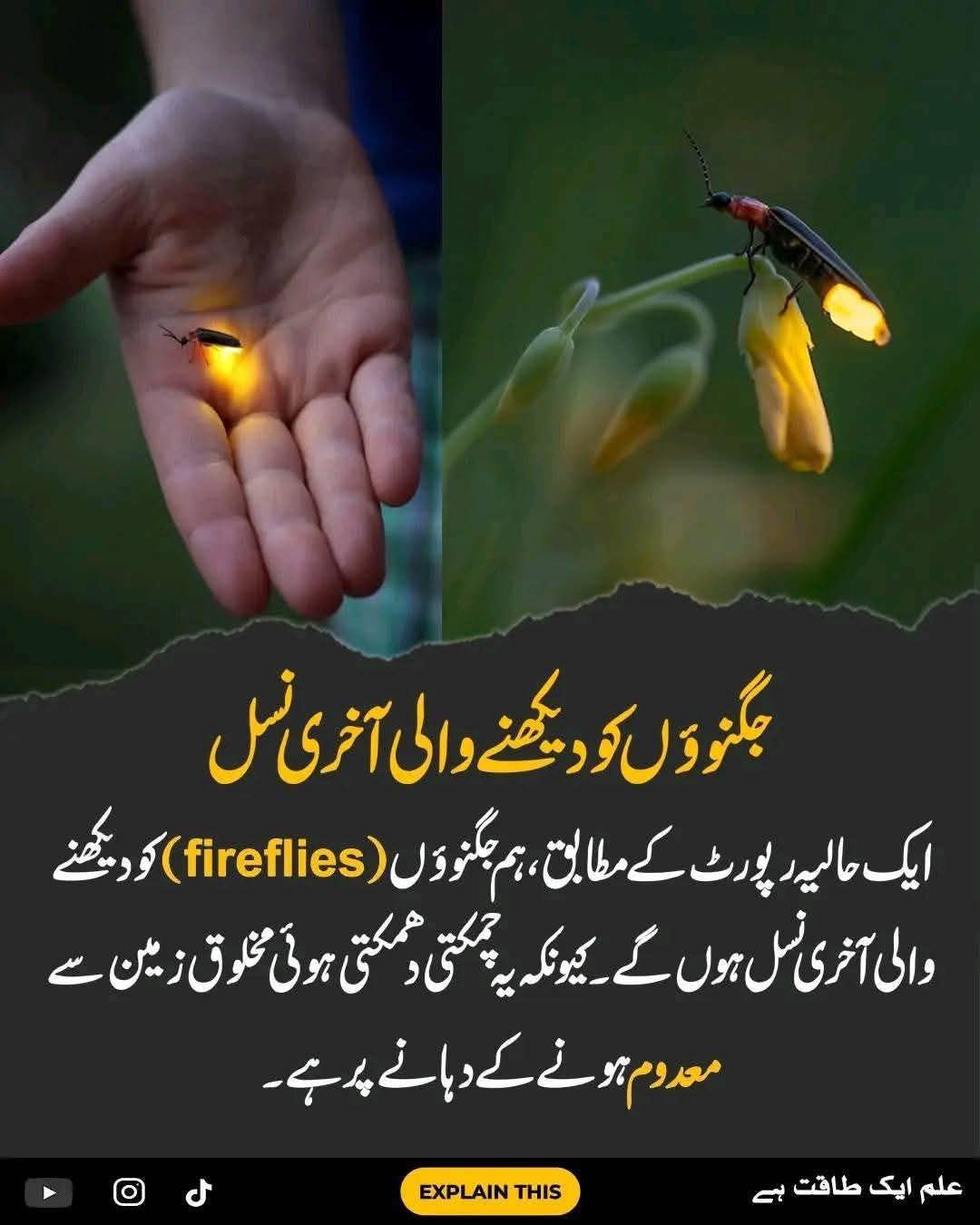
Do you remember the nights when the fields used to twinkle with tiny lights — as if the stars had come down to earth? Those magical creatures were fireflies — the glowing beetles that once filled our childhood summers with wonder.
Today, they are vanishing from our world. Scientists say fireflies are disappearing fast because of pesticides, pollution, artificial lights, and the destruction of natural habitats. If we do nothing, we might become the last generation to see them.
But what if we refused to let them disappear?
What if we brought them back — right here in Pakistan?
At Rehan School Farm, we are launching a small but powerful project — the Firefly Sanctuary — to restore nature’s glow and teach our students the science of conservation through direct action.
Here’s how anyone can do it at their home, school, or farm:
⸻
Step 1: Choose a Calm, Dark Spot
Fireflies love quiet, shaded, and humid areas — far from bright lights and noise.
• Select a 10 × 10 meter corner of your land, preferably under trees or near a wall that gives shade.
• Make sure no streetlights or building lights directly shine on it.
• The quieter and darker the spot, the better their chances to live and breed.
⸻
Step 2: Prepare the Soil
Firefly larvae live in the soil for months before becoming glowing adults.
To make it suitable for them:
• Keep the soil moist but not flooded.
• Add fallen leaves, compost, or old vegetable waste — this attracts snails, worms, and slugs (which the larvae eat).
• Never use chemical fertilizers or insecticides. They kill both the food and the fireflies.
⸻
Step 3: Grow the Right Plants
Plants provide shelter, humidity, and food for the insects they feed on.
• Plant native grasses, ferns, lemongrass, mint, and marigold.
• Add small shrubs or banana plants to keep the area shaded.
• Avoid lawn cutting in this zone; tall grass helps fireflies hide during the day.
Pro Tip: Fireflies love places where nature is a little “untidy.” Don’t clean too much!
⸻
Step 4: Create a Mini Water Source
They love moisture and dew.
• Dig a small pond or place a shallow water tub with a few stones.
• Keep it clean but natural — no chlorine or fish at first.
• Spray light water mist at night to mimic dew if the air is dry.
⸻
Step 5: Keep the Nights Dark
Fireflies communicate with flashes of light.
Artificial lighting confuses them and stops them from mating.
• Turn off all lights in that area after sunset.
• If you need visibility, use dim red or amber LEDs, as they don’t disturb insects.
• You can even host a “Dark Night” event once a week — invite students and families to observe nature’s own light show.
⸻
Step 6: Feed Nature Naturally
Firefly larvae eat snails, worms, and slugs.
• Keep compost piles or leaf litter to attract them.
• Collect a few snails or worms from nearby gardens to release there.
• Keep the balance — nature will take care of the rest.
⸻
Step 7: Make It an Education Zone
Turn it into a living science classroom.
• Ask students to keep a Firefly Journal — noting weather, light, and sightings.
• Use AI tools like iNaturalist or Seek to identify insects.
• Discuss what each student learned about patience, silence, and harmony with nature.
⸻
Avoid These Mistakes
• Don’t use chemical sprays or mosquito fogging near the sanctuary.
• Don’t introduce too many animals or bright decorative lights.
• Don’t over-water or let it dry completely. Balance is key.
⸻
The Bigger Picture
If every school, farmhouse, and park in Pakistan dedicates just one small corner like this, we can light up our country again — not just with fireflies, but with awareness, care, and life.
Fireflies remind us of a beautiful truth:
When the world grows darker, even a small light becomes powerful.
So let’s create spaces where light is born naturally again.
Let’s show our children how to care, not just how to consume.
Let’s bring back the fireflies — and with them, the forgotten glow in our hearts.
— Rehan Allahwala
Founder, Rehan School
Teaching leadership through love, AI, and action.
Do you remember the nights when the fields used to twinkle with tiny lights — as if the stars had come down to earth? Those magical creatures were fireflies — the glowing beetles that once filled our childhood summers with wonder.
Today, they are vanishing from our world. Scientists say fireflies are disappearing fast because of pesticides, pollution, artificial lights, and the destruction of natural habitats. If we do nothing, we might become the last generation to see them.
But what if we refused to let them disappear?
What if we brought them back — right here in Pakistan?
At Rehan School Farm, we are launching a small but powerful project — the Firefly Sanctuary — to restore nature’s glow and teach our students the science of conservation through direct action.
Here’s how anyone can do it at their home, school, or farm:
⸻
Step 1: Choose a Calm, Dark Spot
Fireflies love quiet, shaded, and humid areas — far from bright lights and noise.
• Select a 10 × 10 meter corner of your land, preferably under trees or near a wall that gives shade.
• Make sure no streetlights or building lights directly shine on it.
• The quieter and darker the spot, the better their chances to live and breed.
⸻
Step 2: Prepare the Soil
Firefly larvae live in the soil for months before becoming glowing adults.
To make it suitable for them:
• Keep the soil moist but not flooded.
• Add fallen leaves, compost, or old vegetable waste — this attracts snails, worms, and slugs (which the larvae eat).
• Never use chemical fertilizers or insecticides. They kill both the food and the fireflies.
⸻
Step 3: Grow the Right Plants
Plants provide shelter, humidity, and food for the insects they feed on.
• Plant native grasses, ferns, lemongrass, mint, and marigold.
• Add small shrubs or banana plants to keep the area shaded.
• Avoid lawn cutting in this zone; tall grass helps fireflies hide during the day.
Pro Tip: Fireflies love places where nature is a little “untidy.” Don’t clean too much!
⸻
Step 4: Create a Mini Water Source
They love moisture and dew.
• Dig a small pond or place a shallow water tub with a few stones.
• Keep it clean but natural — no chlorine or fish at first.
• Spray light water mist at night to mimic dew if the air is dry.
⸻
Step 5: Keep the Nights Dark
Fireflies communicate with flashes of light.
Artificial lighting confuses them and stops them from mating.
• Turn off all lights in that area after sunset.
• If you need visibility, use dim red or amber LEDs, as they don’t disturb insects.
• You can even host a “Dark Night” event once a week — invite students and families to observe nature’s own light show.
⸻
Step 6: Feed Nature Naturally
Firefly larvae eat snails, worms, and slugs.
• Keep compost piles or leaf litter to attract them.
• Collect a few snails or worms from nearby gardens to release there.
• Keep the balance — nature will take care of the rest.
⸻
Step 7: Make It an Education Zone
Turn it into a living science classroom.
• Ask students to keep a Firefly Journal — noting weather, light, and sightings.
• Use AI tools like iNaturalist or Seek to identify insects.
• Discuss what each student learned about patience, silence, and harmony with nature.
⸻
Avoid These Mistakes
• Don’t use chemical sprays or mosquito fogging near the sanctuary.
• Don’t introduce too many animals or bright decorative lights.
• Don’t over-water or let it dry completely. Balance is key.
⸻
The Bigger Picture
If every school, farmhouse, and park in Pakistan dedicates just one small corner like this, we can light up our country again — not just with fireflies, but with awareness, care, and life.
Fireflies remind us of a beautiful truth:
When the world grows darker, even a small light becomes powerful.
So let’s create spaces where light is born naturally again.
Let’s show our children how to care, not just how to consume.
Let’s bring back the fireflies — and with them, the forgotten glow in our hearts.
— Rehan Allahwala
Founder, Rehan School
Teaching leadership through love, AI, and action.
🌟 Let’s Bring the Fireflies Back to Life — Step by Step
Do you remember the nights when the fields used to twinkle with tiny lights — as if the stars had come down to earth? Those magical creatures were fireflies — the glowing beetles that once filled our childhood summers with wonder.
Today, they are vanishing from our world. Scientists say fireflies are disappearing fast because of pesticides, pollution, artificial lights, and the destruction of natural habitats. If we do nothing, we might become the last generation to see them.
But what if we refused to let them disappear?
What if we brought them back — right here in Pakistan?
At Rehan School Farm, we are launching a small but powerful project — the Firefly Sanctuary — to restore nature’s glow and teach our students the science of conservation through direct action.
Here’s how anyone can do it at their home, school, or farm:
⸻
🪴 Step 1: Choose a Calm, Dark Spot
Fireflies love quiet, shaded, and humid areas — far from bright lights and noise.
• Select a 10 × 10 meter corner of your land, preferably under trees or near a wall that gives shade.
• Make sure no streetlights or building lights directly shine on it.
• The quieter and darker the spot, the better their chances to live and breed.
⸻
🌾 Step 2: Prepare the Soil
Firefly larvae live in the soil for months before becoming glowing adults.
To make it suitable for them:
• Keep the soil moist but not flooded.
• Add fallen leaves, compost, or old vegetable waste — this attracts snails, worms, and slugs (which the larvae eat).
• Never use chemical fertilizers or insecticides. They kill both the food and the fireflies.
⸻
🌿 Step 3: Grow the Right Plants
Plants provide shelter, humidity, and food for the insects they feed on.
• Plant native grasses, ferns, lemongrass, mint, and marigold.
• Add small shrubs or banana plants to keep the area shaded.
• Avoid lawn cutting in this zone; tall grass helps fireflies hide during the day.
💡 Pro Tip: Fireflies love places where nature is a little “untidy.” Don’t clean too much!
⸻
💧 Step 4: Create a Mini Water Source
They love moisture and dew.
• Dig a small pond or place a shallow water tub with a few stones.
• Keep it clean but natural — no chlorine or fish at first.
• Spray light water mist at night to mimic dew if the air is dry.
⸻
🌌 Step 5: Keep the Nights Dark
Fireflies communicate with flashes of light.
Artificial lighting confuses them and stops them from mating.
• Turn off all lights in that area after sunset.
• If you need visibility, use dim red or amber LEDs, as they don’t disturb insects.
• You can even host a “Dark Night” event once a week — invite students and families to observe nature’s own light show.
⸻
🪱 Step 6: Feed Nature Naturally
Firefly larvae eat snails, worms, and slugs.
• Keep compost piles or leaf litter to attract them.
• Collect a few snails or worms from nearby gardens to release there.
• Keep the balance — nature will take care of the rest.
⸻
🎓 Step 7: Make It an Education Zone
Turn it into a living science classroom.
• Ask students to keep a Firefly Journal — noting weather, light, and sightings.
• Use AI tools like iNaturalist or Seek to identify insects.
• Discuss what each student learned about patience, silence, and harmony with nature.
⸻
⚠️ Avoid These Mistakes
• Don’t use chemical sprays or mosquito fogging near the sanctuary.
• Don’t introduce too many animals or bright decorative lights.
• Don’t over-water or let it dry completely. Balance is key.
⸻
🌍 The Bigger Picture
If every school, farmhouse, and park in Pakistan dedicates just one small corner like this, we can light up our country again — not just with fireflies, but with awareness, care, and life.
Fireflies remind us of a beautiful truth:
When the world grows darker, even a small light becomes powerful.
So let’s create spaces where light is born naturally again.
Let’s show our children how to care, not just how to consume.
Let’s bring back the fireflies — and with them, the forgotten glow in our hearts. ✨
— Rehan Allahwala
Founder, Rehan School
Teaching leadership through love, AI, and action.
0 Comments
0 Shares
65 Views