


The Business Story of Guava Leaves and the Billion-Dollar Diabetic Tea Market
Once upon a time, guava farmers around the world earned money only from the fruit.
They sold it fresh, made jams, or watched unpicked guavas fall and rot under the trees when prices dropped.
But what if the real treasure of the guava tree was not its fruit — but its leaves?
The Forgotten Gold
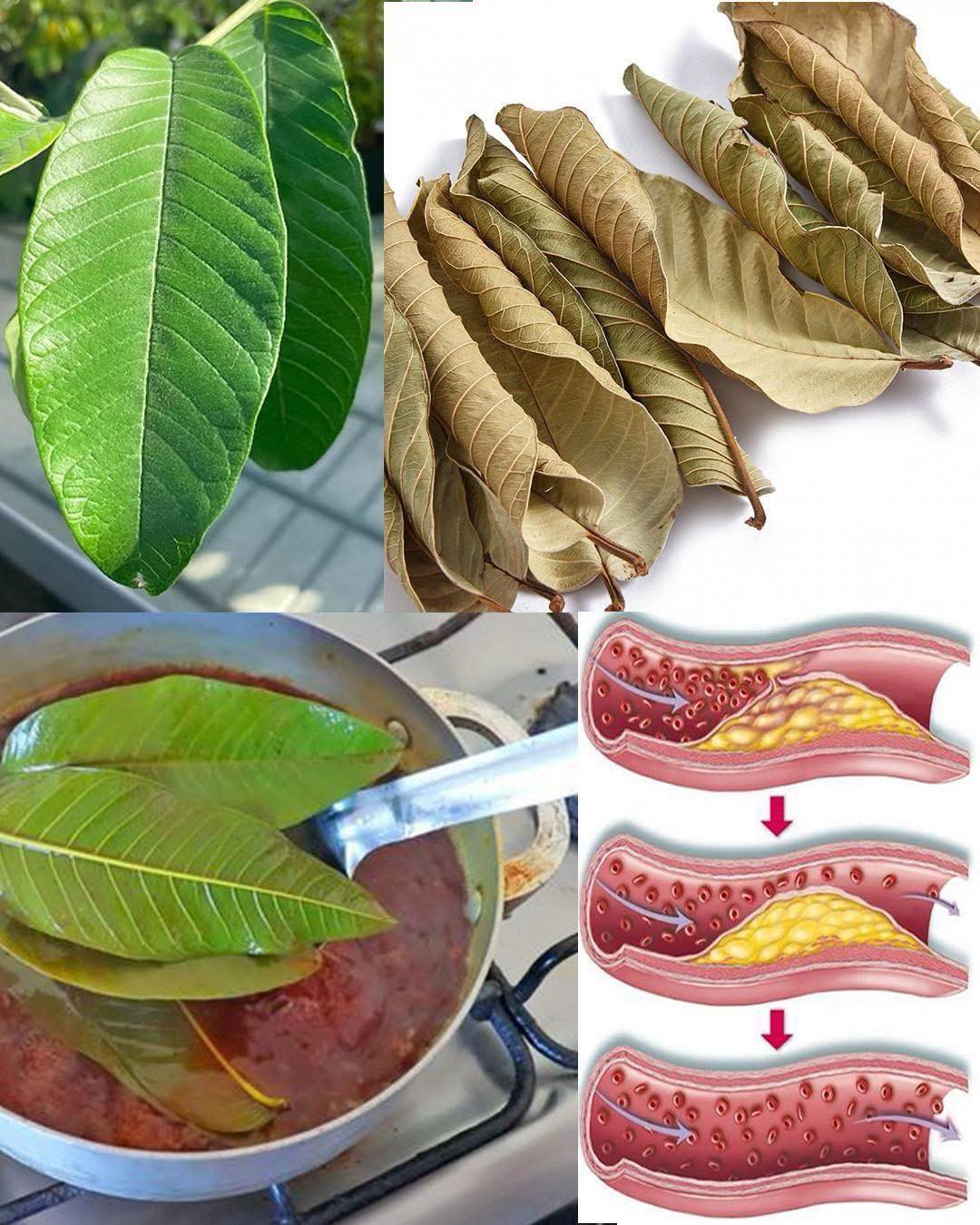
In the last decade, science uncovered what village healers always knew: guava leaves help control blood sugar.
Studies from Japan, India, and the Philippines show that guava leaf extract can reduce post-meal blood sugar by slowing down carbohydrate absorption.
The Japanese even approved a guava-leaf-based tea, Bansoureicha, as a Food for Specified Health Use (FOSHU) for people with high blood sugar — a government-recognized health tea.
Now, combine that fact with another number:
Over 537 million people in the world live with diabetes (International Diabetes Federation, 2024).
The global herbal and functional tea market is worth over $20 billion, growing at 7–8% annually.
That means a simple guava leaf — which most farmers burn or throw away — is quietly waiting to enter a billion-dollar wellness industry.
⸻
The Opportunity for Guava Farmers
Every guava farm produces thousands of kilograms of leaves yearly that go unused.
By drying and processing these leaves properly, farmers can turn waste into wealth.
A single mature guava tree yields 8–12 kg of usable leaves per year.
If a farmer owns 500 trees, that’s roughly 4,000–6,000 kg of leaves, which can produce about 1,000 kg of dried guava-leaf tea — enough for 50,000 retail tea sachets.
At just $2 per pack (export price), that’s a potential of $100,000 per year, from what used to be thrown away.
⸻
How to Build the Business
1. Harvest and Dry
• Pick young, healthy, pesticide-free leaves (early morning is best).
• Wash, shade-dry for 4–5 days or dehydrate at 45–50 °C to retain aroma and nutrients.
• Grind or crush lightly depending on tea type (loose, bagged, or powder).
2. Brand and Package
• Use eco-friendly tea bags or tins.
• Create attractive branding emphasizing:
• “Natural Blood-Sugar Support”
• “No Caffeine, No Chemicals”
• “Backed by Research (Japan FOSHU approved)”
3. Certify
• Obtain organic certification (USDA, EU, or local).
• Conduct basic lab testing for safety and phytochemical content.
• Use QR codes linking to research summaries — this builds credibility.
4. Sell To
• Pharmacies & Herbal Shops – as diabetic-friendly tea.
• Health-conscious consumers via online stores (Amazon, Daraz, Etsy).
• Hotels, cafés, and spas – as wellness tea.
• Export markets – Middle East, Europe, and USA where herbal teas are booming.
• Corporate wellness programs & hospitals – diabetic-friendly beverage options.
5. Marketing Channels
• Instagram & Facebook storytelling: show the journey from farm to cup.
• YouTube micro-documentaries about diabetic wellness & nature’s healing.
• Partner with Rehan School & Trillion Trees Project to show eco-impact — “Every cup saves a tree.”
⸻
Real Market Examples
• Japan’s Yakult Honsha sells guava-leaf tea as a FOSHU-certified product for $6–10 per box.
• Philippine farmers export guava leaf powder to Japan and Korea.
• Indian startups like TeaTribe and HerbalAura are adding guava leaf blends in diabetic-care teas.
Pakistan, with its tropical climate and vast guava farms in Sindh and Punjab, can easily join this race — producing high-quality guava leaf tea for export to diabetic populations across the world.
⸻
Business Models
Model Description Ideal For
Farm-to-Tea Brand Farmer creates direct tea brand (local & export). Guava farm owners.
B2B Leaf Supplier Sell dried leaves to tea companies or herbal manufacturers. Small to medium farmers.
Herbal Franchise Kiosks Sell guava leaf tea under “Healthy Pakistan” or “Rehan Tea” brand. Entrepreneurs in cities.
Online Subscription Model Monthly supply of diabetic wellness tea. Startups & e-commerce youth.
⸻
Impact and Sustainability
Using guava leaves instead of letting them rot has three benefits:
1. Economic – Farmers earn year-round, not just during fruit season.
2. Environmental – Prevents waste and encourages tree plantation.
3. Health – Provides an affordable, natural diabetic-friendly beverage.
Imagine a cooperative of 1,000 guava farmers each earning $10,000 extra annually — that’s a $10 million impact industry, born entirely from nature’s leftovers.
⸻
The Story’s New Ending
When the old healer Hakim Kareem saw Rasheed’s sugar levels fall, he smiled and said,
“This leaf not only heals the body, my son — it heals the economy of those who honor it.”
Today, guava farm owners and young entrepreneurs can take that same wisdom and turn it into a thriving green business — one that supports diabetic health, empowers farmers, and exports the fragrance of Pakistan’s soil to the world.
From leaf to legacy, the journey of guava is just beginning.
All it takes is vision, packaging, and purpose.
⸻
By Rehan Allahwala — with ChatGPT
Inspiring entrepreneurs to turn nature’s blessings into business that heals.
Once upon a time, guava farmers around the world earned money only from the fruit.
They sold it fresh, made jams, or watched unpicked guavas fall and rot under the trees when prices dropped.
But what if the real treasure of the guava tree was not its fruit — but its leaves?
The Forgotten Gold
In the last decade, science uncovered what village healers always knew: guava leaves help control blood sugar.
Studies from Japan, India, and the Philippines show that guava leaf extract can reduce post-meal blood sugar by slowing down carbohydrate absorption.
The Japanese even approved a guava-leaf-based tea, Bansoureicha, as a Food for Specified Health Use (FOSHU) for people with high blood sugar — a government-recognized health tea.
Now, combine that fact with another number:
Over 537 million people in the world live with diabetes (International Diabetes Federation, 2024).
The global herbal and functional tea market is worth over $20 billion, growing at 7–8% annually.
That means a simple guava leaf — which most farmers burn or throw away — is quietly waiting to enter a billion-dollar wellness industry.
⸻
The Opportunity for Guava Farmers
Every guava farm produces thousands of kilograms of leaves yearly that go unused.
By drying and processing these leaves properly, farmers can turn waste into wealth.
A single mature guava tree yields 8–12 kg of usable leaves per year.
If a farmer owns 500 trees, that’s roughly 4,000–6,000 kg of leaves, which can produce about 1,000 kg of dried guava-leaf tea — enough for 50,000 retail tea sachets.
At just $2 per pack (export price), that’s a potential of $100,000 per year, from what used to be thrown away.
⸻
How to Build the Business
1. Harvest and Dry
• Pick young, healthy, pesticide-free leaves (early morning is best).
• Wash, shade-dry for 4–5 days or dehydrate at 45–50 °C to retain aroma and nutrients.
• Grind or crush lightly depending on tea type (loose, bagged, or powder).
2. Brand and Package
• Use eco-friendly tea bags or tins.
• Create attractive branding emphasizing:
• “Natural Blood-Sugar Support”
• “No Caffeine, No Chemicals”
• “Backed by Research (Japan FOSHU approved)”
3. Certify
• Obtain organic certification (USDA, EU, or local).
• Conduct basic lab testing for safety and phytochemical content.
• Use QR codes linking to research summaries — this builds credibility.
4. Sell To
• Pharmacies & Herbal Shops – as diabetic-friendly tea.
• Health-conscious consumers via online stores (Amazon, Daraz, Etsy).
• Hotels, cafés, and spas – as wellness tea.
• Export markets – Middle East, Europe, and USA where herbal teas are booming.
• Corporate wellness programs & hospitals – diabetic-friendly beverage options.
5. Marketing Channels
• Instagram & Facebook storytelling: show the journey from farm to cup.
• YouTube micro-documentaries about diabetic wellness & nature’s healing.
• Partner with Rehan School & Trillion Trees Project to show eco-impact — “Every cup saves a tree.”
⸻
Real Market Examples
• Japan’s Yakult Honsha sells guava-leaf tea as a FOSHU-certified product for $6–10 per box.
• Philippine farmers export guava leaf powder to Japan and Korea.
• Indian startups like TeaTribe and HerbalAura are adding guava leaf blends in diabetic-care teas.
Pakistan, with its tropical climate and vast guava farms in Sindh and Punjab, can easily join this race — producing high-quality guava leaf tea for export to diabetic populations across the world.
⸻
Business Models
Model Description Ideal For
Farm-to-Tea Brand Farmer creates direct tea brand (local & export). Guava farm owners.
B2B Leaf Supplier Sell dried leaves to tea companies or herbal manufacturers. Small to medium farmers.
Herbal Franchise Kiosks Sell guava leaf tea under “Healthy Pakistan” or “Rehan Tea” brand. Entrepreneurs in cities.
Online Subscription Model Monthly supply of diabetic wellness tea. Startups & e-commerce youth.
⸻
Impact and Sustainability
Using guava leaves instead of letting them rot has three benefits:
1. Economic – Farmers earn year-round, not just during fruit season.
2. Environmental – Prevents waste and encourages tree plantation.
3. Health – Provides an affordable, natural diabetic-friendly beverage.
Imagine a cooperative of 1,000 guava farmers each earning $10,000 extra annually — that’s a $10 million impact industry, born entirely from nature’s leftovers.
⸻
The Story’s New Ending
When the old healer Hakim Kareem saw Rasheed’s sugar levels fall, he smiled and said,
“This leaf not only heals the body, my son — it heals the economy of those who honor it.”
Today, guava farm owners and young entrepreneurs can take that same wisdom and turn it into a thriving green business — one that supports diabetic health, empowers farmers, and exports the fragrance of Pakistan’s soil to the world.
From leaf to legacy, the journey of guava is just beginning.
All it takes is vision, packaging, and purpose.
⸻
By Rehan Allahwala — with ChatGPT
Inspiring entrepreneurs to turn nature’s blessings into business that heals.
The Business Story of Guava Leaves and the Billion-Dollar Diabetic Tea Market
Once upon a time, guava farmers around the world earned money only from the fruit.
They sold it fresh, made jams, or watched unpicked guavas fall and rot under the trees when prices dropped.
But what if the real treasure of the guava tree was not its fruit — but its leaves?
🍃 The Forgotten Gold
In the last decade, science uncovered what village healers always knew: guava leaves help control blood sugar.
Studies from Japan, India, and the Philippines show that guava leaf extract can reduce post-meal blood sugar by slowing down carbohydrate absorption.
The Japanese even approved a guava-leaf-based tea, Bansoureicha, as a Food for Specified Health Use (FOSHU) for people with high blood sugar — a government-recognized health tea.
Now, combine that fact with another number:
🌎 Over 537 million people in the world live with diabetes (International Diabetes Federation, 2024).
💰 The global herbal and functional tea market is worth over $20 billion, growing at 7–8% annually.
That means a simple guava leaf — which most farmers burn or throw away — is quietly waiting to enter a billion-dollar wellness industry.
⸻
🚜 The Opportunity for Guava Farmers
Every guava farm produces thousands of kilograms of leaves yearly that go unused.
By drying and processing these leaves properly, farmers can turn waste into wealth.
A single mature guava tree yields 8–12 kg of usable leaves per year.
If a farmer owns 500 trees, that’s roughly 4,000–6,000 kg of leaves, which can produce about 1,000 kg of dried guava-leaf tea — enough for 50,000 retail tea sachets.
At just $2 per pack (export price), that’s a potential of $100,000 per year, from what used to be thrown away.
⸻
🏭 How to Build the Business
1. Harvest and Dry
• Pick young, healthy, pesticide-free leaves (early morning is best).
• Wash, shade-dry for 4–5 days or dehydrate at 45–50 °C to retain aroma and nutrients.
• Grind or crush lightly depending on tea type (loose, bagged, or powder).
2. Brand and Package
• Use eco-friendly tea bags or tins.
• Create attractive branding emphasizing:
• “Natural Blood-Sugar Support”
• “No Caffeine, No Chemicals”
• “Backed by Research (Japan FOSHU approved)”
3. Certify
• Obtain organic certification (USDA, EU, or local).
• Conduct basic lab testing for safety and phytochemical content.
• Use QR codes linking to research summaries — this builds credibility.
4. Sell To
• Pharmacies & Herbal Shops – as diabetic-friendly tea.
• Health-conscious consumers via online stores (Amazon, Daraz, Etsy).
• Hotels, cafés, and spas – as wellness tea.
• Export markets – Middle East, Europe, and USA where herbal teas are booming.
• Corporate wellness programs & hospitals – diabetic-friendly beverage options.
5. Marketing Channels
• Instagram & Facebook storytelling: show the journey from farm to cup.
• YouTube micro-documentaries about diabetic wellness & nature’s healing.
• Partner with Rehan School & Trillion Trees Project to show eco-impact — “Every cup saves a tree.”
⸻
📈 Real Market Examples
• Japan’s Yakult Honsha sells guava-leaf tea as a FOSHU-certified product for $6–10 per box.
• Philippine farmers export guava leaf powder to Japan and Korea.
• Indian startups like TeaTribe and HerbalAura are adding guava leaf blends in diabetic-care teas.
Pakistan, with its tropical climate and vast guava farms in Sindh and Punjab, can easily join this race — producing high-quality guava leaf tea for export to diabetic populations across the world.
⸻
💡 Business Models
Model Description Ideal For
Farm-to-Tea Brand Farmer creates direct tea brand (local & export). Guava farm owners.
B2B Leaf Supplier Sell dried leaves to tea companies or herbal manufacturers. Small to medium farmers.
Herbal Franchise Kiosks Sell guava leaf tea under “Healthy Pakistan” or “Rehan Tea” brand. Entrepreneurs in cities.
Online Subscription Model Monthly supply of diabetic wellness tea. Startups & e-commerce youth.
⸻
🌍 Impact and Sustainability
Using guava leaves instead of letting them rot has three benefits:
1. Economic – Farmers earn year-round, not just during fruit season.
2. Environmental – Prevents waste and encourages tree plantation.
3. Health – Provides an affordable, natural diabetic-friendly beverage.
Imagine a cooperative of 1,000 guava farmers each earning $10,000 extra annually — that’s a $10 million impact industry, born entirely from nature’s leftovers.
⸻
💬 The Story’s New Ending
When the old healer Hakim Kareem saw Rasheed’s sugar levels fall, he smiled and said,
“This leaf not only heals the body, my son — it heals the economy of those who honor it.”
Today, guava farm owners and young entrepreneurs can take that same wisdom and turn it into a thriving green business — one that supports diabetic health, empowers farmers, and exports the fragrance of Pakistan’s soil to the world.
From leaf to legacy, the journey of guava is just beginning.
All it takes is vision, packaging, and purpose.
⸻
By Rehan Allahwala — with ChatGPT
Inspiring entrepreneurs to turn nature’s blessings into business that heals. 🌿
0 التعليقات
0 المشاركات
116 مشاهدة