


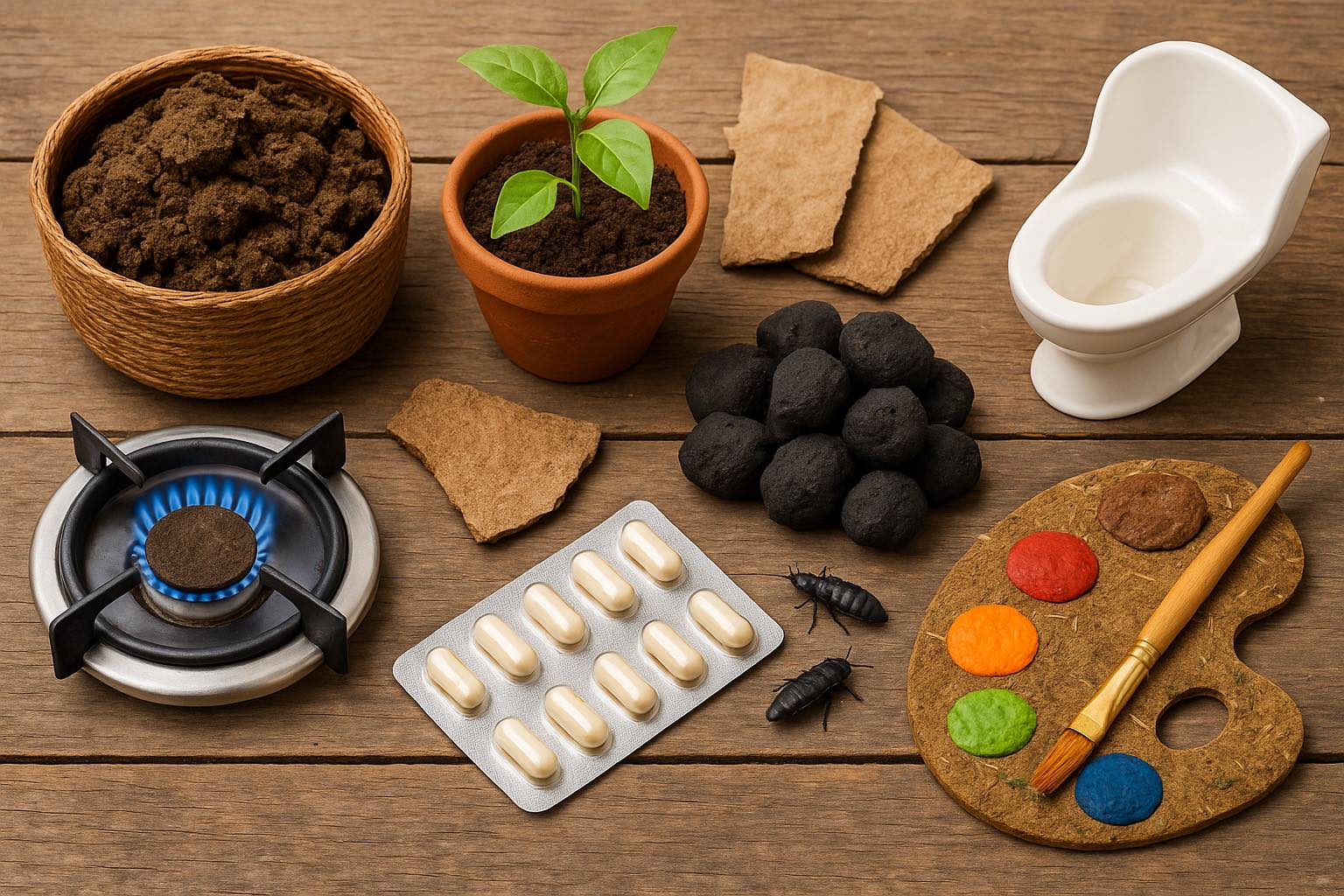
How to Make Money from ****: Turning Waste into Wealth
For centuries, “****” has been considered useless, smelly, and something to get rid of quickly. But in the modern world, technology and entrepreneurship have transformed waste into a goldmine. What was once a problem is now a product. If handled smartly, human and animal excrement can be converted into energy, fertilizers, raw materials, and even profitable businesses worth millions.
Here is a detailed breakdown of how to make money from ****:
⸻
1. Biogas Production – Turning **** into Energy
How it works:
• Cow dung, poultry droppings, or human waste is collected in a sealed tank called a digester.
• Microorganisms break it down without oxygen (anaerobic digestion).
• This produces biogas (methane + carbon dioxide), which can be used for:
• Cooking (instead of LPG/wood)
• Electricity generation
• Running small engines and vehicles
Money Model:
• Sell biogas cylinders to households.
• Install biogas plants for farms, hotels, schools.
• Generate electricity and sell back to the grid.
Example Numbers:
• 1 cow produces ~10–15 kg dung/day → enough to cook for a family of 5.
• A 100-cow farm can power 20–25 homes.
⸻
2. Organic Fertilizer & Compost – **** as Plant Food
How it works:
• Animal and human waste is dried, treated, and composted.
• It turns into nutrient-rich fertilizer full of nitrogen, phosphorus, and potassium.
Money Model:
• Packaged as organic fertilizer → sell to farmers.
• Branded as eco-friendly garden soil for urban gardening.
Example Numbers:
• In Pakistan, urea costs ~3,000 PKR per 50kg bag. Organic fertilizer can be sold at ~2,500 PKR with higher demand from organic farmers.
• Poultry farms with 10,000 chickens produce tons of droppings daily, which can become a steady fertilizer business.
⸻
3. Paper, Packaging & Building Materials
How it works:
• Elephant dung, cow dung, and horse manure contain undigested fibers.
• These fibers can be processed into eco-friendly paper or biodegradable packaging.
• Human waste sludge can also be mixed with other materials to create bricks and cement blocks.
Money Model:
• Sell eco-paper notebooks, gift boxes, tissue rolls.
• Partner with eco-conscious brands.
• Supply low-cost building materials in rural housing projects.
Global Example: In Thailand and Sri Lanka, elephant dung paper is a thriving tourist souvenir industry.
⸻
4. Bio-Plastics & Bio-Charcoal
How it works:
• Cow dung and other animal waste can be carbonized into biochar (a type of charcoal).
• This biochar can be used as fuel, water filter material, or soil additive.
• Some companies are also experimenting with turning human waste into bioplastics.
Money Model:
• Sell biochar as a cheap, clean alternative to coal.
• Package biochar as a BBQ product for export markets.
• Partner with green companies looking for biodegradable materials.
⸻
5. Medical & Cosmetic Products
Believe it or not:
• Some animal dung is used in traditional medicine (e.g., Ayurveda uses cow dung and cow urine for treatments).
• Cosmetics companies use sterilized extracts in face masks, soaps, and anti-aging creams (marketing it as “natural minerals”).
Money Model:
• Sell branded “organic” beauty products.
• Develop herbal remedies with cow dung extracts.
Example: India already has multiple companies making cow dung soap and exporting it.
⸻
6. Insect Farming from ****
How it works:
• Flies naturally lay eggs in dung.
• These eggs hatch into larvae (maggots), which are protein-rich animal feed for fish, poultry, and pets.
Money Model:
• Build a black soldier fly farm that grows larvae on animal manure.
• Sell larvae as fish feed (cheaper than soybean meal).
• Sell leftover compost as fertilizer.
Example Numbers:
• 1 ton of poultry droppings → produces 200–300 kg insect protein → which sells at a premium in the aquaculture industry.
⸻
7. Public Toilets as a Business
How it works:
• Build pay-per-use eco-toilets in cities or bus stations.
• Collect human waste → convert to biogas & fertilizer.
• Make double income: toilet fees + energy/fertilizer sales.
Money Model:
• Charge 20–50 PKR per use.
• Sell fertilizer to local farmers.
• Provide clean sanitation while making profit.
⸻
8. Art, Culture & Tourism
Yes, even **** can be art!
• Artists worldwide make sculptures and paintings using dung (dried, sterilized).
• Tourists pay to see “eco-museums” of waste-to-wealth innovation.
Money Model:
• Sell dung-art souvenirs.
• Run workshops on “eco-art.”
• Attract eco-tourism funding.
⸻
Challenges & How to Overcome Them
1. Smell and Hygiene Issues → Must invest in treatment, deodorizing, and safe packaging.
2. Cultural Taboos → Market products under eco-friendly or green branding (don’t always say it’s made of dung).
3. Government Regulations → Work with local authorities for waste management licenses.
⸻
Future Vision
In a world of 8 billion people and billions of animals, **** is one of the most abundant resources on earth. If every village and city treated waste as a resource instead of a problem, we could:
• Create thousands of jobs
• Generate clean energy
• Save the environment from pollution
• And yes, make millions of dollars from ****.
As the saying goes:
“Where there’s muck, there’s money.”
For centuries, “****” has been considered useless, smelly, and something to get rid of quickly. But in the modern world, technology and entrepreneurship have transformed waste into a goldmine. What was once a problem is now a product. If handled smartly, human and animal excrement can be converted into energy, fertilizers, raw materials, and even profitable businesses worth millions.
Here is a detailed breakdown of how to make money from ****:
⸻
1. Biogas Production – Turning **** into Energy
How it works:
• Cow dung, poultry droppings, or human waste is collected in a sealed tank called a digester.
• Microorganisms break it down without oxygen (anaerobic digestion).
• This produces biogas (methane + carbon dioxide), which can be used for:
• Cooking (instead of LPG/wood)
• Electricity generation
• Running small engines and vehicles
Money Model:
• Sell biogas cylinders to households.
• Install biogas plants for farms, hotels, schools.
• Generate electricity and sell back to the grid.
Example Numbers:
• 1 cow produces ~10–15 kg dung/day → enough to cook for a family of 5.
• A 100-cow farm can power 20–25 homes.
⸻
2. Organic Fertilizer & Compost – **** as Plant Food
How it works:
• Animal and human waste is dried, treated, and composted.
• It turns into nutrient-rich fertilizer full of nitrogen, phosphorus, and potassium.
Money Model:
• Packaged as organic fertilizer → sell to farmers.
• Branded as eco-friendly garden soil for urban gardening.
Example Numbers:
• In Pakistan, urea costs ~3,000 PKR per 50kg bag. Organic fertilizer can be sold at ~2,500 PKR with higher demand from organic farmers.
• Poultry farms with 10,000 chickens produce tons of droppings daily, which can become a steady fertilizer business.
⸻
3. Paper, Packaging & Building Materials
How it works:
• Elephant dung, cow dung, and horse manure contain undigested fibers.
• These fibers can be processed into eco-friendly paper or biodegradable packaging.
• Human waste sludge can also be mixed with other materials to create bricks and cement blocks.
Money Model:
• Sell eco-paper notebooks, gift boxes, tissue rolls.
• Partner with eco-conscious brands.
• Supply low-cost building materials in rural housing projects.
Global Example: In Thailand and Sri Lanka, elephant dung paper is a thriving tourist souvenir industry.
⸻
4. Bio-Plastics & Bio-Charcoal
How it works:
• Cow dung and other animal waste can be carbonized into biochar (a type of charcoal).
• This biochar can be used as fuel, water filter material, or soil additive.
• Some companies are also experimenting with turning human waste into bioplastics.
Money Model:
• Sell biochar as a cheap, clean alternative to coal.
• Package biochar as a BBQ product for export markets.
• Partner with green companies looking for biodegradable materials.
⸻
5. Medical & Cosmetic Products
Believe it or not:
• Some animal dung is used in traditional medicine (e.g., Ayurveda uses cow dung and cow urine for treatments).
• Cosmetics companies use sterilized extracts in face masks, soaps, and anti-aging creams (marketing it as “natural minerals”).
Money Model:
• Sell branded “organic” beauty products.
• Develop herbal remedies with cow dung extracts.
Example: India already has multiple companies making cow dung soap and exporting it.
⸻
6. Insect Farming from ****
How it works:
• Flies naturally lay eggs in dung.
• These eggs hatch into larvae (maggots), which are protein-rich animal feed for fish, poultry, and pets.
Money Model:
• Build a black soldier fly farm that grows larvae on animal manure.
• Sell larvae as fish feed (cheaper than soybean meal).
• Sell leftover compost as fertilizer.
Example Numbers:
• 1 ton of poultry droppings → produces 200–300 kg insect protein → which sells at a premium in the aquaculture industry.
⸻
7. Public Toilets as a Business
How it works:
• Build pay-per-use eco-toilets in cities or bus stations.
• Collect human waste → convert to biogas & fertilizer.
• Make double income: toilet fees + energy/fertilizer sales.
Money Model:
• Charge 20–50 PKR per use.
• Sell fertilizer to local farmers.
• Provide clean sanitation while making profit.
⸻
8. Art, Culture & Tourism
Yes, even **** can be art!
• Artists worldwide make sculptures and paintings using dung (dried, sterilized).
• Tourists pay to see “eco-museums” of waste-to-wealth innovation.
Money Model:
• Sell dung-art souvenirs.
• Run workshops on “eco-art.”
• Attract eco-tourism funding.
⸻
Challenges & How to Overcome Them
1. Smell and Hygiene Issues → Must invest in treatment, deodorizing, and safe packaging.
2. Cultural Taboos → Market products under eco-friendly or green branding (don’t always say it’s made of dung).
3. Government Regulations → Work with local authorities for waste management licenses.
⸻
Future Vision
In a world of 8 billion people and billions of animals, **** is one of the most abundant resources on earth. If every village and city treated waste as a resource instead of a problem, we could:
• Create thousands of jobs
• Generate clean energy
• Save the environment from pollution
• And yes, make millions of dollars from ****.
As the saying goes:
“Where there’s muck, there’s money.”
💩 How to Make Money from Shit: Turning Waste into Wealth
For centuries, “shit” has been considered useless, smelly, and something to get rid of quickly. But in the modern world, technology and entrepreneurship have transformed waste into a goldmine. What was once a problem is now a product. If handled smartly, human and animal excrement can be converted into energy, fertilizers, raw materials, and even profitable businesses worth millions.
Here is a detailed breakdown of how to make money from shit:
⸻
1. Biogas Production – Turning Shit into Energy ⚡
How it works:
• Cow dung, poultry droppings, or human waste is collected in a sealed tank called a digester.
• Microorganisms break it down without oxygen (anaerobic digestion).
• This produces biogas (methane + carbon dioxide), which can be used for:
• Cooking (instead of LPG/wood)
• Electricity generation
• Running small engines and vehicles
Money Model:
• Sell biogas cylinders to households.
• Install biogas plants for farms, hotels, schools.
• Generate electricity and sell back to the grid.
Example Numbers:
• 1 cow produces ~10–15 kg dung/day → enough to cook for a family of 5.
• A 100-cow farm can power 20–25 homes.
⸻
2. Organic Fertilizer & Compost – Shit as Plant Food 🌱
How it works:
• Animal and human waste is dried, treated, and composted.
• It turns into nutrient-rich fertilizer full of nitrogen, phosphorus, and potassium.
Money Model:
• Packaged as organic fertilizer → sell to farmers.
• Branded as eco-friendly garden soil for urban gardening.
Example Numbers:
• In Pakistan, urea costs ~3,000 PKR per 50kg bag. Organic fertilizer can be sold at ~2,500 PKR with higher demand from organic farmers.
• Poultry farms with 10,000 chickens produce tons of droppings daily, which can become a steady fertilizer business.
⸻
3. Paper, Packaging & Building Materials 📦
How it works:
• Elephant dung, cow dung, and horse manure contain undigested fibers.
• These fibers can be processed into eco-friendly paper or biodegradable packaging.
• Human waste sludge can also be mixed with other materials to create bricks and cement blocks.
Money Model:
• Sell eco-paper notebooks, gift boxes, tissue rolls.
• Partner with eco-conscious brands.
• Supply low-cost building materials in rural housing projects.
Global Example: In Thailand and Sri Lanka, elephant dung paper is a thriving tourist souvenir industry.
⸻
4. Bio-Plastics & Bio-Charcoal 🔥
How it works:
• Cow dung and other animal waste can be carbonized into biochar (a type of charcoal).
• This biochar can be used as fuel, water filter material, or soil additive.
• Some companies are also experimenting with turning human waste into bioplastics.
Money Model:
• Sell biochar as a cheap, clean alternative to coal.
• Package biochar as a BBQ product for export markets.
• Partner with green companies looking for biodegradable materials.
⸻
5. Medical & Cosmetic Products 💊💄
Believe it or not:
• Some animal dung is used in traditional medicine (e.g., Ayurveda uses cow dung and cow urine for treatments).
• Cosmetics companies use sterilized extracts in face masks, soaps, and anti-aging creams (marketing it as “natural minerals”).
Money Model:
• Sell branded “organic” beauty products.
• Develop herbal remedies with cow dung extracts.
Example: India already has multiple companies making cow dung soap and exporting it.
⸻
6. Insect Farming from Shit 🪲
How it works:
• Flies naturally lay eggs in dung.
• These eggs hatch into larvae (maggots), which are protein-rich animal feed for fish, poultry, and pets.
Money Model:
• Build a black soldier fly farm that grows larvae on animal manure.
• Sell larvae as fish feed (cheaper than soybean meal).
• Sell leftover compost as fertilizer.
Example Numbers:
• 1 ton of poultry droppings → produces 200–300 kg insect protein → which sells at a premium in the aquaculture industry.
⸻
7. Public Toilets as a Business 🚻
How it works:
• Build pay-per-use eco-toilets in cities or bus stations.
• Collect human waste → convert to biogas & fertilizer.
• Make double income: toilet fees + energy/fertilizer sales.
Money Model:
• Charge 20–50 PKR per use.
• Sell fertilizer to local farmers.
• Provide clean sanitation while making profit.
⸻
8. Art, Culture & Tourism 🎨
Yes, even shit can be art!
• Artists worldwide make sculptures and paintings using dung (dried, sterilized).
• Tourists pay to see “eco-museums” of waste-to-wealth innovation.
Money Model:
• Sell dung-art souvenirs.
• Run workshops on “eco-art.”
• Attract eco-tourism funding.
⸻
Challenges & How to Overcome Them 🚧
1. Smell and Hygiene Issues → Must invest in treatment, deodorizing, and safe packaging.
2. Cultural Taboos → Market products under eco-friendly or green branding (don’t always say it’s made of dung).
3. Government Regulations → Work with local authorities for waste management licenses.
⸻
Future Vision 🚀
In a world of 8 billion people and billions of animals, shit is one of the most abundant resources on earth. If every village and city treated waste as a resource instead of a problem, we could:
• Create thousands of jobs
• Generate clean energy
• Save the environment from pollution
• And yes, make millions of dollars from shit.
As the saying goes:
👉 “Where there’s muck, there’s money.”
0 Comentários
0 Compartilhamentos
278 Visualizações