


Sacsayhuamán: The Giant Fortress of the Incas
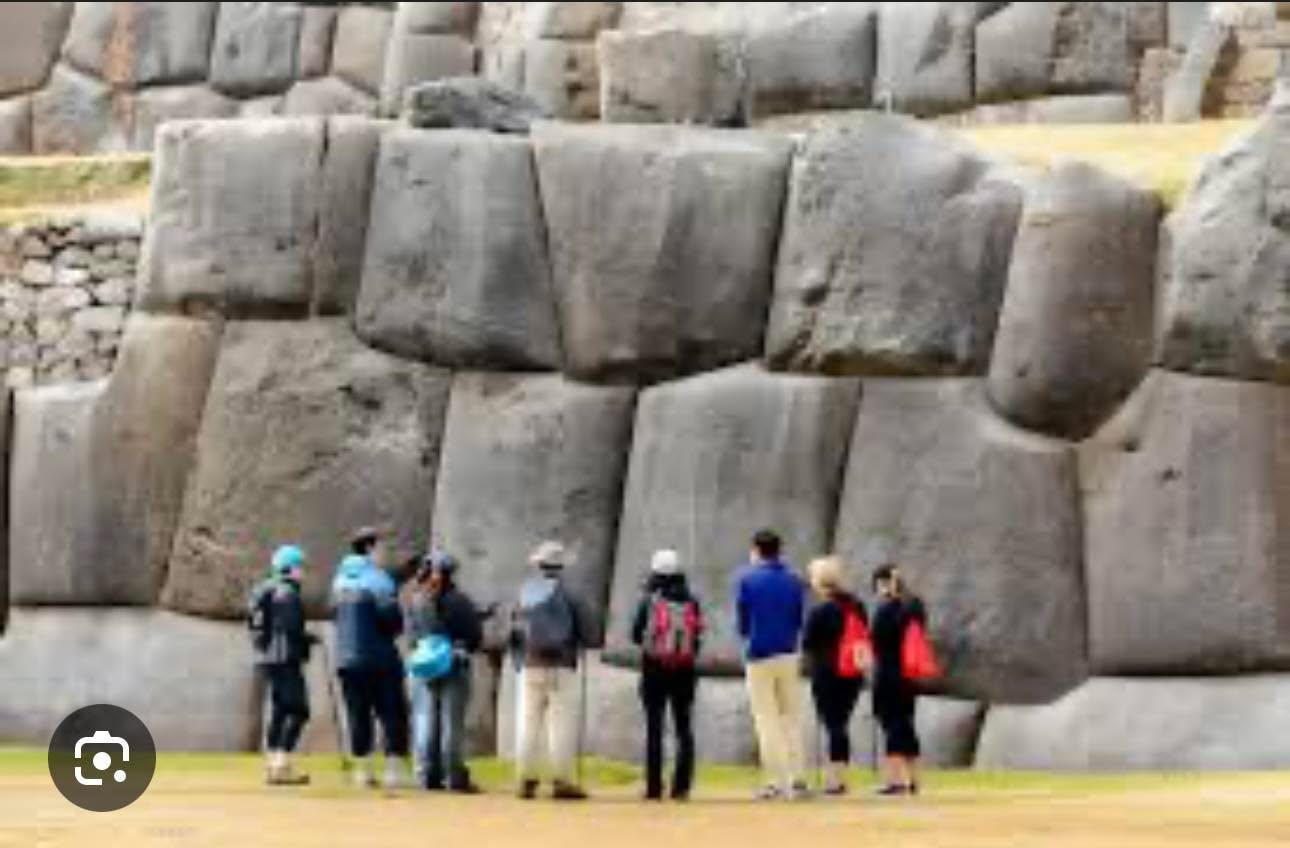
High above the city of Cusco in Peru lies Sacsayhuamán, one of the greatest architectural achievements of the Inca Empire. From a distance, it looks like a wall of giant stones stacked together, but once you get close, you realize it is something extraordinary. Each stone is cut so perfectly that it fits into the next one like pieces of a puzzle—without using any cement or mortar. Even today, after hundreds of years and many earthquakes, the walls still stand strong.
⸻
The Beginning
Before the Incas became powerful, another people called the Killke culture lived in the area around 900 AD. They first used this site for ceremonies. When the Incas rose to power in the 1400s, their great leader Pachacútec decided to turn it into something much bigger: a fortress and ceremonial center that would protect Cusco and show the strength of the empire.
⸻
How It Was Built
The Incas did not have iron tools, wheels, or modern machines, yet they managed to cut and move stones weighing up to 125 tons. These stones were dragged from quarries several kilometers away using ropes, wooden rollers, ramps, and pure human strength. More than 20,000 workers were brought from different parts of the empire to build Sacsayhuamán.
What makes this fortress so special is the way the stones were shaped. Each one was carved by hand until it fit perfectly with its neighbors. The Incas used a technique called ashlar masonry—cutting the stones so precisely that not even a sheet of paper can fit between them. They also designed the walls in a zigzag shape, which made them flexible and strong enough to resist earthquakes. That’s why the walls still stand today while many colonial buildings fell.
⸻
Why It Was Important
Sacsayhuamán was not only a military fortress. It also had a deep religious and symbolic meaning. Cusco, the Inca capital, was designed in the shape of a puma, a sacred animal. Sacsayhuamán was considered the “head” of the puma. Inside the fortress, there were towers, open squares for ceremonies, and sacred areas used by priests.
It was a place where soldiers defended the empire, priests performed rituals, and the emperor showed his power.
⸻
The Spanish Conquest
In 1536, when the Spanish invaded Peru, the fortress became the center of a great battle. Inca warriors fought bravely to defend it. One famous hero, Cahuide, refused to be captured and threw himself from the top of a tower. Despite their courage, the Incas lost, and the Spanish took control.
Later, the Spanish destroyed many parts of Sacsayhuamán. They took the stones to build churches and houses in Cusco, including the famous cathedral. Only the largest stones were left behind because they were too heavy to move.
⸻
Sacsayhuamán Today
Today, Sacsayhuamán is a UNESCO World Heritage Site and one of the most visited places in Peru. Tourists from all over the world come to see its giant walls and wonder how the Incas managed such an incredible feat without modern technology.
Every year on June 24, thousands gather there to celebrate Inti Raymi, the Festival of the Sun, which reenacts Inca traditions and honors their gods.
Sacsayhuamán is more than just stones—it is a symbol of the creativity, power, and determination of the Inca civilization.
⸻
Conclusion
Sacsayhuamán teaches us that with vision, teamwork, and determination, human beings can achieve the impossible. It has survived centuries of earthquakes, battles, and colonization, and still stands as proof of the genius of the Inca people.
⸻
References
• Wikipedia – Sacsayhuamán
• Britannica – Sacsayhuamán Fortress
• Salkantay Trekking – The Ultimate Guide to Sacsayhuamán
• Rainforest Cruises – Guide to Sacsayhuamán
• Peruvian Sunrise – History and Architecture of Sacsayhuamán
• Trexperience Peru – History of Sacsayhuamán
High above the city of Cusco in Peru lies Sacsayhuamán, one of the greatest architectural achievements of the Inca Empire. From a distance, it looks like a wall of giant stones stacked together, but once you get close, you realize it is something extraordinary. Each stone is cut so perfectly that it fits into the next one like pieces of a puzzle—without using any cement or mortar. Even today, after hundreds of years and many earthquakes, the walls still stand strong.
⸻
The Beginning
Before the Incas became powerful, another people called the Killke culture lived in the area around 900 AD. They first used this site for ceremonies. When the Incas rose to power in the 1400s, their great leader Pachacútec decided to turn it into something much bigger: a fortress and ceremonial center that would protect Cusco and show the strength of the empire.
⸻
How It Was Built
The Incas did not have iron tools, wheels, or modern machines, yet they managed to cut and move stones weighing up to 125 tons. These stones were dragged from quarries several kilometers away using ropes, wooden rollers, ramps, and pure human strength. More than 20,000 workers were brought from different parts of the empire to build Sacsayhuamán.
What makes this fortress so special is the way the stones were shaped. Each one was carved by hand until it fit perfectly with its neighbors. The Incas used a technique called ashlar masonry—cutting the stones so precisely that not even a sheet of paper can fit between them. They also designed the walls in a zigzag shape, which made them flexible and strong enough to resist earthquakes. That’s why the walls still stand today while many colonial buildings fell.
⸻
Why It Was Important
Sacsayhuamán was not only a military fortress. It also had a deep religious and symbolic meaning. Cusco, the Inca capital, was designed in the shape of a puma, a sacred animal. Sacsayhuamán was considered the “head” of the puma. Inside the fortress, there were towers, open squares for ceremonies, and sacred areas used by priests.
It was a place where soldiers defended the empire, priests performed rituals, and the emperor showed his power.
⸻
The Spanish Conquest
In 1536, when the Spanish invaded Peru, the fortress became the center of a great battle. Inca warriors fought bravely to defend it. One famous hero, Cahuide, refused to be captured and threw himself from the top of a tower. Despite their courage, the Incas lost, and the Spanish took control.
Later, the Spanish destroyed many parts of Sacsayhuamán. They took the stones to build churches and houses in Cusco, including the famous cathedral. Only the largest stones were left behind because they were too heavy to move.
⸻
Sacsayhuamán Today
Today, Sacsayhuamán is a UNESCO World Heritage Site and one of the most visited places in Peru. Tourists from all over the world come to see its giant walls and wonder how the Incas managed such an incredible feat without modern technology.
Every year on June 24, thousands gather there to celebrate Inti Raymi, the Festival of the Sun, which reenacts Inca traditions and honors their gods.
Sacsayhuamán is more than just stones—it is a symbol of the creativity, power, and determination of the Inca civilization.
⸻
Conclusion
Sacsayhuamán teaches us that with vision, teamwork, and determination, human beings can achieve the impossible. It has survived centuries of earthquakes, battles, and colonization, and still stands as proof of the genius of the Inca people.
⸻
References
• Wikipedia – Sacsayhuamán
• Britannica – Sacsayhuamán Fortress
• Salkantay Trekking – The Ultimate Guide to Sacsayhuamán
• Rainforest Cruises – Guide to Sacsayhuamán
• Peruvian Sunrise – History and Architecture of Sacsayhuamán
• Trexperience Peru – History of Sacsayhuamán
Sacsayhuamán: The Giant Fortress of the Incas
High above the city of Cusco in Peru lies Sacsayhuamán, one of the greatest architectural achievements of the Inca Empire. From a distance, it looks like a wall of giant stones stacked together, but once you get close, you realize it is something extraordinary. Each stone is cut so perfectly that it fits into the next one like pieces of a puzzle—without using any cement or mortar. Even today, after hundreds of years and many earthquakes, the walls still stand strong.
⸻
The Beginning
Before the Incas became powerful, another people called the Killke culture lived in the area around 900 AD. They first used this site for ceremonies. When the Incas rose to power in the 1400s, their great leader Pachacútec decided to turn it into something much bigger: a fortress and ceremonial center that would protect Cusco and show the strength of the empire.
⸻
How It Was Built
The Incas did not have iron tools, wheels, or modern machines, yet they managed to cut and move stones weighing up to 125 tons. These stones were dragged from quarries several kilometers away using ropes, wooden rollers, ramps, and pure human strength. More than 20,000 workers were brought from different parts of the empire to build Sacsayhuamán.
What makes this fortress so special is the way the stones were shaped. Each one was carved by hand until it fit perfectly with its neighbors. The Incas used a technique called ashlar masonry—cutting the stones so precisely that not even a sheet of paper can fit between them. They also designed the walls in a zigzag shape, which made them flexible and strong enough to resist earthquakes. That’s why the walls still stand today while many colonial buildings fell.
⸻
Why It Was Important
Sacsayhuamán was not only a military fortress. It also had a deep religious and symbolic meaning. Cusco, the Inca capital, was designed in the shape of a puma, a sacred animal. Sacsayhuamán was considered the “head” of the puma. Inside the fortress, there were towers, open squares for ceremonies, and sacred areas used by priests.
It was a place where soldiers defended the empire, priests performed rituals, and the emperor showed his power.
⸻
The Spanish Conquest
In 1536, when the Spanish invaded Peru, the fortress became the center of a great battle. Inca warriors fought bravely to defend it. One famous hero, Cahuide, refused to be captured and threw himself from the top of a tower. Despite their courage, the Incas lost, and the Spanish took control.
Later, the Spanish destroyed many parts of Sacsayhuamán. They took the stones to build churches and houses in Cusco, including the famous cathedral. Only the largest stones were left behind because they were too heavy to move.
⸻
Sacsayhuamán Today
Today, Sacsayhuamán is a UNESCO World Heritage Site and one of the most visited places in Peru. Tourists from all over the world come to see its giant walls and wonder how the Incas managed such an incredible feat without modern technology.
Every year on June 24, thousands gather there to celebrate Inti Raymi, the Festival of the Sun, which reenacts Inca traditions and honors their gods.
Sacsayhuamán is more than just stones—it is a symbol of the creativity, power, and determination of the Inca civilization.
⸻
Conclusion
Sacsayhuamán teaches us that with vision, teamwork, and determination, human beings can achieve the impossible. It has survived centuries of earthquakes, battles, and colonization, and still stands as proof of the genius of the Inca people.
⸻
References
• Wikipedia – Sacsayhuamán
• Britannica – Sacsayhuamán Fortress
• Salkantay Trekking – The Ultimate Guide to Sacsayhuamán
• Rainforest Cruises – Guide to Sacsayhuamán
• Peruvian Sunrise – History and Architecture of Sacsayhuamán
• Trexperience Peru – History of Sacsayhuamán
0 Commenti
0 condivisioni
327 Views