


The Life and Legacy of the 24-Hour Insect: The Mayfly
In a world where life can span decades or even centuries, the mayfly stands out as nature’s ultimate reminder of how fleeting life can be. Often referred to as the “24-hour insect,” the mayfly (from the order Ephemeroptera) has become a symbol of ephemerality — beauty that lasts for a moment, then disappears.
Despite their brief appearance as adults, mayflies lead surprisingly complex lives. Their journey begins in freshwater habitats, where they live as nymphs (or larvae) for several months to up to two years, breathing underwater and feeding on algae and organic matter. These nymphs are not only vital to the aquatic food chain, but they also serve as environmental indicators, helping scientists assess the health of water ecosystems.
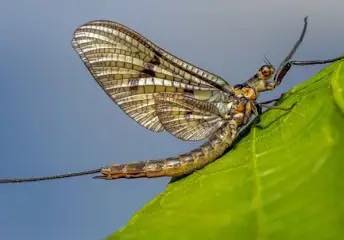
Then, in a sudden and dramatic transformation, the mayfly emerges from the water in its adult form — delicate, winged, and ready for one final mission: reproduction. But here’s the twist — most adult mayflies don’t have mouths. They can’t eat, they can’t drink, and they don’t live to see another sunset. Their only goal is to mate, lay eggs, and die, often within 24 hours or even just a few minutes.
This ultra-short adult life has fascinated poets, scientists, and philosophers for centuries. In Japanese and Chinese cultures, the mayfly is sometimes used as a metaphor for the brevity of youth and the impermanence of beauty. Its Latin name, Ephemeroptera, literally means “short-lived wing,” and indeed, these creatures are nature’s one-day wonders.
But don’t mistake short life for insignificance. In their brief adult phase, mayflies emerge in such massive numbers that they can be seen on radar. Roads are sometimes covered with their tiny bodies, and streetlights attract them in shimmering clouds. These moments — brief as they are — help entire ecosystems thrive.
In the end, the mayfly reminds us that the value of life is not measured in days or years, but in purpose. In just one day, it completes its destiny, dances in the air, continues its species, and contributes to the balance of nature.
⸻
Moral of the mayfly’s story?
Live with purpose — even if your wings only last for a day.
In a world where life can span decades or even centuries, the mayfly stands out as nature’s ultimate reminder of how fleeting life can be. Often referred to as the “24-hour insect,” the mayfly (from the order Ephemeroptera) has become a symbol of ephemerality — beauty that lasts for a moment, then disappears.
Despite their brief appearance as adults, mayflies lead surprisingly complex lives. Their journey begins in freshwater habitats, where they live as nymphs (or larvae) for several months to up to two years, breathing underwater and feeding on algae and organic matter. These nymphs are not only vital to the aquatic food chain, but they also serve as environmental indicators, helping scientists assess the health of water ecosystems.
Then, in a sudden and dramatic transformation, the mayfly emerges from the water in its adult form — delicate, winged, and ready for one final mission: reproduction. But here’s the twist — most adult mayflies don’t have mouths. They can’t eat, they can’t drink, and they don’t live to see another sunset. Their only goal is to mate, lay eggs, and die, often within 24 hours or even just a few minutes.
This ultra-short adult life has fascinated poets, scientists, and philosophers for centuries. In Japanese and Chinese cultures, the mayfly is sometimes used as a metaphor for the brevity of youth and the impermanence of beauty. Its Latin name, Ephemeroptera, literally means “short-lived wing,” and indeed, these creatures are nature’s one-day wonders.
But don’t mistake short life for insignificance. In their brief adult phase, mayflies emerge in such massive numbers that they can be seen on radar. Roads are sometimes covered with their tiny bodies, and streetlights attract them in shimmering clouds. These moments — brief as they are — help entire ecosystems thrive.
In the end, the mayfly reminds us that the value of life is not measured in days or years, but in purpose. In just one day, it completes its destiny, dances in the air, continues its species, and contributes to the balance of nature.
⸻
Moral of the mayfly’s story?
Live with purpose — even if your wings only last for a day.
🪰 The Life and Legacy of the 24-Hour Insect: The Mayfly
In a world where life can span decades or even centuries, the mayfly stands out as nature’s ultimate reminder of how fleeting life can be. Often referred to as the “24-hour insect,” the mayfly (from the order Ephemeroptera) has become a symbol of ephemerality — beauty that lasts for a moment, then disappears.
Despite their brief appearance as adults, mayflies lead surprisingly complex lives. Their journey begins in freshwater habitats, where they live as nymphs (or larvae) for several months to up to two years, breathing underwater and feeding on algae and organic matter. These nymphs are not only vital to the aquatic food chain, but they also serve as environmental indicators, helping scientists assess the health of water ecosystems.
Then, in a sudden and dramatic transformation, the mayfly emerges from the water in its adult form — delicate, winged, and ready for one final mission: reproduction. But here’s the twist — most adult mayflies don’t have mouths. They can’t eat, they can’t drink, and they don’t live to see another sunset. Their only goal is to mate, lay eggs, and die, often within 24 hours or even just a few minutes.
This ultra-short adult life has fascinated poets, scientists, and philosophers for centuries. In Japanese and Chinese cultures, the mayfly is sometimes used as a metaphor for the brevity of youth and the impermanence of beauty. Its Latin name, Ephemeroptera, literally means “short-lived wing,” and indeed, these creatures are nature’s one-day wonders.
But don’t mistake short life for insignificance. In their brief adult phase, mayflies emerge in such massive numbers that they can be seen on radar. Roads are sometimes covered with their tiny bodies, and streetlights attract them in shimmering clouds. These moments — brief as they are — help entire ecosystems thrive.
In the end, the mayfly reminds us that the value of life is not measured in days or years, but in purpose. In just one day, it completes its destiny, dances in the air, continues its species, and contributes to the balance of nature.
⸻
Moral of the mayfly’s story?
Live with purpose — even if your wings only last for a day. ✨
0 Reacties
0 aandelen
647 Views