


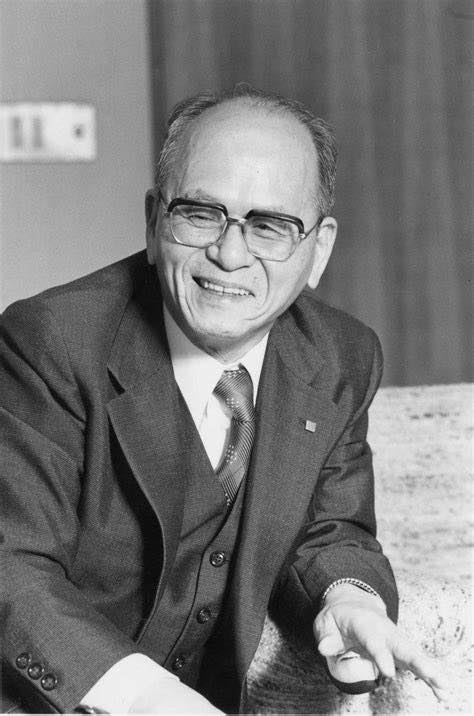
Toru Kumon (1914–1995) was a Japanese mathematics educator and the founder of the Kumon Method, a self-learning approach that has transformed education worldwide. Born in Kochi Prefecture, Japan, he graduated from Osaka University with a degree in mathematics and spent over three decades teaching high school math in Osaka.  
The Birth of the Kumon Method
In 1954, Kumon’s educational philosophy took shape when his second-grade son, Takeshi, struggled with math. Encouraged by his wife, Teiko, Kumon created daily math worksheets tailored to his son’s pace, emphasizing mastery through repetition and incremental learning. By sixth grade, Takeshi was solving calculus problems, a testament to the method’s effectiveness.  
The success with his son led Kumon to share his method with other children, resulting in significant improvements. In 1958, he established the Osaka Institute of Mathematics, later known as the Kumon Institute of Education, to formalize and expand his approach.  
Core Principles of the Kumon Method
Kumon’s method is grounded in the belief that every child has the potential to excel through:
• Self-Learning: Encouraging students to solve problems independently, fostering confidence and autonomy.
• Individualized Progression: Allowing students to advance at their own pace, ensuring comprehension before moving forward.
• Daily Practice: Building discipline and reinforcing learning through consistent, short assignments.
This approach not only enhances academic skills but also cultivates lifelong learning habits.
Global Impact and Legacy
From its humble beginnings, the Kumon Method has grown into a global educational movement, with centers in over 60 countries and millions of students benefiting from its principles. Kumon’s dedication to education earned him international recognition, including having asteroid 3569 Kumon named in his honor. He passed away in 1995, but his legacy continues to inspire educators and learners worldwide.   
For more information on Toru Kumon and his educational philosophy, you can visit the Kumon Institute of Education.
The Birth of the Kumon Method
In 1954, Kumon’s educational philosophy took shape when his second-grade son, Takeshi, struggled with math. Encouraged by his wife, Teiko, Kumon created daily math worksheets tailored to his son’s pace, emphasizing mastery through repetition and incremental learning. By sixth grade, Takeshi was solving calculus problems, a testament to the method’s effectiveness.  
The success with his son led Kumon to share his method with other children, resulting in significant improvements. In 1958, he established the Osaka Institute of Mathematics, later known as the Kumon Institute of Education, to formalize and expand his approach.  
Core Principles of the Kumon Method
Kumon’s method is grounded in the belief that every child has the potential to excel through:
• Self-Learning: Encouraging students to solve problems independently, fostering confidence and autonomy.
• Individualized Progression: Allowing students to advance at their own pace, ensuring comprehension before moving forward.
• Daily Practice: Building discipline and reinforcing learning through consistent, short assignments.
This approach not only enhances academic skills but also cultivates lifelong learning habits.
Global Impact and Legacy
From its humble beginnings, the Kumon Method has grown into a global educational movement, with centers in over 60 countries and millions of students benefiting from its principles. Kumon’s dedication to education earned him international recognition, including having asteroid 3569 Kumon named in his honor. He passed away in 1995, but his legacy continues to inspire educators and learners worldwide.   
For more information on Toru Kumon and his educational philosophy, you can visit the Kumon Institute of Education.
Toru Kumon (1914–1995) was a Japanese mathematics educator and the founder of the Kumon Method, a self-learning approach that has transformed education worldwide. Born in Kochi Prefecture, Japan, he graduated from Osaka University with a degree in mathematics and spent over three decades teaching high school math in Osaka.  
The Birth of the Kumon Method
In 1954, Kumon’s educational philosophy took shape when his second-grade son, Takeshi, struggled with math. Encouraged by his wife, Teiko, Kumon created daily math worksheets tailored to his son’s pace, emphasizing mastery through repetition and incremental learning. By sixth grade, Takeshi was solving calculus problems, a testament to the method’s effectiveness.  
The success with his son led Kumon to share his method with other children, resulting in significant improvements. In 1958, he established the Osaka Institute of Mathematics, later known as the Kumon Institute of Education, to formalize and expand his approach.  
Core Principles of the Kumon Method
Kumon’s method is grounded in the belief that every child has the potential to excel through:
• Self-Learning: Encouraging students to solve problems independently, fostering confidence and autonomy.
• Individualized Progression: Allowing students to advance at their own pace, ensuring comprehension before moving forward.
• Daily Practice: Building discipline and reinforcing learning through consistent, short assignments.
This approach not only enhances academic skills but also cultivates lifelong learning habits.
Global Impact and Legacy
From its humble beginnings, the Kumon Method has grown into a global educational movement, with centers in over 60 countries and millions of students benefiting from its principles. Kumon’s dedication to education earned him international recognition, including having asteroid 3569 Kumon named in his honor. He passed away in 1995, but his legacy continues to inspire educators and learners worldwide.   
For more information on Toru Kumon and his educational philosophy, you can visit the Kumon Institute of Education.
0 Σχόλια
0 Μοιράστηκε
703 Views