


Book:
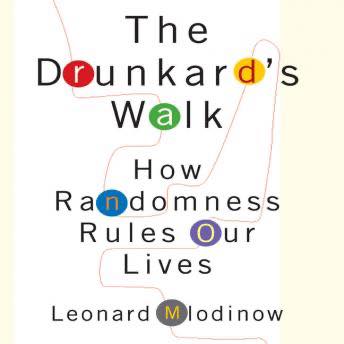
The Drunkard’s Walk: How Randomness Rules Our Lives by Leonard Mlodinow is a book that explores the role of randomness and probability in our daily lives. Mlodinow, a physicist and mathematician, explains how human perception often misinterprets randomness, leading to misconceptions about luck, success, and failure.
Key Themes of the Book:
1. The Role of Randomness
• Many outcomes in life, from career success to investment performance, are heavily influenced by random chance rather than skill or effort alone.
2. Cognitive Biases and Misinterpretation of Probability
• Humans are naturally bad at understanding probability, often mistaking patterns in randomness and attributing meaning where none exists.
3. The Influence of Small Changes
• Small, seemingly insignificant variations can lead to drastically different outcomes over time, akin to the “butterfly effect.”
4. The Illusion of Control
• People tend to believe they have more control over outcomes than they actually do, leading to overconfidence in decision-making.
5. Success and Failure Are Often a Matter of Luck
• Factors like being in the right place at the right time can play a huge role in determining who succeeds and who does not.
Why It’s Important
Mlodinow uses engaging stories and real-world examples, from the careers of Hollywood actors to financial markets, to show how randomness affects everything. Understanding these principles can help individuals make better decisions and reduce unnecessary self-blame or misplaced credit.
Book:
The Drunkard’s Walk: How Randomness Rules Our Lives by Leonard Mlodinow is a book that explores the role of randomness and probability in our daily lives. Mlodinow, a physicist and mathematician, explains how human perception often misinterprets randomness, leading to misconceptions about luck, success, and failure.
Key Themes of the Book:
1. The Role of Randomness
• Many outcomes in life, from career success to investment performance, are heavily influenced by random chance rather than skill or effort alone.
2. Cognitive Biases and Misinterpretation of Probability
• Humans are naturally bad at understanding probability, often mistaking patterns in randomness and attributing meaning where none exists.
3. The Influence of Small Changes
• Small, seemingly insignificant variations can lead to drastically different outcomes over time, akin to the “butterfly effect.”
4. The Illusion of Control
• People tend to believe they have more control over outcomes than they actually do, leading to overconfidence in decision-making.
5. Success and Failure Are Often a Matter of Luck
• Factors like being in the right place at the right time can play a huge role in determining who succeeds and who does not.
Why It’s Important
Mlodinow uses engaging stories and real-world examples, from the careers of Hollywood actors to financial markets, to show how randomness affects everything. Understanding these principles can help individuals make better decisions and reduce unnecessary self-blame or misplaced credit.
0 Комментарии
0 Поделились
58 Просмотры