


The Story of Quaker Oats Company
The Quaker Oats Company, known for its iconic oatmeal and other breakfast products, has a rich history of innovation, marketing genius, and adaptation to changing consumer tastes. Its journey spans over 140 years, making it one of the most recognizable food brands in the world.
The Beginnings: 1877–1900
• Origins of the Name “Quaker”:
• In 1877, Henry Seymour and William Heston founded a mill in Ravenna, Ohio, and registered the trademark “Quaker”, the first trademark for a breakfast cereal. The name was chosen to symbolize honesty, integrity, and purity.
• First Prepackaged Cereal:
• In 1881, Henry Parsons Crowell, founder of the Quaker Mill Company, revolutionized the industry by selling oatmeal in cardboard packages. This was a major innovation, as most cereals were sold in bulk barrels at the time.
• Merging into Quaker Oats:
• In 1901, several mill companies merged to form the Quaker Oats Company in Chicago, Illinois.
Growth and Innovations (1900–1950)
• Pioneering Advertising:
• Quaker Oats became one of the first companies to heavily invest in advertising. The company introduced marketing campaigns promoting oatmeal as a healthy, nutritious breakfast.
• Instant Oatmeal:
• In the early 1920s, Quaker introduced Quick Oats, a more convenient version of oatmeal that could be cooked faster, catering to busy households.
• Diversification:
• The company began diversifying its product line, adding items like puffed rice, puffed wheat, and animal feed.
Expansion and Diversification (1950–1980)
• Acquisition of Aunt Jemima:
• In 1926, Quaker acquired the Aunt Jemima brand, which became one of the most recognized pancake mix and syrup brands.
• Entering the Snack Market:
• In the 1960s, Quaker diversified into snack foods by introducing Chewy Granola Bars, which became a staple in school lunches.
• Further Acquisitions:
• The company continued to grow through acquisitions, including buying companies in the beverage and food industries.
Global Growth and Key Developments (1980–2000)
• Cap’n Crunch and Life Cereal:
• Quaker introduced and expanded its lineup of cereals, including popular brands like Cap’n Crunch and Life Cereal.
• Entering the Beverage Market:
• In 1983, Quaker acquired Gatorade, which became a billion-dollar brand and a leader in the sports drink market.
• Iconic Branding:
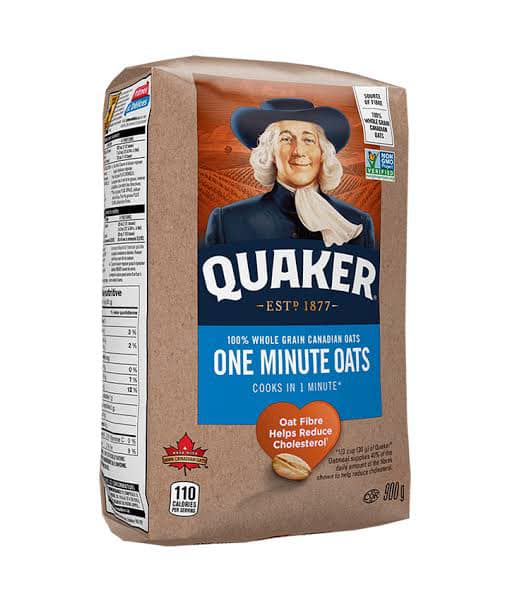
• The Quaker man, also known as Larry, became a globally recognized logo symbolizing trust and quality.
Acquisition by PepsiCo (2001)
• In 2001, Quaker Oats was acquired by PepsiCo for $13.4 billion. This merger allowed PepsiCo to expand into the breakfast and health food categories while leveraging Gatorade’s dominance in the sports drink market.
• Under PepsiCo’s ownership, Quaker Oats has focused on expanding its product lines, emphasizing health-conscious and convenient options, including instant oatmeal, granola, and snack bars.
Recent Innovations and Sustainability (2000–Present)
• Health Focus:
• Quaker has leaned into the health and wellness trend, introducing gluten-free oatmeal, reduced sugar options, and products fortified with vitamins and minerals.
• Sustainability Efforts:
• Quaker has committed to using sustainably sourced oats and reducing its environmental footprint by improving packaging and production practices.
• Modern Product Line:
• In addition to its classic oatmeal, Quaker now offers overnight oats, oatmeal cups, granola bars, and rice cakes to cater to modern, on-the-go lifestyles.
Legacy and Impact
Quaker Oats has become synonymous with wholesome, nutritious breakfasts. Its commitment to innovation, clever marketing, and adapting to consumer needs has ensured its enduring success. Today, under the PepsiCo umbrella, Quaker continues to be a leader in the breakfast and snack markets, with its products enjoyed by millions around the world.
The Story of Quaker Oats Company
The Quaker Oats Company, known for its iconic oatmeal and other breakfast products, has a rich history of innovation, marketing genius, and adaptation to changing consumer tastes. Its journey spans over 140 years, making it one of the most recognizable food brands in the world.
The Beginnings: 1877–1900
• Origins of the Name “Quaker”:
• In 1877, Henry Seymour and William Heston founded a mill in Ravenna, Ohio, and registered the trademark “Quaker”, the first trademark for a breakfast cereal. The name was chosen to symbolize honesty, integrity, and purity.
• First Prepackaged Cereal:
• In 1881, Henry Parsons Crowell, founder of the Quaker Mill Company, revolutionized the industry by selling oatmeal in cardboard packages. This was a major innovation, as most cereals were sold in bulk barrels at the time.
• Merging into Quaker Oats:
• In 1901, several mill companies merged to form the Quaker Oats Company in Chicago, Illinois.
Growth and Innovations (1900–1950)
• Pioneering Advertising:
• Quaker Oats became one of the first companies to heavily invest in advertising. The company introduced marketing campaigns promoting oatmeal as a healthy, nutritious breakfast.
• Instant Oatmeal:
• In the early 1920s, Quaker introduced Quick Oats, a more convenient version of oatmeal that could be cooked faster, catering to busy households.
• Diversification:
• The company began diversifying its product line, adding items like puffed rice, puffed wheat, and animal feed.
Expansion and Diversification (1950–1980)
• Acquisition of Aunt Jemima:
• In 1926, Quaker acquired the Aunt Jemima brand, which became one of the most recognized pancake mix and syrup brands.
• Entering the Snack Market:
• In the 1960s, Quaker diversified into snack foods by introducing Chewy Granola Bars, which became a staple in school lunches.
• Further Acquisitions:
• The company continued to grow through acquisitions, including buying companies in the beverage and food industries.
Global Growth and Key Developments (1980–2000)
• Cap’n Crunch and Life Cereal:
• Quaker introduced and expanded its lineup of cereals, including popular brands like Cap’n Crunch and Life Cereal.
• Entering the Beverage Market:
• In 1983, Quaker acquired Gatorade, which became a billion-dollar brand and a leader in the sports drink market.
• Iconic Branding:
• The Quaker man, also known as Larry, became a globally recognized logo symbolizing trust and quality.
Acquisition by PepsiCo (2001)
• In 2001, Quaker Oats was acquired by PepsiCo for $13.4 billion. This merger allowed PepsiCo to expand into the breakfast and health food categories while leveraging Gatorade’s dominance in the sports drink market.
• Under PepsiCo’s ownership, Quaker Oats has focused on expanding its product lines, emphasizing health-conscious and convenient options, including instant oatmeal, granola, and snack bars.
Recent Innovations and Sustainability (2000–Present)
• Health Focus:
• Quaker has leaned into the health and wellness trend, introducing gluten-free oatmeal, reduced sugar options, and products fortified with vitamins and minerals.
• Sustainability Efforts:
• Quaker has committed to using sustainably sourced oats and reducing its environmental footprint by improving packaging and production practices.
• Modern Product Line:
• In addition to its classic oatmeal, Quaker now offers overnight oats, oatmeal cups, granola bars, and rice cakes to cater to modern, on-the-go lifestyles.
Legacy and Impact
Quaker Oats has become synonymous with wholesome, nutritious breakfasts. Its commitment to innovation, clever marketing, and adapting to consumer needs has ensured its enduring success. Today, under the PepsiCo umbrella, Quaker continues to be a leader in the breakfast and snack markets, with its products enjoyed by millions around the world.
0 Commenti
0 condivisioni
134 Views