


Scientists in China built a super-smart computer called Jiuzhang, which is very different from regular computers. It’s a quantum computer, which means it uses special science tricks like superposition (being in two places at once) and entanglement (particles being connected even far apart) to solve problems super quickly.
Here’s how amazing it is: Jiuzhang solved a math problem in just 4 minutes that would take a normal supercomputer 2.6 billion years to figure out! That’s older than the dinosaurs!
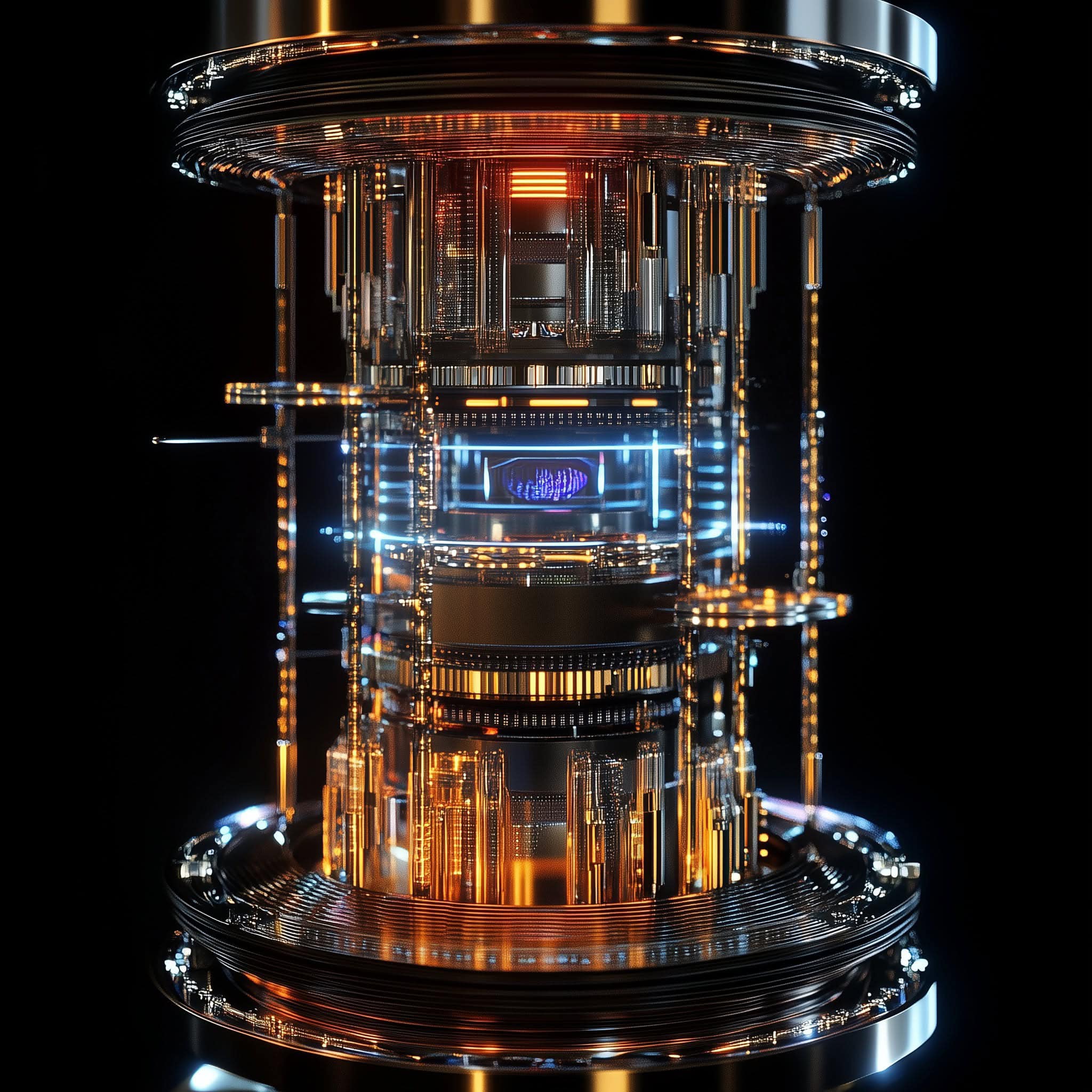
This computer is made of lasers, mirrors, and detectors that can count tiny particles of light called photons. Jiuzhang can count 76 photons at once, which is way better than regular computers that can only handle 5 photons. This special way of counting is called Gaussian boson sampling (a fancy name for the technique it uses).
But how does a quantum computer like Jiuzhang work? Regular computers use tiny switches called “bits” to handle information. These bits can either be 0 or 1, like little light switches that are either off or on. Quantum computers use something much cooler called qubits (short for quantum bits). A qubit can be 0, 1, or even both at the same time! This happens because of a special science rule called superposition. Imagine flipping a coin, and instead of it landing heads or tails, it floats in between both at once.
Quantum computers also use entanglement, which means qubits can “talk” to each other instantly, even if they’re far apart. This teamwork between qubits helps quantum computers test many possibilities at the same time, making them much faster at solving very hard problems.
Why does this matter? Well, Jiuzhang’s abilities could help solve tricky problems in areas like chemistry, math, and even create a super-fast quantum internet. It’s not just a faster version of regular computers—it’s like a whole new way of thinking about how to solve problems!
Here’s how amazing it is: Jiuzhang solved a math problem in just 4 minutes that would take a normal supercomputer 2.6 billion years to figure out! That’s older than the dinosaurs!
This computer is made of lasers, mirrors, and detectors that can count tiny particles of light called photons. Jiuzhang can count 76 photons at once, which is way better than regular computers that can only handle 5 photons. This special way of counting is called Gaussian boson sampling (a fancy name for the technique it uses).
But how does a quantum computer like Jiuzhang work? Regular computers use tiny switches called “bits” to handle information. These bits can either be 0 or 1, like little light switches that are either off or on. Quantum computers use something much cooler called qubits (short for quantum bits). A qubit can be 0, 1, or even both at the same time! This happens because of a special science rule called superposition. Imagine flipping a coin, and instead of it landing heads or tails, it floats in between both at once.
Quantum computers also use entanglement, which means qubits can “talk” to each other instantly, even if they’re far apart. This teamwork between qubits helps quantum computers test many possibilities at the same time, making them much faster at solving very hard problems.
Why does this matter? Well, Jiuzhang’s abilities could help solve tricky problems in areas like chemistry, math, and even create a super-fast quantum internet. It’s not just a faster version of regular computers—it’s like a whole new way of thinking about how to solve problems!
Scientists in China built a super-smart computer called Jiuzhang, which is very different from regular computers. It’s a quantum computer, which means it uses special science tricks like superposition (being in two places at once) and entanglement (particles being connected even far apart) to solve problems super quickly.
Here’s how amazing it is: Jiuzhang solved a math problem in just 4 minutes that would take a normal supercomputer 2.6 billion years to figure out! That’s older than the dinosaurs!
This computer is made of lasers, mirrors, and detectors that can count tiny particles of light called photons. Jiuzhang can count 76 photons at once, which is way better than regular computers that can only handle 5 photons. This special way of counting is called Gaussian boson sampling (a fancy name for the technique it uses).
But how does a quantum computer like Jiuzhang work? Regular computers use tiny switches called “bits” to handle information. These bits can either be 0 or 1, like little light switches that are either off or on. Quantum computers use something much cooler called qubits (short for quantum bits). A qubit can be 0, 1, or even both at the same time! This happens because of a special science rule called superposition. Imagine flipping a coin, and instead of it landing heads or tails, it floats in between both at once.
Quantum computers also use entanglement, which means qubits can “talk” to each other instantly, even if they’re far apart. This teamwork between qubits helps quantum computers test many possibilities at the same time, making them much faster at solving very hard problems.
Why does this matter? Well, Jiuzhang’s abilities could help solve tricky problems in areas like chemistry, math, and even create a super-fast quantum internet. It’s not just a faster version of regular computers—it’s like a whole new way of thinking about how to solve problems!
0 التعليقات
0 المشاركات
241 مشاهدة