


The founder of micro processor
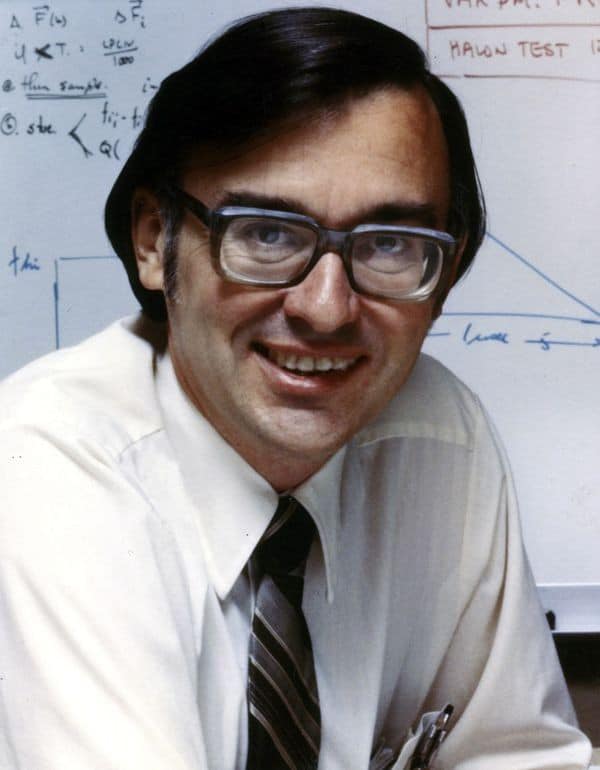
**Ted Hoff** is an important figure in the history of computing and electronics. He is best known for his role in the invention of the **microprocessor**, a crucial development that has significantly shaped modern computing.
### Key Contributions:
1. **Invention of the Microprocessor**: Ted Hoff is credited as the co-inventor of the worlds first microprocessor, the **Intel 4004**. In the late 1960s and early 1970s, Hoff, working as an engineer at Intel Corporation, proposed a new architecture for a central processing unit (CPU) on a single chip, which became the foundation for the first commercially available microprocessor.
- The **Intel 4004** was a 4-bit CPU released in 1971 and marked a breakthrough in integrating processing power into a single chip.
- This innovation led to the development of modern computers, allowing for more powerful, compact, and affordable computing devices.
2. **Work at Intel**: Hoff joined Intel in 1968 as one of its first employees. He played a key role in the company’s early research and development efforts, particularly in the field of semiconductor memory and processing.
3. **Collaborations**: While Ted Hoff is often credited with the microprocessors invention, the development of the Intel 4004 also involved key contributions from other engineers such as **Federico Faggin** (who designed the physical chip) and **Stanley Mazor** (who helped with the architecture and design).
### Impact on Technology:
- **Revolutionizing Electronics**: Hoff’s work on the microprocessor revolutionized the electronics industry by enabling the creation of smaller, more efficient, and more powerful computing devices. This led to the development of personal computers, smartphones, and countless other digital devices that rely on microprocessors today.
- **Foundations for Modern Computing**: The invention of the microprocessor paved the way for advances in everything from consumer electronics to industrial systems, robotics, and artificial intelligence.
### Legacy:
- Ted Hoff’s contributions are widely recognized in the technology world, and he has received numerous awards for his work, including induction into the **National Inventors Hall of Fame** in 1996.
- His innovations are a fundamental part of the technological infrastructure that underpins the digital age, influencing generations of engineers and inventors.
In summary, Ted Hoffs invention of the microprocessor at Intel played a foundational role in the development of modern computing, making him a key figure in the history of technology.
**Ted Hoff** is an important figure in the history of computing and electronics. He is best known for his role in the invention of the **microprocessor**, a crucial development that has significantly shaped modern computing.
### Key Contributions:
1. **Invention of the Microprocessor**: Ted Hoff is credited as the co-inventor of the worlds first microprocessor, the **Intel 4004**. In the late 1960s and early 1970s, Hoff, working as an engineer at Intel Corporation, proposed a new architecture for a central processing unit (CPU) on a single chip, which became the foundation for the first commercially available microprocessor.
- The **Intel 4004** was a 4-bit CPU released in 1971 and marked a breakthrough in integrating processing power into a single chip.
- This innovation led to the development of modern computers, allowing for more powerful, compact, and affordable computing devices.
2. **Work at Intel**: Hoff joined Intel in 1968 as one of its first employees. He played a key role in the company’s early research and development efforts, particularly in the field of semiconductor memory and processing.
3. **Collaborations**: While Ted Hoff is often credited with the microprocessors invention, the development of the Intel 4004 also involved key contributions from other engineers such as **Federico Faggin** (who designed the physical chip) and **Stanley Mazor** (who helped with the architecture and design).
### Impact on Technology:
- **Revolutionizing Electronics**: Hoff’s work on the microprocessor revolutionized the electronics industry by enabling the creation of smaller, more efficient, and more powerful computing devices. This led to the development of personal computers, smartphones, and countless other digital devices that rely on microprocessors today.
- **Foundations for Modern Computing**: The invention of the microprocessor paved the way for advances in everything from consumer electronics to industrial systems, robotics, and artificial intelligence.
### Legacy:
- Ted Hoff’s contributions are widely recognized in the technology world, and he has received numerous awards for his work, including induction into the **National Inventors Hall of Fame** in 1996.
- His innovations are a fundamental part of the technological infrastructure that underpins the digital age, influencing generations of engineers and inventors.
In summary, Ted Hoffs invention of the microprocessor at Intel played a foundational role in the development of modern computing, making him a key figure in the history of technology.
The founder of micro processor
**Ted Hoff** is an important figure in the history of computing and electronics. He is best known for his role in the invention of the **microprocessor**, a crucial development that has significantly shaped modern computing.
### Key Contributions:
1. **Invention of the Microprocessor**: Ted Hoff is credited as the co-inventor of the world's first microprocessor, the **Intel 4004**. In the late 1960s and early 1970s, Hoff, working as an engineer at Intel Corporation, proposed a new architecture for a central processing unit (CPU) on a single chip, which became the foundation for the first commercially available microprocessor.
- The **Intel 4004** was a 4-bit CPU released in 1971 and marked a breakthrough in integrating processing power into a single chip.
- This innovation led to the development of modern computers, allowing for more powerful, compact, and affordable computing devices.
2. **Work at Intel**: Hoff joined Intel in 1968 as one of its first employees. He played a key role in the company’s early research and development efforts, particularly in the field of semiconductor memory and processing.
3. **Collaborations**: While Ted Hoff is often credited with the microprocessor's invention, the development of the Intel 4004 also involved key contributions from other engineers such as **Federico Faggin** (who designed the physical chip) and **Stanley Mazor** (who helped with the architecture and design).
### Impact on Technology:
- **Revolutionizing Electronics**: Hoff’s work on the microprocessor revolutionized the electronics industry by enabling the creation of smaller, more efficient, and more powerful computing devices. This led to the development of personal computers, smartphones, and countless other digital devices that rely on microprocessors today.
- **Foundations for Modern Computing**: The invention of the microprocessor paved the way for advances in everything from consumer electronics to industrial systems, robotics, and artificial intelligence.
### Legacy:
- Ted Hoff’s contributions are widely recognized in the technology world, and he has received numerous awards for his work, including induction into the **National Inventors Hall of Fame** in 1996.
- His innovations are a fundamental part of the technological infrastructure that underpins the digital age, influencing generations of engineers and inventors.
In summary, Ted Hoff's invention of the microprocessor at Intel played a foundational role in the development of modern computing, making him a key figure in the history of technology.
0 Comentários
0 Compartilhamentos
71 Visualizações