


Annie Besant (1847-1933) was a prominent British social reformer, theosophist, womens rights activist, writer, and orator. Her life and work significantly impacted various social and spiritual movements in the late 19th and early 20th centuries.
### Early Life and Career
Born in London, Annie Besant was known for her strong intellectual abilities and progressive views from a young age. She married Frank Besant, a clergyman, but their marriage was troubled, leading to their separation. After her separation, Besant became involved in various social and political causes, including the womens suffrage movement, secularism, and the rights of workers.
### Theosophical Society
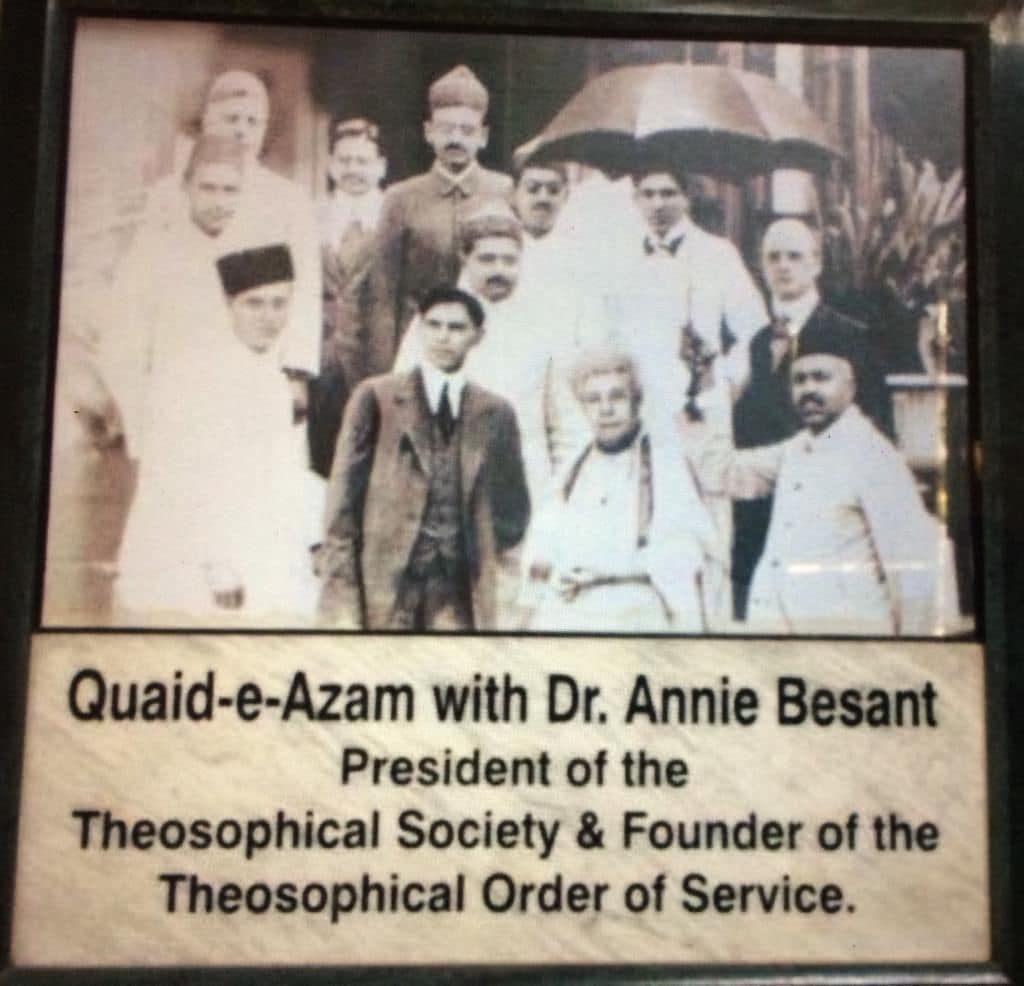
Annie Besants spiritual journey led her to the Theosophical Society, an organization dedicated to the study of comparative religion, philosophy, and science. She joined the society in 1889 and quickly became one of its most influential members. In 1907, she was elected as the President of the Theosophical Society, a position she held until her death. Under her leadership, the society grew significantly and established various educational and social welfare institutions.
### Activism in India
Besants work in India is particularly noteworthy. She moved to India in 1893 and became deeply involved in the countrys struggle for independence from British rule. She founded the Home Rule League in 1916, which played a crucial role in mobilizing Indian public opinion towards self-governance. Her efforts were recognized by many Indian leaders, and she was elected President of the Indian National Congress in 1917.
### Contributions to Education and Womens Rights
Annie Besant was a staunch advocate for womens rights and education. She worked tirelessly to promote the education of women and the upliftment of the marginalized sections of society. She founded the Central Hindu College in Varanasi, which later became a part of Banaras Hindu University.
### Legacy
Annie Besants legacy is multifaceted, encompassing her contributions to social reform, spiritual thought, and Indian nationalism. Her work continues to inspire various social and spiritual movements around the world.
For more detailed information, you can refer to sources like [Theosophy World](https://www.theosophy.world) and historical archives detailing her contributions to both Western and Indian society.
### Early Life and Career
Born in London, Annie Besant was known for her strong intellectual abilities and progressive views from a young age. She married Frank Besant, a clergyman, but their marriage was troubled, leading to their separation. After her separation, Besant became involved in various social and political causes, including the womens suffrage movement, secularism, and the rights of workers.
### Theosophical Society
Annie Besants spiritual journey led her to the Theosophical Society, an organization dedicated to the study of comparative religion, philosophy, and science. She joined the society in 1889 and quickly became one of its most influential members. In 1907, she was elected as the President of the Theosophical Society, a position she held until her death. Under her leadership, the society grew significantly and established various educational and social welfare institutions.
### Activism in India
Besants work in India is particularly noteworthy. She moved to India in 1893 and became deeply involved in the countrys struggle for independence from British rule. She founded the Home Rule League in 1916, which played a crucial role in mobilizing Indian public opinion towards self-governance. Her efforts were recognized by many Indian leaders, and she was elected President of the Indian National Congress in 1917.
### Contributions to Education and Womens Rights
Annie Besant was a staunch advocate for womens rights and education. She worked tirelessly to promote the education of women and the upliftment of the marginalized sections of society. She founded the Central Hindu College in Varanasi, which later became a part of Banaras Hindu University.
### Legacy
Annie Besants legacy is multifaceted, encompassing her contributions to social reform, spiritual thought, and Indian nationalism. Her work continues to inspire various social and spiritual movements around the world.
For more detailed information, you can refer to sources like [Theosophy World](https://www.theosophy.world) and historical archives detailing her contributions to both Western and Indian society.
Annie Besant (1847-1933) was a prominent British social reformer, theosophist, women's rights activist, writer, and orator. Her life and work significantly impacted various social and spiritual movements in the late 19th and early 20th centuries.
### Early Life and Career
Born in London, Annie Besant was known for her strong intellectual abilities and progressive views from a young age. She married Frank Besant, a clergyman, but their marriage was troubled, leading to their separation. After her separation, Besant became involved in various social and political causes, including the women's suffrage movement, secularism, and the rights of workers.
### Theosophical Society
Annie Besant's spiritual journey led her to the Theosophical Society, an organization dedicated to the study of comparative religion, philosophy, and science. She joined the society in 1889 and quickly became one of its most influential members. In 1907, she was elected as the President of the Theosophical Society, a position she held until her death. Under her leadership, the society grew significantly and established various educational and social welfare institutions.
### Activism in India
Besant's work in India is particularly noteworthy. She moved to India in 1893 and became deeply involved in the country's struggle for independence from British rule. She founded the Home Rule League in 1916, which played a crucial role in mobilizing Indian public opinion towards self-governance. Her efforts were recognized by many Indian leaders, and she was elected President of the Indian National Congress in 1917.
### Contributions to Education and Women's Rights
Annie Besant was a staunch advocate for women's rights and education. She worked tirelessly to promote the education of women and the upliftment of the marginalized sections of society. She founded the Central Hindu College in Varanasi, which later became a part of Banaras Hindu University.
### Legacy
Annie Besant's legacy is multifaceted, encompassing her contributions to social reform, spiritual thought, and Indian nationalism. Her work continues to inspire various social and spiritual movements around the world.
For more detailed information, you can refer to sources like [Theosophy World](https://www.theosophy.world) and historical archives detailing her contributions to both Western and Indian society.
0 Comments
0 Shares
32 Views