


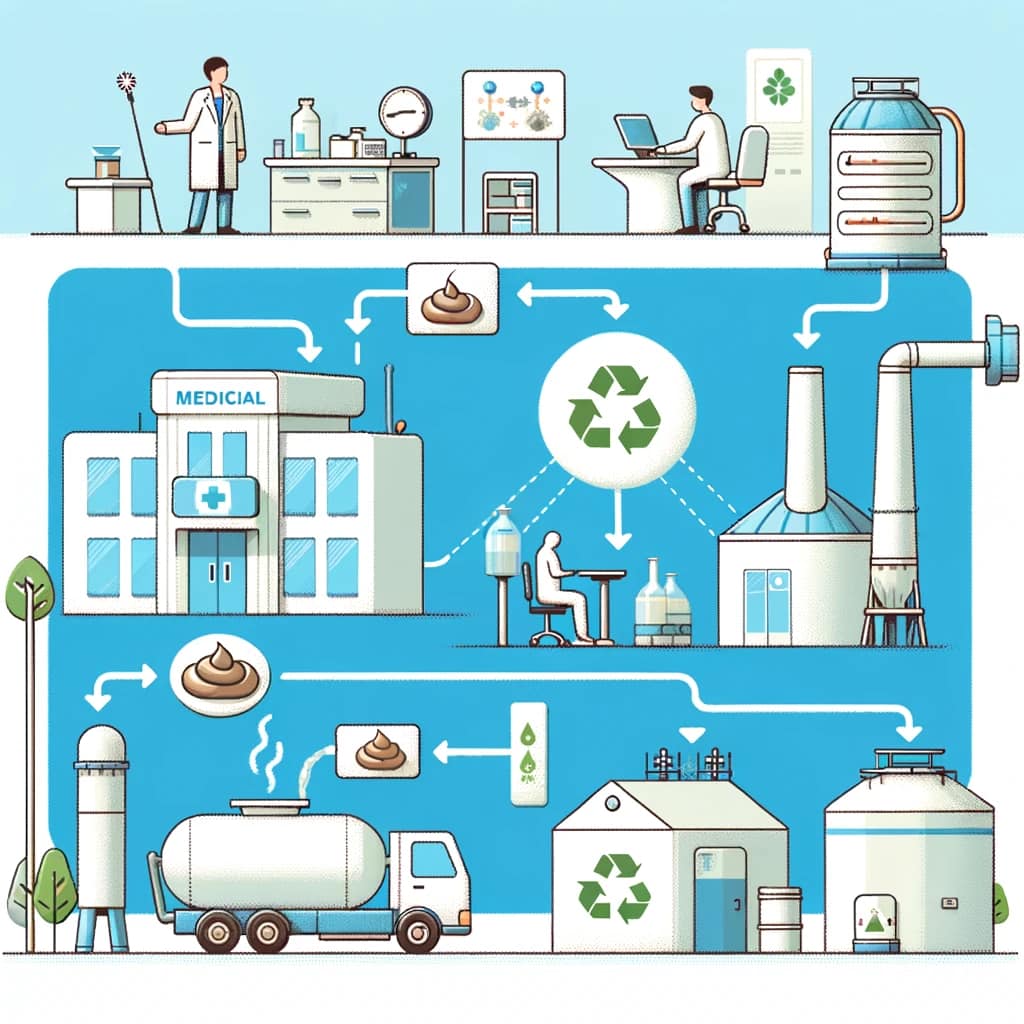
Making money from human stool might sound unconventional, but it can be done, particularly in the context of medical and scientific uses. Here are some ways to monetize it:
1. **Fecal Microbiota Transplantation (FMT)**:
- **Donation Programs**: Some medical institutions and research programs pay individuals to donate their stool for FMT, which is used to treat certain medical conditions, such as Clostridium difficile infections. Programs like OpenBiome in the United States offer compensation to healthy donors.
2. **Research and Scientific Studies**:
- **Microbiome Research**: Researchers studying the human microbiome may pay for stool samples to analyze gut bacteria and its impact on health. Universities and biotech companies often conduct such studies and require diverse samples.
3. **Commercial Applications**:
- **Health Products**: Some companies are developing probiotics and other health products based on gut microbiota. They may pay for stool samples to isolate specific bacterial strains.
4. **Environmental Applications**:
- **Biogas Production**: Human waste can be used in biogas plants to produce renewable energy. While this is more commonly done on a larger scale (e.g., municipal waste treatment), there might be niche opportunities for involvement in such projects.
5. **Educational and Awareness Campaigns**:
- **Public Health Initiatives**: Participating in campaigns that raise awareness about gut health and the importance of the microbiome might involve providing samples for educational purposes.
### Steps to Get Started
1. **Health Screening**: Most programs require rigorous health screening to ensure donors are free from diseases and meet specific health criteria.
2. **Find Programs**: Research local and international programs that accept stool donations. Look into medical institutions, research labs, and biotech companies.
3. **Apply and Participate**: Follow the application procedures, which typically include health questionnaires and sometimes physical examinations.
### Example Programs
- **OpenBiome**: A nonprofit stool bank that offers compensation for stool donations used in FMT.
- **American Gut Project**: A research project that studies the human microbiome and might involve compensation for participants.
### Ethical Considerations
Ensure that you participate in programs that adhere to ethical standards and provide clear information about how your samples will be used.
By participating in these programs, you can contribute to important medical research and potentially earn compensation for your contributions.
1. **Fecal Microbiota Transplantation (FMT)**:
- **Donation Programs**: Some medical institutions and research programs pay individuals to donate their stool for FMT, which is used to treat certain medical conditions, such as Clostridium difficile infections. Programs like OpenBiome in the United States offer compensation to healthy donors.
2. **Research and Scientific Studies**:
- **Microbiome Research**: Researchers studying the human microbiome may pay for stool samples to analyze gut bacteria and its impact on health. Universities and biotech companies often conduct such studies and require diverse samples.
3. **Commercial Applications**:
- **Health Products**: Some companies are developing probiotics and other health products based on gut microbiota. They may pay for stool samples to isolate specific bacterial strains.
4. **Environmental Applications**:
- **Biogas Production**: Human waste can be used in biogas plants to produce renewable energy. While this is more commonly done on a larger scale (e.g., municipal waste treatment), there might be niche opportunities for involvement in such projects.
5. **Educational and Awareness Campaigns**:
- **Public Health Initiatives**: Participating in campaigns that raise awareness about gut health and the importance of the microbiome might involve providing samples for educational purposes.
### Steps to Get Started
1. **Health Screening**: Most programs require rigorous health screening to ensure donors are free from diseases and meet specific health criteria.
2. **Find Programs**: Research local and international programs that accept stool donations. Look into medical institutions, research labs, and biotech companies.
3. **Apply and Participate**: Follow the application procedures, which typically include health questionnaires and sometimes physical examinations.
### Example Programs
- **OpenBiome**: A nonprofit stool bank that offers compensation for stool donations used in FMT.
- **American Gut Project**: A research project that studies the human microbiome and might involve compensation for participants.
### Ethical Considerations
Ensure that you participate in programs that adhere to ethical standards and provide clear information about how your samples will be used.
By participating in these programs, you can contribute to important medical research and potentially earn compensation for your contributions.
Making money from human stool might sound unconventional, but it can be done, particularly in the context of medical and scientific uses. Here are some ways to monetize it:
1. **Fecal Microbiota Transplantation (FMT)**:
- **Donation Programs**: Some medical institutions and research programs pay individuals to donate their stool for FMT, which is used to treat certain medical conditions, such as Clostridium difficile infections. Programs like OpenBiome in the United States offer compensation to healthy donors.
2. **Research and Scientific Studies**:
- **Microbiome Research**: Researchers studying the human microbiome may pay for stool samples to analyze gut bacteria and its impact on health. Universities and biotech companies often conduct such studies and require diverse samples.
3. **Commercial Applications**:
- **Health Products**: Some companies are developing probiotics and other health products based on gut microbiota. They may pay for stool samples to isolate specific bacterial strains.
4. **Environmental Applications**:
- **Biogas Production**: Human waste can be used in biogas plants to produce renewable energy. While this is more commonly done on a larger scale (e.g., municipal waste treatment), there might be niche opportunities for involvement in such projects.
5. **Educational and Awareness Campaigns**:
- **Public Health Initiatives**: Participating in campaigns that raise awareness about gut health and the importance of the microbiome might involve providing samples for educational purposes.
### Steps to Get Started
1. **Health Screening**: Most programs require rigorous health screening to ensure donors are free from diseases and meet specific health criteria.
2. **Find Programs**: Research local and international programs that accept stool donations. Look into medical institutions, research labs, and biotech companies.
3. **Apply and Participate**: Follow the application procedures, which typically include health questionnaires and sometimes physical examinations.
### Example Programs
- **OpenBiome**: A nonprofit stool bank that offers compensation for stool donations used in FMT.
- **American Gut Project**: A research project that studies the human microbiome and might involve compensation for participants.
### Ethical Considerations
Ensure that you participate in programs that adhere to ethical standards and provide clear information about how your samples will be used.
By participating in these programs, you can contribute to important medical research and potentially earn compensation for your contributions.
0 Σχόλια
0 Μοιράστηκε
193 Views