


Evolution takes time, you can start today and things will get better over time !
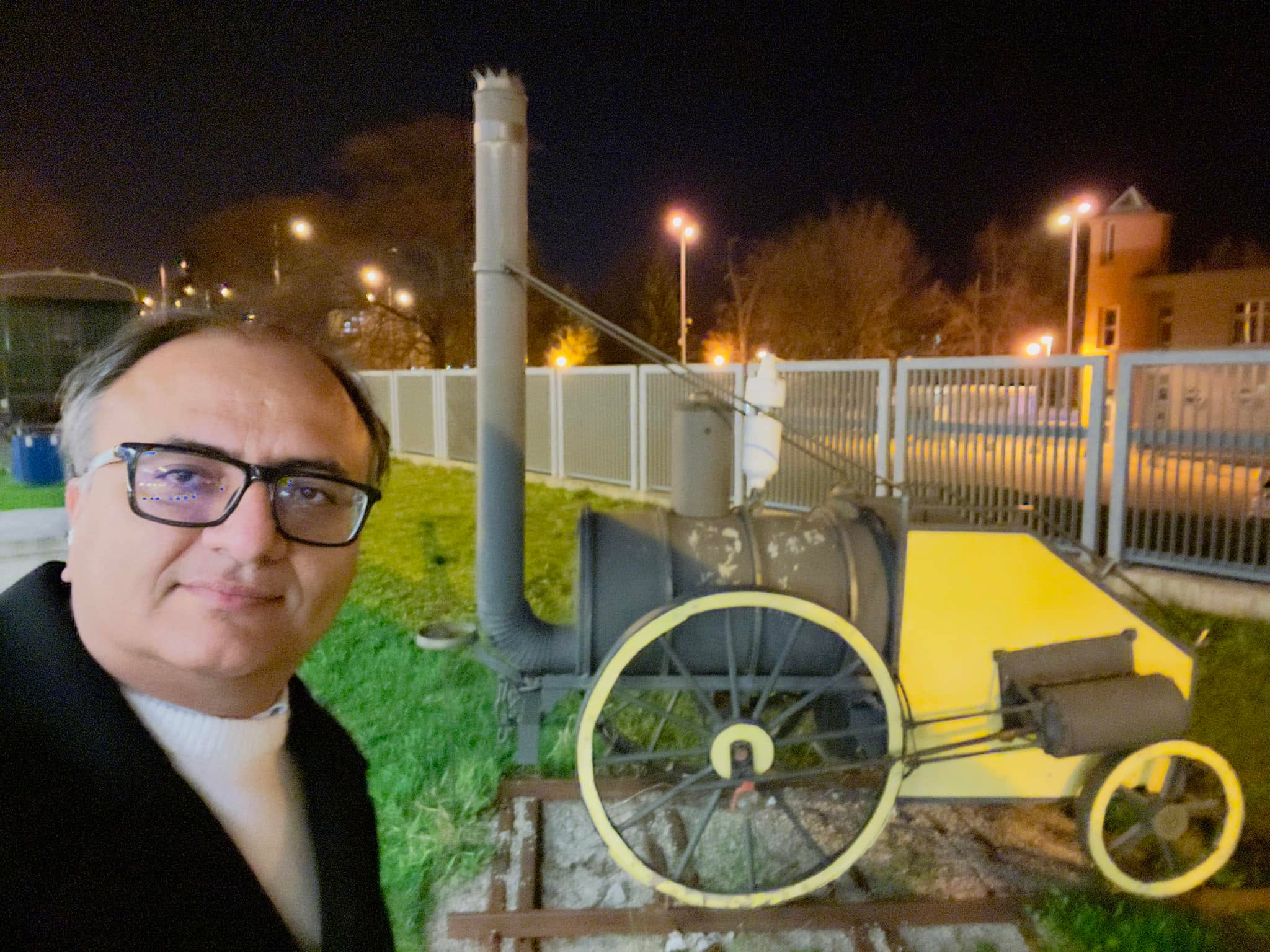
The Rocket steam engine, also known as Stephensons Rocket, was an early steam locomotive designed and built by George Stephenson and his son Robert Stephenson in 1829. It was constructed for the Rainhill Trials, a competition organized by the Liverpool & Manchester Railway to choose the best design for a locomotive to run on their new line.
The Rocket was revolutionary for its time, featuring several key innovations that would become standard in future steam locomotives. These included a multi-tubular boiler, which increased the surface area for heat exchange and thus improved efficiency, and a blast pipe, which used exhaust steam to increase the draught of air through the fire, boosting the engines power.
The Rocket won the Rainhill Trials, achieving a top speed of 29 miles per hour (47 km/h) and proving the viability of steam locomotives for passenger and freight transport. Its success marked a significant milestone in the history of rail transport and led to widespread adoption of steam locomotives in the following decades.
The Rocket steam engine, also known as Stephensons Rocket, was an early steam locomotive designed and built by George Stephenson and his son Robert Stephenson in 1829. It was constructed for the Rainhill Trials, a competition organized by the Liverpool & Manchester Railway to choose the best design for a locomotive to run on their new line.
The Rocket was revolutionary for its time, featuring several key innovations that would become standard in future steam locomotives. These included a multi-tubular boiler, which increased the surface area for heat exchange and thus improved efficiency, and a blast pipe, which used exhaust steam to increase the draught of air through the fire, boosting the engines power.
The Rocket won the Rainhill Trials, achieving a top speed of 29 miles per hour (47 km/h) and proving the viability of steam locomotives for passenger and freight transport. Its success marked a significant milestone in the history of rail transport and led to widespread adoption of steam locomotives in the following decades.
Evolution takes time, you can start today and things will get better over time !
The Rocket steam engine, also known as Stephenson's Rocket, was an early steam locomotive designed and built by George Stephenson and his son Robert Stephenson in 1829. It was constructed for the Rainhill Trials, a competition organized by the Liverpool & Manchester Railway to choose the best design for a locomotive to run on their new line.
The Rocket was revolutionary for its time, featuring several key innovations that would become standard in future steam locomotives. These included a multi-tubular boiler, which increased the surface area for heat exchange and thus improved efficiency, and a blast pipe, which used exhaust steam to increase the draught of air through the fire, boosting the engine's power.
The Rocket won the Rainhill Trials, achieving a top speed of 29 miles per hour (47 km/h) and proving the viability of steam locomotives for passenger and freight transport. Its success marked a significant milestone in the history of rail transport and led to widespread adoption of steam locomotives in the following decades.
0 تبصرے
0 شیئرز
275 ویوز