


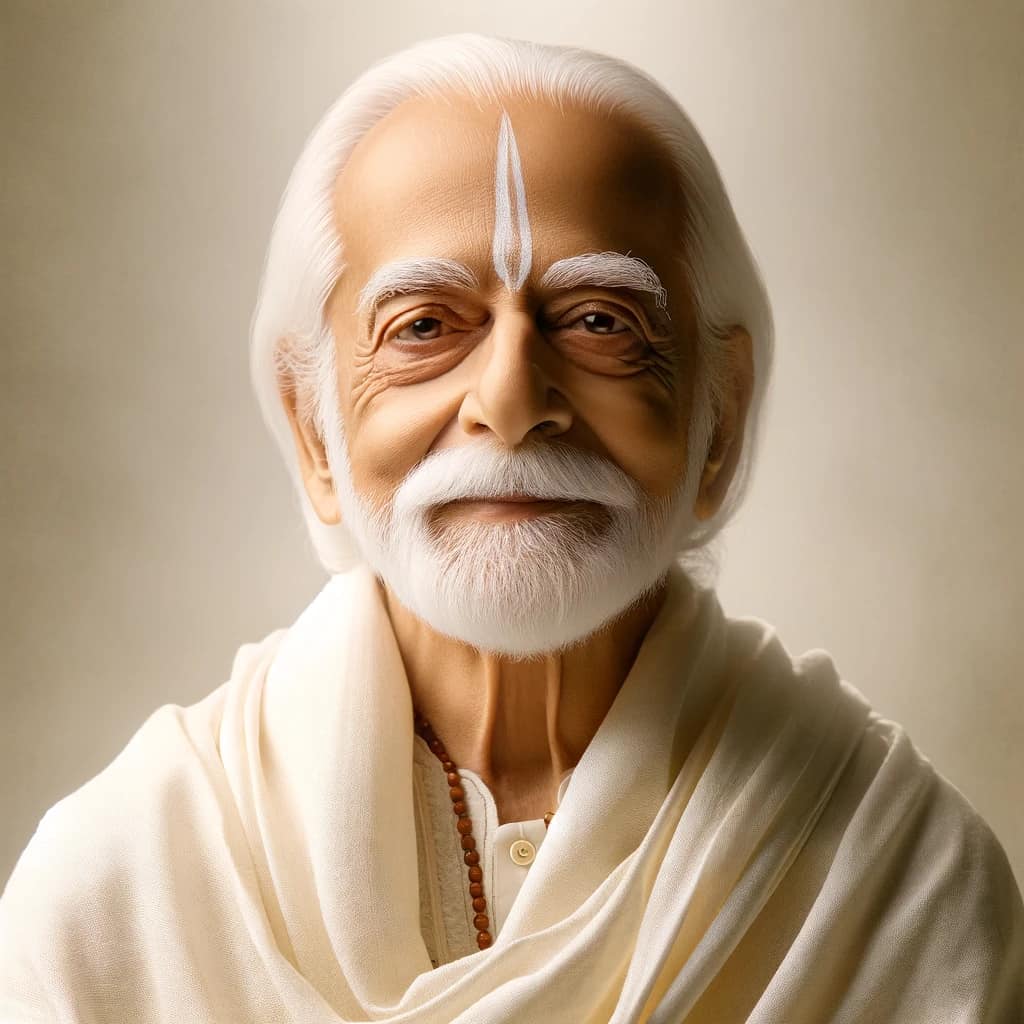
The Brahma Kumaris World Spiritual University was founded by Lekhraj Kripalani in the 1930s in Hyderabad, Sindh, in what is now Pakistan. Known later as Brahma Baba within the organization, Kripalani was a wealthy Hindu jeweler before his spiritual transformation.
### Background
Lekhraj Kripalani was born in 1876 into a Sindhi family. By the 1930s, he had become a successful and respected businessman in the diamond trade. Despite his success, he felt a deep sense of spiritual discontentment and a longing for a deeper understanding of the purpose of life and the nature of God.
### Spiritual Transformation
His spiritual awakening began in the 1930s when he started to have visions and spiritual experiences that profoundly changed his outlook on life. These visions included glimpses of the ancient past and a divine entity, which inspired him to contemplate deeply on spiritual matters and the cycle of time.
Believing these visions and insights were divinely inspired, Kripalani felt compelled to share his revelations about the soul, God, time, and karma. His teachings emphasized the importance of meditation (specifically Raja Yoga meditation) as a means to connect with the divine and to achieve a state of inner purity and peace.
### Founding of the Brahma Kumaris
Kripalanis spiritual discourses attracted a group of followers, mainly women, who were inspired by his teachings on purity, non-violence, and the empowerment of the soul. This group became the foundation of the Brahma Kumaris organization. Under his guidance, they adopted a lifestyle based on strict moral and spiritual disciplines, including celibacy, vegetarianism, and daily meditation.
### Leadership and Legacy
Brahma Baba, as Kripalani became known, led the organization until his death in 1969. He appointed a group of senior women members as the administrative heads of the organization, establishing a unique model of female spiritual leadership. His teachings have continued to be the foundation of the Brahma Kumaris spiritual practices and teachings.
Under his leadership, the organization grew from a small group in Hyderabad to a global spiritual movement with thousands of centers worldwide, offering spiritual education and promoting values of peace, harmony, and inner silence. Brahma Babas legacy is marked by his emphasis on spiritual equality and the empowerment of women in spiritual leadership roles.
### Background
Lekhraj Kripalani was born in 1876 into a Sindhi family. By the 1930s, he had become a successful and respected businessman in the diamond trade. Despite his success, he felt a deep sense of spiritual discontentment and a longing for a deeper understanding of the purpose of life and the nature of God.
### Spiritual Transformation
His spiritual awakening began in the 1930s when he started to have visions and spiritual experiences that profoundly changed his outlook on life. These visions included glimpses of the ancient past and a divine entity, which inspired him to contemplate deeply on spiritual matters and the cycle of time.
Believing these visions and insights were divinely inspired, Kripalani felt compelled to share his revelations about the soul, God, time, and karma. His teachings emphasized the importance of meditation (specifically Raja Yoga meditation) as a means to connect with the divine and to achieve a state of inner purity and peace.
### Founding of the Brahma Kumaris
Kripalanis spiritual discourses attracted a group of followers, mainly women, who were inspired by his teachings on purity, non-violence, and the empowerment of the soul. This group became the foundation of the Brahma Kumaris organization. Under his guidance, they adopted a lifestyle based on strict moral and spiritual disciplines, including celibacy, vegetarianism, and daily meditation.
### Leadership and Legacy
Brahma Baba, as Kripalani became known, led the organization until his death in 1969. He appointed a group of senior women members as the administrative heads of the organization, establishing a unique model of female spiritual leadership. His teachings have continued to be the foundation of the Brahma Kumaris spiritual practices and teachings.
Under his leadership, the organization grew from a small group in Hyderabad to a global spiritual movement with thousands of centers worldwide, offering spiritual education and promoting values of peace, harmony, and inner silence. Brahma Babas legacy is marked by his emphasis on spiritual equality and the empowerment of women in spiritual leadership roles.
The Brahma Kumaris World Spiritual University was founded by Lekhraj Kripalani in the 1930s in Hyderabad, Sindh, in what is now Pakistan. Known later as Brahma Baba within the organization, Kripalani was a wealthy Hindu jeweler before his spiritual transformation.
### Background
Lekhraj Kripalani was born in 1876 into a Sindhi family. By the 1930s, he had become a successful and respected businessman in the diamond trade. Despite his success, he felt a deep sense of spiritual discontentment and a longing for a deeper understanding of the purpose of life and the nature of God.
### Spiritual Transformation
His spiritual awakening began in the 1930s when he started to have visions and spiritual experiences that profoundly changed his outlook on life. These visions included glimpses of the ancient past and a divine entity, which inspired him to contemplate deeply on spiritual matters and the cycle of time.
Believing these visions and insights were divinely inspired, Kripalani felt compelled to share his revelations about the soul, God, time, and karma. His teachings emphasized the importance of meditation (specifically Raja Yoga meditation) as a means to connect with the divine and to achieve a state of inner purity and peace.
### Founding of the Brahma Kumaris
Kripalani's spiritual discourses attracted a group of followers, mainly women, who were inspired by his teachings on purity, non-violence, and the empowerment of the soul. This group became the foundation of the Brahma Kumaris organization. Under his guidance, they adopted a lifestyle based on strict moral and spiritual disciplines, including celibacy, vegetarianism, and daily meditation.
### Leadership and Legacy
Brahma Baba, as Kripalani became known, led the organization until his death in 1969. He appointed a group of senior women members as the administrative heads of the organization, establishing a unique model of female spiritual leadership. His teachings have continued to be the foundation of the Brahma Kumaris' spiritual practices and teachings.
Under his leadership, the organization grew from a small group in Hyderabad to a global spiritual movement with thousands of centers worldwide, offering spiritual education and promoting values of peace, harmony, and inner silence. Brahma Baba's legacy is marked by his emphasis on spiritual equality and the empowerment of women in spiritual leadership roles.
0 Comentários
0 Compartilhamentos
40 Visualizações