


Did you know ?
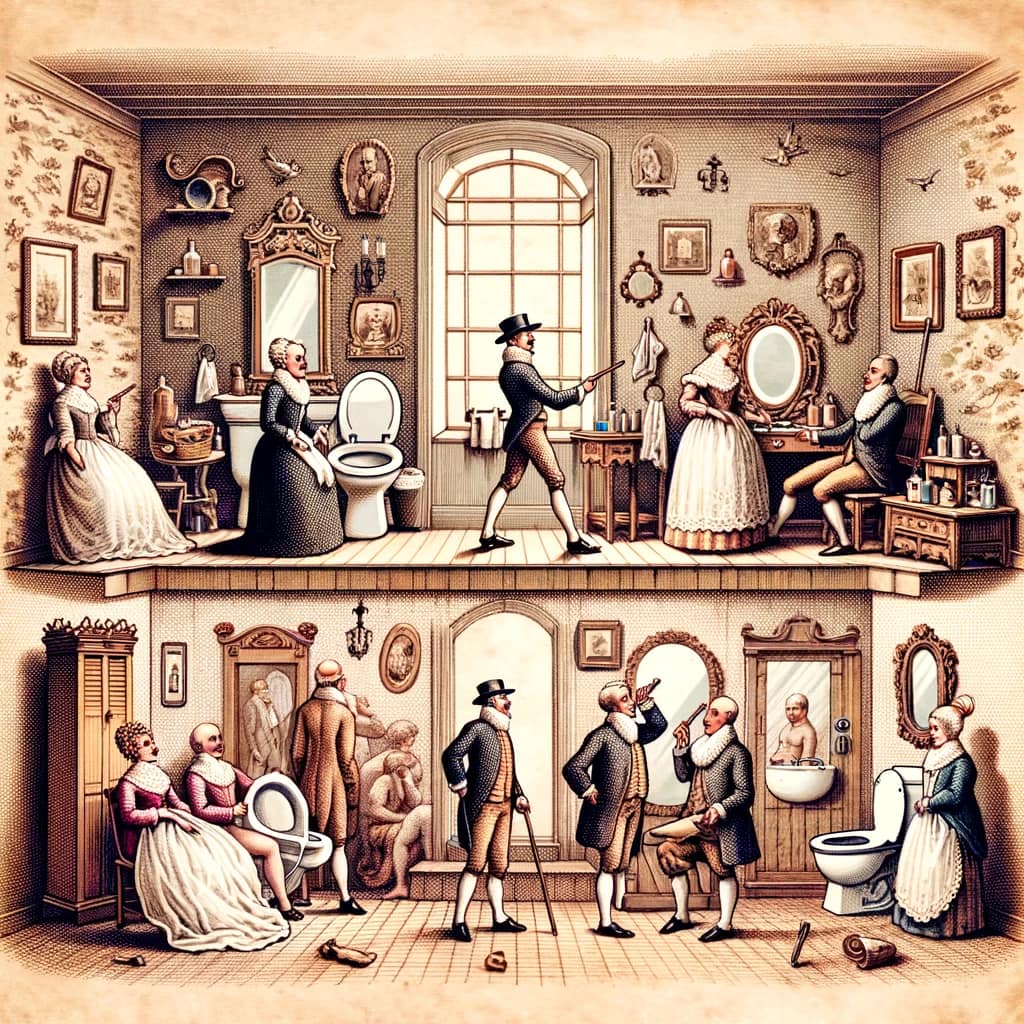
The word "toilet" has evolved significantly over time and across cultures. Its origins can be traced back to the French word "toilette," which initially referred to the act of dressing or grooming oneself. "Toilette" came from the French word "toile," meaning "cloth." In the 16th century, "toilette" was used to describe a cloth cover for a dressing table, also known as a "toilet table," where people would groom themselves, apply makeup, and take care of their personal appearance.
Over time, the term began to encompass the various activities related to personal grooming and the equipment used in the process, including washing. By the 19th century, "toilet" began to be associated more directly with the fixtures used for personal hygiene, including what we now commonly refer to as the toilet—the plumbing fixture used for defecation and urination.
The shift in meaning from a broad sense of grooming to a specific bathroom fixture reflects changes in language and social practices regarding personal hygiene over centuries. Today, "toilet" is widely understood to refer to the facility or fixture used for urination and defecation, especially in many English-speaking countries.
The word "toilet" has evolved significantly over time and across cultures. Its origins can be traced back to the French word "toilette," which initially referred to the act of dressing or grooming oneself. "Toilette" came from the French word "toile," meaning "cloth." In the 16th century, "toilette" was used to describe a cloth cover for a dressing table, also known as a "toilet table," where people would groom themselves, apply makeup, and take care of their personal appearance.
Over time, the term began to encompass the various activities related to personal grooming and the equipment used in the process, including washing. By the 19th century, "toilet" began to be associated more directly with the fixtures used for personal hygiene, including what we now commonly refer to as the toilet—the plumbing fixture used for defecation and urination.
The shift in meaning from a broad sense of grooming to a specific bathroom fixture reflects changes in language and social practices regarding personal hygiene over centuries. Today, "toilet" is widely understood to refer to the facility or fixture used for urination and defecation, especially in many English-speaking countries.
Did you know ?
The word "toilet" has evolved significantly over time and across cultures. Its origins can be traced back to the French word "toilette," which initially referred to the act of dressing or grooming oneself. "Toilette" came from the French word "toile," meaning "cloth." In the 16th century, "toilette" was used to describe a cloth cover for a dressing table, also known as a "toilet table," where people would groom themselves, apply makeup, and take care of their personal appearance.
Over time, the term began to encompass the various activities related to personal grooming and the equipment used in the process, including washing. By the 19th century, "toilet" began to be associated more directly with the fixtures used for personal hygiene, including what we now commonly refer to as the toilet—the plumbing fixture used for defecation and urination.
The shift in meaning from a broad sense of grooming to a specific bathroom fixture reflects changes in language and social practices regarding personal hygiene over centuries. Today, "toilet" is widely understood to refer to the facility or fixture used for urination and defecation, especially in many English-speaking countries.
0 Commentarios
0 Acciones
20 Views