


The creation of the State of Israel and the history of the Zionist movement is a complex and multifaceted story, involving numerous individuals, geopolitical factors, and historical events. The Zionist movement was not created by a single individual, but rather evolved through the contributions of many leaders and thinkers. However, Theodor Herzl is often recognized as a key figure in the formalization and popularization of Zionist ideas. Here’s a revised overview with an emphasis on Herzls role:
### Emergence of Zionism and Theodor Herzls Role
- **Jewish Diaspora**: Jews had been living in various parts of the world, often facing persecution and displacement.
- **Theodor Herzl (1860-1904)**: An Austro-Hungarian journalist and writer, Herzl became a prominent leader in the Zionist movement. Disturbed by the anti-Semitism he witnessed, including the Dreyfus Affair in France, he argued that the Jewish people needed a nation of their own.
- **First Zionist Congress (1897)**: Herzl organized and led the First Zionist Congress in Basel, Switzerland, which marked the formal establishment of the World Zionist Organization and the articulation of the Zionist goals.
### World War I and the Balfour Declaration (1914-1918)
- **Ottoman Empire**: Before and during World War I, Palestine was part of the Ottoman Empire.
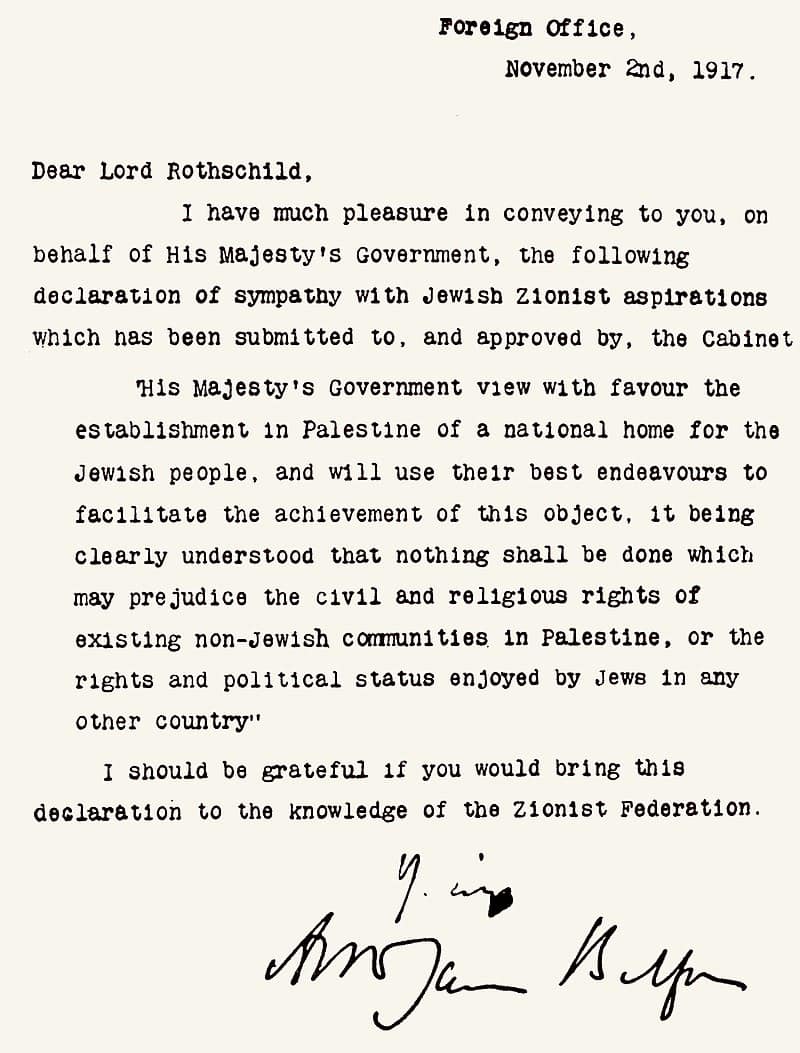
- **Balfour Declaration (1917)**: Britain, which was about to gain influence in the Middle East, issued the declaration supporting a "national home for the Jewish people" in Palestine, influenced partly by Zionist lobbying.
### British Mandate of Palestine (1920-1948)
- **League of Nations Mandate**: Post-World War I, Britain administered Palestine under a League of Nations mandate, which included the principles of the Balfour Declaration.
- **Jewish Immigration**: Jewish immigration to Palestine increased, especially as a response to European anti-Semitism and the Holocaust.
### Post-World War II (1945-1948)
- **United Nations Partition Plan (1947)**: The UN proposed partitioning Palestine into Jewish and Arab states. The Jewish community accepted it, but it was rejected by the Arab community.
- **British Withdrawal**: Facing escalating conflict, Britain announced its withdrawal.
### Establishment of Israel (1948)
- **Declaration of the State of Israel**: On May 14, 1948, David Ben-Gurion declared the establishment of Israel.
- **Arab-Israeli War**: This led to an immediate military conflict with neighboring Arab states.
### Conclusion
Herzls vision and the efforts of many other Zionist leaders, combined with the geopolitical dynamics of the time, the impact of the Holocaust, and the UN partition plan, led to the establishment of Israel. The Balfour Declaration played a crucial role in gaining international support for the Zionist cause. This complex process involved diplomatic efforts, mass migration, and conflict, setting the stage for the ongoing Israeli-Palestinian conflict.
### Emergence of Zionism and Theodor Herzls Role
- **Jewish Diaspora**: Jews had been living in various parts of the world, often facing persecution and displacement.
- **Theodor Herzl (1860-1904)**: An Austro-Hungarian journalist and writer, Herzl became a prominent leader in the Zionist movement. Disturbed by the anti-Semitism he witnessed, including the Dreyfus Affair in France, he argued that the Jewish people needed a nation of their own.
- **First Zionist Congress (1897)**: Herzl organized and led the First Zionist Congress in Basel, Switzerland, which marked the formal establishment of the World Zionist Organization and the articulation of the Zionist goals.
### World War I and the Balfour Declaration (1914-1918)
- **Ottoman Empire**: Before and during World War I, Palestine was part of the Ottoman Empire.
- **Balfour Declaration (1917)**: Britain, which was about to gain influence in the Middle East, issued the declaration supporting a "national home for the Jewish people" in Palestine, influenced partly by Zionist lobbying.
### British Mandate of Palestine (1920-1948)
- **League of Nations Mandate**: Post-World War I, Britain administered Palestine under a League of Nations mandate, which included the principles of the Balfour Declaration.
- **Jewish Immigration**: Jewish immigration to Palestine increased, especially as a response to European anti-Semitism and the Holocaust.
### Post-World War II (1945-1948)
- **United Nations Partition Plan (1947)**: The UN proposed partitioning Palestine into Jewish and Arab states. The Jewish community accepted it, but it was rejected by the Arab community.
- **British Withdrawal**: Facing escalating conflict, Britain announced its withdrawal.
### Establishment of Israel (1948)
- **Declaration of the State of Israel**: On May 14, 1948, David Ben-Gurion declared the establishment of Israel.
- **Arab-Israeli War**: This led to an immediate military conflict with neighboring Arab states.
### Conclusion
Herzls vision and the efforts of many other Zionist leaders, combined with the geopolitical dynamics of the time, the impact of the Holocaust, and the UN partition plan, led to the establishment of Israel. The Balfour Declaration played a crucial role in gaining international support for the Zionist cause. This complex process involved diplomatic efforts, mass migration, and conflict, setting the stage for the ongoing Israeli-Palestinian conflict.
The creation of the State of Israel and the history of the Zionist movement is a complex and multifaceted story, involving numerous individuals, geopolitical factors, and historical events. The Zionist movement was not created by a single individual, but rather evolved through the contributions of many leaders and thinkers. However, Theodor Herzl is often recognized as a key figure in the formalization and popularization of Zionist ideas. Here’s a revised overview with an emphasis on Herzl's role:
### Emergence of Zionism and Theodor Herzl's Role
- **Jewish Diaspora**: Jews had been living in various parts of the world, often facing persecution and displacement.
- **Theodor Herzl (1860-1904)**: An Austro-Hungarian journalist and writer, Herzl became a prominent leader in the Zionist movement. Disturbed by the anti-Semitism he witnessed, including the Dreyfus Affair in France, he argued that the Jewish people needed a nation of their own.
- **First Zionist Congress (1897)**: Herzl organized and led the First Zionist Congress in Basel, Switzerland, which marked the formal establishment of the World Zionist Organization and the articulation of the Zionist goals.
### World War I and the Balfour Declaration (1914-1918)
- **Ottoman Empire**: Before and during World War I, Palestine was part of the Ottoman Empire.
- **Balfour Declaration (1917)**: Britain, which was about to gain influence in the Middle East, issued the declaration supporting a "national home for the Jewish people" in Palestine, influenced partly by Zionist lobbying.
### British Mandate of Palestine (1920-1948)
- **League of Nations Mandate**: Post-World War I, Britain administered Palestine under a League of Nations mandate, which included the principles of the Balfour Declaration.
- **Jewish Immigration**: Jewish immigration to Palestine increased, especially as a response to European anti-Semitism and the Holocaust.
### Post-World War II (1945-1948)
- **United Nations Partition Plan (1947)**: The UN proposed partitioning Palestine into Jewish and Arab states. The Jewish community accepted it, but it was rejected by the Arab community.
- **British Withdrawal**: Facing escalating conflict, Britain announced its withdrawal.
### Establishment of Israel (1948)
- **Declaration of the State of Israel**: On May 14, 1948, David Ben-Gurion declared the establishment of Israel.
- **Arab-Israeli War**: This led to an immediate military conflict with neighboring Arab states.
### Conclusion
Herzl's vision and the efforts of many other Zionist leaders, combined with the geopolitical dynamics of the time, the impact of the Holocaust, and the UN partition plan, led to the establishment of Israel. The Balfour Declaration played a crucial role in gaining international support for the Zionist cause. This complex process involved diplomatic efforts, mass migration, and conflict, setting the stage for the ongoing Israeli-Palestinian conflict.
0 Commenti
0 condivisioni
21 Views