


Title: 2 billion rupee a year from Banana Leaves as Disposable Plates in Pakistan
By Rehan Allahwala with chatgpt
Introduction
In a world where the impact of human activities on the environment is increasingly recognized, the need for sustainable and eco-friendly alternatives has never been more urgent. One area where a shift towards greener practices can make a significant difference is in the disposable tableware industry. In Pakistan, an untapped resource in this regard is the banana leaf, a byproduct of the countrys banana cultivation. This article will explore the potential benefits of using banana leaves as disposable plates, touching on the economic advantages for farmers, the reduction of waste and carbon emissions, and the positive environmental impact.
Banana Leaf Production in Pakistan
Pakistan produces an estimated 200,000 to 250,000 metric tons of bananas per year, which translates to approximately 20 million banana trees in the country. As a byproduct of this cultivation, these trees generate a significant number of banana leaves. Estimates suggest that Pakistan produces between 340 million and 1.04 billion banana leaves per year. Currently, these leaves are underutilized and often burned by farmers, contributing to air pollution and waste.
Economic Benefits for Farmers
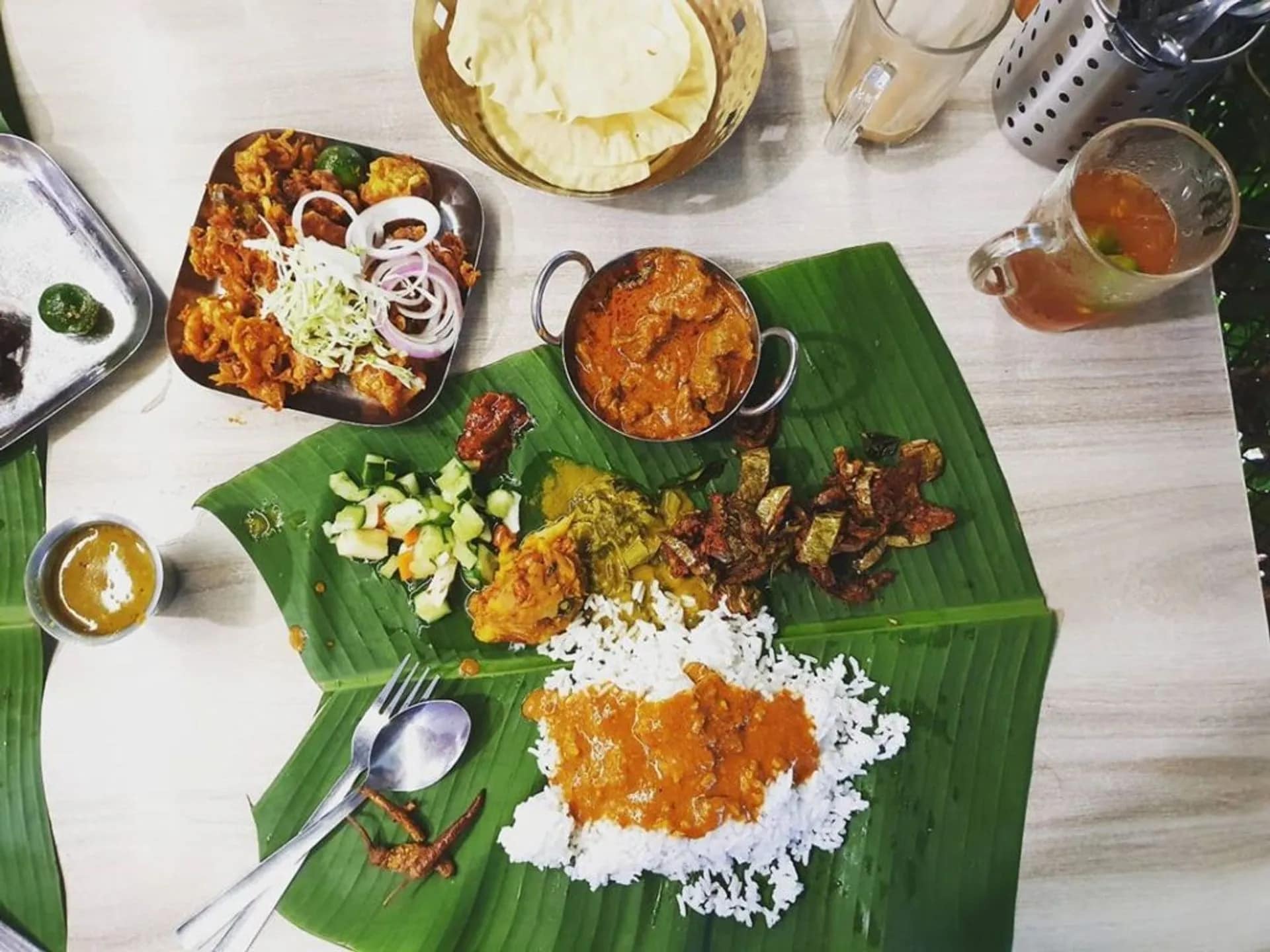
By selling banana leaves as disposable plates, farmers could generate additional revenue from an otherwise wasted resource. Assuming a selling price of 2 Pakistani Rupees (PKR) per leaf, the potential revenue ranges from 680 million to 2.08 billion PKR per year. This supplementary income could reduce the cost of banana production and improve the livelihoods of farmers, while also offering an affordable and eco-friendly alternative to traditional disposable tableware.
Environmental Impact and Carbon Footprint Reduction
Using banana leaves as disposable plates presents multiple environmental benefits. Firstly, it eliminates the need to burn the leaves, reducing air pollution and the release of greenhouse gases. Secondly, it provides a sustainable alternative to conventional disposable plates made from materials such as plastic or Styrofoam, which are not biodegradable and contribute to pollution and landfill waste.
Banana leaves are biodegradable and compostable, meaning they can break down naturally and return nutrients to the soil, reducing waste and the carbon footprint associated with disposal. Additionally, using banana leaves as disposable plates reduces the demand for alternative materials, leading to a decrease in the energy and resources needed for their production and transportation.
Conclusion
Promoting the use of banana leaves as disposable plates in Pakistan presents a unique opportunity to address environmental concerns while simultaneously providing economic benefits to farmers. By harnessing an abundant and underutilized resource, Pakistan can reduce waste and carbon emissions, support local agriculture, and contribute to the global movement towards more sustainable and eco-friendly practices.
By Rehan Allahwala with chatgpt
Introduction
In a world where the impact of human activities on the environment is increasingly recognized, the need for sustainable and eco-friendly alternatives has never been more urgent. One area where a shift towards greener practices can make a significant difference is in the disposable tableware industry. In Pakistan, an untapped resource in this regard is the banana leaf, a byproduct of the countrys banana cultivation. This article will explore the potential benefits of using banana leaves as disposable plates, touching on the economic advantages for farmers, the reduction of waste and carbon emissions, and the positive environmental impact.
Banana Leaf Production in Pakistan
Pakistan produces an estimated 200,000 to 250,000 metric tons of bananas per year, which translates to approximately 20 million banana trees in the country. As a byproduct of this cultivation, these trees generate a significant number of banana leaves. Estimates suggest that Pakistan produces between 340 million and 1.04 billion banana leaves per year. Currently, these leaves are underutilized and often burned by farmers, contributing to air pollution and waste.
Economic Benefits for Farmers
By selling banana leaves as disposable plates, farmers could generate additional revenue from an otherwise wasted resource. Assuming a selling price of 2 Pakistani Rupees (PKR) per leaf, the potential revenue ranges from 680 million to 2.08 billion PKR per year. This supplementary income could reduce the cost of banana production and improve the livelihoods of farmers, while also offering an affordable and eco-friendly alternative to traditional disposable tableware.
Environmental Impact and Carbon Footprint Reduction
Using banana leaves as disposable plates presents multiple environmental benefits. Firstly, it eliminates the need to burn the leaves, reducing air pollution and the release of greenhouse gases. Secondly, it provides a sustainable alternative to conventional disposable plates made from materials such as plastic or Styrofoam, which are not biodegradable and contribute to pollution and landfill waste.
Banana leaves are biodegradable and compostable, meaning they can break down naturally and return nutrients to the soil, reducing waste and the carbon footprint associated with disposal. Additionally, using banana leaves as disposable plates reduces the demand for alternative materials, leading to a decrease in the energy and resources needed for their production and transportation.
Conclusion
Promoting the use of banana leaves as disposable plates in Pakistan presents a unique opportunity to address environmental concerns while simultaneously providing economic benefits to farmers. By harnessing an abundant and underutilized resource, Pakistan can reduce waste and carbon emissions, support local agriculture, and contribute to the global movement towards more sustainable and eco-friendly practices.
Title: 2 billion rupee a year from Banana Leaves as Disposable Plates in Pakistan
By Rehan Allahwala with chatgpt
Introduction
In a world where the impact of human activities on the environment is increasingly recognized, the need for sustainable and eco-friendly alternatives has never been more urgent. One area where a shift towards greener practices can make a significant difference is in the disposable tableware industry. In Pakistan, an untapped resource in this regard is the banana leaf, a byproduct of the country's banana cultivation. This article will explore the potential benefits of using banana leaves as disposable plates, touching on the economic advantages for farmers, the reduction of waste and carbon emissions, and the positive environmental impact.
Banana Leaf Production in Pakistan
Pakistan produces an estimated 200,000 to 250,000 metric tons of bananas per year, which translates to approximately 20 million banana trees in the country. As a byproduct of this cultivation, these trees generate a significant number of banana leaves. Estimates suggest that Pakistan produces between 340 million and 1.04 billion banana leaves per year. Currently, these leaves are underutilized and often burned by farmers, contributing to air pollution and waste.
Economic Benefits for Farmers
By selling banana leaves as disposable plates, farmers could generate additional revenue from an otherwise wasted resource. Assuming a selling price of 2 Pakistani Rupees (PKR) per leaf, the potential revenue ranges from 680 million to 2.08 billion PKR per year. This supplementary income could reduce the cost of banana production and improve the livelihoods of farmers, while also offering an affordable and eco-friendly alternative to traditional disposable tableware.
Environmental Impact and Carbon Footprint Reduction
Using banana leaves as disposable plates presents multiple environmental benefits. Firstly, it eliminates the need to burn the leaves, reducing air pollution and the release of greenhouse gases. Secondly, it provides a sustainable alternative to conventional disposable plates made from materials such as plastic or Styrofoam, which are not biodegradable and contribute to pollution and landfill waste.
Banana leaves are biodegradable and compostable, meaning they can break down naturally and return nutrients to the soil, reducing waste and the carbon footprint associated with disposal. Additionally, using banana leaves as disposable plates reduces the demand for alternative materials, leading to a decrease in the energy and resources needed for their production and transportation.
Conclusion
Promoting the use of banana leaves as disposable plates in Pakistan presents a unique opportunity to address environmental concerns while simultaneously providing economic benefits to farmers. By harnessing an abundant and underutilized resource, Pakistan can reduce waste and carbon emissions, support local agriculture, and contribute to the global movement towards more sustainable and eco-friendly practices.
0 Commentarii
0 Distribuiri
55 Views