


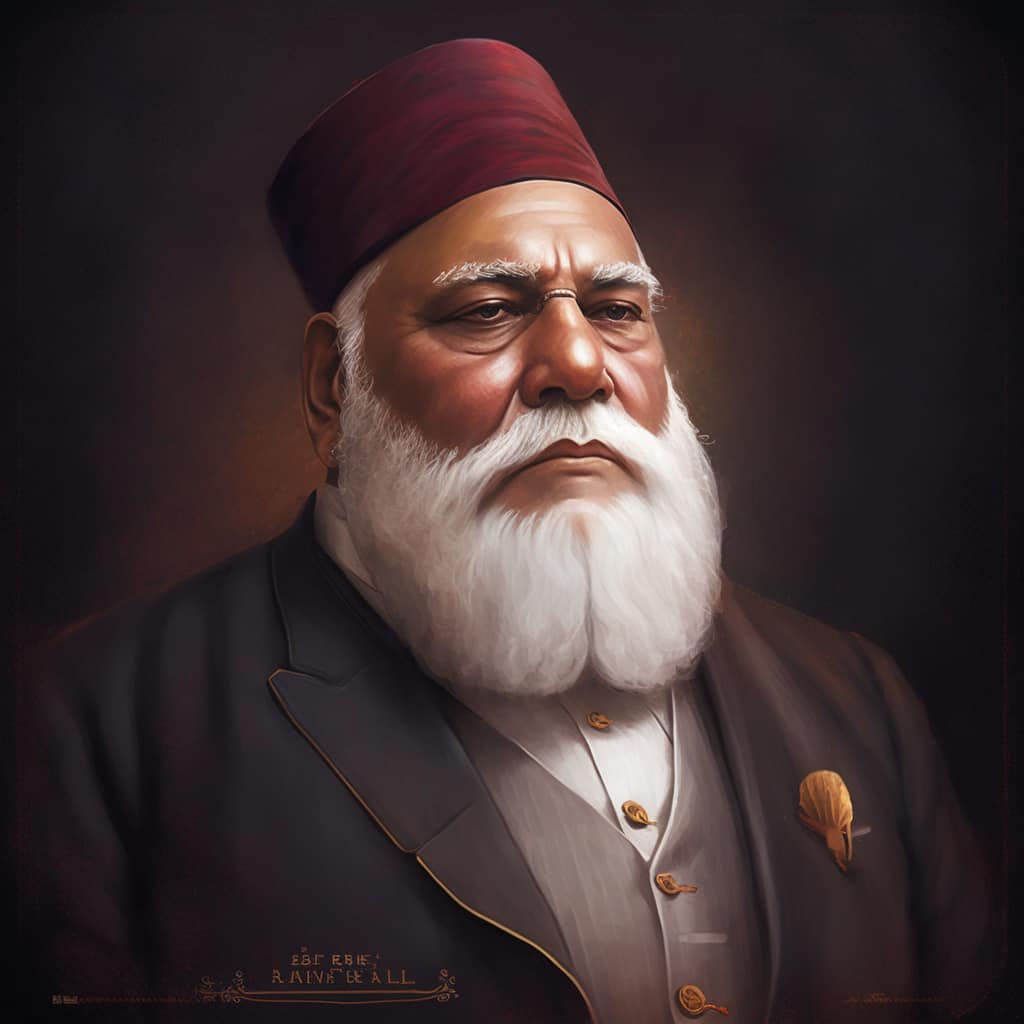
Sir Syed Ahmed Khan believed that English education was essential for the progress and empowerment of Muslims in India. He recognized the importance of the English language in the changing political and social landscape of India, and saw it as a means to bridge the gap between the British colonial rulers and the Indian population. He believed that by learning English, Muslims could gain a better understanding of British laws and administration, and thus be better equipped to protect their rights and interests. Sir Syed Ahmed Khan also believed that education in English would allow Muslims to participate more effectively in the economic and political life of India, and would help to dispel the negative stereotypes and prejudices held by the British colonial authorities. Through his writings and educational initiatives, Sir Syed Ahmed Khan played a pivotal role in promoting English education among Muslims in India.
Sir Syed Ahmed Khan believed that English education was essential for the progress and empowerment of Muslims in India. He recognized the importance of the English language in the changing political and social landscape of India, and saw it as a means to bridge the gap between the British colonial rulers and the Indian population. He believed that by learning English, Muslims could gain a better understanding of British laws and administration, and thus be better equipped to protect their rights and interests. Sir Syed Ahmed Khan also believed that education in English would allow Muslims to participate more effectively in the economic and political life of India, and would help to dispel the negative stereotypes and prejudices held by the British colonial authorities. Through his writings and educational initiatives, Sir Syed Ahmed Khan played a pivotal role in promoting English education among Muslims in India.
0 Kommentare
0 Anteile
19 Ansichten