


The number of cells in the human body varies depending on the individual and the stage of life they are in. According to estimates, the average adult human body contains between 30 and 50 trillion cells. This number can vary due to factors such as age, size, and health status.
The human body is made up of many different types of cells, including red and white blood cells, nerve cells, and muscle cells. Each type of cell has a specific function and plays a unique role in maintaining the bodys overall health and homeostasis.
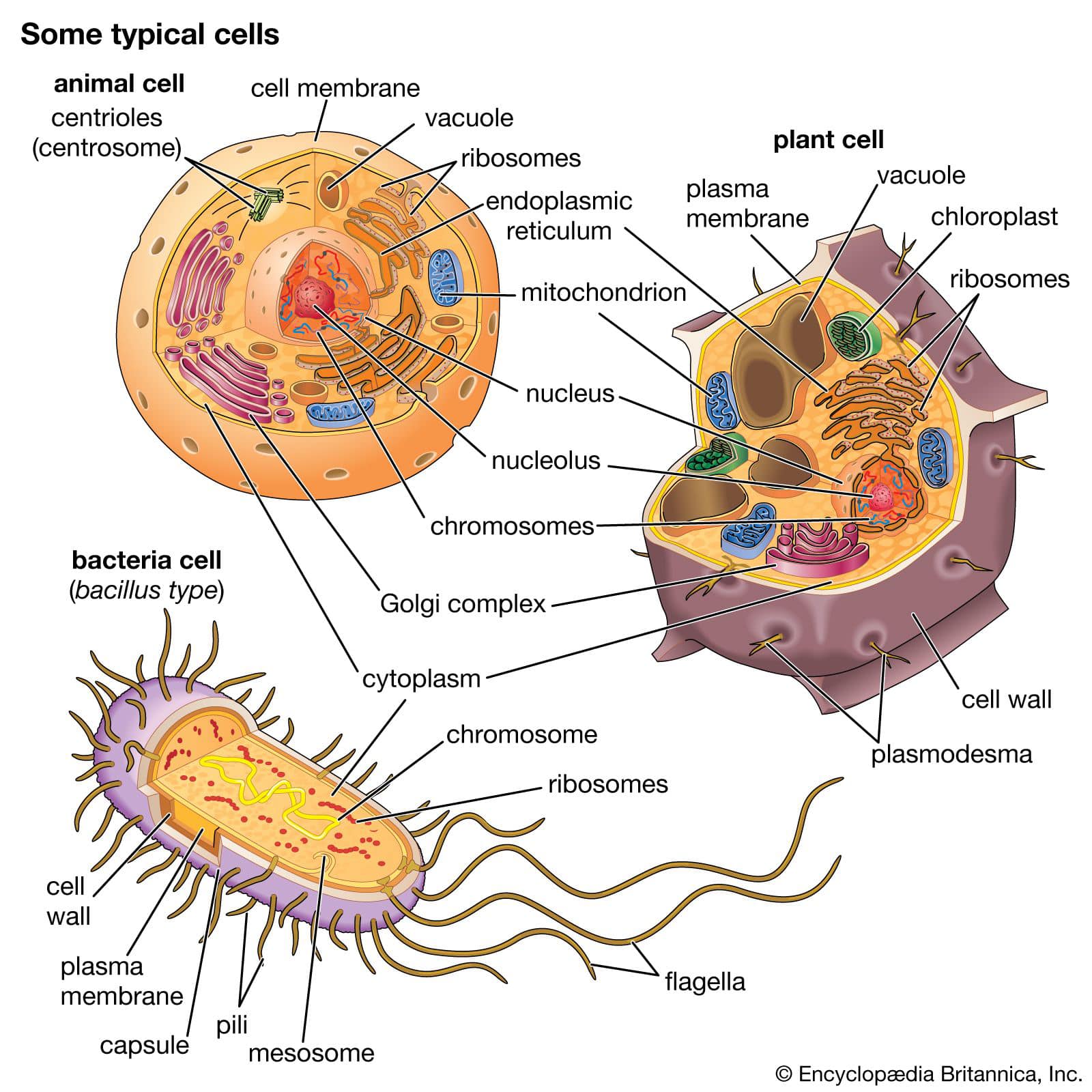
Its worth noting that not all of the cells in the human body are human cells. The human body is home to a variety of microbial organisms, such as bacteria and fungi, which live on the skin and in the gut. These microbial cells outnumber human cells by a factor of 10, with some estimates suggesting that the human body contains as many as 100 trillion microbial cells.
The human body is made up of many different types of cells, including red and white blood cells, nerve cells, and muscle cells. Each type of cell has a specific function and plays a unique role in maintaining the bodys overall health and homeostasis.
Its worth noting that not all of the cells in the human body are human cells. The human body is home to a variety of microbial organisms, such as bacteria and fungi, which live on the skin and in the gut. These microbial cells outnumber human cells by a factor of 10, with some estimates suggesting that the human body contains as many as 100 trillion microbial cells.
The number of cells in the human body varies depending on the individual and the stage of life they are in. According to estimates, the average adult human body contains between 30 and 50 trillion cells. This number can vary due to factors such as age, size, and health status.
The human body is made up of many different types of cells, including red and white blood cells, nerve cells, and muscle cells. Each type of cell has a specific function and plays a unique role in maintaining the body's overall health and homeostasis.
It's worth noting that not all of the cells in the human body are human cells. The human body is home to a variety of microbial organisms, such as bacteria and fungi, which live on the skin and in the gut. These microbial cells outnumber human cells by a factor of 10, with some estimates suggesting that the human body contains as many as 100 trillion microbial cells.
0 Comments
0 Shares
78 Views